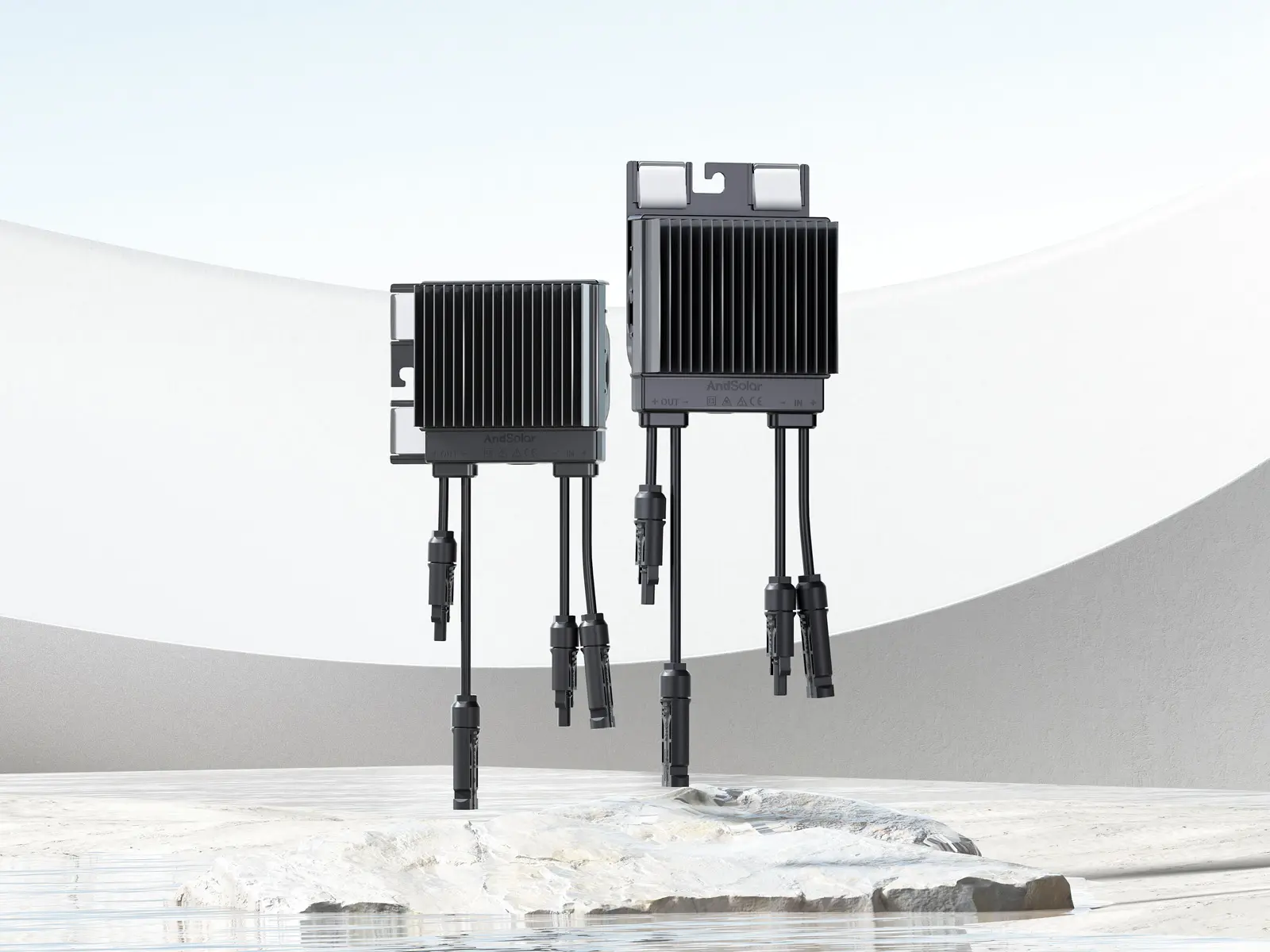
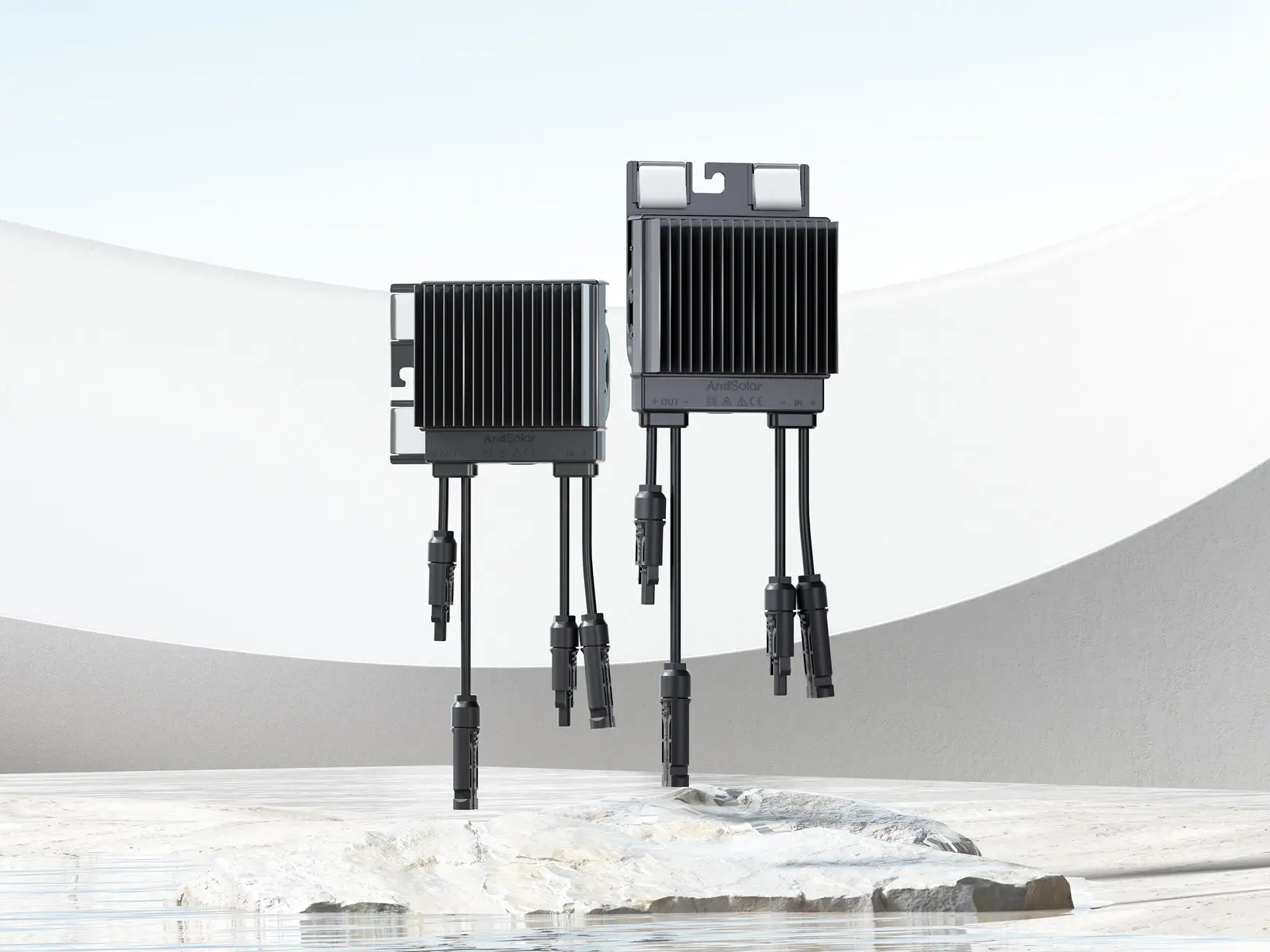
Advanced PV Module-Level Control Systems: Maximize Solar Performance with Individual Module Optimization

  • 8F, Block B, Building 1, 286 Qinglonggang Road, Suzhou City, Jiangsu Province, P. R. China
  • [email protected]
AndSolar Cloud

PV Module-Level Control

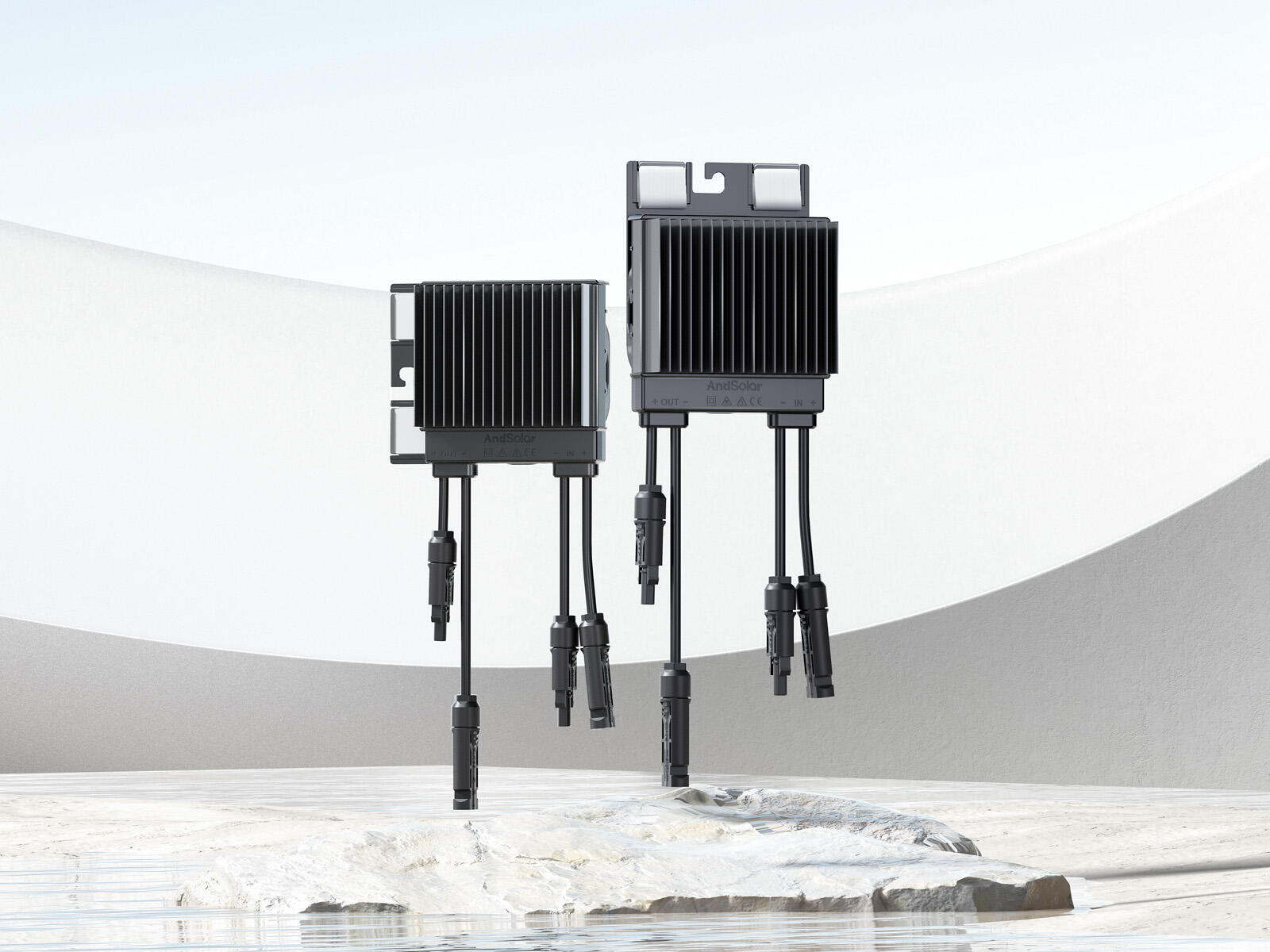
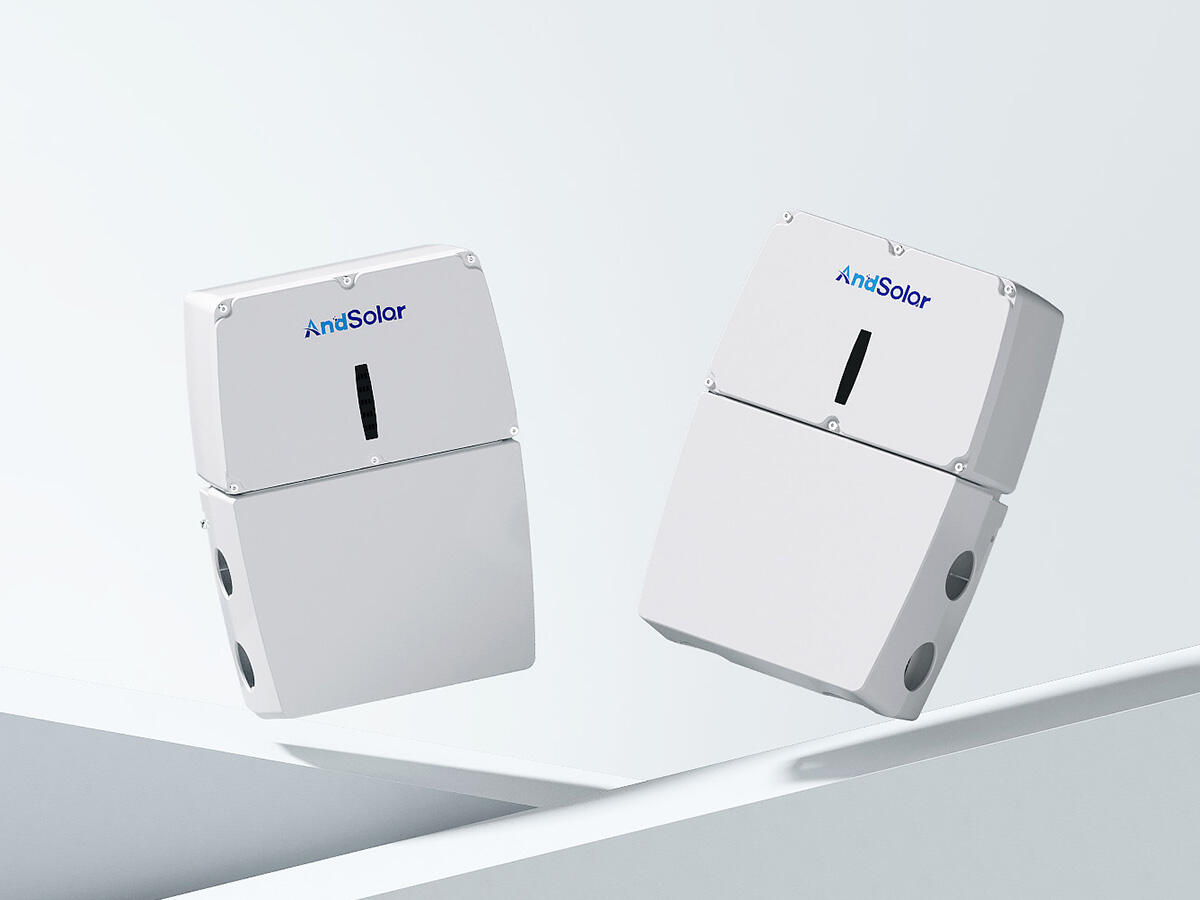
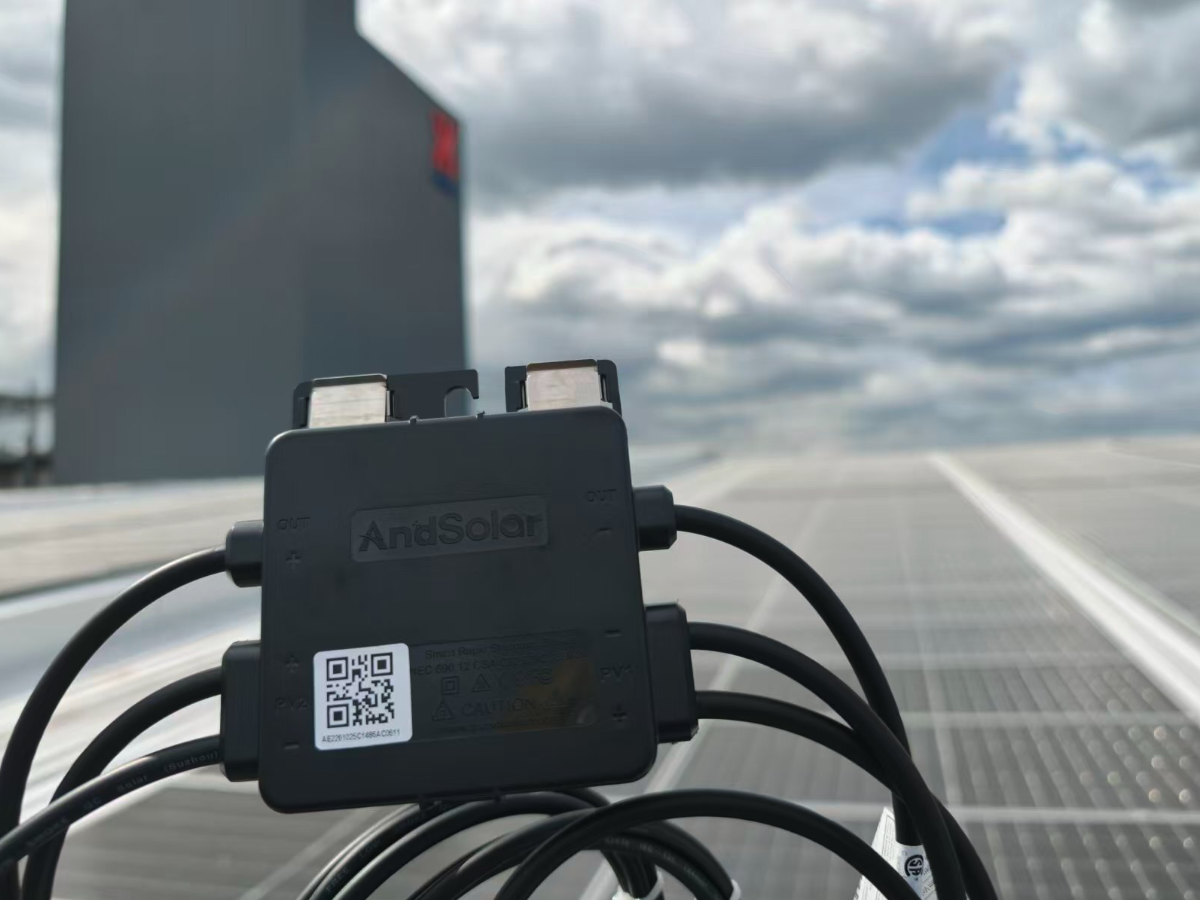
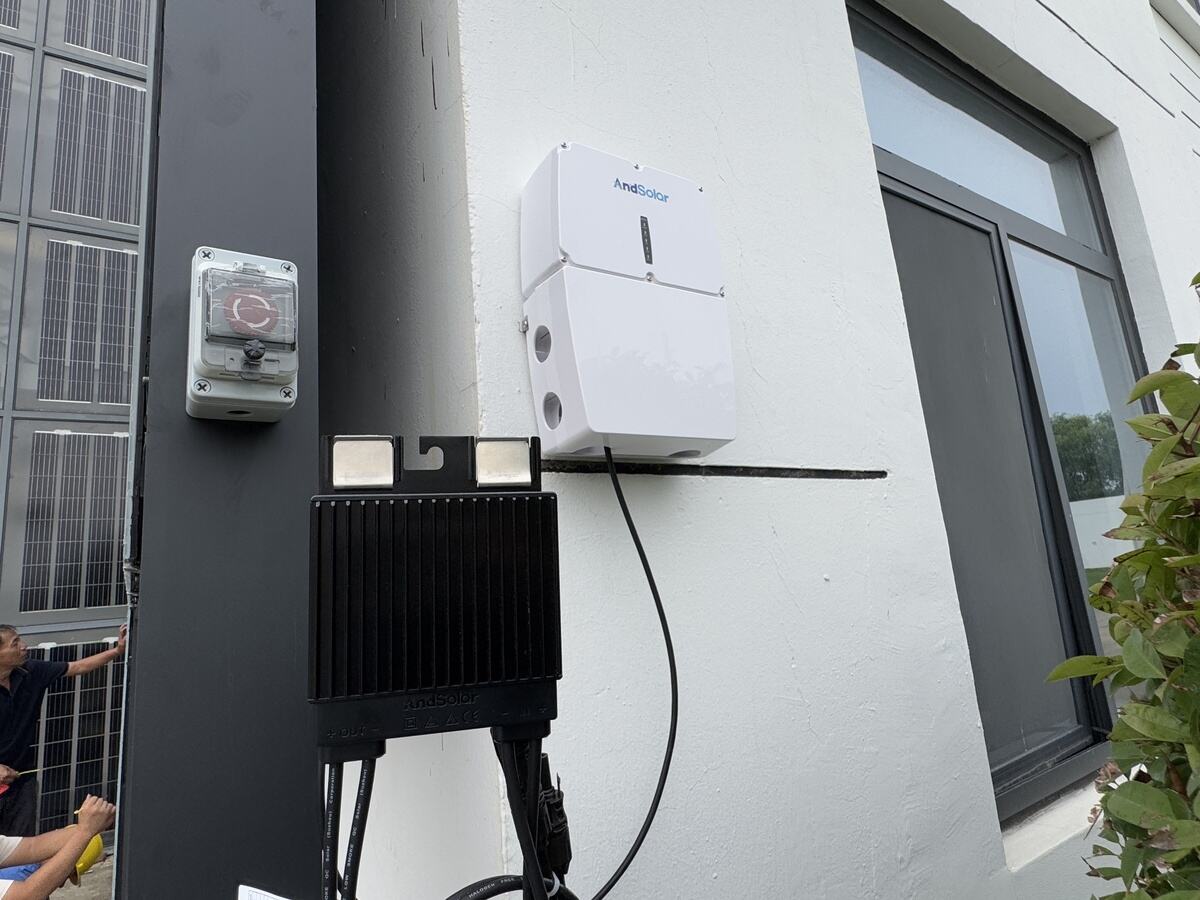
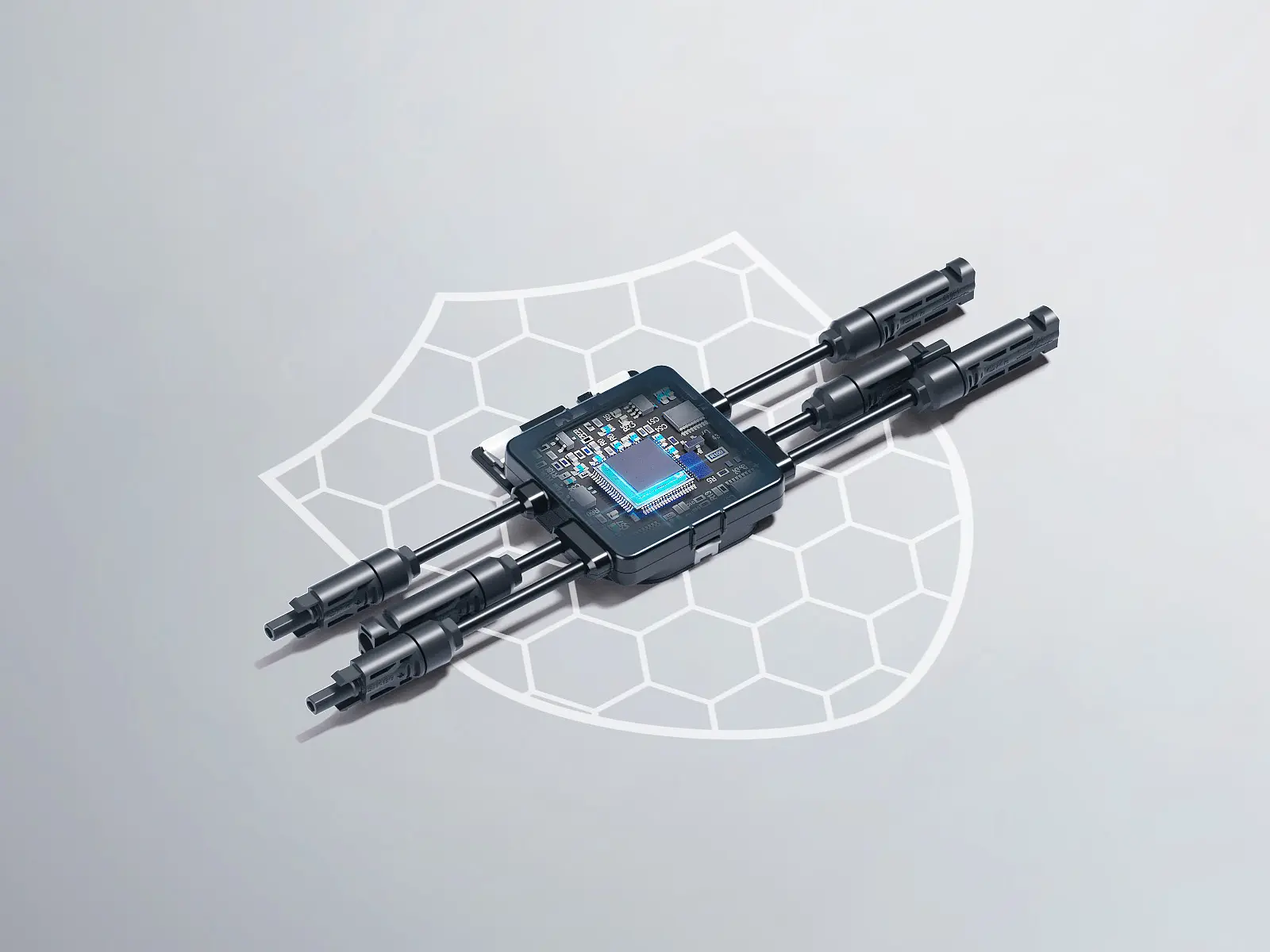
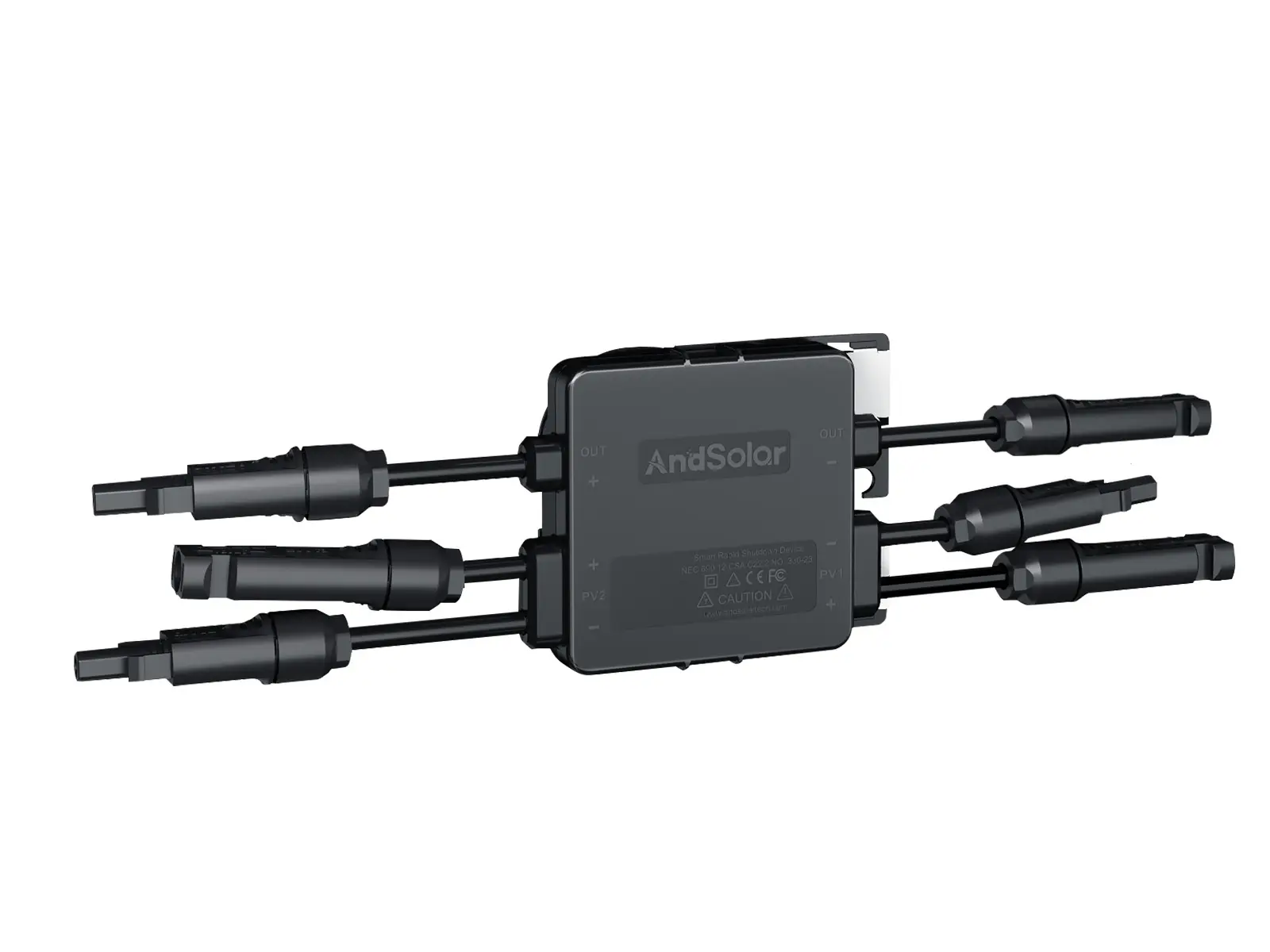
PV module-level control represents a revolutionary approach to solar energy management that transforms how individual photovoltaic modules operate within larger solar installations. Unlike traditional string-level systems, pv module-level control technology enables independent monitoring, optimization, and management of each solar panel in an array. This sophisticated control mechanism integrates advanced power electronics, intelligent algorithms, and real-time communication protocols to maximize energy harvest from every module. The core functionality of pv module-level control centers around Maximum Power Point Tracking (MPPT) at the individual module level, ensuring each panel operates at its optimal performance regardless of shading, soiling, or manufacturing variations affecting neighboring modules. The system incorporates smart inverter technology, often implemented through power optimizers or microinverters, which convert DC power to AC at the module level or optimize DC output before sending it to a central inverter. Communication capabilities form another crucial aspect, with wireless or powerline communication enabling real-time data transmission about module performance, health status, and environmental conditions. Safety features are deeply integrated, including rapid shutdown capabilities that can isolate individual modules during maintenance or emergency situations. The technological architecture supports scalable installations, from residential rooftops to large commercial solar farms. Advanced diagnostic capabilities allow for predictive maintenance, identifying potential issues before they impact system performance. Installation flexibility is enhanced through reduced string design constraints, enabling optimal panel placement regardless of roof orientation or shading patterns. The pv module-level control system seamlessly integrates with energy management platforms, providing detailed analytics and performance insights that help optimize energy consumption patterns and identify maintenance requirements proactively.
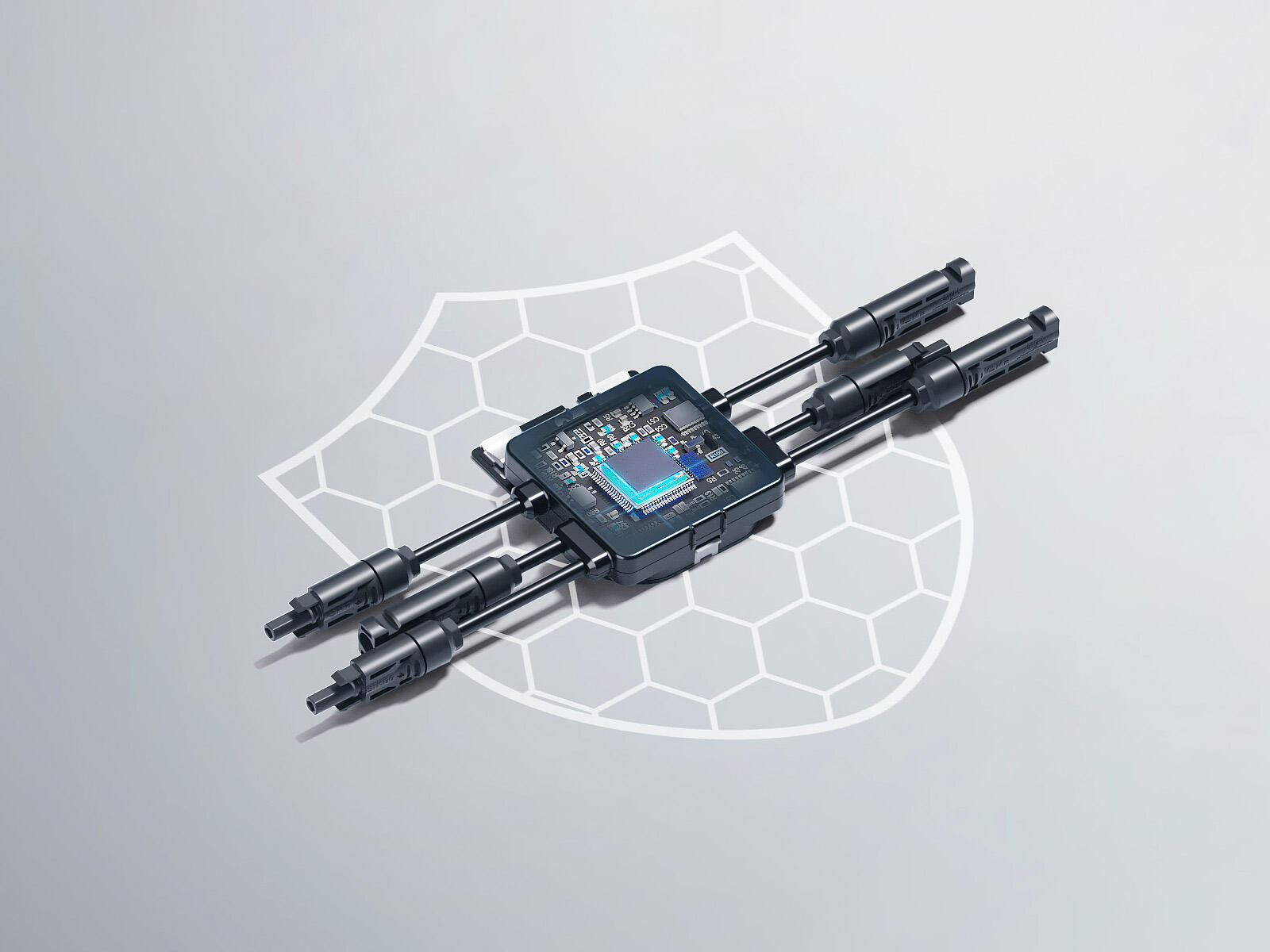
The implementation of pv module-level control delivers substantial practical benefits that directly impact system performance and user experience. Energy production increases significantly, with studies showing improvements of 15-25% compared to traditional string systems, particularly in installations facing partial shading or varied orientations. This enhanced performance stems from eliminating the weakest-link effect where one underperforming module reduces the output of an entire string. Financial returns improve correspondingly, with higher energy yields translating to accelerated payback periods and increased lifetime system value. The pv module-level control approach provides exceptional monitoring granularity, allowing users to identify and address performance issues at the individual module level rather than troubleshooting entire strings. This precision monitoring capability reduces maintenance costs and system downtime by enabling targeted interventions. Installation flexibility represents another major advantage, as pv module-level control systems accommodate complex roof geometries, multiple orientations, and expansion scenarios that would challenge traditional string configurations. Safety enhancements are particularly noteworthy, with rapid shutdown capabilities that can de-energize individual modules, reducing electrical hazards during maintenance, firefighting, or emergency situations. The technology supports system longevity through continuous optimization that prevents hotspots and reduces thermal stress on components. Warranty protection often extends beyond standard offerings due to enhanced monitoring capabilities that provide early warning of potential failures. Compatibility advantages emerge from the ability to mix different module types, wattages, and manufacturers within the same installation without performance penalties. Remote monitoring capabilities enable proactive maintenance scheduling and performance optimization without requiring on-site visits. The pv module-level control system adapts dynamically to changing conditions throughout the day, seasons, and system lifecycle, maintaining optimal performance as environmental factors and component characteristics evolve. Future-proofing benefits include compatibility with emerging smart grid technologies and energy storage integration options.

New Product Releases

Maximum Power Point Tracking Excellence

Maximum Power Point Tracking Excellence

The sophisticated Maximum Power Point Tracking capability of pv module-level control represents a fundamental breakthrough in solar energy optimization that delivers measurable performance improvements for every installation. Traditional string-based systems force all modules in a series to operate at the same current level, meaning the lowest-performing module dictates the output of the entire string. This limitation creates significant energy losses when modules experience different conditions due to shading, dust accumulation, manufacturing tolerances, or aging variations. The pv module-level control system eliminates this constraint by implementing individual MPPT algorithms for each module, allowing optimal power extraction regardless of neighboring module conditions. The advanced tracking algorithms continuously monitor voltage and current characteristics, adjusting operating parameters hundreds of times per second to maintain peak efficiency. This granular optimization becomes particularly valuable during partial shading events, where traditional systems might lose 50% or more of their output, while pv module-level control systems maintain production from unaffected modules. The technology proves especially beneficial for installations with complex roof geometries, multiple orientations, or unavoidable shading from trees, buildings, or other obstructions. Real-world performance data consistently demonstrates energy production increases of 15-25% in challenging installations, with some scenarios showing even greater improvements. The MPPT excellence extends beyond immediate performance gains to include adaptive learning capabilities that optimize tracking algorithms based on historical performance data and environmental patterns. This intelligent adaptation ensures sustained peak performance throughout the system's operational lifetime, compensating for gradual component aging and environmental changes. The precision control also reduces thermal stress on modules by preventing hotspot formation, contributing to extended component lifespan and maintained warranty coverage.
Comprehensive Safety and Monitoring Features

Comprehensive Safety and Monitoring Features

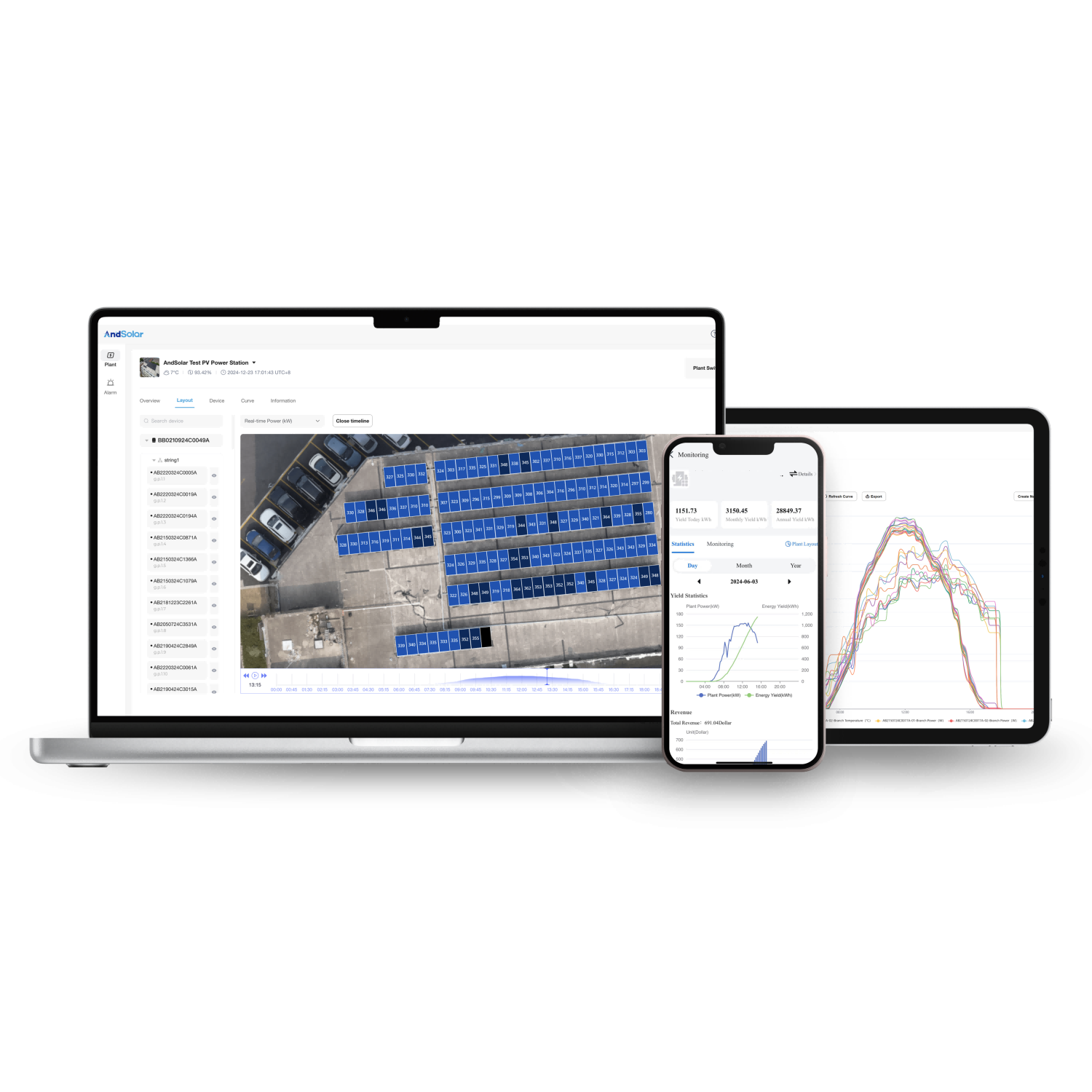
The comprehensive safety and monitoring capabilities integrated within pv module-level control systems establish new standards for solar installation protection and performance oversight that benefit installers, maintenance personnel, and system owners alike. The rapid shutdown functionality represents a critical safety advancement, enabling individual module isolation within seconds of receiving a shutdown command from emergency responders or maintenance personnel. This capability significantly reduces electrical hazards during rooftop work, firefighting operations, or system maintenance activities by eliminating high-voltage DC circuits that traditionally remained energized even when AC power was disconnected. The monitoring granularity extends far beyond simple power output measurement, capturing detailed performance metrics including voltage, current, temperature, and energy production data for each individual module. This comprehensive data collection enables predictive maintenance strategies that identify potential issues before they impact system performance or safety. The pv module-level control system continuously analyzes performance patterns, comparing individual module outputs against expected values based on environmental conditions and historical performance data. Anomaly detection algorithms flag underperforming modules, potential wiring issues, or developing component failures, allowing for targeted maintenance interventions that minimize system downtime and repair costs. Arc fault detection capabilities provide additional protection by monitoring electrical signatures for dangerous arcing conditions that could pose fire risks. Ground fault protection operates at the module level, providing enhanced safety compared to string-level monitoring systems. Communication protocols ensure reliable data transmission even in challenging RF environments, with multiple communication pathways including powerline carrier and wireless options. The monitoring platform integrates seamlessly with building management systems and energy management platforms, providing stakeholders with real-time visibility into system performance and health status through web-based dashboards and mobile applications.
Installation Flexibility and System Scalability

Installation Flexibility and System Scalability

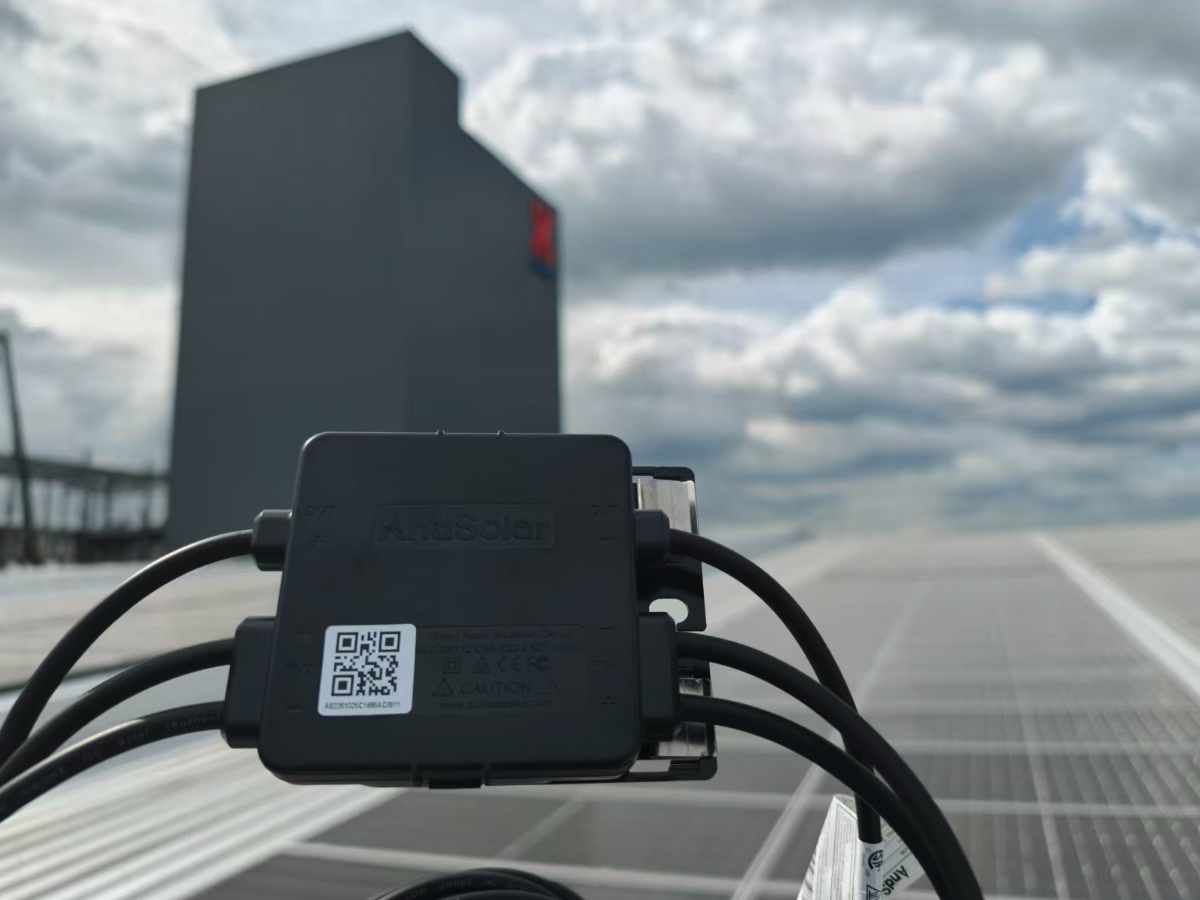
The remarkable installation flexibility and scalability offered by pv module-level control technology revolutionizes solar system design and deployment, enabling optimal energy solutions for diverse applications and site conditions that would challenge conventional approaches. Unlike traditional string-based systems that require modules to be grouped in series with similar characteristics and orientations, pv module-level control allows each module to operate independently, accommodating mixed orientations, tilts, and even different module specifications within the same installation. This flexibility proves invaluable for complex residential rooftops with multiple roof planes, dormers, chimneys, or other architectural features that create irregular installation areas. Commercial and industrial installations benefit from the ability to optimize panel placement around HVAC equipment, skylights, and other rooftop obstacles without compromising system performance. The scalability advantages become apparent in phased installation scenarios where initial system capacity can be expanded incrementally without redesigning the entire electrical architecture. The pv module-level control approach eliminates traditional string sizing constraints, allowing systems to grow organically as space becomes available or energy needs increase. Maintenance accessibility improves significantly because individual modules can be serviced, replaced, or temporarily disabled without affecting the performance of adjacent modules or requiring system shutdown. The technology accommodates mixed module technologies, enabling system upgrades with newer, more efficient modules while maintaining compatibility with existing installations. Wiring complexity reduces substantially because the pv module-level control system eliminates the need for precise string matching and complex combiner box configurations. Installation time decreases due to simplified electrical design and reduced troubleshooting requirements during commissioning. The system architecture supports diverse installation environments from residential rooftops to ground-mount commercial arrays and building-integrated photovoltaic applications. Future expansion possibilities remain virtually unlimited as the modular nature of pv module-level control systems enables seamless integration of additional capacity without fundamental system redesign or performance compromises to existing installations.

Get a Free Quote

Our representative will contact you soon.
Name
Email
Phone/ WhatsApp
Company Name
Product Selection
Message
0/1000

PV Module-Level Control

Practical Tips

How to choose the rapid shutdown device for your solar installation

21

Jul

How to choose the rapid shutdown device for your solar installation

Making the Right Safety Choice for Solar Installations As solar energy adoption continues to rise in both residential and commercial sectors, safety considerations are becoming a top priority during system design and installation. One of the most cr...
View More
Why rapid shutdown device necessary for PV system

21

Jul

Why rapid shutdown device necessary for PV system

Enhancing Solar Safety through Smart Shutdown Solutions The solar industry has evolved tremendously over the past decade, with increasing attention not only to efficiency and performance but also to safety and regulatory compliance. One of the most ...
View More
Benefits of MLPE VS. traditional PV system

21

Jul

Benefits of MLPE VS. traditional PV system

Comparing Modern and Traditional Approaches to Solar Power Management As solar energy adoption continues to grow globally, both homeowners and commercial operators face critical choices in system architecture. Among the most significant is the decis...
View More
AndSolar Power Optimizers Vs. Traditional String Inverters in MPPT

17

Sep

AndSolar Power Optimizers Vs. Traditional String Inverters in MPPT

Maximizing Solar Energy Harvesting Through Advanced Technology The solar industry continues to evolve with innovative solutions that enhance energy production and system efficiency. At the forefront of this evolution is the ongoing debate between sol...
View More

Get a Free Quote

Our representative will contact you soon.
Name
Email
Phone/ WhatsApp
Company Name
Product Selection
Message
0/1000