Advanced PV Data Playback Systems - Real-Time Solar Monitoring and Performance Analysis Solutions

  • 8F, Block B, Building 1, 286 Qinglonggang Road, Suzhou City, Jiangsu Province, P. R. China
  • [email protected]
AndSolar Cloud

PV Data Playback

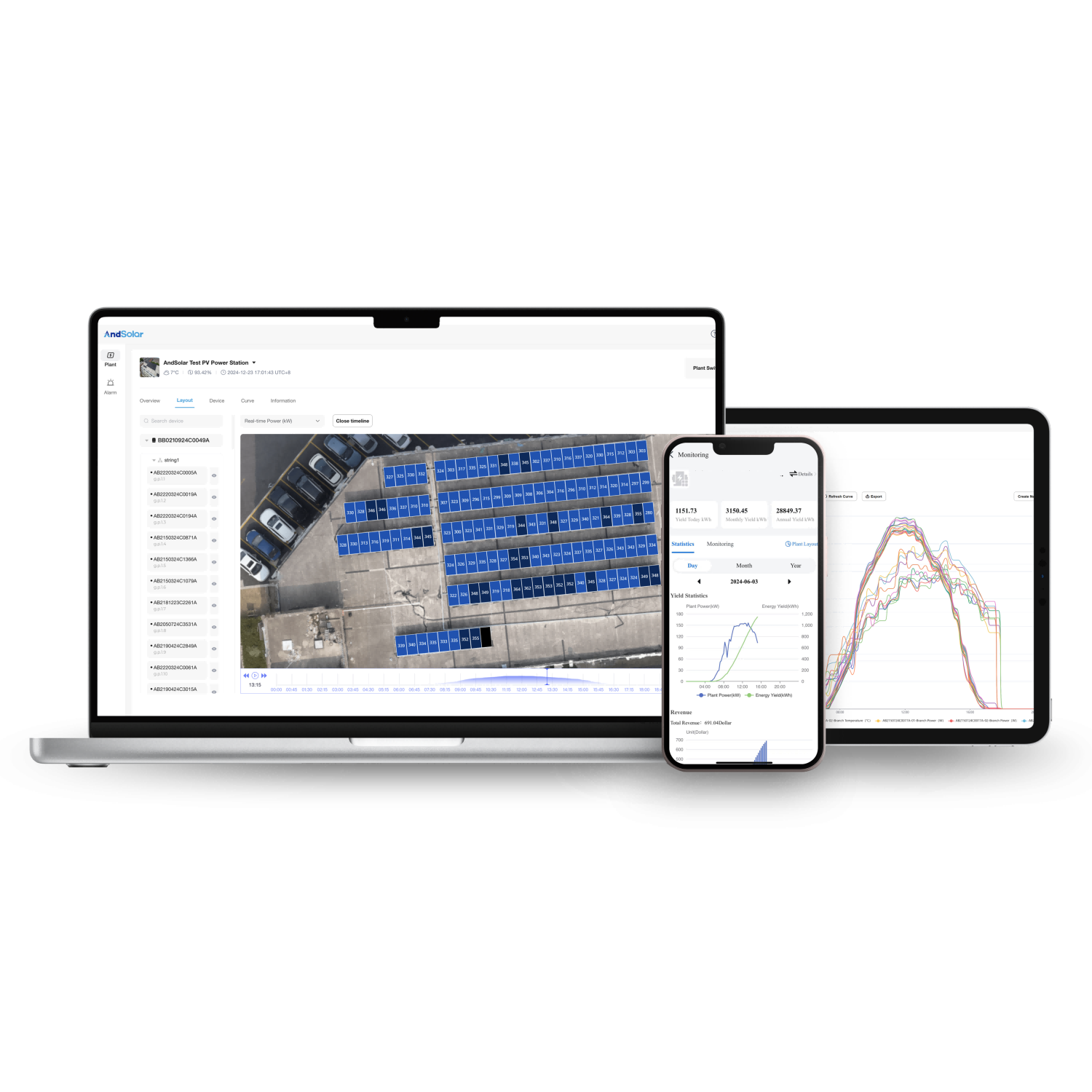
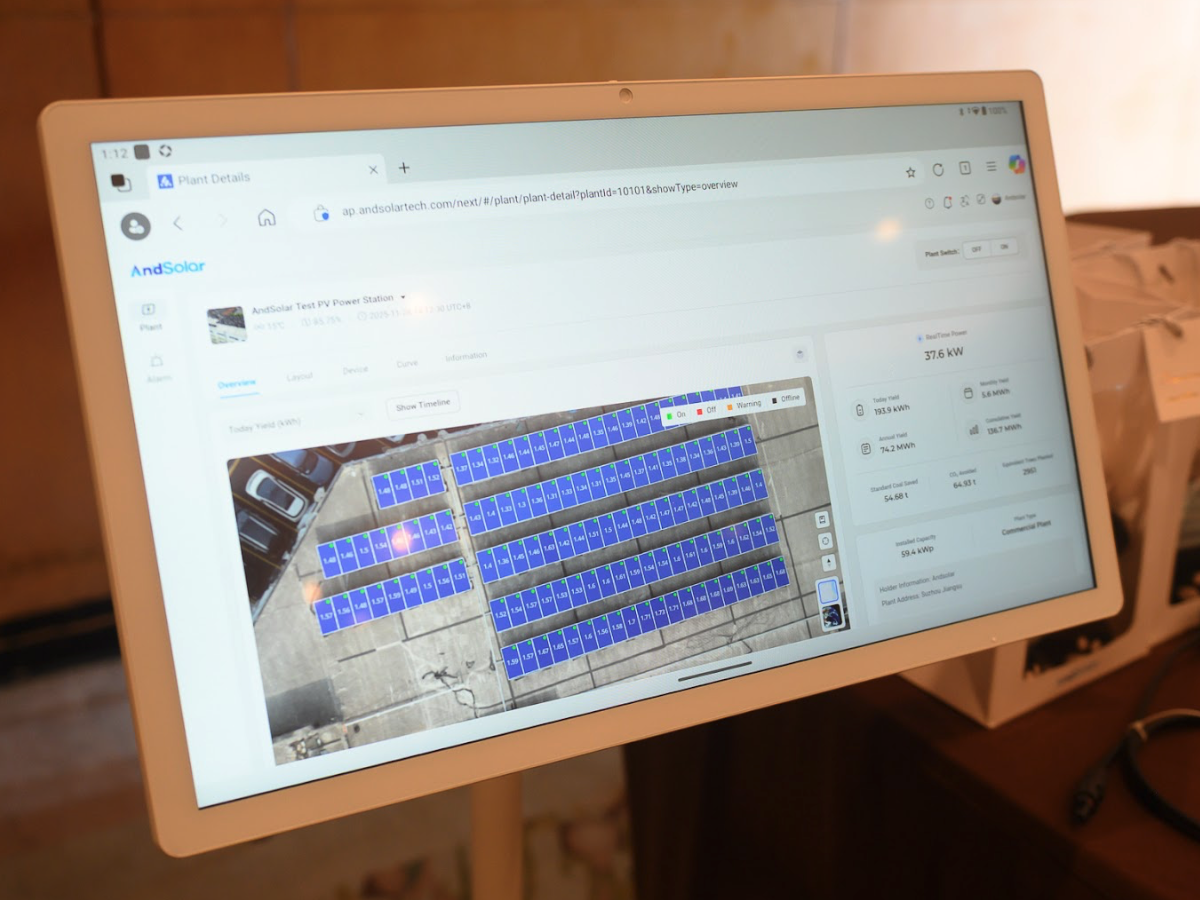
PV data playback represents a revolutionary technology that enables comprehensive monitoring and analysis of photovoltaic system performance through advanced data recording and reproduction capabilities. This sophisticated system captures, stores, and replays critical operational parameters from solar installations, providing unprecedented insights into energy generation patterns and system efficiency. The core functionality of pv data playback revolves around real-time data acquisition from multiple sensors and monitoring points across photovoltaic arrays, inverters, and auxiliary equipment. The technology employs high-resolution sampling rates to ensure accurate representation of electrical parameters, environmental conditions, and system status indicators. Modern pv data playback systems integrate seamlessly with existing monitoring infrastructure, utilizing standardized communication protocols and cloud-based storage solutions for enhanced accessibility and scalability. The technological architecture features robust data compression algorithms that maintain information integrity while optimizing storage requirements. Advanced filtering mechanisms eliminate noise and anomalies, ensuring that playback data accurately reflects actual system performance. The platform supports multiple data formats and visualization options, enabling users to analyze information through customizable dashboards, trending graphs, and comparative analysis tools. Applications span across residential, commercial, and utility-scale solar installations, providing valuable insights for system optimization, maintenance planning, and performance verification. Engineering teams utilize pv data playback for troubleshooting complex issues, identifying degradation patterns, and validating system modifications. Financial analysts leverage historical data to assess investment returns and predict future energy yields. Research institutions employ this technology to study long-term performance trends and develop improved photovoltaic technologies. The system's capability to recreate specific operational scenarios proves invaluable for training purposes and system commissioning activities, making pv data playback an essential tool for modern solar energy management.
The implementation of pv data playback technology delivers substantial benefits that directly impact operational efficiency and financial returns for solar energy stakeholders. This advanced system provides complete visibility into photovoltaic performance, enabling operators to identify optimization opportunities that would otherwise remain hidden in traditional monitoring approaches. Users gain access to detailed historical records that reveal subtle performance variations and long-term trends, facilitating proactive maintenance strategies that prevent costly system failures. The technology significantly reduces diagnostic time by allowing technicians to replay specific operational conditions and isolate problematic behaviors without physically visiting installation sites. This remote troubleshooting capability translates into immediate cost savings through reduced travel expenses and faster problem resolution. System owners benefit from enhanced warranty claims support, as pv data playback provides comprehensive documentation of equipment performance and environmental conditions that may have contributed to component failures. The detailed records serve as irrefutable evidence during warranty disputes and insurance claims, protecting investments and ensuring fair compensation. Performance validation becomes streamlined through automated comparison tools that verify actual energy production against predicted values, enabling swift identification of underperforming assets. Financial analysts appreciate the granular data that supports accurate energy yield forecasting and investment planning, reducing uncertainty in project financing and improving return calculations. Maintenance teams leverage predictive analytics capabilities built into pv data playback systems to schedule interventions before critical failures occur, maximizing system uptime and energy revenue. The technology supports regulatory compliance by maintaining detailed operational records required for renewable energy certifications and government reporting obligations. Training programs benefit enormously from realistic scenario reproduction, allowing new technicians to experience various system conditions and failure modes in controlled environments. Quality assurance processes gain substantial improvements through objective performance measurements that eliminate subjective assessments and ensure consistent evaluation standards. The scalability of pv data playback systems accommodates growth from single installations to large portfolio management, providing unified monitoring across diverse geographical locations and system configurations. Integration capabilities with existing enterprise software systems enable seamless workflow automation and data sharing across organizational departments.

New Product Releases

Real-Time Performance Monitoring and Historical Analysis

Real-Time Performance Monitoring and Historical Analysis

The cornerstone feature of pv data playback technology lies in its exceptional ability to capture and reproduce real-time operational data with unprecedented accuracy and detail. This comprehensive monitoring capability extends far beyond simple energy production measurements, encompassing critical parameters such as individual panel voltages, current variations, temperature profiles, irradiance levels, and environmental conditions that directly influence photovoltaic system performance. The system employs sophisticated data acquisition protocols that sample information at microsecond intervals, ensuring that even the most transient events and performance fluctuations are captured for subsequent analysis. This granular data collection enables operators to identify subtle performance degradation patterns that might take months or years to become apparent through conventional monitoring methods. Historical data analysis capabilities provide invaluable insights into seasonal performance variations, weather impact assessments, and long-term system aging characteristics that inform critical maintenance and replacement decisions. The pv data playback system maintains data integrity through redundant storage mechanisms and automated backup procedures, guaranteeing that historical records remain accessible even during hardware failures or system upgrades. Advanced visualization tools transform complex datasets into intuitive graphical representations, enabling users to quickly identify trends, anomalies, and correlation patterns that would be impossible to detect through raw numerical data alone. Comparative analysis features allow operators to benchmark performance across multiple installations, time periods, or operational conditions, facilitating evidence-based optimization strategies and best practice identification. The system's ability to replay specific operational scenarios proves invaluable for training purposes, allowing technicians to experience various system conditions and learn troubleshooting techniques without risking actual equipment damage or energy production losses. This comprehensive monitoring and analysis capability ultimately translates into improved system reliability, optimized energy yields, and reduced operational costs throughout the photovoltaic installation's operational lifetime.
Predictive Maintenance and Fault Detection Capabilities

Predictive Maintenance and Fault Detection Capabilities

Advanced predictive maintenance functionality represents one of the most valuable aspects of pv data playback technology, revolutionizing how solar installations are maintained and optimized for peak performance. This intelligent system continuously analyzes operational data patterns to identify early warning signs of potential equipment failures, component degradation, or performance anomalies that could lead to significant energy production losses if left unaddressed. The sophisticated algorithms employed in pv data playback systems learn from historical failure patterns and environmental correlations to develop highly accurate predictive models that forecast maintenance requirements with remarkable precision. This proactive approach enables maintenance teams to schedule interventions during optimal weather windows and minimize system downtime, maximizing energy generation revenue while reducing emergency repair costs. The fault detection capabilities extend beyond simple threshold monitoring to include complex pattern recognition that identifies subtle behavioral changes indicative of developing problems. For example, the system can detect gradual increases in string resistance that might indicate connector corrosion, or systematic voltage variations that could signal inverter component aging. These early detection capabilities prevent minor issues from escalating into major system failures that could require extensive repairs and result in substantial revenue losses. The pv data playback system generates automated maintenance alerts and recommendations based on predictive analysis results, providing maintenance teams with clear action items and priority rankings that optimize resource allocation. Detailed fault diagnosis reports include specific component identification, probable root causes, and recommended corrective actions, streamlining the troubleshooting process and reducing diagnostic time. The system's ability to correlate environmental conditions with equipment behavior enables more accurate maintenance scheduling, taking into account seasonal factors, weather patterns, and operational stress levels that influence component lifetime. This predictive maintenance approach significantly extends equipment lifespan by addressing issues before they cause permanent damage, ultimately reducing total cost of ownership and improving return on investment for photovoltaic installations.
Comprehensive Reporting and Compliance Documentation

Comprehensive Reporting and Compliance Documentation

The robust reporting and documentation capabilities of pv data playback systems provide indispensable support for regulatory compliance, financial reporting, and performance verification requirements that are essential for successful solar energy operations. This comprehensive documentation system automatically generates detailed reports that satisfy various stakeholder needs, from investor relations and regulatory submissions to warranty claims and insurance requirements. The system maintains complete audit trails that document all system modifications, maintenance activities, and operational events with timestamp precision, ensuring full traceability and accountability for all actions affecting photovoltaic system performance. Automated report generation capabilities eliminate manual data compilation tasks while ensuring consistency and accuracy in documentation processes, significantly reducing administrative overhead and human error risks. The pv data playback system supports multiple report formats and customization options, enabling users to create targeted documents that meet specific audience requirements and regulatory standards. Financial reporting features provide detailed energy production summaries, revenue calculations, and performance ratio analyses that support investment evaluations and loan compliance monitoring. Environmental impact reporting capabilities quantify carbon footprint reductions and renewable energy contributions, supporting sustainability reporting initiatives and green certification programs. Warranty documentation features automatically compile performance data and operational conditions that support equipment warranty claims, providing manufacturers with comprehensive evidence of proper system operation and maintenance. The system's ability to generate comparative performance reports enables portfolio managers to identify top-performing installations and implement best practices across their entire asset base. Quality assurance documentation includes detailed commissioning records, acceptance test results, and ongoing performance verification data that demonstrate system compliance with design specifications and industry standards. Integration capabilities with enterprise resource planning systems enable seamless data sharing across organizational departments, supporting coordinated decision-making and streamlined business processes. The comprehensive nature of pv data playback reporting ensures that all stakeholders have access to accurate, timely, and relevant information needed to optimize photovoltaic system operations and maximize investment returns.

Get a Free Quote

Our representative will contact you soon.
Name
Email
Phone/ WhatsApp
Company Name
Product Selection
Message
0/1000

PV Data Playback

Practical Tips

Rapid shutdown for solar: What you need to know

16

Jun

Rapid shutdown for solar: What you need to know

What Is Solar Rapid Shutdown? Definition and Core Purpose Solar rapid shutdown is an essential safety measure referring to the quick disconnection of photovoltaic (PV) panels from the power system. This process ensures the system stops producing ele...
View More
The Role of MLPE in PV Systems.

30

Jun

The Role of MLPE in PV Systems.

Understanding MLPE in Solar PV Systems Defining MLPE Technologies MLPE, (Module-Level Power Electronics), is a crucial factor in increasing the performance of a solar PV system. This includes technology like microinverters and DC optimize...
View More
Benefits of MLPE VS. traditional PV system

21

Jul

Benefits of MLPE VS. traditional PV system

Comparing Modern and Traditional Approaches to Solar Power Management As solar energy adoption continues to grow globally, both homeowners and commercial operators face critical choices in system architecture. Among the most significant is the decis...
View More
How Does the Rapid Shutdown Policy Improve Solar Safety Standards?

13

Aug

How Does the Rapid Shutdown Policy Improve Solar Safety Standards?

Strengthening Solar Power Systems Through Advanced Safety Measures In the rapidly expanding solar industry, safety has emerged as one of the most critical aspects of system design and operation. As more residential, commercial, and utility-scale inst...
View More

Get a Free Quote

Our representative will contact you soon.
Name
Email
Phone/ WhatsApp
Company Name
Product Selection
Message
0/1000