Advanced Solar Power Optimization Solutions - Maximize Energy Efficiency & ROI

  • 8F, Block B, Building 1, 286 Qinglonggang Road, Suzhou City, Jiangsu Province, P. R. China
  • [email protected]
AndSolar Cloud

solar power optimization

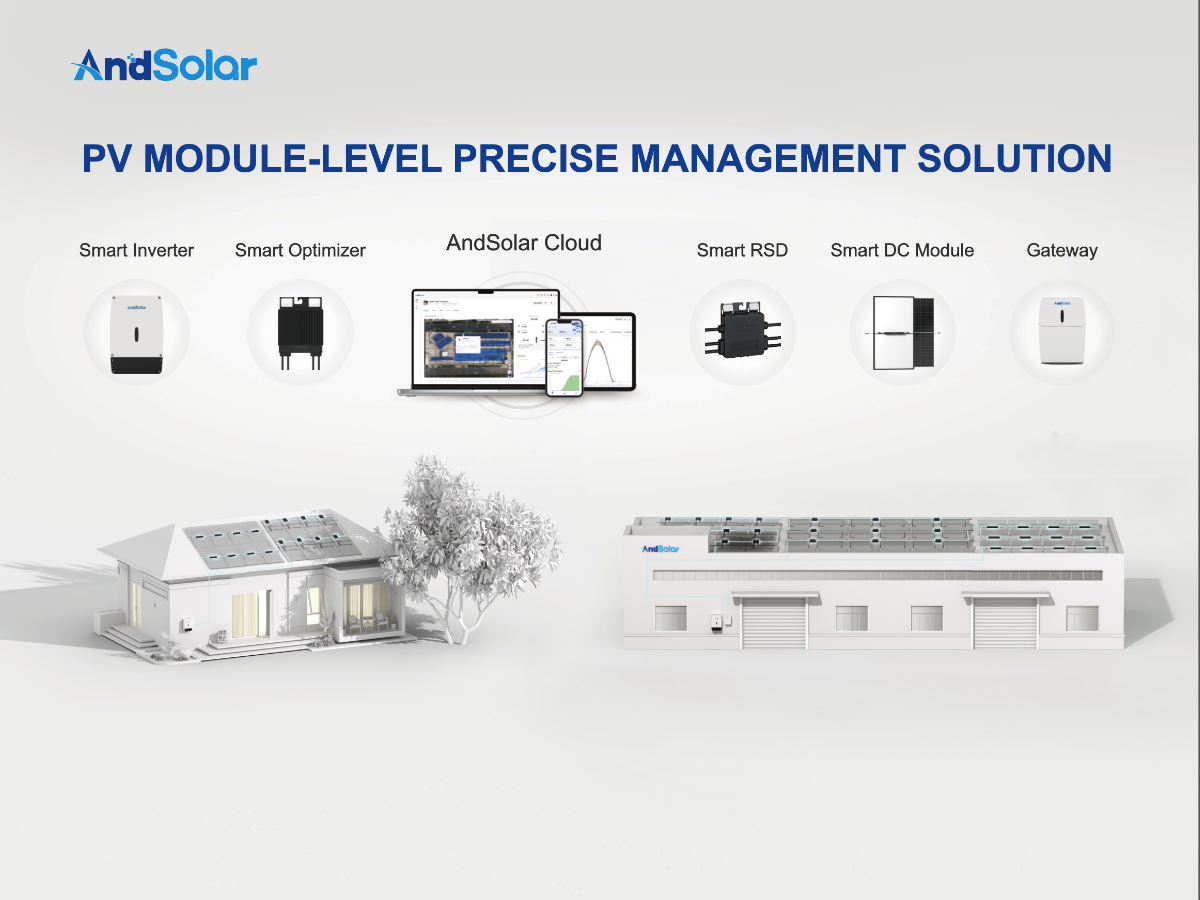
Solar power optimization represents a comprehensive approach to maximizing the efficiency, performance, and economic value of photovoltaic energy systems. This advanced technology encompasses various methods and tools designed to enhance the conversion of sunlight into usable electricity while minimizing energy losses throughout the entire solar installation process. Solar power optimization integrates sophisticated monitoring systems, intelligent inverters, power conditioning equipment, and data analytics platforms to ensure optimal energy production under varying environmental conditions. The primary functions of solar power optimization include real-time performance monitoring, fault detection and diagnostics, energy yield forecasting, and automated system adjustments. These systems continuously track individual panel performance, environmental factors, and overall system health to identify potential issues before they impact energy generation. Advanced algorithms analyze weather patterns, shading conditions, and equipment performance to predict optimal operating parameters. The technological features of modern solar power optimization solutions incorporate machine learning algorithms, IoT connectivity, cloud-based analytics, and mobile accessibility. Smart inverters with maximum power point tracking capabilities ensure each solar panel operates at peak efficiency regardless of partial shading or varying irradiance levels. Wireless monitoring systems provide granular data collection from individual panels, enabling precise performance analysis and targeted maintenance interventions. Applications for solar power optimization span residential installations, commercial buildings, utility-scale solar farms, and industrial facilities. Homeowners benefit from increased energy production and reduced electricity bills, while businesses achieve faster return on investment through enhanced system performance. Utility companies utilize optimization technologies to manage large-scale solar installations more effectively, improving grid stability and energy distribution. The integration of energy storage systems with solar power optimization creates comprehensive energy management solutions that maximize self-consumption and provide backup power capabilities during outages.
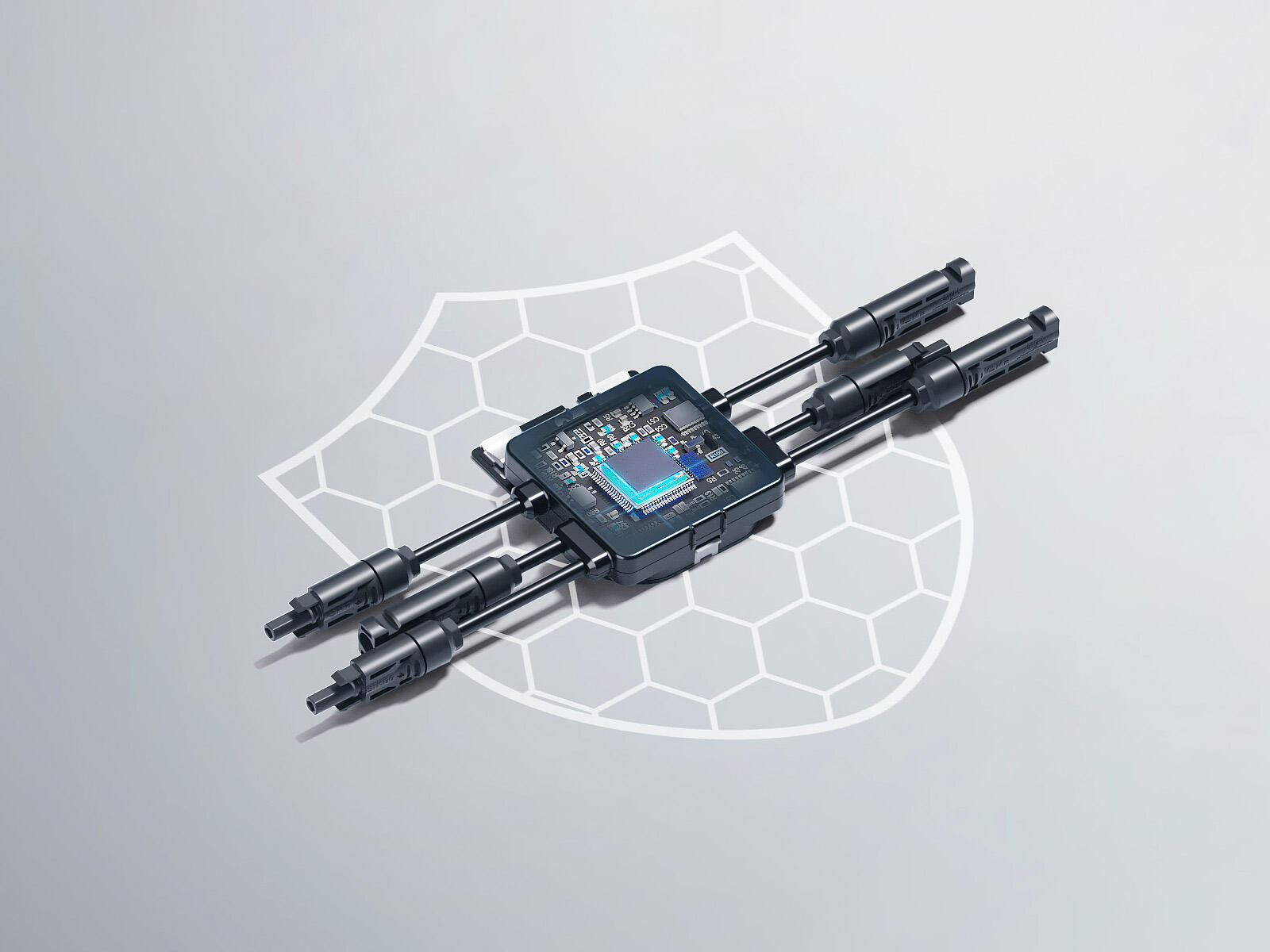
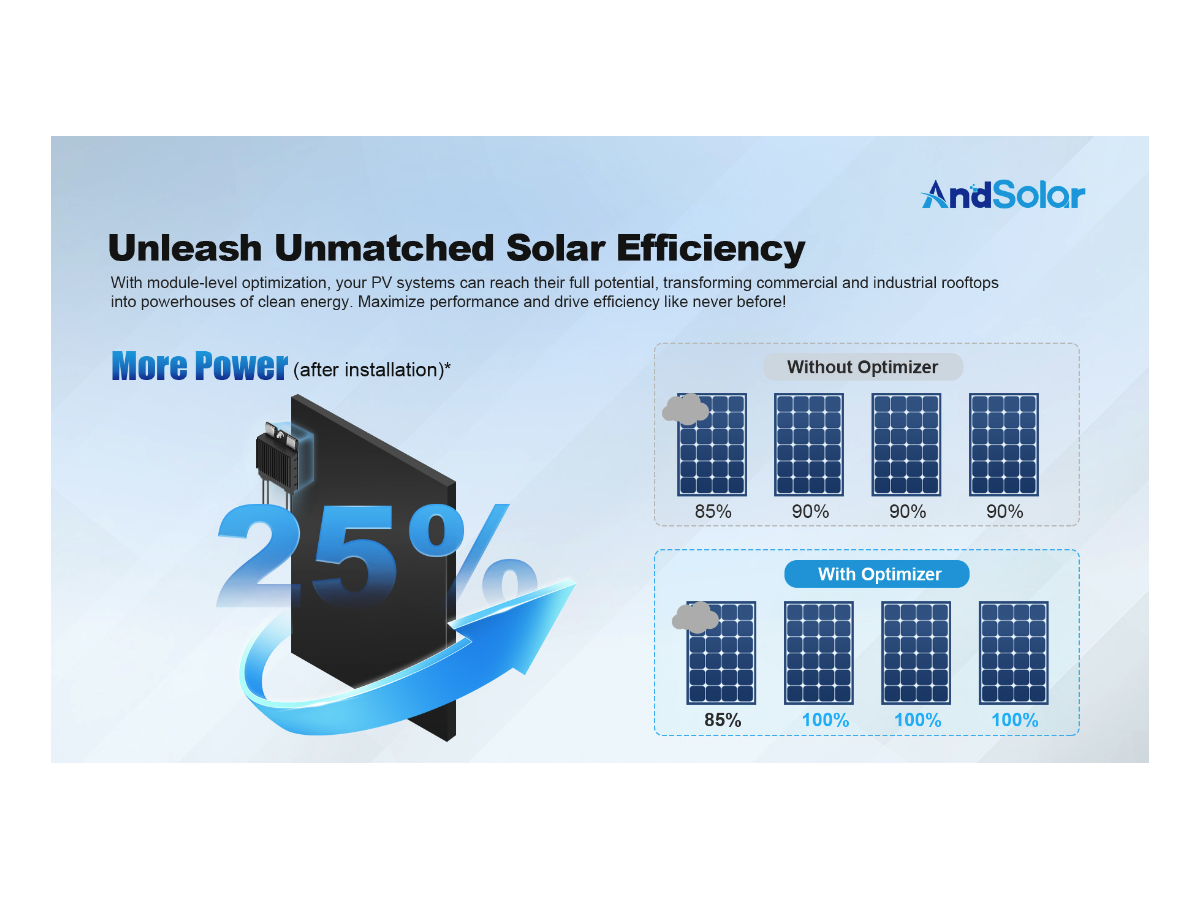
Solar power optimization delivers substantial financial benefits by increasing energy production efficiency by up to 25% compared to non-optimized systems. Property owners experience immediate cost savings through reduced electricity bills and faster payback periods on their solar investments. The technology eliminates energy losses caused by panel mismatch, shading issues, and inverter inefficiencies, ensuring maximum return on investment. Advanced monitoring capabilities enable proactive maintenance scheduling, preventing costly system failures and extending equipment lifespan significantly. Users gain complete visibility into their energy production patterns, allowing them to make informed decisions about energy consumption and storage strategies. Solar power optimization systems provide enhanced system reliability through continuous performance monitoring and automatic fault detection. This proactive approach prevents minor issues from developing into major problems that could cause extended system downtime. The technology identifies underperforming panels or components immediately, enabling quick repairs that maintain optimal energy generation. Automated alerts notify users of any performance anomalies, ensuring prompt attention to potential issues. Enhanced safety features protect both equipment and personnel through integrated shutdown capabilities and arc fault detection systems. Remote monitoring eliminates the need for frequent manual inspections, reducing maintenance costs and improving safety protocols. Solar power optimization solutions offer unprecedented flexibility and scalability for various installation sizes and configurations. Modular designs accommodate system expansions and upgrades without requiring complete system replacements. The technology adapts to changing energy needs and consumption patterns, providing long-term value as requirements evolve. Integration with smart home systems and energy management platforms creates comprehensive automation solutions that optimize energy usage throughout properties. Mobile applications provide users with real-time access to system performance data, energy production statistics, and maintenance notifications from anywhere. Cloud-based platforms ensure data security and accessibility while enabling advanced analytics and reporting capabilities. Environmental benefits include maximized clean energy production, reduced carbon footprint, and improved grid stability through optimized energy distribution. Solar power optimization contributes to energy independence by maximizing the efficiency of renewable energy systems and reducing reliance on traditional power sources.

New Products

Advanced Real-Time Monitoring and Analytics

Advanced Real-Time Monitoring and Analytics

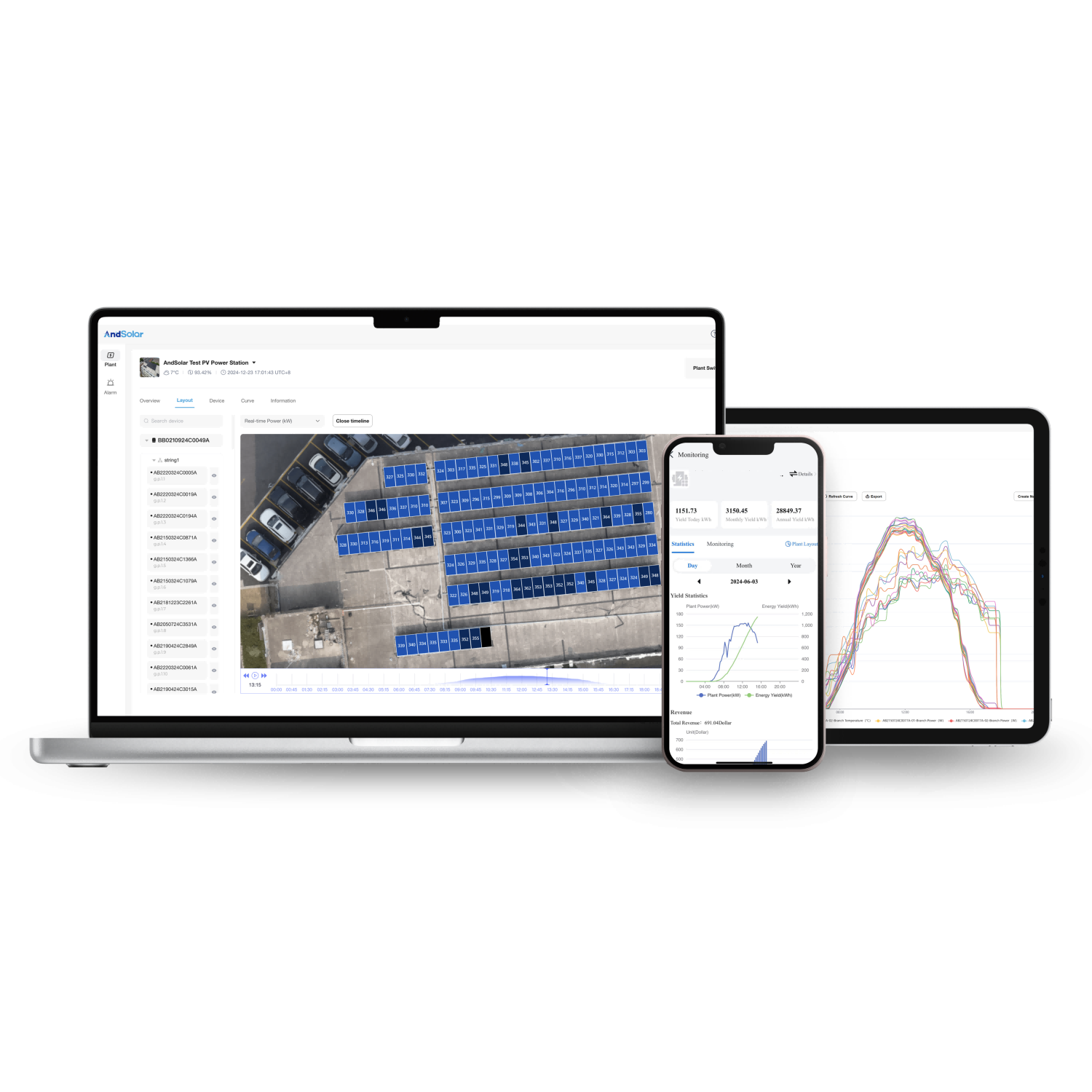
The cornerstone of effective solar power optimization lies in comprehensive real-time monitoring and advanced analytics capabilities that provide unprecedented insight into system performance and energy production patterns. This sophisticated monitoring infrastructure employs cutting-edge sensors, wireless communication technologies, and cloud-based data processing platforms to deliver continuous oversight of every component within the solar installation. Individual panel monitoring systems track voltage, current, temperature, and power output at the module level, creating detailed performance profiles that identify even minor efficiency variations. Advanced algorithms analyze this data stream continuously, comparing actual performance against theoretical maximum output under current environmental conditions. The system automatically accounts for factors such as solar irradiance levels, ambient temperature, wind speed, and atmospheric conditions to establish accurate performance baselines. Machine learning algorithms improve prediction accuracy over time by analyzing historical performance data and weather patterns, enabling precise energy yield forecasting and optimal system configuration adjustments. Users receive detailed performance reports through intuitive dashboards that translate complex technical data into easily understandable metrics and visualizations. The monitoring system identifies performance anomalies immediately, distinguishing between temporary environmental effects and genuine equipment issues that require attention. Automated alert systems notify users and maintenance teams of any significant performance deviations, enabling prompt investigation and resolution of potential problems. This proactive approach prevents minor issues from escalating into major system failures that could result in substantial energy production losses and expensive repairs. The analytics platform provides valuable insights into energy consumption patterns, helping users optimize their electricity usage to maximize self-consumption of solar-generated power. Integration with weather forecasting services enables predictive maintenance scheduling and energy management strategies that account for anticipated environmental conditions.
Maximum Power Point Tracking Technology

Maximum Power Point Tracking Technology

Maximum Power Point Tracking technology represents a revolutionary advancement in solar power optimization that ensures every photovoltaic panel operates at peak efficiency regardless of varying environmental conditions or system constraints. This intelligent power management system continuously monitors and adjusts the electrical operating point of each solar panel to extract the maximum available power under all circumstances. Traditional solar installations often suffer from significant energy losses when panels experience different levels of shading, soiling, or aging, but MPPT technology eliminates these inefficiencies through sophisticated electronic control systems. The technology employs advanced algorithms that rapidly scan the entire voltage-current characteristic curve of each panel multiple times per second, identifying the precise operating point that yields maximum power output. This dynamic optimization process adapts automatically to changing conditions such as partial shading from clouds, trees, or buildings, ensuring consistent energy production throughout the day. Individual panel optimization eliminates the weakest link effect that plagues traditional string inverter systems, where one underperforming panel reduces the output of all connected panels. Each panel operates independently at its optimal power point, maximizing overall system energy yield and improving return on investment significantly. The technology incorporates safety features that automatically shut down individual panels or sections during maintenance or emergency situations, enhancing worker safety and system protection. Advanced MPPT controllers feature wide input voltage ranges that accommodate various panel configurations and enable system expansion without compatibility concerns. The technology supports both residential and commercial applications, scaling from small rooftop installations to large utility-scale solar farms with equal effectiveness. Integration with energy storage systems enables optimal charging profiles that extend battery life while maximizing energy storage efficiency. Real-time data collection from MPPT controllers provides valuable performance insights that support predictive maintenance strategies and system optimization decisions.
Intelligent Energy Management Integration

Intelligent Energy Management Integration

Intelligent energy management integration transforms solar power optimization from a simple energy generation solution into a comprehensive smart energy ecosystem that maximizes efficiency, reduces costs, and provides complete control over energy consumption patterns. This advanced integration capability seamlessly connects solar power optimization systems with home automation platforms, energy storage solutions, electric vehicle charging stations, and utility grid management systems. The intelligent management platform analyzes real-time energy production data, consumption patterns, utility rate structures, and weather forecasts to automatically optimize energy usage throughout the property. Advanced algorithms determine the most cost-effective times to consume solar-generated electricity, store excess energy in batteries, or feed surplus power back to the grid based on time-of-use pricing and net metering policies. Load management features automatically prioritize essential systems during peak demand periods while shifting non-critical energy consumption to times of maximum solar production. Smart scheduling capabilities coordinate the operation of energy-intensive appliances such as water heaters, pool pumps, and electric vehicle chargers to coincide with periods of abundant solar generation. The system learns from user behavior patterns and preferences, gradually improving its energy management strategies to deliver personalized optimization that aligns with individual lifestyle requirements. Integration with utility demand response programs enables participation in grid stabilization initiatives that provide additional revenue streams while supporting renewable energy adoption. Advanced forecasting algorithms predict energy production and consumption patterns days in advance, enabling proactive energy management decisions that maximize self-sufficiency and minimize grid dependence. Mobile applications provide users with complete control over energy management settings, allowing remote monitoring and adjustment of system parameters from anywhere in the world. The platform supports multiple communication protocols and industry standards, ensuring compatibility with existing smart home infrastructure and future technology upgrades.

Get a Free Quote

Our representative will contact you soon.
Name
Email
Phone/ WhatsApp
Company Name
Product Selection
Message
0/1000

solar power optimization

Tips And Tricks

Rapid shutdown for solar: What you need to know

16

Jun

Rapid shutdown for solar: What you need to know

What Is Solar Rapid Shutdown? Definition and Core Purpose Solar rapid shutdown is an essential safety measure referring to the quick disconnection of photovoltaic (PV) panels from the power system. This process ensures the system stops producing ele...
View More
How Does Rapid Shutdown Enhance Safety?

16

Jun

How Does Rapid Shutdown Enhance Safety?

Understanding Rapid Shutdown in Solar Systems The Role of Rapid Shutdown Devices Rapid shutdown devices (RSD) are essential components of modern solar photovoltaic (PV) systems. Their primary purpose is to enhance safety by swiftly disconnecting pow...
View More
What Is Rapid Shutdown for Solar PV, and Why Is It Necessary?

16

Jun

What Is Rapid Shutdown for Solar PV, and Why Is It Necessary?

Understanding Rapid Shutdown Technology in Solar PV Systems What is Rapid Shutdown for Solar Panels?Safety behind-the-panel Rapid Shutdown technology serves as a critical last resort in a solar PV system, acting as a protective measure in case o...
View More
The Comparison Between Module-Level Rapid Shutdown Devices and String-Level Rapid Shutdown Devices

13

Aug

The Comparison Between Module-Level Rapid Shutdown Devices and String-Level Rapid Shutdown Devices

Advancing Solar Safety Through Modern Shutdown Solutions In the evolving solar energy industry, system safety and compliance with regulations are crucial for long-term performance. Rapid shutdown devices have become a standard requirement in many reg...
View More

Get a Free Quote

Our representative will contact you soon.
Name
Email
Phone/ WhatsApp
Company Name
Product Selection
Message
0/1000