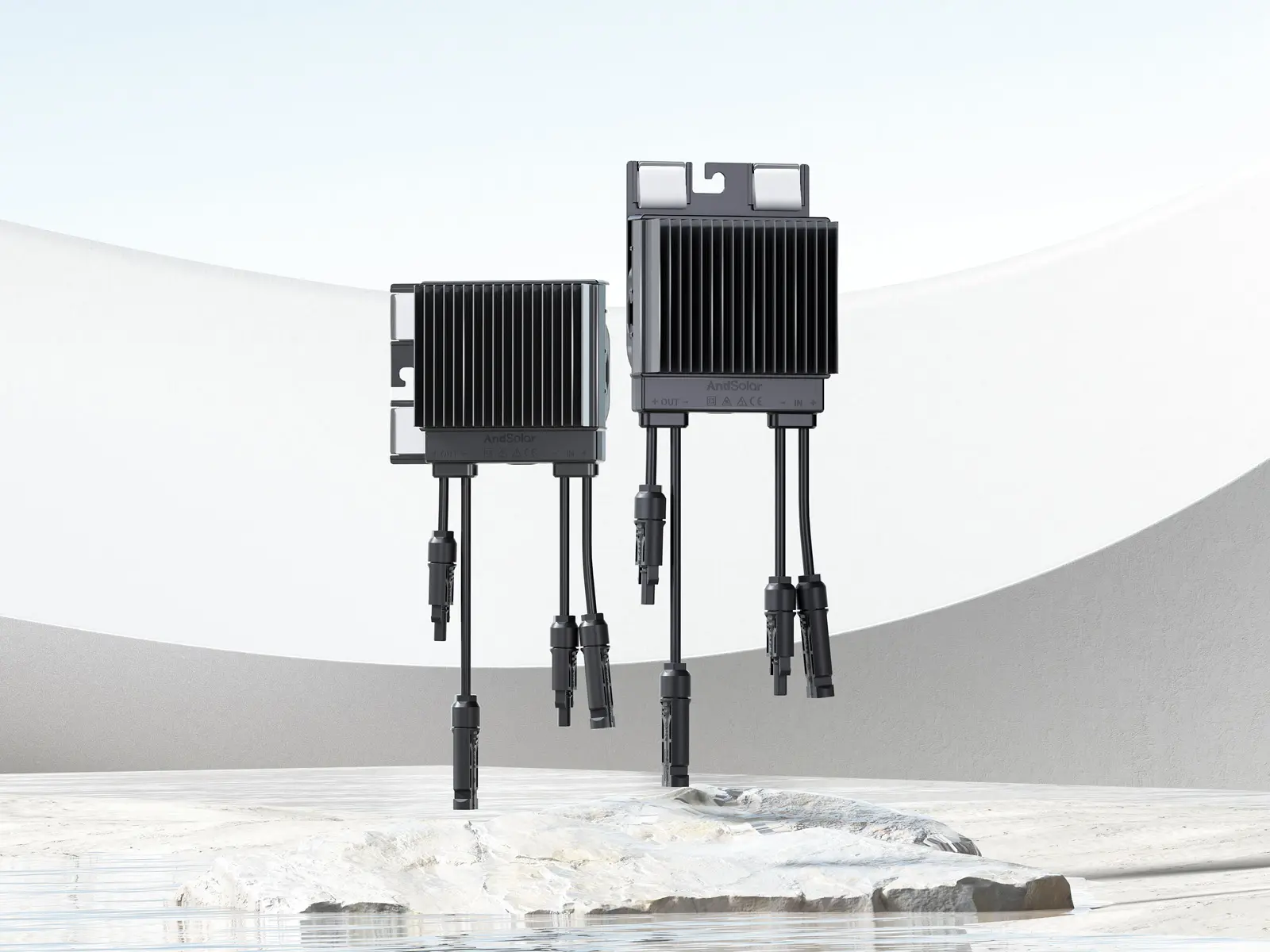
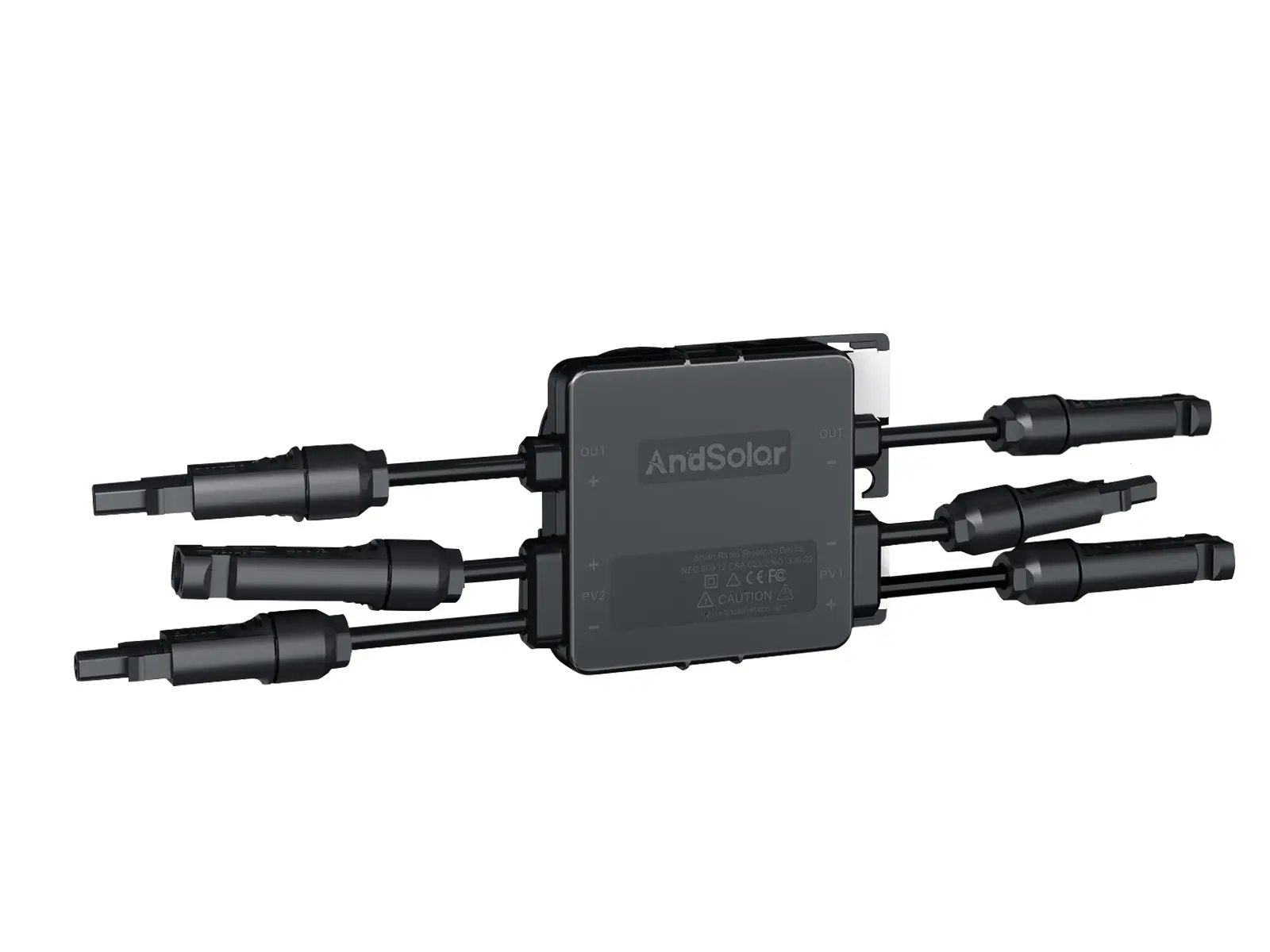
Advanced Power Optimizer for Floating PV Projects - Marine-Grade Solar Technology Solutions

  • 8F, Block B, Building 1, 286 Qinglonggang Road, Suzhou City, Jiangsu Province, P. R. China
  • [email protected]
AndSolar Cloud

Power Optimizer For Floating PV Projects

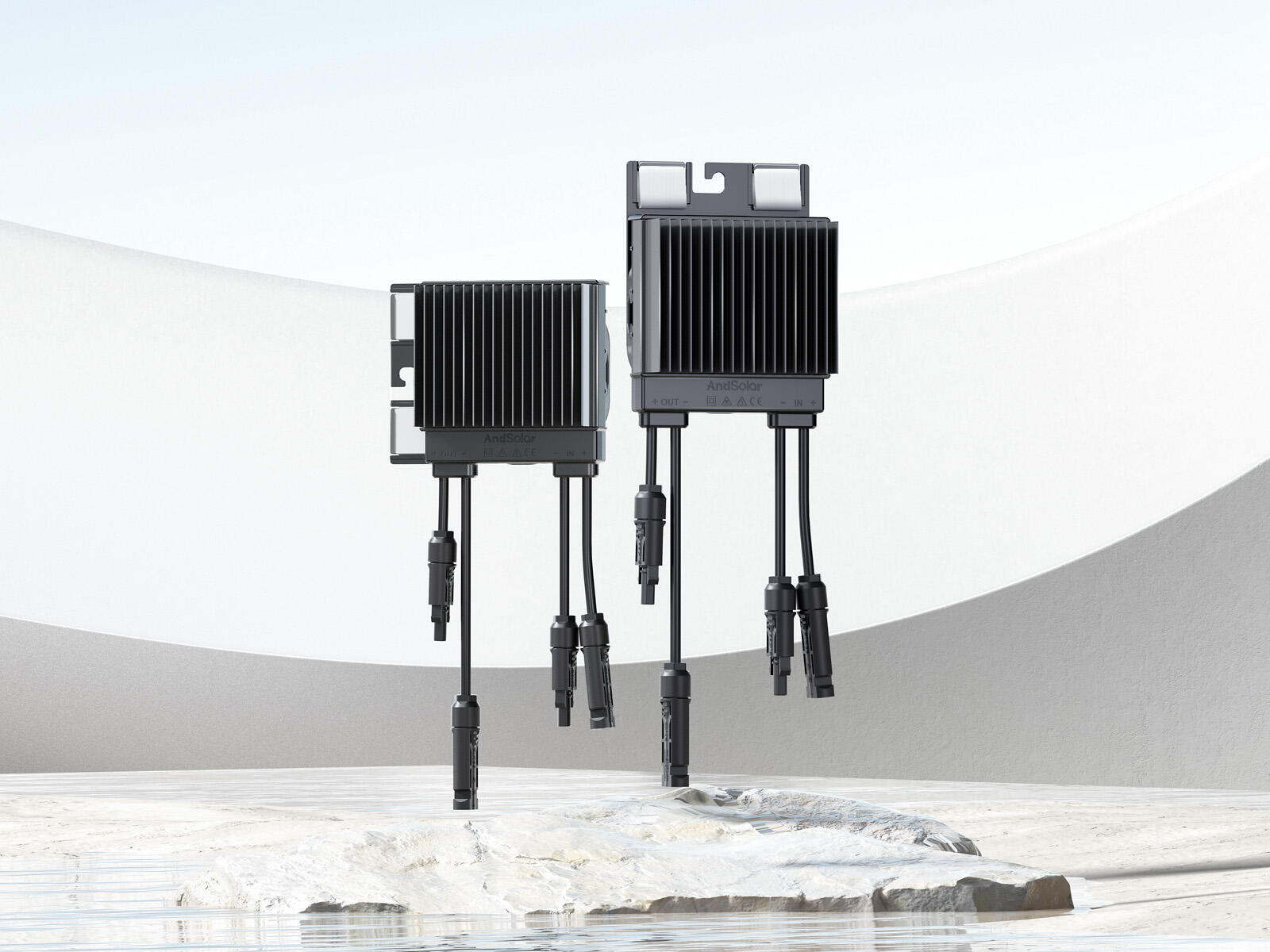
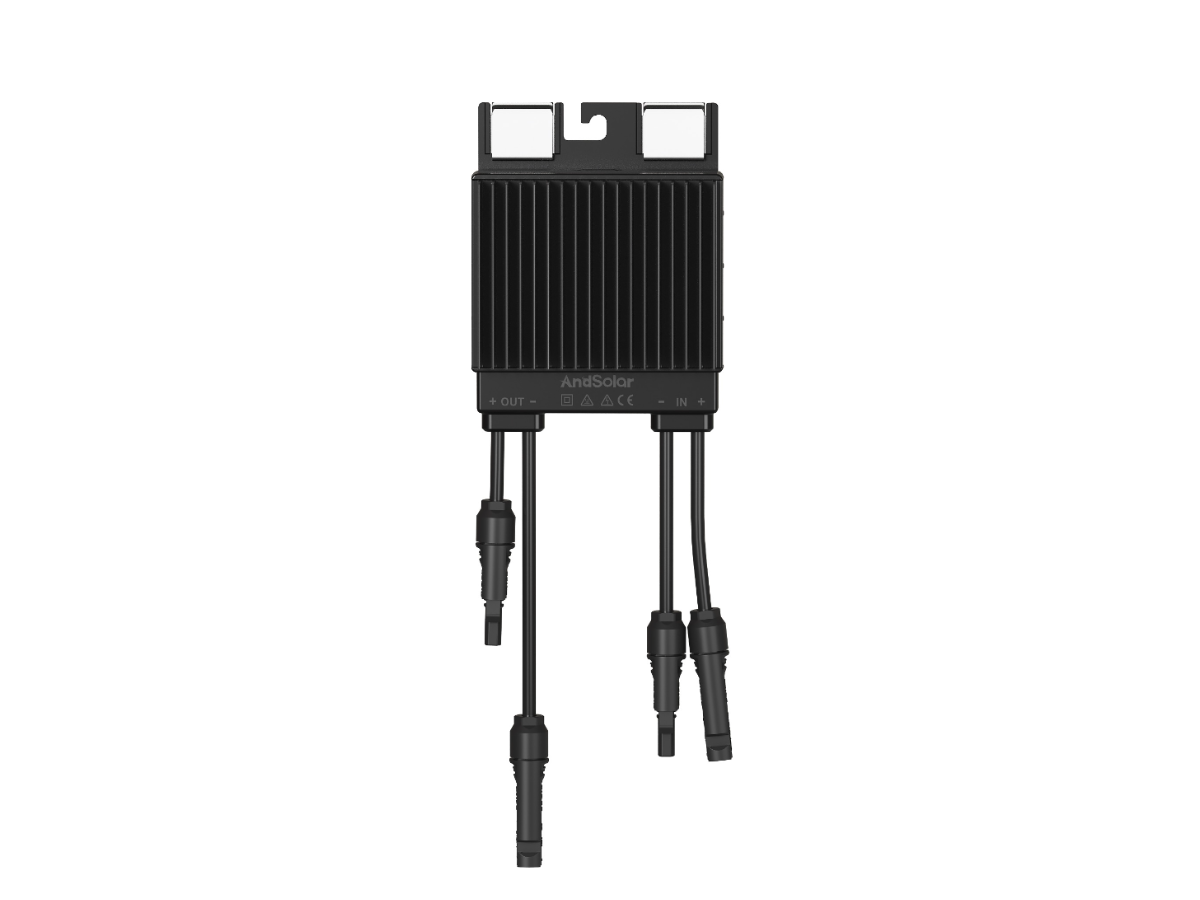
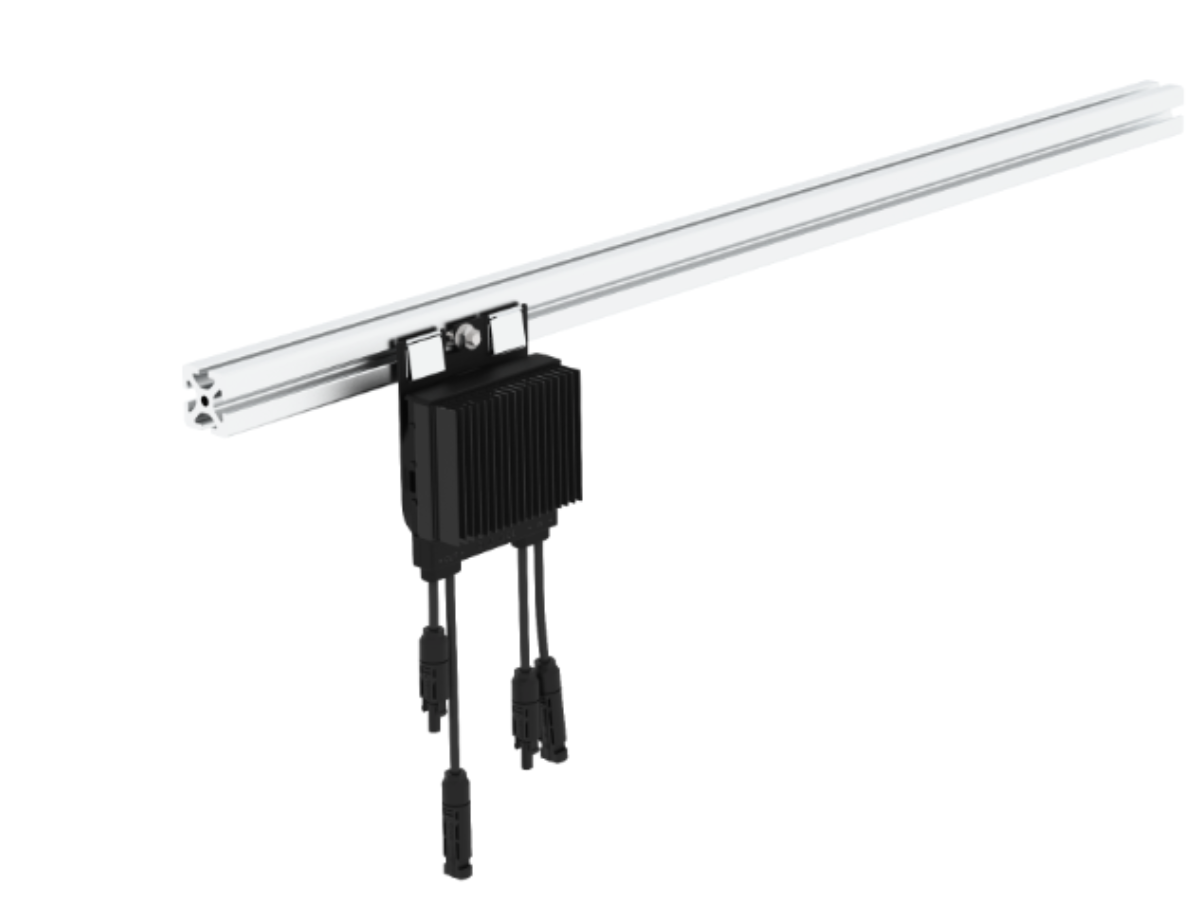
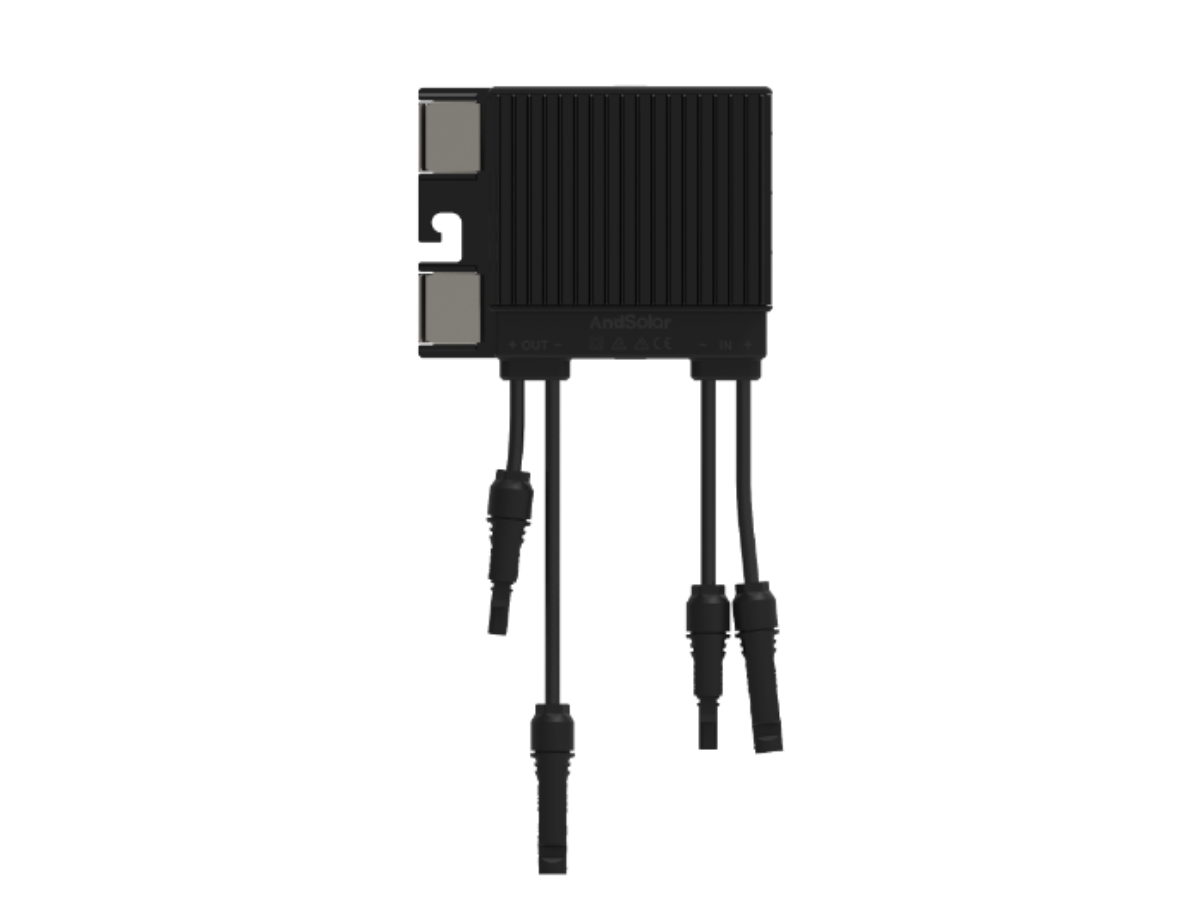
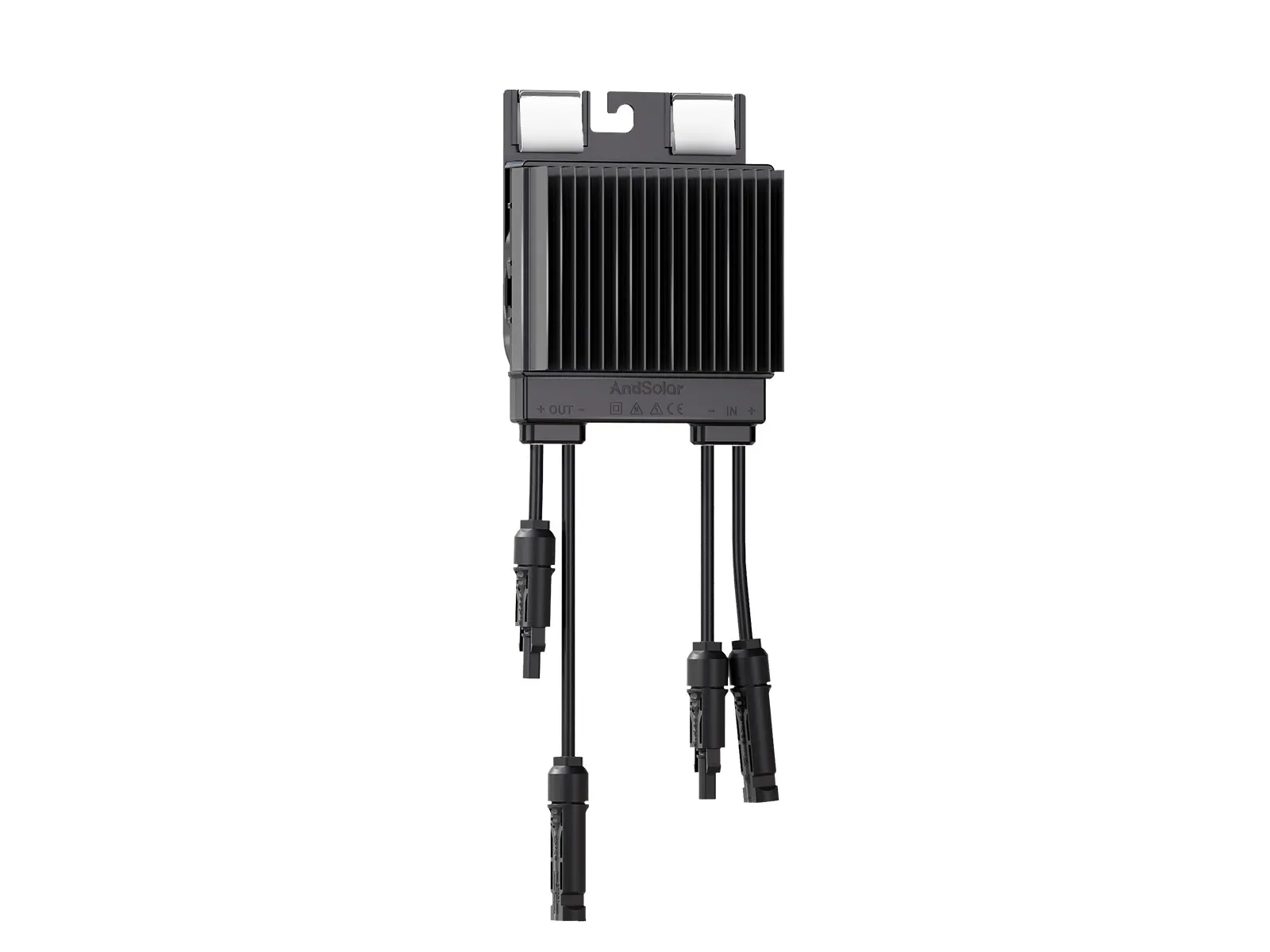
The power optimizer for floating PV projects represents a revolutionary advancement in solar energy technology, specifically engineered to address the unique challenges and opportunities presented by water-based photovoltaic installations. These sophisticated devices serve as intelligent intermediaries between individual solar panels and the central inverter system, fundamentally transforming how floating solar arrays operate and perform. At its core, the power optimizer for floating PV projects functions as a DC-DC converter that maximizes energy harvest from each solar module while providing comprehensive monitoring and safety capabilities. The primary function involves Maximum Power Point Tracking (MPPT) at the module level, ensuring that each panel operates at its optimal voltage and current regardless of varying environmental conditions such as partial shading, soiling, or temperature fluctuations common in aquatic environments. Technological features of the power optimizer for floating PV projects include advanced algorithms that continuously monitor and adjust electrical parameters in real-time, sophisticated communication protocols that enable seamless data transmission to monitoring systems, and robust enclosures designed to withstand the harsh marine environment including humidity, salt spray, and temperature variations. The devices incorporate safety mechanisms such as rapid shutdown capabilities that can immediately reduce DC voltage to safe levels when maintenance is required or emergency situations arise. Applications for power optimizer for floating PV projects span across various sectors including utility-scale solar farms on reservoirs and lakes, commercial installations on industrial water bodies, agricultural floating solar systems on irrigation ponds, and municipal projects on water treatment facilities. The technology proves particularly valuable in environments where water surface conditions create uneven shading patterns, wave-induced movement affects panel alignment, or where different sections of the floating array experience varying environmental conditions throughout the day.
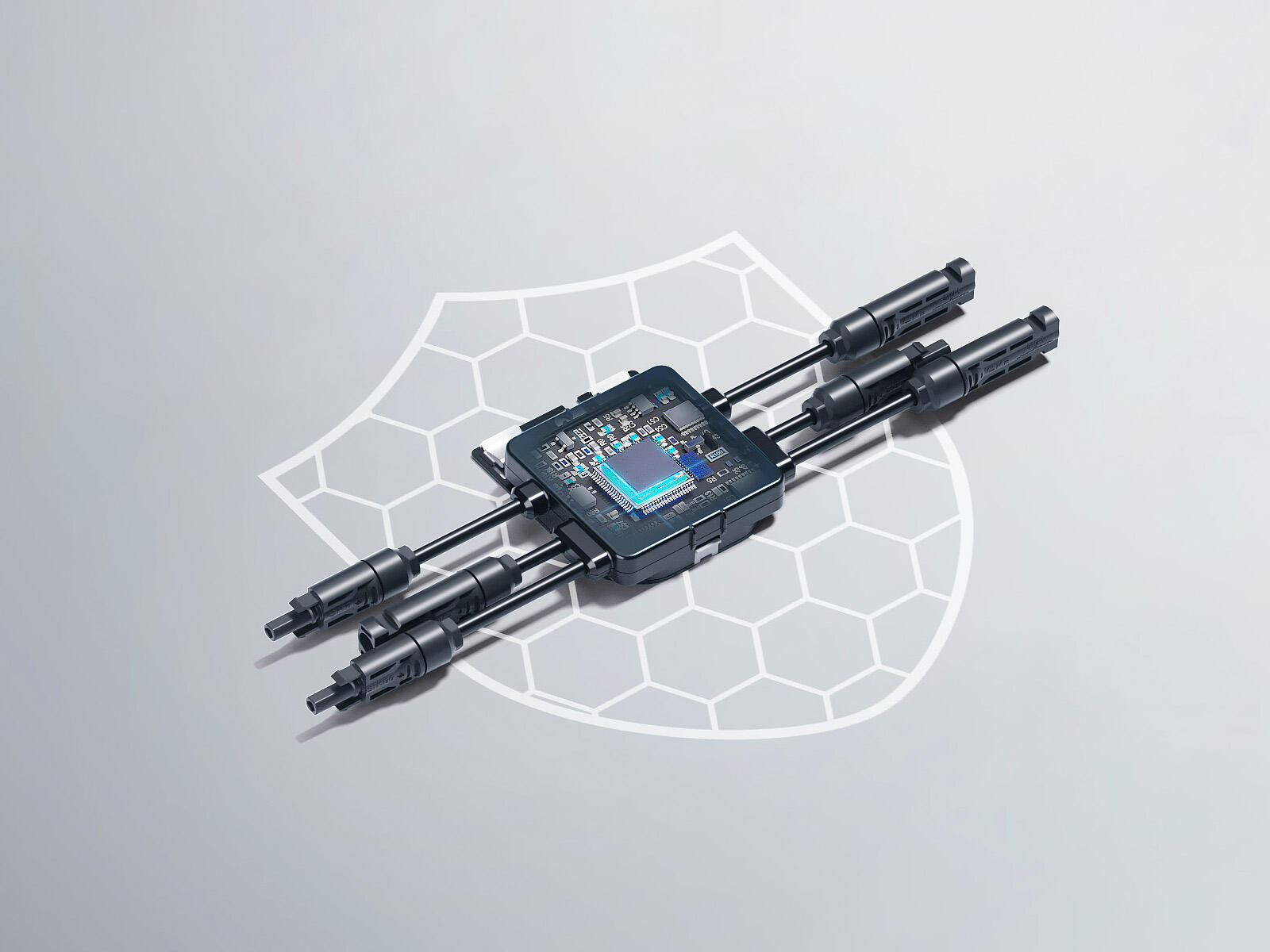
The power optimizer for floating PV projects delivers substantial advantages that directly translate into improved financial returns and operational efficiency for system owners and operators. Energy production increases significantly through module-level MPPT functionality, which ensures that each solar panel operates at peak performance regardless of conditions affecting neighboring modules. This capability proves especially valuable in floating installations where water reflection, varying cloud cover, and partial shading from nearby structures or vegetation can create inconsistent illumination across the array. Traditional string inverter systems suffer when even a single panel underperforms, as the entire string operates at the lowest performing module's level. The power optimizer eliminates this bottleneck effect, enabling each panel to contribute its maximum possible energy output. Enhanced system monitoring capabilities provide operators with granular visibility into individual module performance, allowing for proactive maintenance scheduling and rapid identification of potential issues before they impact overall system productivity. This detailed monitoring extends equipment lifespan by enabling early detection of degradation patterns, hotspot formation, or connection problems that could otherwise lead to costly failures. Safety improvements represent another critical advantage, as the power optimizer for floating PV projects incorporates rapid shutdown functionality that immediately reduces DC voltages to safe levels when activated. This feature proves particularly important in floating installations where emergency access may be challenging and worker safety depends on quick system deactivation. The distributed architecture also reduces fire risks by eliminating high-voltage DC wiring throughout the array, confining high voltages to shorter spans between optimizers and panels. Installation flexibility increases dramatically, as the power optimizer allows for mixed panel orientations, different module types within the same string, and non-uniform array configurations that would be impossible with traditional inverter systems. This flexibility proves invaluable in floating installations where water body shapes, depth variations, or environmental constraints may require creative array layouts. Maintenance costs decrease through improved system reliability, extended component lifespan, and reduced need for emergency repairs. The enhanced monitoring capabilities enable predictive maintenance strategies that schedule interventions during planned maintenance windows rather than reactive emergency responses.

Popular Products

Advanced Marine-Grade Engineering for Extreme Durability

Advanced Marine-Grade Engineering for Extreme Durability

The power optimizer for floating PV projects features sophisticated marine-grade engineering that ensures reliable operation in the challenging aquatic environment where traditional solar components often struggle. The enclosure design incorporates specialized materials and construction techniques specifically developed to withstand prolonged exposure to moisture, salt spray, temperature cycling, and UV radiation that characterize floating solar installations. Advanced polymer compounds and corrosion-resistant metals form the foundation of the housing, while precision-engineered gaskets and sealing systems provide IP67 or higher ingress protection ratings. This exceptional environmental protection prevents water intrusion and maintains electrical integrity even during severe weather events or temporary submersion. The thermal management system within the power optimizer utilizes innovative heat dissipation technologies that account for the unique thermal characteristics of floating installations, where ambient temperatures may be moderated by water proximity but humidity levels remain consistently high. Internal components undergo rigorous qualification testing including accelerated aging protocols, thermal cycling, humidity exposure, and vibration resistance evaluations that simulate decades of operation in marine environments. The power optimizer for floating PV projects also incorporates specialized conformal coatings on electronic components that provide additional protection against corrosion and electrical leakage in high-humidity conditions. Connection systems utilize marine-grade connectors with enhanced sealing capabilities and corrosion-resistant plating that maintains low contact resistance over extended periods. The robust construction extends to mechanical mounting interfaces that accommodate the dynamic nature of floating platforms, incorporating flexible mounting solutions that absorb movement and vibration while maintaining secure electrical connections. Quality assurance protocols include extended environmental testing beyond standard terrestrial solar component requirements, with specific focus on salt fog resistance, cyclic humidity exposure, and thermal shock performance. This comprehensive approach to marine-grade engineering ensures that the power optimizer for floating PV projects delivers consistent performance and reliability throughout the system's operational lifetime, minimizing maintenance requirements and maximizing return on investment for floating solar installations.
Revolutionary Module-Level Intelligence and Performance Optimization

Revolutionary Module-Level Intelligence and Performance Optimization

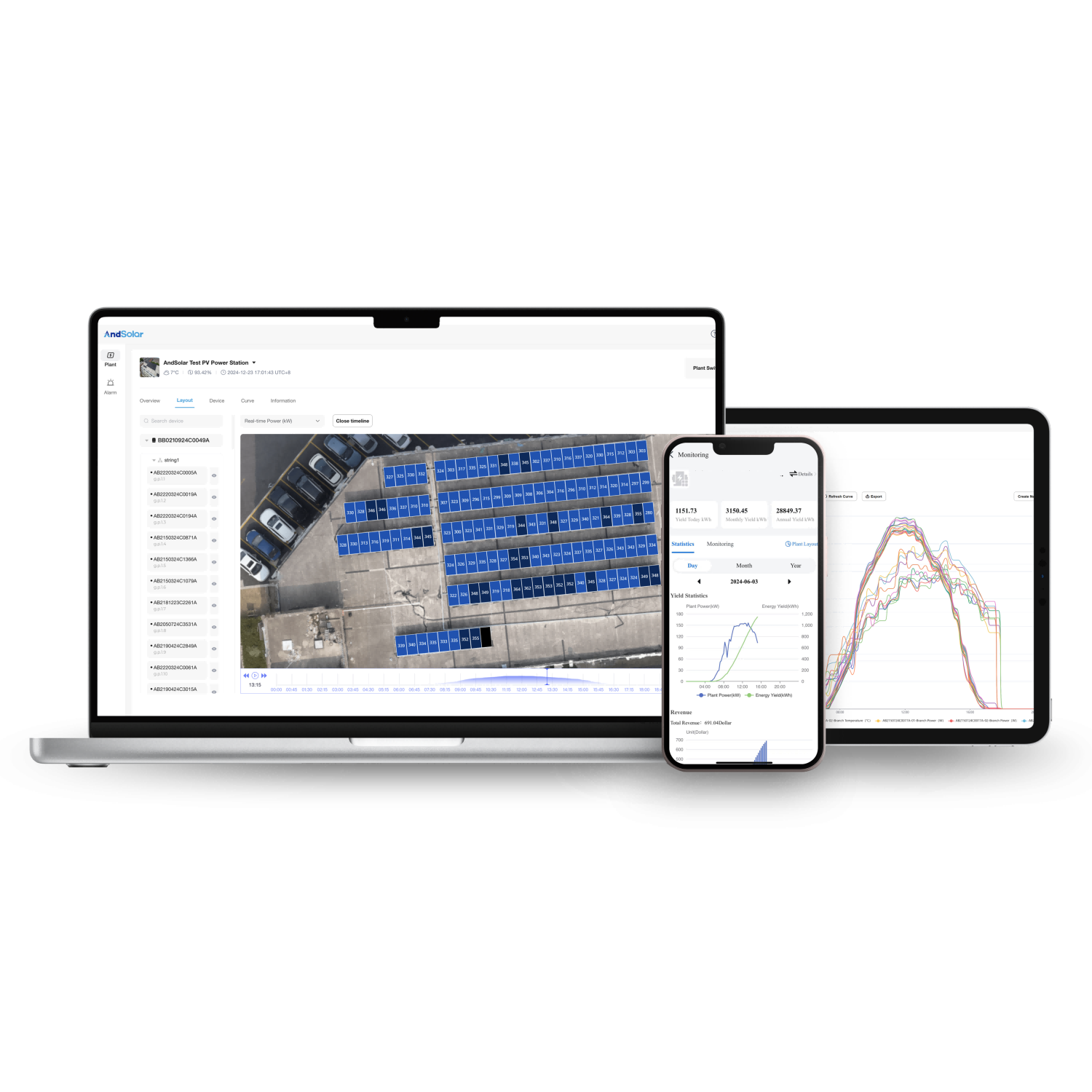
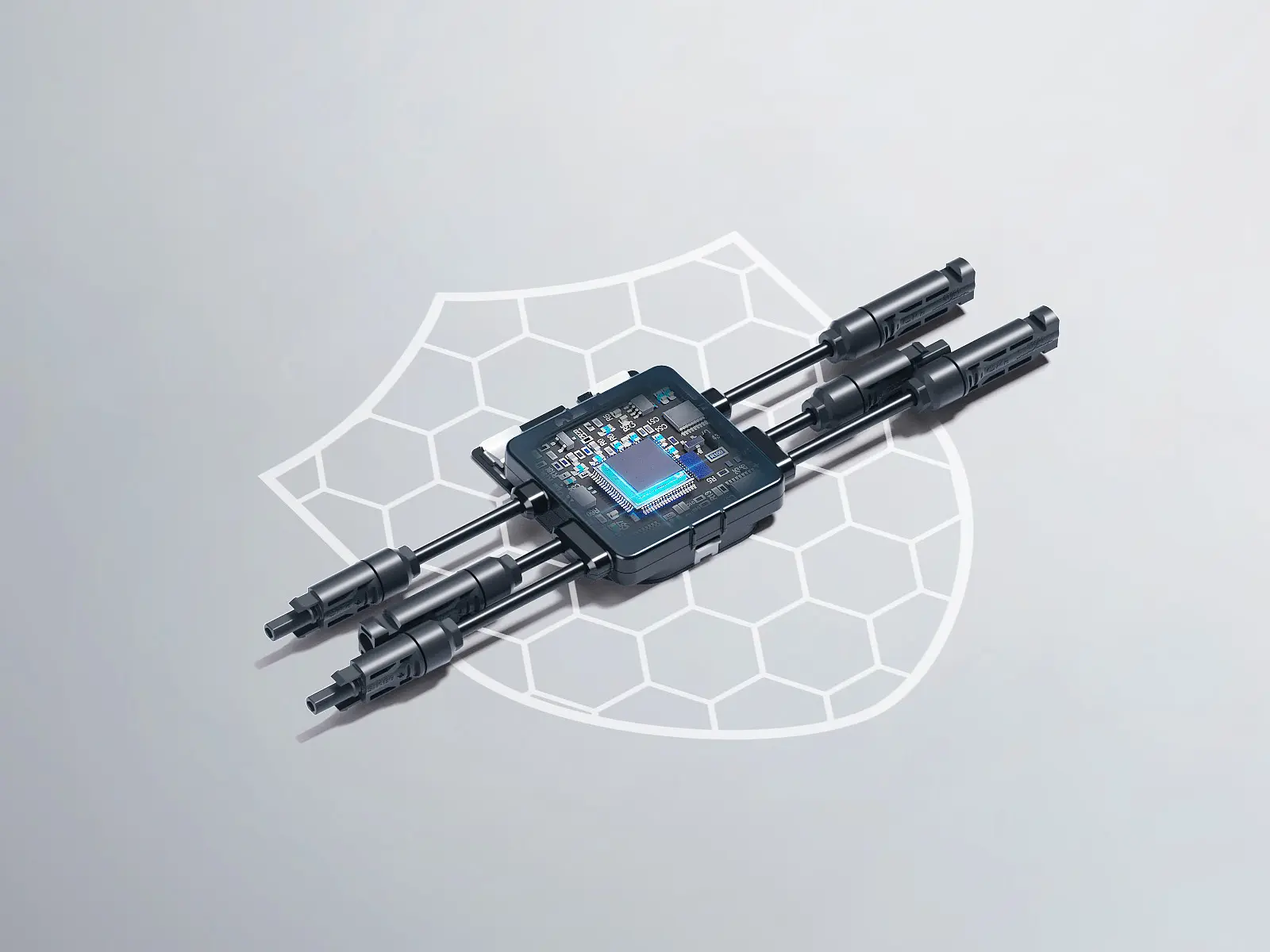
The power optimizer for floating PV projects incorporates revolutionary module-level intelligence that transforms individual solar panels into smart, adaptive energy generators capable of responding to changing environmental conditions with unprecedented precision. This advanced intelligence system continuously monitors multiple performance parameters including voltage, current, temperature, and irradiance levels at microsecond intervals, enabling real-time optimization decisions that maximize energy harvest under all operating conditions. The sophisticated algorithms powering this intelligence can distinguish between temporary shading events caused by passing clouds or birds and permanent obstructions requiring intervention, adjusting operation accordingly to maintain optimal performance. Machine learning capabilities enable the power optimizer to develop site-specific optimization strategies that account for unique environmental patterns, seasonal variations, and installation-specific characteristics that affect floating solar arrays. The intelligence system maintains detailed historical performance data that enables predictive analytics for maintenance scheduling, performance forecasting, and system optimization recommendations. Advanced communication protocols facilitate seamless integration with monitoring platforms, providing operators with comprehensive insights into system performance, individual module health, and potential optimization opportunities. The power optimizer for floating PV projects utilizes this intelligence to implement sophisticated power management strategies that account for the unique characteristics of floating installations, including variable water levels, wave action effects, and changing reflection patterns that influence panel performance throughout the day. Fault detection algorithms continuously monitor for anomalies such as ground faults, arc faults, or insulation degradation that could compromise system safety or performance. The intelligence system also enables remote configuration updates and parameter adjustments, allowing system operators to fine-tune performance without physical site visits. Integration with weather monitoring systems enables predictive optimization strategies that prepare the system for changing conditions before they occur. This module-level intelligence extends to coordinated operation between multiple optimizers, enabling array-level optimization strategies that consider the interdependencies between adjacent modules and optimize overall system performance rather than simply maximizing individual panel output.
Comprehensive Safety Innovation and Rapid Shutdown Technology

Comprehensive Safety Innovation and Rapid Shutdown Technology

The power optimizer for floating PV projects revolutionizes safety standards for aquatic solar installations through comprehensive safety innovations and advanced rapid shutdown technology specifically designed for the unique challenges of water-based environments. The integrated safety systems provide multiple layers of protection that address both electrical hazards and the specific risks associated with working on or near floating solar installations. Rapid shutdown functionality can reduce DC voltages throughout the array to safe levels within seconds of activation, enabling safe maintenance operations and emergency response procedures even when the system remains energized by solar irradiance. This capability proves crucial in floating installations where emergency evacuation may require workers to traverse the array surface or where rescue operations may need to access the installation safely. Arc fault detection technology continuously monitors electrical connections for signs of arcing that could indicate loose connections, damaged wiring, or other fault conditions that pose fire risks. The power optimizer for floating PV projects incorporates ground fault detection capabilities that can identify insulation breakdown or moisture intrusion that might create dangerous conditions in the aquatic environment. Advanced isolation monitoring ensures that electrical systems maintain proper separation from the water and floating platform structure, preventing dangerous voltage potentials that could affect personnel or aquatic life. The safety system includes sophisticated communication protocols that enable coordinated shutdown procedures across the entire array, ensuring that safety commands reach all optimizers simultaneously regardless of communication network conditions. Fire prevention measures include thermal monitoring that can detect overheating conditions before they reach dangerous levels, automatically reducing power output or shutting down affected modules to prevent thermal runaway events. Emergency communication capabilities enable the power optimizer to transmit critical safety information to monitoring systems and emergency response personnel, providing real-time status updates during safety events. Personnel protection features include shock protection circuits that can detect and interrupt dangerous current paths, while lightning protection systems safeguard against transient voltage events common in exposed floating installations. The comprehensive safety approach extends to environmental protection through leak detection systems that monitor for any potential environmental contamination, ensuring that floating solar installations maintain their environmentally friendly profile throughout their operational lifetime.

Get a Free Quote

Our representative will contact you soon.
Name
Email
Phone/ WhatsApp
Company Name
Product Selection
Message
0/1000

Power Optimizer For Floating PV Projects

Practical Tips

How to choose the rapid shutdown device for your solar installation

21

Jul

How to choose the rapid shutdown device for your solar installation

Making the Right Safety Choice for Solar Installations As solar energy adoption continues to rise in both residential and commercial sectors, safety considerations are becoming a top priority during system design and installation. One of the most cr...
View More
Module-level power electronics (MLPE) roles in PV systems

21

Jul

Module-level power electronics (MLPE) roles in PV systems

Enhancing Solar Energy Efficiency Through Module-Level Innovations In the evolution of solar energy systems, the demand for improved efficiency, safety, and monitoring capabilities has driven the emergence of module-level technologies that fundament...
View More
How Much Will the Optimizer Improve My Power Generation?

11

Aug

How Much Will the Optimizer Improve My Power Generation?

Unlocking Higher Energy Yields Through Advanced Optimization The evolution of solar technology has shifted the conversation from simply installing panels to maximizing their potential. Today, system owners are looking for ways to extract every possib...
View More
Understanding ABNT NBR 17193:2025 & Rapid Shutdown: Everything You Need to Know

23

Sep

Understanding ABNT NBR 17193:2025 & Rapid Shutdown: Everything You Need to Know

The Evolution of Solar Safety Standards in Brazil The solar energy landscape in Brazil is undergoing a significant transformation with the introduction of ABNT NBR 17193:2025, particularly focusing on rapid shutdown requirements. This revolutionary s...
View More

Get a Free Quote

Our representative will contact you soon.
Name
Email
Phone/ WhatsApp
Company Name
Product Selection
Message
0/1000