Ultimate Optimizer Compatibility Guide: Seamless Integration Across All Platforms

  • 8F, Block B, Building 1, 286 Qinglonggang Road, Suzhou City, Jiangsu Province, P. R. China
  • [email protected]
AndSolar Cloud

optimizer compatibility

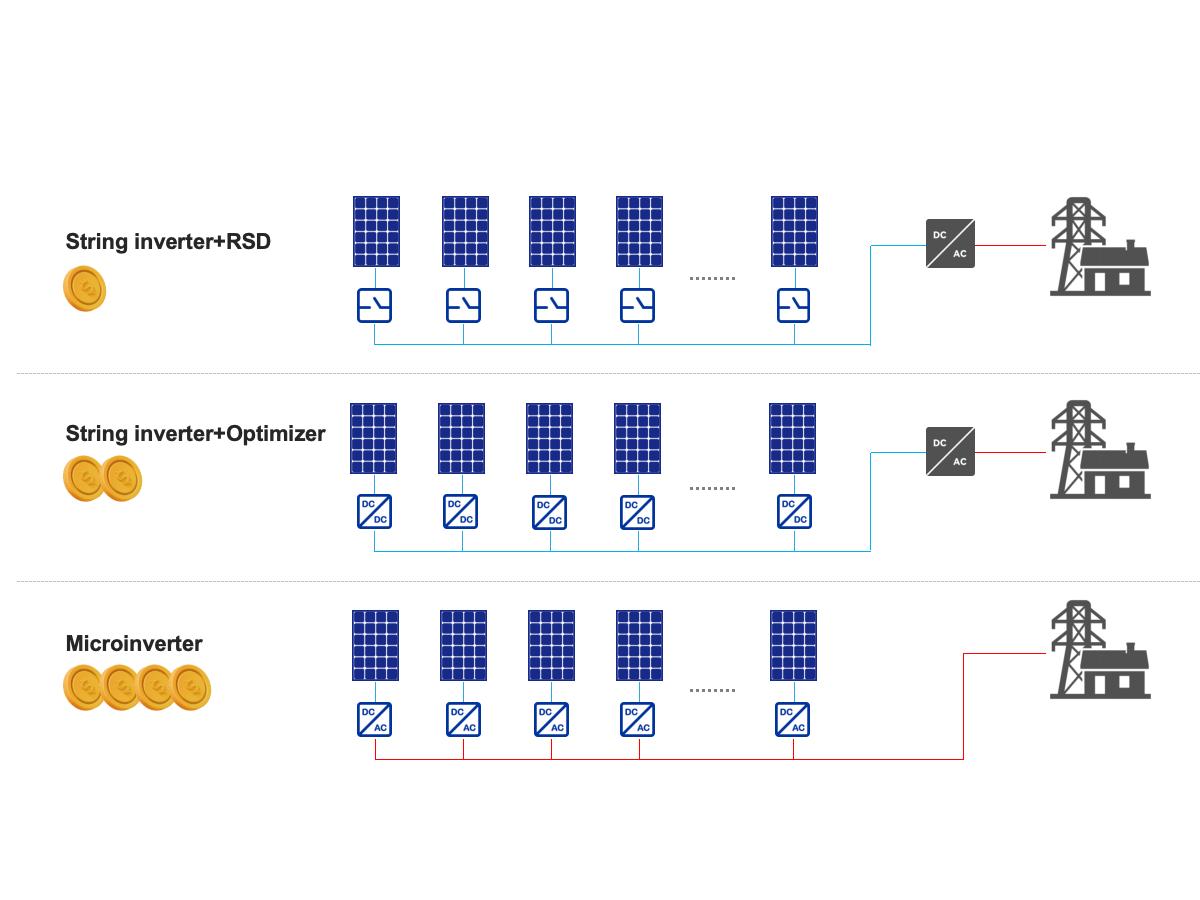
Optimizer compatibility refers to the ability of photovoltaic optimizers to work with different PV modules and solar inverters in various system designs. This ensures stable operation and efficient energy conversion in residential, commercial, and industrial solar systems. Key functions include module-level power optimization, communication with inverters, and stable voltage control to improve system performance.The technology supports different module types, power ratings, and inverter configurations. Through communication and control protocols, the optimizer coordinates with the inverter to maintain safe and efficient operation. Monitoring functions also help track module performance and quickly detect faults.Good compatibility allows installers to integrate optimizers with various PV components, making system design more flexible while maintaining reliable operation and improved energy production.

The primary advantage of optimizer compatibility lies in its ability to eliminate vendor lock-in situations that traditionally constrain organizations to specific technology ecosystems. Companies can freely migrate between different cloud providers, operating systems, or hardware configurations without losing their optimization investments or requiring extensive reconfiguration efforts. This flexibility translates into significant cost savings as organizations avoid expensive platform-specific licensing fees and can leverage competitive pricing across multiple vendors. The standardized approach reduces development complexity by providing consistent APIs and interfaces regardless of the underlying infrastructure, enabling development teams to focus on core functionality rather than platform-specific integration challenges. Performance benefits emerge through intelligent resource allocation algorithms that automatically detect and utilize available system resources more effectively than manual configuration approaches. The compatibility framework continuously monitors system performance metrics and dynamically adjusts optimization parameters to maintain peak efficiency even as workload patterns change throughout operational cycles. Maintenance overhead decreases substantially because organizations need to manage only one optimization solution instead of multiple platform-specific tools, reducing training requirements, support costs, and operational complexity. Risk mitigation becomes more effective through diversified infrastructure options that prevent single points of failure and enable rapid disaster recovery scenarios. The standardized optimization approach ensures consistent performance benchmarks across different environments, making it easier to predict system behavior and plan capacity requirements accurately. Scalability advantages include seamless expansion capabilities that allow organizations to add new platforms or increase processing capacity without disrupting existing optimization workflows. Future-proofing benefits protect technology investments by ensuring compatibility with emerging platforms and technologies before they become mainstream adoption requirements. Collaboration improvements result from standardized optimization interfaces that enable teams working on different platforms to share configurations, best practices, and performance insights more effectively than traditional siloed approaches would allow.

New Product Releases

Universal Platform Integration Excellence

Universal Platform Integration Excellence

The universal platform integration capability of optimizer compatibility represents a groundbreaking advancement that transforms how organizations approach multi-environment optimization strategies. This feature enables seamless deployment across Windows, Linux, macOS, and various Unix-based systems without requiring separate optimization solutions for each platform. The integration excellence extends beyond basic compatibility to include intelligent adaptation mechanisms that automatically detect platform-specific characteristics and optimize performance accordingly. Advanced detection algorithms identify available system resources, hardware capabilities, and software dependencies to configure optimization parameters that maximize efficiency within each environment's unique constraints. The platform integration framework includes sophisticated translation layers that convert optimization instructions into native system calls, ensuring optimal performance while maintaining consistent behavior across different operating systems. Cloud platform support encompasses major providers including Amazon Web Services, Microsoft Azure, Google Cloud Platform, and specialized hosting environments, enabling organizations to leverage multi-cloud strategies without optimization performance penalties. Container orchestration integration supports Docker, Kubernetes, and emerging containerization technologies through native APIs that provide granular control over resource allocation and performance monitoring within distributed environments. Edge computing compatibility ensures that optimization algorithms function effectively on resource-constrained devices while maintaining communication with centralized management systems for coordinated optimization strategies. The integration framework includes automated testing capabilities that validate optimization performance across different platforms during development cycles, reducing deployment risks and ensuring consistent user experiences. Legacy system support provides backward compatibility with older infrastructure while enabling gradual migration to modern platforms without disrupting existing optimization workflows. Database integration spans multiple systems including SQL and NoSQL solutions, enabling optimized data processing regardless of storage platform preferences. Real-time synchronization capabilities ensure that optimization configurations and performance data remain consistent across all integrated platforms, providing centralized visibility and control for complex multi-platform deployments.
Intelligent Performance Optimization Engine

Intelligent Performance Optimization Engine

The intelligent performance optimization engine represents the core technological innovation that sets optimizer compatibility apart from traditional optimization solutions through its adaptive learning capabilities and predictive performance management. This sophisticated engine employs machine learning algorithms that continuously analyze system performance patterns, user behavior, and resource utilization trends to automatically adjust optimization parameters without manual intervention. The predictive analytics component forecasts performance bottlenecks before they impact system operations, enabling proactive optimization adjustments that prevent degradation rather than simply responding to problems after they occur. Advanced pattern recognition algorithms identify recurring performance cycles and seasonal variations in system usage, automatically pre-configuring optimization settings to handle anticipated workload changes effectively. The engine includes neural network components that learn from historical performance data to develop optimization strategies tailored to specific organizational workflows and application requirements. Real-time performance monitoring capabilities provide millisecond-level response time tracking and resource utilization analysis that enables immediate optimization adjustments when system conditions change. Automated benchmarking features continuously test different optimization configurations against performance baselines to identify the most effective settings for current operating conditions. The engine supports multi-objective optimization scenarios where conflicting performance goals such as speed versus resource consumption require balanced solutions that satisfy multiple criteria simultaneously. Workload-specific optimization profiles enable the system to recognize different types of computational tasks and apply appropriate optimization strategies based on whether the workload involves data processing, computational modeling, web serving, or other specific application types. Integration with performance profiling tools provides detailed insights into application behavior that inform optimization decisions and help identify opportunities for further performance improvements. The engine includes failsafe mechanisms that automatically revert optimization changes if performance degradation occurs, ensuring system stability while experimenting with new optimization approaches. Customizable optimization policies allow organizations to define specific performance priorities and constraints that guide the engine's decision-making processes according to business requirements and operational preferences.
Seamless Migration and Deployment Framework

Seamless Migration and Deployment Framework

The seamless migration and deployment framework of optimizer compatibility provides organizations with unprecedented flexibility to adapt their infrastructure strategies without sacrificing optimization performance or requiring extensive reconfiguration efforts. This comprehensive framework includes automated migration tools that analyze existing optimization configurations and automatically translate them for deployment on new platforms while preserving performance characteristics and behavioral consistency. The migration process incorporates intelligent dependency mapping that identifies all system components affected by optimization changes and ensures compatibility throughout the entire technology stack. Pre-migration validation tools simulate optimization performance on target platforms before actual deployment, enabling organizations to identify potential issues and optimize configurations for new environments without risking production system stability. The framework supports both gradual migration scenarios where organizations slowly transition between platforms and complete infrastructure overhauls that require simultaneous deployment across multiple new environments. Rollback capabilities provide safety nets for migration processes by maintaining backup configurations and enabling rapid restoration of previous optimization settings if unexpected issues arise during deployment. The deployment framework includes containerization support that packages optimization configurations with their dependencies, ensuring consistent deployment results regardless of target environment variations. Automated testing integration validates optimization performance after deployment and compares results against baseline metrics to ensure that migration objectives have been achieved successfully. Configuration management capabilities track changes across different deployment environments and maintain version control for optimization settings, enabling organizations to maintain audit trails and comply with change management requirements. The framework includes integration with popular DevOps tools and continuous integration pipelines, enabling optimization deployment to become part of standard software development workflows. Zero-downtime deployment capabilities allow organizations to update optimization configurations without interrupting production operations through sophisticated traffic routing and load balancing mechanisms. Performance monitoring during migration provides real-time feedback about optimization effectiveness and enables immediate adjustments if performance targets are not being met during the transition process. Documentation generation features automatically create deployment guides and configuration references that help operations teams understand and maintain optimization settings across different platforms and environments.

Get a Free Quote

Our representative will contact you soon.
Name
Email
Phone/ WhatsApp
Company Name
Product Selection
Message
0/1000

optimizer compatibility

Practical Tips

Rapid shutdown for solar: What you need to know

16

Jun

Rapid shutdown for solar: What you need to know

What Is Solar Rapid Shutdown? Definition and Core Purpose Solar rapid shutdown is an essential safety measure referring to the quick disconnection of photovoltaic (PV) panels from the power system. This process ensures the system stops producing ele...
View More
How Does the Rapid Shutdown Policy Improve Solar Safety Standards?

13

Aug

How Does the Rapid Shutdown Policy Improve Solar Safety Standards?

Strengthening Solar Power Systems Through Advanced Safety Measures In the rapidly expanding solar industry, safety has emerged as one of the most critical aspects of system design and operation. As more residential, commercial, and utility-scale inst...
View More
Will Rapid Shutdown Devices Affect Solar System Performance?

13

Aug

Will Rapid Shutdown Devices Affect Solar System Performance?

Optimizing Solar System Safety Without Compromising Efficiency In the modern solar energy landscape, safety and performance go hand in hand. The industry has evolved from focusing solely on maximizing energy yield to ensuring that systems operate wit...
View More
How Can the Optimizers Maximize the Energy Output?

11

Aug

How Can the Optimizers Maximize the Energy Output?

Driving Solar Efficiency to New Heights In the fast-evolving world of renewable energy, technology plays a crucial role in making solar systems more effective and profitable. Beyond choosing high-quality panels, the way each panel operates can greatl...
View More

Get a Free Quote

Our representative will contact you soon.
Name
Email
Phone/ WhatsApp
Company Name
Product Selection
Message
0/1000