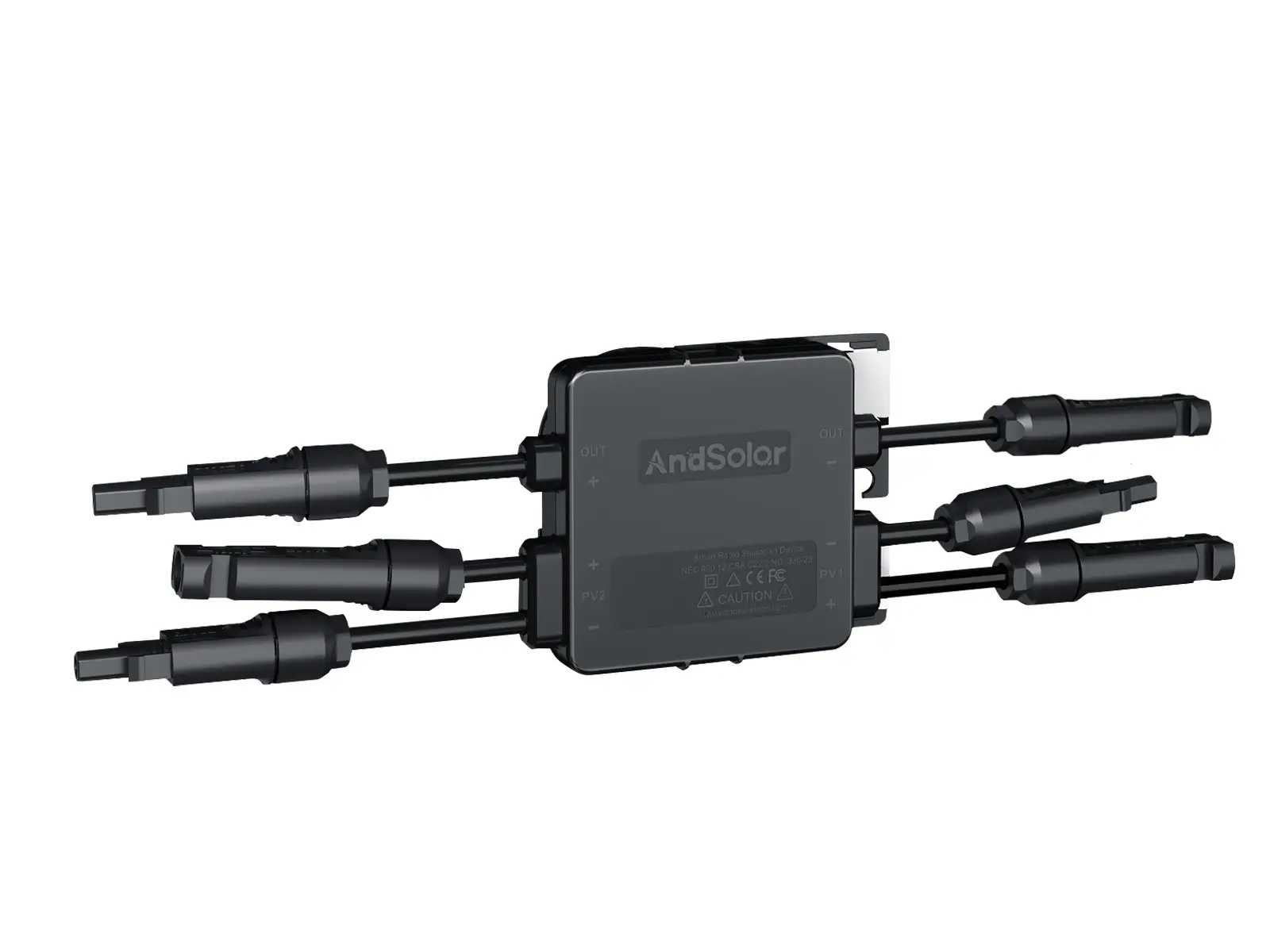
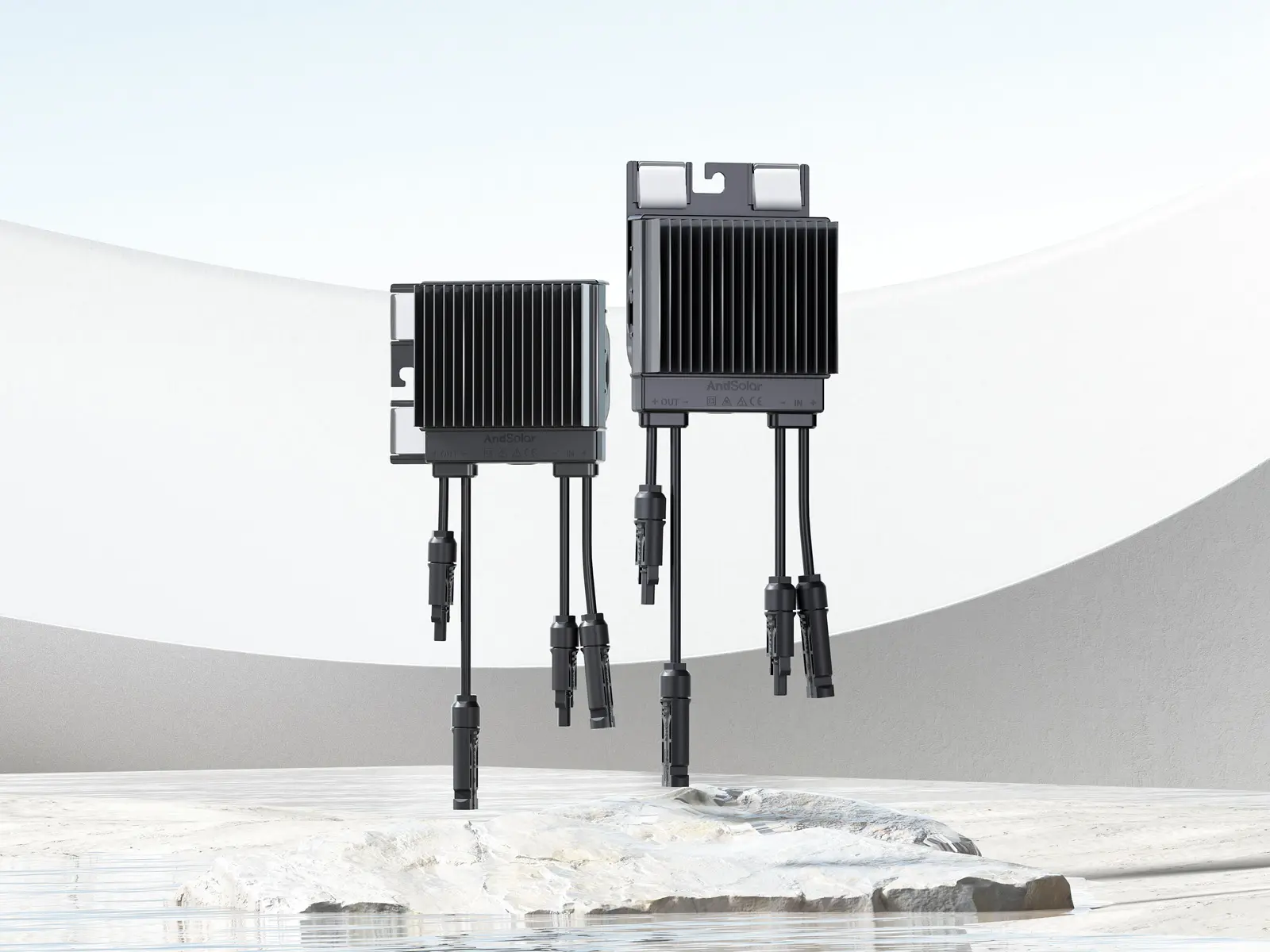
optimizer for rooftop projects
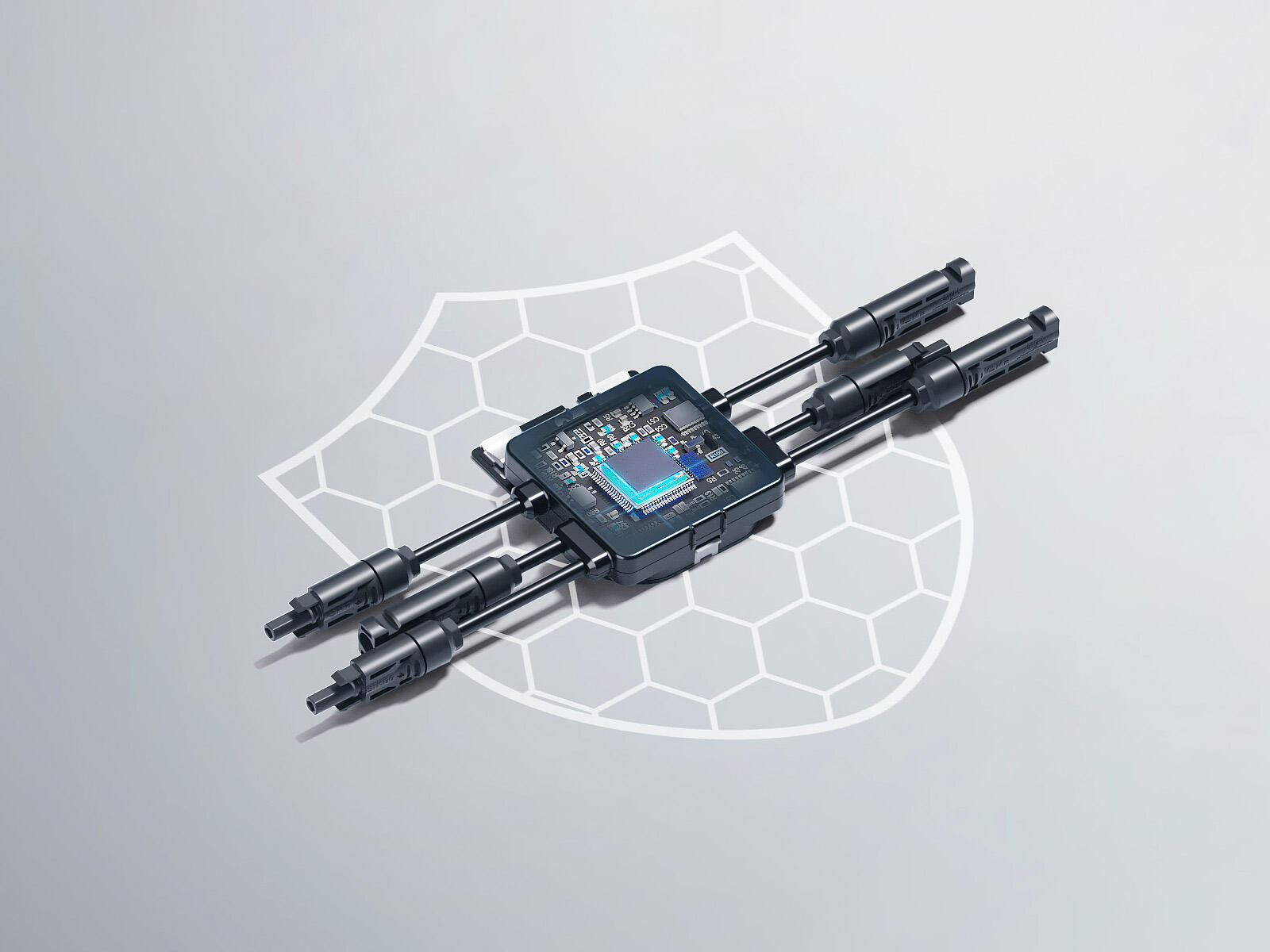
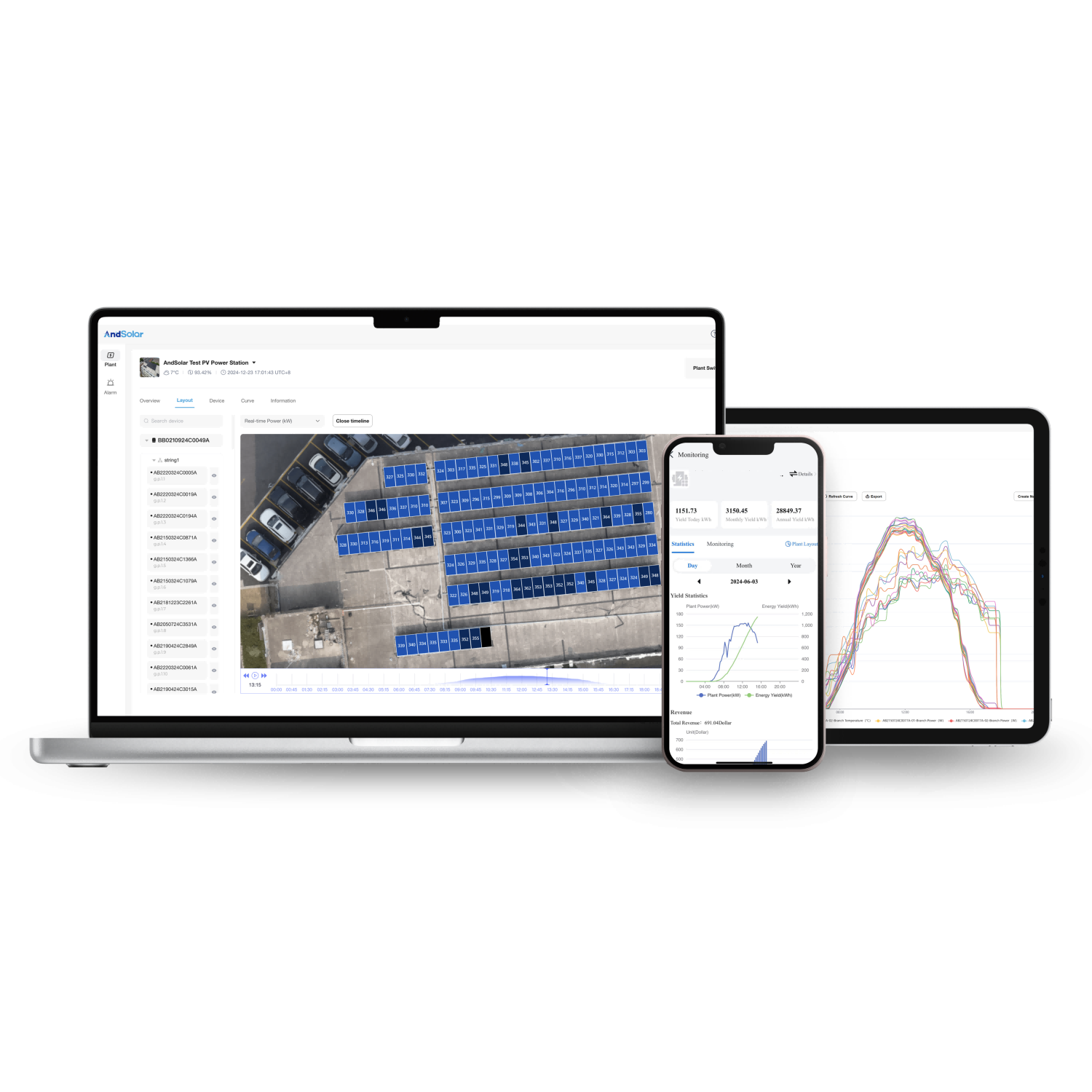
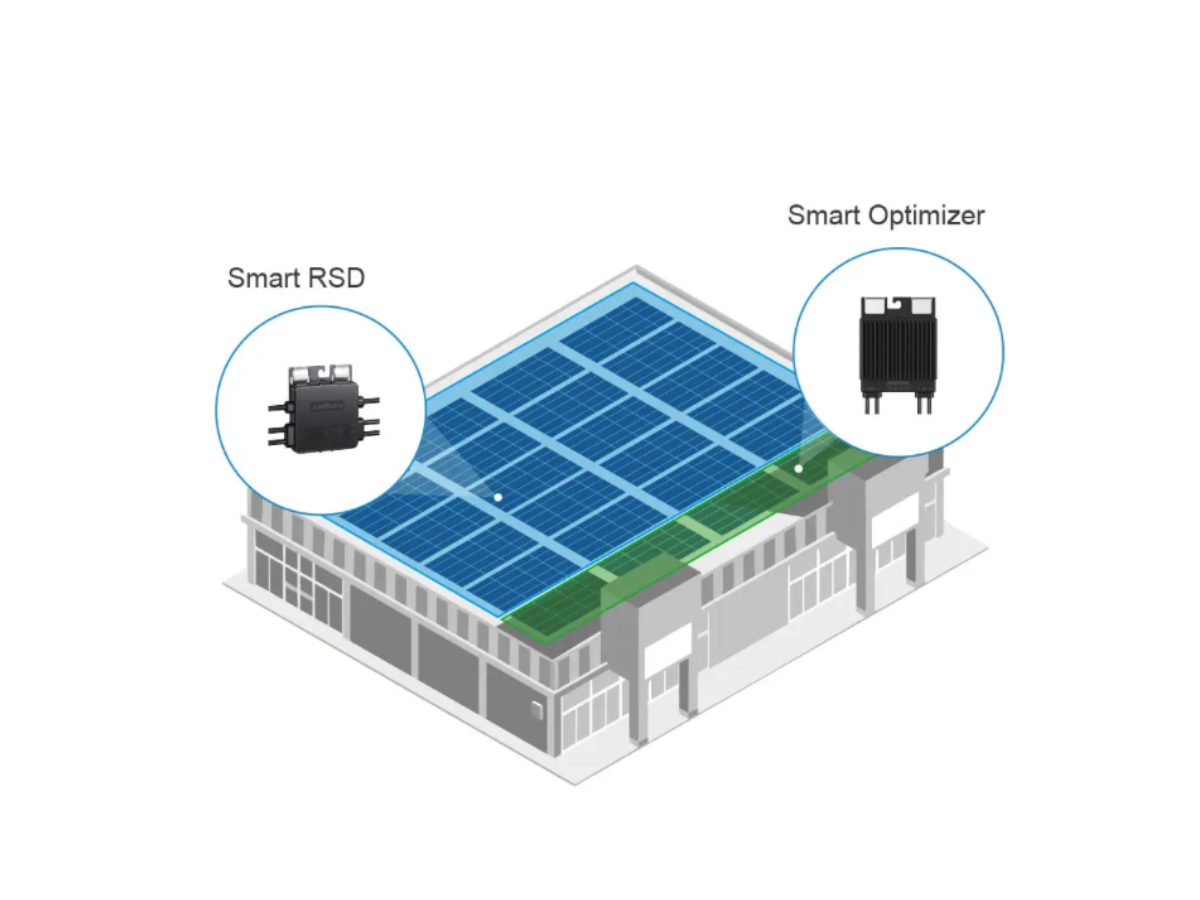
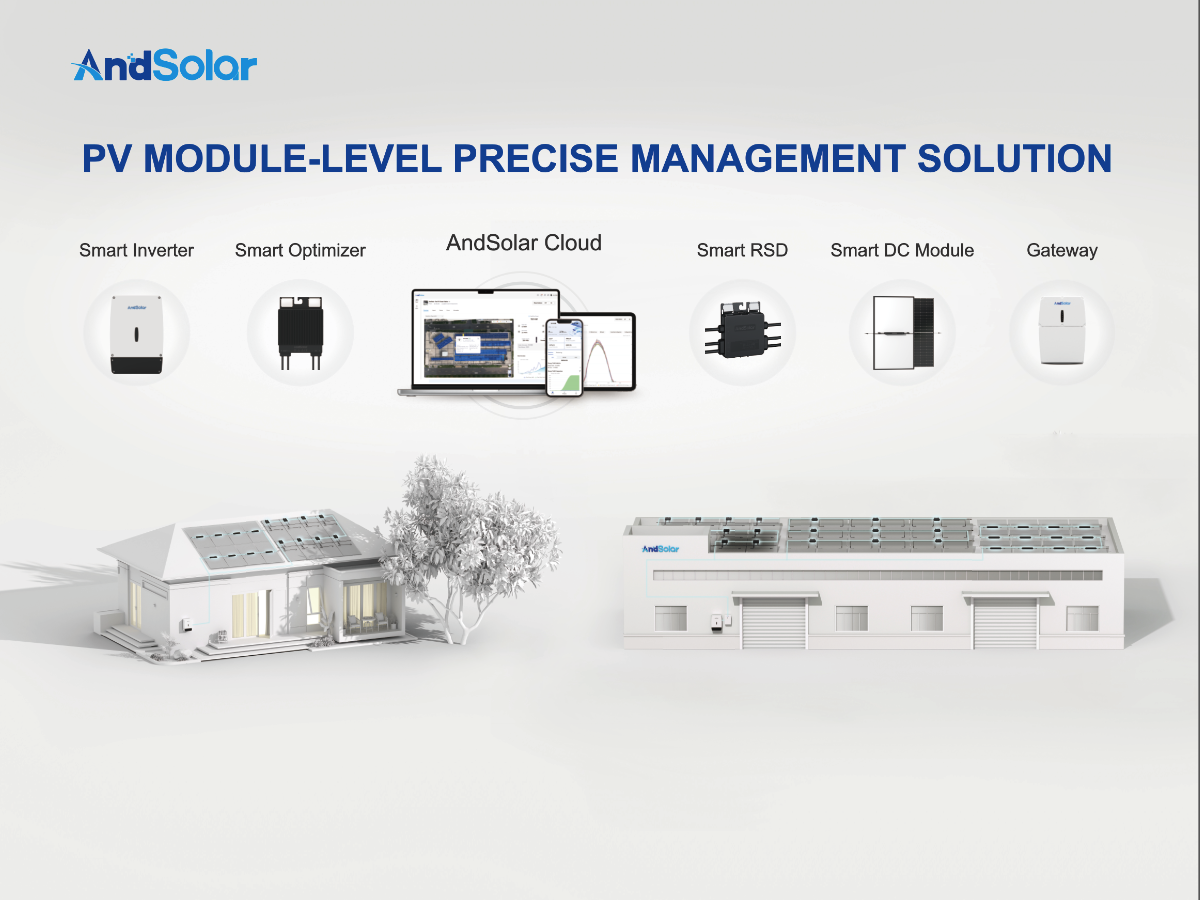
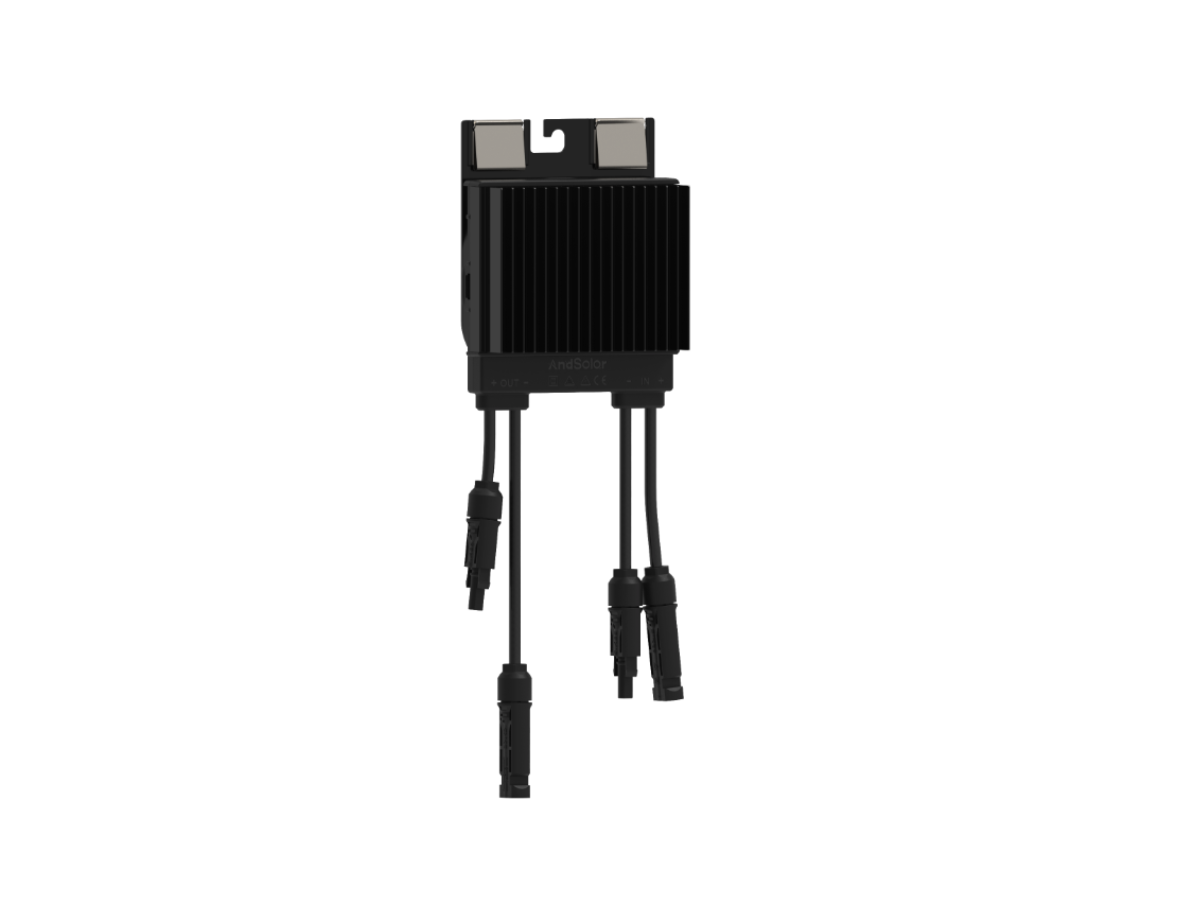
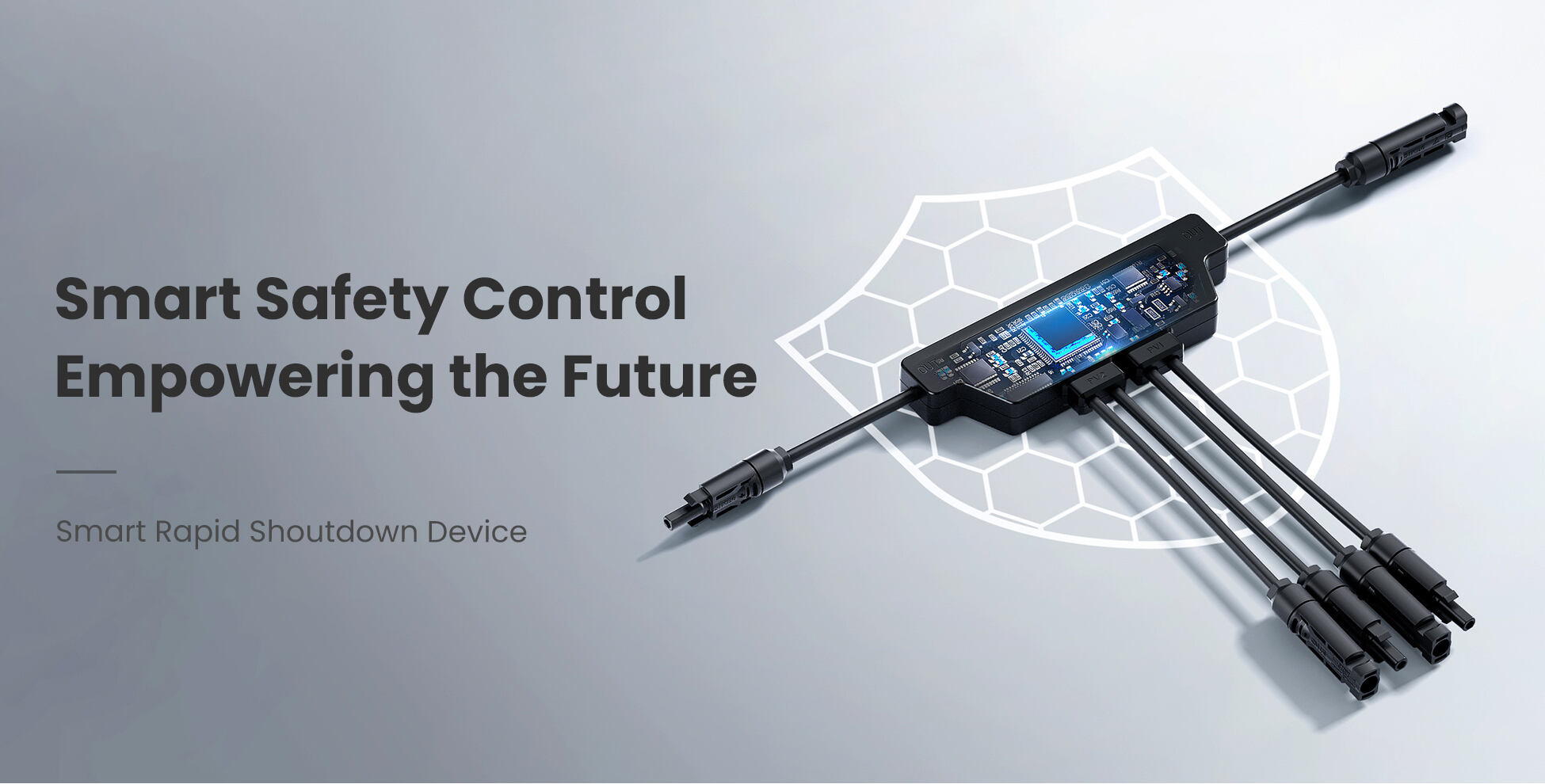
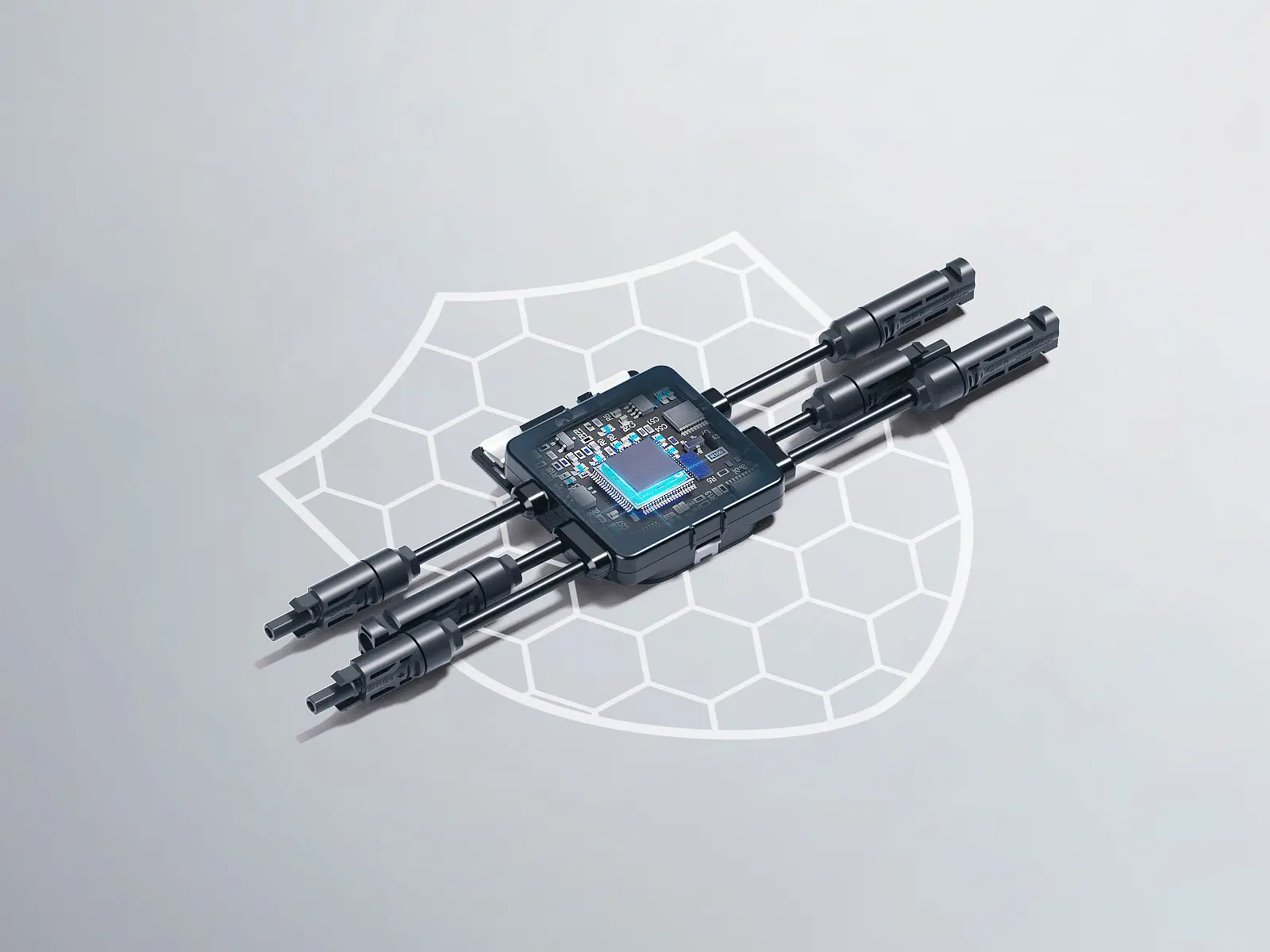
The optimizer for rooftop projects represents a revolutionary advancement in solar energy management technology, designed specifically to maximize energy harvest from rooftop photovoltaic installations. This sophisticated device serves as the central intelligence hub for residential and commercial solar systems, employing cutting-edge algorithms and real-time monitoring capabilities to ensure optimal performance across all operational conditions. The primary function of an optimizer for rooftop projects centers on module-level power point tracking, which individually monitors and controls each solar panel's output to prevent power losses caused by shading, soiling, or panel mismatch issues. Unlike traditional string inverters that operate entire arrays at the lowest-performing module's level, this advanced optimizer for rooftop projects enables each panel to operate independently at its maximum power point, significantly increasing overall system efficiency. The technological framework incorporates advanced semiconductor technology, featuring high-frequency switching capabilities and intelligent power electronics that continuously adjust voltage and current parameters. Modern optimizer for rooftop projects integrate sophisticated communication protocols, including wireless and powerline communication systems, enabling seamless data transmission between modules and central monitoring platforms. These devices feature robust construction with weatherproof enclosures rated for extreme environmental conditions, ensuring reliable operation across diverse climatic zones. The optimizer for rooftop projects typically includes built-in safety mechanisms such as rapid shutdown capabilities, arc fault detection, and module-level isolation features that enhance system safety and comply with electrical codes. Installation applications span residential rooftops, commercial buildings, industrial facilities, and utility-scale distributed generation projects. The optimizer for rooftop projects proves particularly valuable in complex roof configurations with multiple orientations, varying tilt angles, or partial shading conditions where traditional systems struggle to maintain efficiency. These devices support various panel technologies including monocrystalline, polycrystalline, and thin-film modules, making them versatile solutions for diverse project requirements.