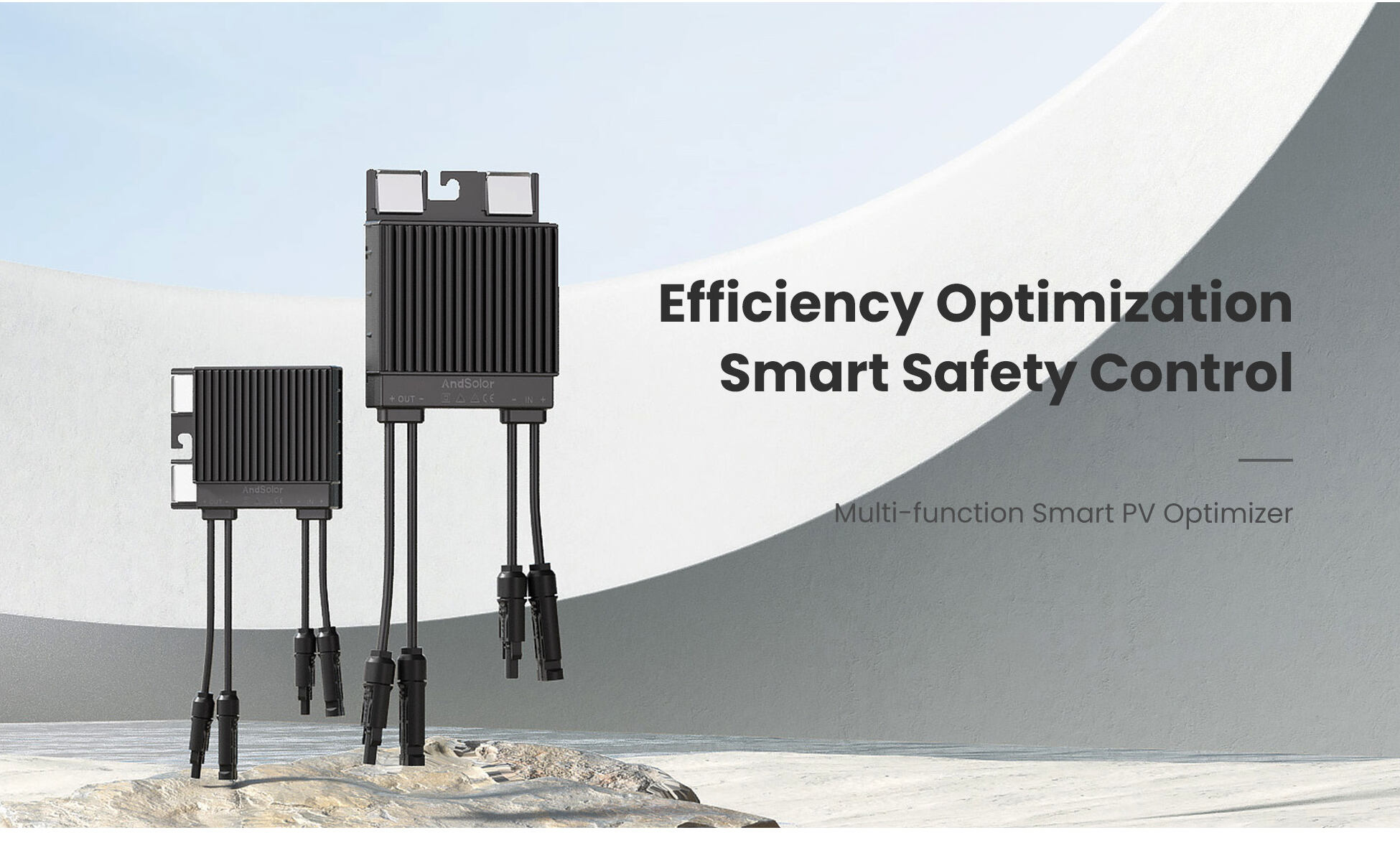
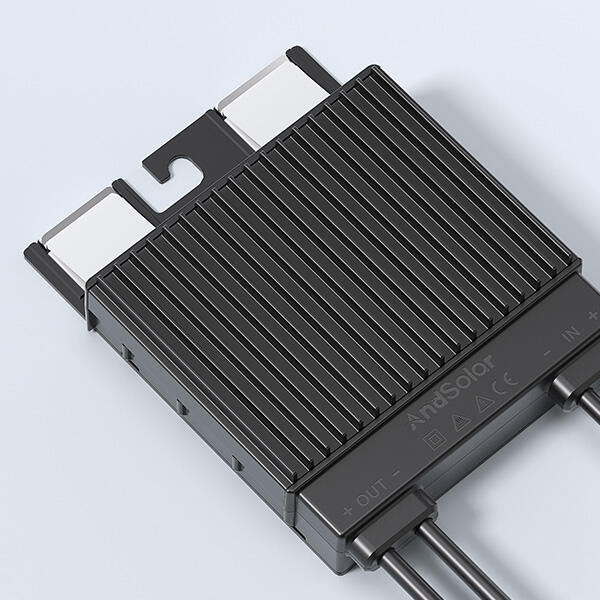
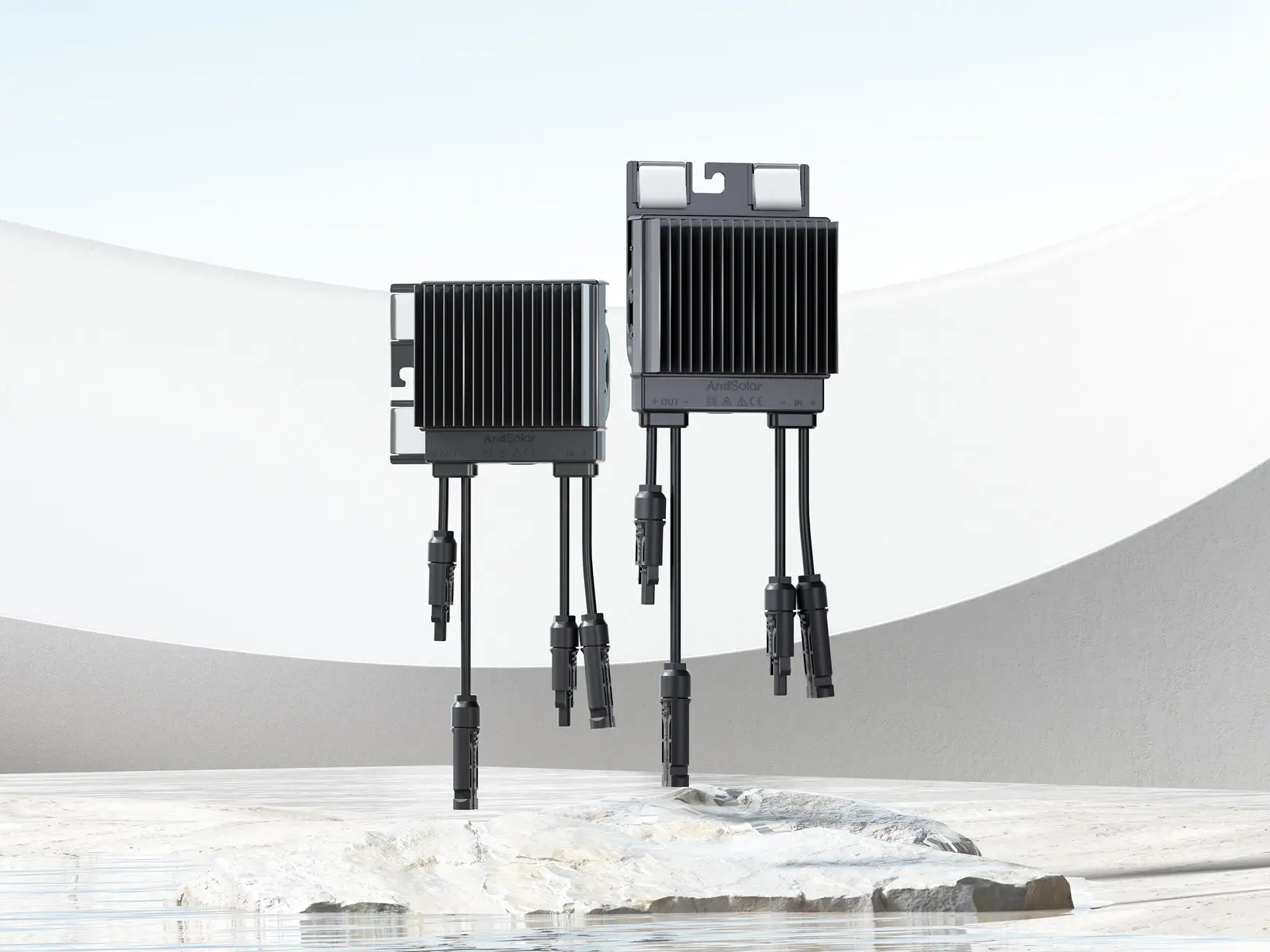
PV Optimizer For Factories
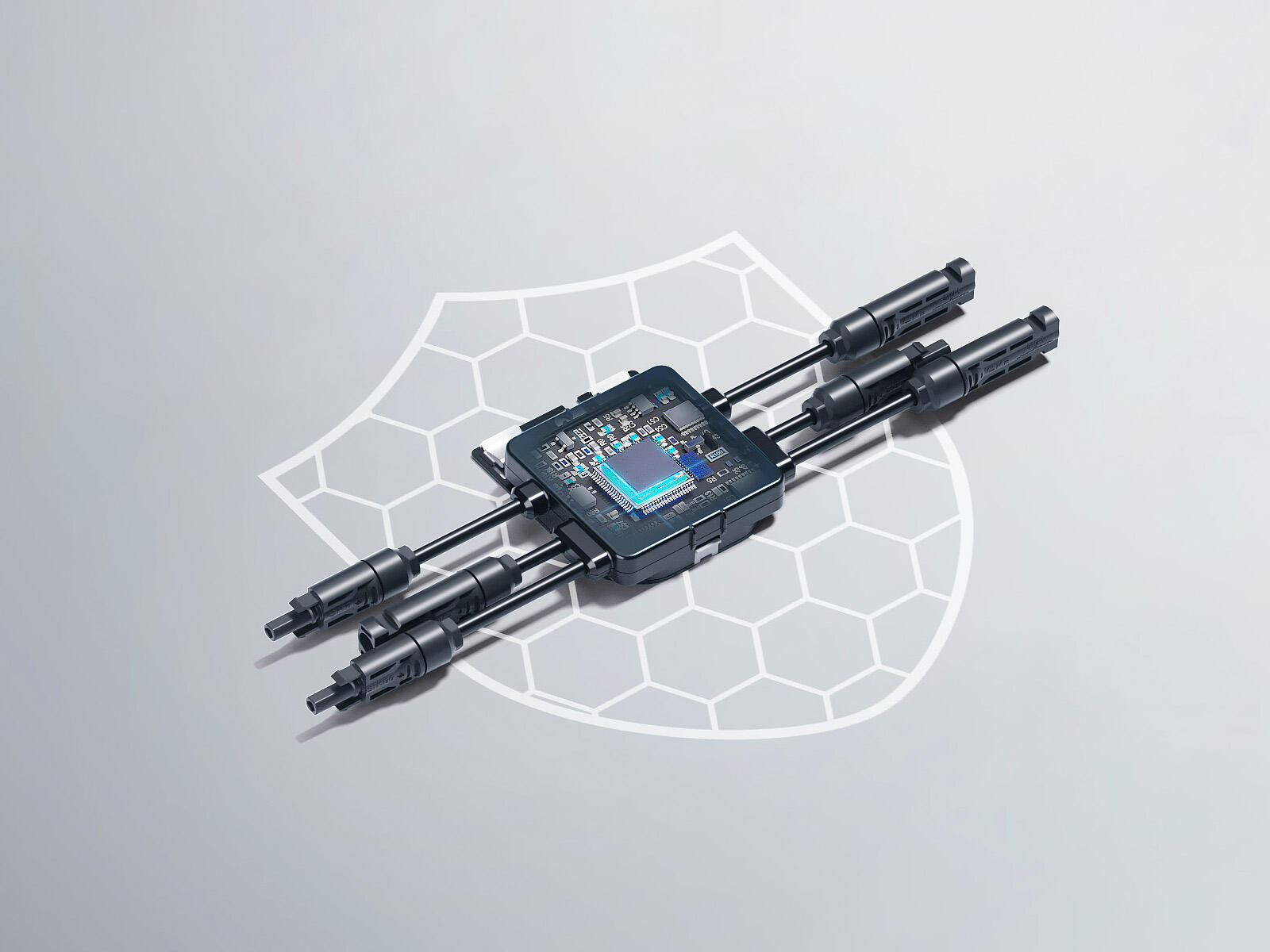
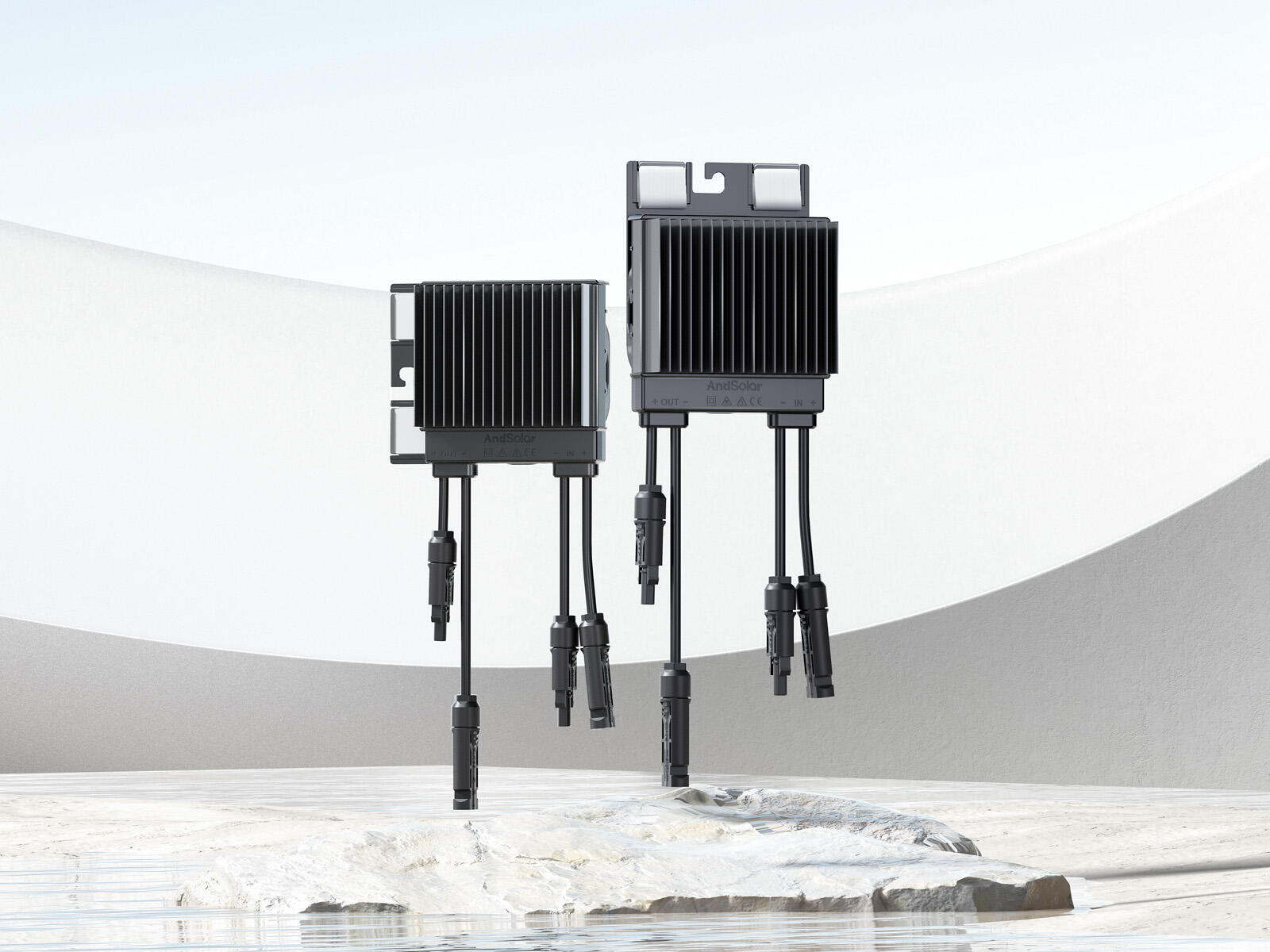
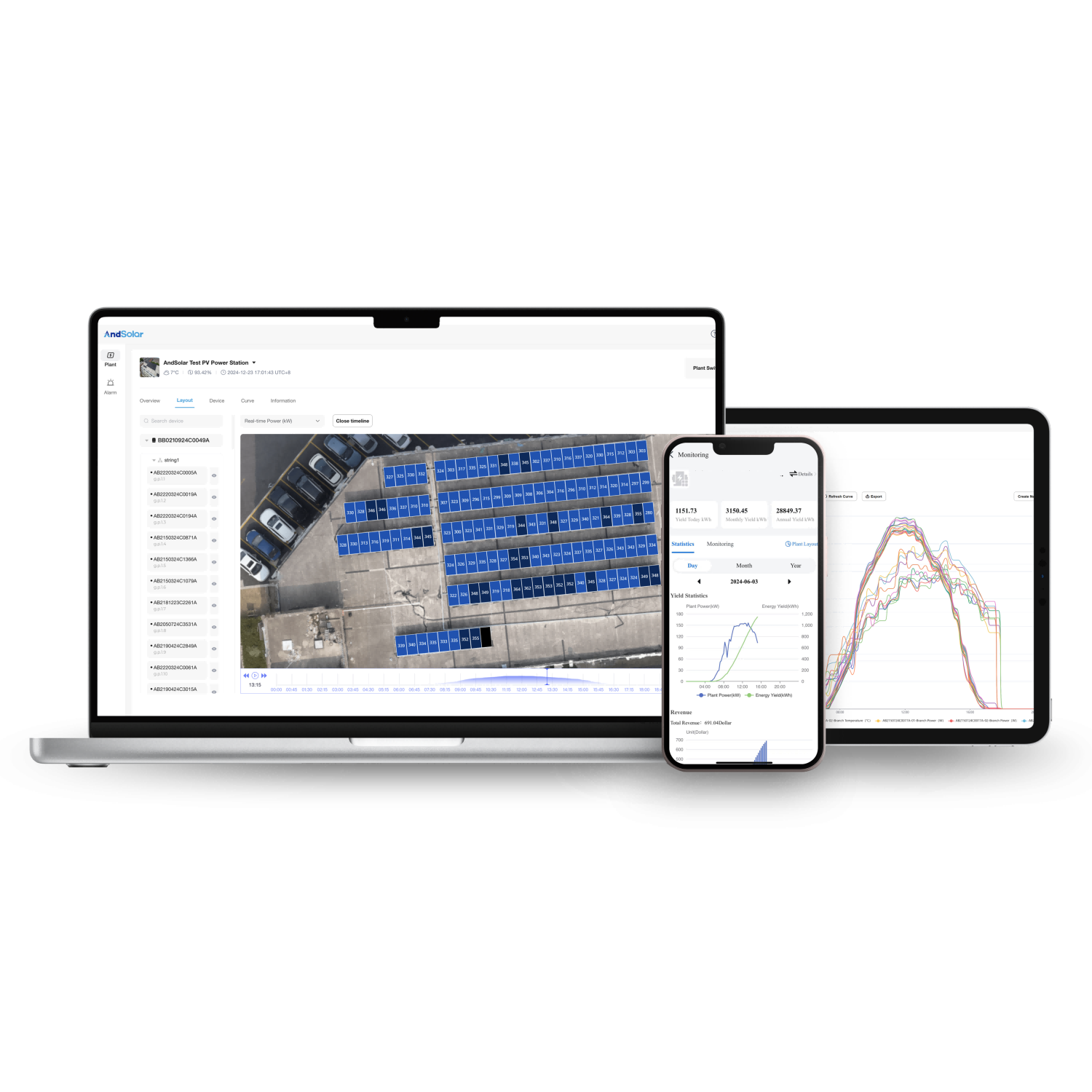
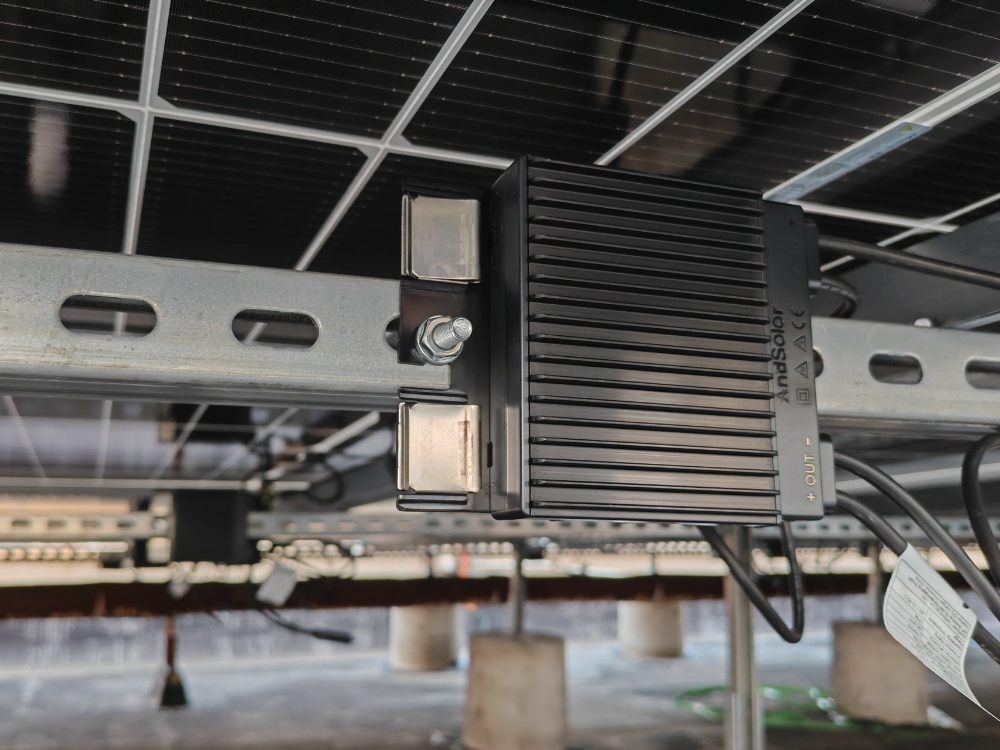
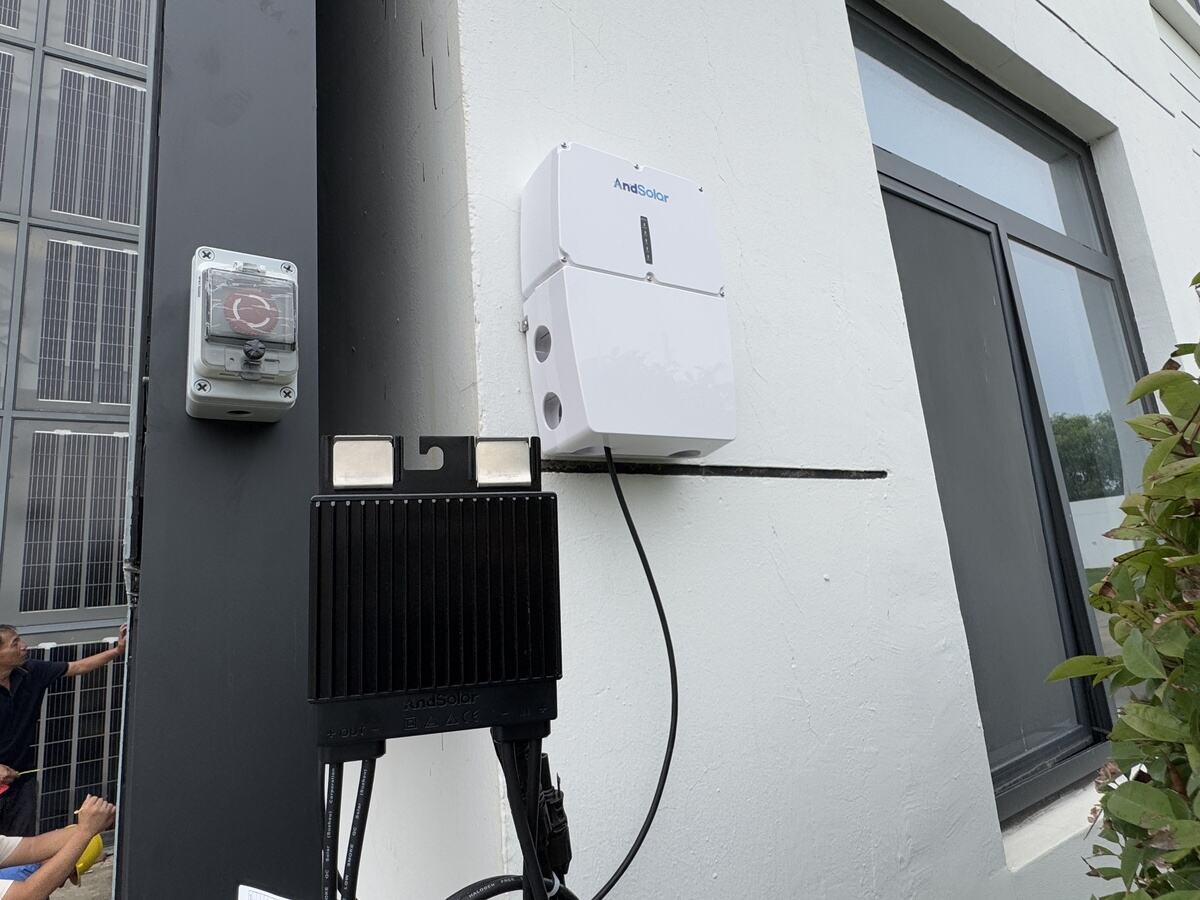
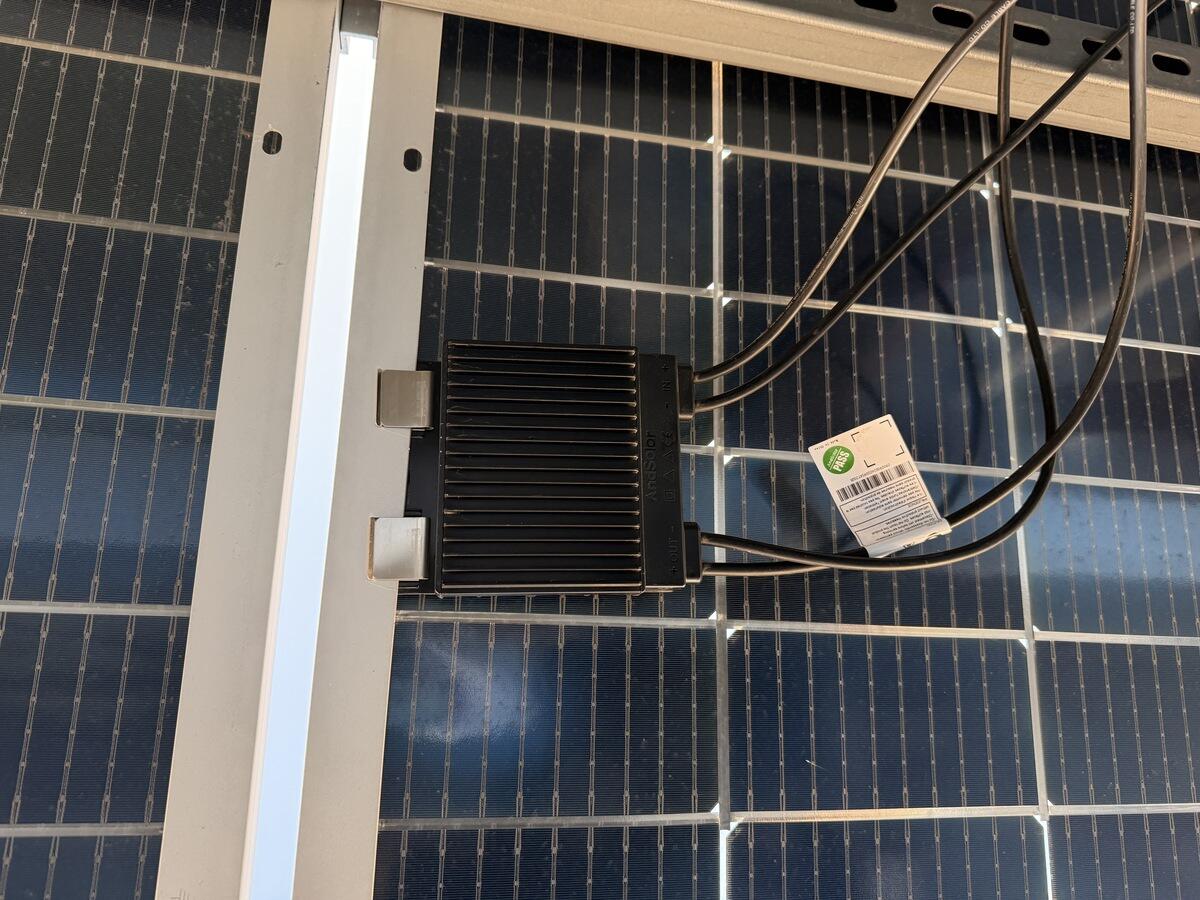
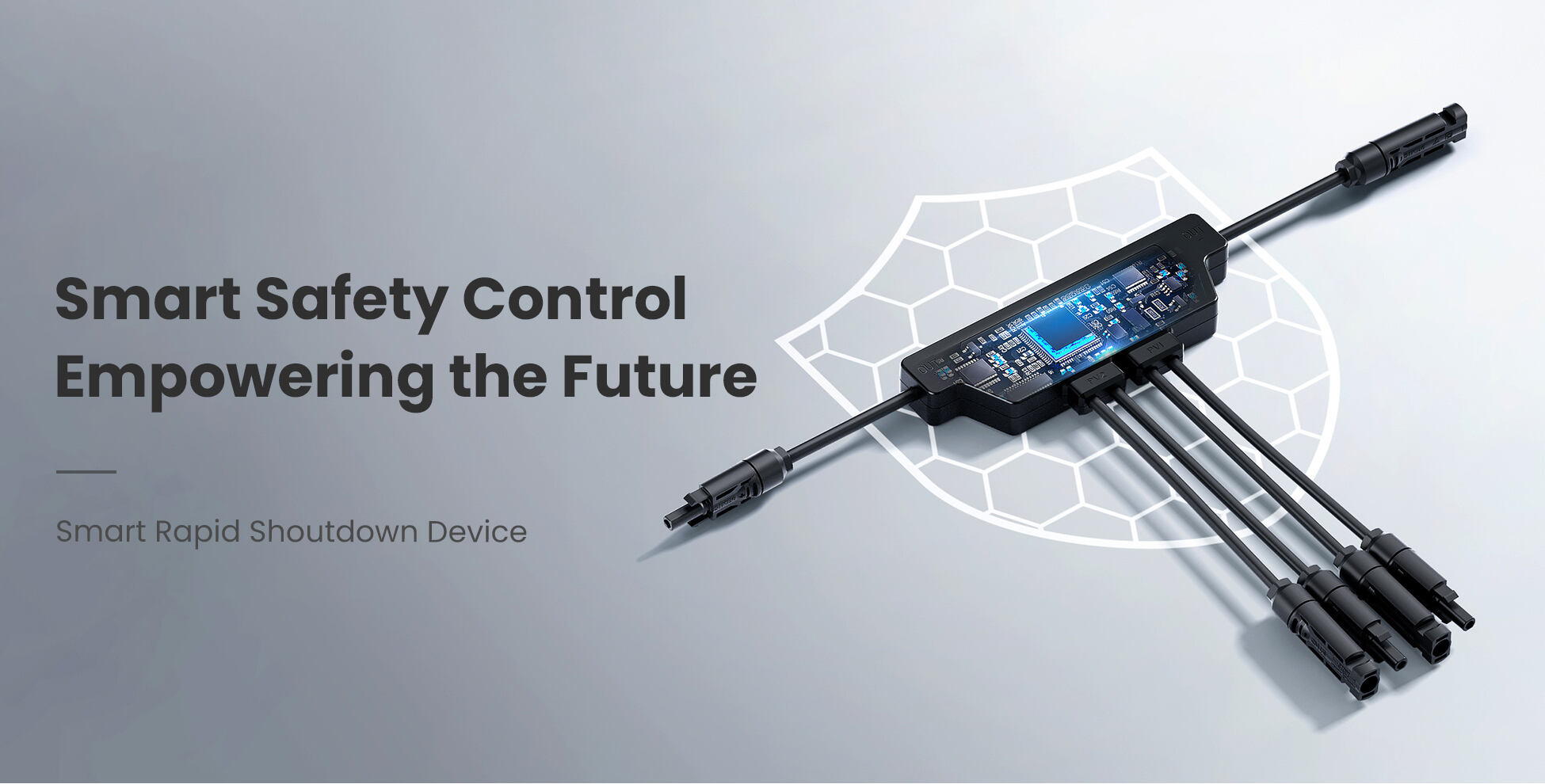
A PV optimizer for factories represents a cutting-edge technological solution designed to maximize solar energy efficiency in industrial manufacturing environments. This sophisticated device serves as an intelligent intermediary between photovoltaic panels and power conversion systems, ensuring optimal energy harvesting throughout varying operational conditions. The primary function of a PV optimizer for factories involves monitoring individual panel performance while simultaneously adjusting voltage and current parameters to achieve peak power point tracking under diverse environmental circumstances. Manufacturing facilities require consistent, reliable energy sources to maintain production schedules, and these optimizers deliver precisely that capability by mitigating common solar energy challenges such as partial shading, panel degradation, and temperature fluctuations. The technological architecture incorporates advanced maximum power point tracking algorithms that continuously analyze each solar panel's output characteristics, making real-time adjustments to extract maximum available energy. Modern PV optimizer for factories systems feature robust communication protocols enabling seamless integration with existing factory automation networks and energy management systems. These devices employ sophisticated power electronics including DC-DC converters, microprocessors, and sensor arrays to maintain optimal performance across varying load conditions. Safety mechanisms built into every PV optimizer for factories unit include arc fault detection, rapid shutdown capabilities, and overcurrent protection to ensure compliance with industrial safety standards. The application scope extends beyond simple energy conversion, encompassing comprehensive monitoring capabilities that provide detailed analytics on system performance, energy production trends, and maintenance requirements. Factory operators benefit from granular visibility into solar array performance, enabling proactive maintenance scheduling and optimal resource allocation. Installation flexibility allows these optimizers to retrofit existing solar installations or integrate seamlessly into new factory solar projects. The technology supports various panel configurations and inverter types, making it suitable for diverse industrial applications ranging from automotive manufacturing to food processing facilities. Environmental resilience ensures reliable operation across extreme temperature ranges, humidity variations, and electromagnetic interference common in industrial settings.