Solar Optimizer Efficiency: Maximize Your Solar Panel Performance with Advanced MPPT Technology

  • 8F, Block B, Building 1, 286 Qinglonggang Road, Suzhou City, Jiangsu Province, P. R. China
  • [email protected]
AndSolar Cloud

solar optimizer efficiency

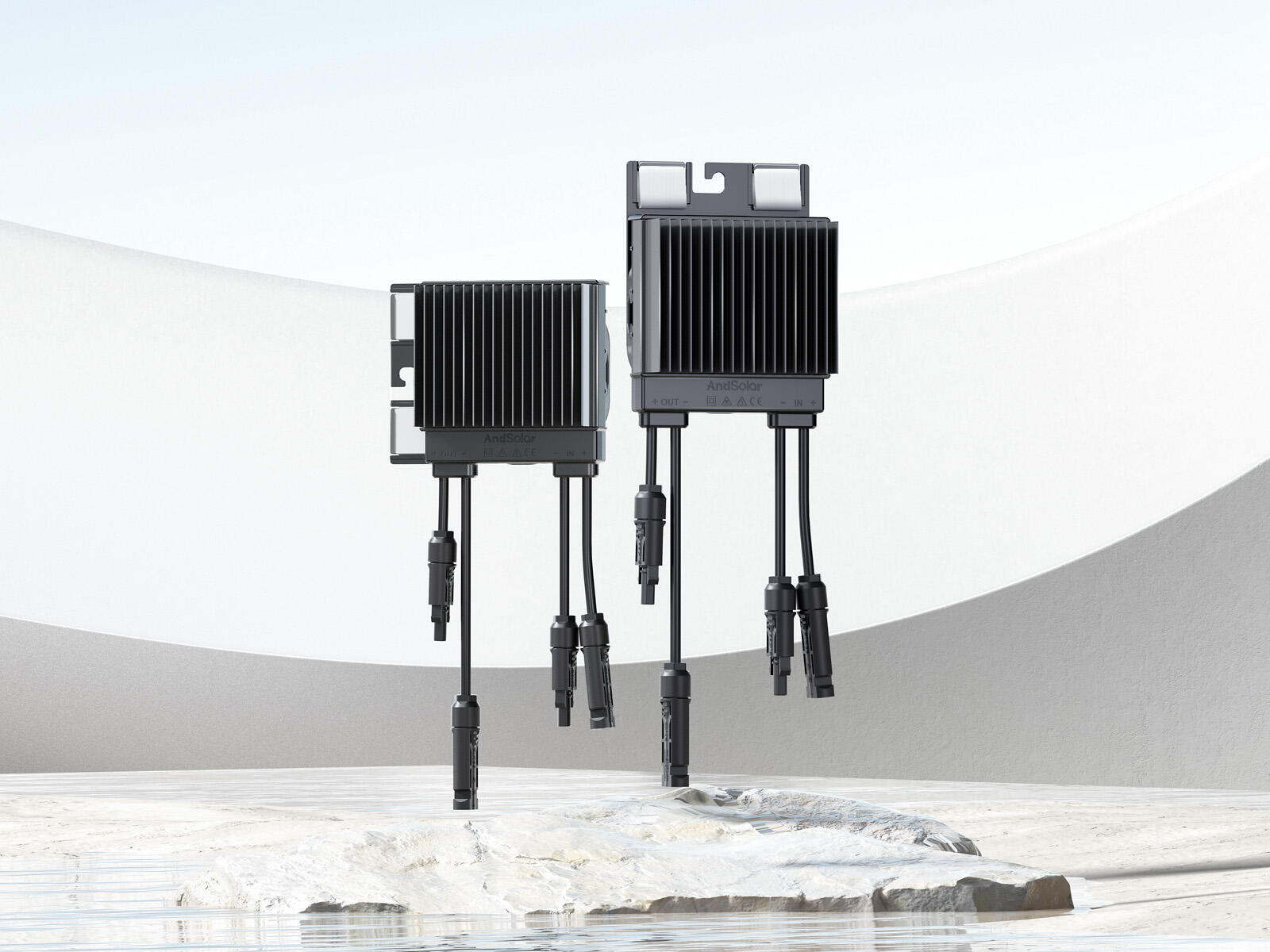
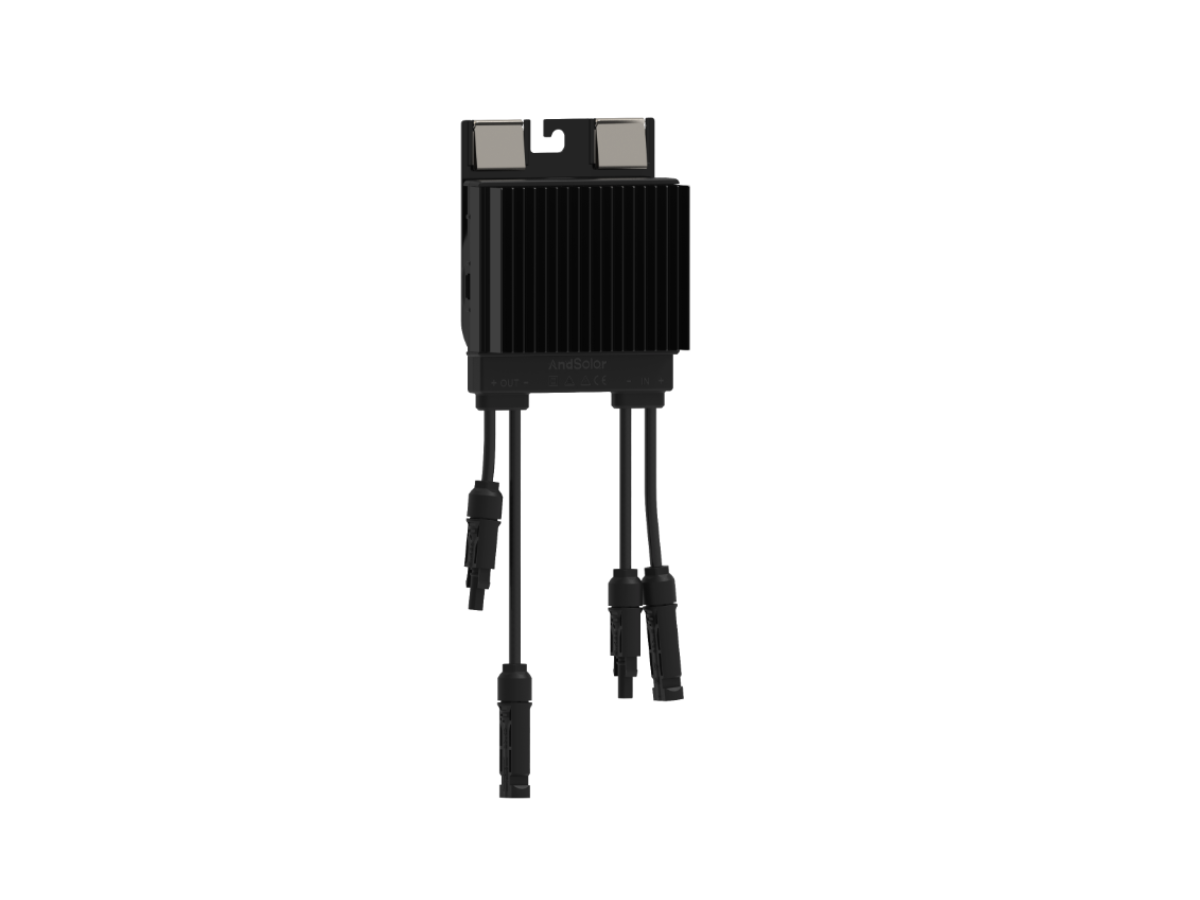
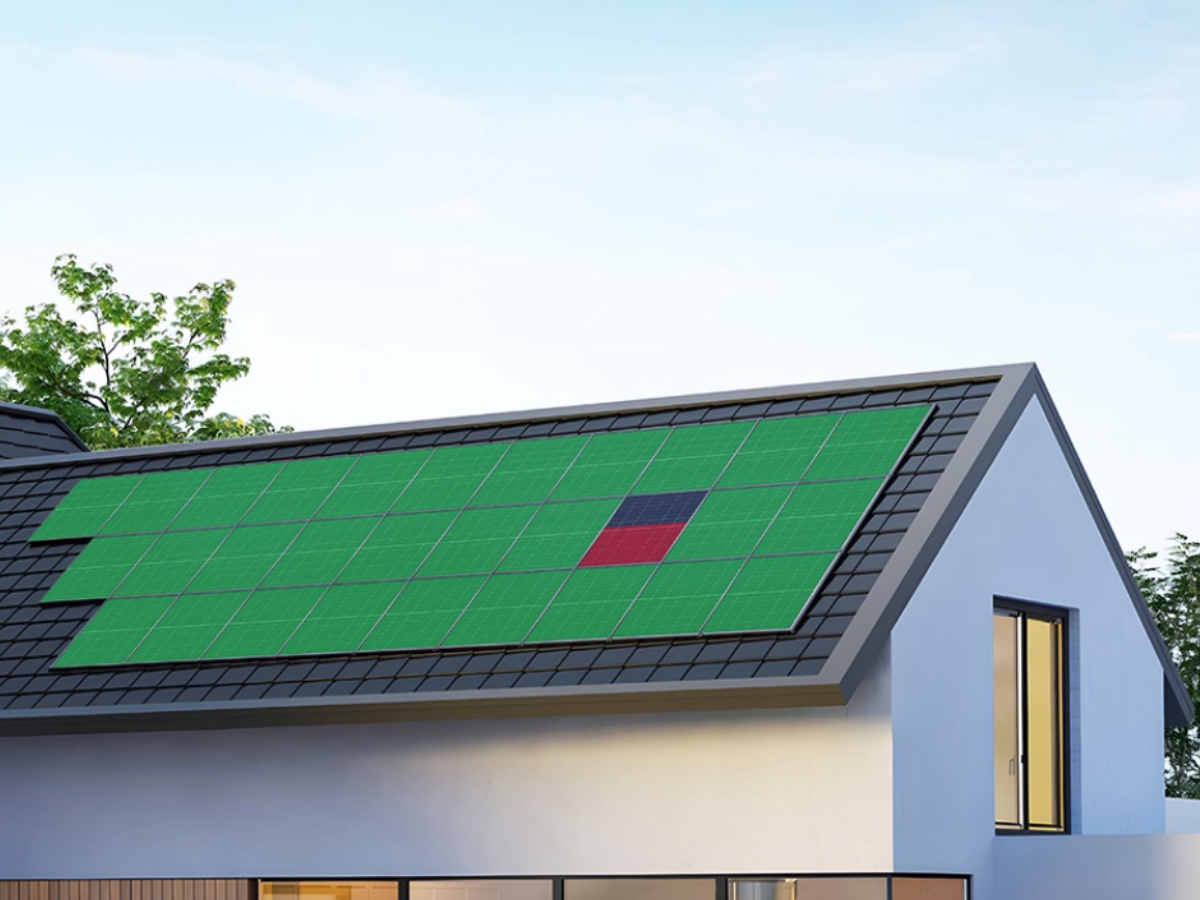
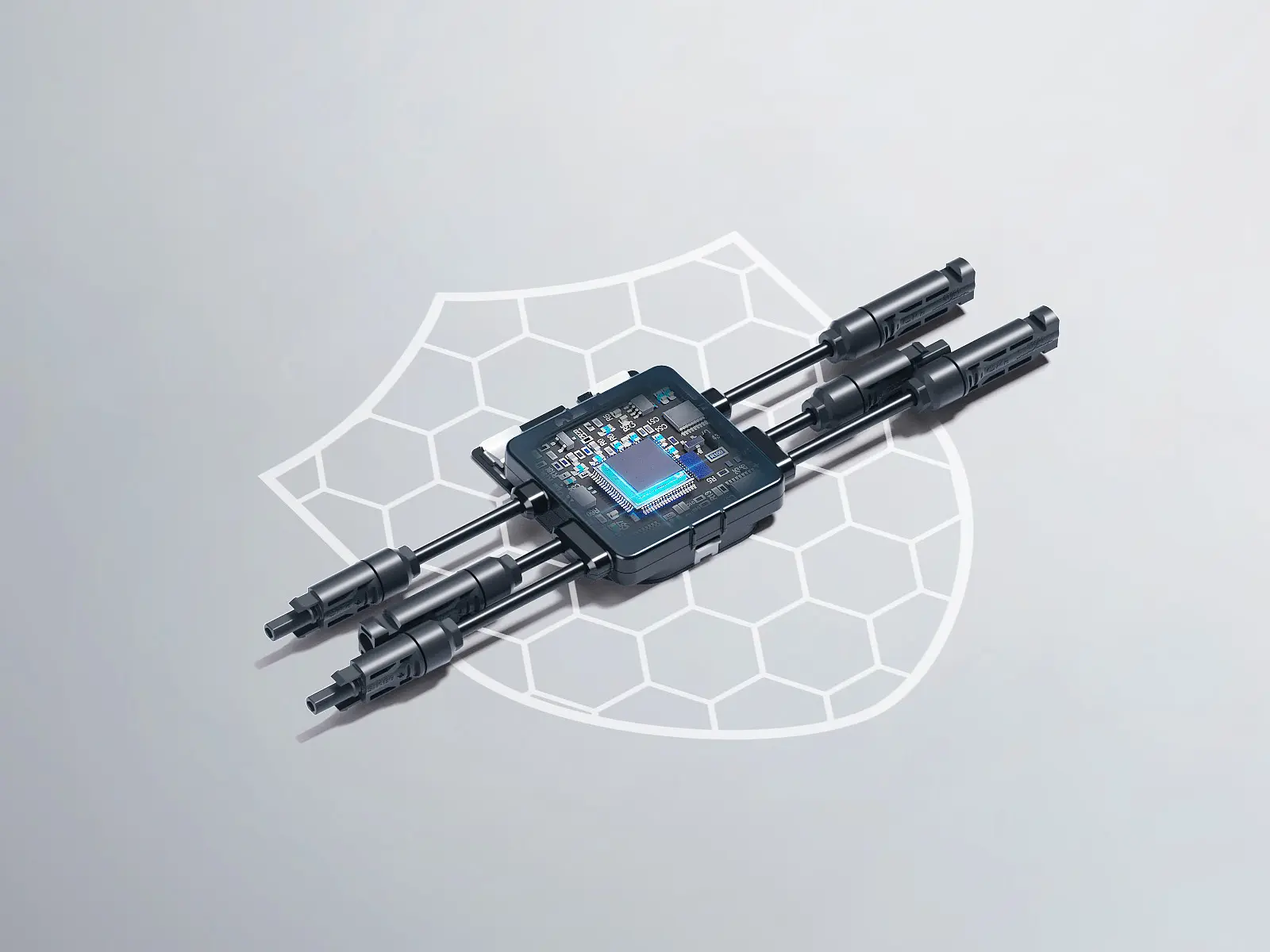
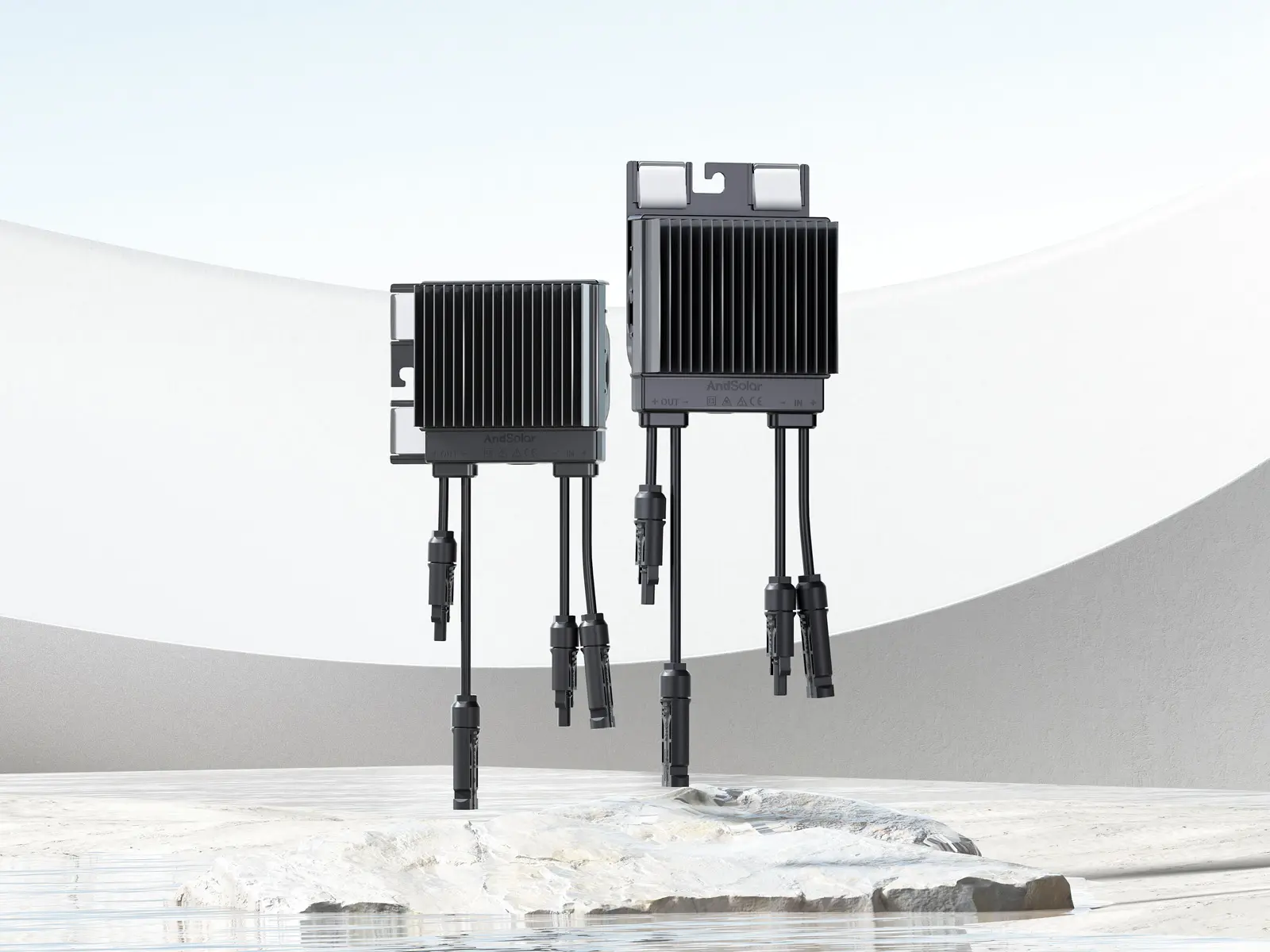
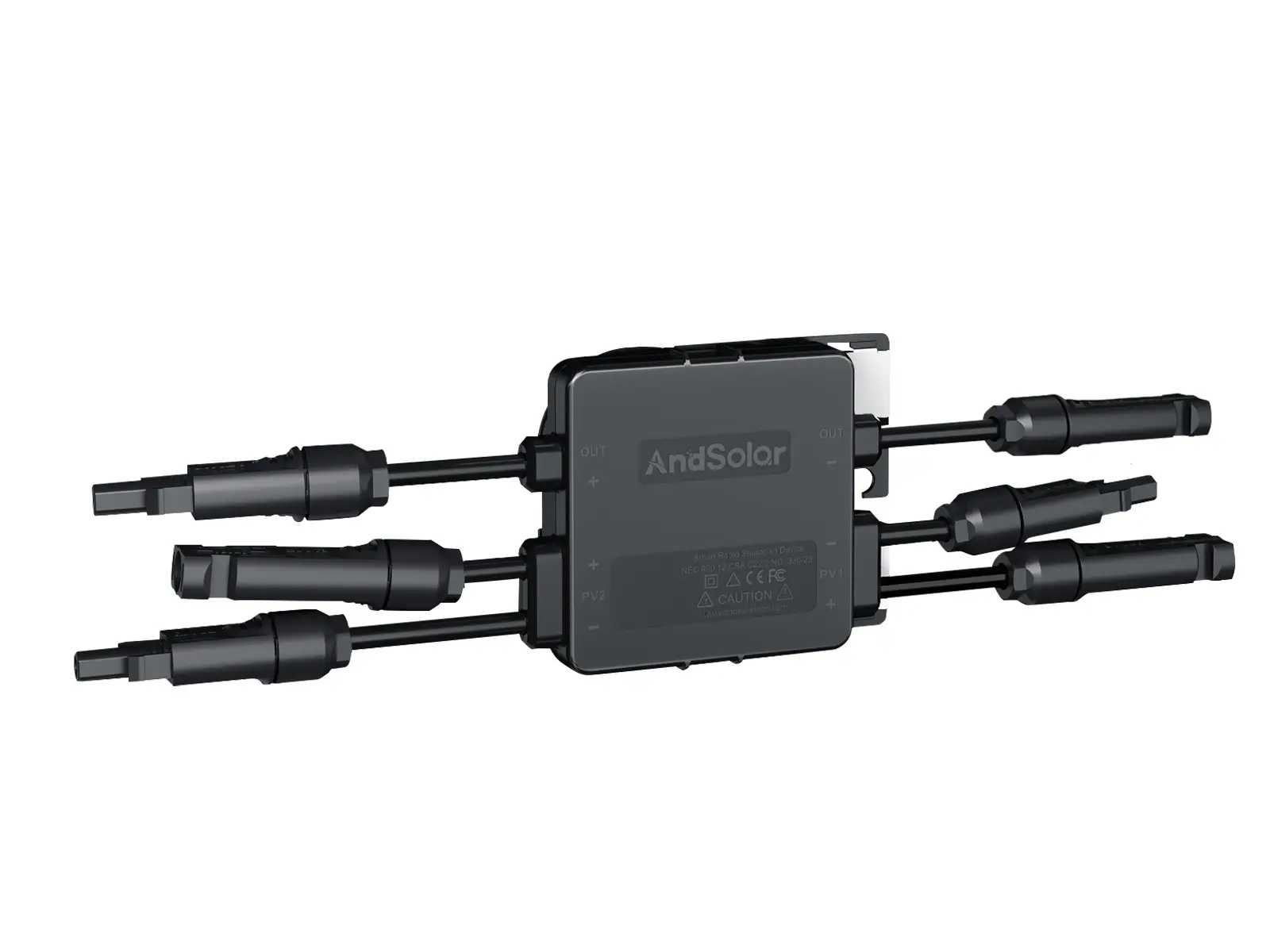
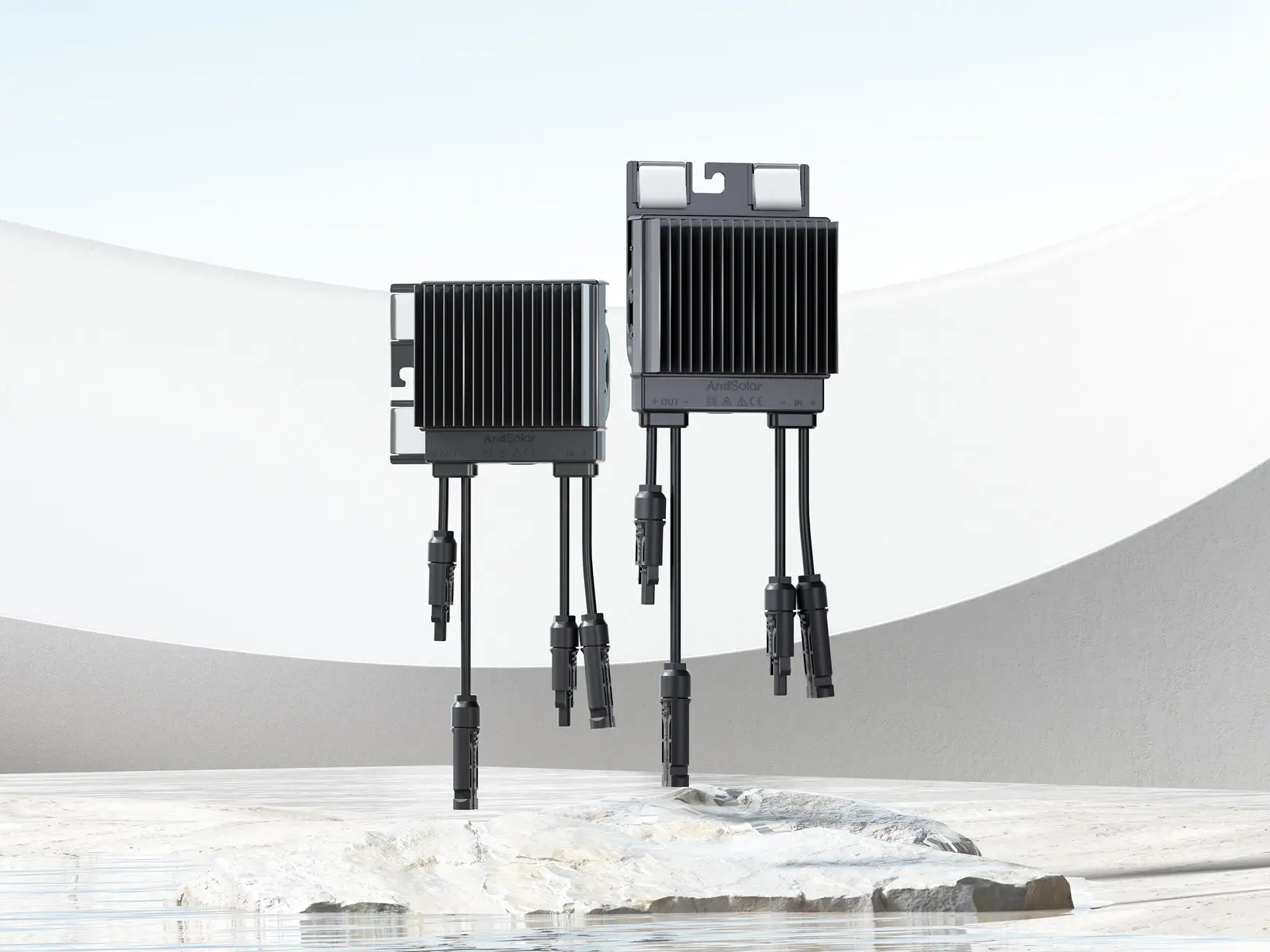
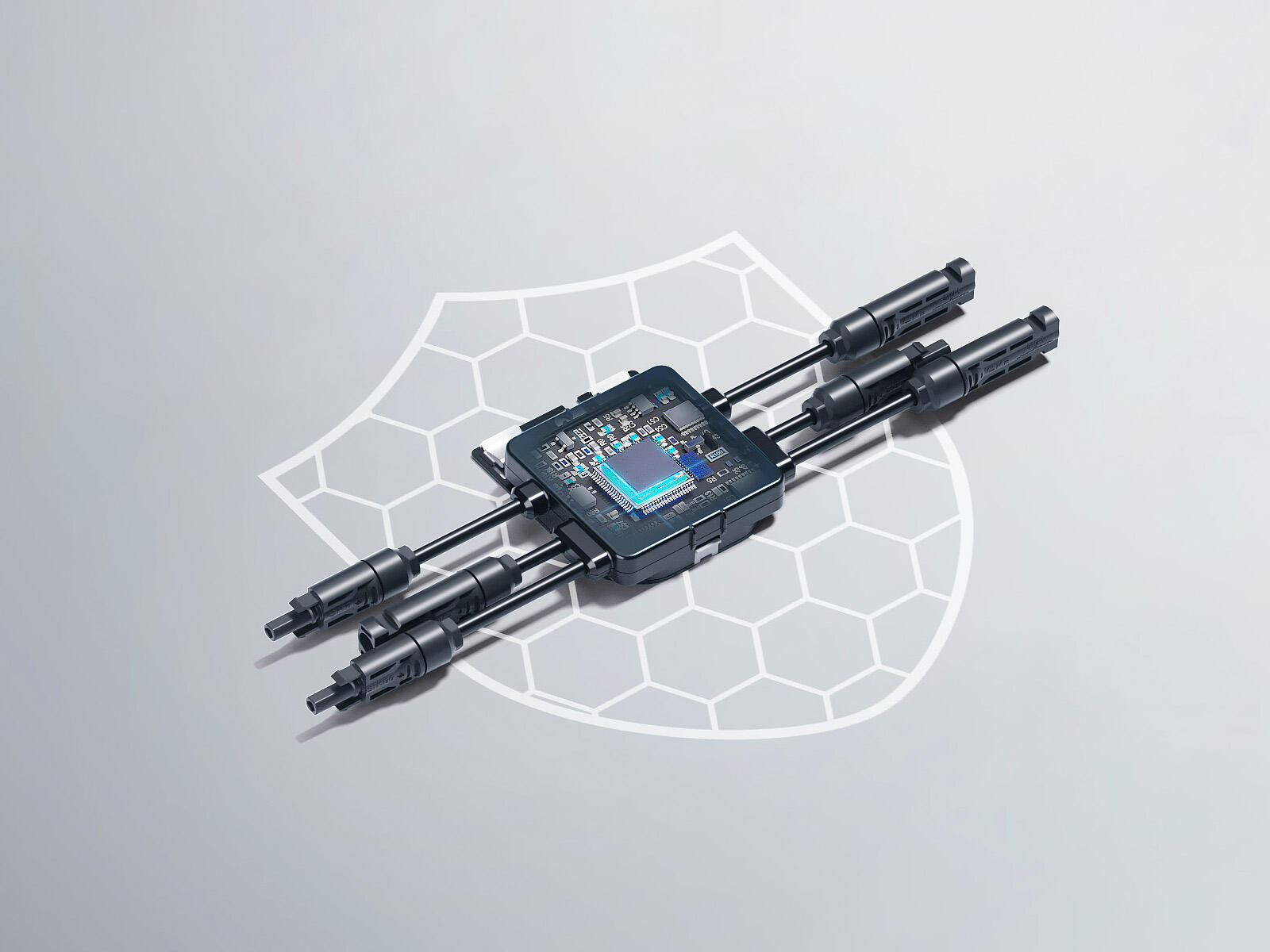
Solar optimizer efficiency represents a revolutionary advancement in photovoltaic technology that maximizes energy harvest from solar panel installations. These sophisticated devices work at the individual panel level to ensure each module operates at its optimal power point, regardless of varying conditions such as shading, dirt accumulation, or manufacturing tolerances. The core function of solar optimizer efficiency lies in its ability to perform Maximum Power Point Tracking (MPPT) for each solar panel independently, rather than treating the entire array as a single unit. This granular approach significantly enhances overall system performance and energy production. The technological foundation of solar optimizer efficiency relies on advanced power electronics and intelligent algorithms that continuously monitor and adjust the electrical characteristics of each panel. These devices incorporate high-frequency switching circuits, microprocessors, and sophisticated control algorithms that can respond to changing conditions in real-time. The optimizer converts the direct current output from each panel to an optimized voltage and current combination before feeding it into the central inverter. This process ensures that underperforming panels do not drag down the performance of the entire string, which is a common limitation in traditional solar installations. Applications of solar optimizer efficiency span across residential, commercial, and utility-scale solar projects. In residential settings, these devices prove particularly valuable for rooftops with complex layouts, multiple orientations, or partial shading issues. Commercial installations benefit from the enhanced monitoring capabilities and improved return on investment that solar optimizer efficiency provides. Utility-scale projects leverage these technologies to maximize energy output across vast arrays where panel-to-panel variations can significantly impact overall performance. The integration of communication capabilities allows for comprehensive system monitoring and diagnostic features, enabling proactive maintenance and performance optimization throughout the system's operational lifetime.
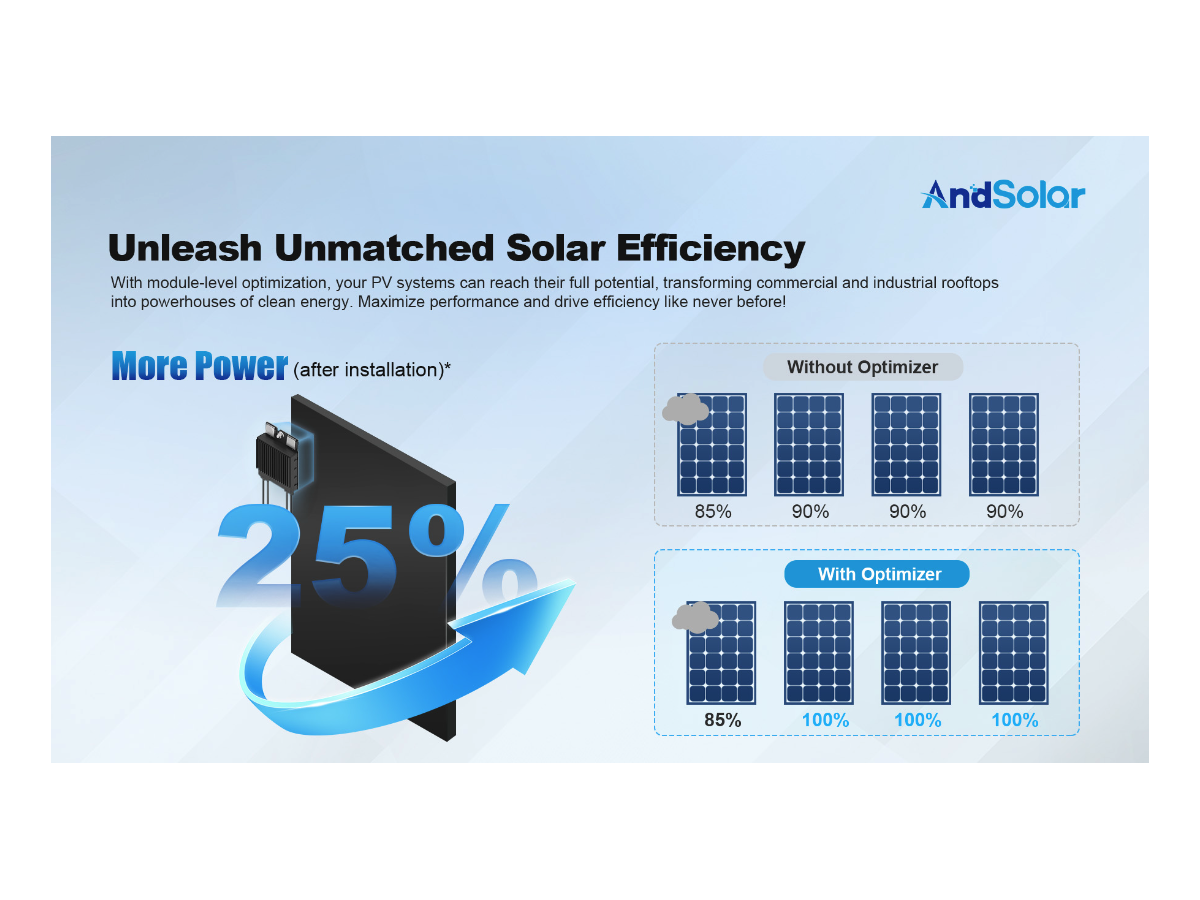
Solar optimizer efficiency delivers substantial practical benefits that directly translate into improved financial returns and system reliability for property owners. The most immediate advantage comes from increased energy production, with typical installations seeing 5-25% more power generation compared to traditional string inverter systems. This improvement stems from the technology's ability to eliminate the weakest-link effect that plagues conventional solar arrays, where a single underperforming panel reduces the output of the entire string. With solar optimizer efficiency, each panel operates independently at its maximum capacity, ensuring optimal harvest throughout varying weather conditions and seasonal changes. Enhanced system monitoring represents another significant advantage of solar optimizer efficiency. Property owners gain unprecedented visibility into their solar installation's performance through detailed panel-level data and analytics. This granular monitoring capability allows for immediate identification of issues such as panel failures, excessive soiling, or shading problems. Early detection prevents minor issues from becoming major problems, reducing maintenance costs and maximizing system uptime. The diagnostic capabilities inherent in solar optimizer efficiency enable technicians to pinpoint specific problems quickly, reducing service call duration and associated costs. Safety improvements constitute a crucial benefit of solar optimizer efficiency technology. These devices incorporate rapid shutdown capabilities that automatically reduce DC voltages to safe levels during emergency situations or maintenance procedures. This feature significantly enhances the safety of firefighters, installers, and maintenance personnel who may need to work around solar installations. The automatic voltage reduction occurs within seconds of system shutdown, providing an additional layer of protection that traditional systems cannot match. Flexibility in system design represents another key advantage of solar optimizer efficiency. These devices enable installations on complex roof structures with multiple orientations, tilt angles, and shading conditions that would otherwise be impractical or economically unfeasible. Property owners can maximize their available roof space for solar panels without being constrained by the need for uniform conditions across the entire array. This flexibility often results in larger system sizes and greater energy production potential. The extended equipment warranty periods typically offered with solar optimizer efficiency systems provide additional peace of mind and financial protection for property owners. Many manufacturers offer 20-25 year warranties on their optimizer products, matching the warranty period of the solar panels themselves. This extended coverage reduces long-term maintenance concerns and provides predictable system performance over the installation's lifetime, making financial planning more accurate and reliable.

Popular Products

Maximum Independent Panel Performance

Maximum Independent Panel Performance

The cornerstone benefit of solar optimizer efficiency lies in its revolutionary approach to individual panel optimization, which fundamentally transforms how solar installations operate and perform. Unlike traditional string inverter systems that treat multiple panels as a single electrical unit, solar optimizer efficiency technology ensures each panel functions independently at its peak performance level. This independence eliminates the cascading effect of underperformance that typically occurs when one or more panels in a string experience reduced output due to shading, soiling, aging, or manufacturing variations. Each optimizer continuously monitors its connected panel's electrical characteristics and dynamically adjusts the operating point to extract maximum available power under current conditions. The sophisticated algorithms embedded within these devices perform thousands of calculations per second to track the optimal power point as environmental conditions change throughout the day. This real-time optimization capability means that even when some panels face challenging conditions, the remaining panels continue to operate at full capacity, maximizing overall system energy production. The impact of this independent operation becomes particularly pronounced in installations with complex roof geometries, multiple orientations, or unavoidable shading scenarios. Property owners who previously might have avoided solar installations due to less-than-ideal conditions can now proceed with confidence, knowing that solar optimizer efficiency will extract maximum value from their available solar resource. The technology also compensates for the natural variations that occur in solar panel manufacturing, ensuring that slight differences between panels do not compromise overall system performance. This manufacturing tolerance compensation can result in significant energy gains, particularly in large installations where small percentage improvements across many panels accumulate into substantial additional energy production. Furthermore, as panels age at different rates due to varying exposure conditions, solar optimizer efficiency maintains optimal performance by adapting to each panel's changing characteristics over time, preserving system efficiency throughout the installation's operational life.
Advanced Real-Time Monitoring and Diagnostics

Advanced Real-Time Monitoring and Diagnostics

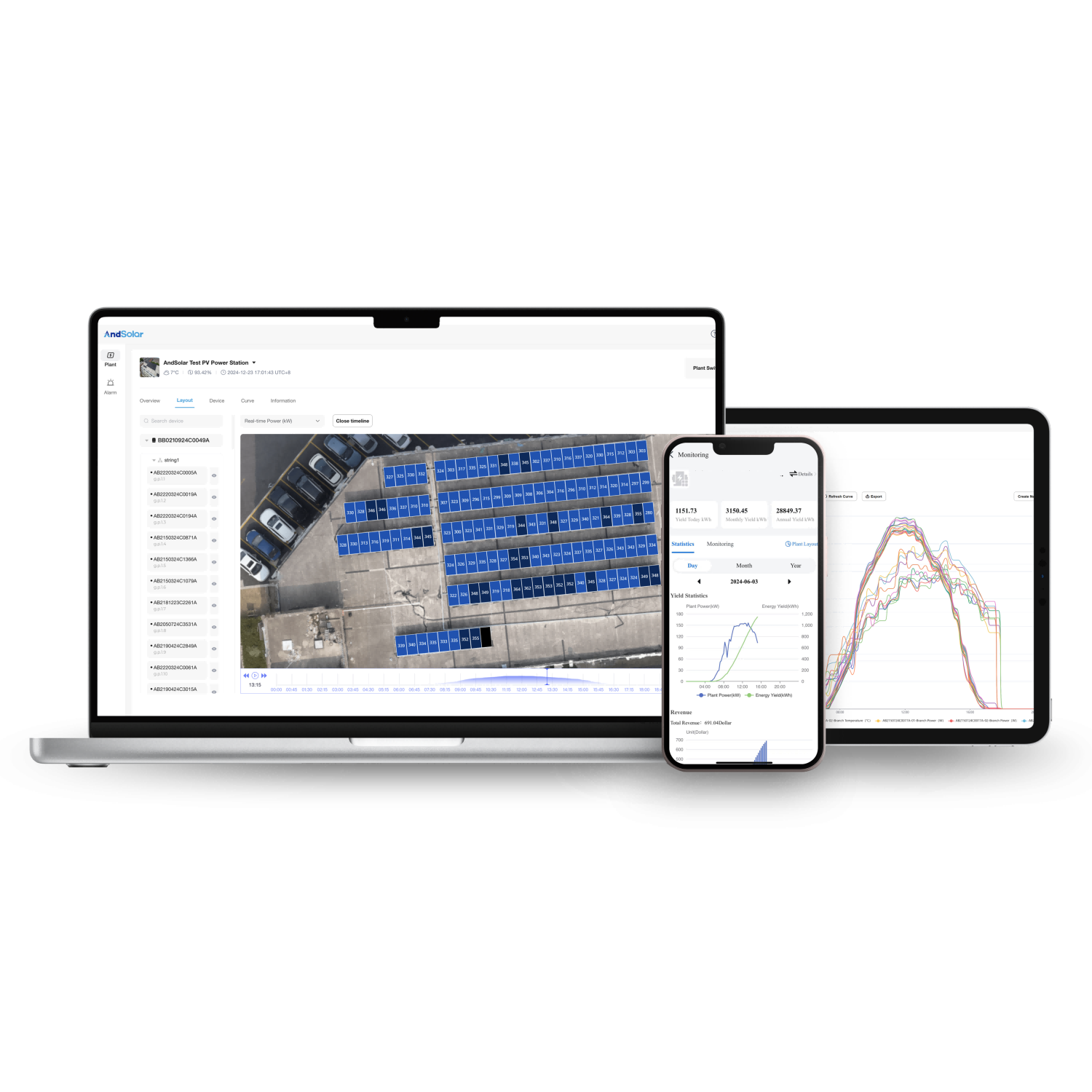
Solar optimizer efficiency systems incorporate cutting-edge monitoring and diagnostic capabilities that provide unprecedented visibility into solar installation performance at the individual panel level. This comprehensive monitoring framework transforms system maintenance from reactive to proactive, enabling property owners and service technicians to identify and address issues before they significantly impact energy production. Each optimizer continuously collects and transmits detailed performance data including power output, voltage, current, and temperature readings for its connected panel. This granular data collection creates a comprehensive performance profile for every component in the solar array, allowing for sophisticated analysis and trend identification. The monitoring system can detect subtle performance degradations that would be impossible to identify in traditional string-based installations, such as gradual efficiency losses due to soiling accumulation, developing electrical connections issues, or early-stage component failures. Real-time alerts notify system owners immediately when performance anomalies occur, enabling rapid response to minimize energy production losses. The diagnostic capabilities extend beyond simple performance monitoring to include predictive maintenance features that analyze performance trends to forecast potential issues before they occur. This predictive approach significantly reduces unexpected downtime and extends overall system reliability. Professional installers and maintenance technicians benefit from detailed diagnostic information that pinpoints exact problem locations, reducing troubleshooting time and service call costs. The comprehensive data logs maintained by solar optimizer efficiency systems also provide valuable information for warranty claims and insurance purposes, offering detailed documentation of system performance and any issues that may arise. Additionally, the monitoring platform typically includes user-friendly interfaces accessible through web portals and mobile applications, allowing property owners to track their system's performance, environmental impact, and financial returns in real-time. This transparency builds confidence in the solar investment and enables data-driven decisions about system expansion or optimization strategies.
Enhanced Safety and Code Compliance

Enhanced Safety and Code Compliance

Solar optimizer efficiency technology incorporates advanced safety features that significantly exceed traditional solar installation safety standards, providing crucial protection for property owners, emergency responders, and maintenance personnel. The most critical safety enhancement comes through rapid shutdown functionality, which automatically reduces DC voltages to safe levels within seconds of system disconnection or emergency activation. This capability addresses one of the primary safety concerns associated with solar installations: the presence of high DC voltages that can persist even after AC power is disconnected. In emergency situations such as fires or electrical incidents, first responders can confidently approach and work around the installation knowing that dangerous voltages have been automatically eliminated. The rapid shutdown feature operates independently at each optimizer, ensuring redundant safety protection throughout the entire array. Beyond emergency safety, solar optimizer efficiency systems enhance ongoing operational safety through arc fault detection and mitigation capabilities. These sophisticated monitoring systems can identify the electrical signatures associated with dangerous arc faults and take immediate corrective action to prevent potential fire hazards. The continuous monitoring of electrical parameters at each panel enables early detection of insulation breakdown, connector degradation, or other conditions that could lead to safety issues. This proactive safety monitoring provides an additional layer of protection that traditional systems cannot offer. Compliance with evolving electrical codes and safety standards represents another significant advantage of solar optimizer efficiency technology. As electrical codes become more stringent regarding solar installation safety, particularly around rapid shutdown requirements, these systems ensure ongoing compliance without requiring costly retrofits or system modifications. The built-in safety features typically exceed current code requirements, providing future-proofing against anticipated regulatory changes. Installation safety also benefits from solar optimizer efficiency technology through reduced complexity in DC wiring design and troubleshooting procedures. The distributed architecture eliminates the need for complex string calculations and reduces the risk of installation errors that could compromise system safety. Maintenance personnel benefit from enhanced safety protocols that allow for individual panel isolation during service procedures, minimizing exposure to electrical hazards. The comprehensive diagnostic capabilities also reduce the time technicians must spend in potentially hazardous conditions, as problems can be precisely located before beginning hands-on troubleshooting work.

Get a Free Quote

Our representative will contact you soon.
Name
Email
Phone/ WhatsApp
Company Name
Product Selection
Message
0/1000

solar optimizer efficiency

Latest News

How to choose the rapid shutdown device for your solar installation

21

Jul

How to choose the rapid shutdown device for your solar installation

Making the Right Safety Choice for Solar Installations As solar energy adoption continues to rise in both residential and commercial sectors, safety considerations are becoming a top priority during system design and installation. One of the most cr...
View More
Benefits of MLPE VS. traditional PV system

21

Jul

Benefits of MLPE VS. traditional PV system

Comparing Modern and Traditional Approaches to Solar Power Management As solar energy adoption continues to grow globally, both homeowners and commercial operators face critical choices in system architecture. Among the most significant is the decis...
View More
Will Rapid Shutdown Devices Affect Solar System Performance?

13

Aug

Will Rapid Shutdown Devices Affect Solar System Performance?

Optimizing Solar System Safety Without Compromising Efficiency In the modern solar energy landscape, safety and performance go hand in hand. The industry has evolved from focusing solely on maximizing energy yield to ensuring that systems operate wit...
View More
AndSolar Power Optimizers Vs. Traditional String Inverters in MPPT

17

Sep

AndSolar Power Optimizers Vs. Traditional String Inverters in MPPT

Maximizing Solar Energy Harvesting Through Advanced Technology The solar industry continues to evolve with innovative solutions that enhance energy production and system efficiency. At the forefront of this evolution is the ongoing debate between sol...
View More

Get a Free Quote

Our representative will contact you soon.
Name
Email
Phone/ WhatsApp
Company Name
Product Selection
Message
0/1000