Power Optimizer for Base Station Projects - Advanced Energy Management Solutions for Telecommunications Infrastructure

  • 8F, Block B, Building 1, 286 Qinglonggang Road, Suzhou City, Jiangsu Province, P. R. China
  • [email protected]
AndSolar Cloud

power optimizer for base station projects

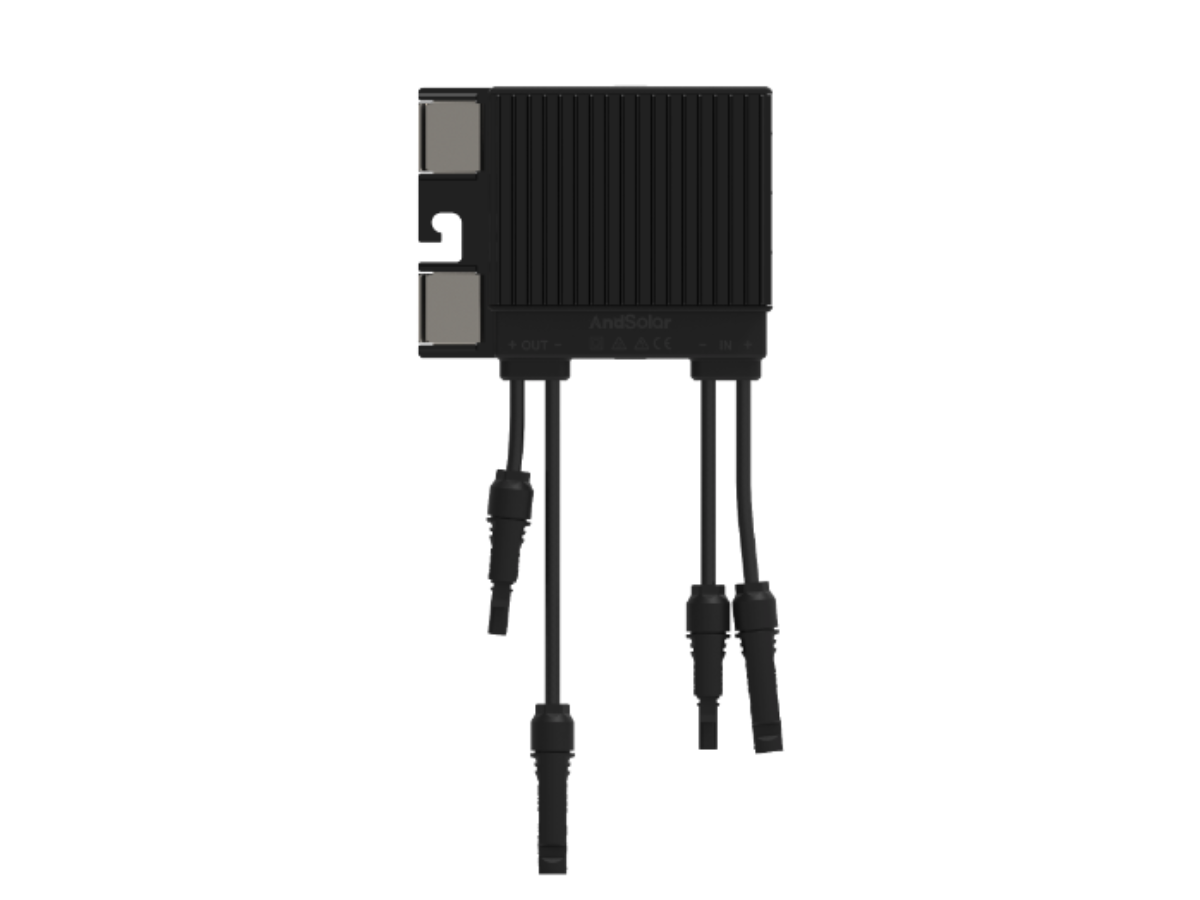
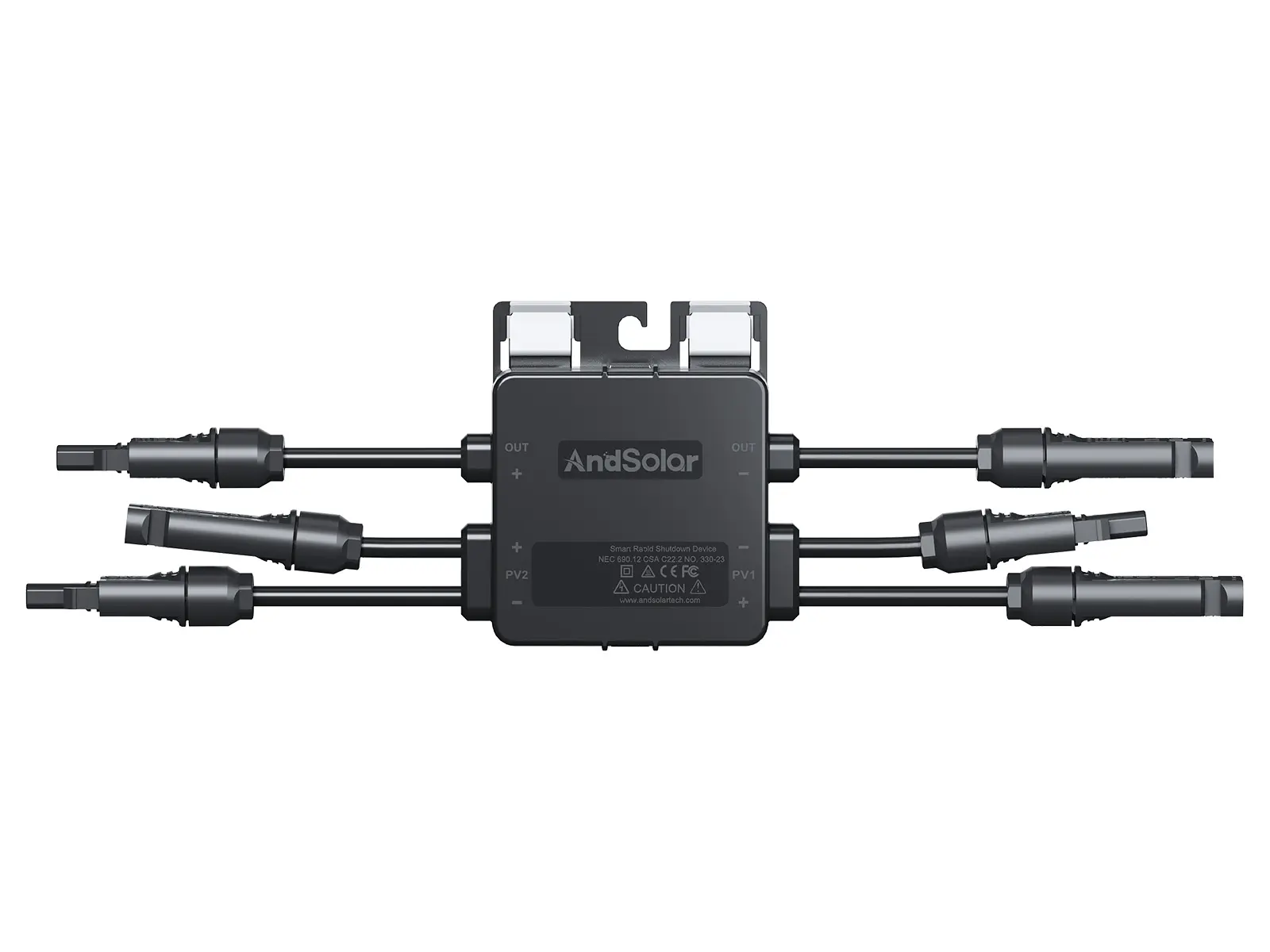
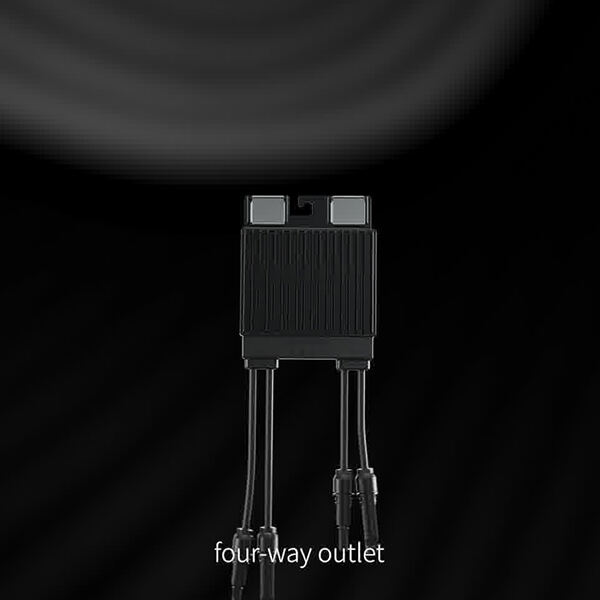
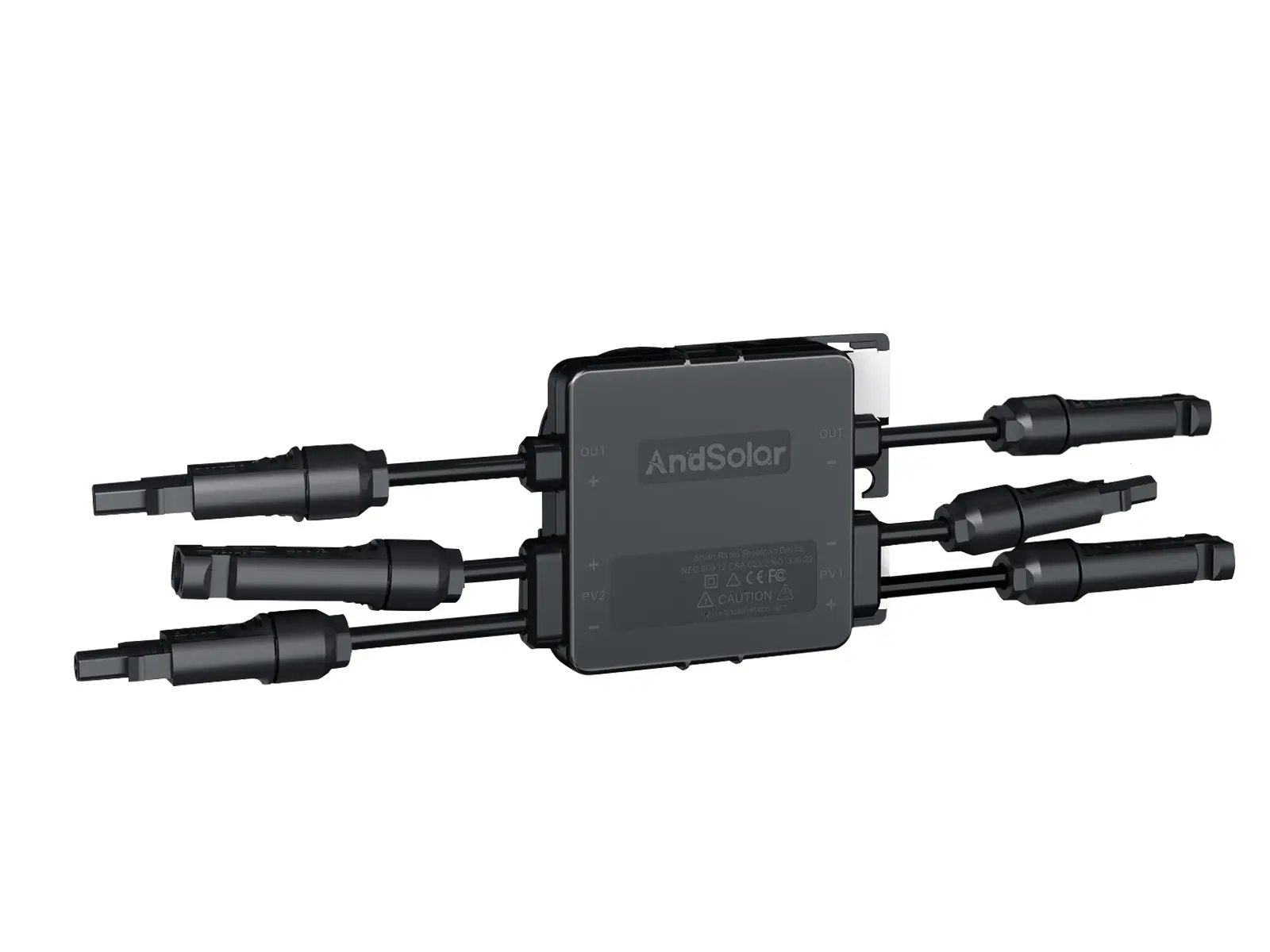
Power optimizer for photovoltaic projects improves energy yield and operational efficiency in solar power systems. Installed at the module level, it regulates panel output and helps photovoltaic arrays maintain stable performance under changing environmental conditions.The power optimizer includes monitoring and real-time analysis, providing visibility into module-level generation and system status. Dynamic voltage optimization adjusts operating parameters based on irradiance and temperature, helping reduce mismatch losses between panels.Intelligent control improves the output of each module and limits losses caused by shading or aging components. Remote monitoring allows operators to observe system performance and manage solar plants through centralized platforms.The modular design supports use in residential, commercial, and utility photovoltaic projects, helping increase system reliability and long-term energy production.

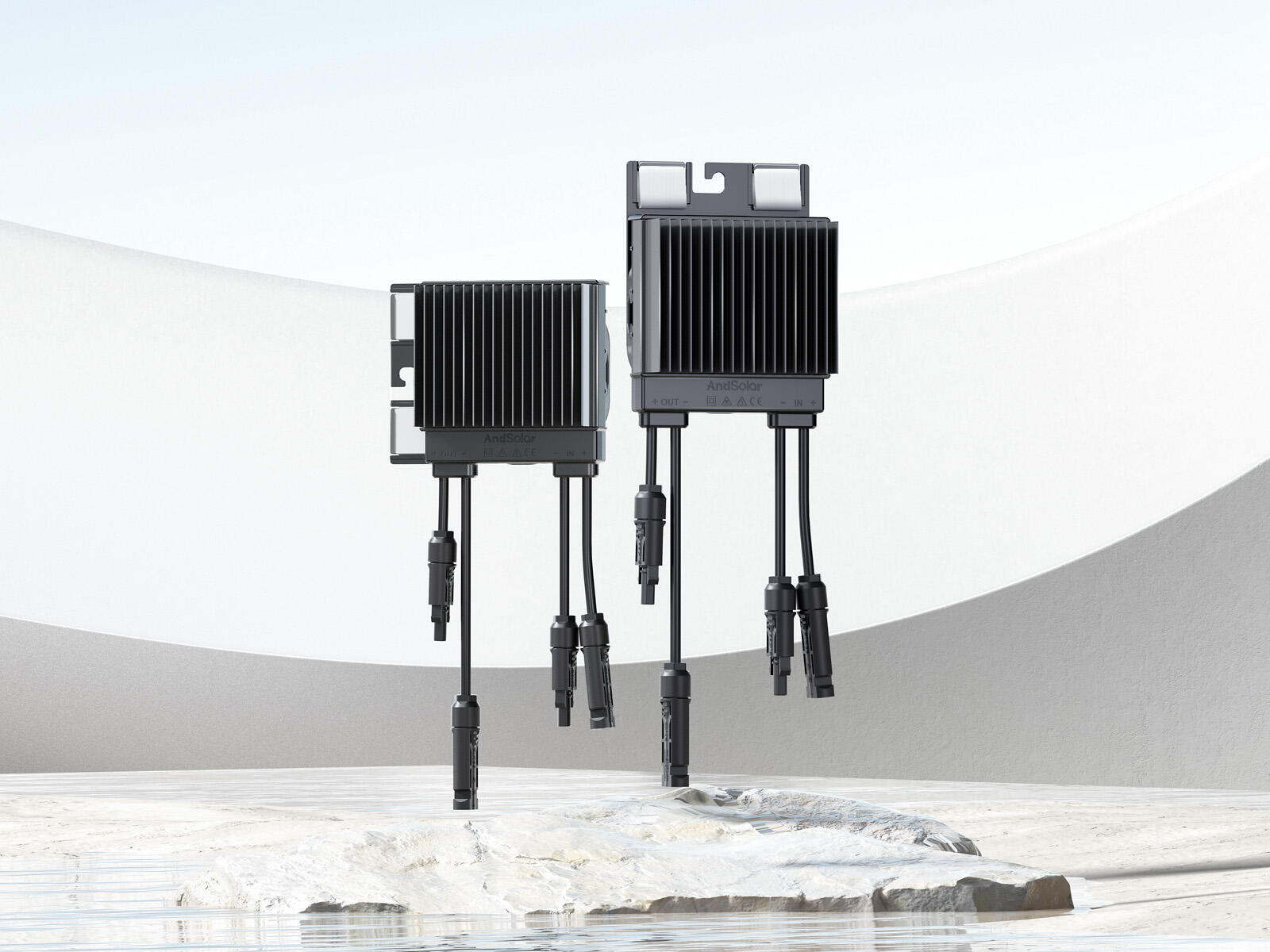
The power optimizer for photovoltaic projects improves energy yield through intelligent module-level control that helps solar systems reduce power loss and increase generation efficiency. By optimizing the output of each panel, the system can reduce mismatch losses caused by shading, dust, or aging components. Solar plant operators benefit from higher energy production and improved return on investment while maintaining stable system performance.Enhanced reliability is another advantage. The power optimizer for photovoltaic projects supports stable voltage regulation and helps protect modules from abnormal conditions. When part of a solar array experiences shading or performance issues, the optimizer allows other modules to continue operating efficiently, preventing overall power loss and improving system stability.Installation simplicity makes the power optimizer practical for different photovoltaic projects. The compact design and standardized connections allow installers to integrate the optimizer easily into solar arrays. This reduces installation complexity and helps ensure consistent system performance.Scalability allows photovoltaic systems to expand without major structural changes. The modular design enables additional panels or arrays to be integrated smoothly as project capacity grows, making it suitable for residential, commercial, and utility-scale solar plants.Environmental benefits also support renewable energy development. By improving energy conversion efficiency and reducing losses, the power optimizer helps photovoltaic plants generate more clean electricity from the same solar resources.Maintenance advantages include monitoring support that allows operators to observe module-level performance and detect potential issues early. This helps technicians plan maintenance activities efficiently and maintain reliable long-term operation of photovoltaic power stations.

New Product Recommendations

Advanced Energy Management and Cost Optimization

Advanced Energy Management and Cost Optimization

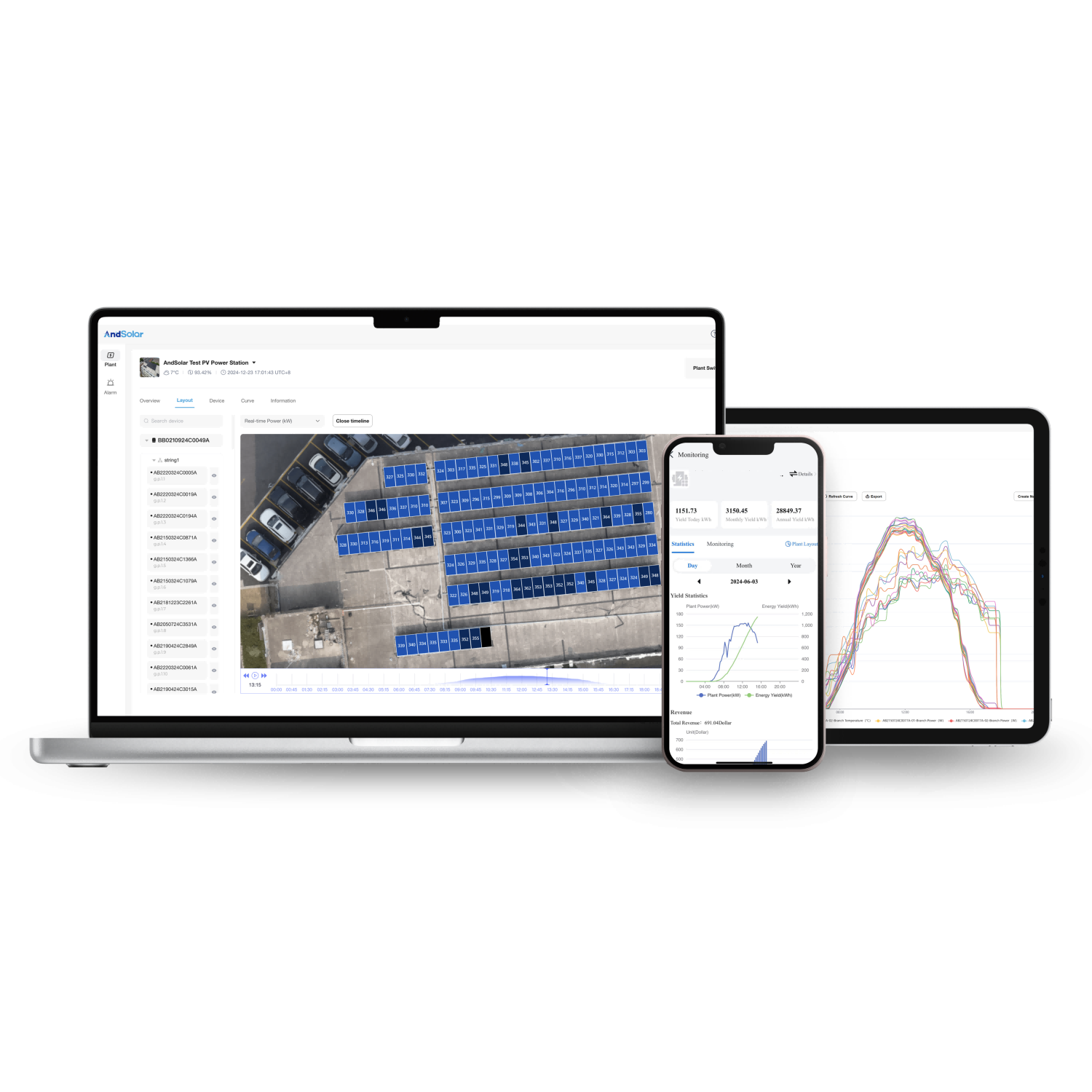
The sophisticated energy management capabilities of power optimizer for base station projects represent a paradigm shift in telecommunications infrastructure efficiency, delivering unprecedented control over power consumption while maintaining optimal network performance. This advanced system employs machine learning algorithms that continuously analyze historical usage patterns, environmental conditions, and network traffic demands to predict optimal power allocation strategies. The intelligent energy distribution mechanism automatically adjusts voltage levels and current flow based on real-time requirements, eliminating the energy waste typically associated with traditional static power systems. Network operators experience immediate financial benefits through reduced electricity costs, with many installations achieving 25-40 percent energy savings compared to conventional base station power solutions. The power optimizer for base station projects incorporates dynamic load management features that prevent unnecessary power consumption during low-traffic periods while ensuring sufficient capacity remains available for peak demand scenarios. This intelligent scaling capability means base stations consume only the energy required for actual service delivery, rather than maintaining constant maximum power draw regardless of utilization levels. Advanced monitoring dashboards provide real-time visibility into energy consumption patterns across individual sites and entire network regions, enabling data-driven decision making that optimizes operational efficiency. The system generates detailed analytics reports that help network administrators identify optimization opportunities and track the financial impact of energy efficiency initiatives. These insights prove invaluable for budget planning and demonstrate clear return on investment metrics to stakeholders. Furthermore, the power optimizer for base station projects supports time-of-use optimization, automatically adjusting power consumption patterns to take advantage of lower electricity rates during off-peak hours while ensuring service quality remains uncompromised. This capability becomes particularly valuable in regions with variable electricity pricing structures, where strategic power management can yield substantial cost savings over time.
Enhanced Network Reliability and Seamless Backup Integration

Enhanced Network Reliability and Seamless Backup Integration

Network reliability reaches new heights with power optimizer for base station projects, which incorporates multiple layers of redundancy and intelligent failover mechanisms that virtually eliminate service interruptions caused by power-related issues. The system features advanced uninterruptible power supply integration that provides seamless transitions during grid outages, maintaining critical telecommunications services without any perceptible interruption to end users. This reliability enhancement proves crucial for emergency services, business communications, and consumer connectivity expectations that demand consistent network availability. The power optimizer for base station projects employs sophisticated battery management systems that continuously monitor backup power source health, automatically conducting periodic testing cycles to ensure emergency power systems remain ready for deployment when needed. Intelligent charging algorithms optimize battery lifespan while maintaining peak performance capability, reducing long-term replacement costs and minimizing environmental impact. Advanced thermal management integrated within the power optimizer for base station projects protects sensitive electronic components from temperature-related damage that could compromise network reliability. Automated cooling systems activate based on real-time temperature monitoring, maintaining optimal operating conditions even in challenging environmental circumstances. This proactive approach prevents equipment failures that could result in costly repairs and service disruptions. Remote monitoring capabilities enable network operations teams to receive instant alerts about potential issues before they impact service delivery, allowing for proactive intervention that prevents outages. The system provides comprehensive diagnostic information that helps technical teams quickly identify root causes and implement appropriate solutions. Predictive analytics features analyze system performance trends to identify components approaching end-of-life conditions, enabling scheduled maintenance that prevents unexpected failures. The power optimizer for base station projects supports hot-swappable components that allow maintenance activities without service interruption, ensuring continuous network availability even during equipment upgrades or repairs. This design philosophy recognizes that modern telecommunications networks cannot afford downtime, particularly as services become increasingly critical to business operations and daily life activities.
Future-Ready Scalability and Sustainable Technology Integration

Future-Ready Scalability and Sustainable Technology Integration

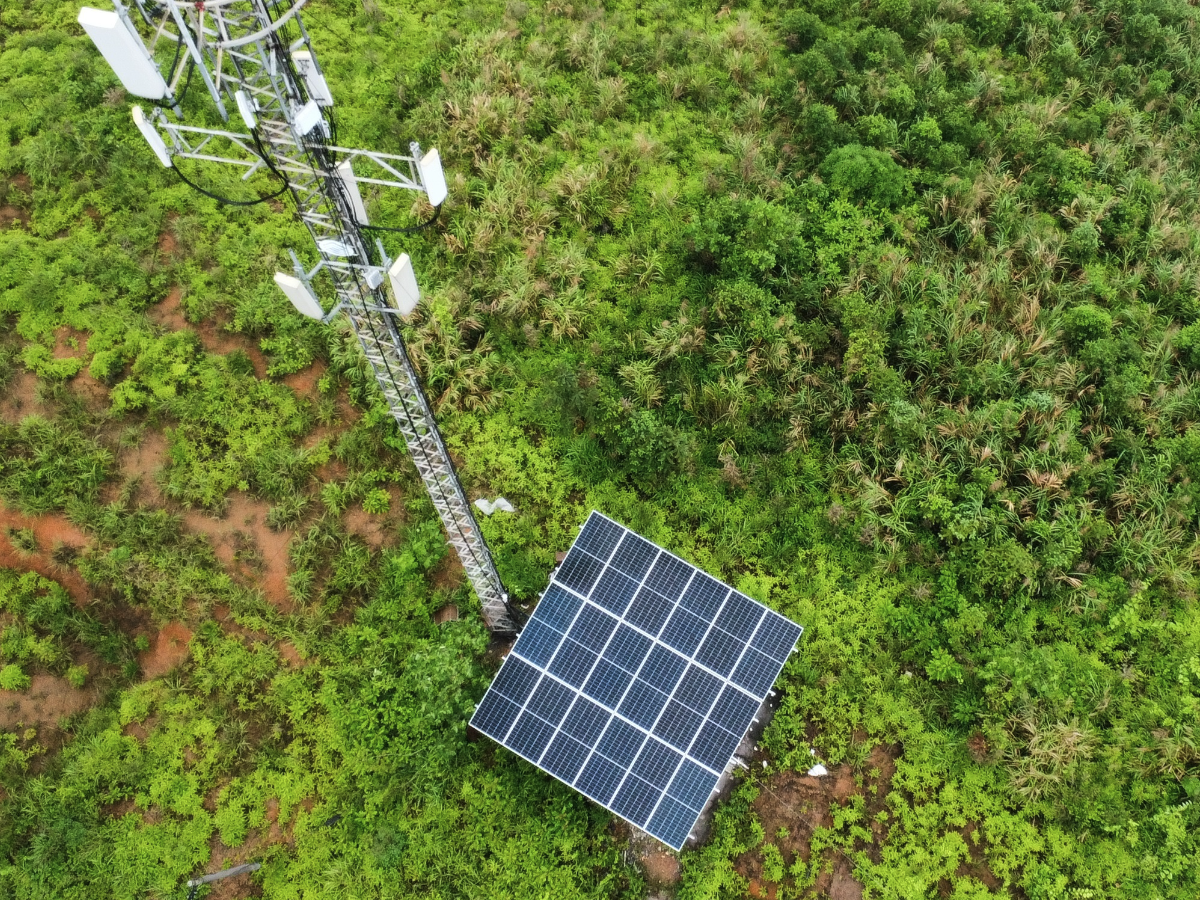
The modular architecture of power optimizer for base station projects delivers unmatched scalability that adapts to evolving network demands while protecting infrastructure investments against technological obsolescence. This forward-thinking design enables telecommunications operators to incrementally expand capacity as subscriber bases grow and new services launch, avoiding the need for complete system replacements that disrupt operations and require substantial capital investments. The power optimizer for base station projects supports seamless integration with next-generation wireless technologies including 5G networks and emerging standards, ensuring infrastructure investments remain relevant as telecommunications technology continues advancing. Standardized interfaces and open architecture design facilitate easy integration with existing network equipment while providing flexibility for future technology adoption. The system supports multiple power input sources simultaneously, enabling hybrid energy solutions that combine traditional grid power with renewable energy sources such as solar panels, wind generators, and fuel cells. This multi-source capability reduces dependence on conventional electricity while supporting corporate sustainability initiatives and regulatory compliance requirements. Smart grid integration features enable the power optimizer for base station projects to participate in demand response programs, potentially generating additional revenue streams by providing grid stabilization services during peak demand periods. Advanced energy storage management optimizes the utilization of renewable energy sources by storing excess capacity during production peaks and deploying stored energy during high-demand periods or when renewable sources become unavailable. Environmental monitoring sensors integrated within the power optimizer for base station projects track local weather conditions and adjust system parameters accordingly, maximizing renewable energy utilization while maintaining consistent network performance. Automated reporting capabilities generate comprehensive sustainability metrics that support environmental compliance documentation and corporate responsibility reporting requirements. The system provides detailed carbon footprint calculations and renewable energy utilization statistics that demonstrate tangible progress toward sustainability goals. Cloud-based management platforms enable centralized control of distributed power optimizer for base station projects installations, providing network administrators with comprehensive visibility and control across entire service regions while reducing the need for on-site technical personnel and associated travel costs.

Get a Free Quote

Our representative will contact you soon.
Name
Email
Phone/ WhatsApp
Company Name
Product Selection
Message
0/1000

power optimizer for base station projects

Practical Tips

When Should You Use Power Optimizers?

17

Jun

When Should You Use Power Optimizers?

Understanding Power Optimizers in Solar Systems What Are Power Optimizers? Power optimizers are applied in solar system for energy harvest purpose. These smart devices are connected to every solar panel to optimise and manage the panel. Pow...
View More
How Does the Rapid Shutdown Policy Improve Solar Safety Standards?

13

Aug

How Does the Rapid Shutdown Policy Improve Solar Safety Standards?

Strengthening Solar Power Systems Through Advanced Safety Measures In the rapidly expanding solar industry, safety has emerged as one of the most critical aspects of system design and operation. As more residential, commercial, and utility-scale inst...
View More
How Can the Optimizers Maximize the Energy Output?

11

Aug

How Can the Optimizers Maximize the Energy Output?

Driving Solar Efficiency to New Heights In the fast-evolving world of renewable energy, technology plays a crucial role in making solar systems more effective and profitable. Beyond choosing high-quality panels, the way each panel operates can greatl...
View More
Understanding ABNT NBR 17193:2025 & Rapid Shutdown: Everything You Need to Know

23

Sep

Understanding ABNT NBR 17193:2025 & Rapid Shutdown: Everything You Need to Know

The Evolution of Solar Safety Standards in Brazil The solar energy landscape in Brazil is undergoing a significant transformation with the introduction of ABNT NBR 17193:2025, particularly focusing on rapid shutdown requirements. This revolutionary s...
View More

Get a Free Quote

Our representative will contact you soon.
Name
Email
Phone/ WhatsApp
Company Name
Product Selection
Message
0/1000