Power Optimizer For BIPV
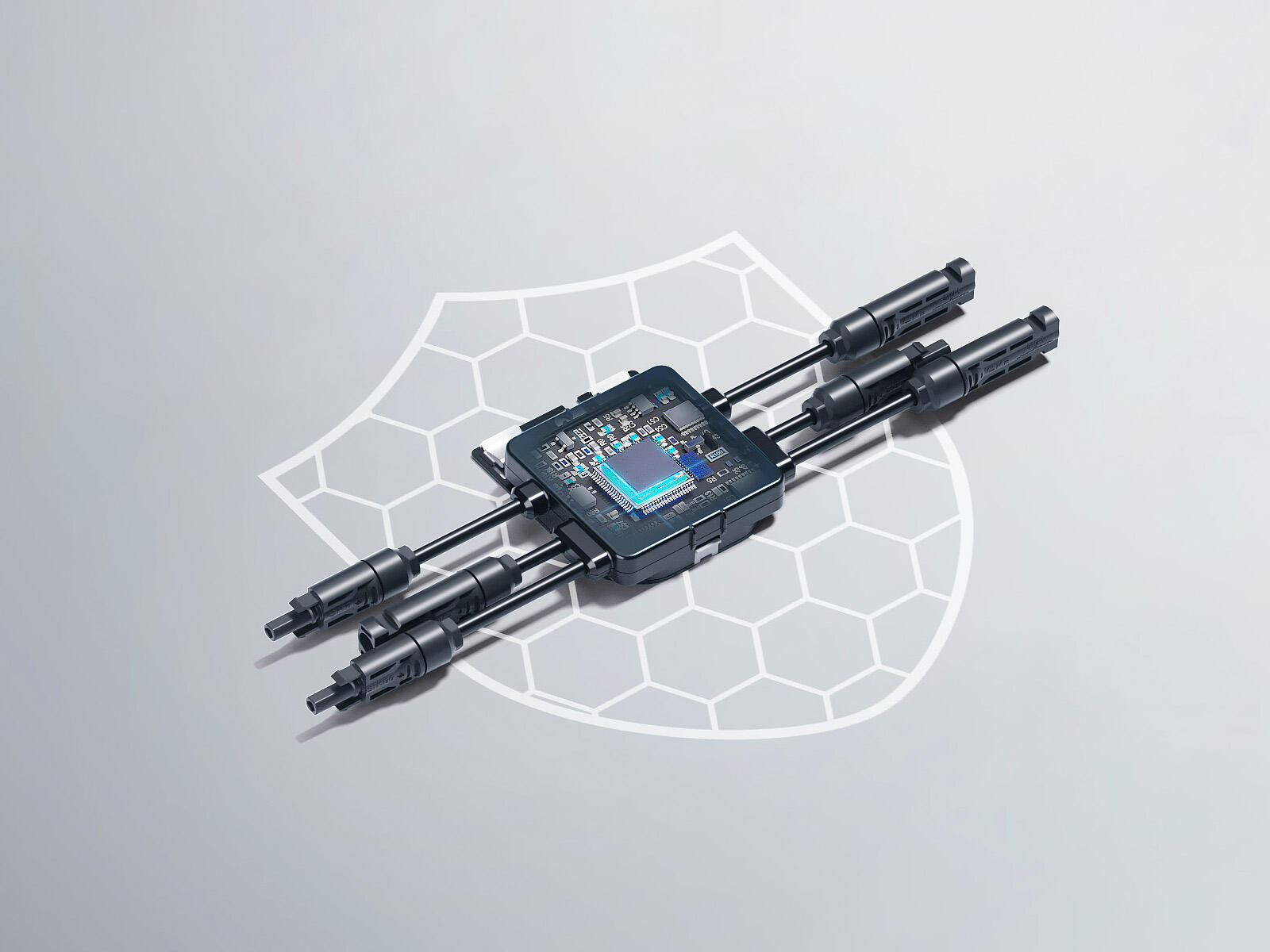
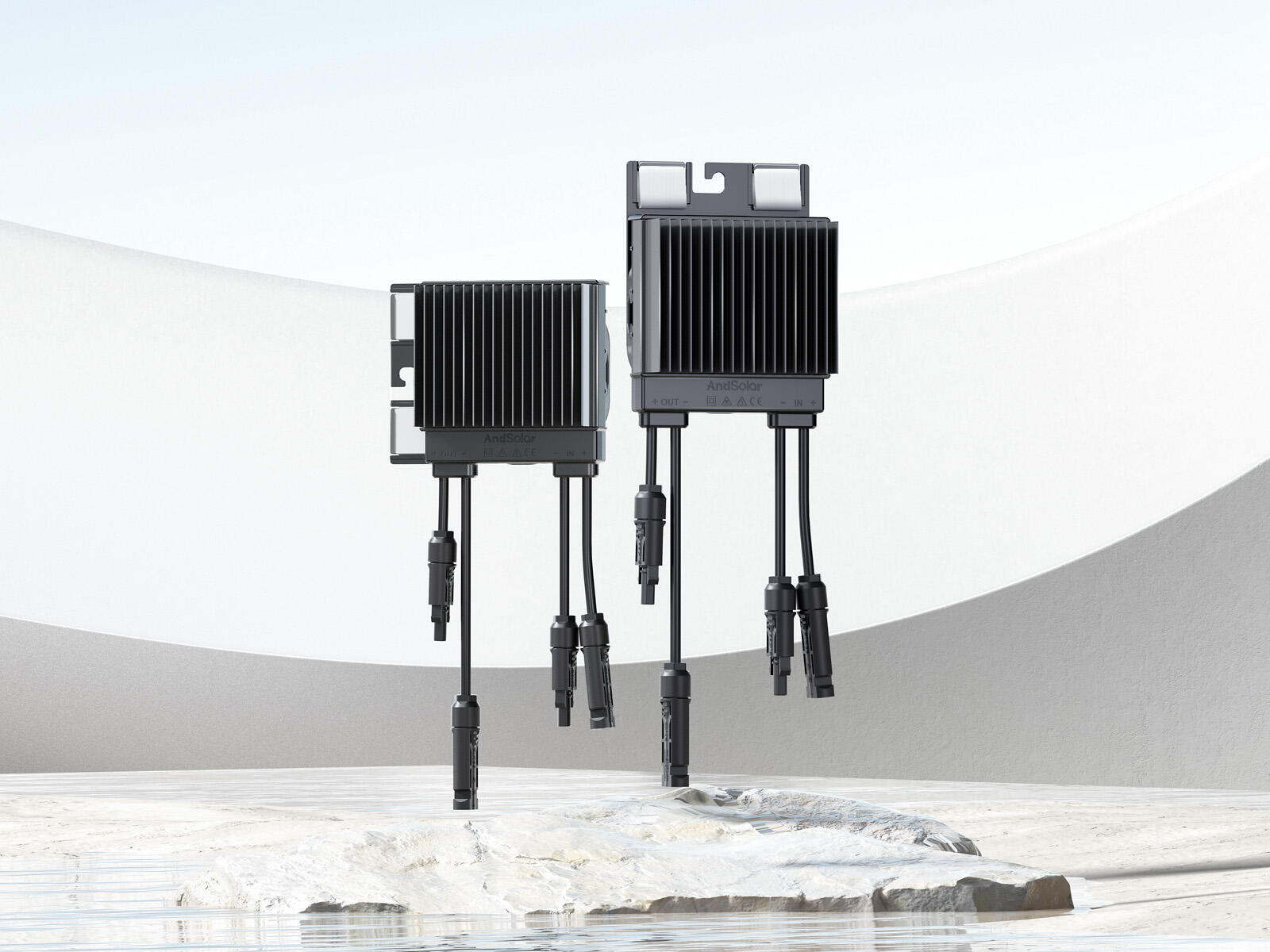
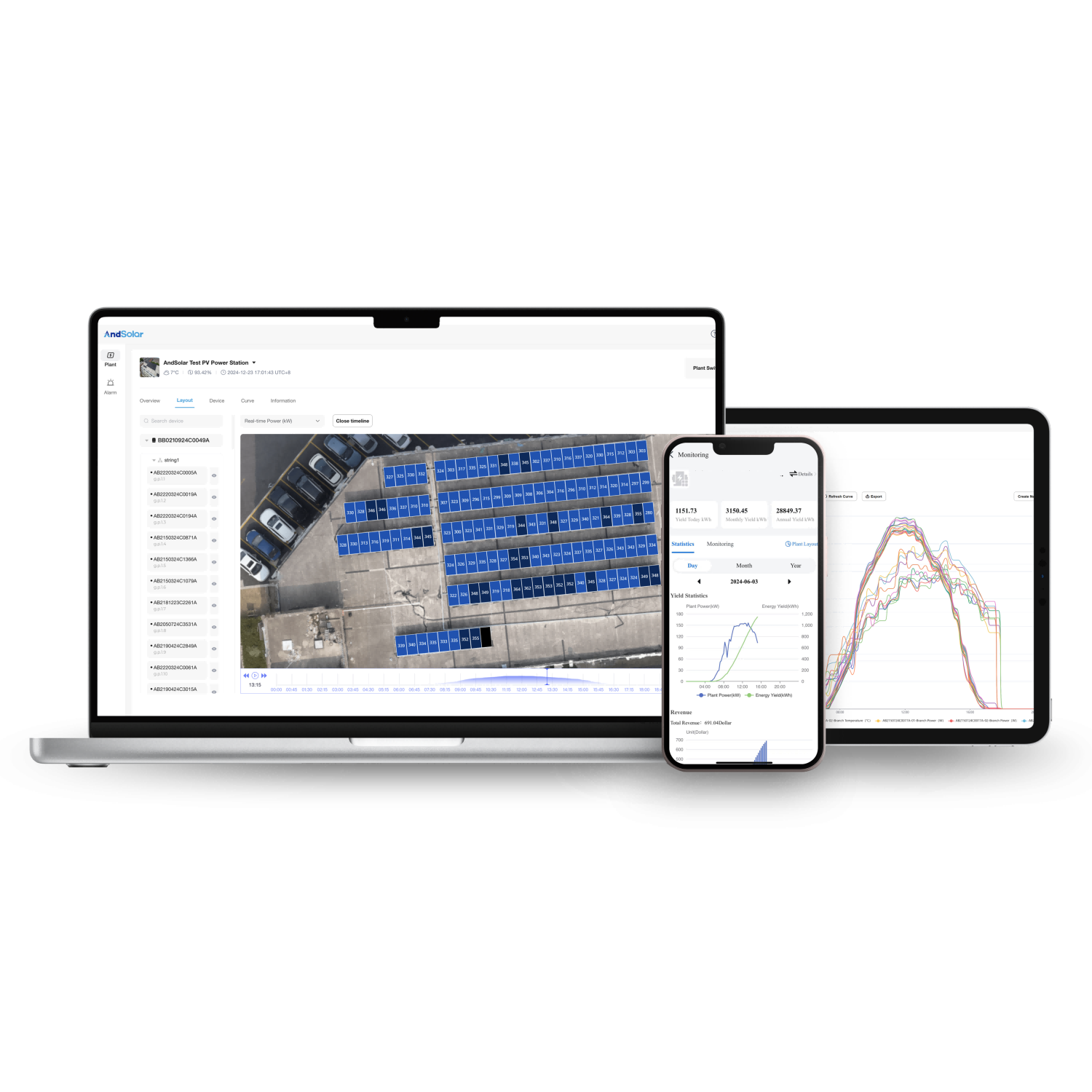
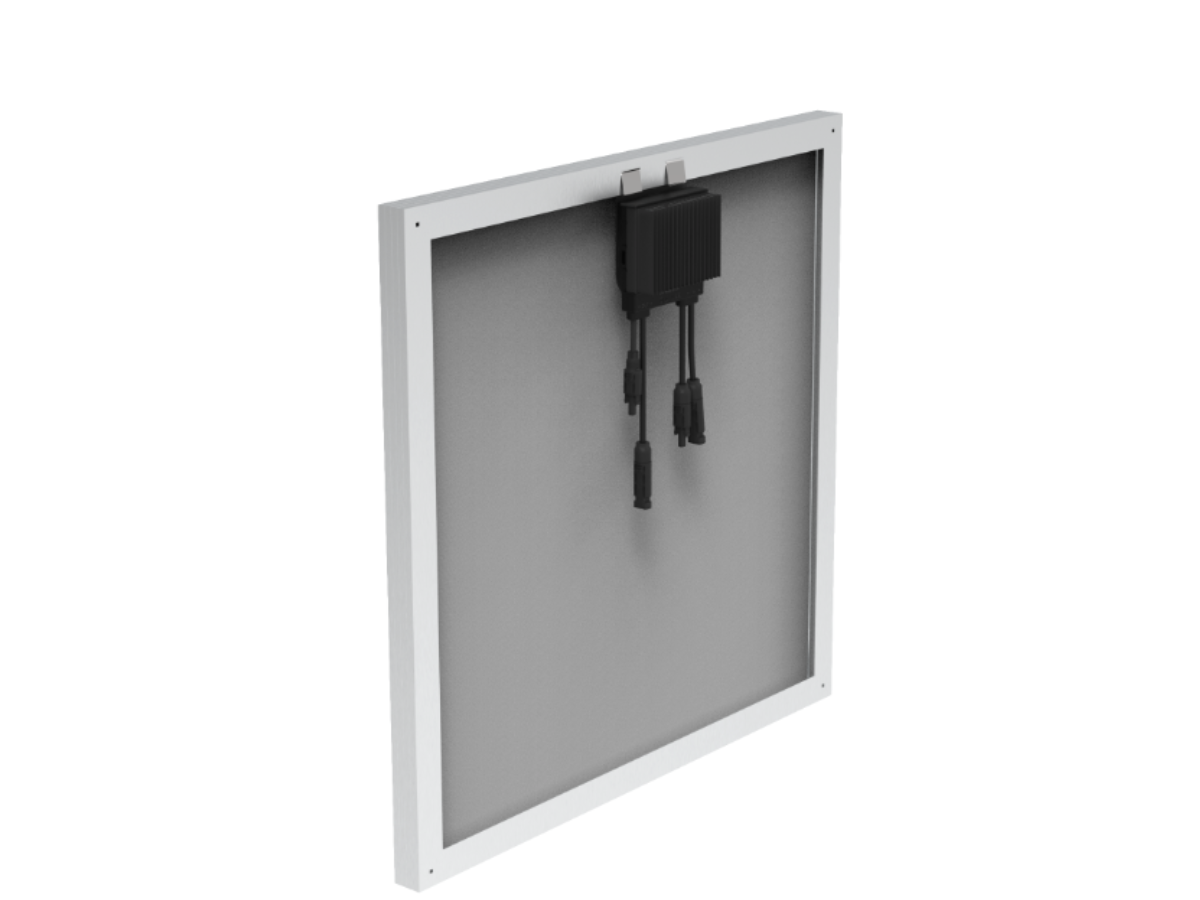
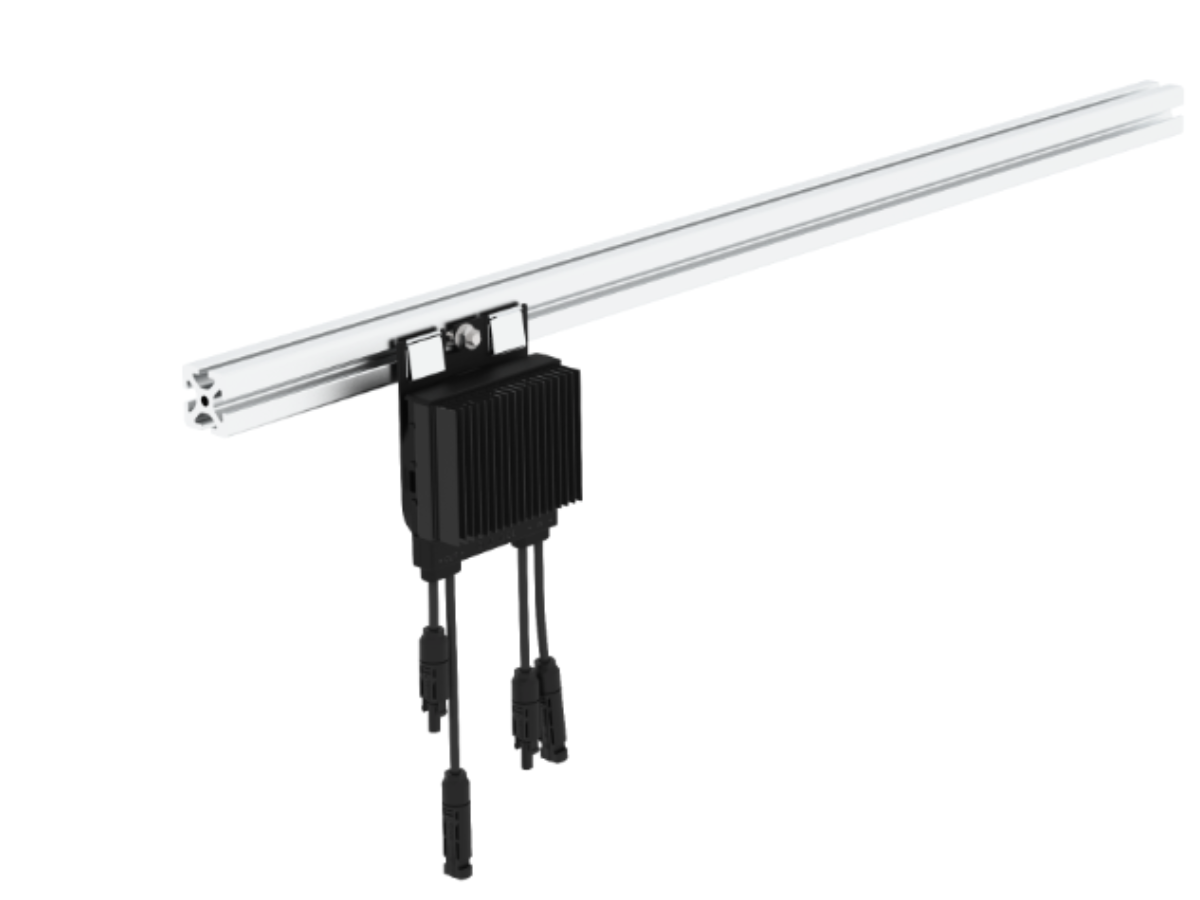
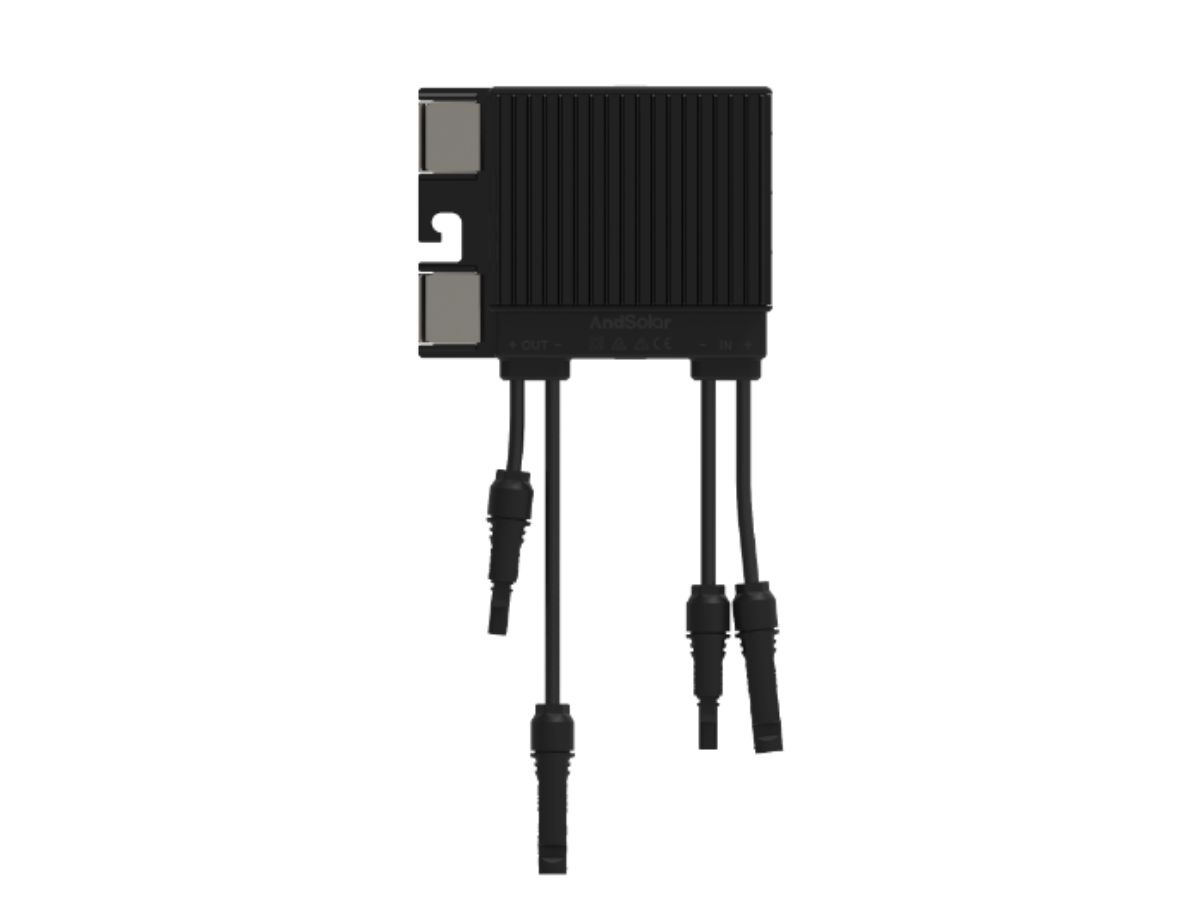
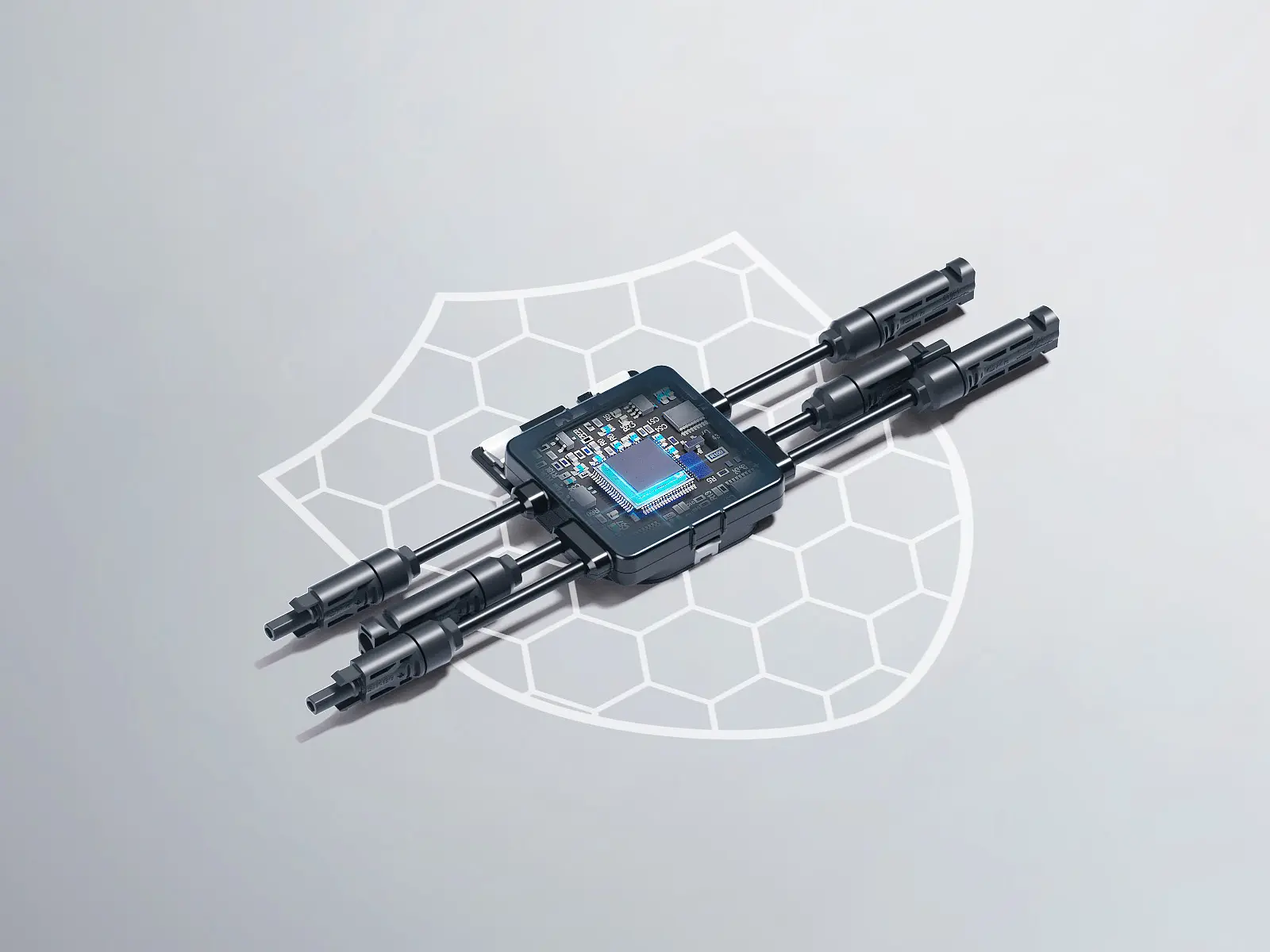
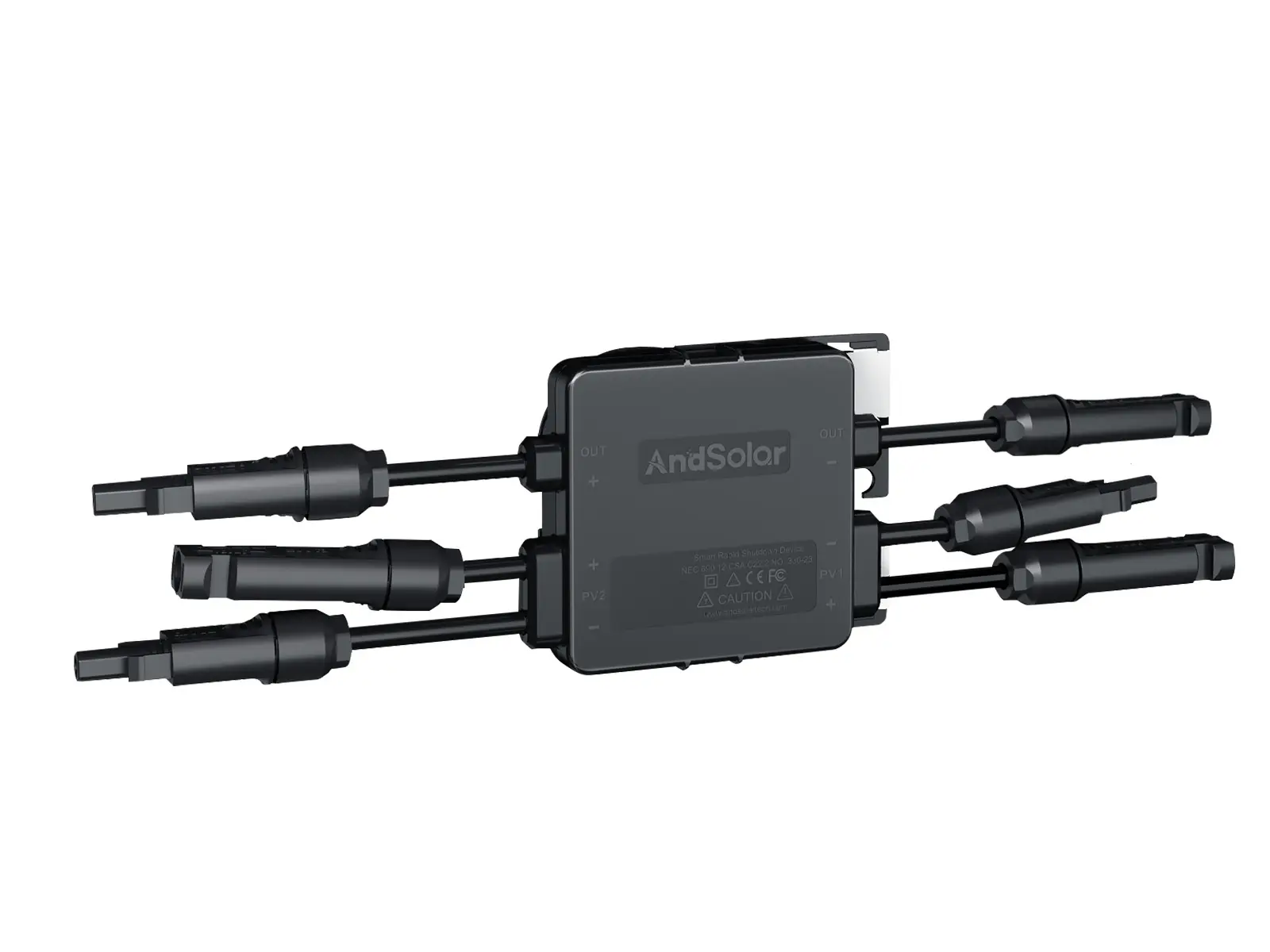
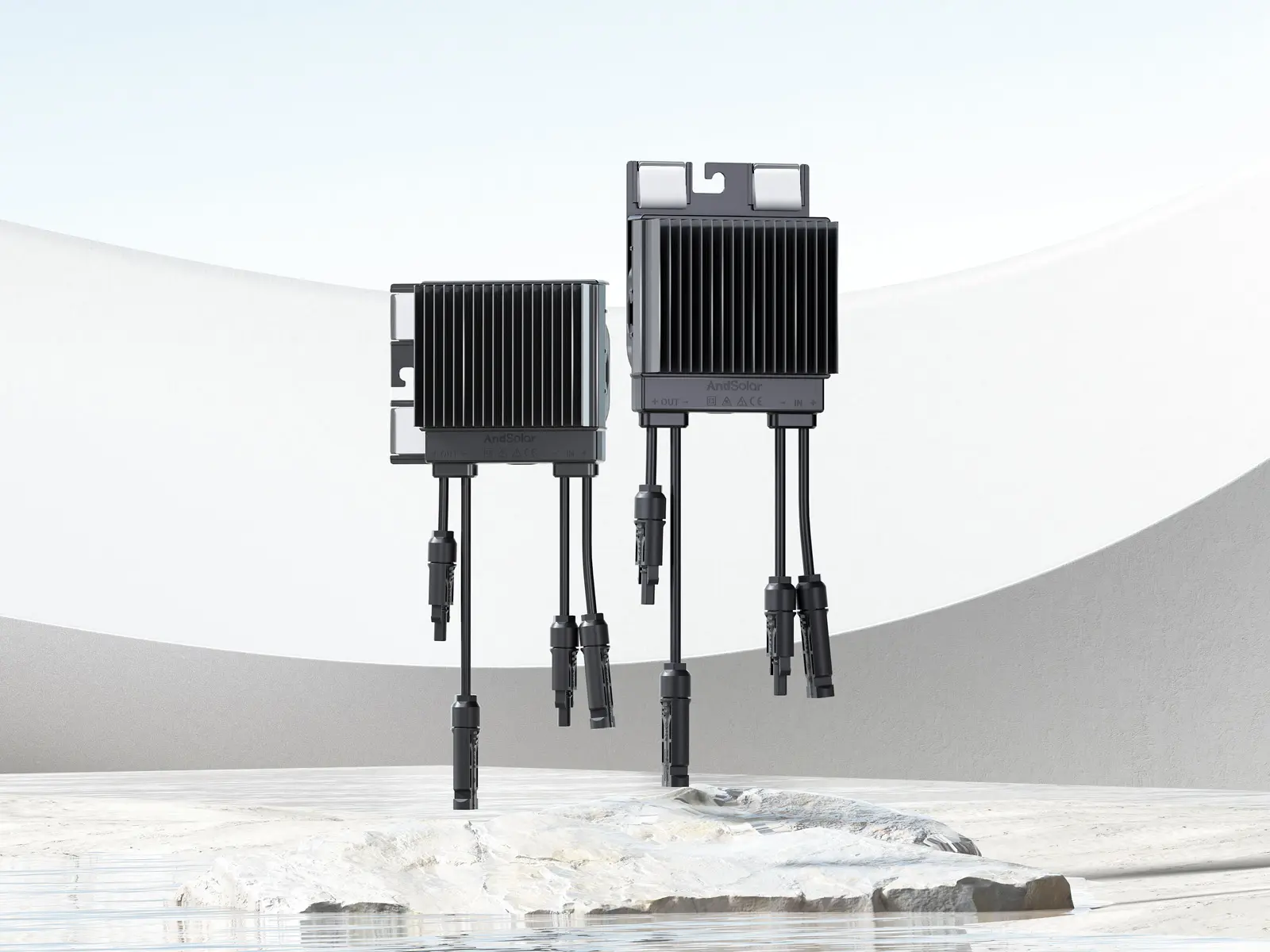
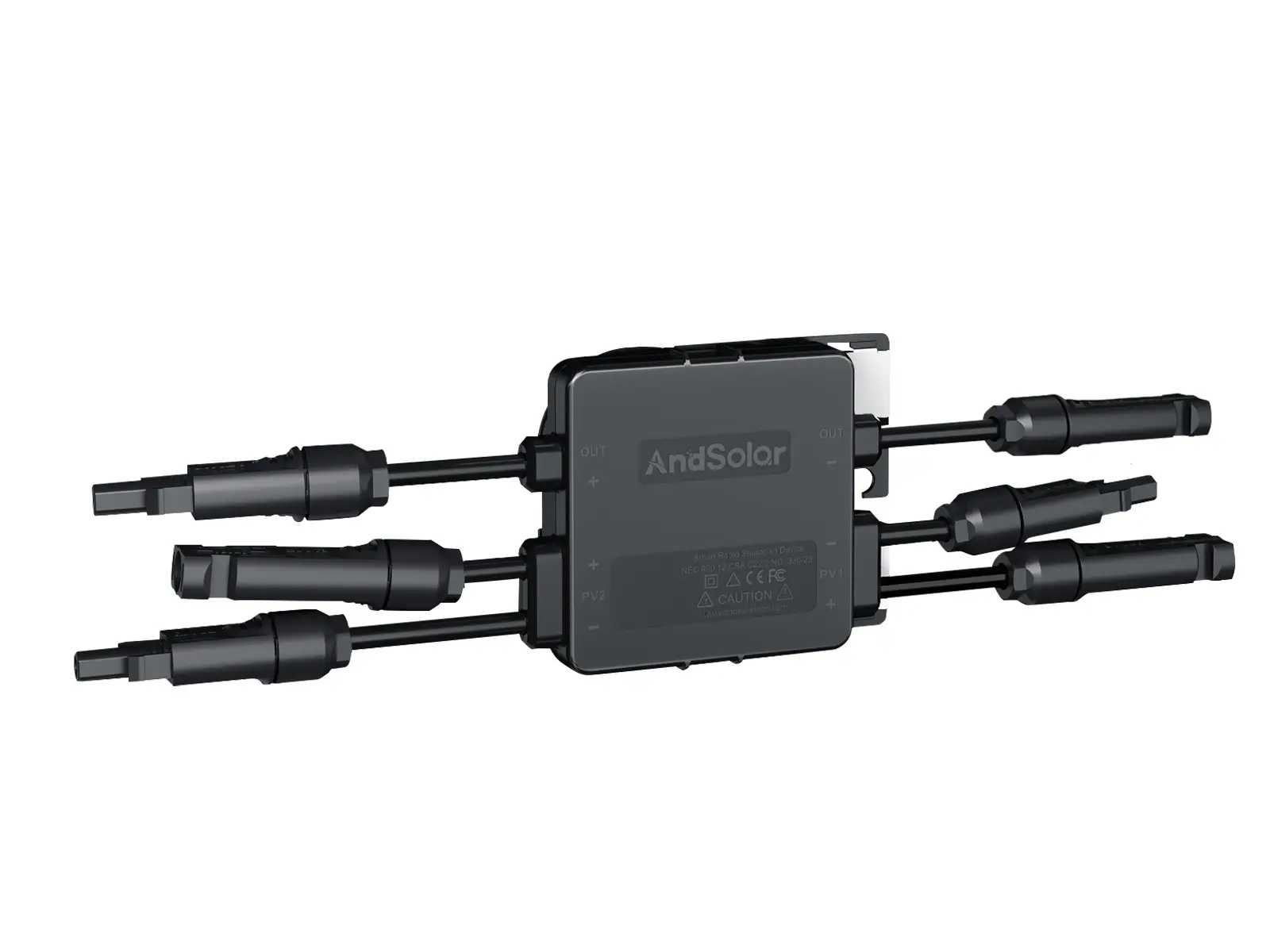
A power optimizer for BIPV represents a revolutionary advancement in building-integrated photovoltaic technology, transforming how solar energy systems operate within architectural structures. This sophisticated device functions as an intelligent DC-DC converter that maximizes energy harvest from individual solar panels integrated into building materials such as facades, rooftops, and windows. The power optimizer for BIPV continuously monitors and adjusts the electrical output of each photovoltaic module, ensuring optimal performance regardless of environmental conditions or partial shading scenarios. Unlike traditional string inverters that treat multiple panels as a single unit, this technology allows each panel to operate independently at its maximum power point. The device incorporates advanced maximum power point tracking algorithms that respond dynamically to changing light conditions, temperature variations, and potential obstructions. Modern power optimizers for BIPV feature robust communication capabilities, enabling real-time monitoring and diagnostics through wireless or power line communication protocols. These units typically include safety features such as rapid shutdown functionality, arc fault detection, and ground fault protection, ensuring compliance with stringent electrical codes and building regulations. The compact design allows seamless integration into various building materials without compromising aesthetic appeal or structural integrity. Installation flexibility becomes significantly enhanced, as the power optimizer for BIPV enables panel-level optimization while maintaining system-wide visibility and control. Performance monitoring capabilities provide detailed insights into individual panel behavior, facilitating predictive maintenance and system optimization. The technology supports various photovoltaic cell types and configurations, making it suitable for diverse architectural applications and design requirements. Weather resistance and durability characteristics ensure reliable operation across different climatic conditions, while advanced thermal management prevents performance degradation due to excessive heat buildup.