solar optimizer input
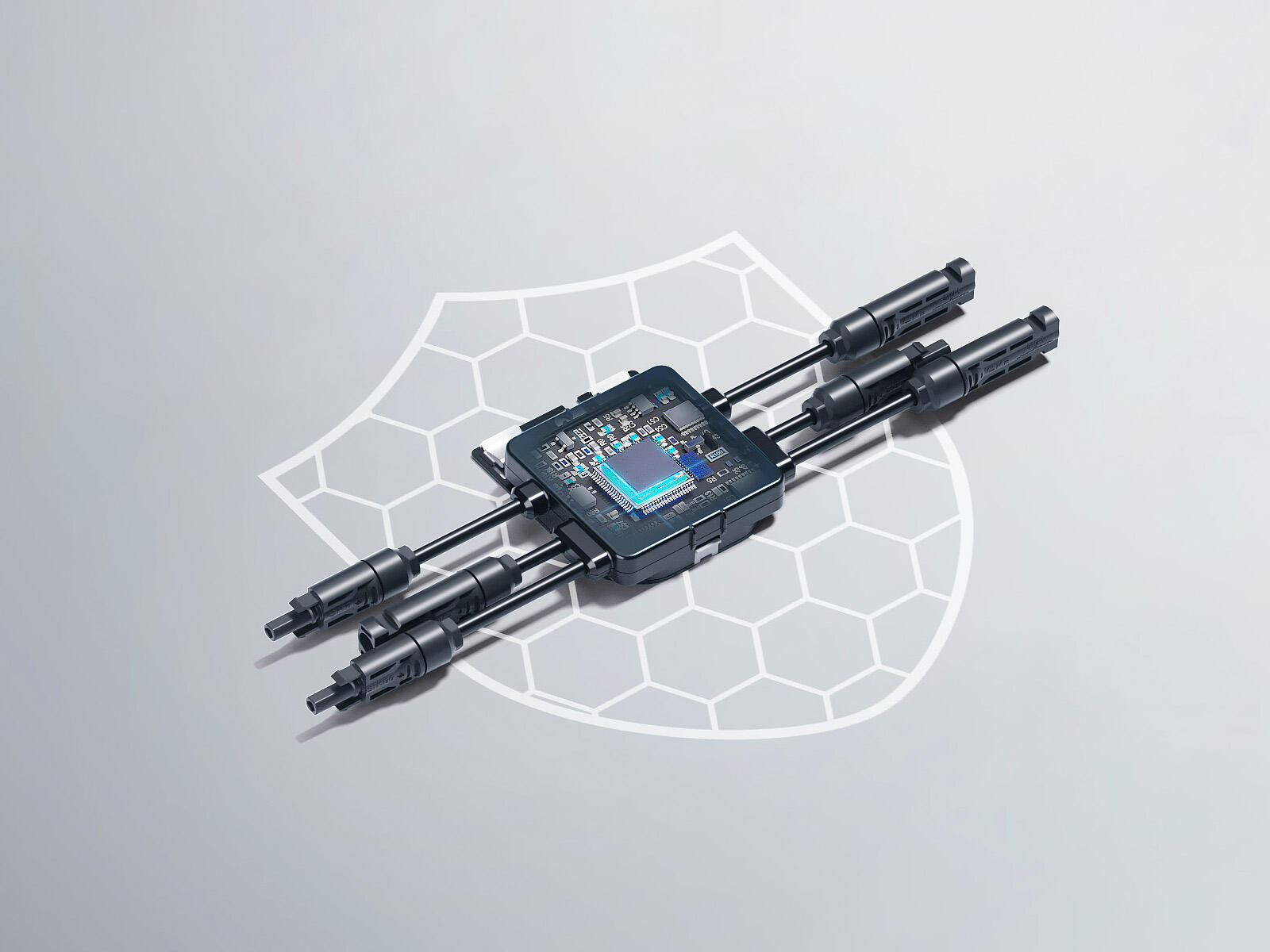
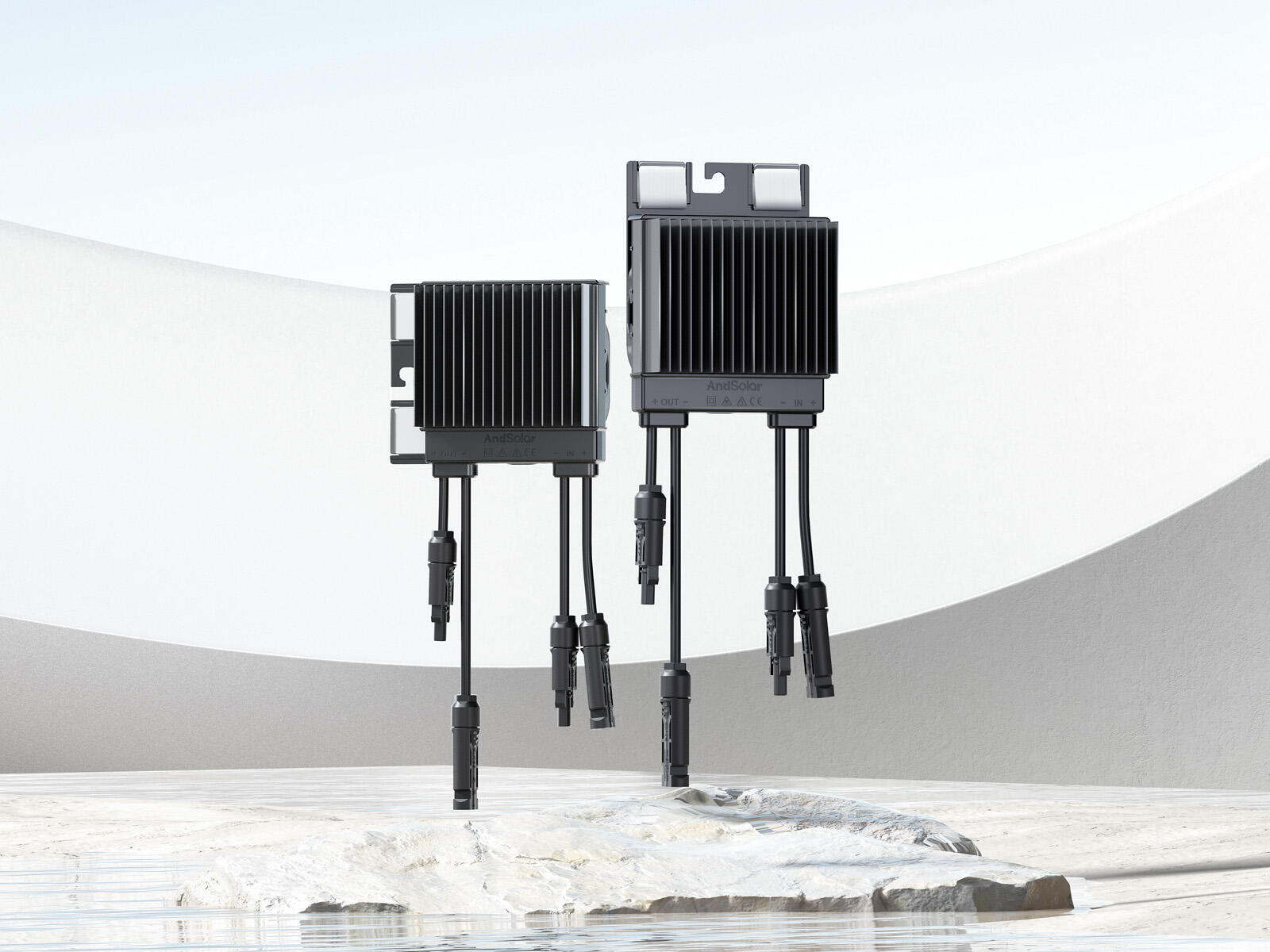
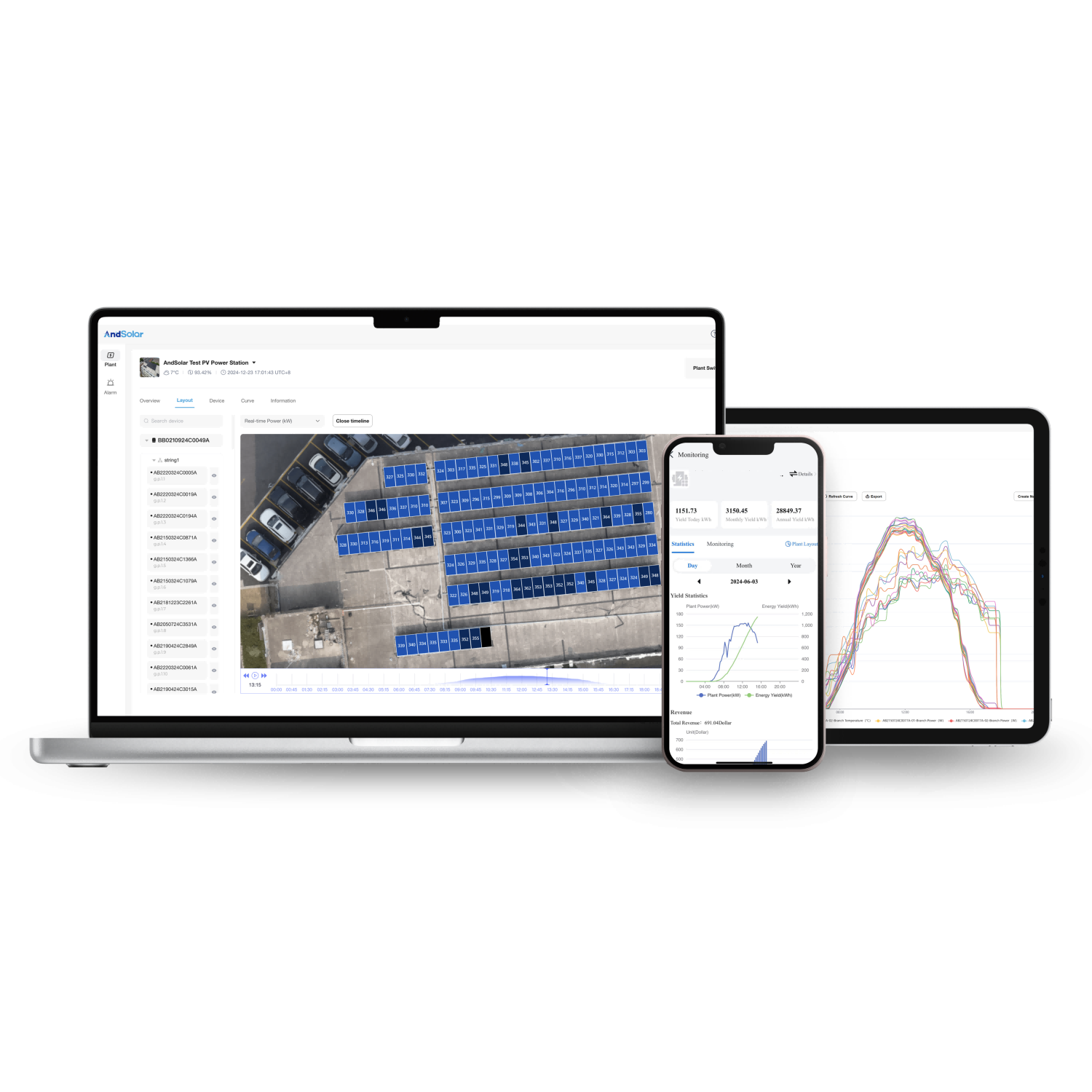
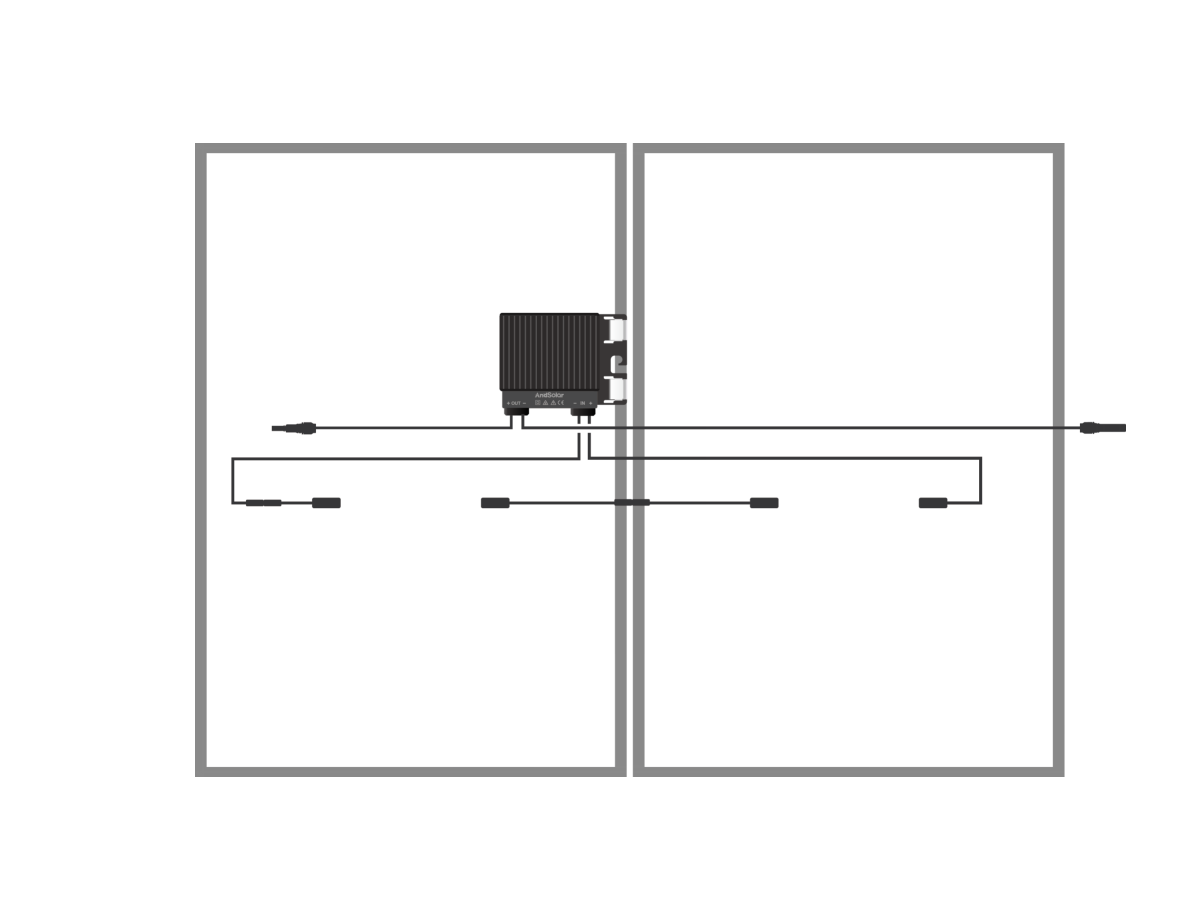
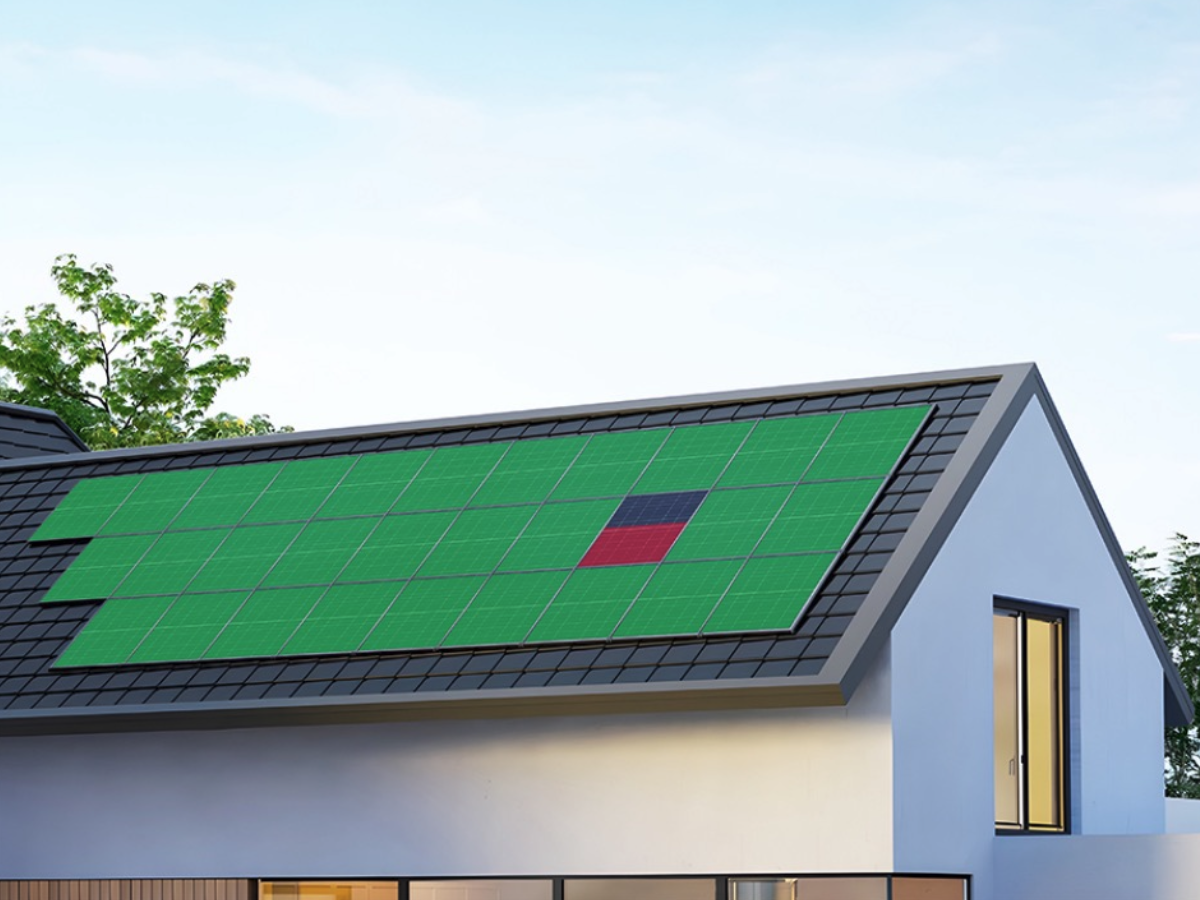
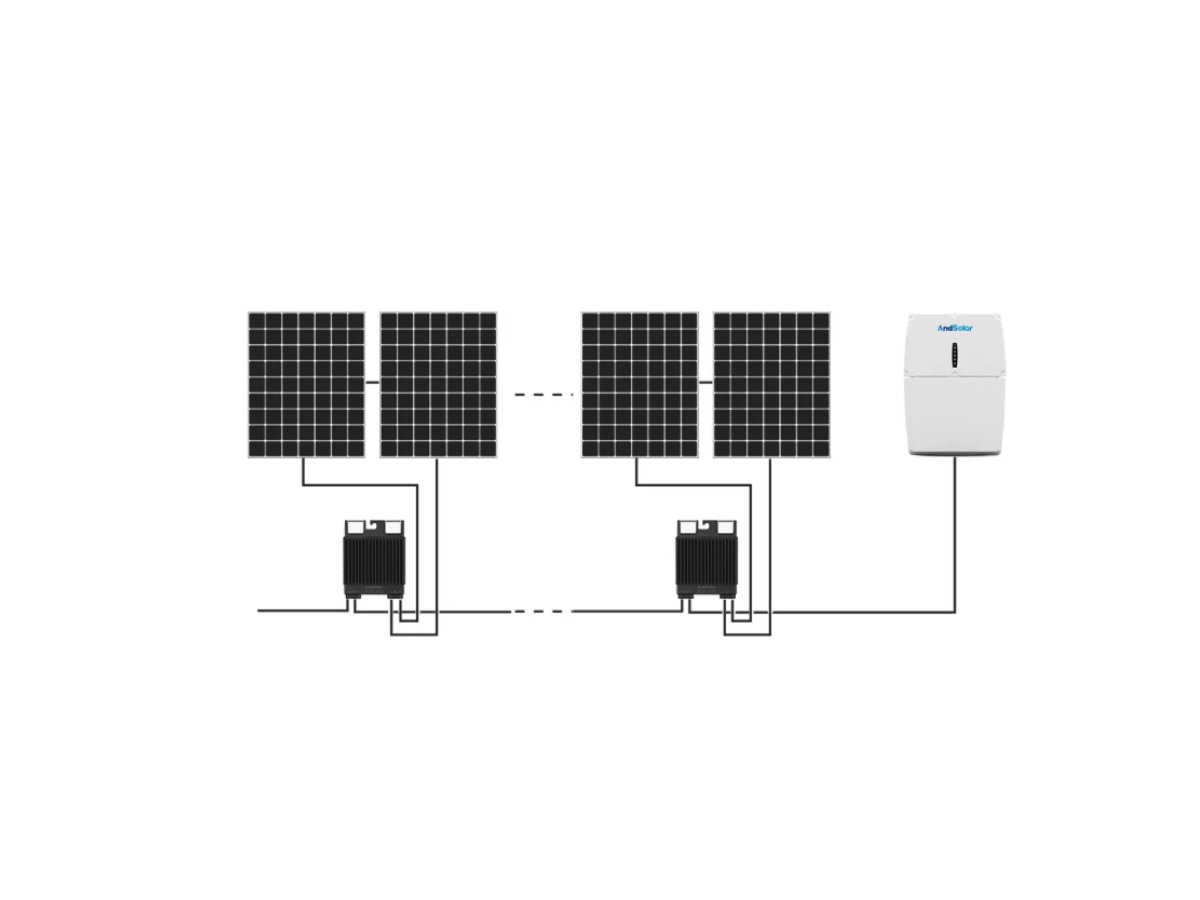
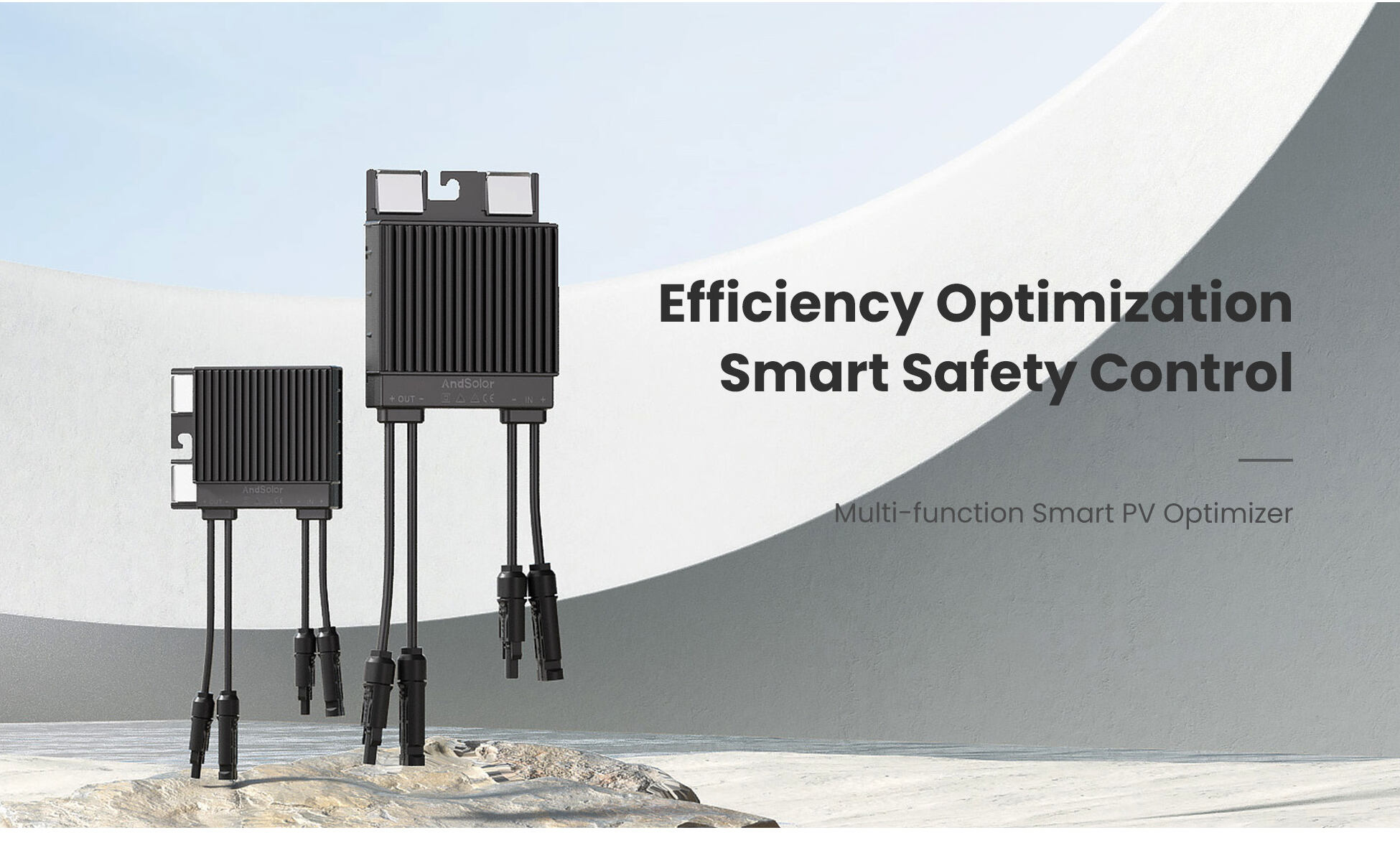
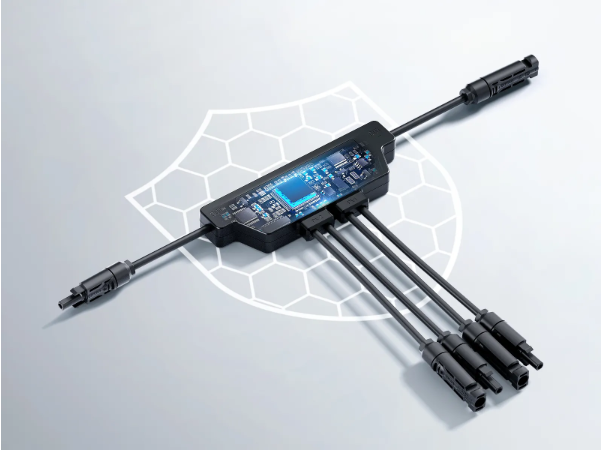
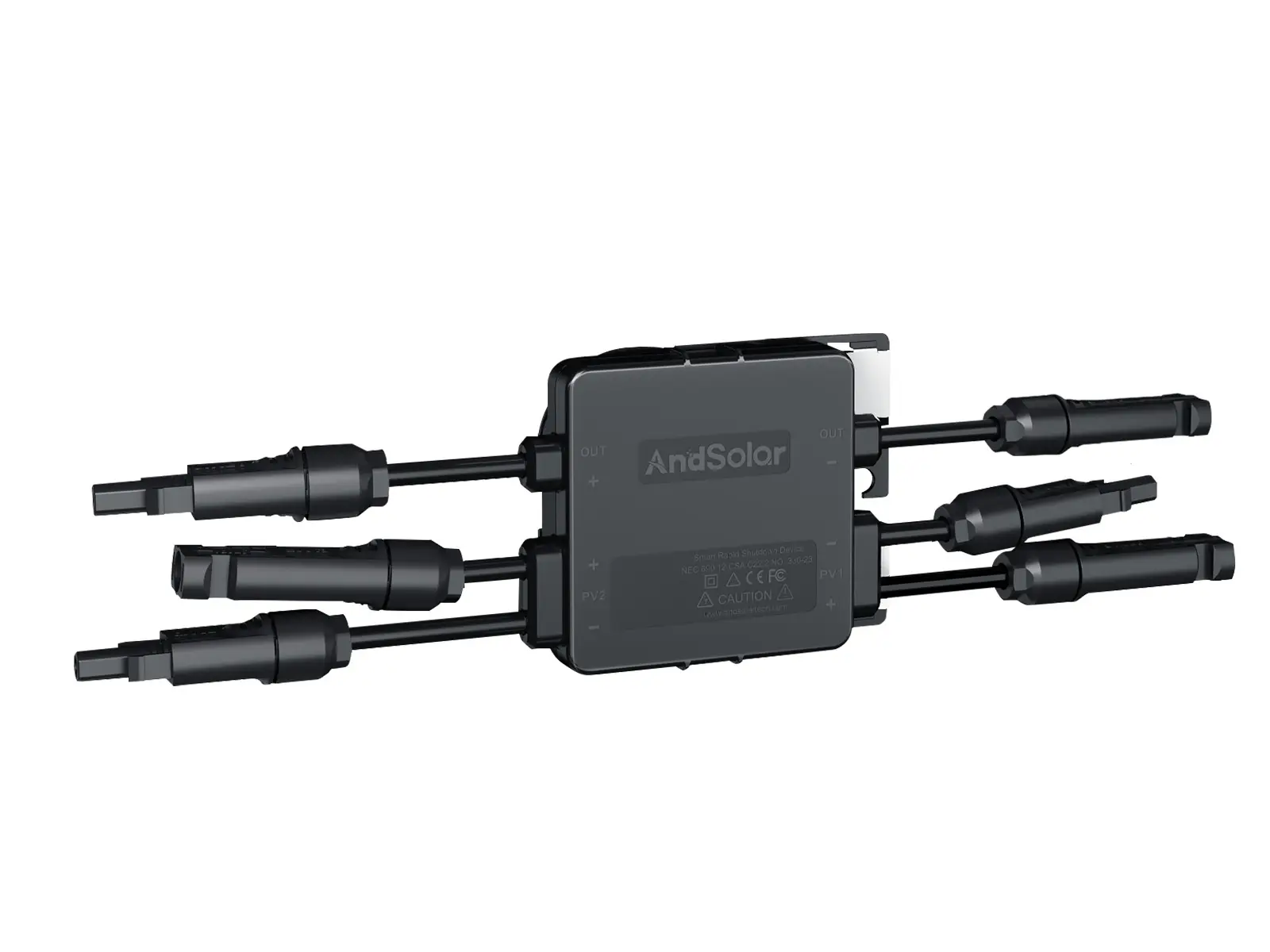
A solar optimizer input represents a revolutionary component in modern photovoltaic systems that fundamentally transforms how solar panels operate and perform. This sophisticated device serves as an intelligent interface between individual solar panels and the central inverter, creating a more efficient and controllable solar energy generation system. The solar optimizer input works by conditioning the DC power output from each solar panel before it reaches the main inverter, ensuring optimal power extraction regardless of varying environmental conditions or panel-specific performance issues. The primary function of a solar optimizer input involves maximum power point tracking at the individual panel level, which means each solar panel can operate at its peak efficiency independently of other panels in the array. This technology addresses one of the most significant challenges in traditional solar installations where shading, dust, debris, or manufacturing variations on a single panel can reduce the performance of the entire string. The solar optimizer input continuously monitors and adjusts the electrical characteristics of each panel, ensuring that power generation remains at optimal levels throughout the day. From a technological perspective, the solar optimizer input incorporates advanced power electronics and sophisticated algorithms that analyze real-time performance data. These devices feature robust microprocessors that can make thousands of calculations per second, constantly adjusting voltage and current parameters to maintain peak performance. The solar optimizer input also includes comprehensive monitoring capabilities, providing detailed analytics about each panel's performance, including power output, voltage levels, current measurements, and temperature readings. This granular data collection enables system owners and installers to identify potential issues quickly and perform targeted maintenance when necessary. Applications for solar optimizer input technology span across residential, commercial, and industrial solar installations. In residential settings, homeowners benefit from enhanced energy production and detailed monitoring capabilities that help them understand their system's performance. Commercial applications leverage the solar optimizer input to maximize return on investment through improved efficiency and reduced maintenance costs, while industrial installations utilize these devices to ensure consistent power generation across large-scale solar arrays.