Best PV Optimizer For Shading
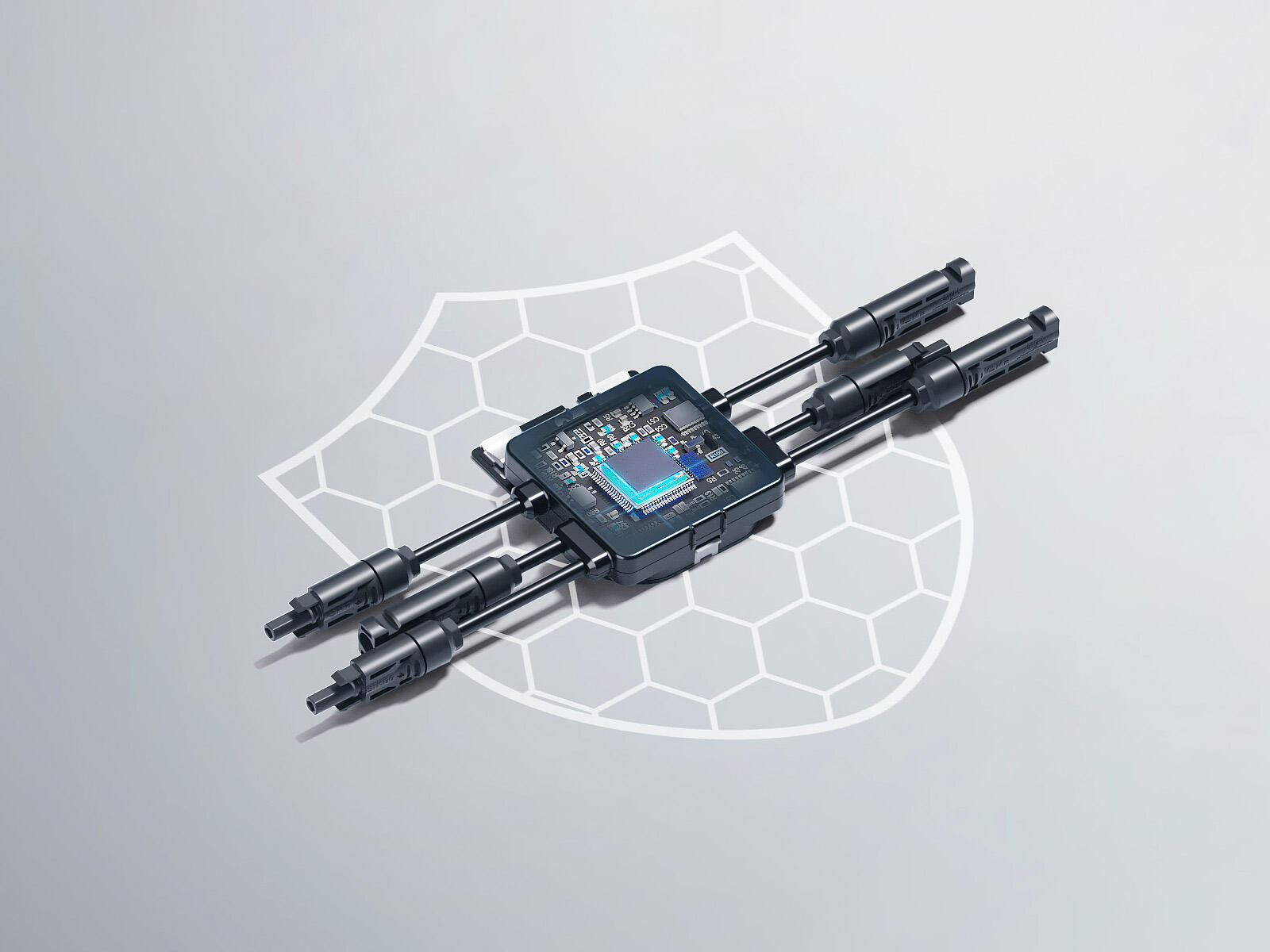
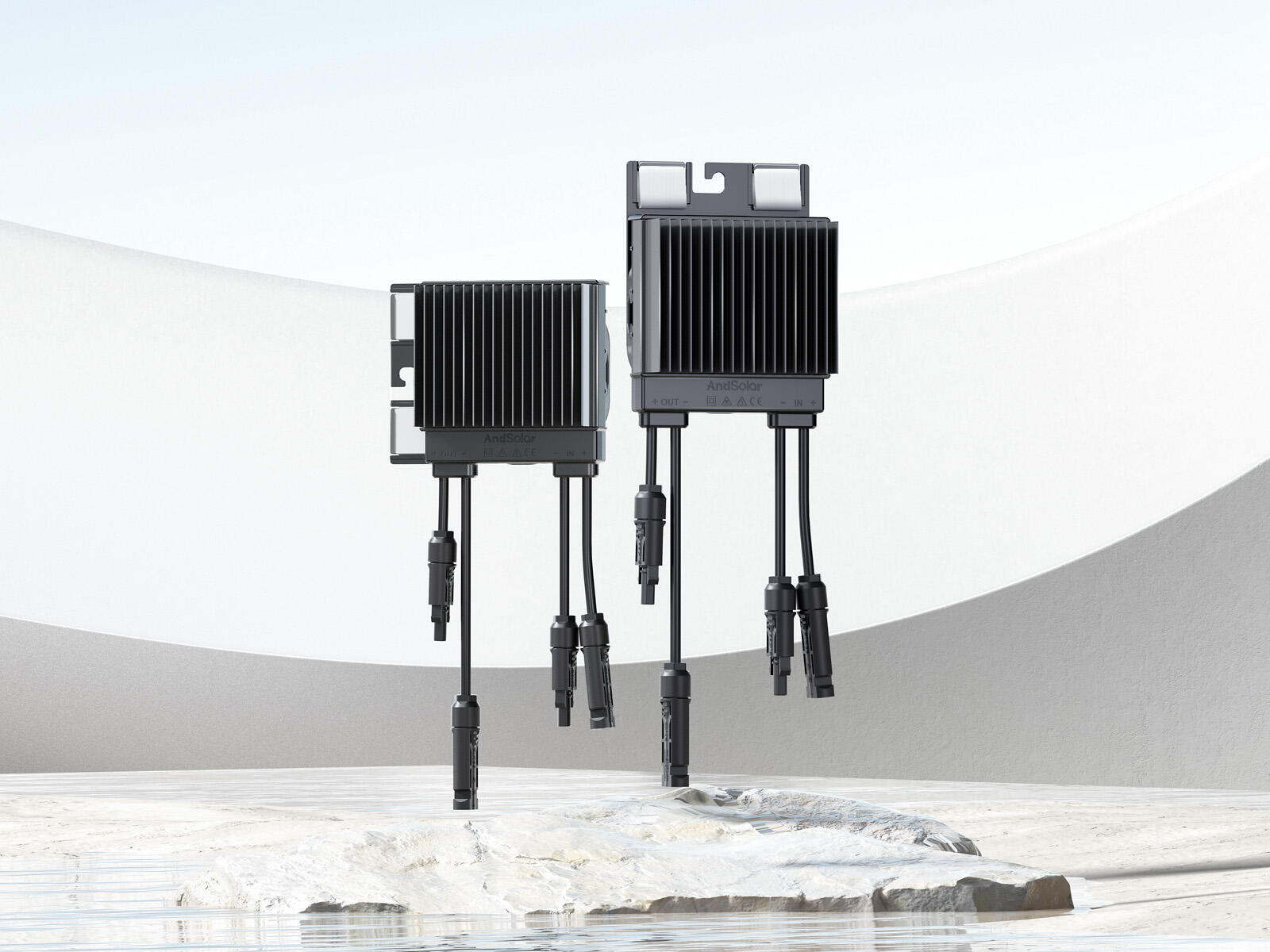
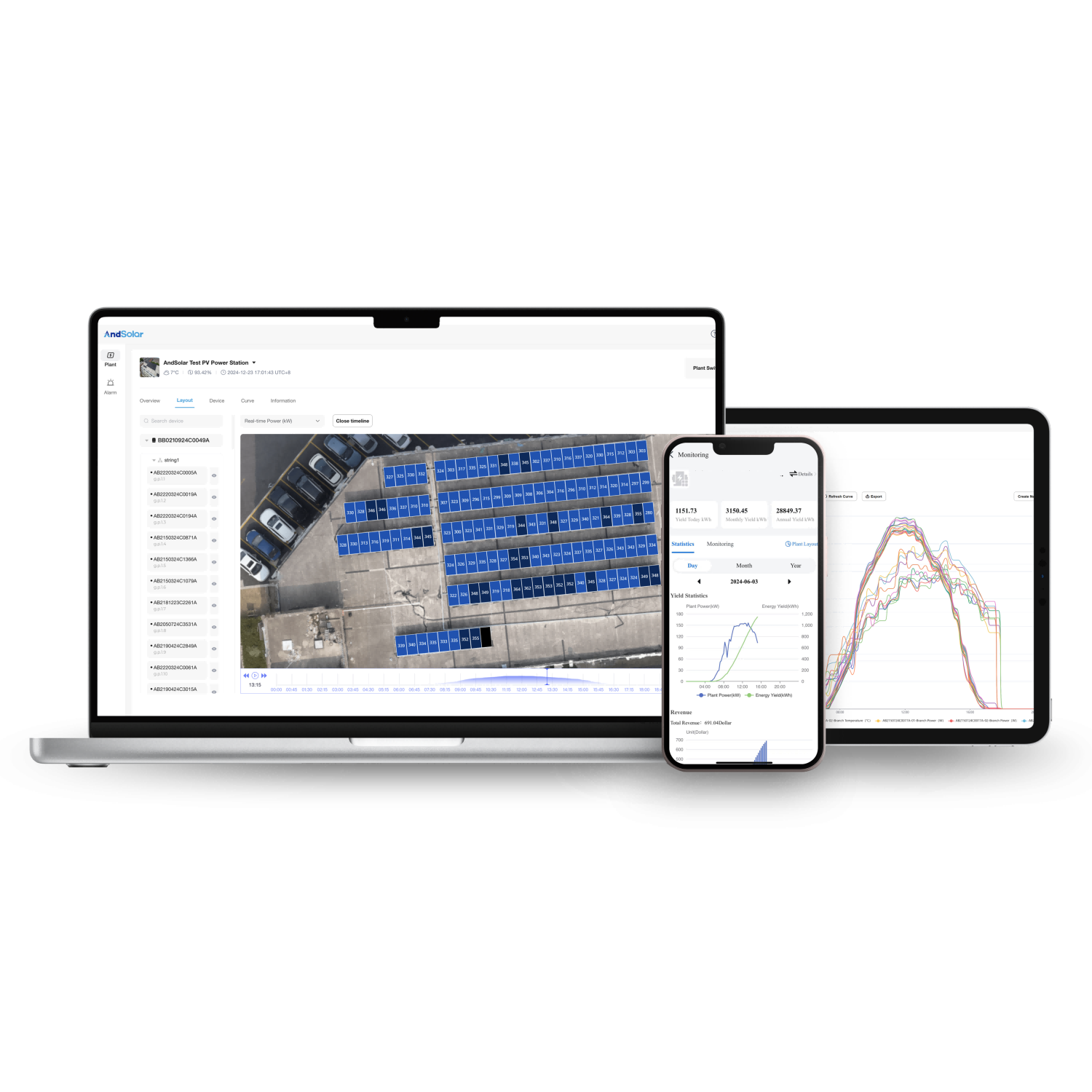
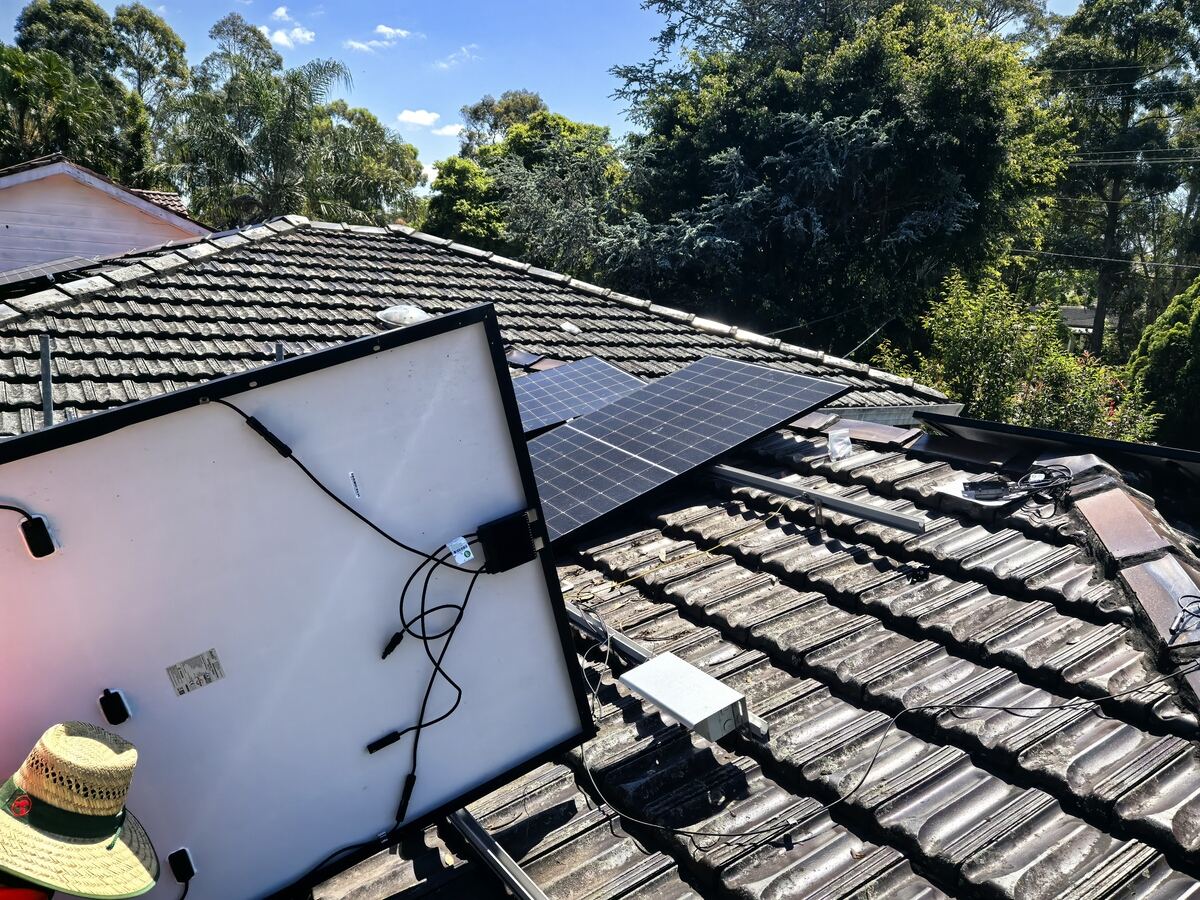
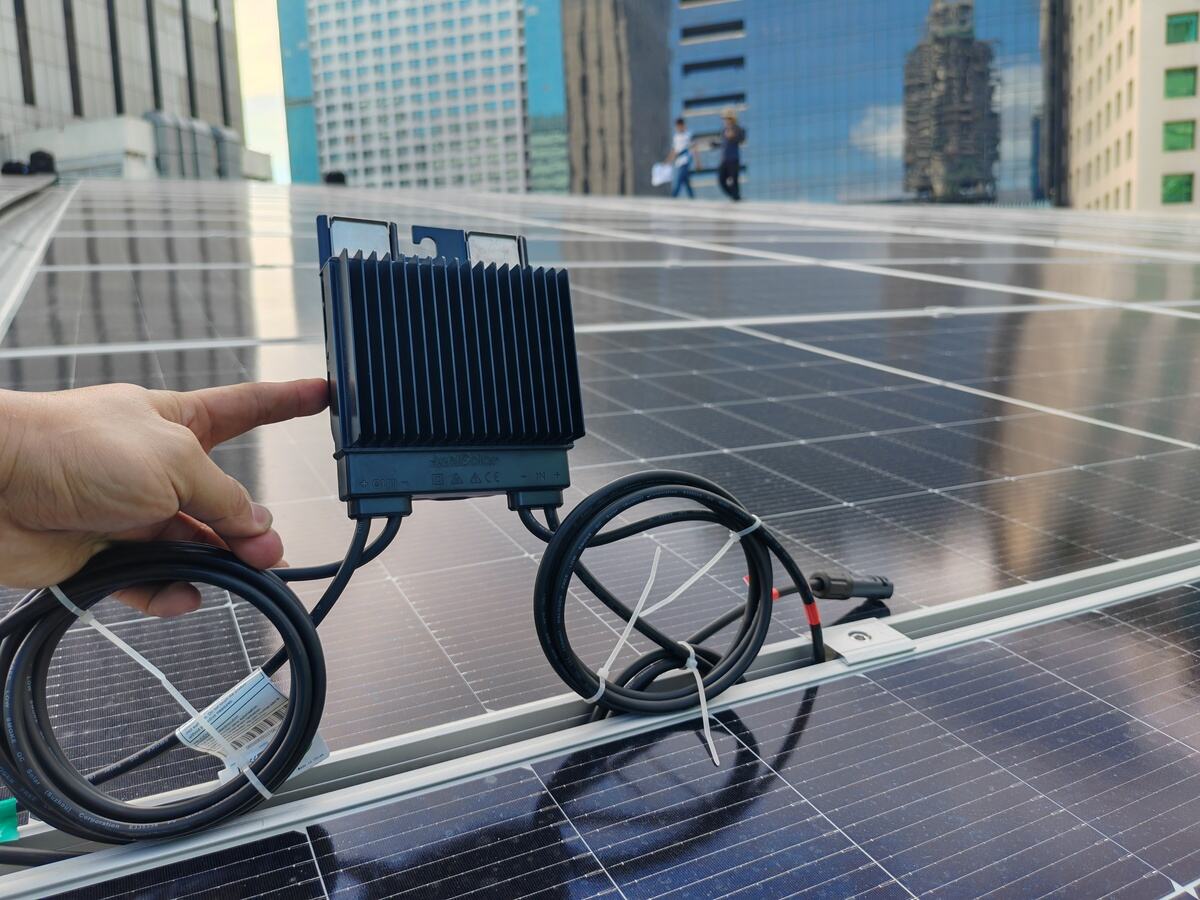
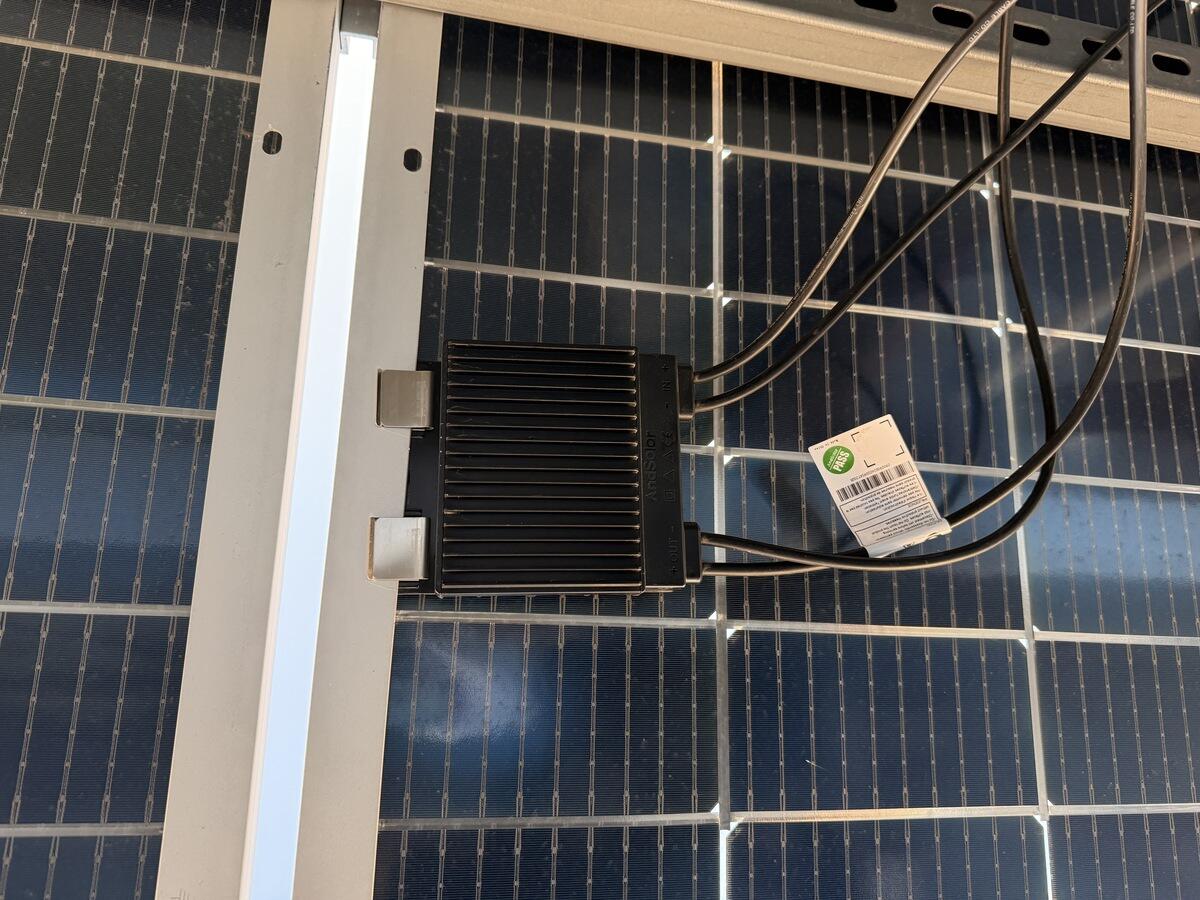
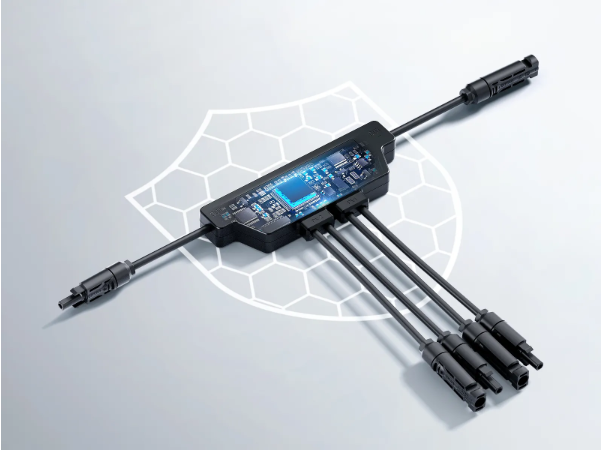
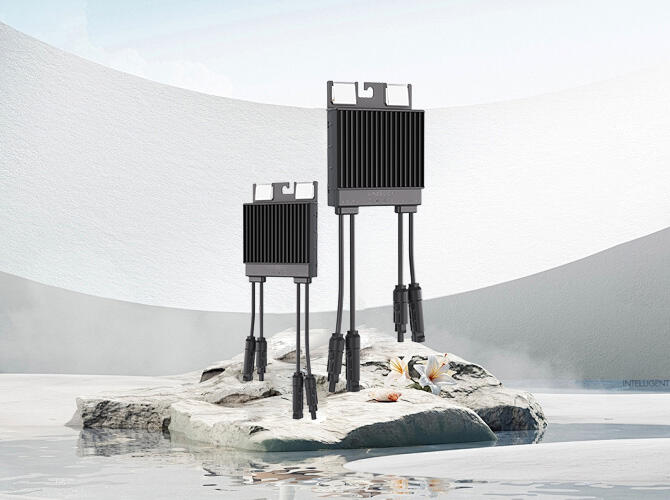
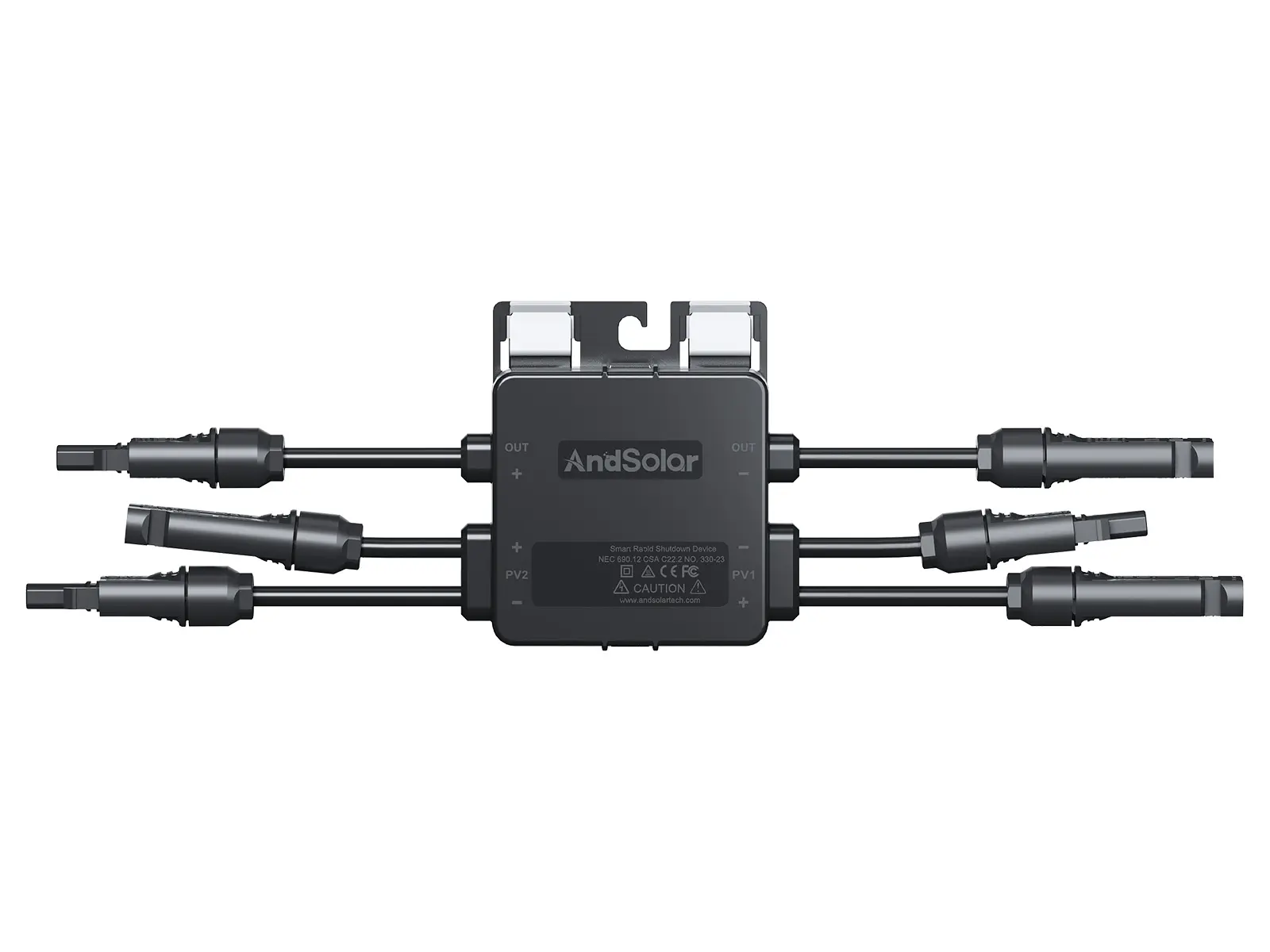
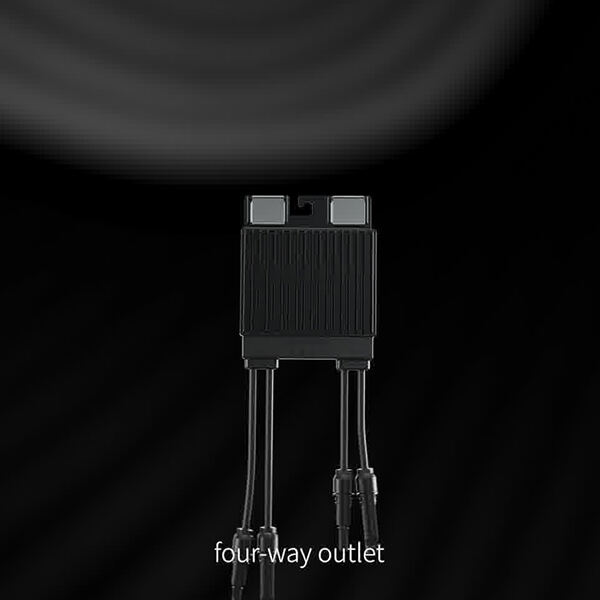
The best pv optimizer for shading represents a revolutionary advancement in solar panel technology, designed specifically to combat the efficiency losses caused by partial shading conditions. These intelligent devices function as individual power point tracking systems for each solar panel, ensuring maximum energy harvest even when shadows from trees, buildings, or other obstructions affect portions of your solar array. Modern pv optimizers incorporate sophisticated MPPT algorithms that continuously monitor and adjust the operating voltage and current of each panel to maintain peak performance regardless of shading patterns. The core functionality centers around module-level power electronics that decouple each solar panel from the string configuration, allowing unshaded panels to operate at their maximum potential while shaded panels work independently without dragging down the entire system performance. Advanced communication capabilities enable real-time monitoring through wireless or power line communication protocols, providing detailed performance data for each individual panel through dedicated monitoring platforms. The technological architecture includes robust safety features such as automatic rapid shutdown functionality, which ensures compliance with electrical codes while protecting installers and maintenance personnel. Power conversion efficiency typically exceeds 99.5 percent in leading models, with wide input voltage ranges accommodating various panel types and configurations. Temperature management systems prevent overheating during high-irradiance conditions, while weatherproof enclosures ensure reliable operation across diverse environmental conditions. Installation versatility allows integration with both new installations and retrofit applications, supporting various mounting systems and panel orientations. The best pv optimizer for shading applications incorporate smart algorithms that predict shading patterns and pre-emptively adjust system parameters for optimal performance. These devices serve residential, commercial, and utility-scale installations where shading issues compromise traditional string inverter systems, making them essential components for maximizing solar investment returns in challenging installation environments.