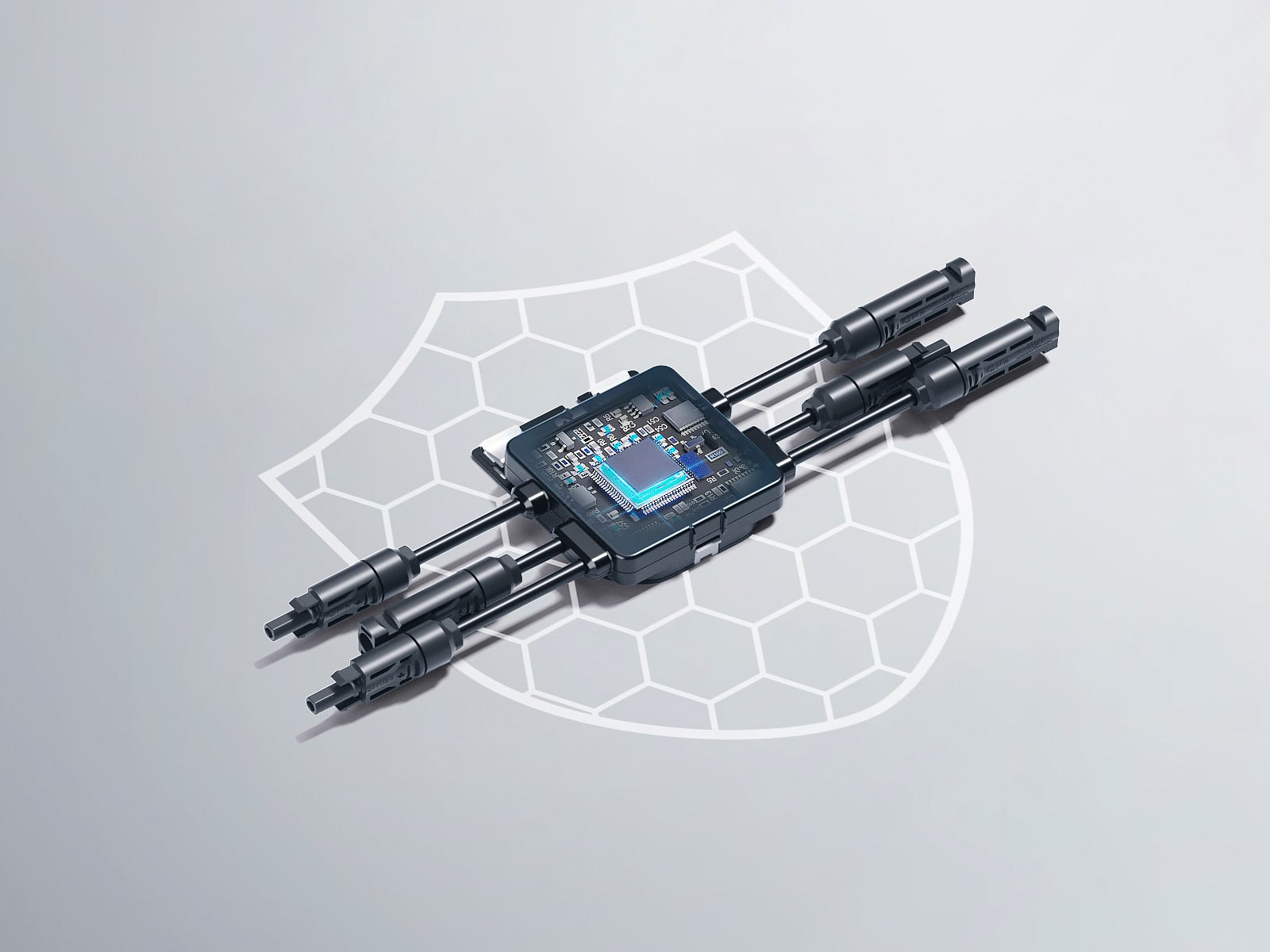
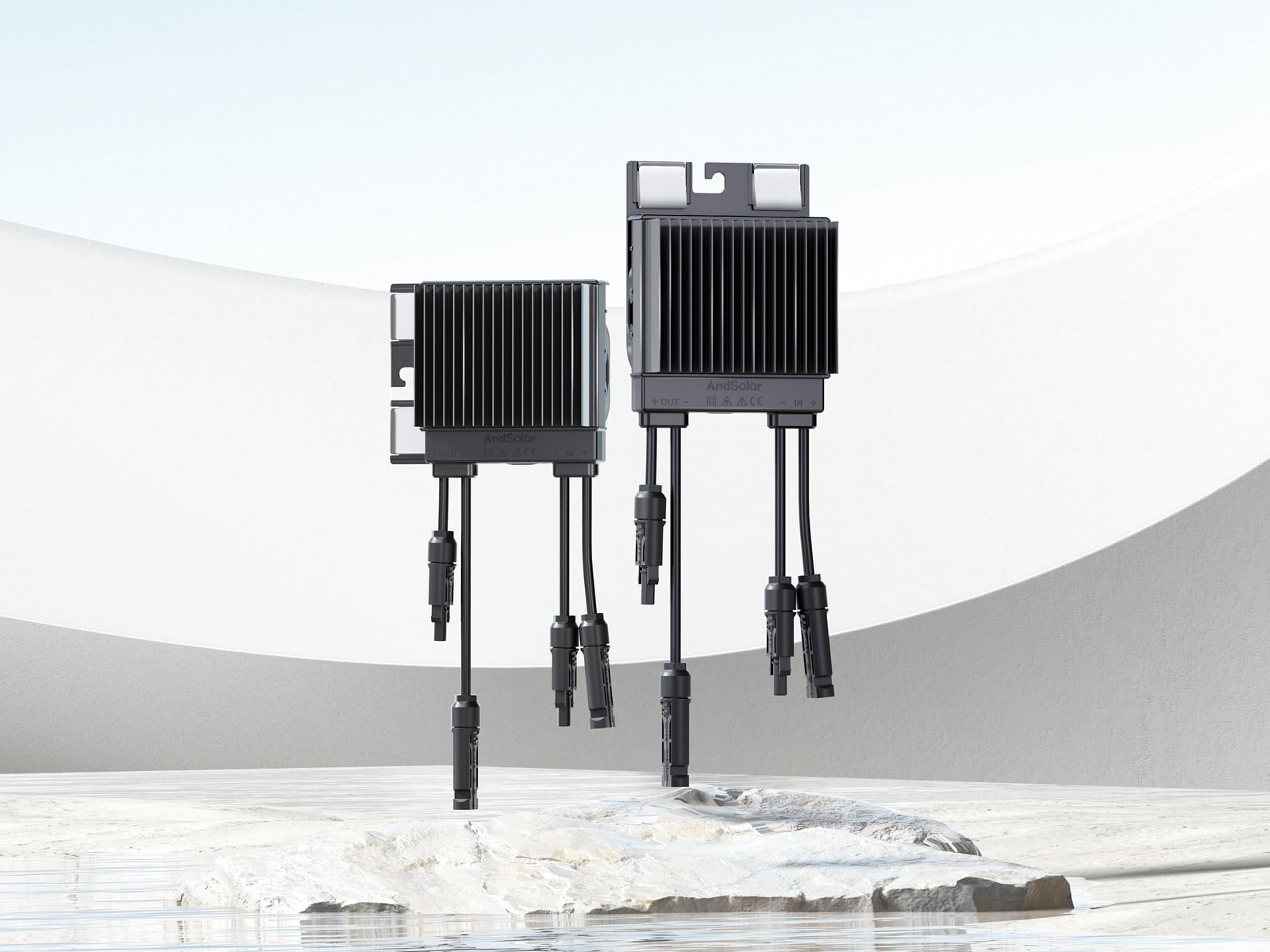
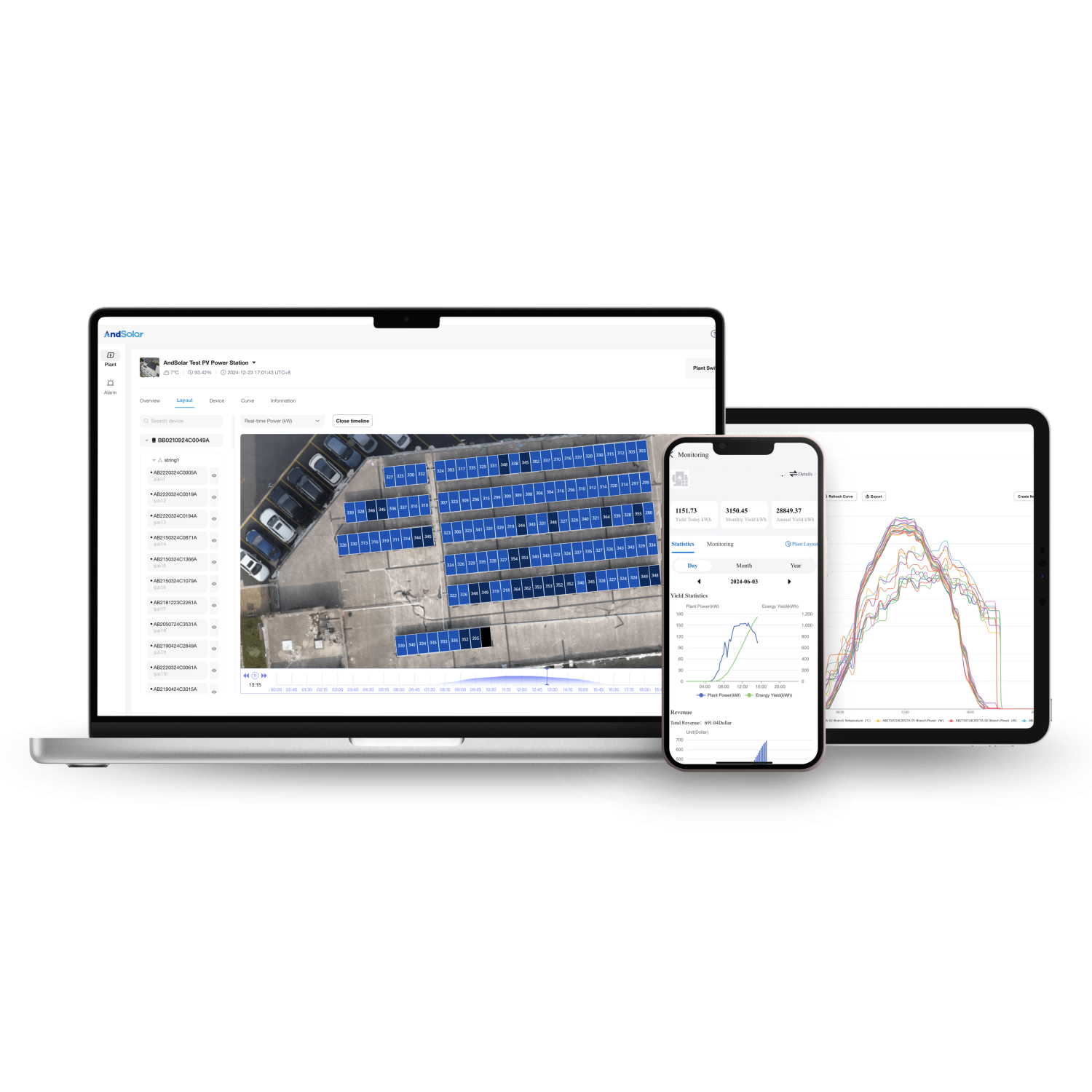
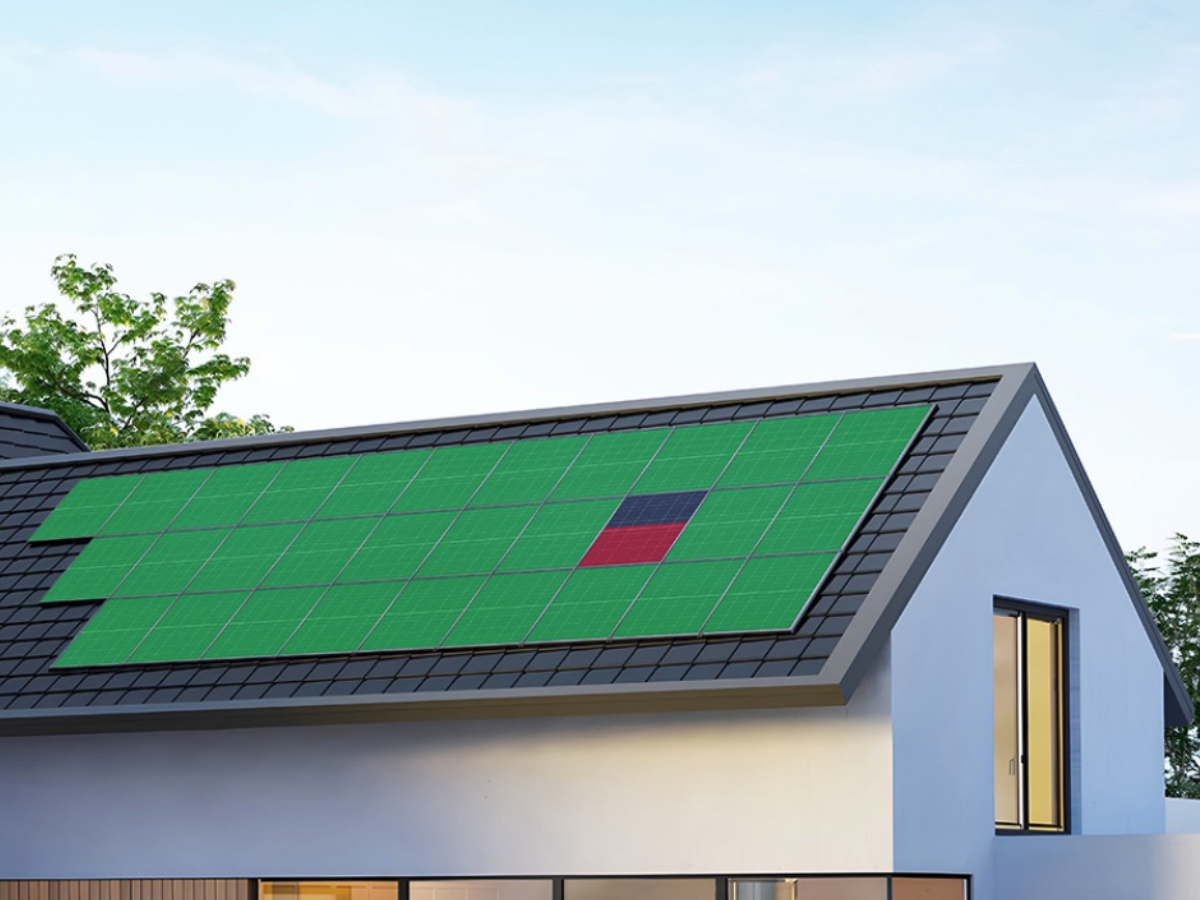
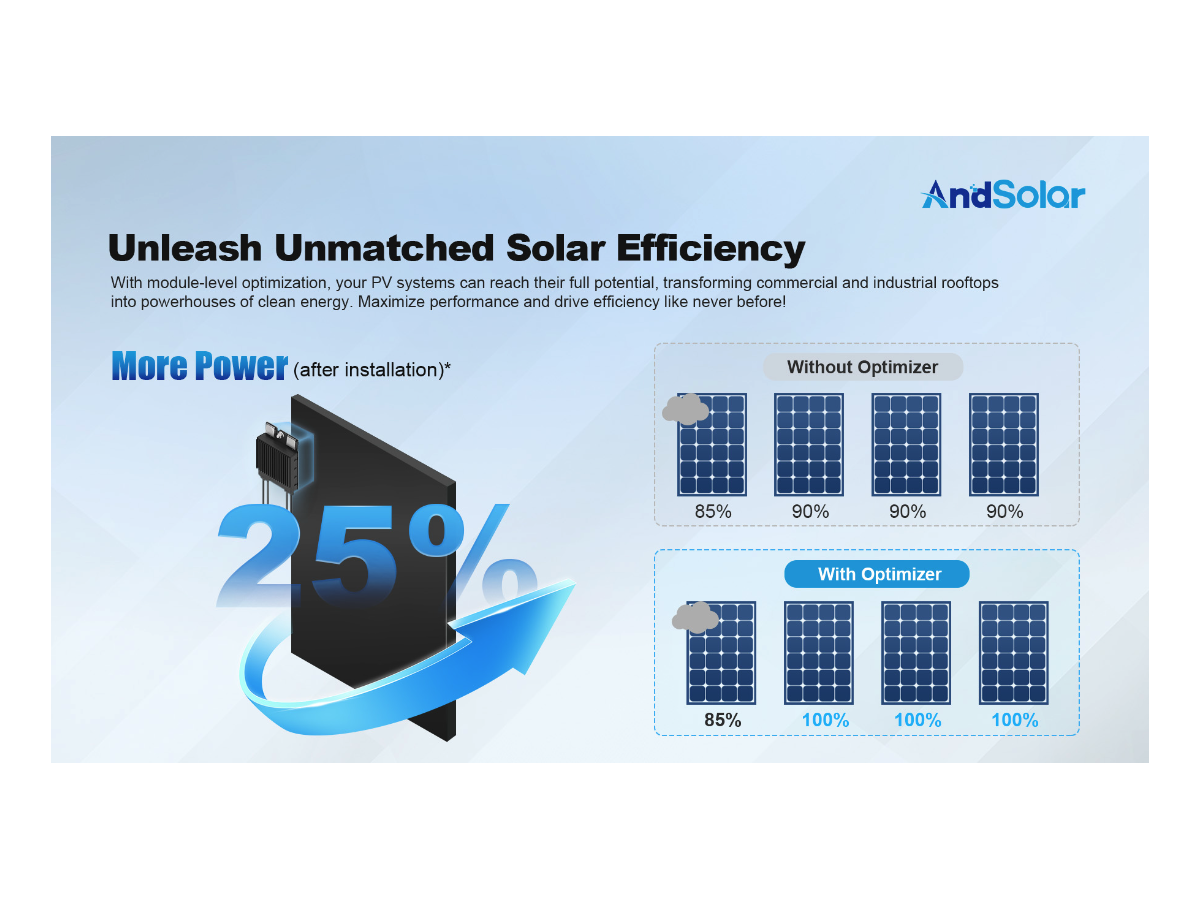
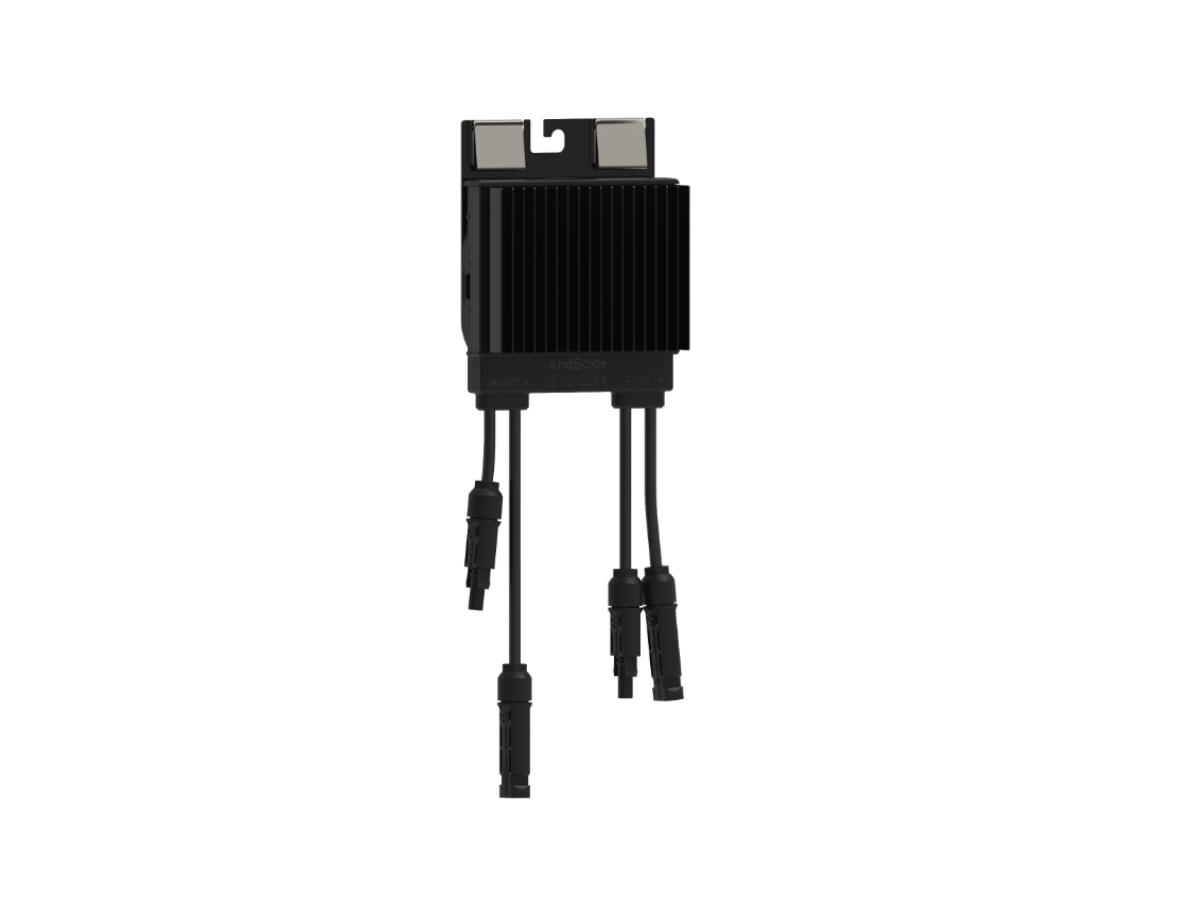
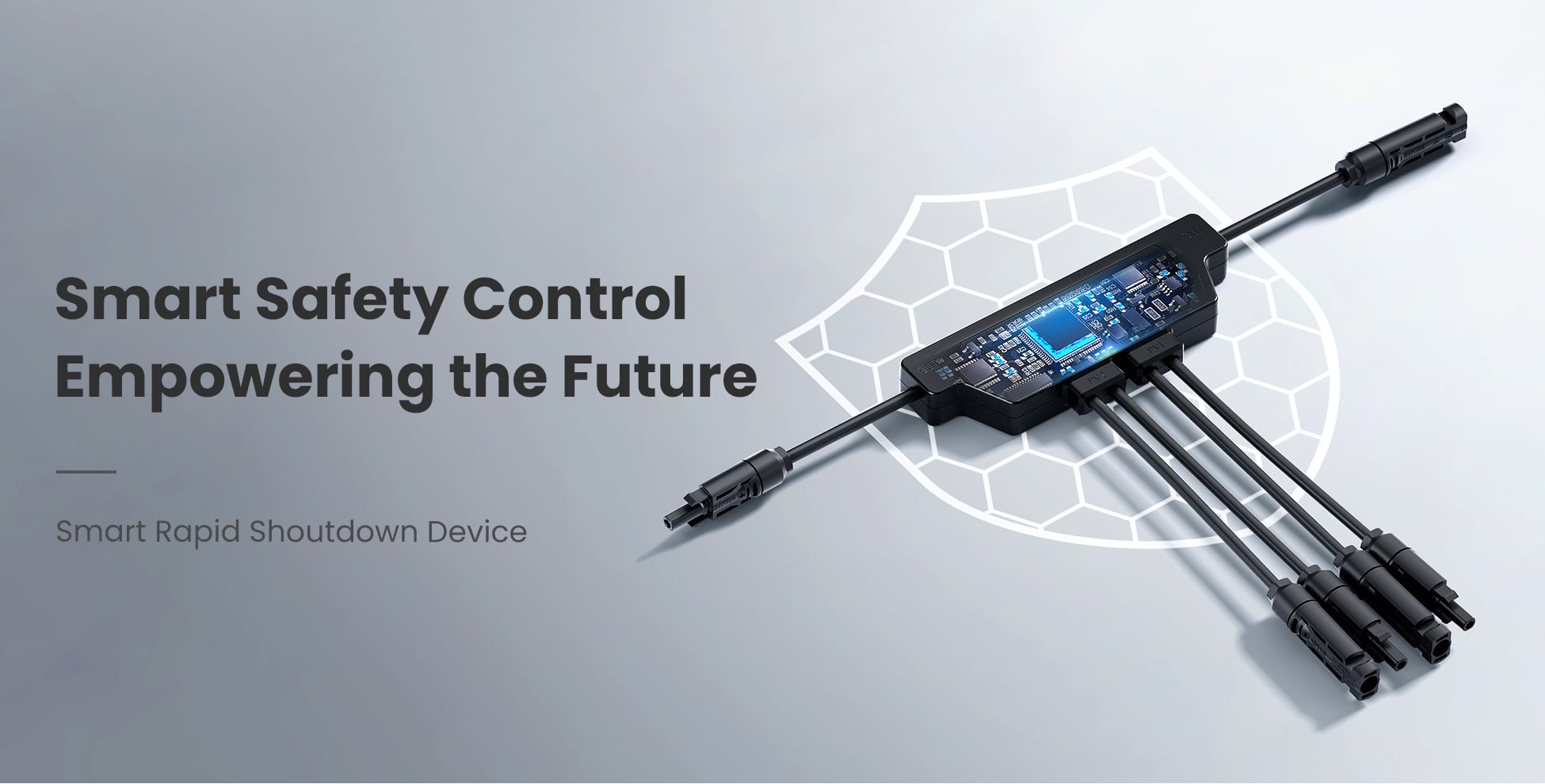
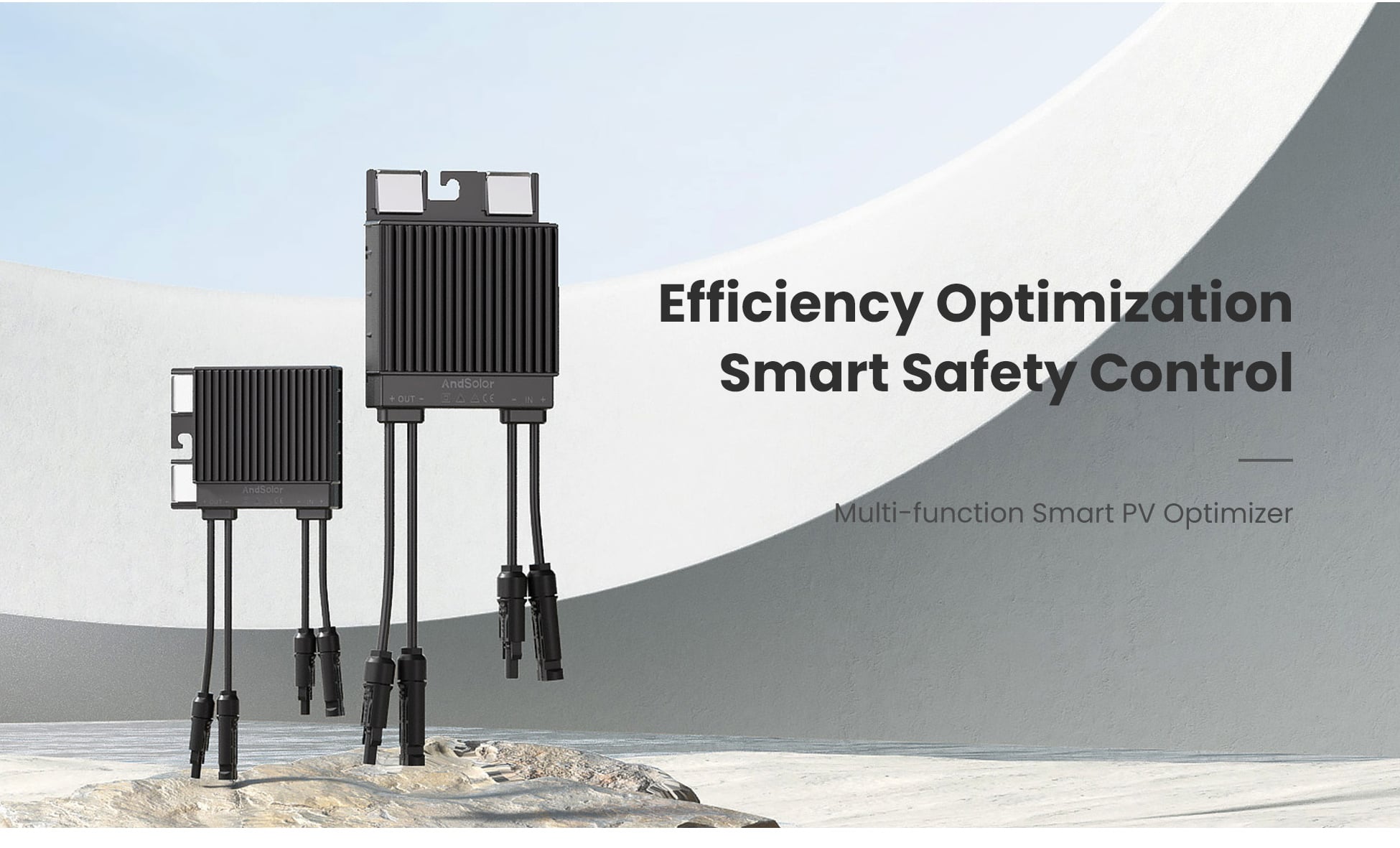
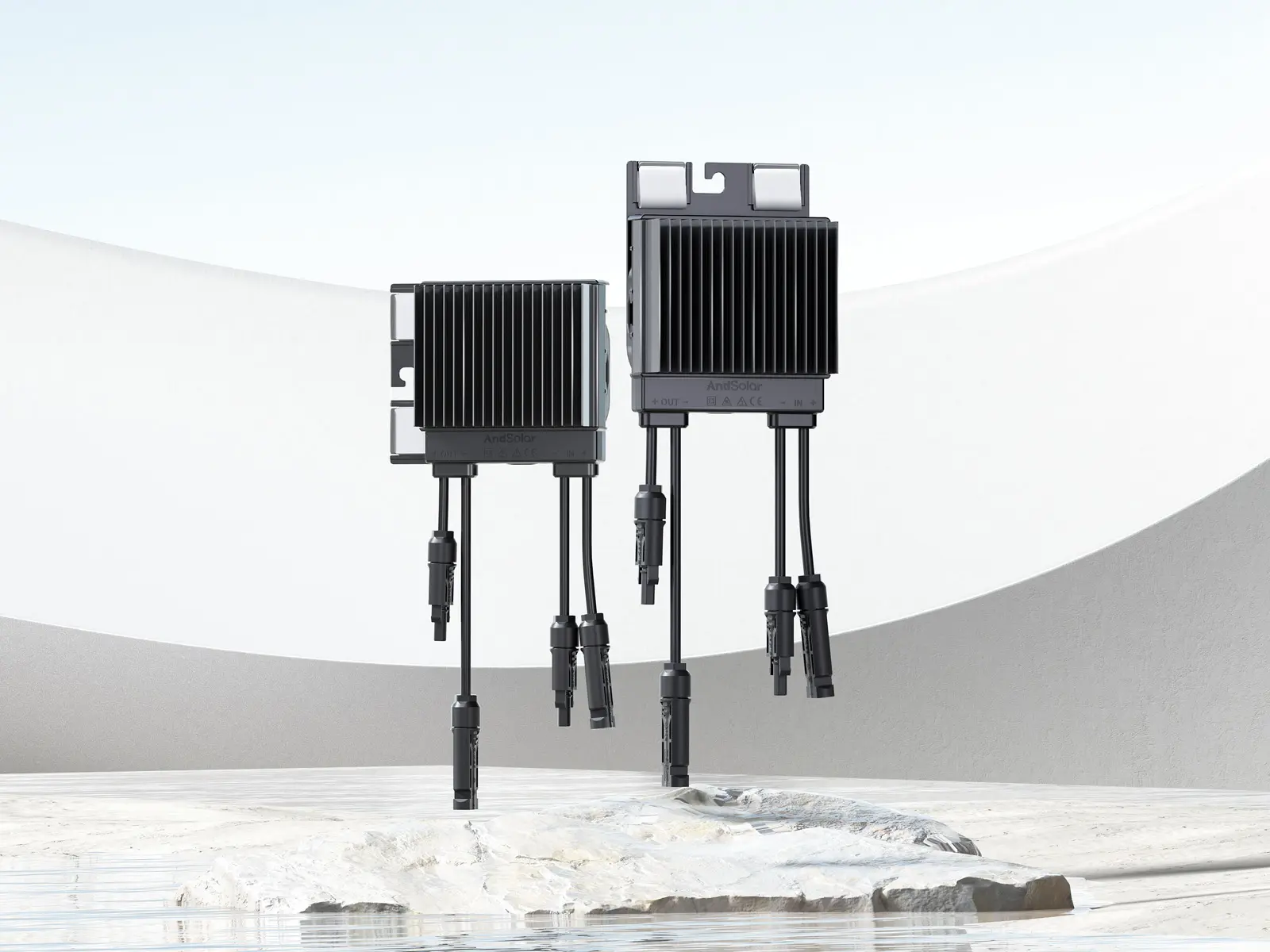
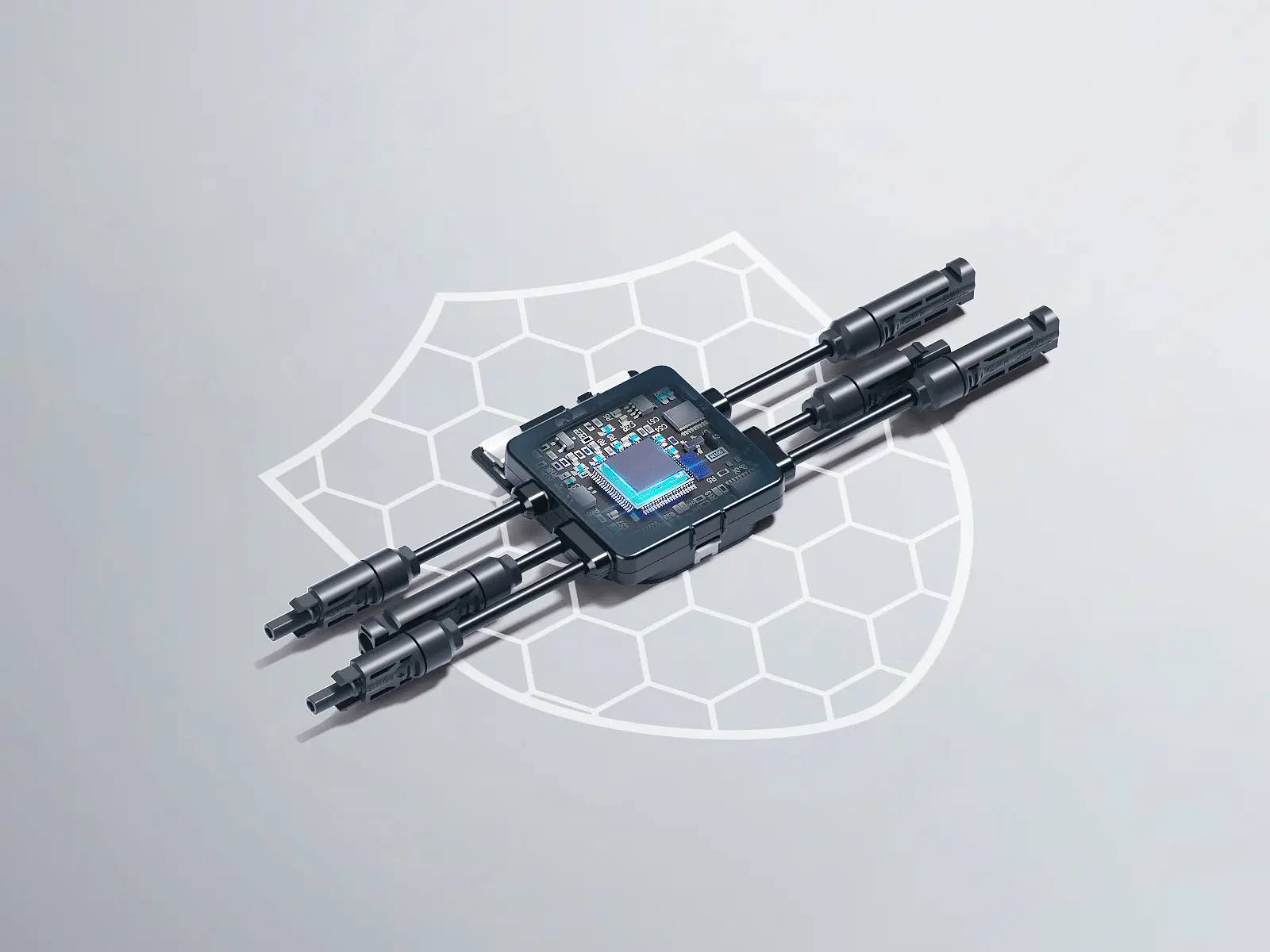
Optimizer performance in photovoltaic systems delivers substantial cost reduction benefits by eliminating energy loss and improving operational efficiency across all system components. Solar installations typically achieve 5–25% higher energy yield through module-level optimization and real-time performance adjustments. This technology reduces the impact of shading, mismatch, and panel degradation while maximizing the utilization of each solar module. The automated nature of photovoltaic optimizers significantly reduces manual maintenance requirements, leading to lower operational costs and improved system longevity.Performance improvements achieved through photovoltaic optimizers directly translate to enhanced system output and increased return on investment. Each panel operates at its maximum power point independently, ensuring optimal energy harvest even under partial shading or uneven conditions. System owners benefit from more stable power generation, improved monitoring accuracy, and faster fault detection. These improvements often result in higher energy production for commercial installations, increased efficiency for industrial solar systems, and better reliability for residential applications. The enhanced performance contributes to improved financial returns and stronger confidence in solar investments.Optimizer technology provides superior scalability capabilities that adapt automatically to varying environmental and load conditions. The system intelligently adjusts module-level performance based on real-time irradiance, temperature, and shading patterns, ensuring optimal output throughout the day. This dynamic optimization eliminates inefficiencies caused by traditional string limitations and prevents underperformance scenarios. Solar system operators can confidently manage expansions, different roof orientations, and complex installations without compromising efficiency.The reliability and stability improvements offered by photovoltaic optimizers reduce system downtime and prevent performance losses that could impact energy generation. Advanced monitoring and diagnostic capabilities identify underperforming modules and potential faults at an early stage. This proactive approach minimizes maintenance disruptions and ensures consistent power output. The technology includes safety features such as rapid shutdown and module-level control, enhancing system protection and operational security.Energy efficiency represents another significant advantage of photovoltaic optimizers, as optimized solar systems generate more electricity from the same installed capacity. This not only reduces the levelized cost of energy but also supports sustainability goals by maximizing clean energy production. The technology enhances voltage regulation, minimizes mismatch losses, and improves overall system efficiency without requiring additional infrastructure investments.