PV Module Optimizer
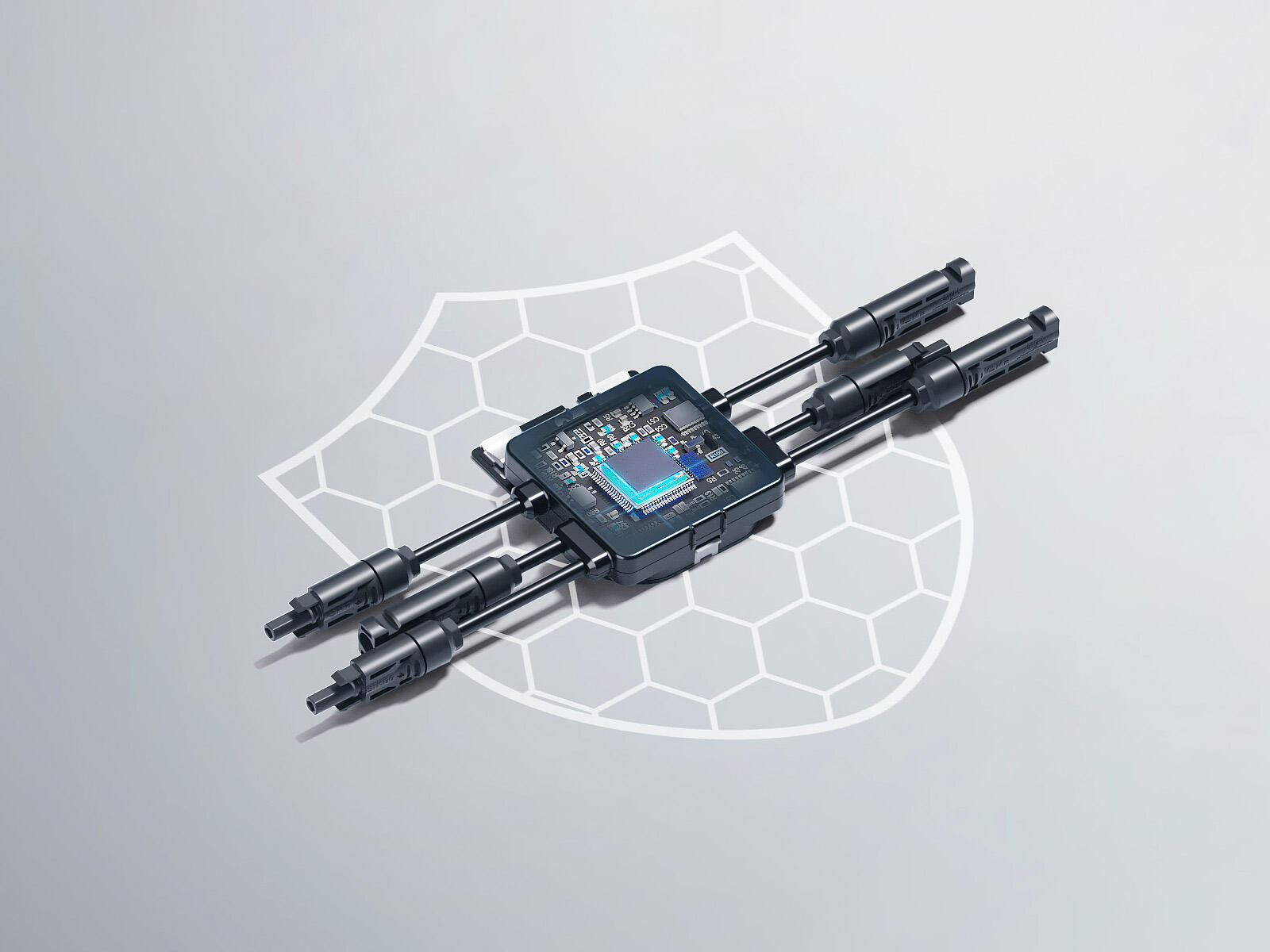
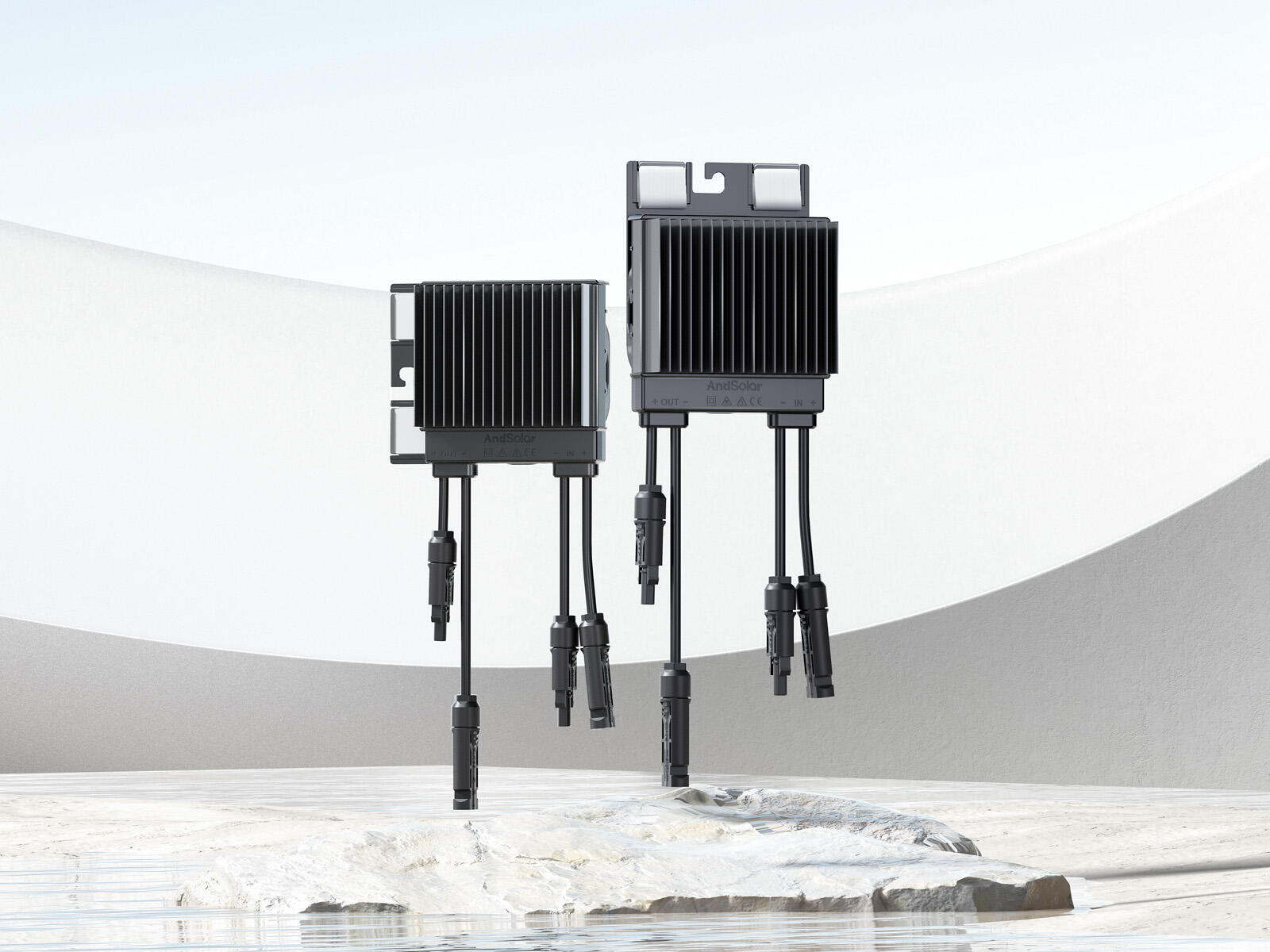
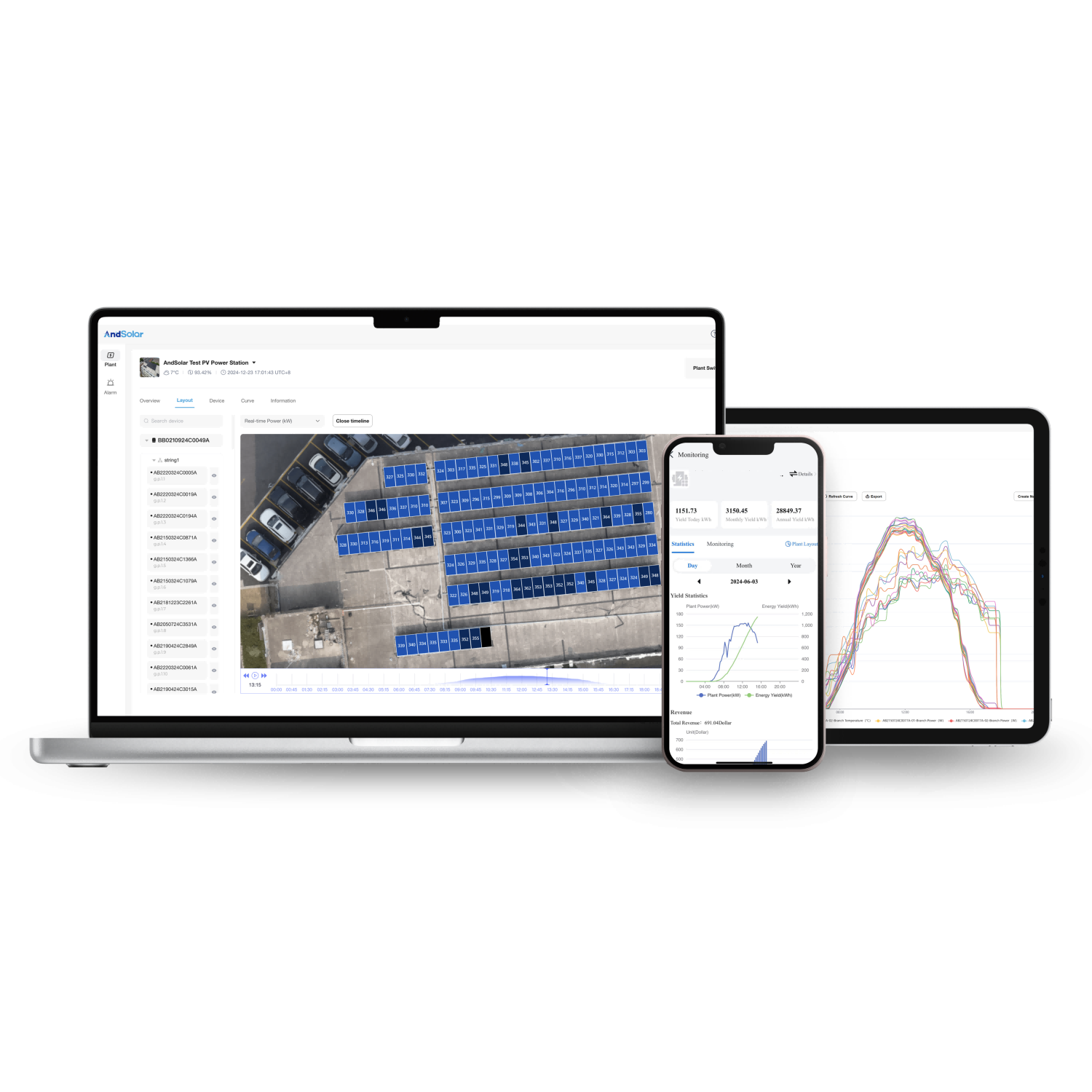
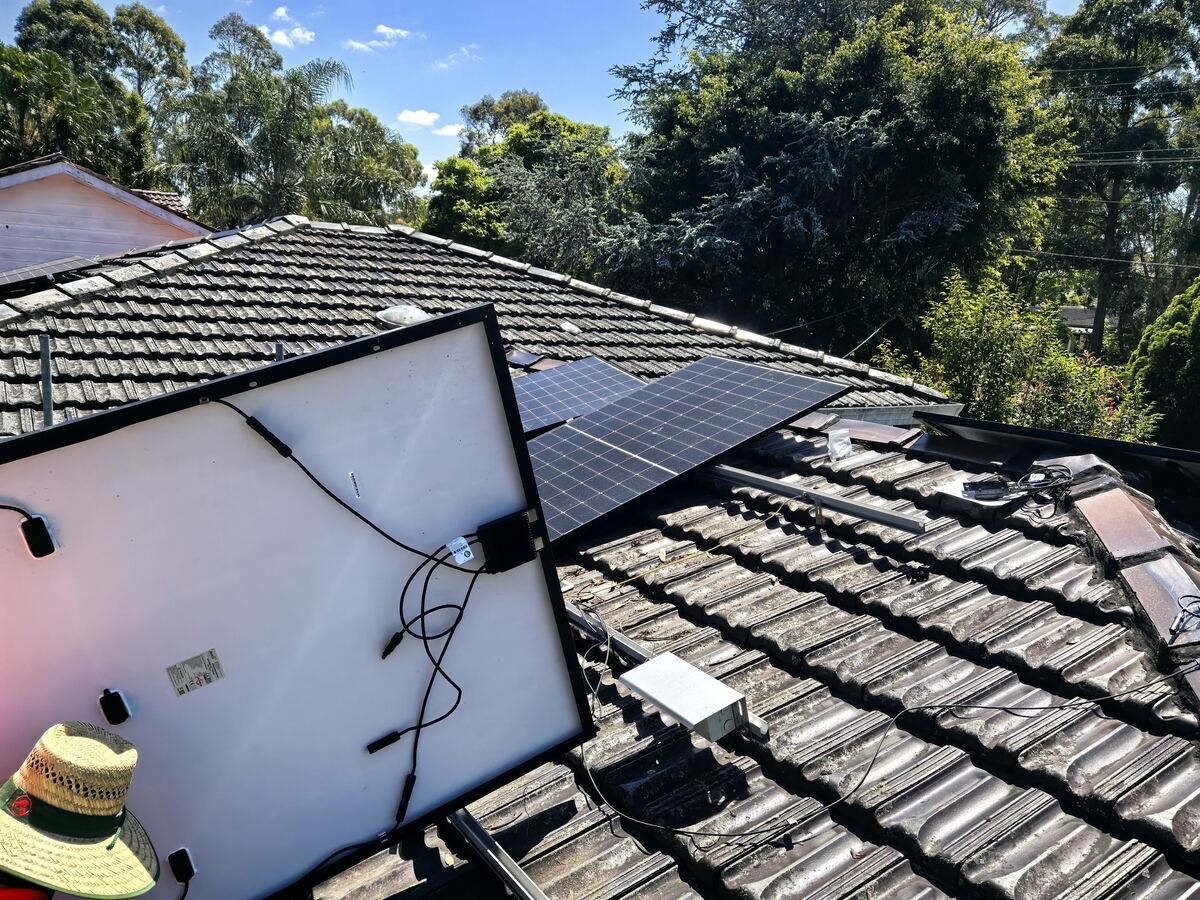
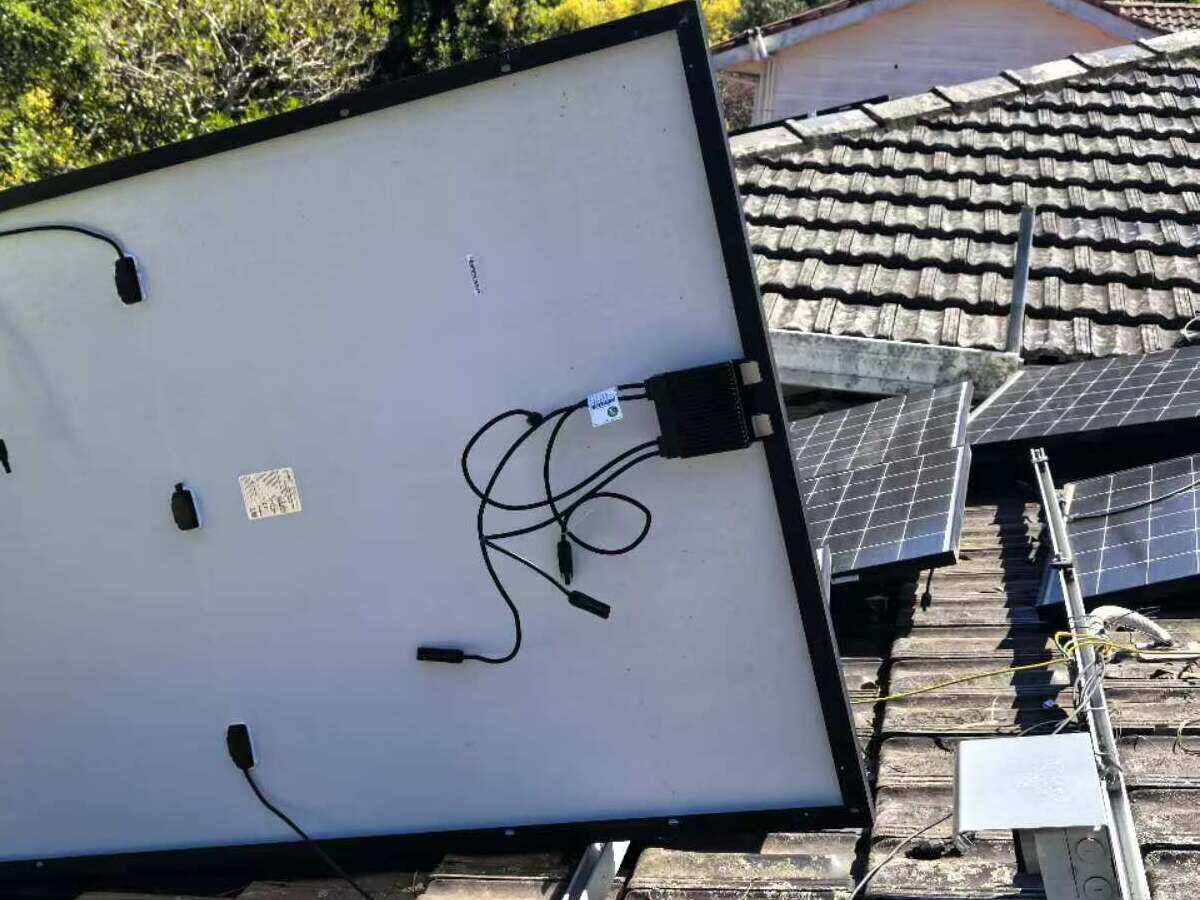
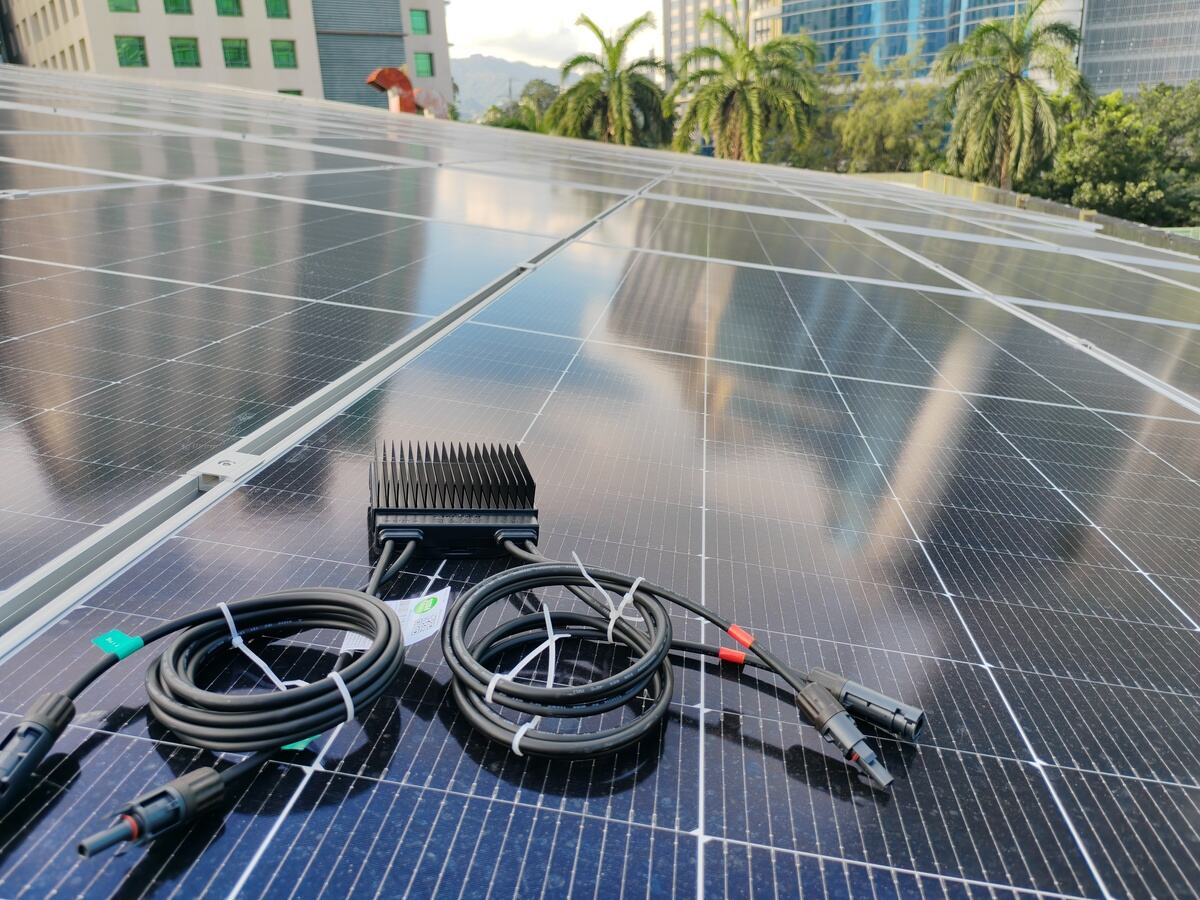
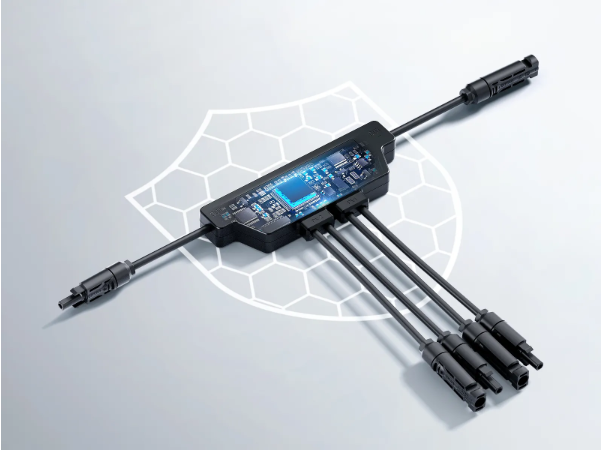
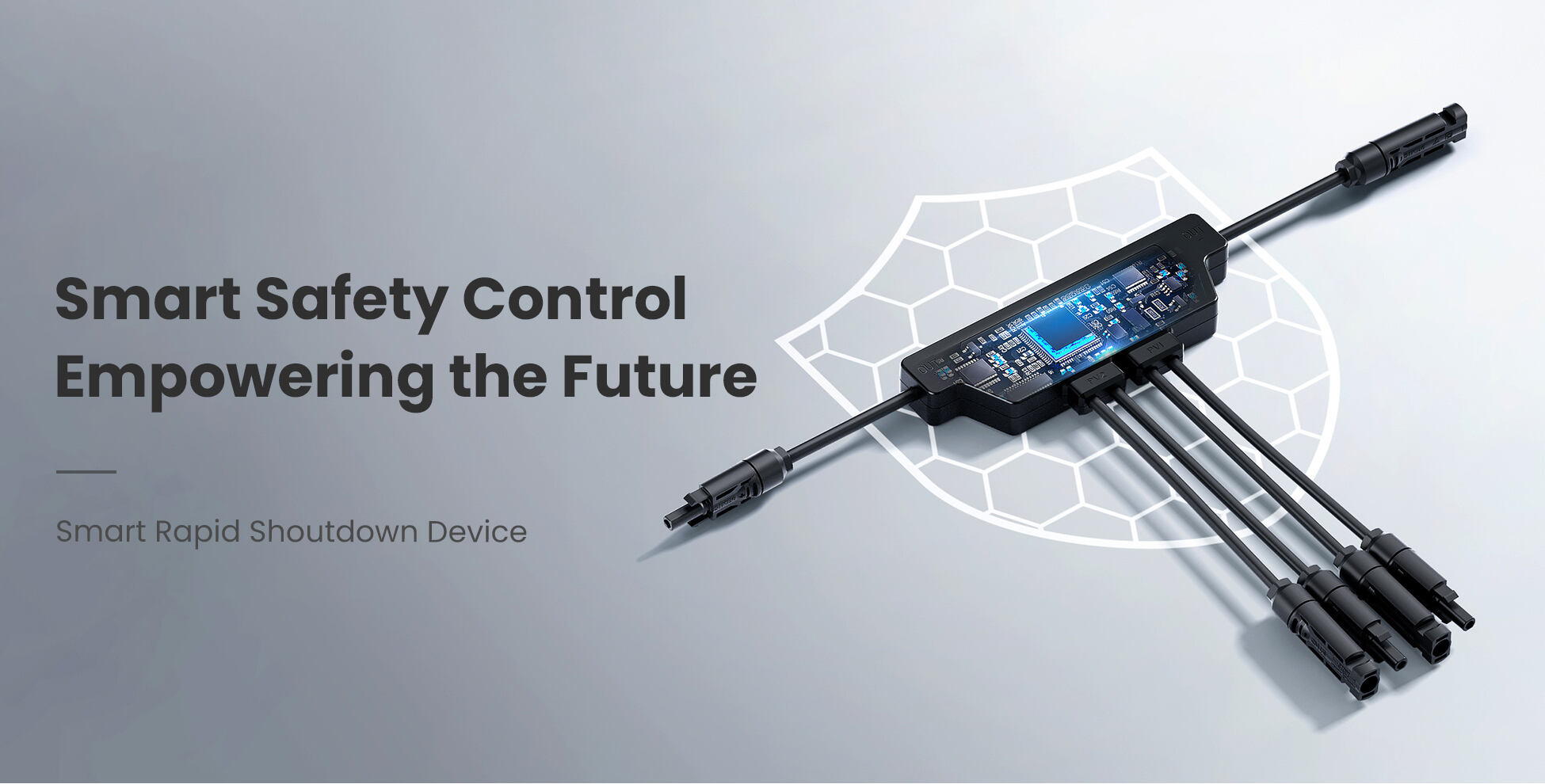
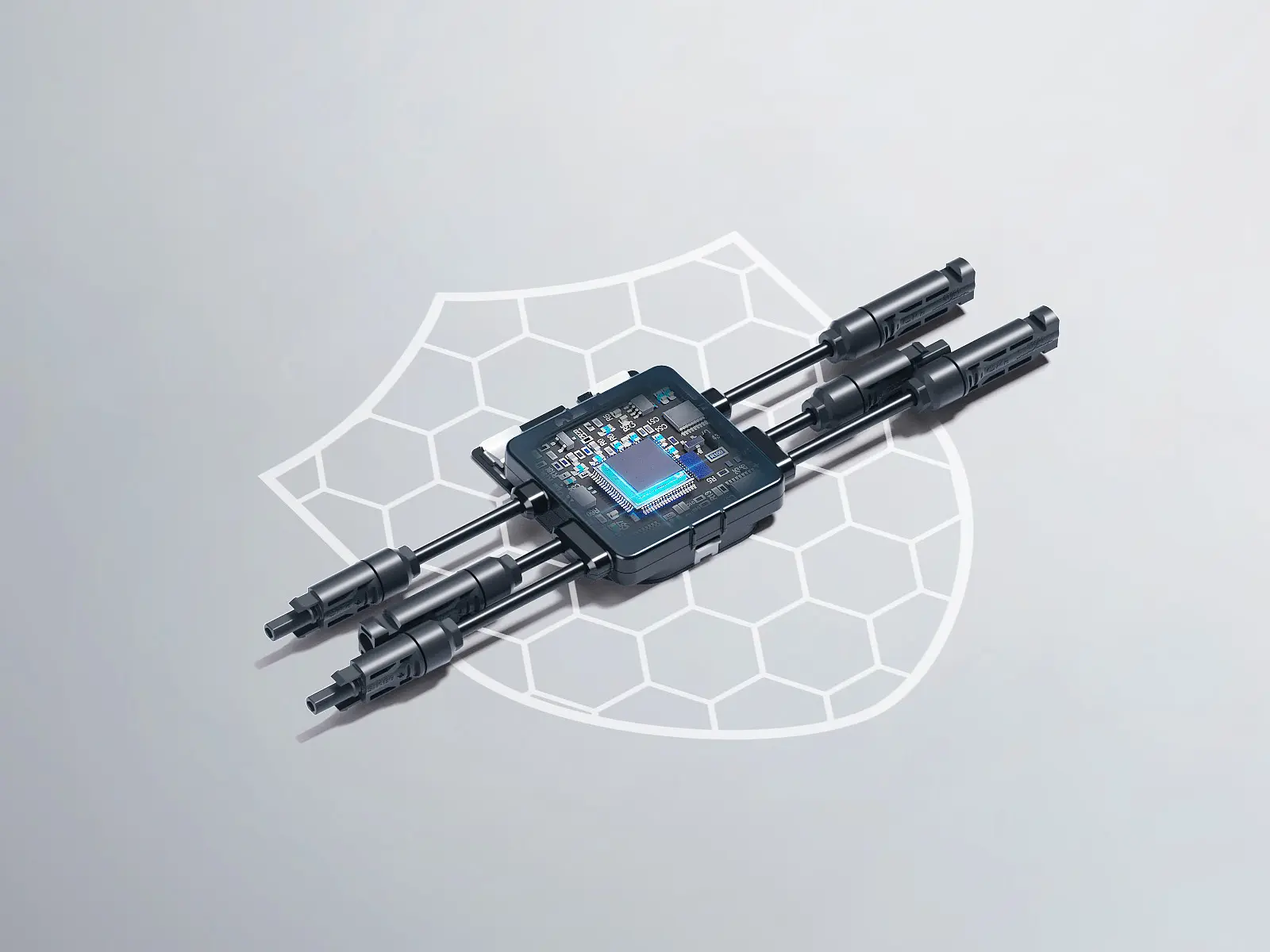
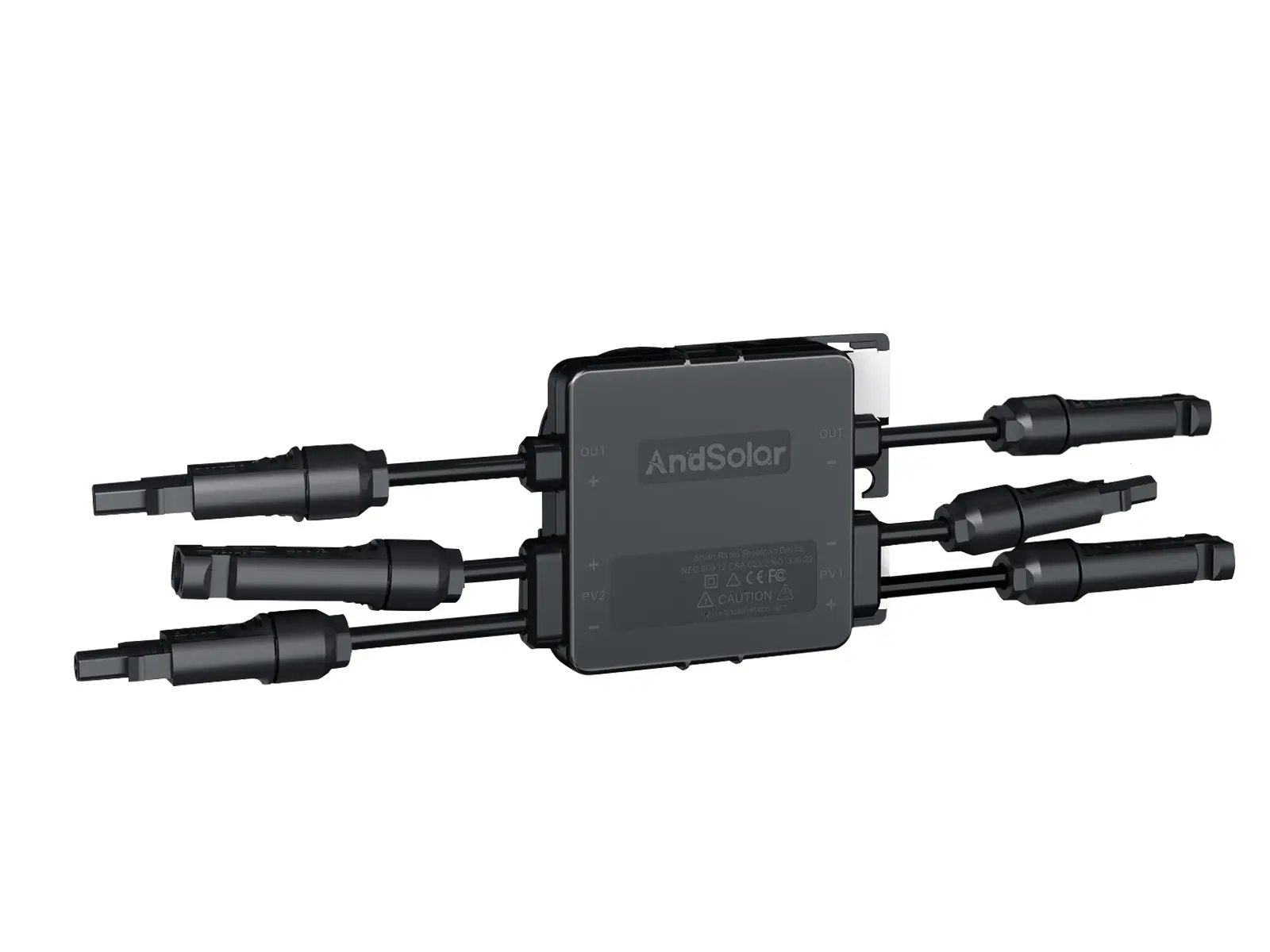
A PV module optimizer represents a revolutionary advancement in solar energy technology, designed to maximize the performance of individual photovoltaic panels within a solar array system. This innovative device functions as an intelligent power electronics unit that attaches directly to each solar panel, enabling independent operation and optimization of every module's electrical output. The primary purpose of a PV module optimizer is to eliminate the traditional constraints imposed by series-connected solar installations, where the weakest performing panel dictates the entire string's power production. By implementing module-level power electronics, these optimizers ensure that each panel operates at its maximum power point, regardless of shading conditions, soiling, or manufacturing variations affecting neighboring panels. The technological foundation of PV module optimizer systems relies on sophisticated maximum power point tracking algorithms that continuously monitor and adjust each panel's operating voltage and current to achieve optimal energy harvest. These devices incorporate advanced switching circuits, typically utilizing high-frequency power conversion techniques that maintain efficiency levels exceeding 99 percent during normal operation. Modern PV module optimizers feature robust communication capabilities, enabling real-time monitoring and diagnostic functions that provide detailed performance data for each individual panel. This granular visibility allows system owners and installers to quickly identify underperforming modules, detect maintenance issues, and troubleshoot problems with unprecedented precision. The applications of PV module optimizer technology span residential, commercial, and utility-scale installations, proving particularly valuable in environments where partial shading, complex roof geometries, or varying panel orientations create performance disparities. Integration with smart inverter systems and energy management platforms makes these optimizers essential components in modern smart grid applications, supporting grid stability and enabling advanced energy storage coordination for enhanced system reliability and performance optimization.