solar optimizer supplier
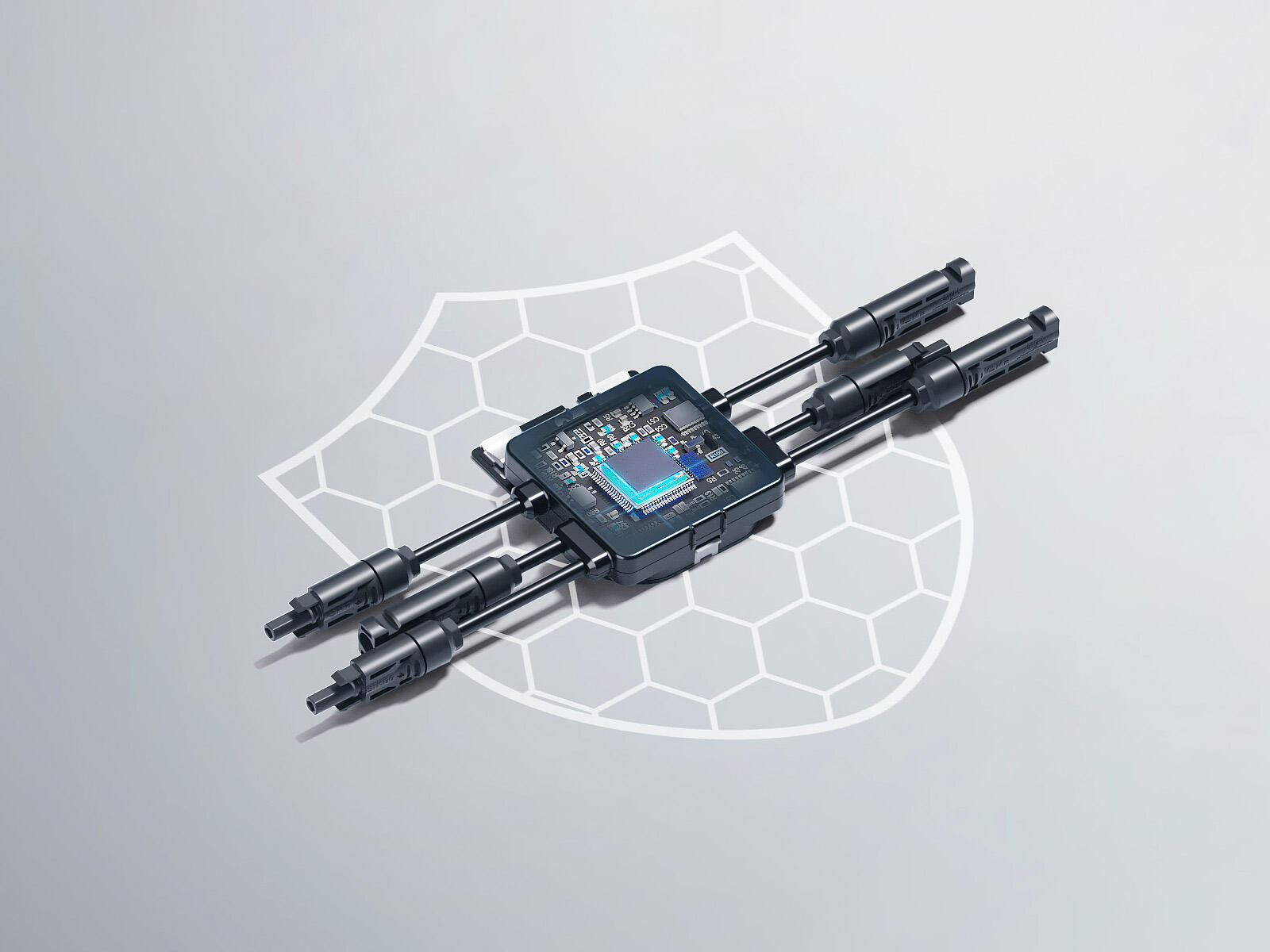
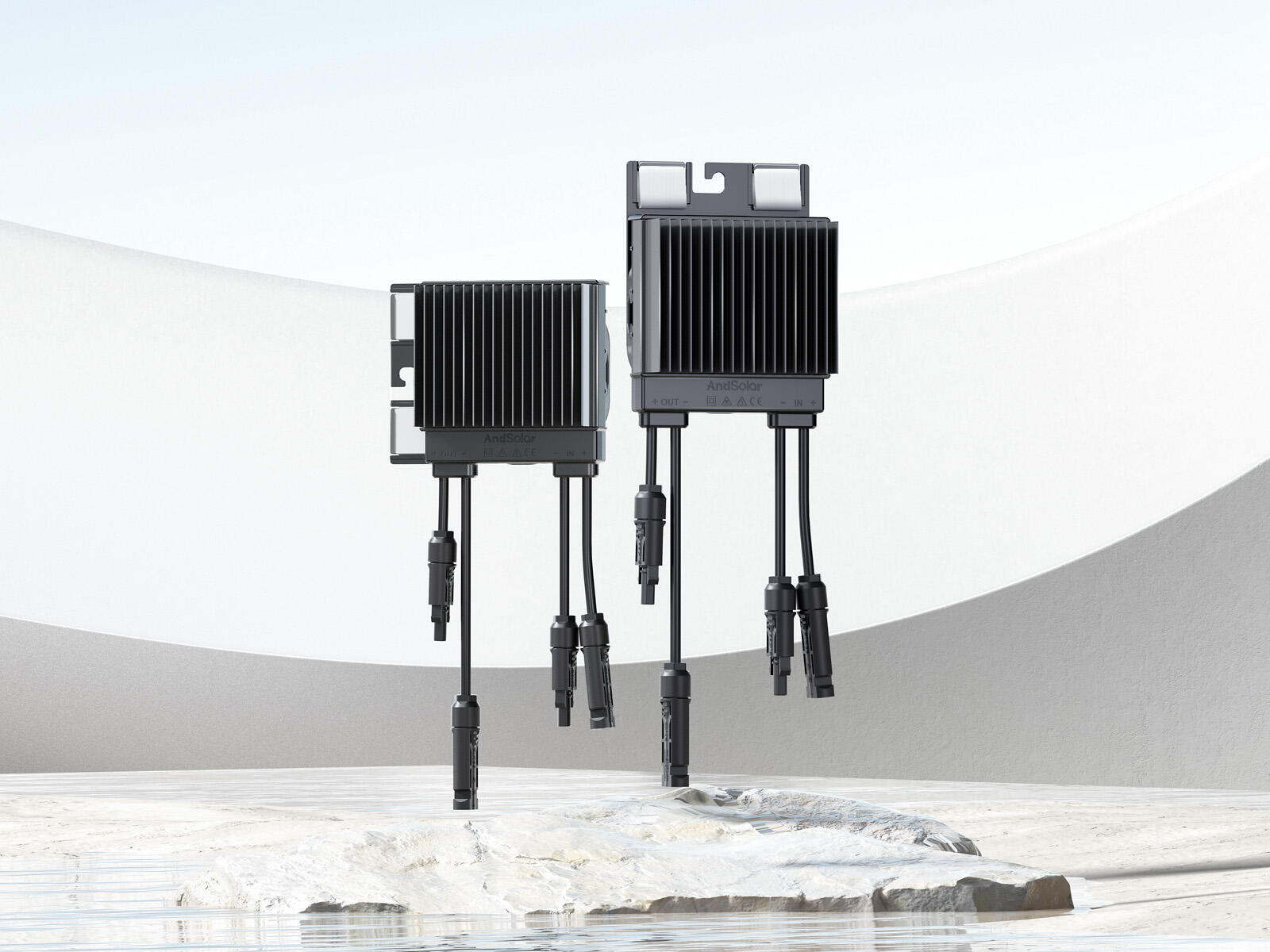
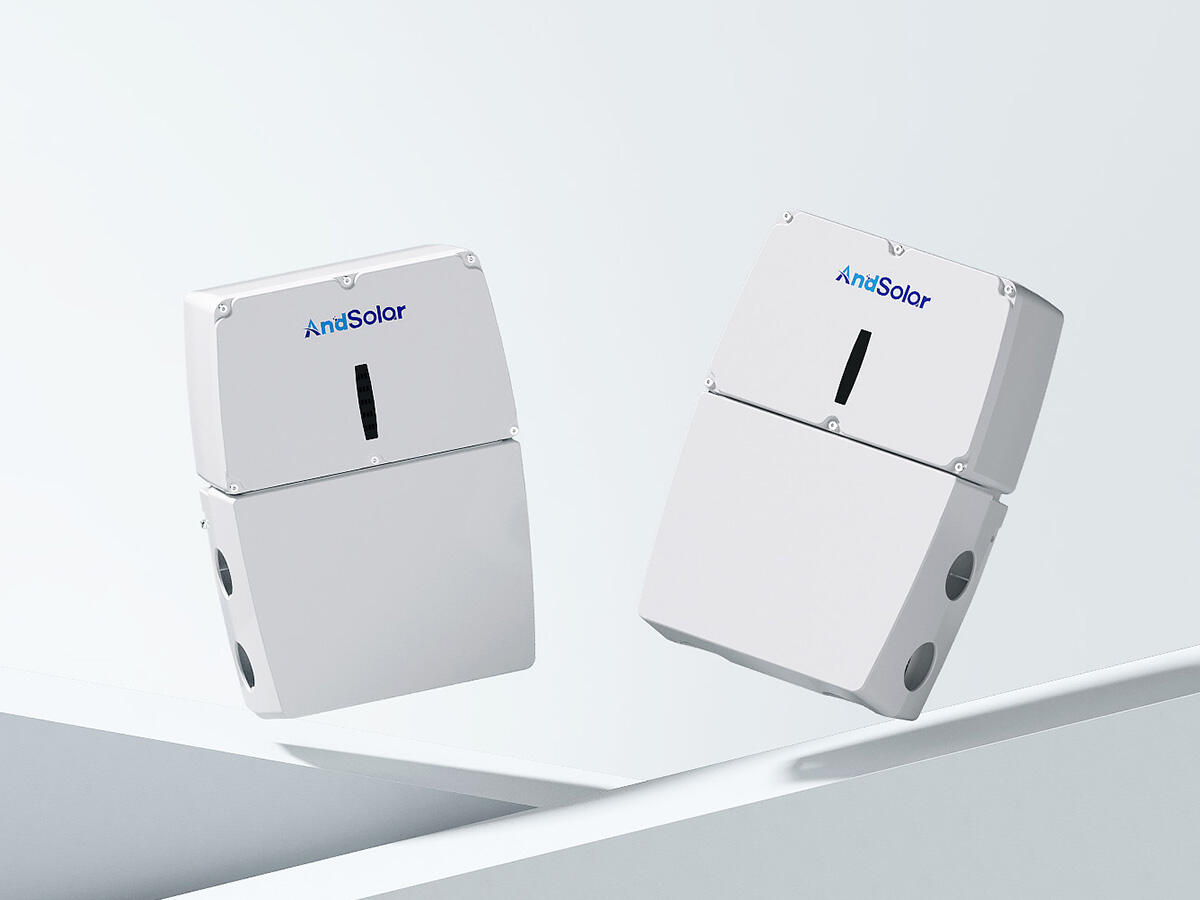
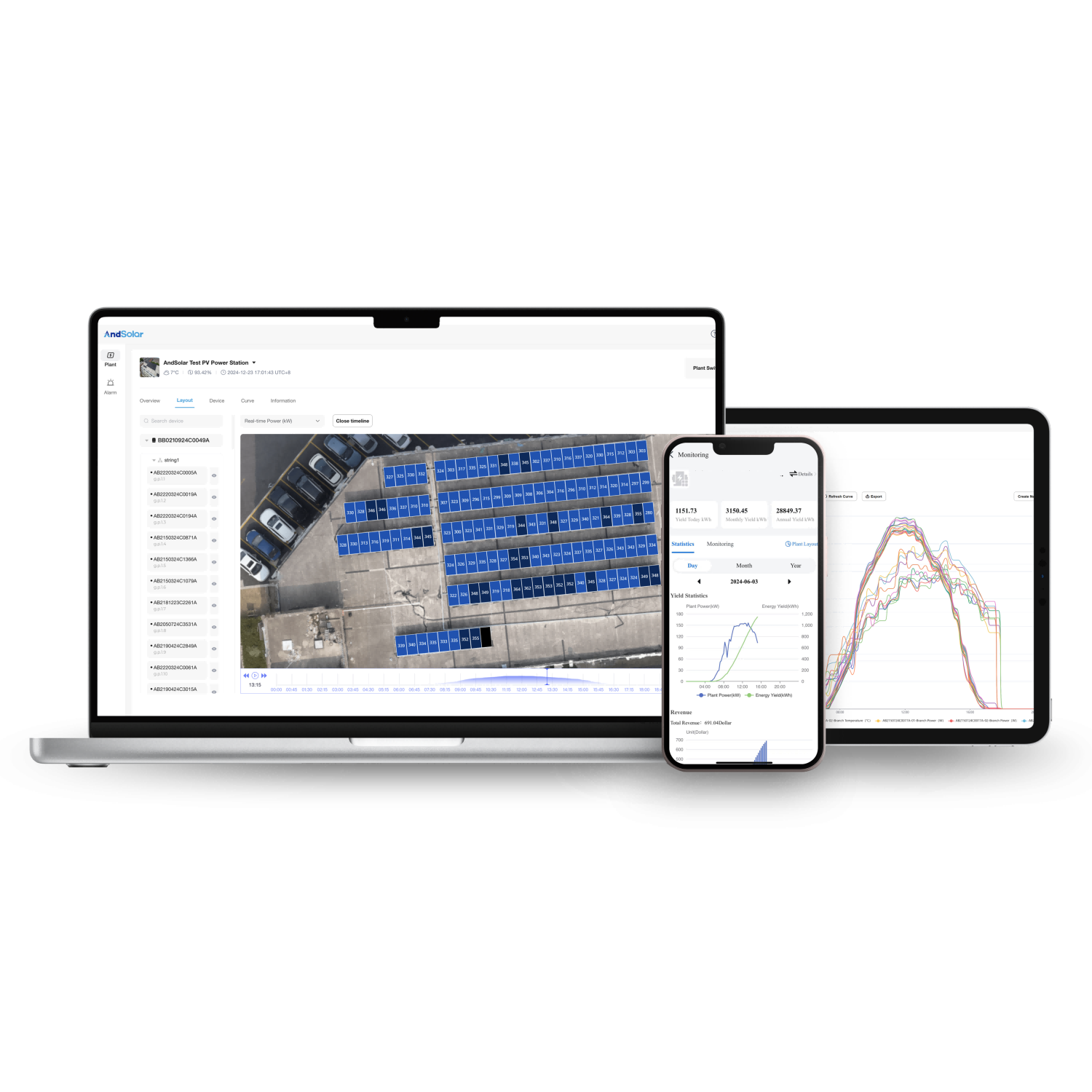
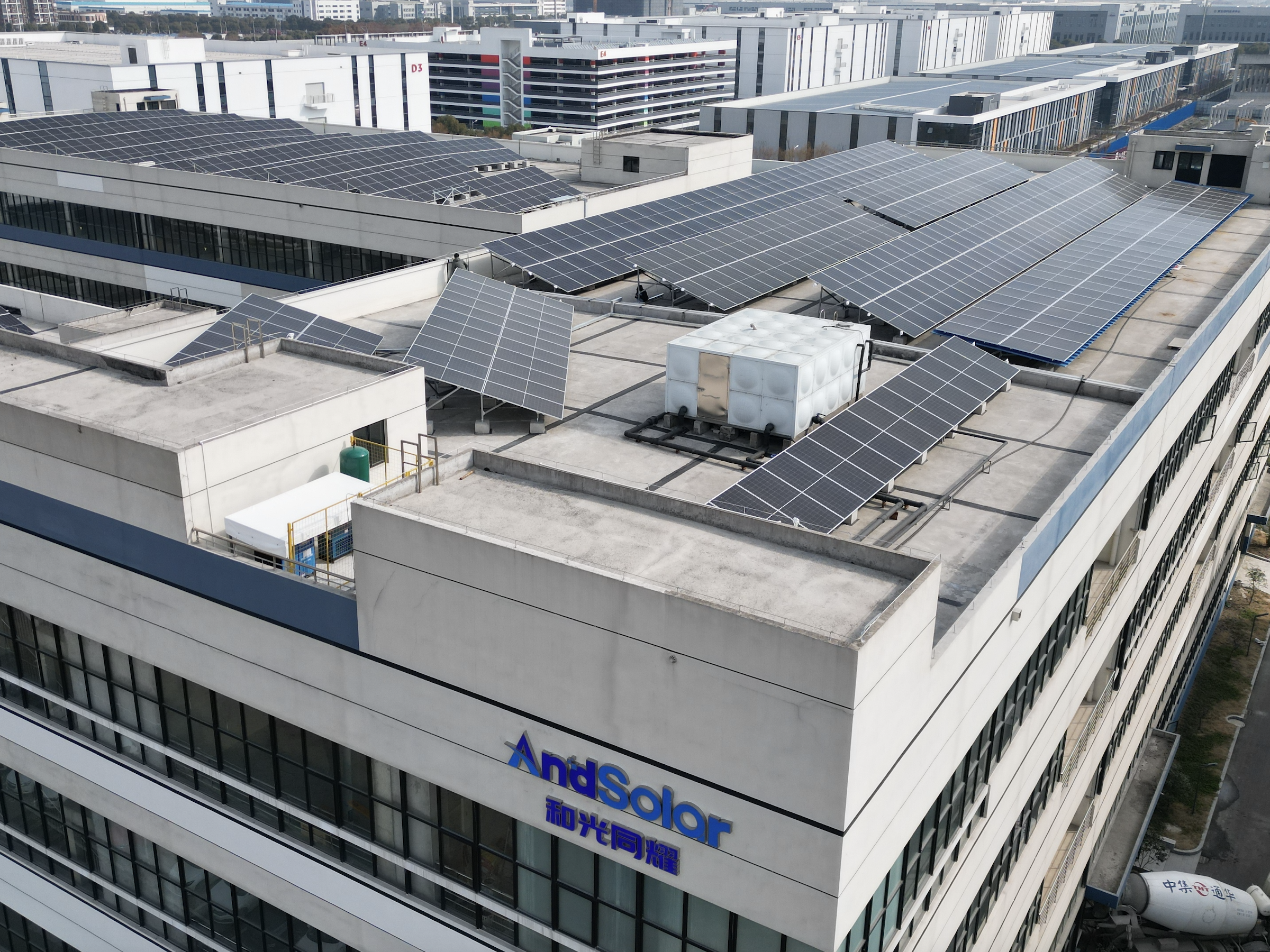
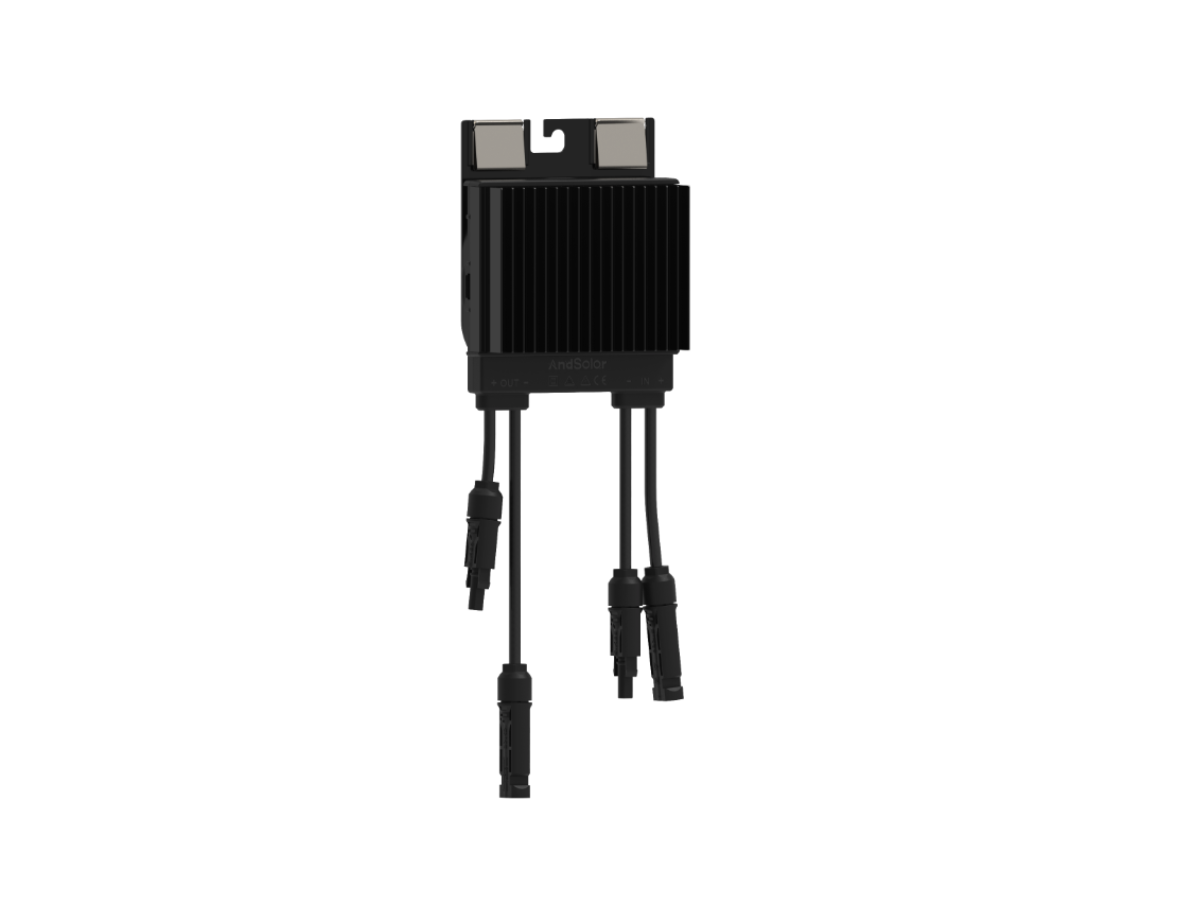
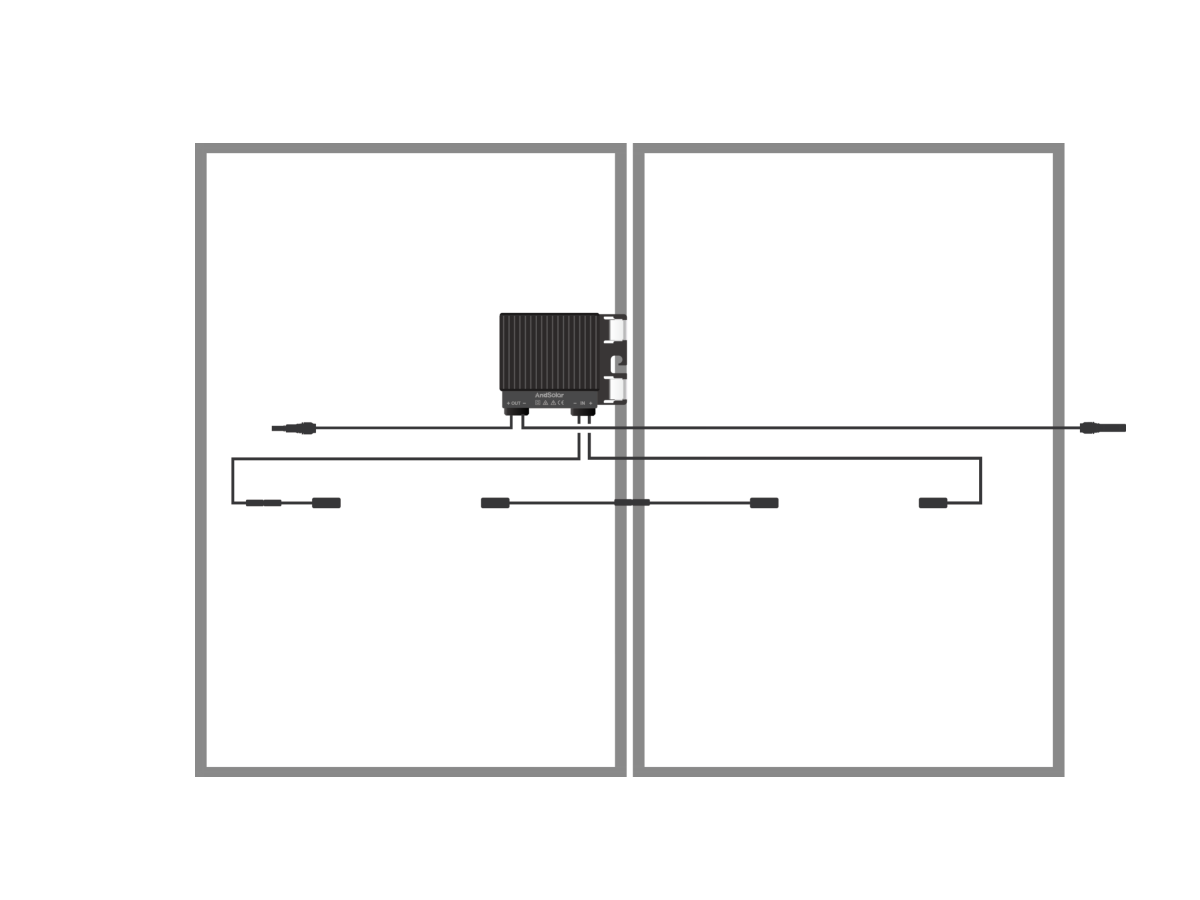
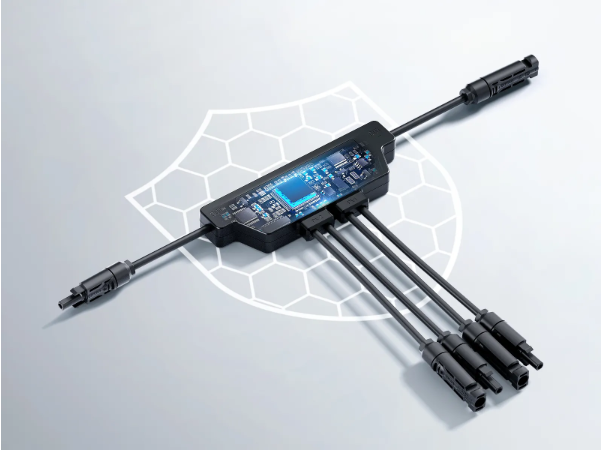
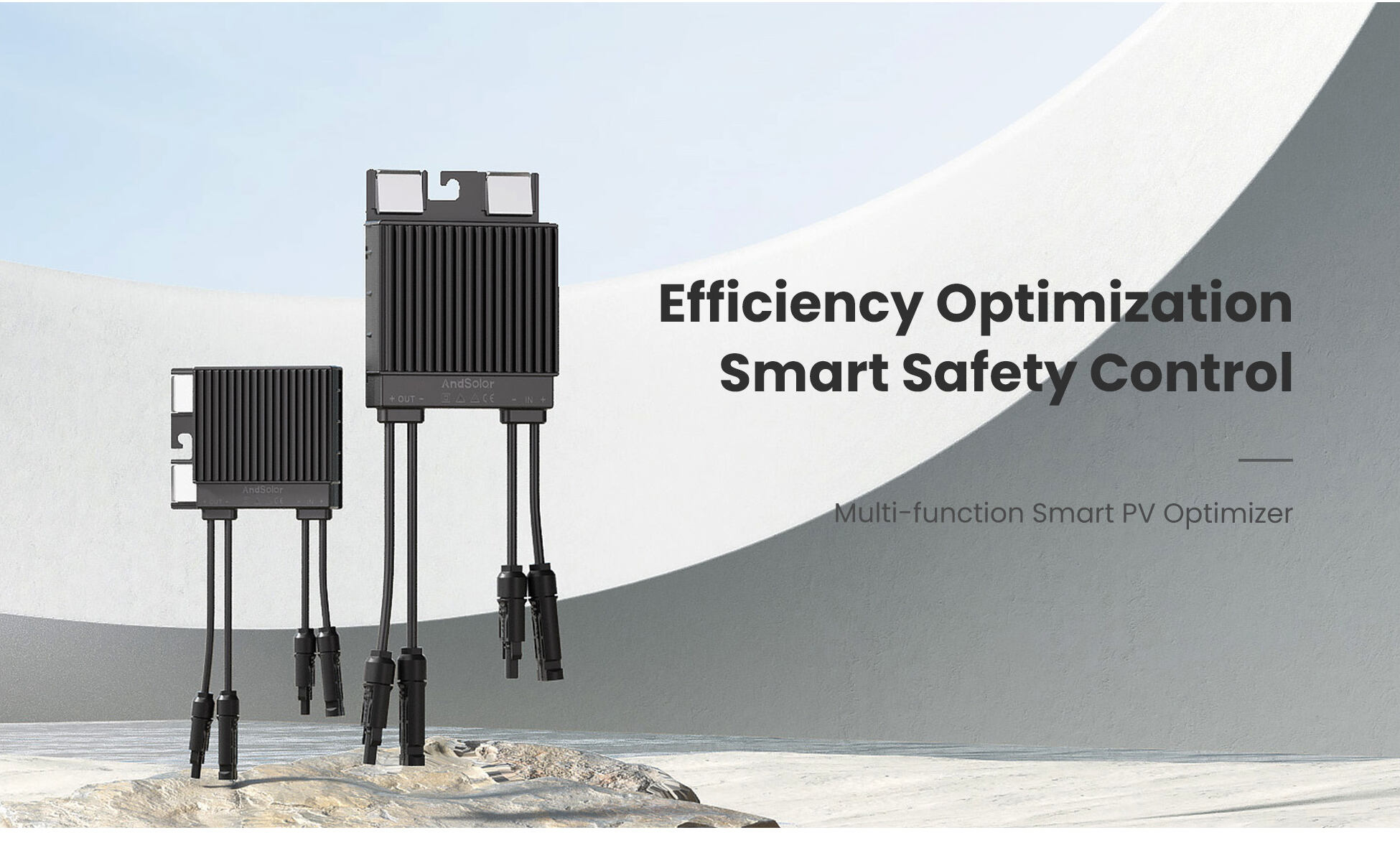
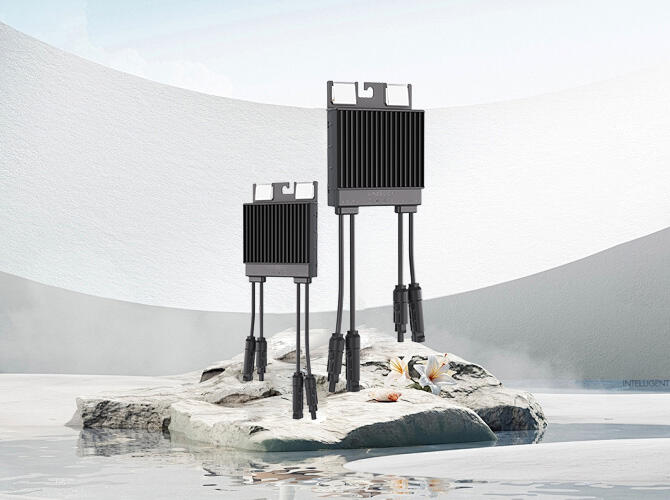
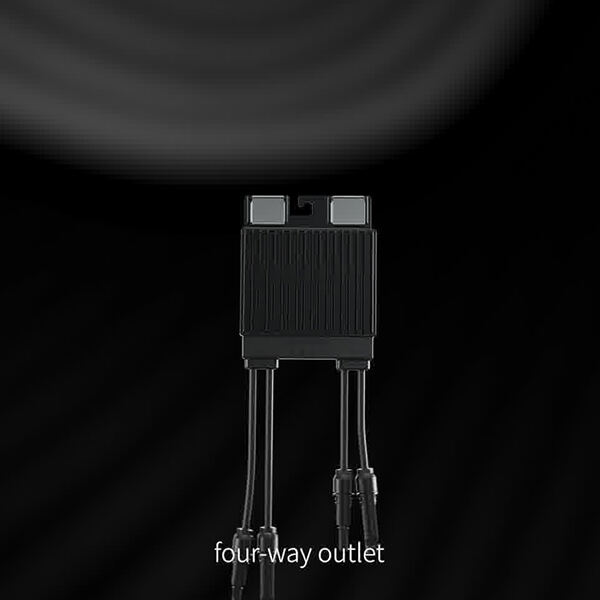
A solar optimizer supplier plays a crucial role in the renewable energy ecosystem by providing advanced power electronics that maximize photovoltaic system performance. These specialized companies design, manufacture, and distribute power optimizers that address the inherent challenges of solar panel installations. The primary function of a solar optimizer supplier involves creating devices that perform maximum power point tracking at the individual panel level, ensuring each solar module operates at its optimal efficiency regardless of shading, soiling, or panel mismatch conditions. The technological foundation of modern solar optimizer supplier offerings centers on sophisticated DC-DC conversion circuits that continuously monitor and adjust the operating voltage and current of each solar panel. These devices incorporate advanced algorithms that can respond to changing environmental conditions within milliseconds, maintaining peak power extraction throughout varying weather patterns and seasonal changes. Additionally, many solar optimizer supplier products feature integrated monitoring capabilities that provide real-time performance data for each individual panel, enabling system owners to identify and resolve issues quickly. The applications for solar optimizer supplier products span residential, commercial, and utility-scale installations where maximizing energy harvest is critical. In residential settings, these devices prove particularly valuable for complex roof configurations with multiple orientations, partial shading from trees or nearby structures, and installations using panels from different manufacturers or with varying ages. Commercial applications benefit from the enhanced safety features that many solar optimizer supplier products provide, including automatic shutdown capabilities during maintenance or emergency situations. The monitoring and diagnostic capabilities offered by leading solar optimizer supplier solutions enable facility managers to track performance metrics, identify underperforming panels, and schedule maintenance proactively. Furthermore, the modular nature of optimized systems allows for easy expansion and modification of existing installations, making them attractive for businesses with growing energy needs or changing facility requirements.