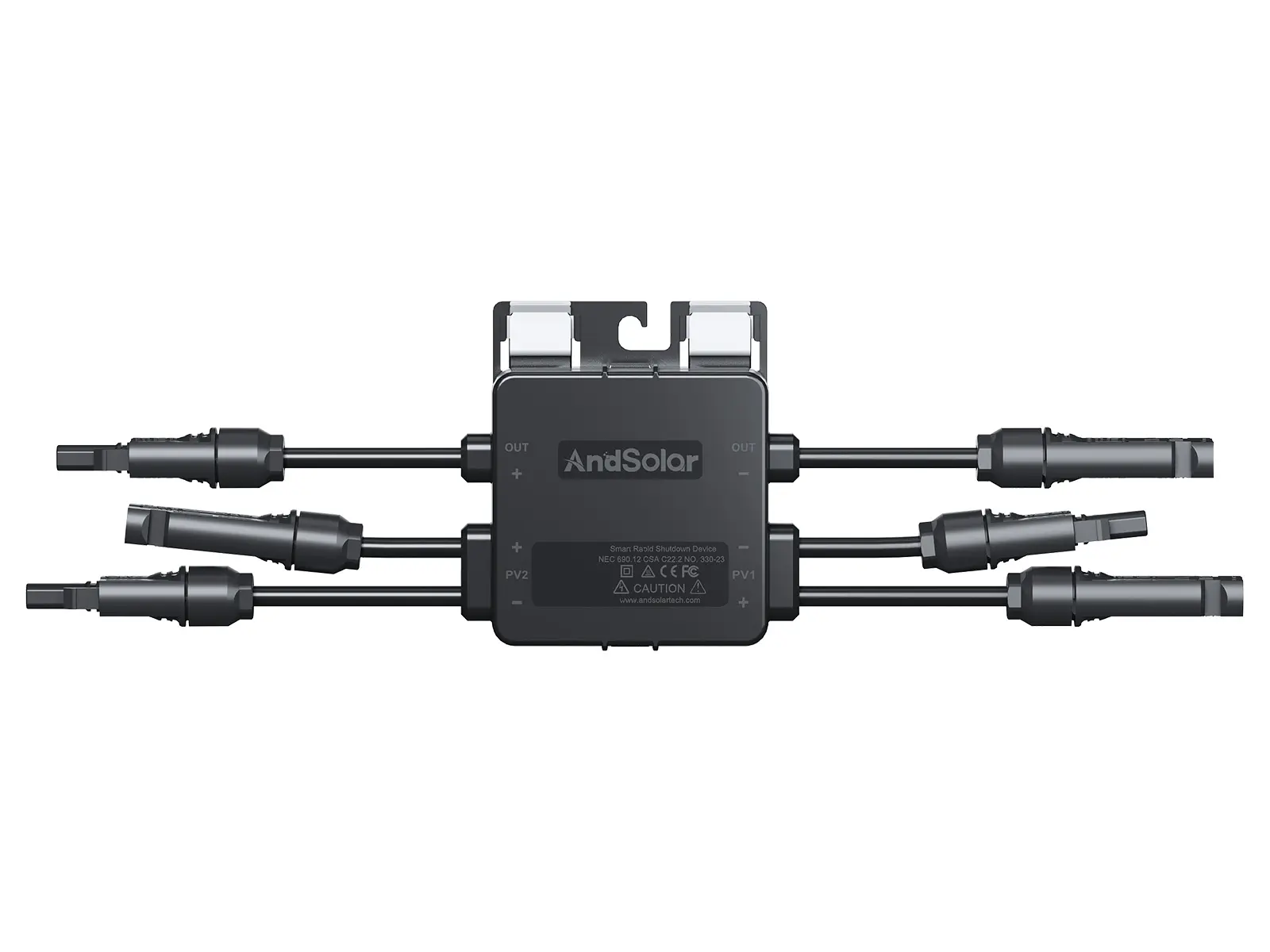
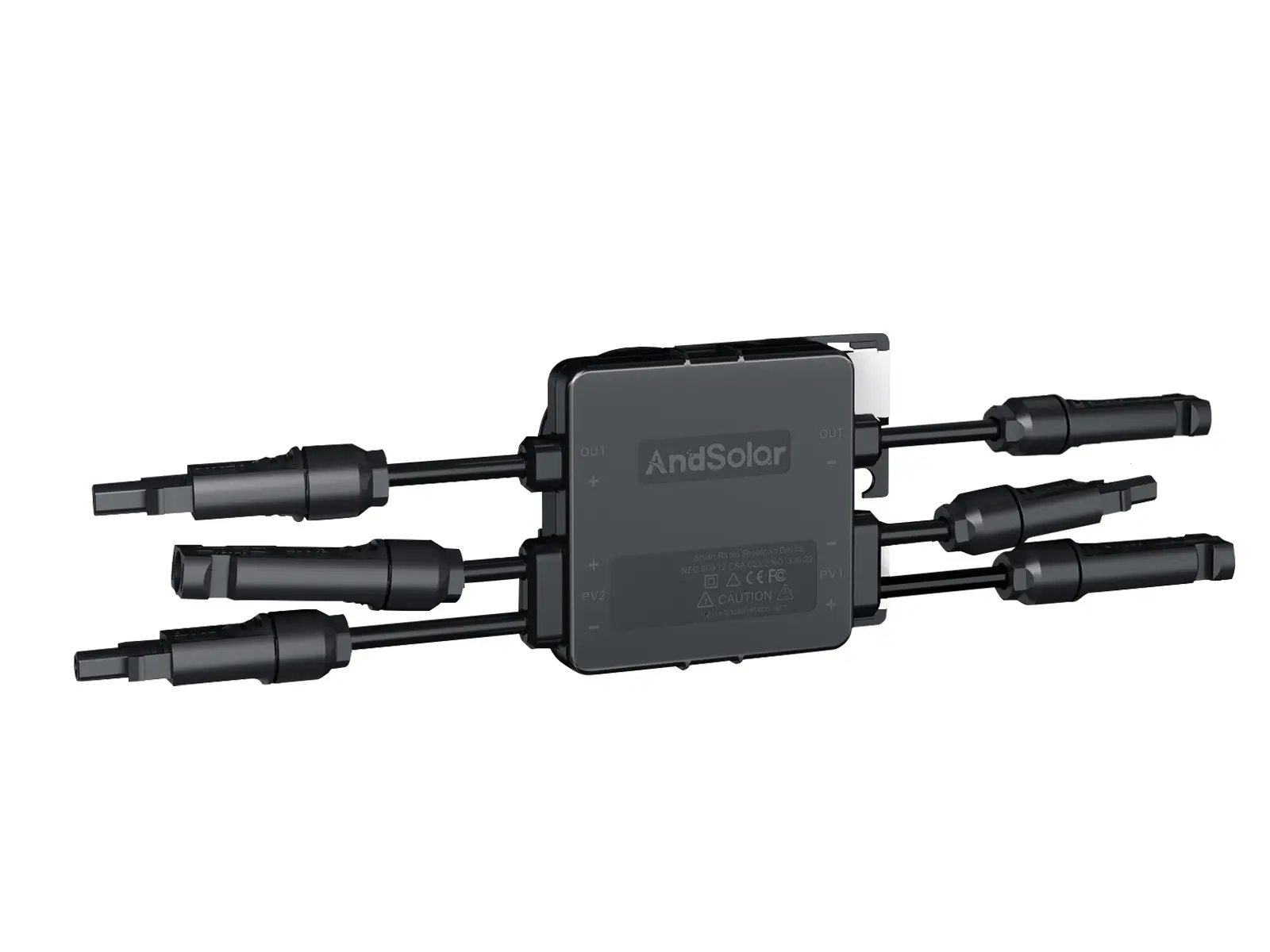
Solar Optimizer Compatibility: Complete Integration Solutions for Maximum System Performance

  • 8F, Block B, Building 1, 286 Qinglonggang Road, Suzhou City, Jiangsu Province, P. R. China
  • [email protected]
AndSolar Cloud

solar optimizer compatibility

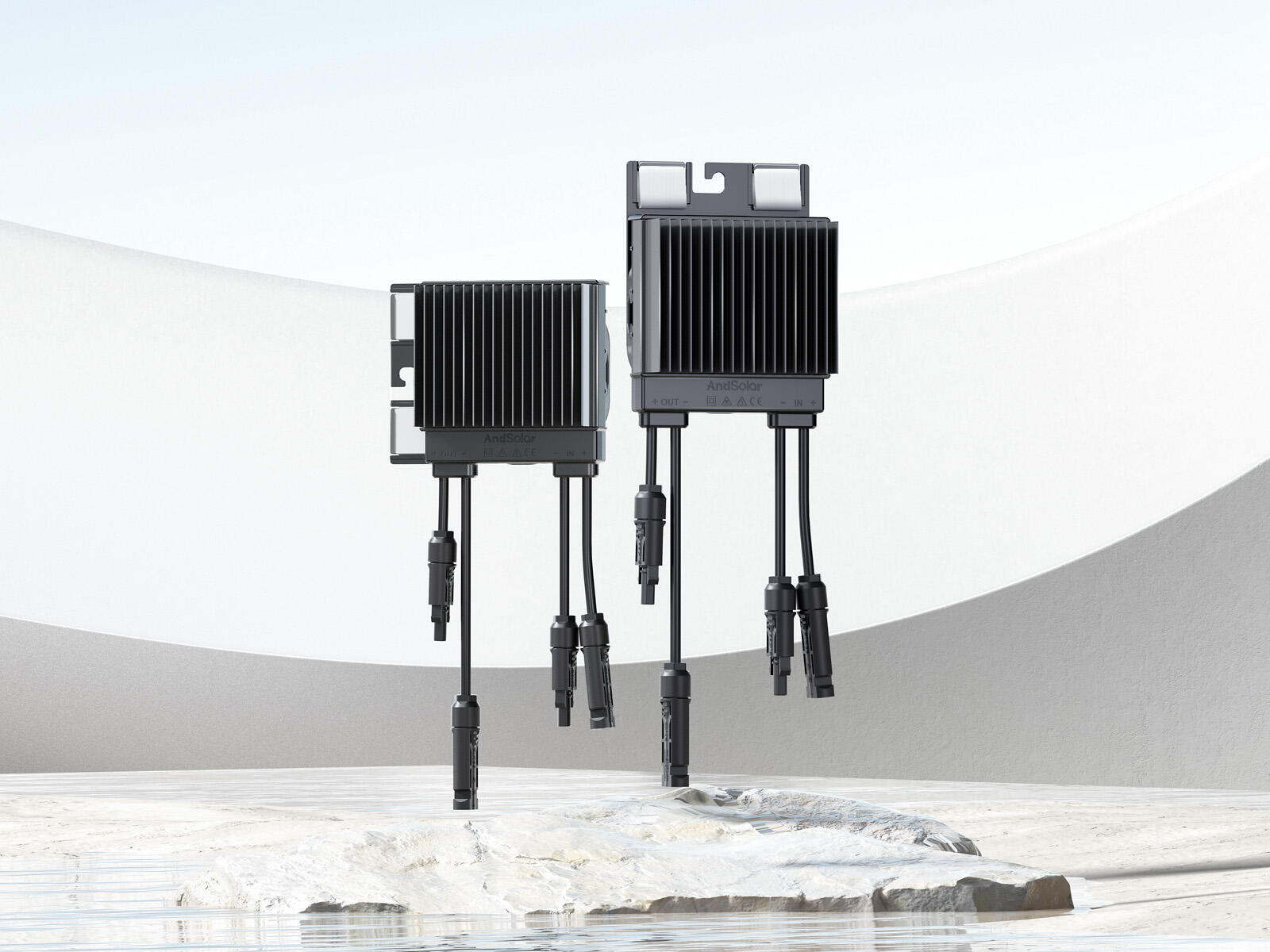
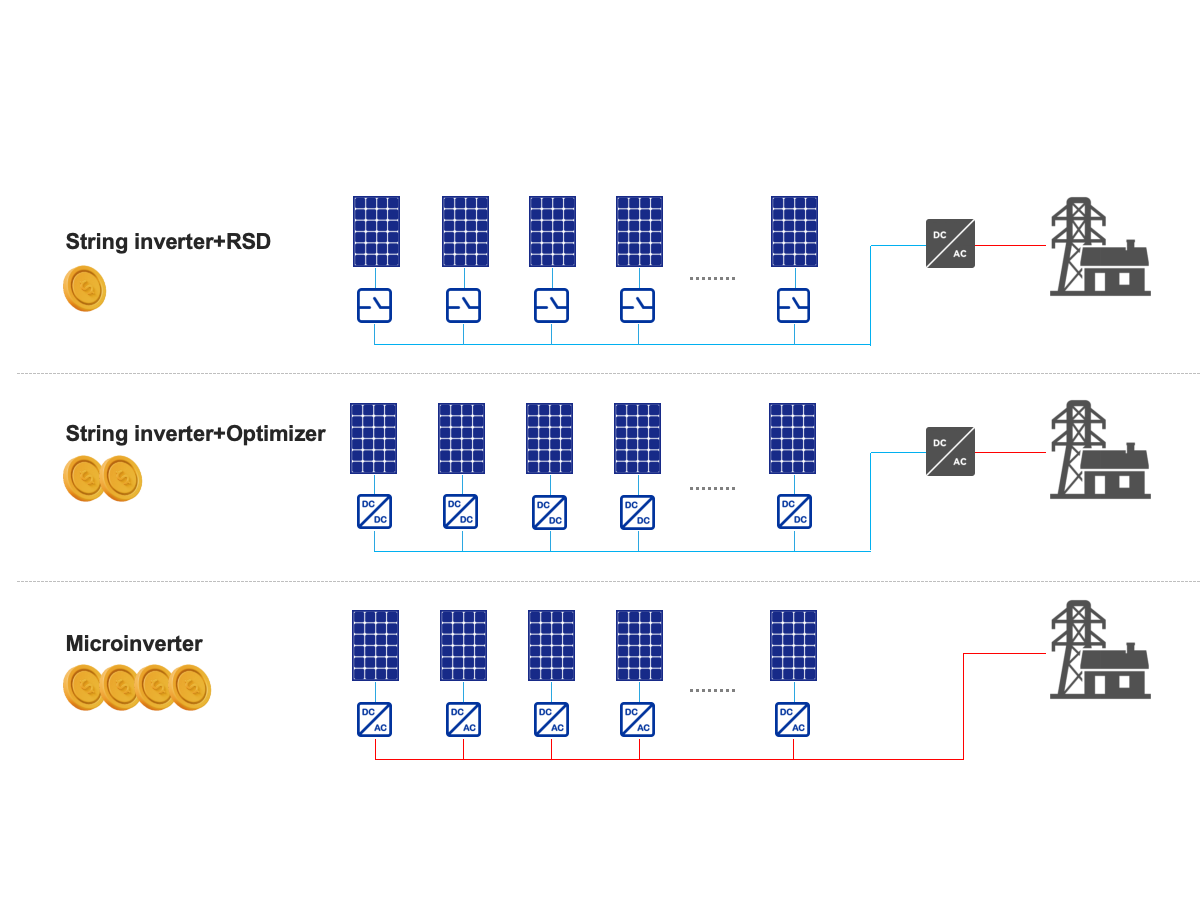
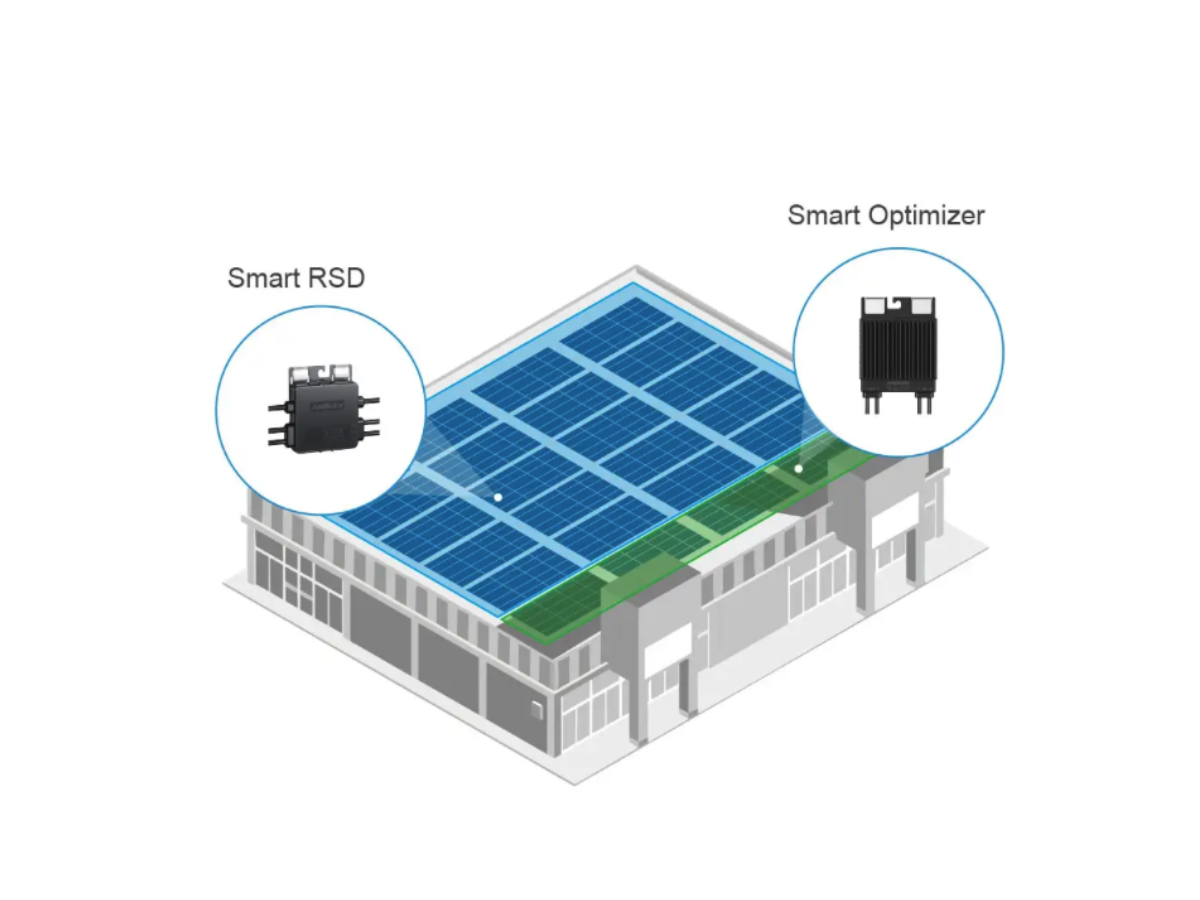
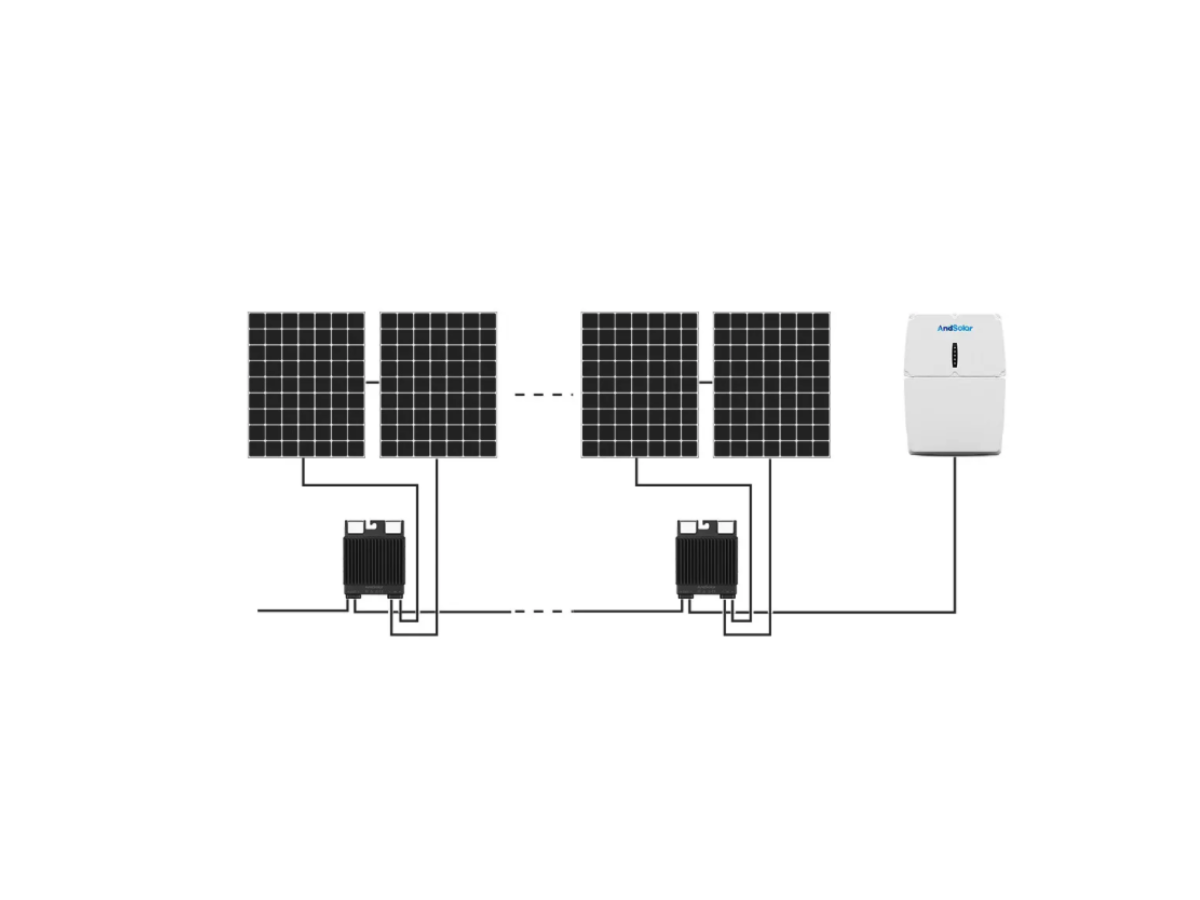
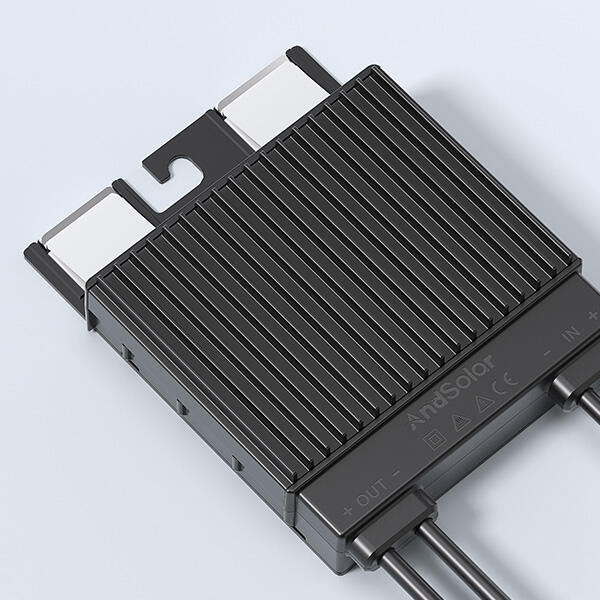
Solar optimizer compatibility represents a crucial technological advancement that enables seamless integration between power optimizers and various solar energy system components. This sophisticated compatibility framework ensures that different manufacturers' equipment can work together harmoniously, maximizing energy production while maintaining system reliability. Solar optimizer compatibility encompasses the ability of power optimizers to communicate effectively with inverters, monitoring systems, and other critical infrastructure components within photovoltaic installations. The primary functions of solar optimizer compatibility include voltage regulation, power conditioning, maximum power point tracking optimization, and real-time performance monitoring across diverse equipment brands. This compatibility extends beyond basic electrical connections to include communication protocols, software integration, and data exchange standards that enable comprehensive system management. Modern solar optimizer compatibility incorporates advanced technological features such as multi-vendor protocol support, automated configuration detection, and adaptive power management algorithms. These systems utilize standardized communication interfaces like RS485, CAN bus, and wireless protocols to maintain consistent data flow between components. The technological architecture supports both legacy systems and cutting-edge equipment, ensuring long-term investment protection. Applications for solar optimizer compatibility span residential rooftop installations, commercial building arrays, utility-scale solar farms, and specialized installations like agrivoltaics or floating solar systems. This versatility makes solar optimizer compatibility essential for installers working with mixed equipment scenarios or customers requiring specific brand preferences. The compatibility framework also supports future system expansions, allowing property owners to add components from different manufacturers without compromising performance or warranty coverage. Furthermore, solar optimizer compatibility facilitates easier maintenance procedures, as technicians can work with familiar interfaces regardless of the specific equipment brands involved, reducing service costs and improving system uptime across diverse installations.
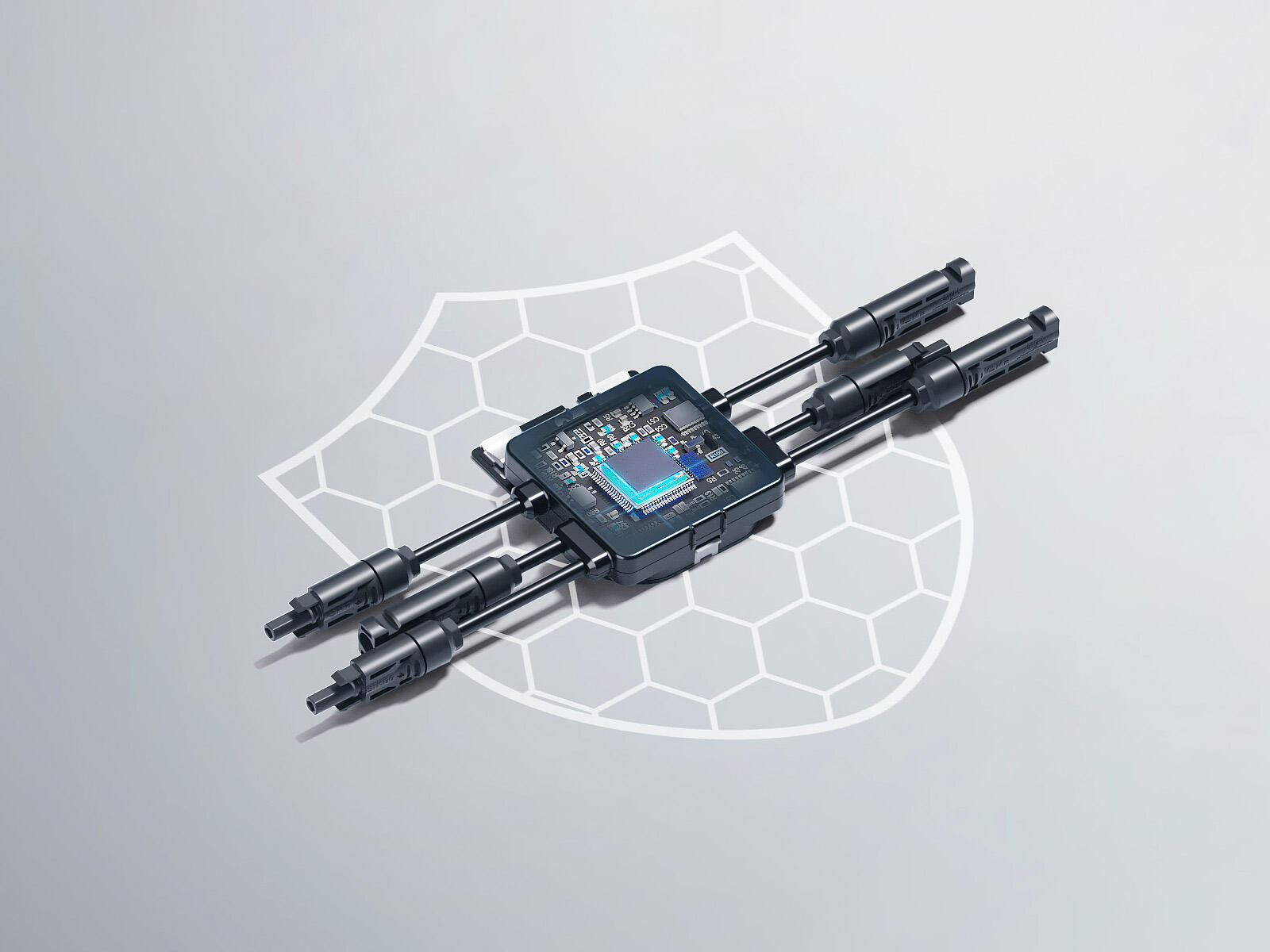
Solar optimizer compatibility delivers substantial benefits that directly impact system performance, cost-effectiveness, and long-term reliability for property owners and installers alike. The most significant advantage lies in enhanced flexibility during system design and component selection, allowing customers to choose best-in-class equipment from different manufacturers without worrying about integration issues. This flexibility translates into better pricing opportunities, as installers can source components competitively rather than being locked into single-vendor solutions. Solar optimizer compatibility reduces installation complexity by eliminating the need for custom integration work, which saves both time and labor costs during project deployment. Property owners benefit from improved system monitoring capabilities, as compatible optimizers provide comprehensive performance data that integrates seamlessly with existing monitoring platforms. This enhanced visibility enables proactive maintenance scheduling and rapid issue identification, ultimately protecting the solar investment through optimized uptime. Another crucial advantage of solar optimizer compatibility is simplified troubleshooting and maintenance procedures, as technicians can use standardized diagnostic tools and procedures across different equipment brands. This consistency reduces service call duration and minimizes system downtime, ensuring maximum energy production throughout the system's operational lifetime. The compatibility framework also supports future system upgrades and expansions, allowing property owners to add capacity or replace components without requiring complete system overhauls. This scalability protects long-term investments and accommodates changing energy needs over time. Solar optimizer compatibility facilitates better warranty coverage, as manufacturers can provide support for their products within mixed-vendor systems without compatibility concerns affecting coverage terms. Additionally, the standardized communication protocols enable advanced grid services and smart home integration, positioning systems for future energy market participation. The compatibility approach also enhances system resilience by providing redundancy options and reducing single points of failure that could compromise overall performance. For commercial and utility-scale installations, solar optimizer compatibility enables more sophisticated energy management strategies, including demand response participation and grid stabilization services that can generate additional revenue streams for system owners.

New Product Recommendations

Universal Integration Capabilities

Universal Integration Capabilities

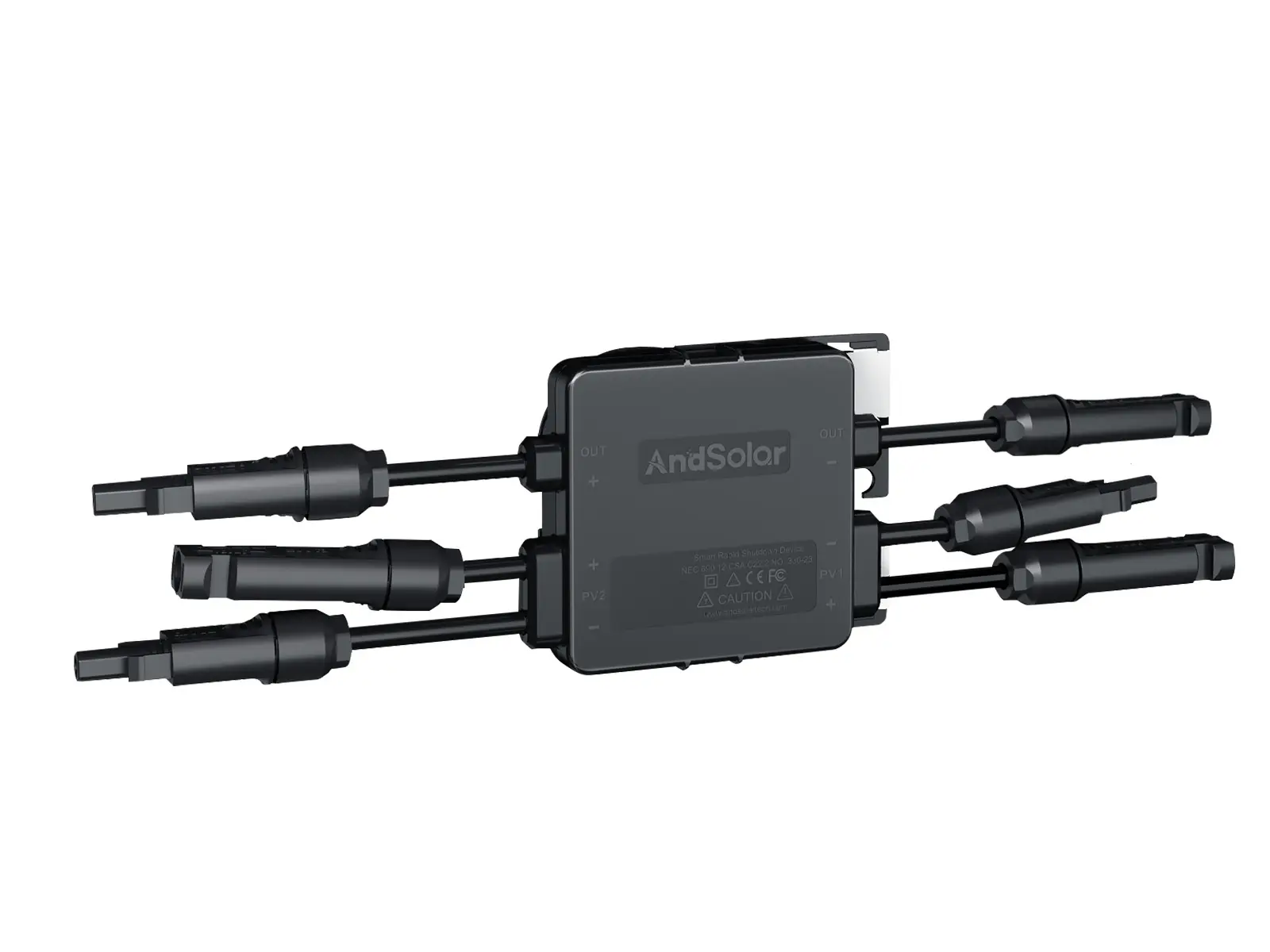
Solar optimizer compatibility revolutionizes system integration through its universal communication architecture that seamlessly connects components from multiple manufacturers. This groundbreaking capability eliminates traditional barriers between different equipment brands, enabling installers to create optimal system configurations without being constrained by vendor-specific limitations. The universal integration framework incorporates multiple communication protocols simultaneously, including industry standards like Modbus, SunSpec, and proprietary protocols from major manufacturers. This multi-protocol support ensures that solar optimizer compatibility works effectively with existing infrastructure while accommodating future technological developments. The integration capabilities extend beyond basic data exchange to include synchronized control functions, enabling coordinated responses to grid conditions and system optimization commands. Property owners benefit significantly from this universal approach, as it provides access to the best components available in the market rather than forcing compromises based on compatibility restrictions. The technology automatically detects and configures connections with compatible devices, reducing installation time and eliminating configuration errors that could impact system performance. This plug-and-play functionality makes solar optimizer compatibility particularly valuable for retrofit projects where existing equipment must be integrated with new components. The universal integration also supports advanced features like string-level monitoring, individual panel optimization, and coordinated shutdown procedures that enhance both performance and safety. For commercial installations, this capability enables sophisticated energy management strategies that can optimize production based on real-time pricing signals and grid conditions. The integration architecture is designed to be future-proof, with over-the-air update capabilities that ensure continued compatibility as standards evolve and new equipment becomes available. This forward-thinking approach protects customer investments by ensuring their systems remain current with technological advances without requiring hardware replacements or system redesigns that would otherwise be necessary with proprietary solutions.
Enhanced Performance Monitoring and Diagnostics

Enhanced Performance Monitoring and Diagnostics

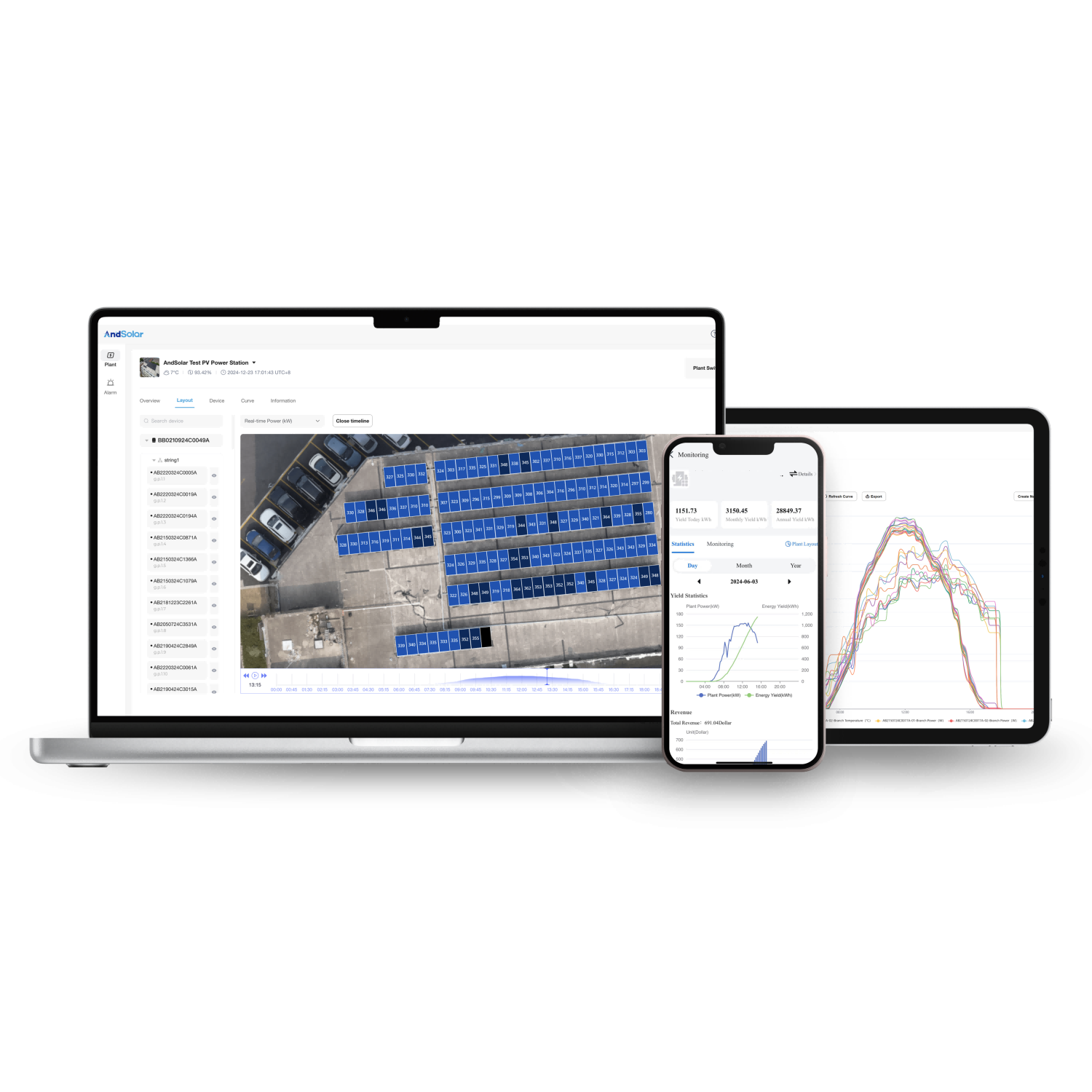
Solar optimizer compatibility delivers unprecedented visibility into system performance through its comprehensive monitoring and diagnostic capabilities that work across diverse equipment configurations. This advanced monitoring framework provides real-time data collection from every component in the system, regardless of manufacturer, creating a unified performance dashboard that simplifies system management for both installers and property owners. The diagnostic capabilities built into solar optimizer compatibility include predictive analytics that can identify potential issues before they impact system performance, enabling proactive maintenance strategies that minimize downtime and maximize energy production. This monitoring system tracks critical parameters including voltage, current, temperature, and power output at both individual panel and system levels, providing detailed insights that help optimize performance over time. Property owners benefit from mobile applications and web-based portals that present system data in easy-to-understand formats, allowing them to monitor their investment's performance and identify opportunities for improvement. The diagnostic features include automated alert systems that notify users of performance deviations, weather impacts, and maintenance requirements, ensuring timely responses to system needs. Solar optimizer compatibility enables historical data analysis that reveals long-term trends and seasonal patterns, helping owners understand their system's behavior and plan for optimal energy usage. The monitoring capabilities also support remote troubleshooting, allowing technicians to diagnose many issues without site visits, reducing service costs and response times. For commercial installations, the enhanced monitoring provides detailed reporting capabilities that support energy management decisions and demonstrate return on investment to stakeholders. The diagnostic system integrates with building management systems and energy management platforms, enabling automated responses to system conditions and optimization of energy consumption patterns. Advanced analytics features include performance benchmarking against similar systems, weather normalization, and degradation analysis that helps predict long-term system behavior. This comprehensive monitoring approach ensures that solar optimizer compatibility delivers maximum value by maintaining peak performance throughout the system's operational lifetime while providing the data needed for informed decision-making about maintenance, upgrades, and energy management strategies.
Scalable Architecture for Future Expansion

Scalable Architecture for Future Expansion

Solar optimizer compatibility features a scalable architecture that accommodates system growth and technological evolution while protecting existing investments through its flexible and expandable design framework. This scalability ensures that property owners can start with smaller installations and expand their systems over time without requiring complete replacements or extensive modifications to existing equipment. The architecture supports both horizontal scaling through additional panel installations and vertical scaling through enhanced functionality and upgraded components. Solar optimizer compatibility maintains consistent performance standards regardless of system size, ensuring that expanded installations deliver the same high-quality results as initial deployments. The scalable design incorporates modular communication networks that can accommodate additional devices without impacting existing system performance or requiring network reconfiguration. Property owners benefit from this approach through reduced expansion costs and simplified upgrade procedures that protect their initial investments while enabling system growth. The architecture includes built-in capacity for future technologies, ensuring that new developments in solar energy can be integrated seamlessly without requiring fundamental system changes. This forward-compatibility approach positions systems for participation in emerging energy markets and grid services that may become available over time. The scalable framework also supports different installation phases, allowing large projects to be implemented in stages while maintaining full functionality throughout the deployment process. For commercial and industrial applications, this capability enables phased investments that align with budget cycles and energy demand growth patterns. The architecture includes provisions for energy storage integration, electric vehicle charging, and other complementary technologies that may be added to enhance system value. Solar optimizer compatibility ensures that communication bandwidth and processing capacity scale appropriately with system size, preventing performance bottlenecks that could limit system effectiveness. The design also incorporates redundancy features that enhance system reliability as installations grow larger and more complex. Advanced load balancing capabilities ensure optimal performance distribution across expanded systems, maintaining efficiency standards regardless of configuration complexity. This scalable approach extends to maintenance and service capabilities, with diagnostic systems that adapt to larger installations while maintaining the detailed monitoring and control features that make solar optimizer compatibility so effective for system management and optimization purposes.

Get a Free Quote

Our representative will contact you soon.
Name
Email
Phone/ WhatsApp
Company Name
Product Selection
Message
0/1000

solar optimizer compatibility

Tips And Tricks

The Role of MLPE in PV Systems.

30

Jun

The Role of MLPE in PV Systems.

Understanding MLPE in Solar PV Systems Defining MLPE Technologies MLPE, (Module-Level Power Electronics), is a crucial factor in increasing the performance of a solar PV system. This includes technology like microinverters and DC optimize...
View More
Why rapid shutdown device necessary for PV system

21

Jul

Why rapid shutdown device necessary for PV system

Enhancing Solar Safety through Smart Shutdown Solutions The solar industry has evolved tremendously over the past decade, with increasing attention not only to efficiency and performance but also to safety and regulatory compliance. One of the most ...
View More
How Does the Rapid Shutdown Policy Improve Solar Safety Standards?

13

Aug

How Does the Rapid Shutdown Policy Improve Solar Safety Standards?

Strengthening Solar Power Systems Through Advanced Safety Measures In the rapidly expanding solar industry, safety has emerged as one of the most critical aspects of system design and operation. As more residential, commercial, and utility-scale inst...
View More
Understanding ABNT NBR 17193:2025 & Rapid Shutdown: Everything You Need to Know

23

Sep

Understanding ABNT NBR 17193:2025 & Rapid Shutdown: Everything You Need to Know

The Evolution of Solar Safety Standards in Brazil The solar energy landscape in Brazil is undergoing a significant transformation with the introduction of ABNT NBR 17193:2025, particularly focusing on rapid shutdown requirements. This revolutionary s...
View More

Get a Free Quote

Our representative will contact you soon.
Name
Email
Phone/ WhatsApp
Company Name
Product Selection
Message
0/1000