مُحسِّن طاقة على مستوى الوحدة
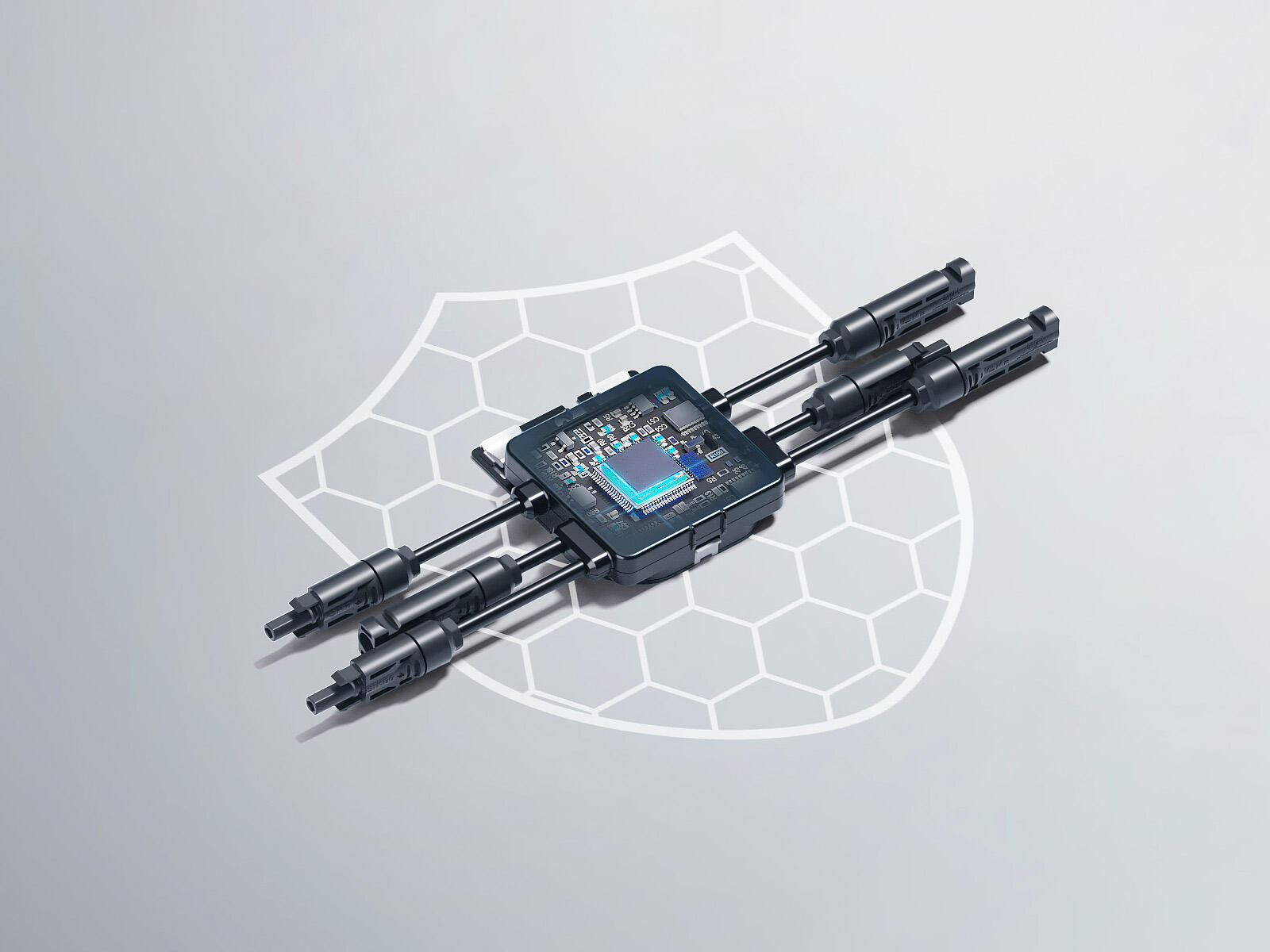
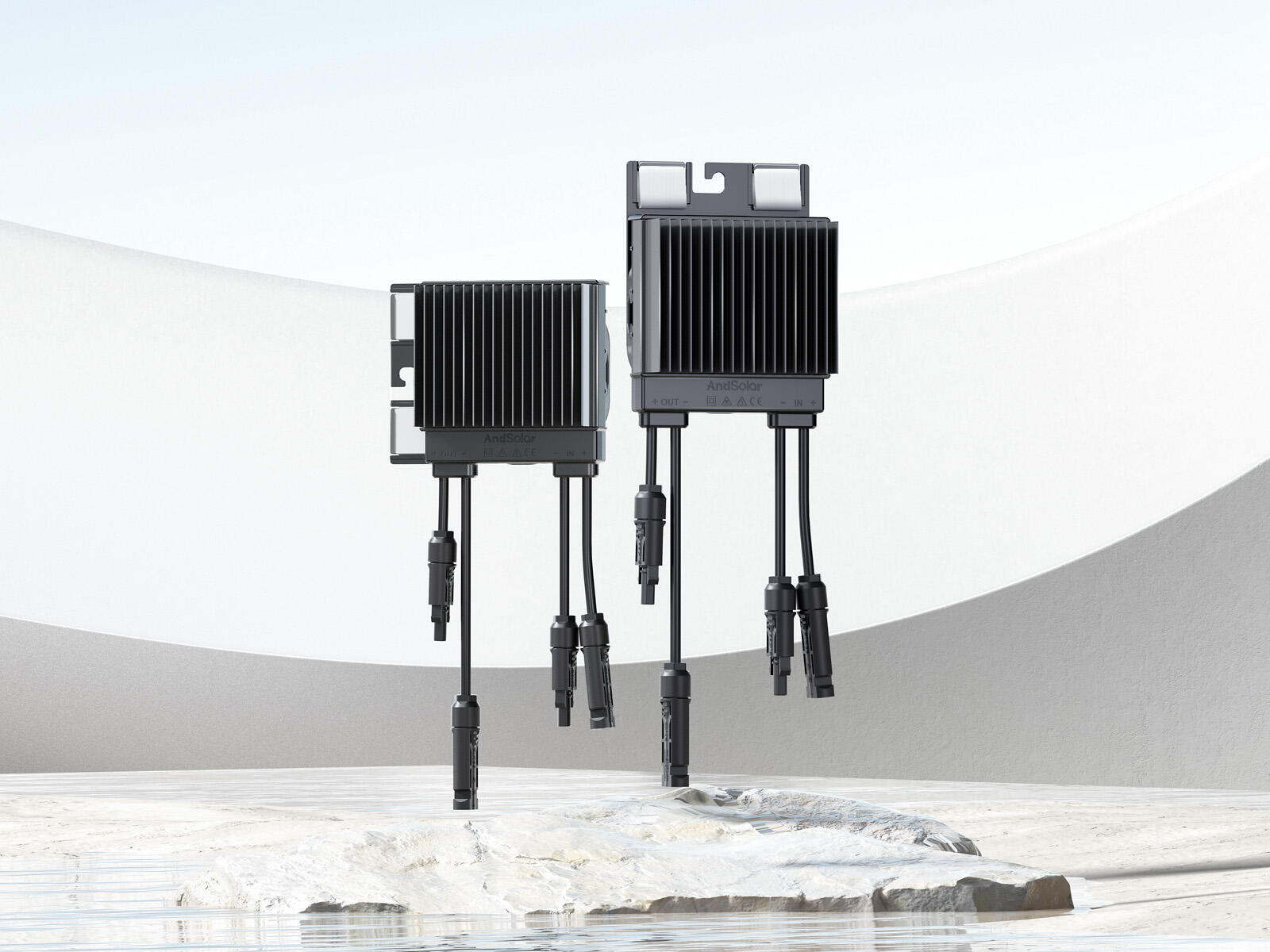
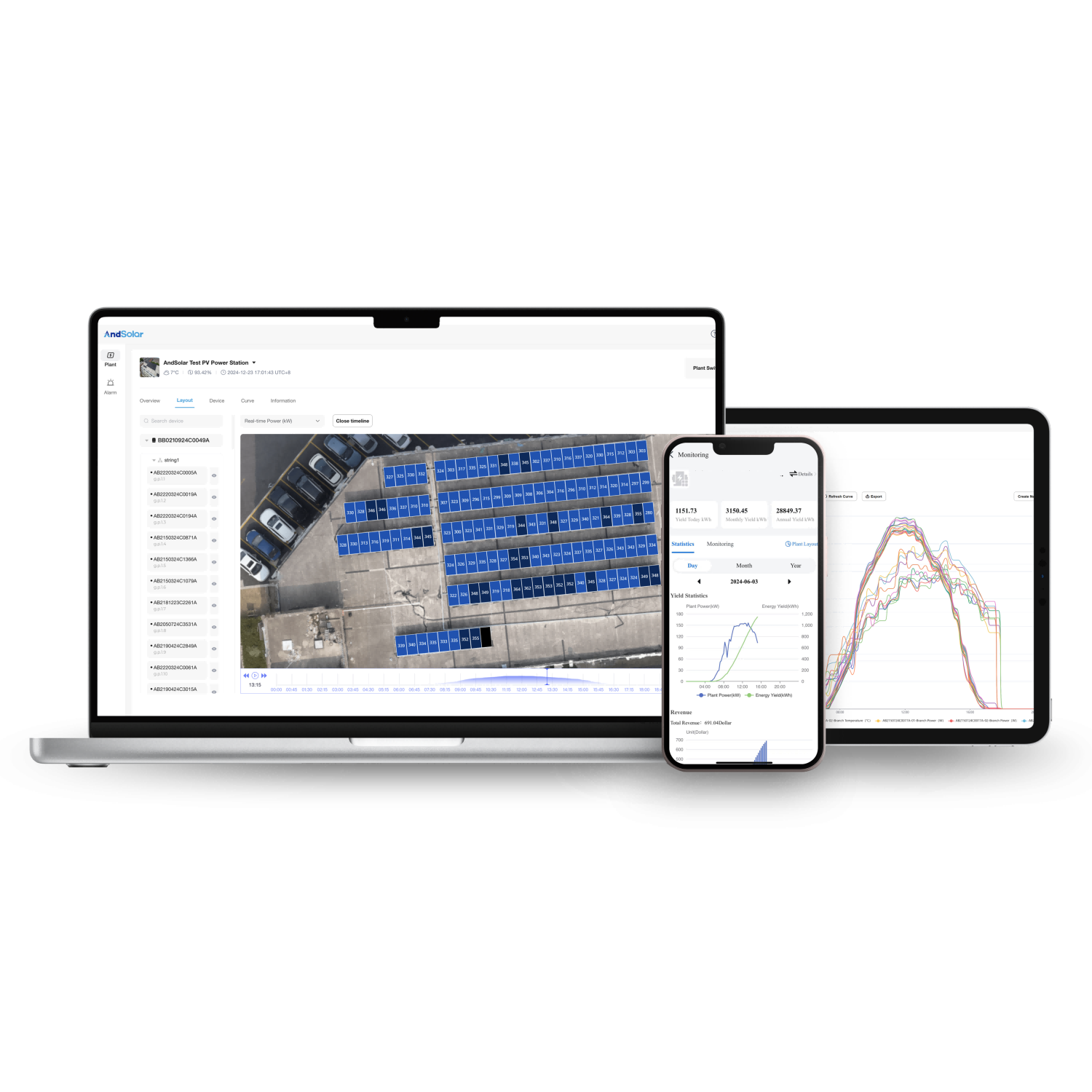
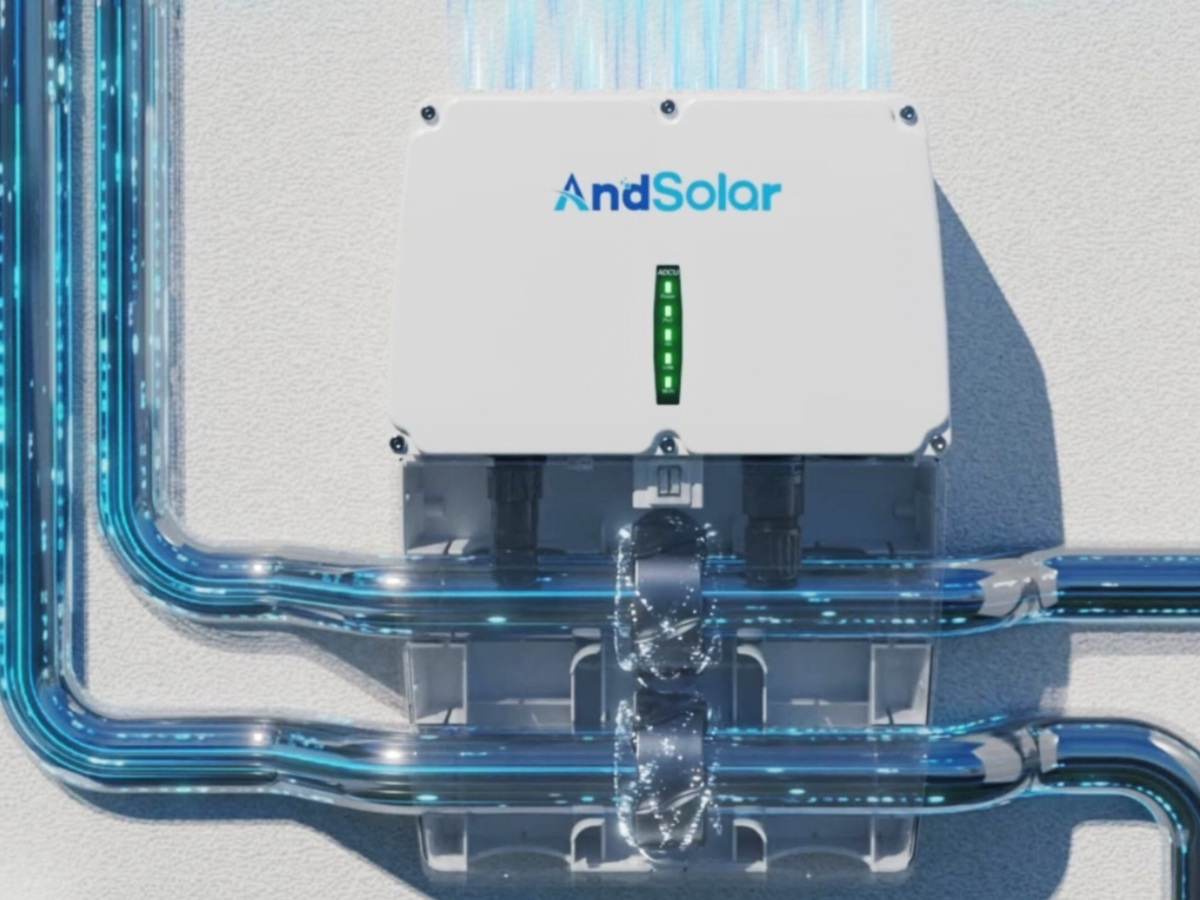
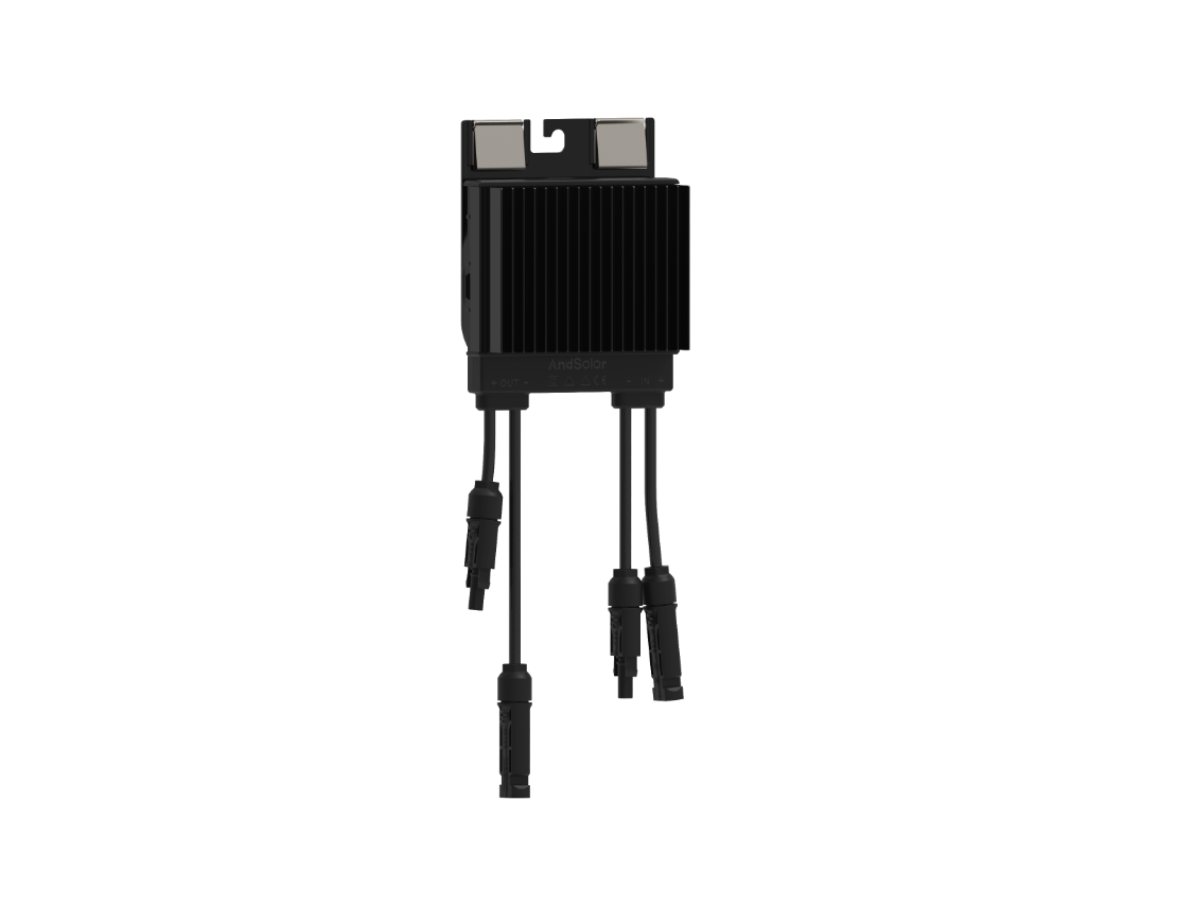
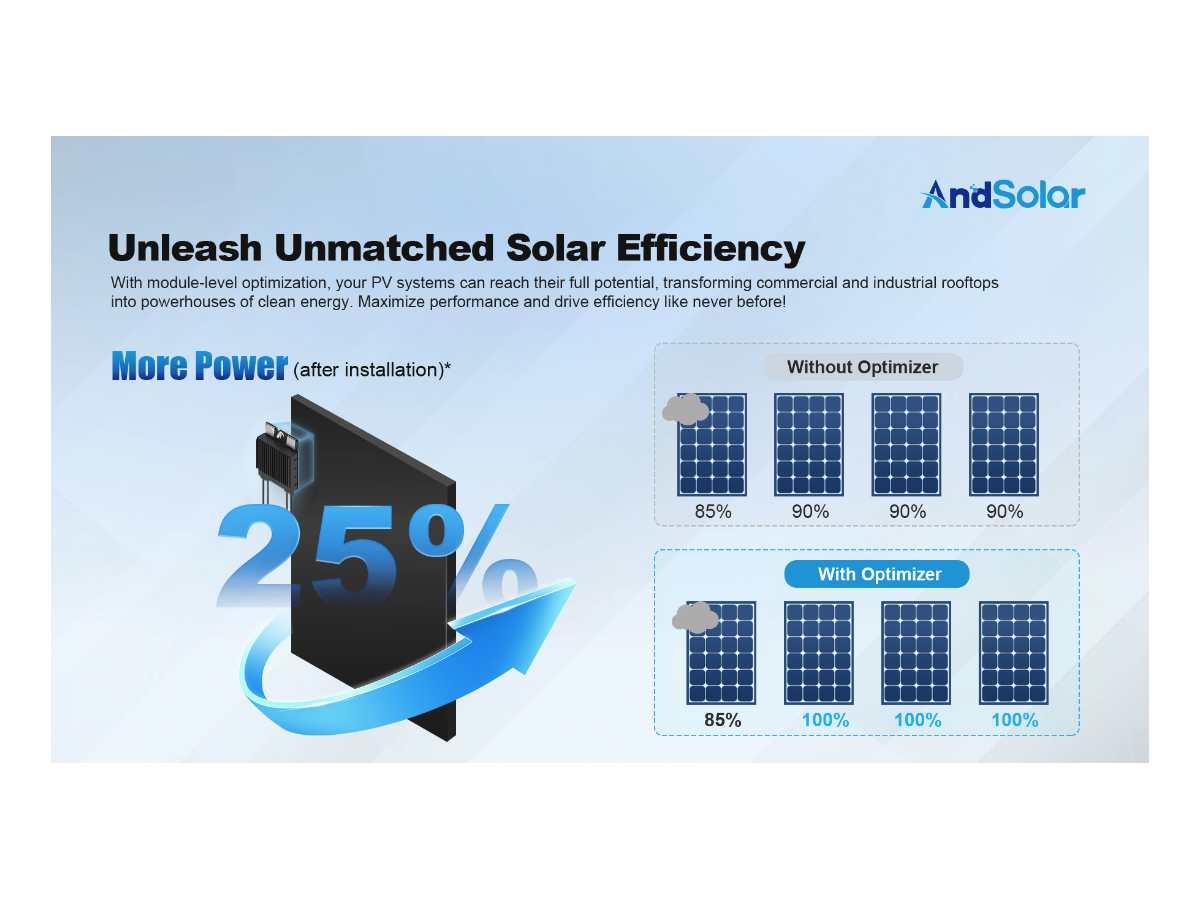
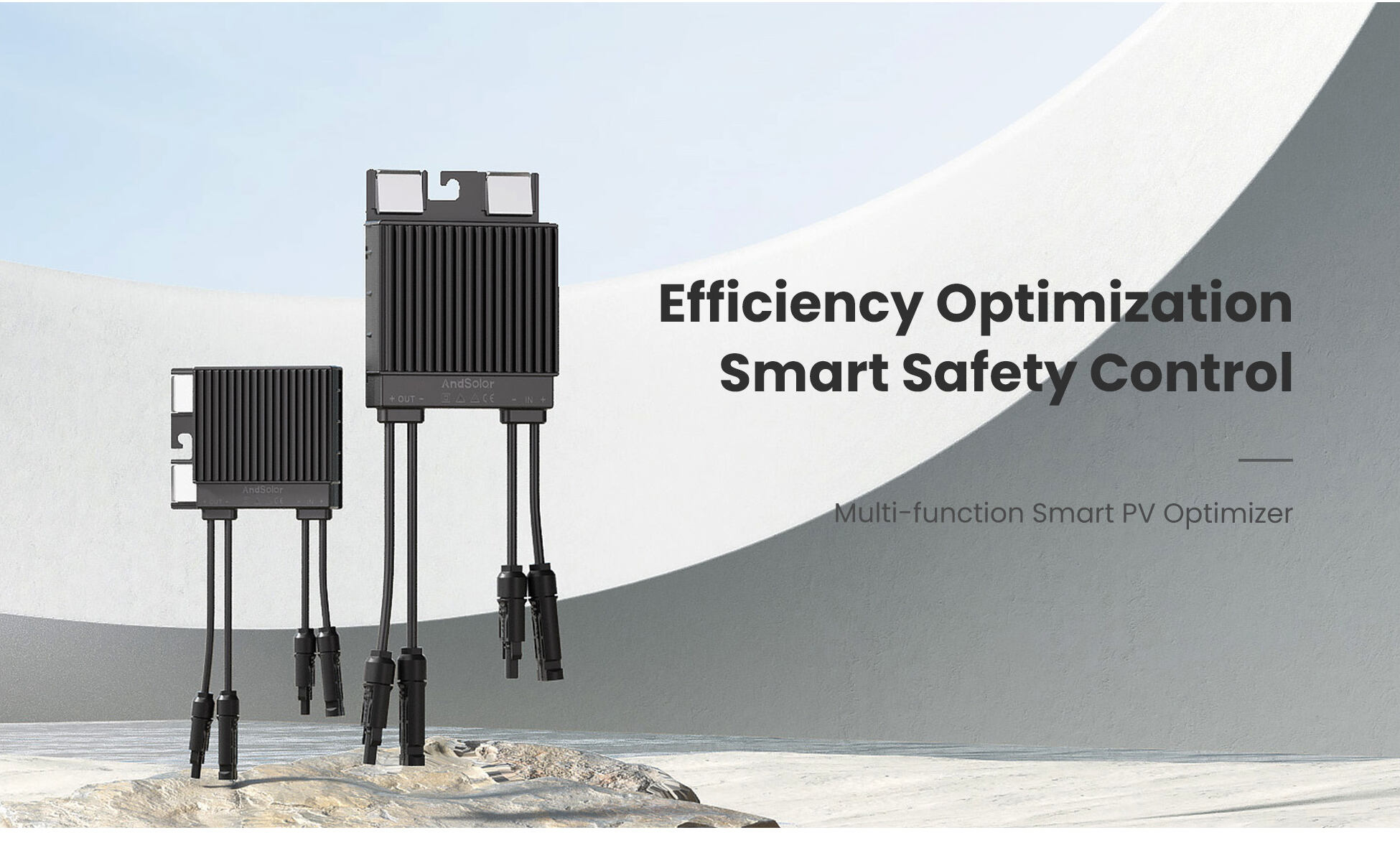
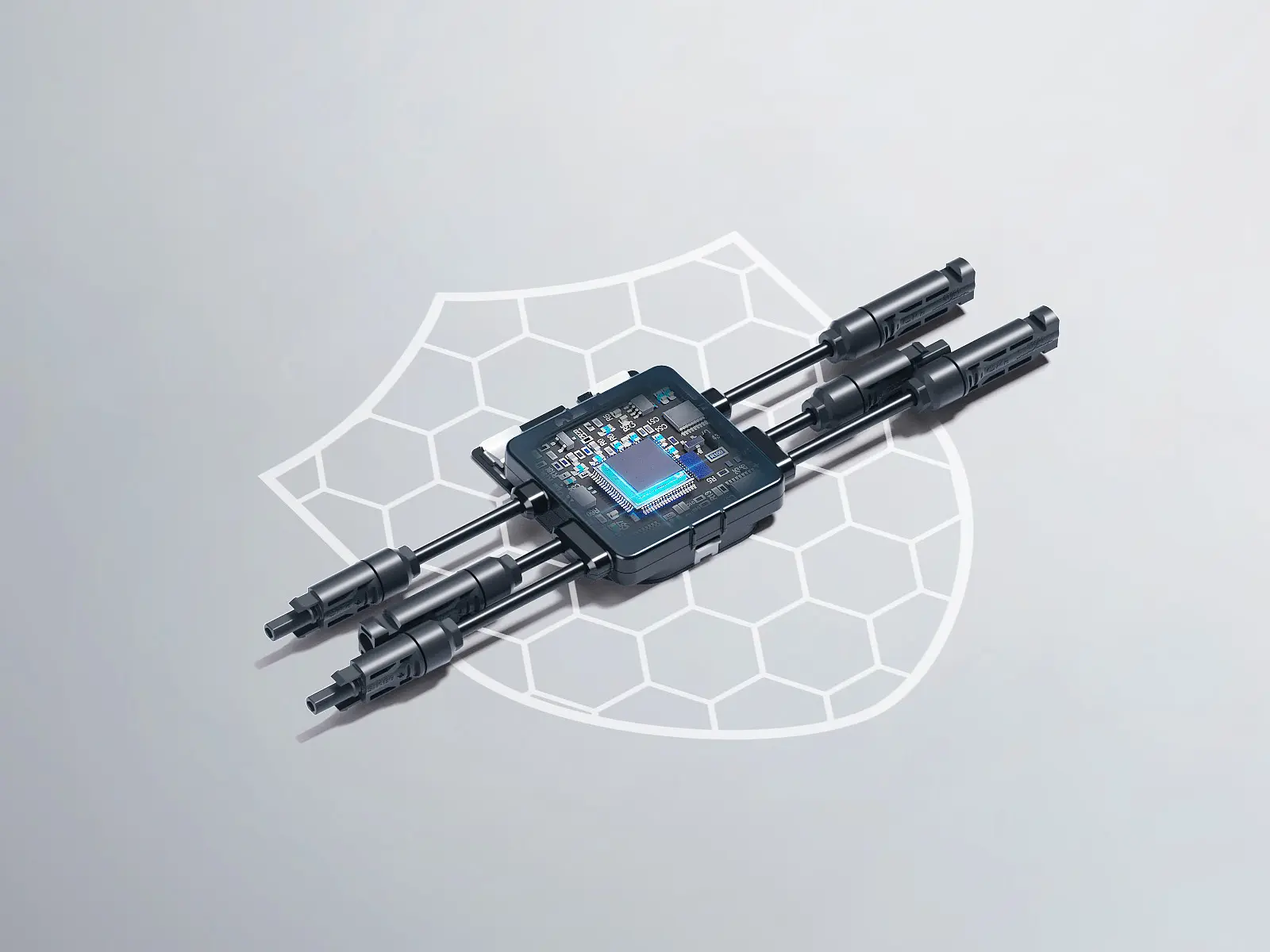
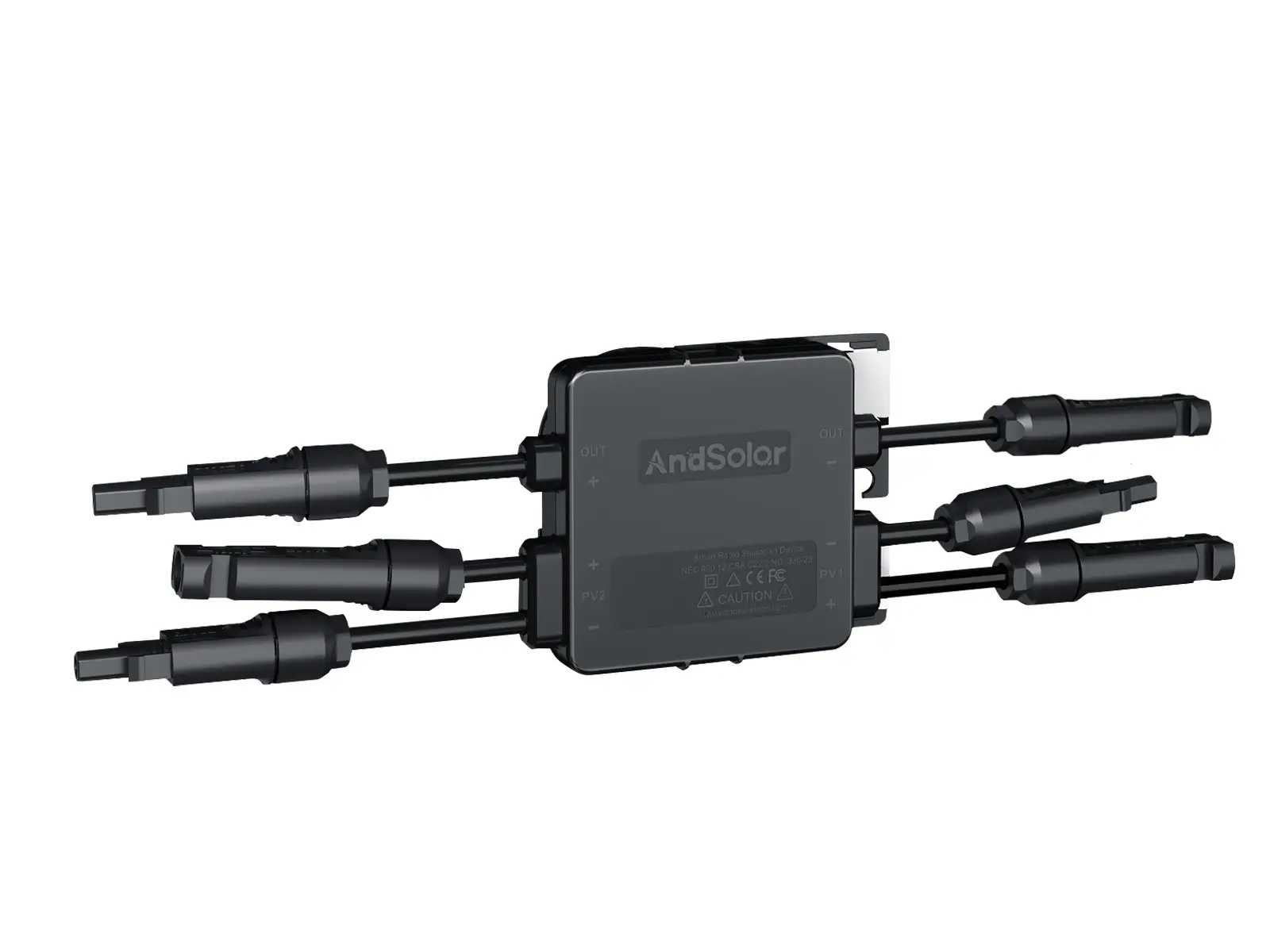
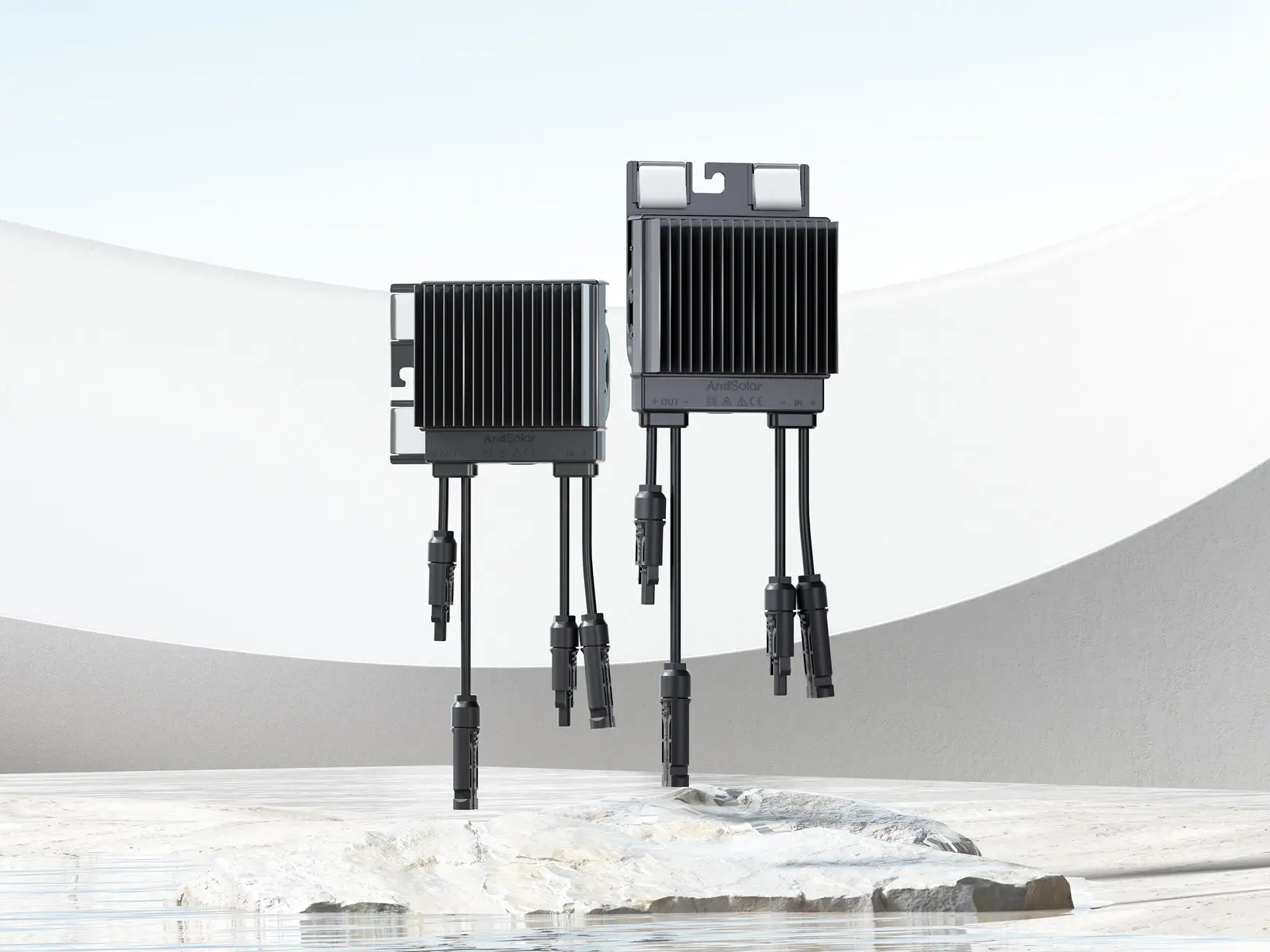
يُمثل مُحسِّن الطاقة على مستوى الوحدة تقدُّمًا ثوريًّا في تقنية الطاقة الشمسية، صُمِّم لتعظيم أداء وكفاءة الألواح الكهروضوئية الفردية داخل نظام صفائف الألواح الشمسية. ويعمل هذا الجهاز المتطور على مستوى اللوح، مما يضمن أن تعمل كل وحدة شمسية عند نقطة القدرة القصوى المثلى لها بغض النظر عن ظروف التظليل أو التراب والتلوث أو عدم التطابق بين الألواح، وهي العوامل التي كانت تقليديًّا تؤثر على أداء السلسلة بأكملها. ويضم مُحسِّن الطاقة على مستوى الوحدة تقنية متقدمة لتتبع نقطة القدرة القصوى (MPPT)، وقدرات رصدٍ متطورة، وميزات ذكية لتنقية الطاقة، ما يُغيِّر طريقة تقديم أنظمة الطاقة الشمسية للطاقة. وعلى عكس المحولات المتصلة بالسلاسل التقليدية التي تعامل عدة ألواح كوحدة واحدة، فإن مُحسِّن الطاقة على مستوى الوحدة يمكِّن كل لوحة شمسية من العمل بشكل مستقل، فيمنع الألواح ذات الأداء المنخفض من خفض إنتاجية النظام بأكمله. ويقوم هذا الجهاز برصد أداء كل لوحة على حدة باستمرار، وجَمع بيانات فورية عن الجهد والتيار ودرجة الحرارة ومعايير توليد الطاقة. وتوفِّر هذه القدرة الرصدية الدقيقة رؤية غير مسبوقة لأداء النظام، ما يمكِّن من الصيانة الاستباقية والكشف السريع عن المشكلات قبل أن تؤثِّر تأثيرًا كبيرًا على إنتاج الطاقة. ويتسم الهيكل التكنولوجي لمُحسِّنات الطاقة على مستوى الوحدة بالاندماج السلس مع أنظمة الطاقة الشمسية القائمة، وهو مزوَّد بعلب مقاومة للعوامل الجوية قوية مصمَّمة لتحمل الظروف البيئية القاسية لعقودٍ عديدة. وتستخدم هذه الأجهزة إلكترونيات طاقة متطورة لتنقية تيار التيار المستمر (DC) عند مصدره، مما يقلل من خسائر النقل ويزيد من كفاءة النظام ككل. ويمثِّل الجانب الأمني جانبًا حاسمًا آخر، إذ تتضمَّن مُحسِّنات الطاقة على مستوى الوحدة وظيفة الإيقاف السريع التي تقلِّل تلقائيًّا جهد التيار المستمر إلى مستويات آمنة أثناء حالات الطوارئ أو إجراءات الصيانة. وتشمل تطبيقات مُحسِّنات الطاقة على مستوى الوحدة المنشآت السكنية والتجارية ومشاريع المرافق العامة، وهي تتميَّز بشكل خاص في البيئات التي تضم تشكيلات سقف معقَّدة أو مشكلات تظليل جزئي أو اتجاهات مختلفة للألواح. كما تزداد مرونة التركيب بشكل كبير، ما يسمح لمصمِّمي الأنظمة الشمسية بمراعاة السمات المعمارية الصعبة، والمستويات المتعددة لأسطح المباني، والزوايا المختلفة للميل دون المساس بأداء النظام.