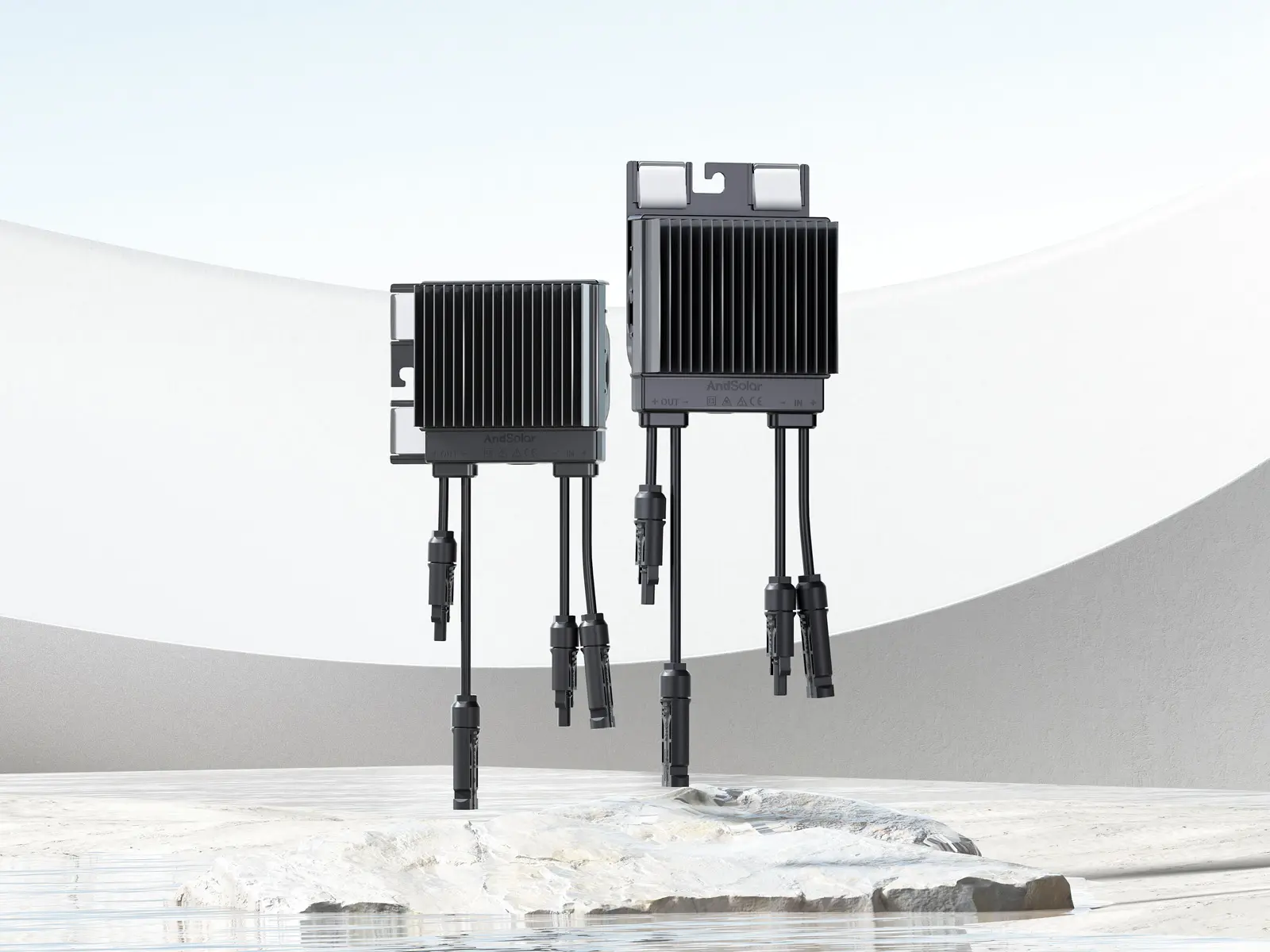
solar panel price
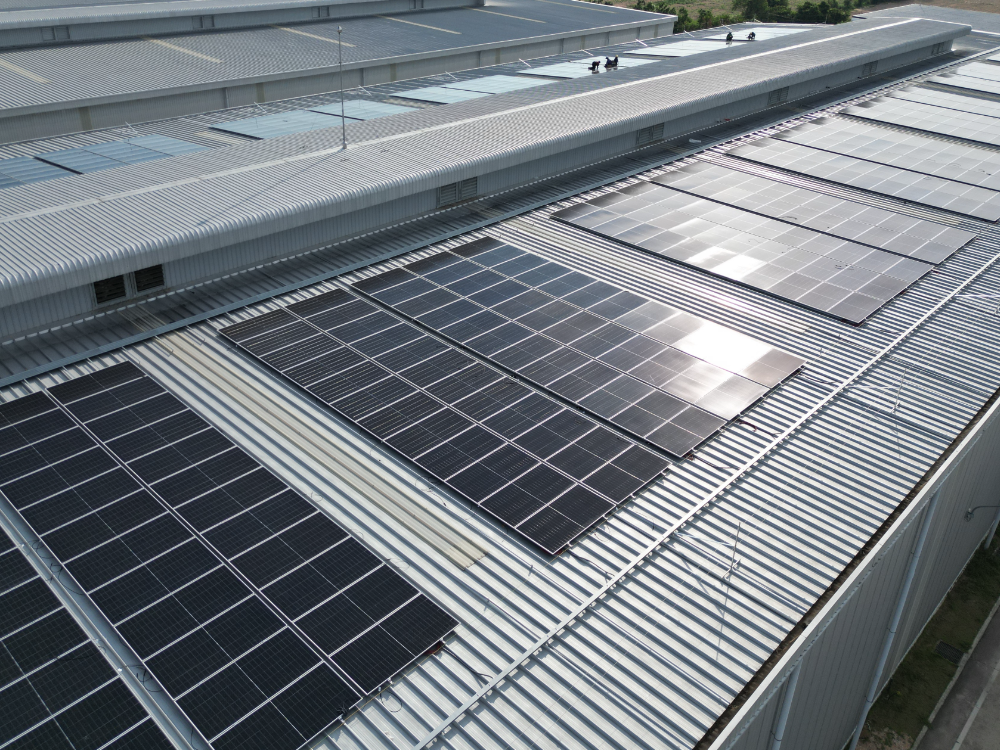
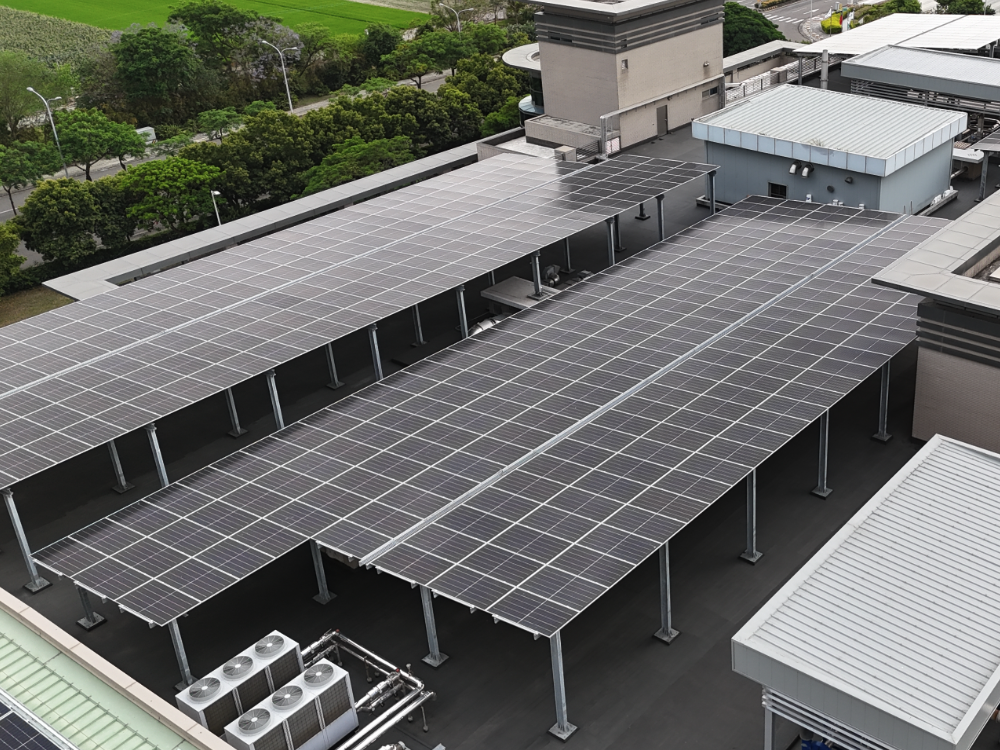
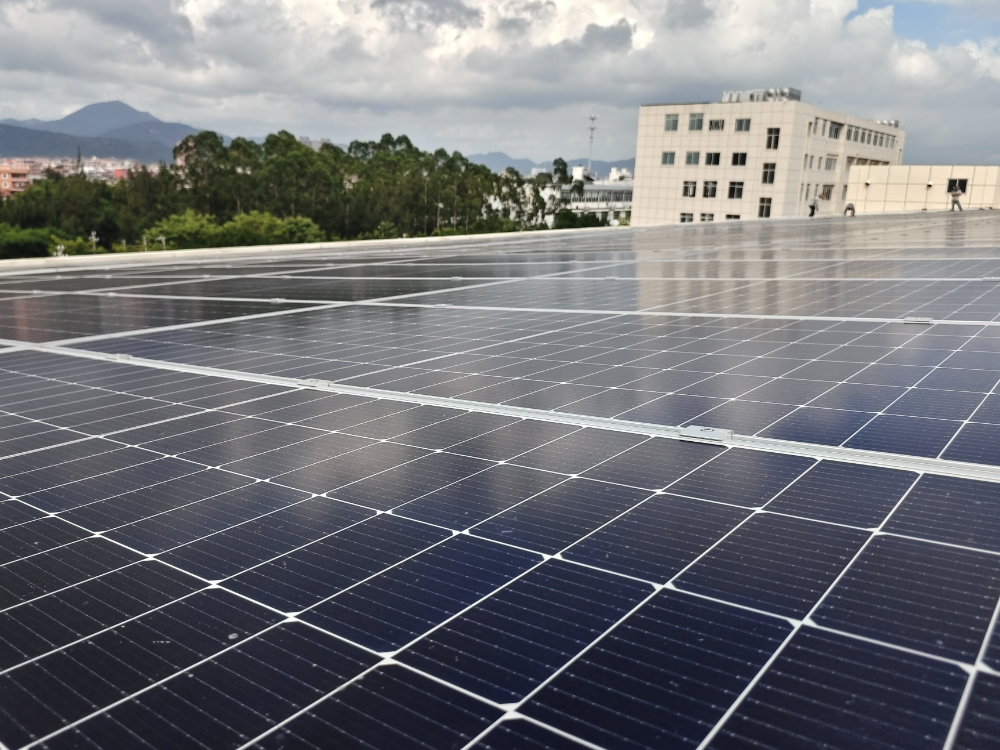
Understanding solar panel price dynamics has become increasingly important as homeowners and businesses explore renewable energy solutions. The solar panel price represents the cost investment required to harness the sun's energy and convert it into usable electricity for residential or commercial applications. Modern solar panels utilize photovoltaic technology, incorporating silicon-based cells that capture sunlight and transform it into direct current electricity, which is then converted to alternating current through inverters for household use. The solar panel price encompasses not only the panels themselves but also installation costs, inverters, mounting systems, wiring, and permits required for complete system functionality. Technological advances have significantly influenced solar panel price trends, with innovations in cell efficiency, manufacturing processes, and materials driving costs down while improving performance. Monocrystalline panels offer higher efficiency rates but command premium pricing, while polycrystalline options provide balanced performance at moderate solar panel price points. Thin-film technologies present budget-friendly alternatives with lower solar panel price structures, suitable for large-scale installations where space constraints are minimal. Applications span residential rooftop installations, commercial building integration, utility-scale solar farms, and off-grid systems for remote locations. The solar panel price varies based on system size, typically measured in kilowatts, with larger installations benefiting from economies of scale. Geographic location affects solar panel price through local incentives, labor costs, and installation complexity. Quality certifications and warranties significantly impact solar panel price, with premium manufacturers offering extended protection periods and performance guarantees. Energy production capacity directly correlates with solar panel price, as higher-efficiency models generate more electricity per square foot, maximizing return on investment over the system's 25-year lifespan.