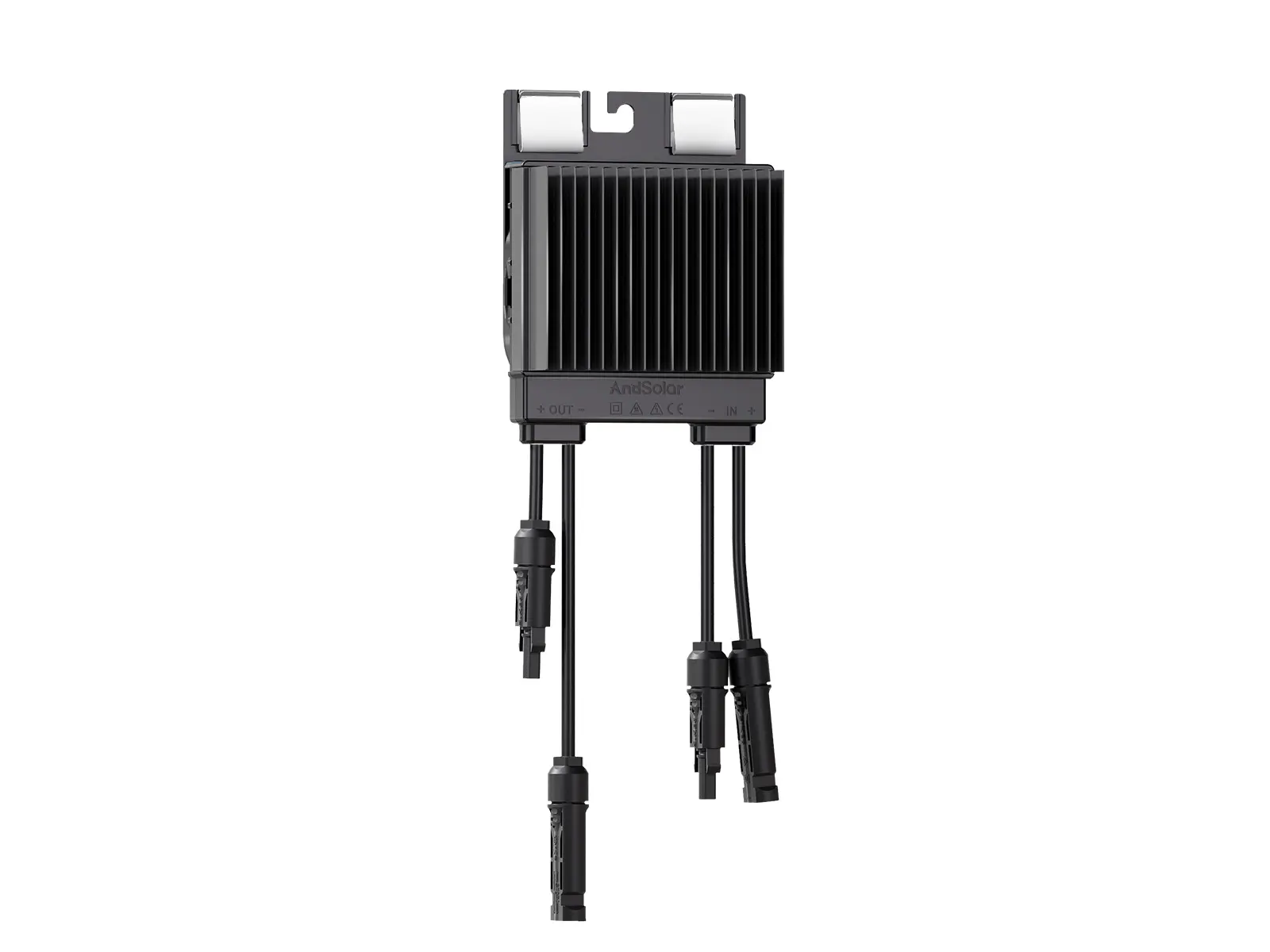
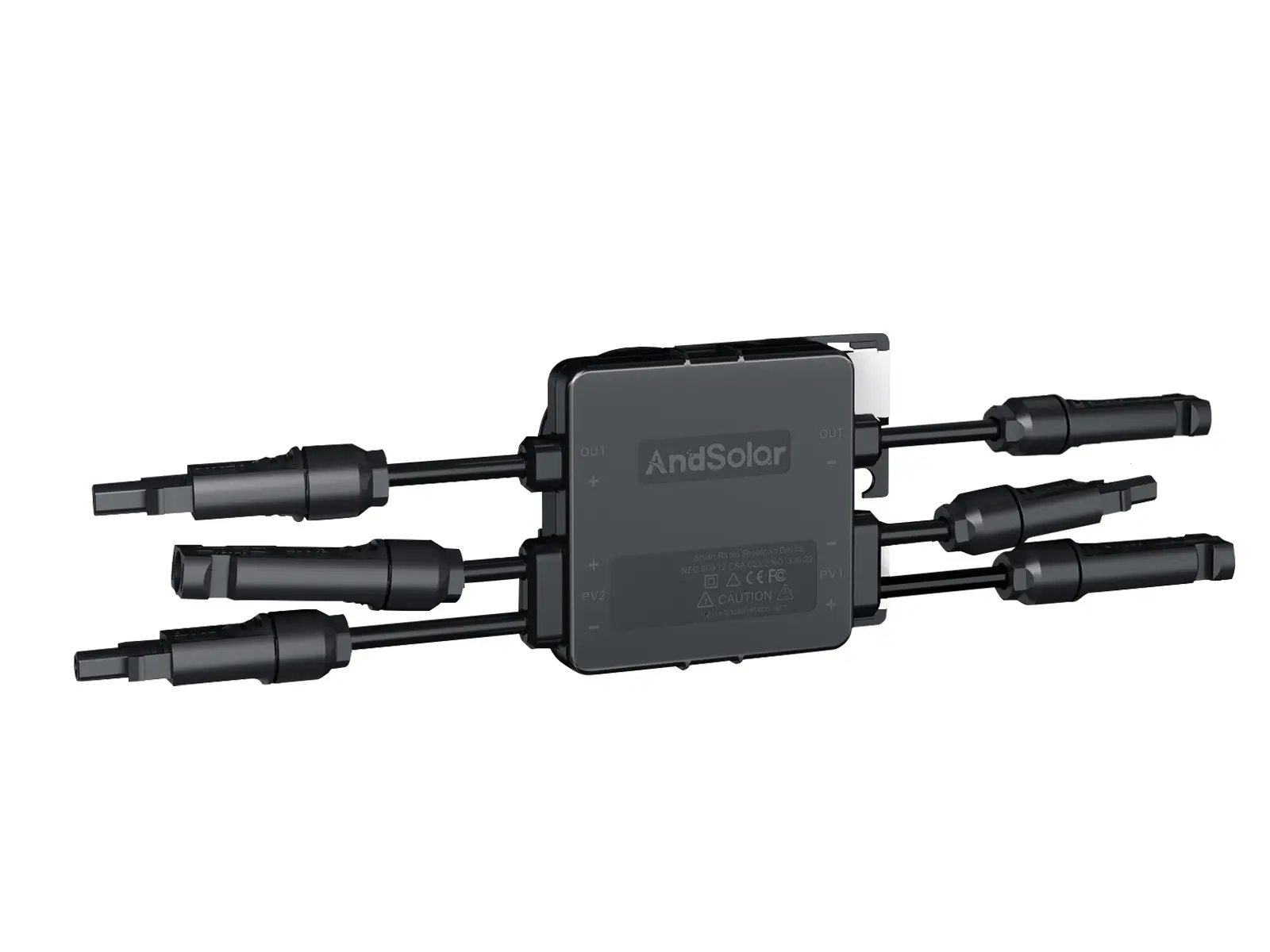
High-Efficiency Solar Panels: Advanced Technology for Maximum Energy Savings and Durability

  • 8F, Block B, Building 1, 286 Qinglonggang Road, Suzhou City, Jiangsu Province, P. R. China
  • [email protected]
AndSolar Cloud

solar panels

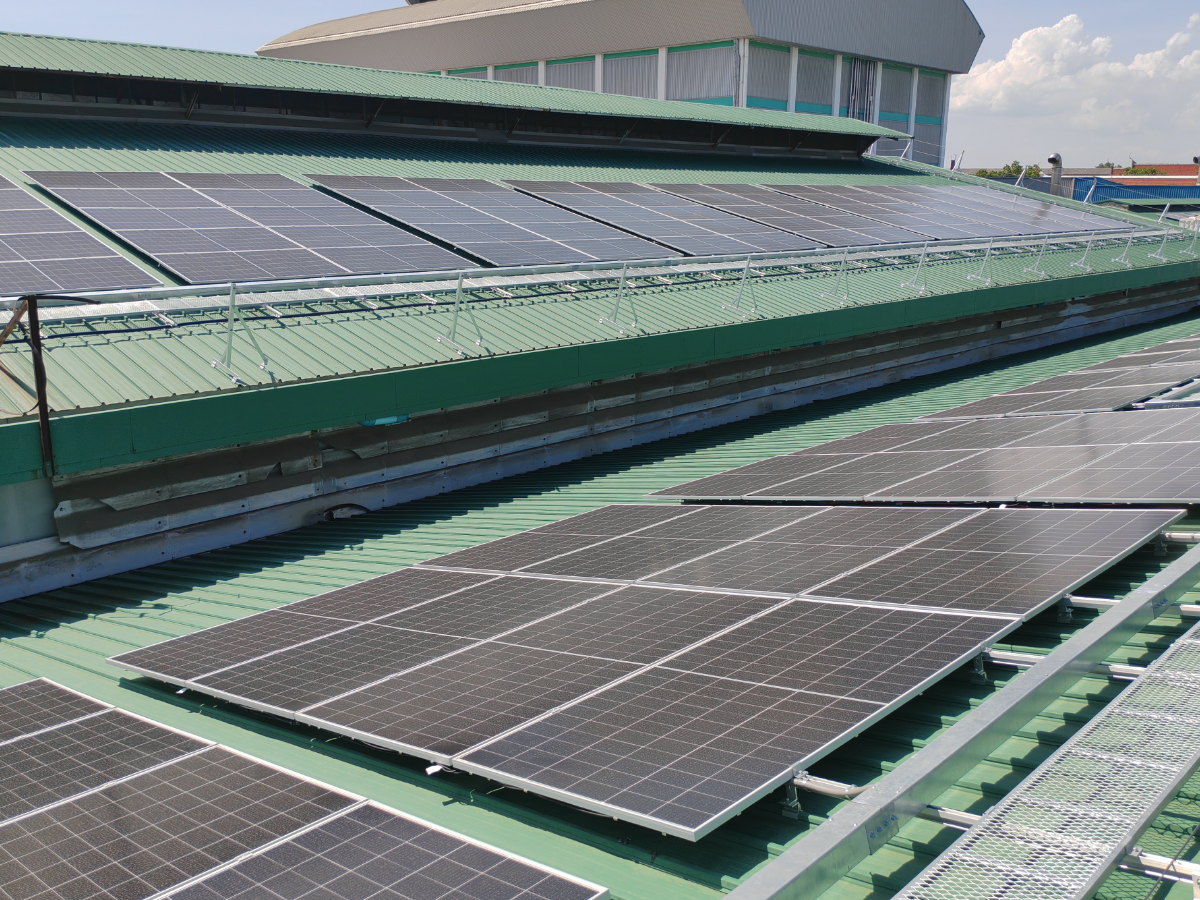
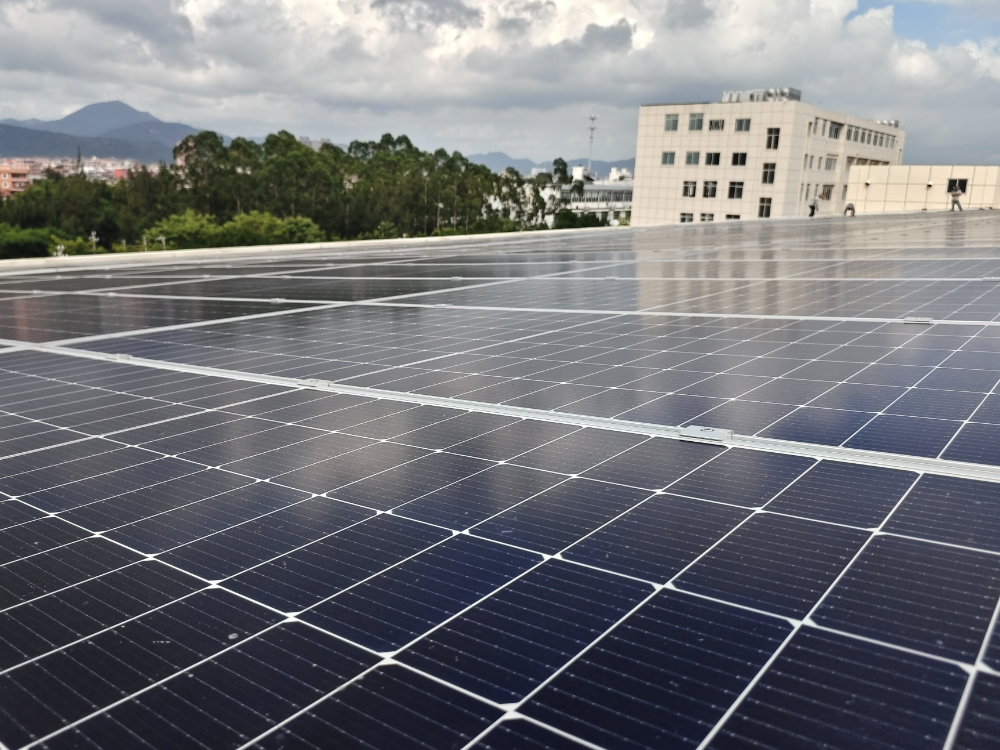
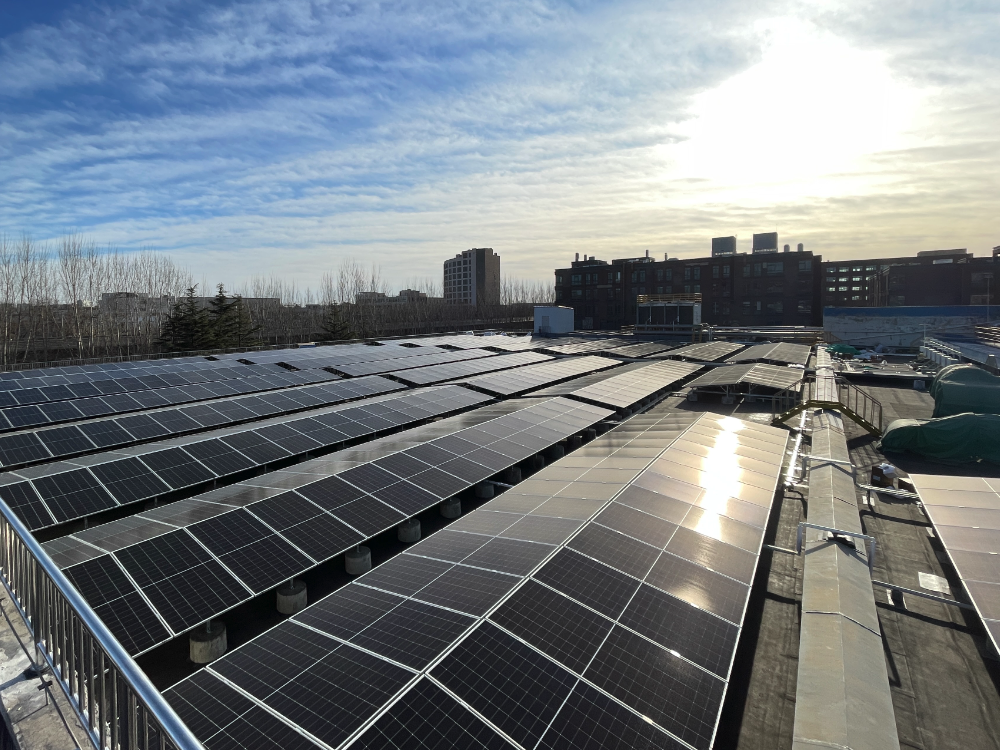
Solar panels represent one of the most revolutionary technologies in renewable energy, transforming sunlight directly into usable electricity through photovoltaic cells. These sophisticated devices harness the power of the sun to generate clean, sustainable energy for residential, commercial, and industrial applications. Modern solar panels consist of multiple photovoltaic cells, typically made from silicon, which convert photons from sunlight into electrical current through the photovoltaic effect. The main function of solar panels involves capturing solar radiation and converting it into direct current electricity, which is then processed through inverters to produce alternating current suitable for powering homes and businesses. Technological features of contemporary solar panels include advanced anti-reflective coatings that maximize light absorption, tempered glass surfaces for durability, and aluminum frames that provide structural integrity while remaining lightweight. Many modern solar panels incorporate bypass diodes to minimize power loss during partial shading conditions and feature junction boxes with MC4 connectors for secure electrical connections. The efficiency ratings of today's solar panels typically range from 15% to 22%, with premium models achieving even higher performance levels. Applications for solar panels span across numerous sectors, from residential rooftop installations that reduce household energy bills to large-scale solar farms that contribute megawatts of clean energy to the electrical grid. Solar panels power remote telecommunications equipment, provide electricity for off-grid cabins, and enable sustainable energy solutions for developing regions without access to traditional power infrastructure. Agricultural applications include solar-powered irrigation systems and livestock watering stations. The versatility of solar panels makes them suitable for both fixed installations and portable applications, including recreational vehicles, boats, and emergency backup power systems. Manufacturing processes have advanced significantly, resulting in more reliable and longer-lasting solar panels with warranties extending 20 to 25 years.
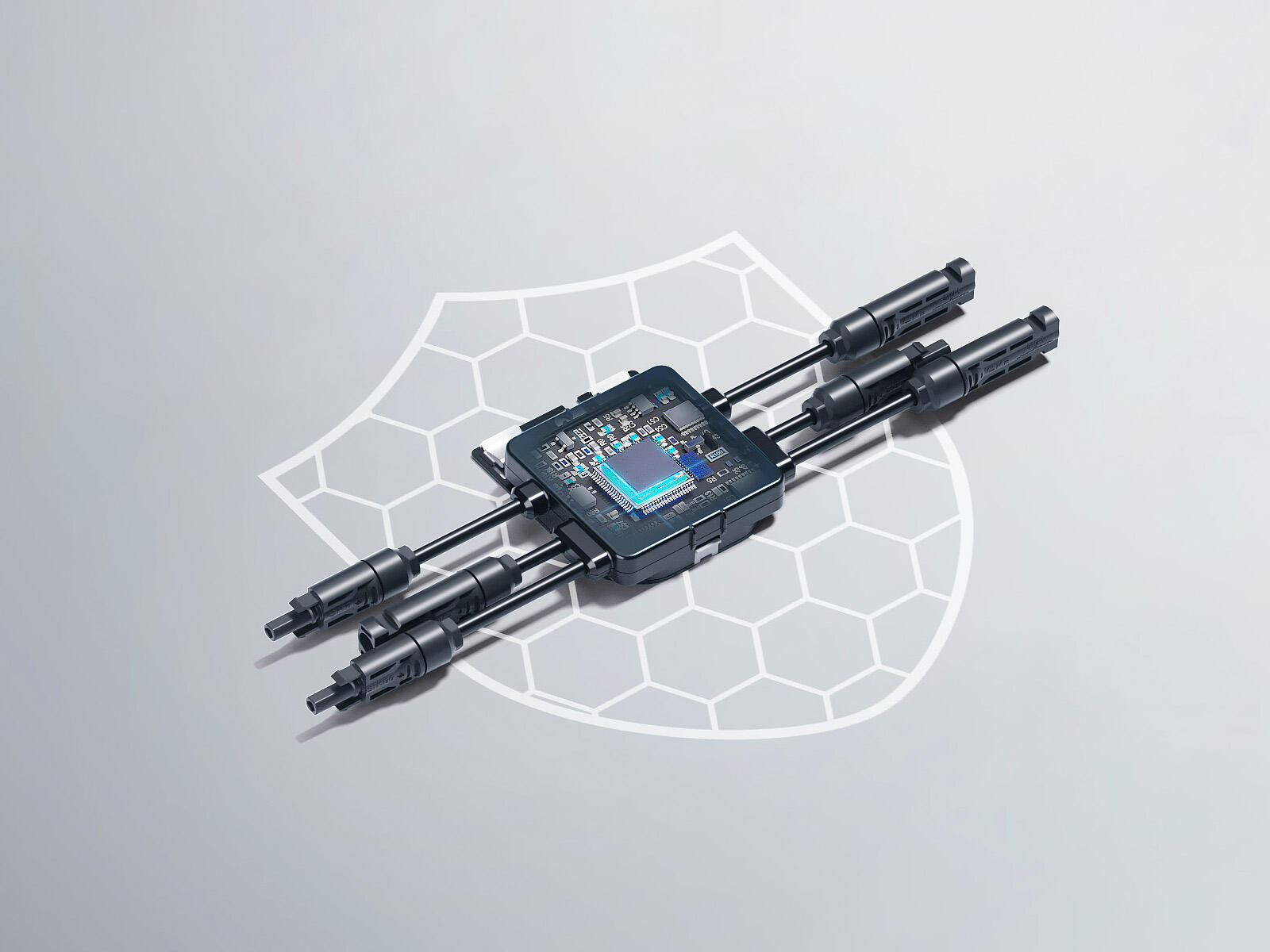
Solar panels offer exceptional financial benefits that directly impact your energy expenses and property value. Installing solar panels dramatically reduces monthly electricity bills, with many homeowners achieving 70% to 100% reduction in their utility costs. The investment in solar panels typically pays for itself within 6 to 10 years through accumulated energy savings, after which the electricity generated remains essentially free for the remaining lifespan of the system. Property values increase substantially when solar panels are installed, with studies showing average home value increases of 3% to 4%, making them an excellent long-term investment. Environmental advantages of solar panels cannot be overstated, as they produce zero emissions during operation and significantly reduce your carbon footprint. A typical residential solar panel system prevents approximately 3 to 4 tons of carbon dioxide emissions annually, equivalent to planting over 100 trees each year. Solar panels contribute to cleaner air quality by reducing dependence on fossil fuel-powered electricity generation, helping combat climate change and environmental degradation. The reliability of solar panels ensures consistent energy production for decades with minimal maintenance requirements. Modern solar panels maintain their efficiency for 25 to 30 years, with most manufacturers guaranteeing at least 80% of original output after two decades of operation. Weather resistance built into solar panels allows them to withstand hail, high winds, and extreme temperatures, ensuring continuous operation in various climatic conditions. Energy independence becomes achievable through solar panels, reducing reliance on utility companies and protecting against rising electricity rates. Solar panels provide predictable energy costs, allowing for better budgeting and financial planning over the long term. Government incentives, tax credits, and rebate programs make solar panels more affordable, with federal tax credits covering up to 30% of installation costs in many regions. Net metering programs enable solar panel owners to sell excess electricity back to the grid, creating additional income streams. The scalability of solar panels allows systems to be customized for specific energy needs, from small residential installations to large commercial arrays. Technological advancements continue to improve solar panel efficiency while reducing costs, making them increasingly accessible to more consumers. Solar panels require virtually no ongoing maintenance beyond occasional cleaning and annual inspections, making them hassle-free energy solutions.

Popular Products

Advanced Photovoltaic Technology for Maximum Energy Conversion

Advanced Photovoltaic Technology for Maximum Energy Conversion

The cutting-edge photovoltaic technology integrated into modern solar panels represents a significant leap forward in energy conversion efficiency and reliability. These solar panels utilize monocrystalline or polycrystalline silicon cells that have been engineered to capture and convert the maximum amount of sunlight into usable electricity. The sophisticated manufacturing process involves creating ultra-pure silicon wafers that are treated with specialized anti-reflective coatings, enabling the solar panels to absorb more photons and generate higher electrical output even in low-light conditions. Advanced cell architecture within these solar panels includes PERC technology, which adds a reflective layer on the back of the cells to capture light that would otherwise pass through, increasing overall efficiency by 2% to 3%. The importance of this technological advancement cannot be understated, as higher efficiency translates directly into greater energy production and faster return on investment for customers. Solar panels equipped with these advanced features can generate 15% to 20% more electricity compared to conventional models, making them particularly valuable for installations with limited roof space or challenging environmental conditions. Half-cell technology incorporated into premium solar panels reduces internal resistance and minimizes power losses, while also improving the panels' performance under partial shading conditions. This innovation ensures that when one section of the solar panels experiences shade, the remaining cells continue operating at optimal efficiency. Temperature coefficient improvements in modern solar panels mean they maintain better performance in hot climates, where traditional panels might experience significant power reduction. The durability enhancements built into these solar panels include reinforced junction boxes, corrosion-resistant materials, and improved encapsulation techniques that protect the photovoltaic cells from moisture and environmental stress. Customers benefit from extended warranties of 25 years or more on these advanced solar panels, providing long-term peace of mind and guaranteed performance. The value proposition becomes compelling when considering that these technological improvements result in higher energy yields, reduced maintenance requirements, and enhanced system longevity, ultimately delivering superior financial returns and environmental benefits for property owners investing in sustainable energy solutions.
Exceptional Durability and Weather Resistance for Long-Term Performance

Exceptional Durability and Weather Resistance for Long-Term Performance

The exceptional durability and weather resistance engineered into modern solar panels ensure reliable energy generation for decades, even under the harshest environmental conditions. These robust solar panels are constructed with premium materials designed to withstand extreme weather events, including hailstorms with ice balls up to 25mm in diameter, wind speeds exceeding 140 mph, and temperature fluctuations ranging from -40°F to +185°F. The tempered glass surface of these solar panels provides superior protection against impact damage while maintaining optical clarity for maximum light transmission. This specially treated glass undergoes rigorous testing to meet international safety standards and demonstrates remarkable resistance to scratching, cracking, and environmental degradation over time. The aluminum alloy frames used in quality solar panels offer exceptional corrosion resistance and structural integrity, preventing warping or deterioration that could compromise the system's performance or safety. Advanced encapsulation materials protect the delicate photovoltaic cells within the solar panels from moisture infiltration, UV radiation, and thermal stress that could lead to premature failure or reduced efficiency. The importance of this durability becomes evident when considering the long-term financial implications, as reliable solar panels eliminate the need for frequent repairs or premature replacements that could significantly impact return on investment calculations. Customers investing in weather-resistant solar panels benefit from consistent energy production regardless of local climate conditions, whether installed in desert environments with intense UV exposure, coastal areas with salt spray corrosion, or northern regions experiencing freeze-thaw cycles. The superior build quality of these solar panels translates into minimal degradation rates, typically less than 0.5% annually, ensuring that the system continues generating substantial electricity output for 25 to 30 years or more. Fire resistance ratings incorporated into premium solar panels provide additional safety assurance for property owners, meeting strict building codes and insurance requirements. The sealed junction boxes and weatherproof electrical connections prevent water ingress and maintain safe operation throughout the system's lifespan. Regular testing protocols verify that these solar panels maintain their structural integrity and electrical performance after prolonged exposure to accelerated weathering conditions, simulating decades of real-world operation in compressed timeframes.
Smart Grid Integration and Energy Storage Compatibility

Smart Grid Integration and Energy Storage Compatibility

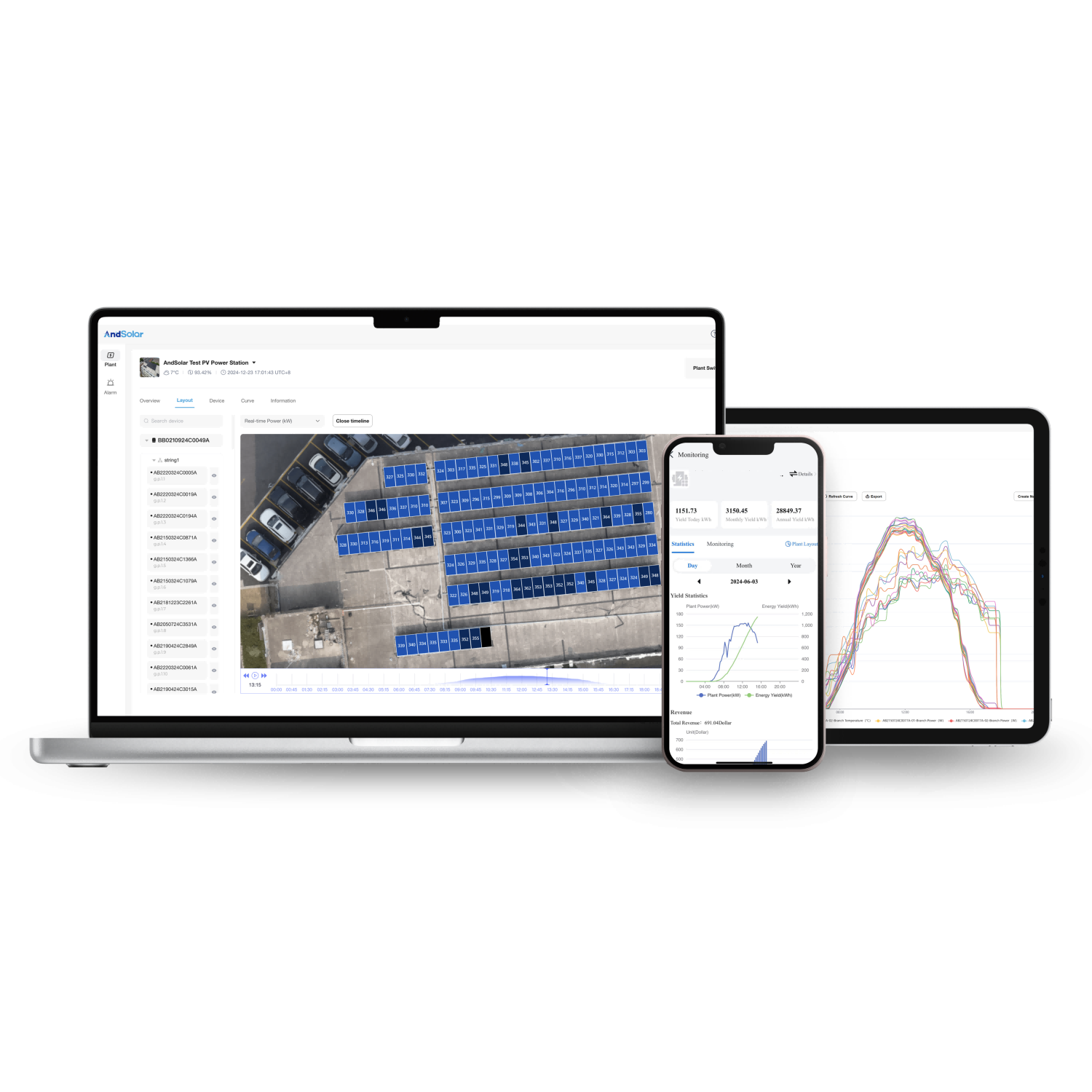
Smart grid integration capabilities and energy storage compatibility represent the next generation of solar panels technology, offering unprecedented control and optimization of renewable energy systems. These intelligent solar panels work seamlessly with smart grid infrastructure to maximize energy efficiency and provide valuable grid services such as voltage regulation and frequency support. The integration capabilities allow solar panels to communicate with utility systems, automatically adjusting power output based on grid demand and pricing signals to optimize financial returns for system owners. Advanced monitoring systems built into modern solar panels provide real-time performance data, enabling immediate detection of issues and proactive maintenance scheduling to ensure optimal operation. The compatibility with energy storage systems transforms solar panels from simple electricity generators into comprehensive energy management solutions that provide power security and independence. Battery integration allows solar panels to store excess energy produced during peak sunlight hours for use during evening hours or cloudy periods, maximizing the utilization of generated renewable energy. Smart inverter technology incorporated with these solar panels enables bi-directional power flow, allowing stored energy to be fed back into the grid during peak demand periods when electricity prices are highest. The importance of this smart integration becomes apparent when considering the evolving energy landscape, where utility companies increasingly value distributed generation resources that can provide grid stability services. Customers benefit from enhanced energy independence through solar panels that can automatically switch to backup power mode during grid outages, maintaining critical electrical loads for extended periods. Dynamic load balancing capabilities allow these solar panels to prioritize essential household circuits during limited battery capacity situations, extending backup power duration. Mobile applications connected to smart solar panels provide remote monitoring and control capabilities, allowing users to track energy production, consumption patterns, and system health from anywhere. Predictive analytics integrated into advanced solar panels can forecast energy production based on weather patterns and historical data, enabling better energy planning and storage management. The value proposition of smart-enabled solar panels extends beyond simple electricity generation to include participation in demand response programs, virtual power plants, and energy trading markets that can generate additional revenue streams for system owners while contributing to grid stability and renewable energy adoption.

Get a Free Quote

Our representative will contact you soon.
Name
Email
Phone/ WhatsApp
Company Name
Product Selection
Message
0/1000

solar panels

Latest News

What Is Rapid Shutdown for Solar PV, and Why Is It Necessary?

16

Jun

What Is Rapid Shutdown for Solar PV, and Why Is It Necessary?

Understanding Rapid Shutdown Technology in Solar PV Systems What is Rapid Shutdown for Solar Panels?Safety behind-the-panel Rapid Shutdown technology serves as a critical last resort in a solar PV system, acting as a protective measure in case o...
View More
AndSolar Power Optimizers Vs. Traditional String Inverters in MPPT

17

Sep

AndSolar Power Optimizers Vs. Traditional String Inverters in MPPT

Maximizing Solar Energy Harvesting Through Advanced Technology The solar industry continues to evolve with innovative solutions that enhance energy production and system efficiency. At the forefront of this evolution is the ongoing debate between sol...
View More
How Smart Solar Optimizer Reduces Energy Loss

17

Sep

How Smart Solar Optimizer Reduces Energy Loss

Revolutionizing Solar Energy Efficiency Through Advanced Optimization The solar energy industry has witnessed remarkable transformations, with smart solar optimizers emerging as game-changing technology. These innovative devices are revolutionizing h...
View More
Understanding ABNT NBR 17193:2025 & Rapid Shutdown: Everything You Need to Know

23

Sep

Understanding ABNT NBR 17193:2025 & Rapid Shutdown: Everything You Need to Know

The Evolution of Solar Safety Standards in Brazil The solar energy landscape in Brazil is undergoing a significant transformation with the introduction of ABNT NBR 17193:2025, particularly focusing on rapid shutdown requirements. This revolutionary s...
View More

Get a Free Quote

Our representative will contact you soon.
Name
Email
Phone/ WhatsApp
Company Name
Product Selection
Message
0/1000