residential solar panel
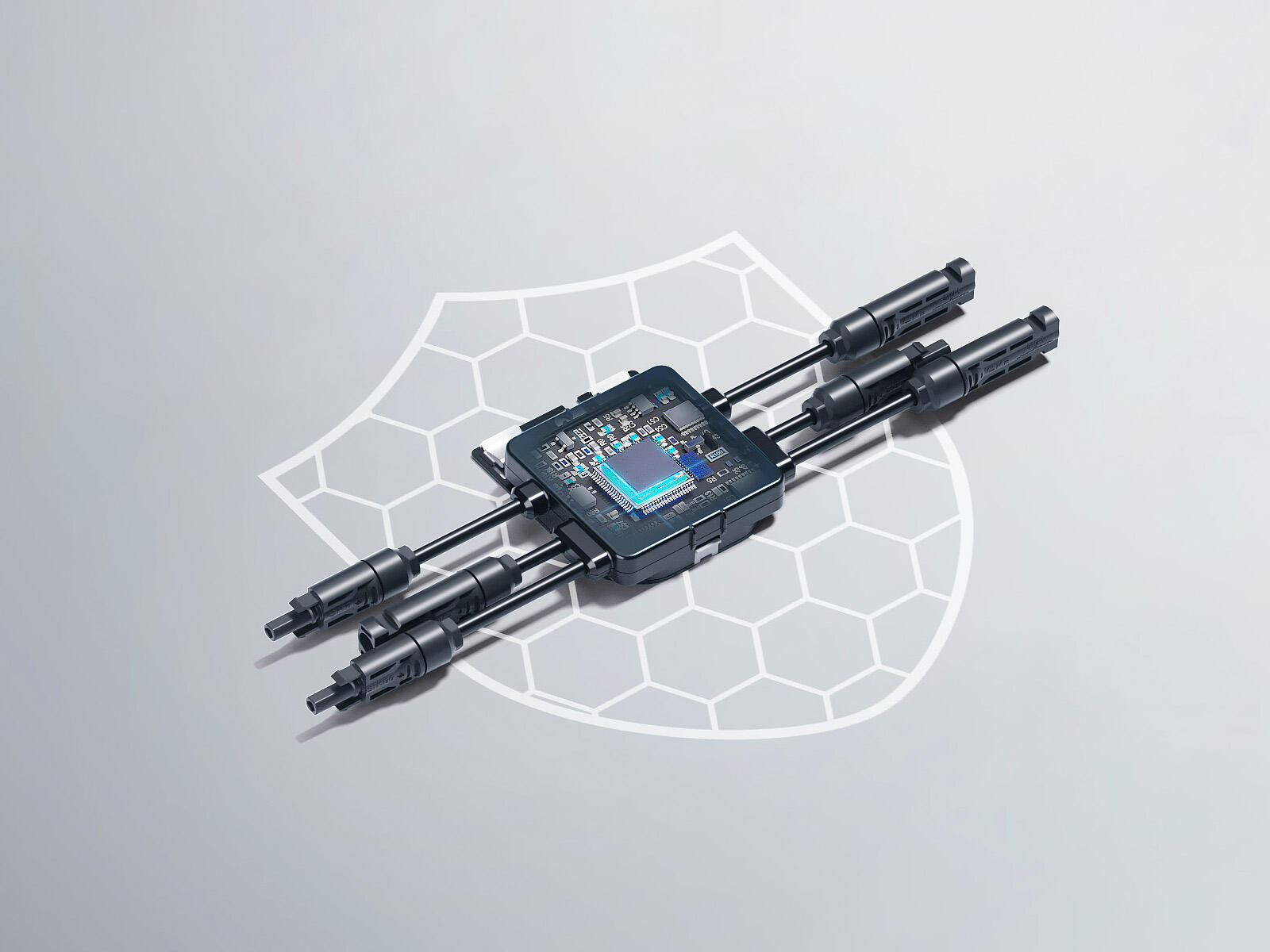
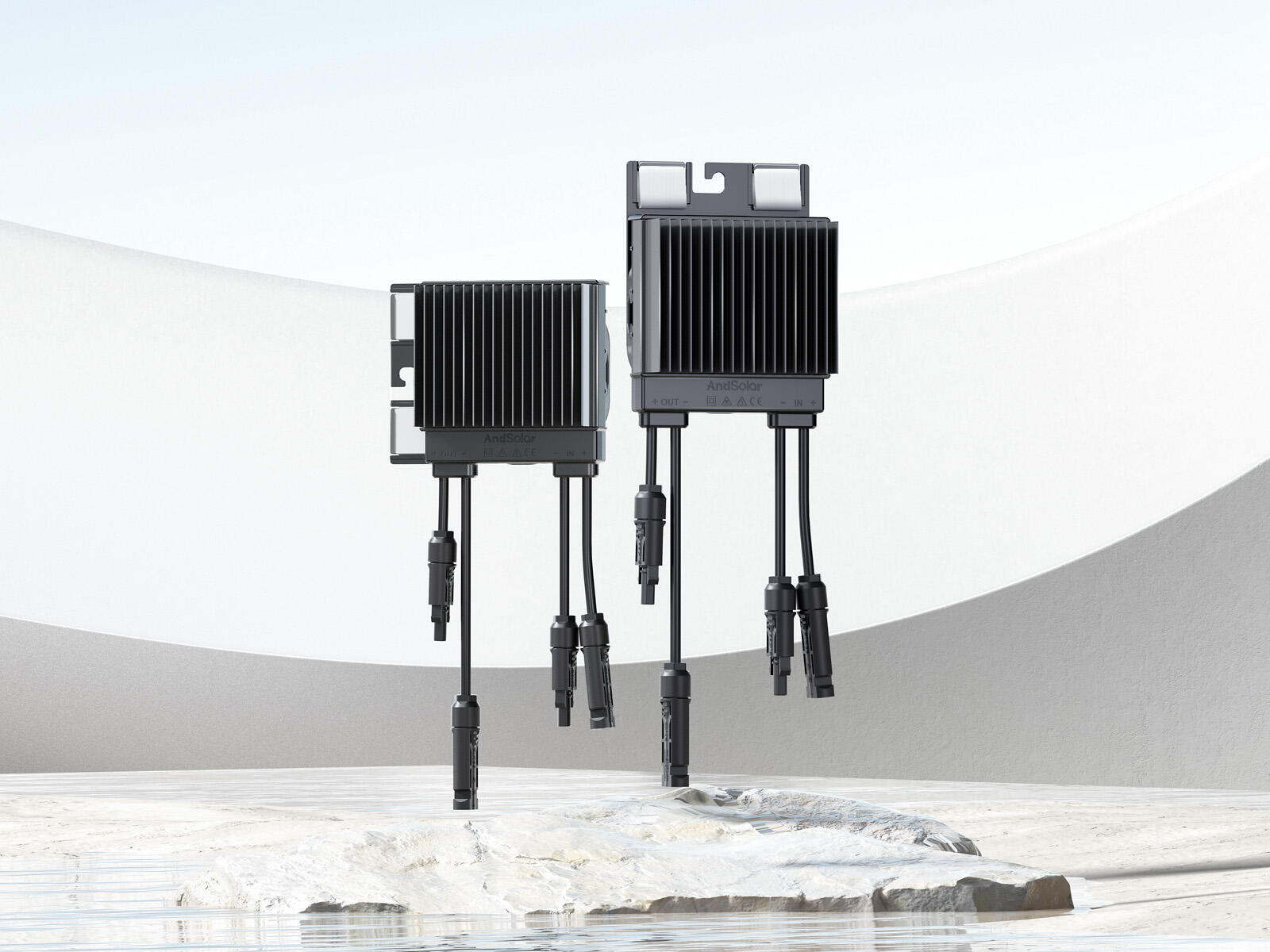
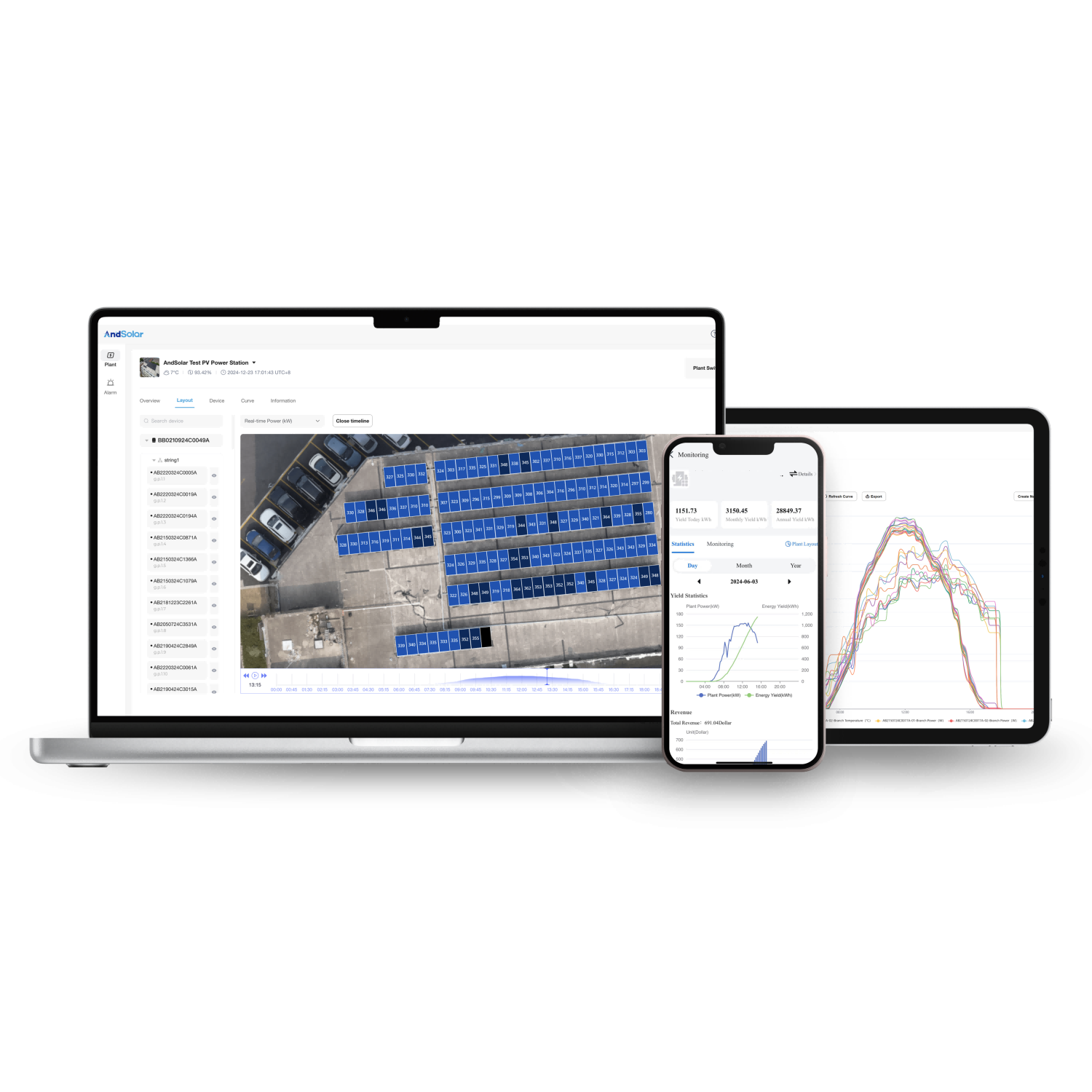
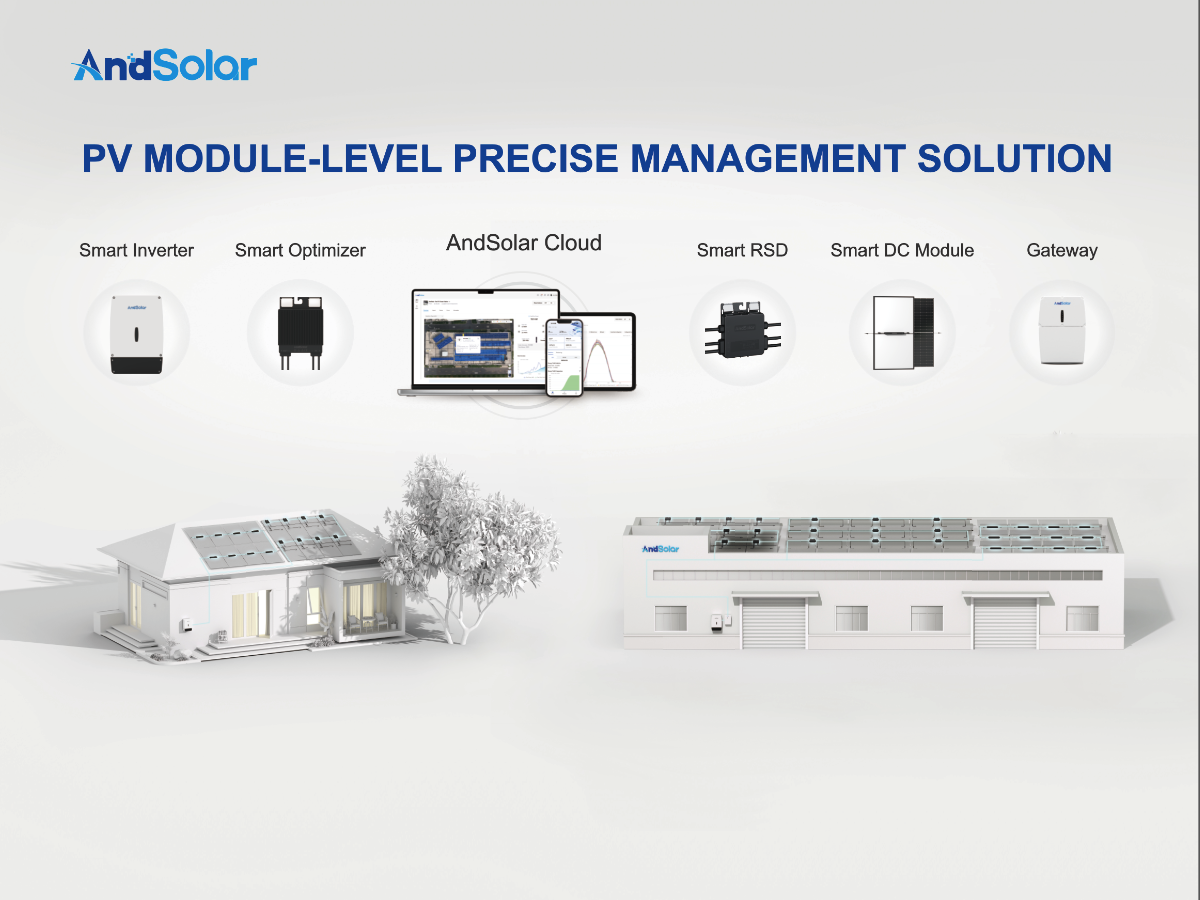
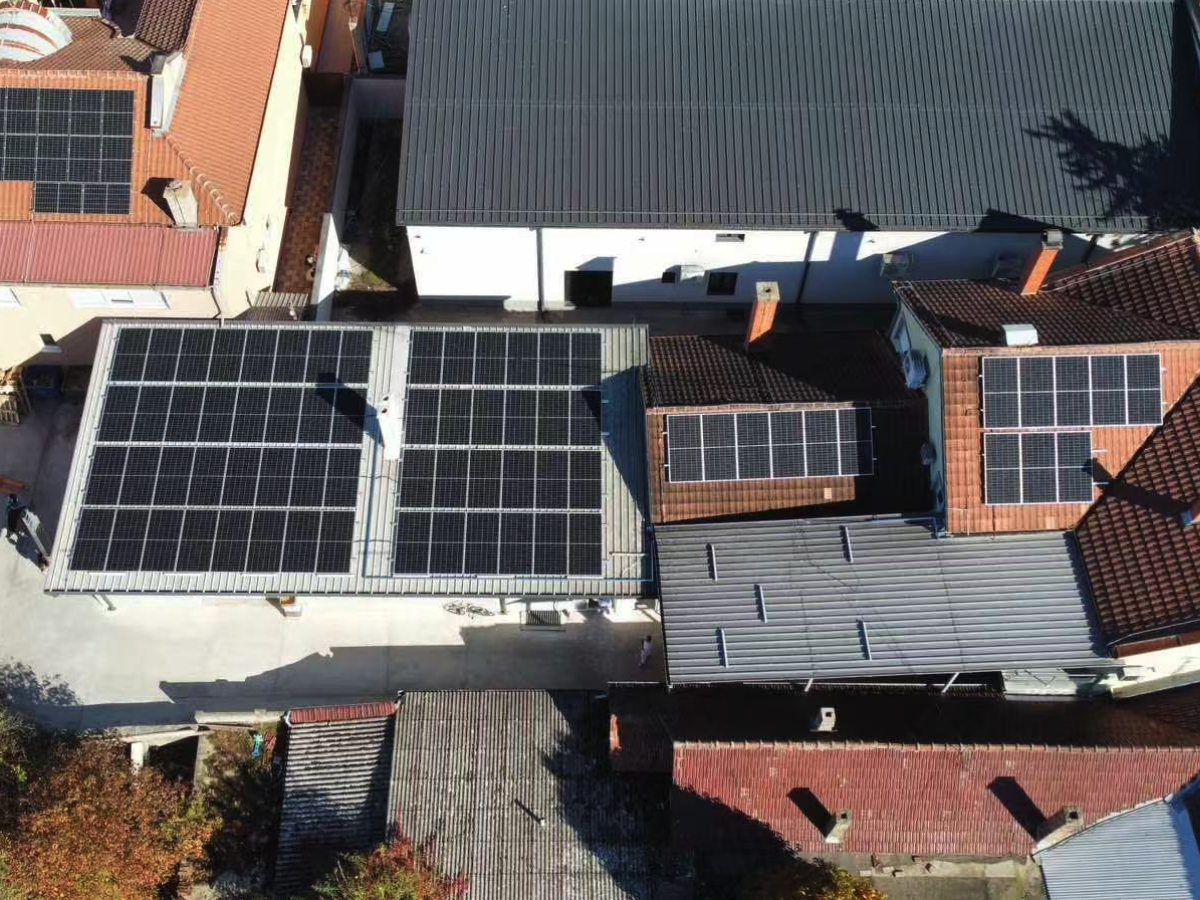
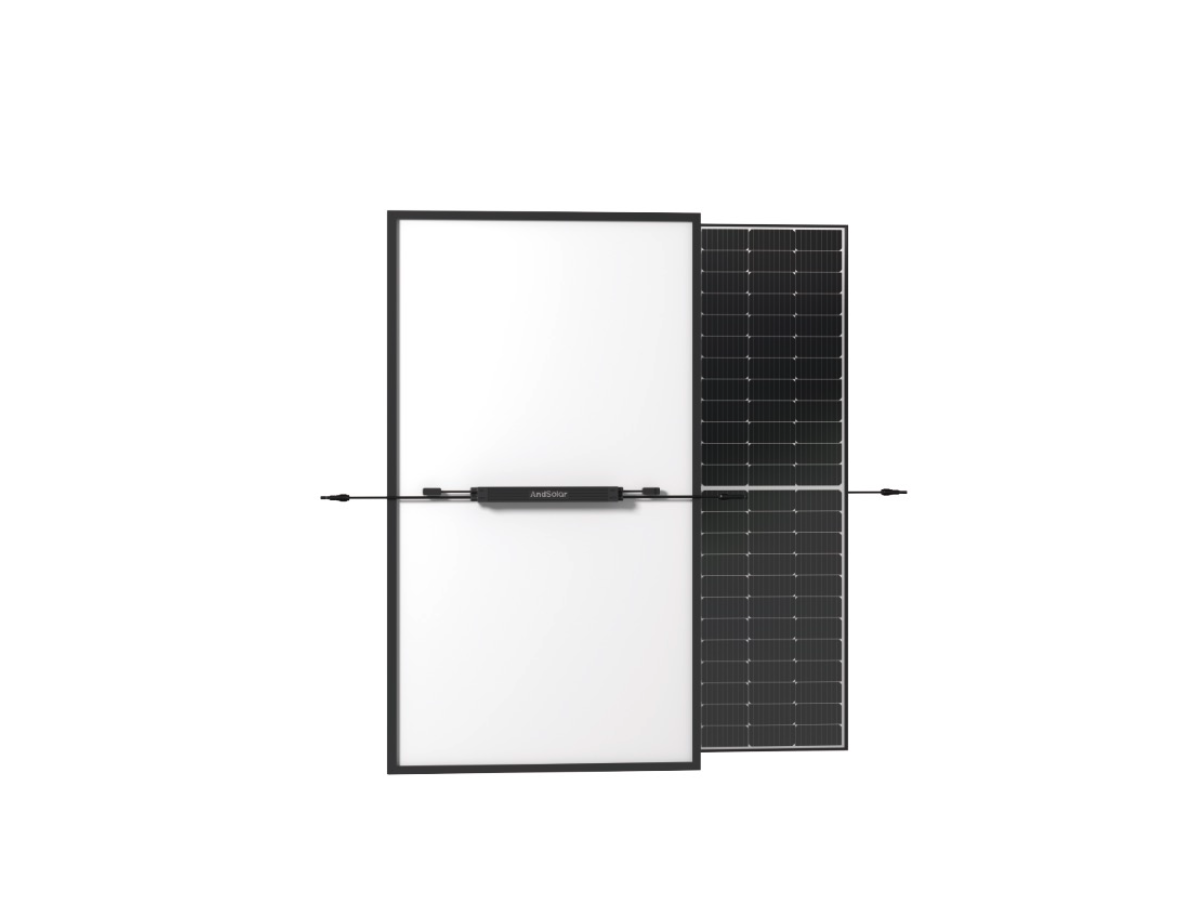
A residential solar panel system represents a cutting-edge renewable energy solution designed specifically for home installation and domestic electricity generation. These sophisticated photovoltaic systems convert sunlight directly into usable electrical power through advanced semiconductor technology, providing homeowners with a sustainable and cost-effective alternative to traditional grid-based electricity. The residential solar panel operates on the principle of the photovoltaic effect, where specialized silicon cells absorb photons from sunlight and release electrons, creating a direct current that gets converted into alternating current through an integrated inverter system. Modern residential solar panel installations typically consist of multiple interconnected panels mounted on rooftops or ground-based structures, each panel containing dozens of individual solar cells engineered for maximum efficiency and durability. The main functions of a residential solar panel extend beyond simple electricity generation to include grid-tie capabilities, energy storage integration, and smart monitoring systems that track performance and energy production in real-time. These systems feature advanced technological components including anti-reflective coatings, tempered glass protection, aluminum frames for structural integrity, and bypass diodes that maintain functionality even when individual cells experience shading. The applications of residential solar panel technology span various household needs, from powering daily electrical appliances and lighting systems to charging electric vehicles and heating water through solar thermal integration. Homeowners can utilize these systems for both on-grid and off-grid applications, with battery storage options enabling energy independence during power outages or peak demand periods. The residential solar panel technology incorporates weather-resistant materials and corrosion-proof components designed to withstand extreme environmental conditions while maintaining optimal performance for decades. Installation flexibility allows for various mounting configurations including rooftop installations, ground-mounted arrays, and building-integrated photovoltaic solutions that seamlessly blend with architectural designs while maximizing solar exposure and energy capture efficiency.