PV Module Price Guide: Affordable Solar Panel Solutions & Cost Analysis 2024

  • 8F, Block B, Building 1, 286 Qinglonggang Road, Suzhou City, Jiangsu Province, P. R. China
  • [email protected]
AndSolar Cloud

PV Module Price

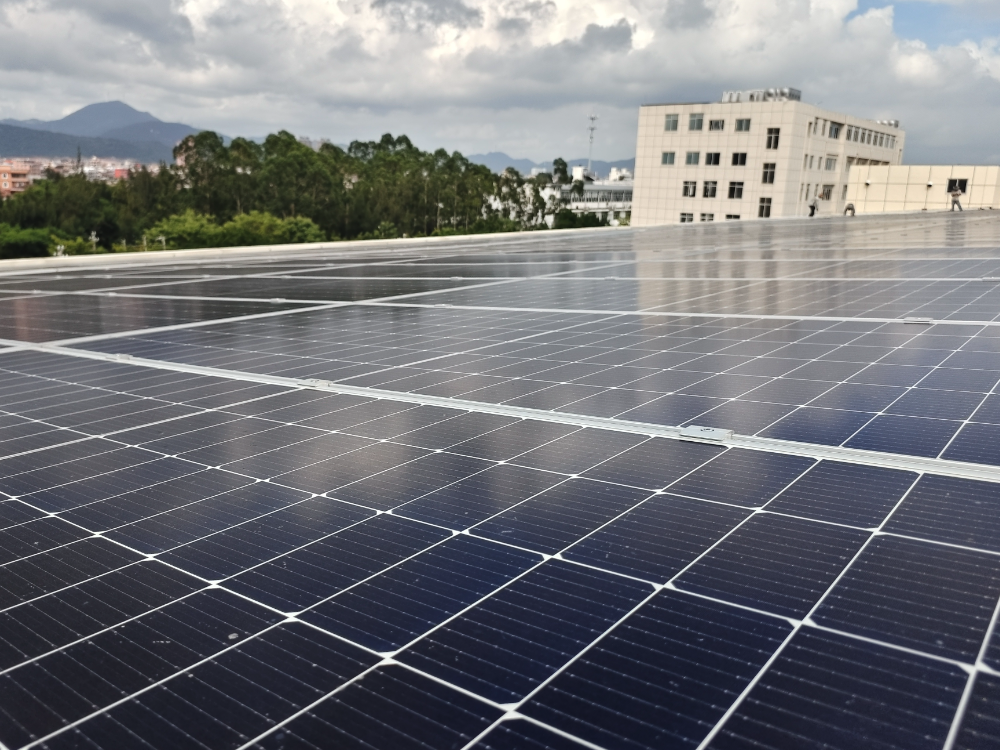
The pv module price represents a critical factor in the widespread adoption of solar energy technology, serving as the foundation for making renewable energy accessible to residential, commercial, and industrial consumers worldwide. Photovoltaic modules, commonly known as solar panels, convert sunlight directly into electricity through sophisticated semiconductor technology, with their pricing structure determining the overall feasibility and return on investment for solar installations. The pv module price encompasses various technological components including high-efficiency silicon cells, protective glass surfaces, aluminum frames, and advanced junction boxes that ensure optimal energy conversion and long-term durability. Modern photovoltaic modules feature cutting-edge innovations such as PERC technology, bifacial designs, and anti-reflective coatings that maximize energy output while maintaining competitive pricing structures. The pv module price reflects significant technological advancements in manufacturing processes, including automated production lines, improved quality control systems, and economies of scale that have dramatically reduced costs over the past decade. These modules find extensive applications across diverse sectors including residential rooftop installations, utility-scale solar farms, commercial buildings, agricultural facilities, and off-grid power systems. The declining pv module price trend has accelerated global solar deployment, making clean energy more affordable than traditional fossil fuel alternatives in many markets. Current market dynamics show that pv module price fluctuations depend on factors such as silicon material costs, manufacturing capacity, trade policies, and technological improvements. The standardization of module sizes, power ratings, and performance specifications has created transparent pricing mechanisms that benefit consumers through increased competition and quality assurance, ultimately driving the transition toward sustainable energy solutions.

The competitive pv module price structure delivers substantial economic benefits that transform energy consumption patterns for homeowners, businesses, and utilities seeking cost-effective power solutions. Lower pv module price points enable faster payback periods, typically ranging from six to ten years, allowing consumers to achieve energy independence while generating long-term savings on electricity bills. The dramatic reduction in pv module price over recent years has created unprecedented opportunities for energy democratization, making solar power accessible to middle-income households and small businesses previously excluded from renewable energy markets. Transparent pv module price mechanisms eliminate hidden costs and provide predictable investment returns, enabling accurate financial planning and budget allocation for energy projects. The standardized pv module price structure facilitates bulk purchasing opportunities, allowing installers and developers to secure volume discounts that translate into additional savings for end customers. Competitive pv module price levels stimulate innovation among manufacturers, resulting in continuous improvements in efficiency ratings, durability standards, and warranty coverage without proportional cost increases. The declining pv module price trend creates positive market momentum, encouraging early adopters to invest in solar technology while prices remain favorable and government incentives remain available. Flexible pv module price options accommodate various budget constraints through different quality tiers, enabling customers to select appropriate solutions based on their specific performance requirements and financial capabilities. The stable pv module price environment supports long-term energy planning, allowing consumers to lock in electricity costs for decades while protecting against volatile utility rate increases. International competition drives pv module price optimization, ensuring global customers benefit from technological advancements and manufacturing efficiencies regardless of their geographic location. The transparent pv module price structure enables accurate system sizing and financial modeling, helping customers make informed decisions about their renewable energy investments and maximize their return on investment potential.

Popular Products

Revolutionary Cost Reduction Through Advanced Manufacturing

Revolutionary Cost Reduction Through Advanced Manufacturing

The remarkable evolution of pv module price reflects groundbreaking advances in manufacturing technology that have fundamentally transformed the solar industry landscape. Modern production facilities utilize state-of-the-art automation systems, precision engineering, and lean manufacturing principles to achieve unprecedented cost efficiencies while maintaining superior quality standards. The integration of artificial intelligence and machine learning algorithms in manufacturing processes enables real-time quality control, predictive maintenance, and optimized resource allocation, directly contributing to more competitive pv module price structures. Advanced silicon purification techniques and innovative cell manufacturing processes have significantly reduced material waste and energy consumption during production, translating into lower costs that benefit consumers through reduced pv module price points. The implementation of Industry 4.0 technologies, including IoT sensors, robotic assembly lines, and automated testing systems, has streamlined production workflows and eliminated human error, resulting in consistent quality output at scale. Economies of scale achieved through gigawatt-level manufacturing facilities enable suppliers to spread fixed costs across larger production volumes, creating sustainable pv module price advantages for global markets. Continuous process improvements, including advanced metallization techniques, precision cutting methods, and enhanced encapsulation processes, have increased manufacturing yields while reducing production time and labor costs. The adoption of sustainable manufacturing practices, including renewable energy-powered facilities and closed-loop recycling systems, demonstrates the industry's commitment to environmental responsibility while maintaining competitive pv module price levels. Strategic partnerships between equipment manufacturers, material suppliers, and module producers have created integrated supply chains that optimize costs and ensure consistent pv module price stability across market cycles. These manufacturing innovations continue driving down production costs while simultaneously improving module performance characteristics, creating exceptional value propositions for consumers seeking reliable renewable energy solutions at attractive price points.
Enhanced Performance Delivering Superior Value Proposition

Enhanced Performance Delivering Superior Value Proposition

The relationship between pv module price and performance capabilities demonstrates exceptional value engineering that maximizes energy generation potential while minimizing total system costs over the operational lifetime. Modern photovoltaic modules incorporate advanced cell architectures, including PERC, TOPCon, and heterojunction technologies, that achieve higher efficiency ratings without proportional increases in pv module price, delivering superior energy yields per dollar invested. Bifacial module designs capture reflected light from rear surfaces, increasing total energy output by up to twenty percent compared to traditional monofacial panels, providing enhanced value despite minimal pv module price premiums. Anti-reflective coatings, textured glass surfaces, and optimized cell spacing maximize light capture throughout varying weather conditions, ensuring consistent performance that justifies the pv module price through reliable energy production. Enhanced durability features, including robust aluminum frames, weather-resistant backsheets, and corrosion-proof junction boxes, extend operational lifespans beyond twenty-five years while maintaining warranty coverage that protects the initial pv module price investment. Temperature coefficient improvements enable modules to maintain higher power output during hot weather conditions, maximizing energy generation in challenging climates and improving the overall return on the pv module price investment. Advanced bypass diode configurations minimize power losses from partial shading scenarios, ensuring optimal system performance even when individual cells experience reduced sunlight exposure, protecting the value derived from the pv module price. Improved low-light performance characteristics enable energy generation during dawn, dusk, and cloudy conditions, extending daily production hours and increasing the total energy yield relative to the pv module price. Rigorous testing protocols, including thermal cycling, humidity exposure, and mechanical stress evaluations, ensure long-term reliability that validates the pv module price through consistent performance over decades of operation. These performance enhancements create compelling investment propositions where the pv module price represents exceptional value through superior energy production, extended operational life, and minimal maintenance requirements.
Flexible Financing Solutions Maximizing Accessibility

Flexible Financing Solutions Maximizing Accessibility

The evolving pv module price landscape has catalyzed innovative financing mechanisms that remove traditional barriers to solar adoption, making renewable energy accessible across diverse economic segments through creative payment structures and risk-sharing arrangements. Lease-to-own programs enable customers to begin solar energy production immediately without substantial upfront capital, spreading the effective pv module price across manageable monthly payments that often cost less than previous electricity bills. Power purchase agreements allow property owners to host solar installations without direct pv module price exposure, paying only for the actual energy generated at predetermined rates that provide predictable long-term savings. Government incentive programs, including tax credits, rebates, and performance-based incentives, effectively reduce the net pv module price burden while encouraging widespread renewable energy adoption through favorable policy frameworks. Community solar initiatives aggregate purchasing power among multiple participants, achieving volume discounts on pv module price while enabling renters and property owners with unsuitable roofs to access solar energy benefits. Green financing options, including specialized solar loans with attractive interest rates and extended repayment terms, distribute the pv module price across multiple years while preserving ownership benefits and tax advantages. Corporate procurement programs leverage bulk purchasing strategies to secure favorable pv module price terms for large-scale deployments, creating economies of scale that benefit both businesses and residential customers through market competition. Energy storage integration financing packages combine pv module price with battery systems, providing comprehensive solutions that maximize energy independence and grid resilience through coordinated payment structures. Third-party ownership models eliminate direct pv module price concerns for customers while providing access to professional maintenance, monitoring, and performance guarantees that ensure optimal system operation. Crowdfunding platforms and peer-to-peer lending networks create alternative financing pathways that bypass traditional banking requirements, making solar investments accessible regardless of conventional credit limitations. These diverse financing approaches demonstrate how creative financial engineering can overcome pv module price barriers, accelerating renewable energy adoption while providing multiple pathways for customers to access clean energy benefits according to their specific financial circumstances and preferences.

Get a Free Quote

Our representative will contact you soon.
Name
Email
Phone/ WhatsApp
Company Name
Product Selection
Message
0/1000

PV Module Price

Practical Tips

When Should You Use Power Optimizers?

17

Jun

When Should You Use Power Optimizers?

Understanding Power Optimizers in Solar Systems What Are Power Optimizers? Power optimizers are applied in solar system for energy harvest purpose. These smart devices are connected to every solar panel to optimise and manage the panel. Pow...
View More
What Is Rapid Shutdown for Solar PV, and Why Is It Necessary?

16

Jun

What Is Rapid Shutdown for Solar PV, and Why Is It Necessary?

Understanding Rapid Shutdown Technology in Solar PV Systems What is Rapid Shutdown for Solar Panels?Safety behind-the-panel Rapid Shutdown technology serves as a critical last resort in a solar PV system, acting as a protective measure in case o...
View More
How Does the Rapid Shutdown Policy Improve Solar Safety Standards?

13

Aug

How Does the Rapid Shutdown Policy Improve Solar Safety Standards?

Strengthening Solar Power Systems Through Advanced Safety Measures In the rapidly expanding solar industry, safety has emerged as one of the most critical aspects of system design and operation. As more residential, commercial, and utility-scale inst...
View More
How Can the Optimizers Maximize the Energy Output?

11

Aug

How Can the Optimizers Maximize the Energy Output?

Driving Solar Efficiency to New Heights In the fast-evolving world of renewable energy, technology plays a crucial role in making solar systems more effective and profitable. Beyond choosing high-quality panels, the way each panel operates can greatl...
View More

Get a Free Quote

Our representative will contact you soon.
Name
Email
Phone/ WhatsApp
Company Name
Product Selection
Message
0/1000