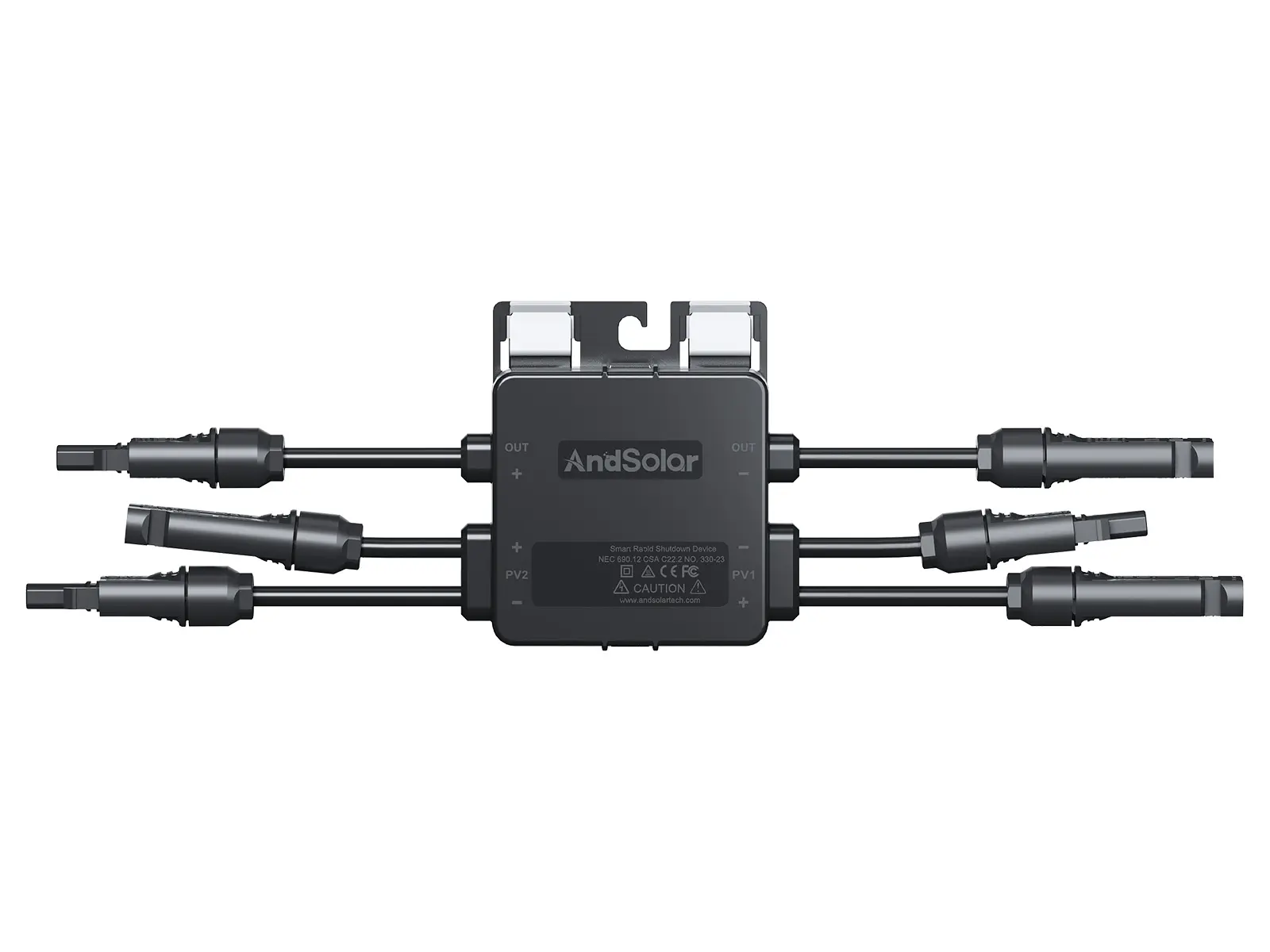
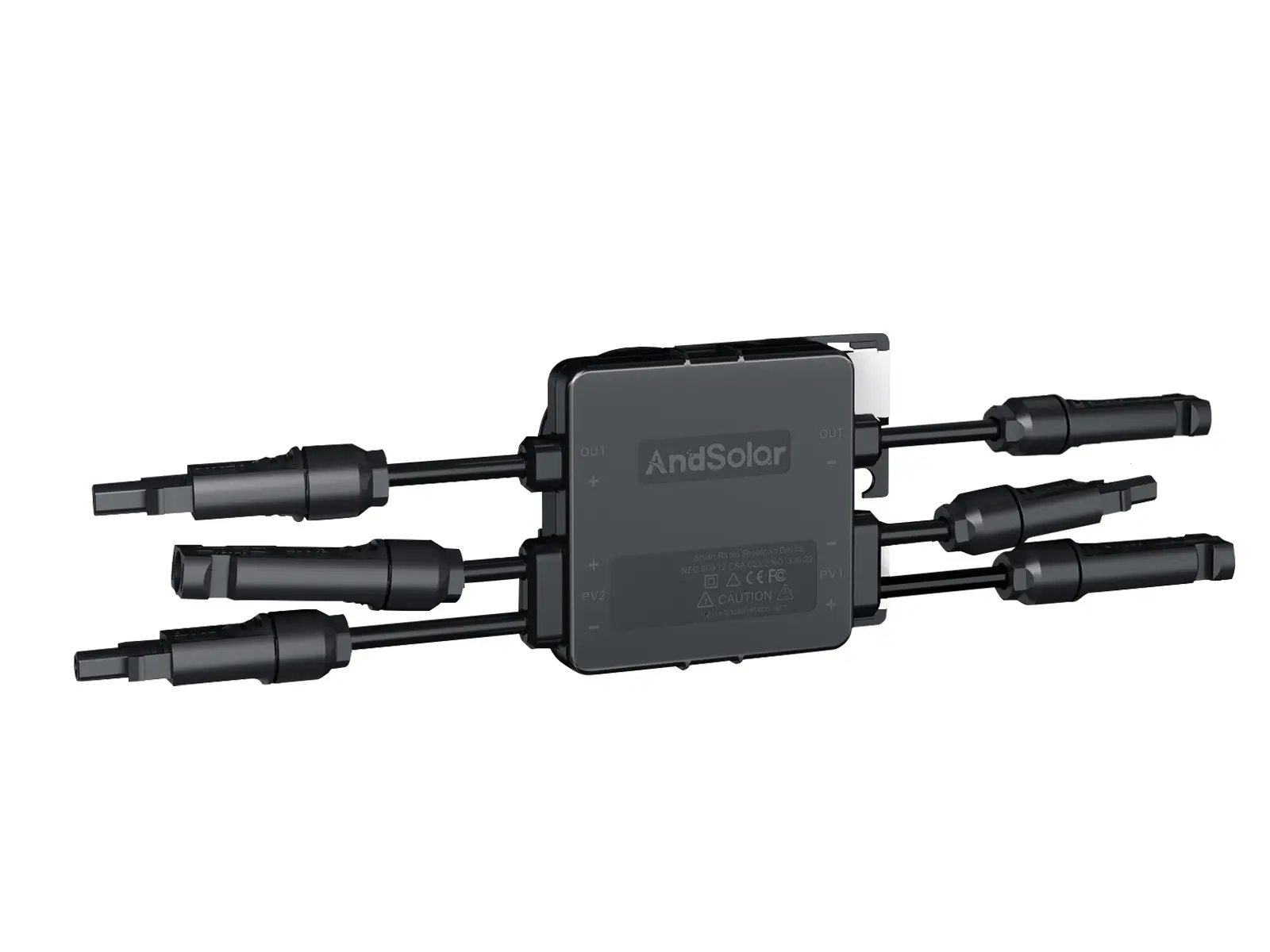
Premium Photovoltaic Modules: High-Efficiency Solar Panels for Renewable Energy Solutions

  • 8F, Block B, Building 1, 286 Qinglonggang Road, Suzhou City, Jiangsu Province, P. R. China
  • [email protected]
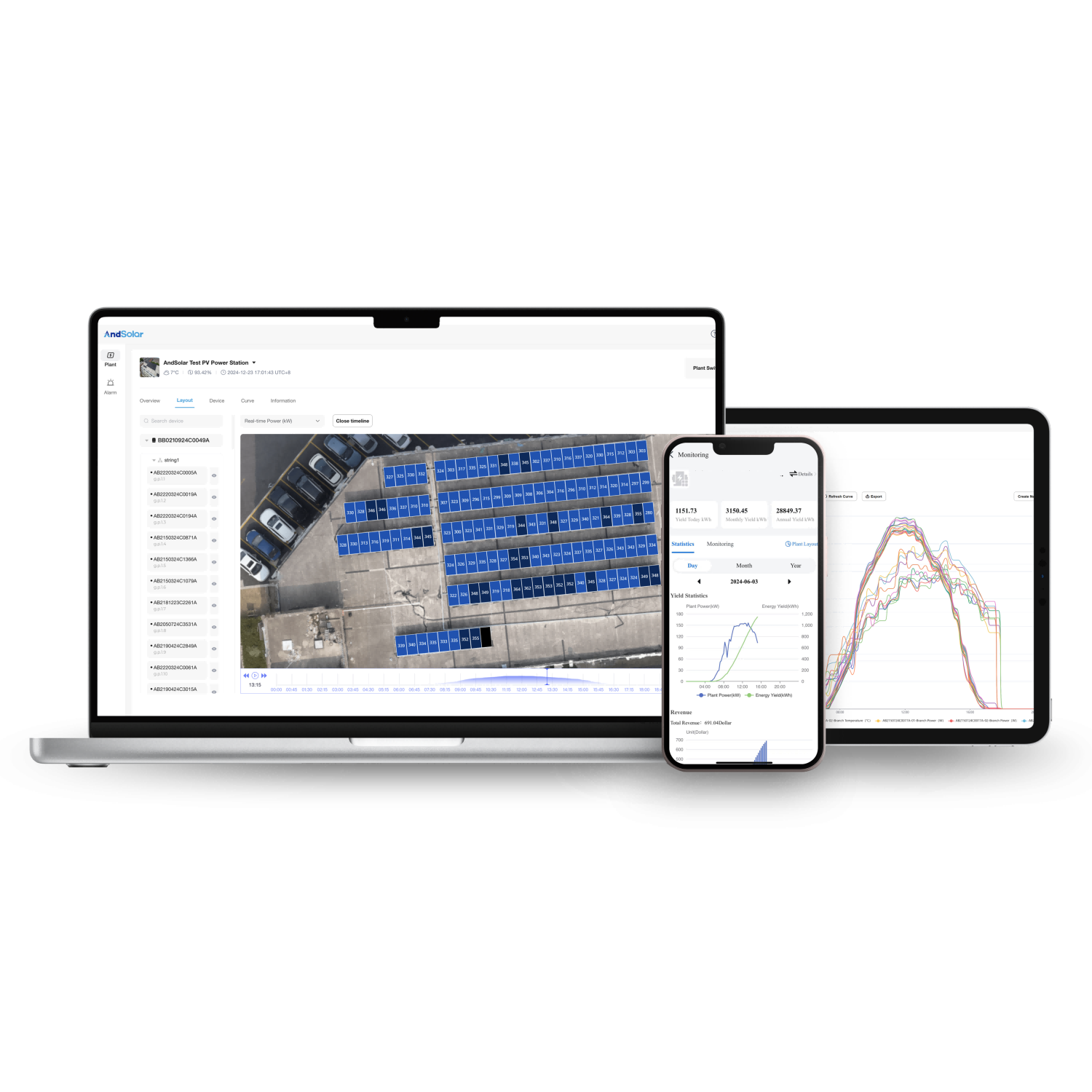
AndSolar Cloud

photovoltaic modules

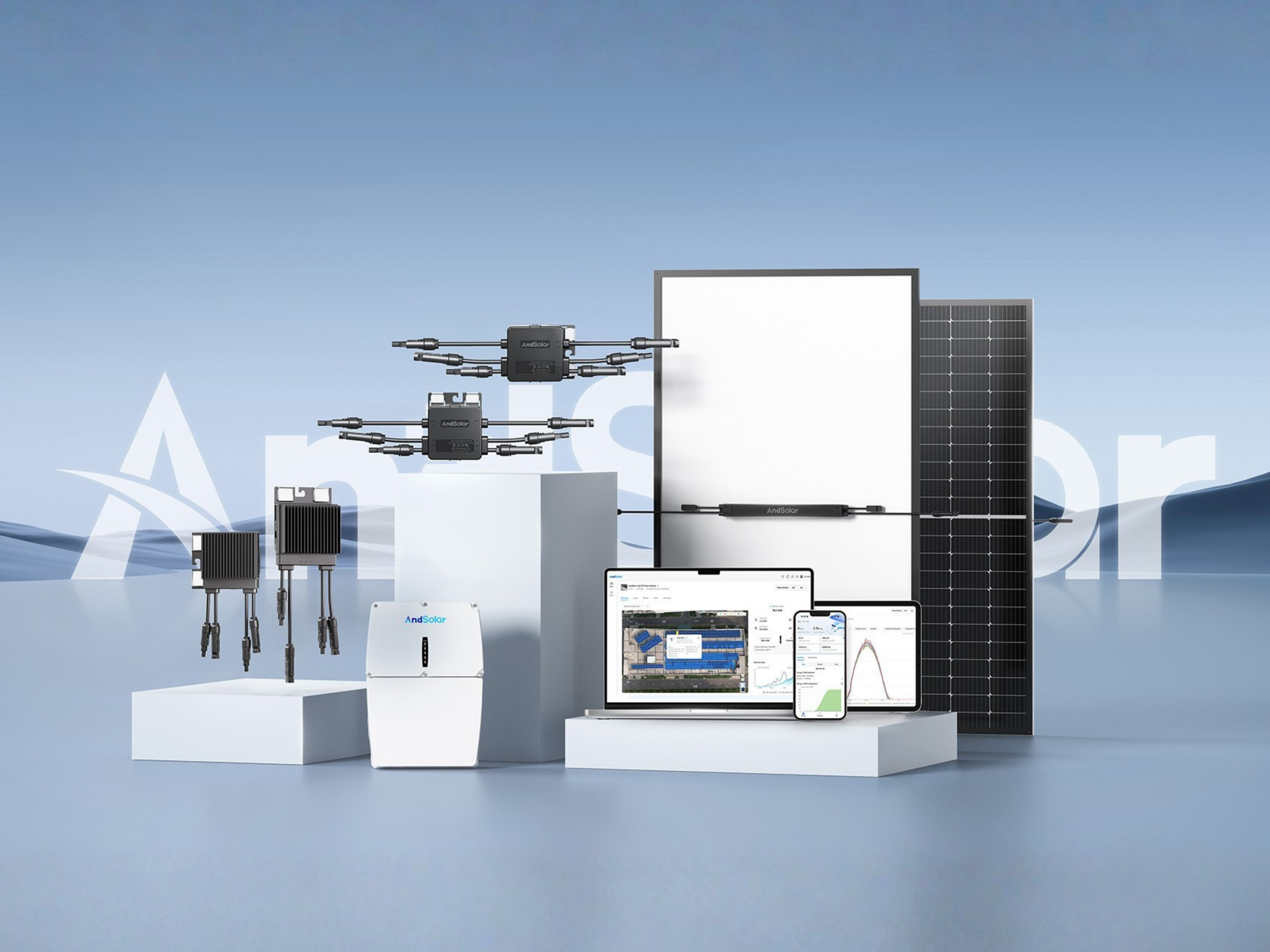
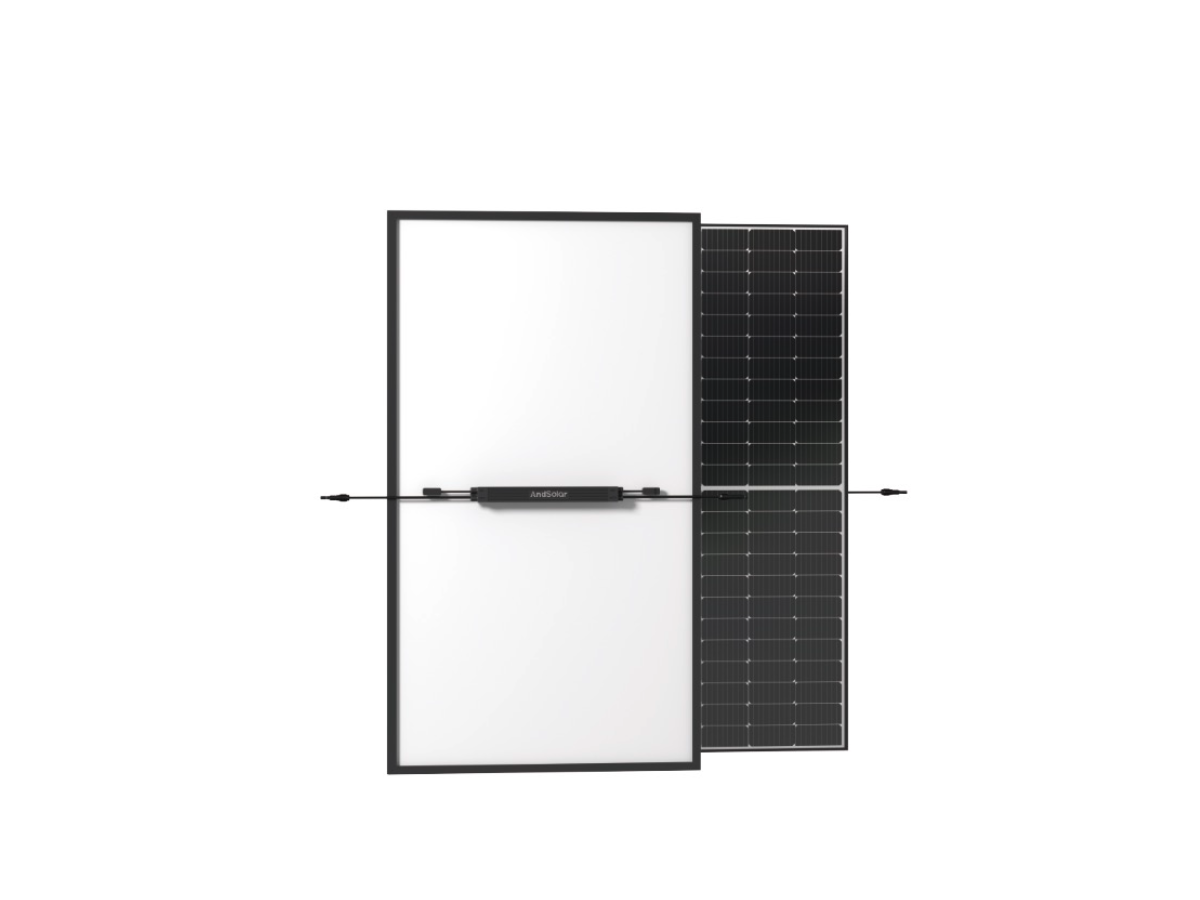
Photovoltaic modules represent cutting-edge solar energy technology that transforms sunlight directly into clean electricity through sophisticated semiconductor processes. These innovative devices serve as the cornerstone of renewable energy systems, offering sustainable power generation for residential, commercial, and industrial applications worldwide. The primary function of photovoltaic modules involves capturing solar radiation and converting it into usable electrical current through the photovoltaic effect, where photons from sunlight knock electrons loose from atoms within specially designed silicon cells. Modern photovoltaic modules incorporate advanced technological features including anti-reflective coatings that maximize light absorption, tempered glass surfaces providing exceptional durability against weather elements, and robust aluminum frames ensuring structural integrity for decades of operation. The encapsulation technology protects delicate solar cells from moisture infiltration and physical damage while maintaining optimal performance levels throughout their extended lifespan. These modules typically generate electricity ranging from 250 watts to over 500 watts per panel, depending on their size and efficiency ratings. Applications for photovoltaic modules span numerous sectors, from powering individual homes through rooftop installations to massive utility-scale solar farms generating megawatts of clean energy. Agricultural operations utilize photovoltaic modules for irrigation systems and livestock facilities, while remote locations rely on these systems for off-grid power solutions. Commercial buildings integrate photovoltaic modules into their energy infrastructure to reduce operational costs and environmental impact. The modular design allows for scalable installations, enabling users to start with smaller systems and expand capacity as energy needs grow. Advanced monitoring systems track performance metrics, ensuring optimal energy production and identifying maintenance requirements proactively.
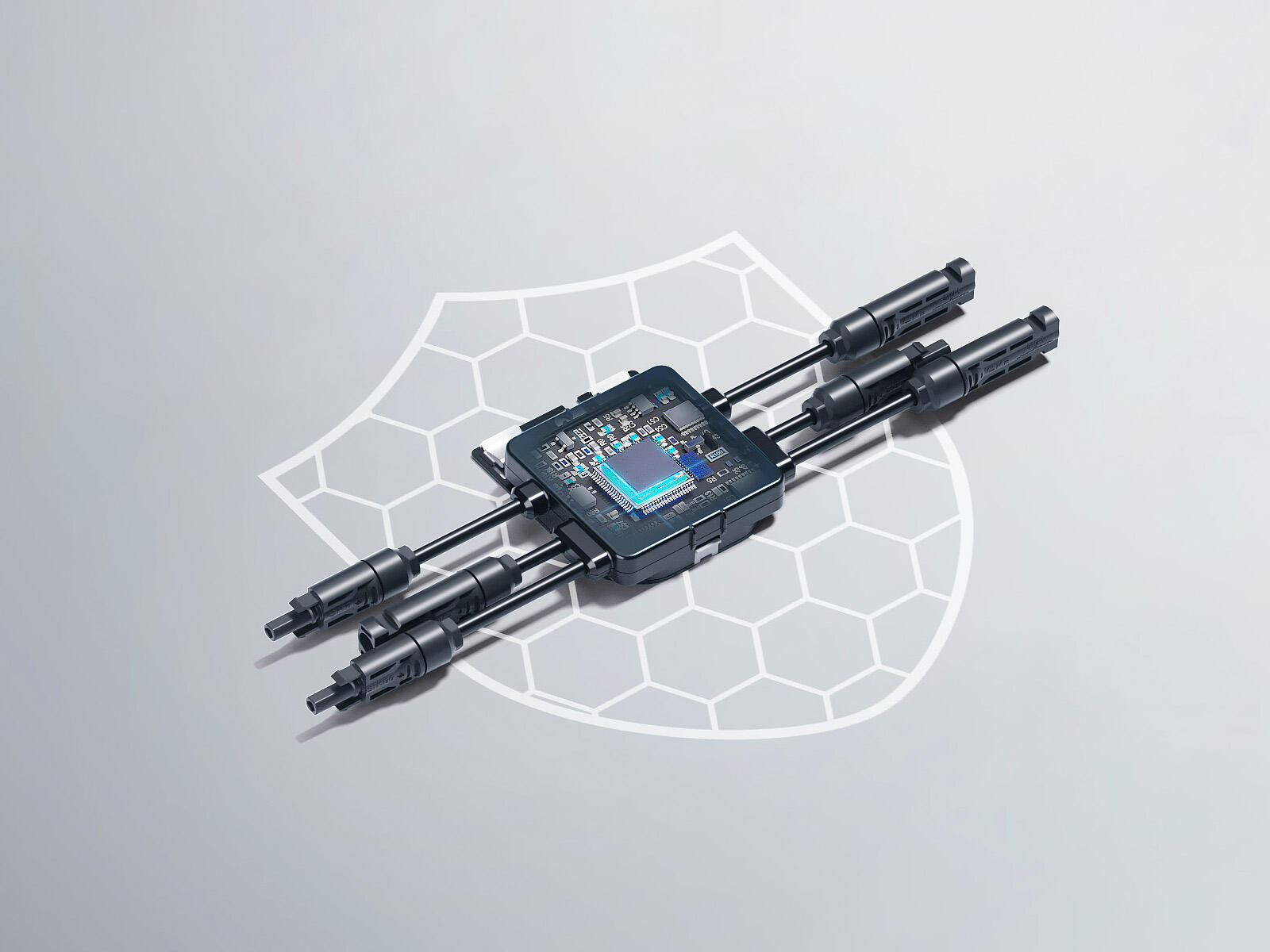
Photovoltaic modules deliver substantial financial savings by dramatically reducing monthly electricity bills and providing long-term energy cost stability. Property owners experience immediate benefits through lower utility expenses, with many systems paying for themselves within six to ten years while continuing to generate free electricity for decades afterward. These modules increase property values significantly, as homes and businesses with solar installations command higher market prices and attract environmentally conscious buyers. The reliability of photovoltaic modules exceeds traditional energy sources, operating silently without moving parts that require frequent maintenance or replacement. Weather resistance ensures consistent performance across diverse climatic conditions, from scorching desert heat to freezing winter temperatures. Environmental benefits position photovoltaic modules as responsible choices for reducing carbon footprints and supporting global climate action initiatives. Each installed system prevents thousands of pounds of carbon dioxide emissions annually, equivalent to planting dozens of trees or removing cars from roads. Energy independence becomes achievable through photovoltaic modules, protecting users from volatile electricity rates and potential grid outages. Battery storage integration allows excess energy collection during sunny periods for use during evenings or cloudy days, creating truly autonomous power systems. Government incentives substantially reduce initial investment costs through tax credits, rebates, and financing programs designed to accelerate solar adoption. Net metering policies enable users to sell surplus electricity back to utility companies, creating additional revenue streams. Installation processes have streamlined significantly, with qualified technicians completing typical residential projects within one to three days. Warranty coverage provides peace of mind, with most manufacturers guaranteeing performance for 20 to 25 years while offering comprehensive protection against defects. Maintenance requirements remain minimal, involving periodic cleaning and annual inspections to ensure peak efficiency. Technology advancement continues improving photovoltaic modules efficiency ratings while reducing costs, making solar energy increasingly accessible to broader populations.

New Product Releases

Maximum Energy Efficiency and Advanced Cell Technology

Maximum Energy Efficiency and Advanced Cell Technology

Photovoltaic modules incorporate state-of-the-art monocrystalline and polycrystalline silicon technologies that achieve exceptional energy conversion rates, delivering maximum power output from available sunlight throughout the day. The advanced cell architecture utilizes passivated emitter rear contact (PERC) technology, which significantly enhances light absorption and reduces energy losses by incorporating additional reflective layers that capture previously wasted photons. This innovative approach increases overall module efficiency by up to fifteen percent compared to conventional designs, translating directly into higher electricity generation and faster return on investment for customers. Half-cell technology further optimizes performance by reducing resistive losses and improving shade tolerance, ensuring consistent energy production even when portions of the module experience temporary shading from trees, buildings, or passing clouds. The precision manufacturing process creates uniform cell structures that minimize power mismatches and hot spots, extending operational lifespan while maintaining peak performance levels. Anti-reflective coatings applied to cell surfaces maximize light capture by reducing surface reflection losses, allowing more photons to penetrate the silicon material and generate electrical current. Temperature coefficient optimization ensures photovoltaic modules maintain excellent performance across wide temperature ranges, preventing significant power degradation during hot summer months when energy demand typically peaks. Bypass diodes integrated within each module prevent power loss from individual cell shading while protecting against potential damage from reverse current flow. Quality control measures throughout manufacturing guarantee consistent performance characteristics, with each module undergoing rigorous testing protocols that verify electrical output, mechanical strength, and environmental resistance before shipment. These technological innovations combine to create photovoltaic modules that consistently outperform industry standards while providing reliable, predictable energy generation for decades of trouble-free operation.
Exceptional Durability and Weather Resistance

Exceptional Durability and Weather Resistance

Photovoltaic modules demonstrate remarkable resilience against harsh environmental conditions through robust construction methods and premium materials specifically engineered to withstand decades of exposure to extreme weather patterns. The tempered glass front surface provides exceptional impact resistance, easily withstanding hail impacts up to one inch in diameter while maintaining crystal-clear transparency for optimal light transmission. Aluminum frames constructed from marine-grade alloys resist corrosion from salt air, acid rain, and industrial pollutants, ensuring structural integrity throughout the module's extended operational life. Advanced encapsulation materials create impermeable barriers that prevent moisture infiltration, protecting delicate solar cells from humidity, condensation, and water damage that could compromise electrical performance. Rigorous testing protocols simulate accelerated aging conditions equivalent to 25 years of real-world exposure, including thermal cycling, humidity freeze testing, and mechanical load assessments that verify long-term reliability. Junction box designs incorporate weatherproof seals and corrosion-resistant materials that maintain secure electrical connections despite temperature fluctuations and moisture exposure. The backing materials utilize multi-layer compositions that provide excellent insulation properties while resisting ultraviolet radiation degradation that affects many outdoor products over time. Wind load calculations ensure photovoltaic modules withstand hurricane-force winds exceeding 150 miles per hour when properly installed according to manufacturer specifications and local building codes. Snow load capacity accommodates heavy winter precipitation without structural damage or performance reduction, making these modules suitable for installation in regions experiencing severe winter weather conditions. Fire resistance ratings meet stringent safety standards, providing peace of mind for property owners concerned about electrical fire risks. Expansion and contraction tolerances accommodate thermal movement without creating stress fractures or connection failures that could interrupt power generation. Comprehensive warranty coverage reflects manufacturer confidence in durability, with performance guarantees extending 20 to 25 years and protecting customer investments against premature failure or significant efficiency degradation.
Versatile Installation Options and System Scalability

Versatile Installation Options and System Scalability

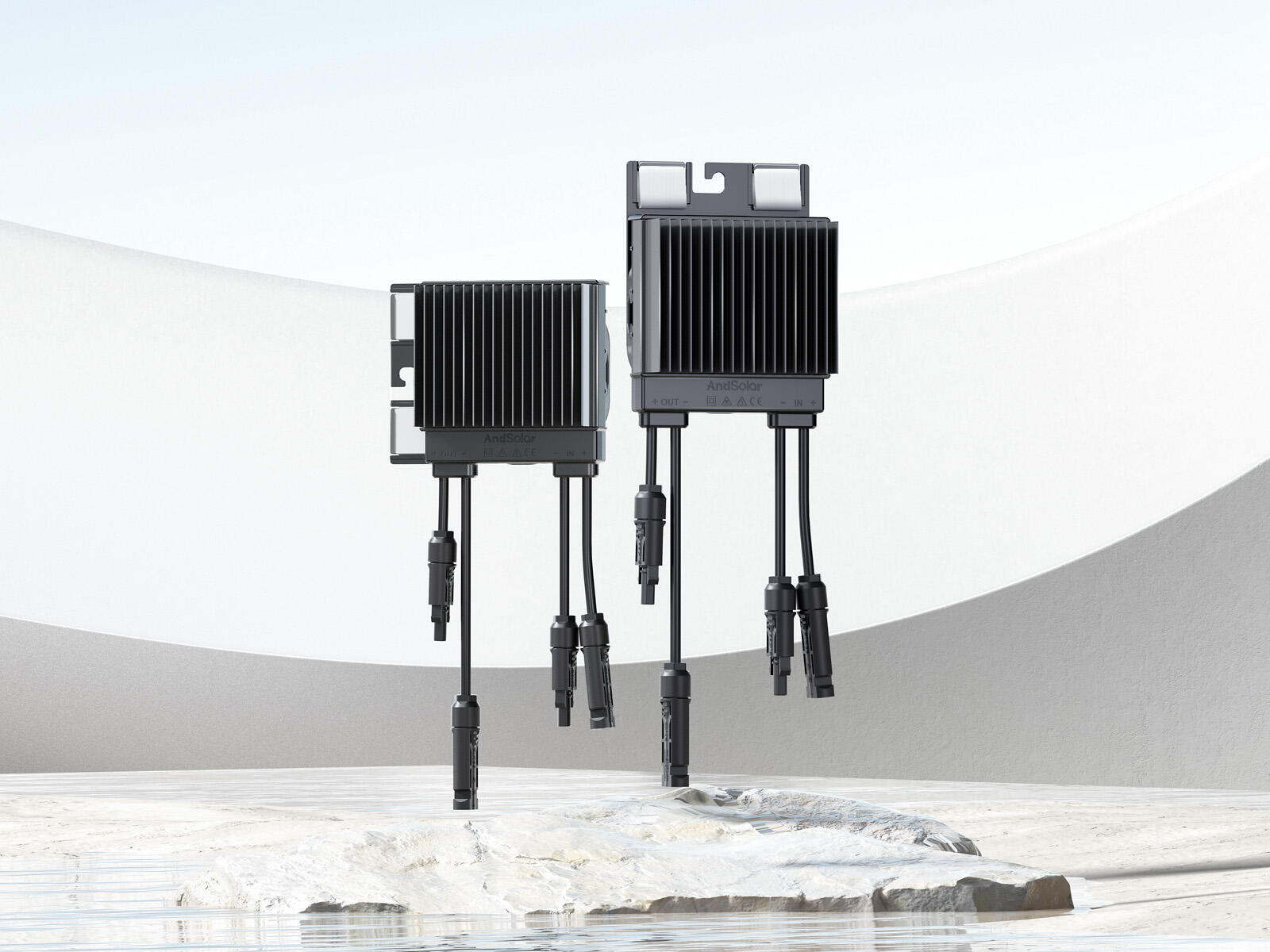
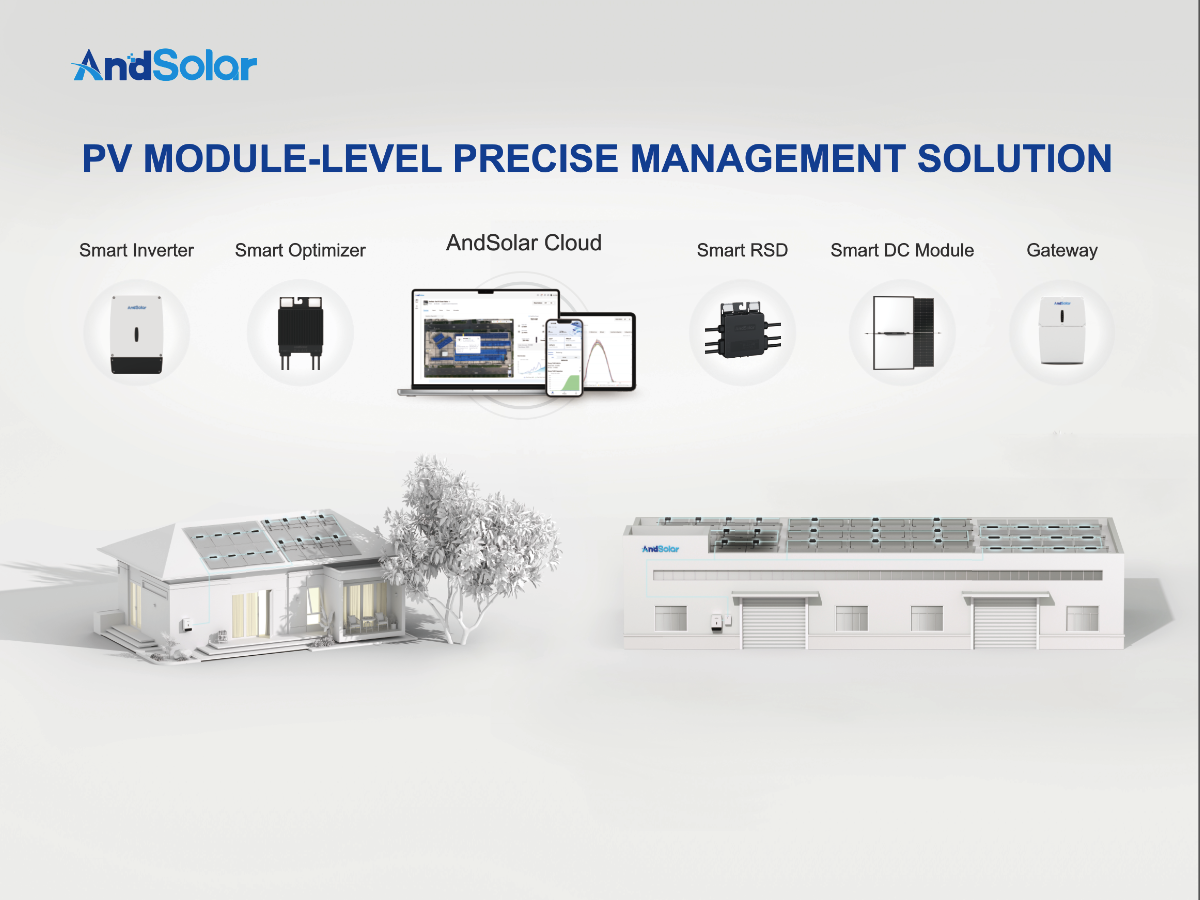
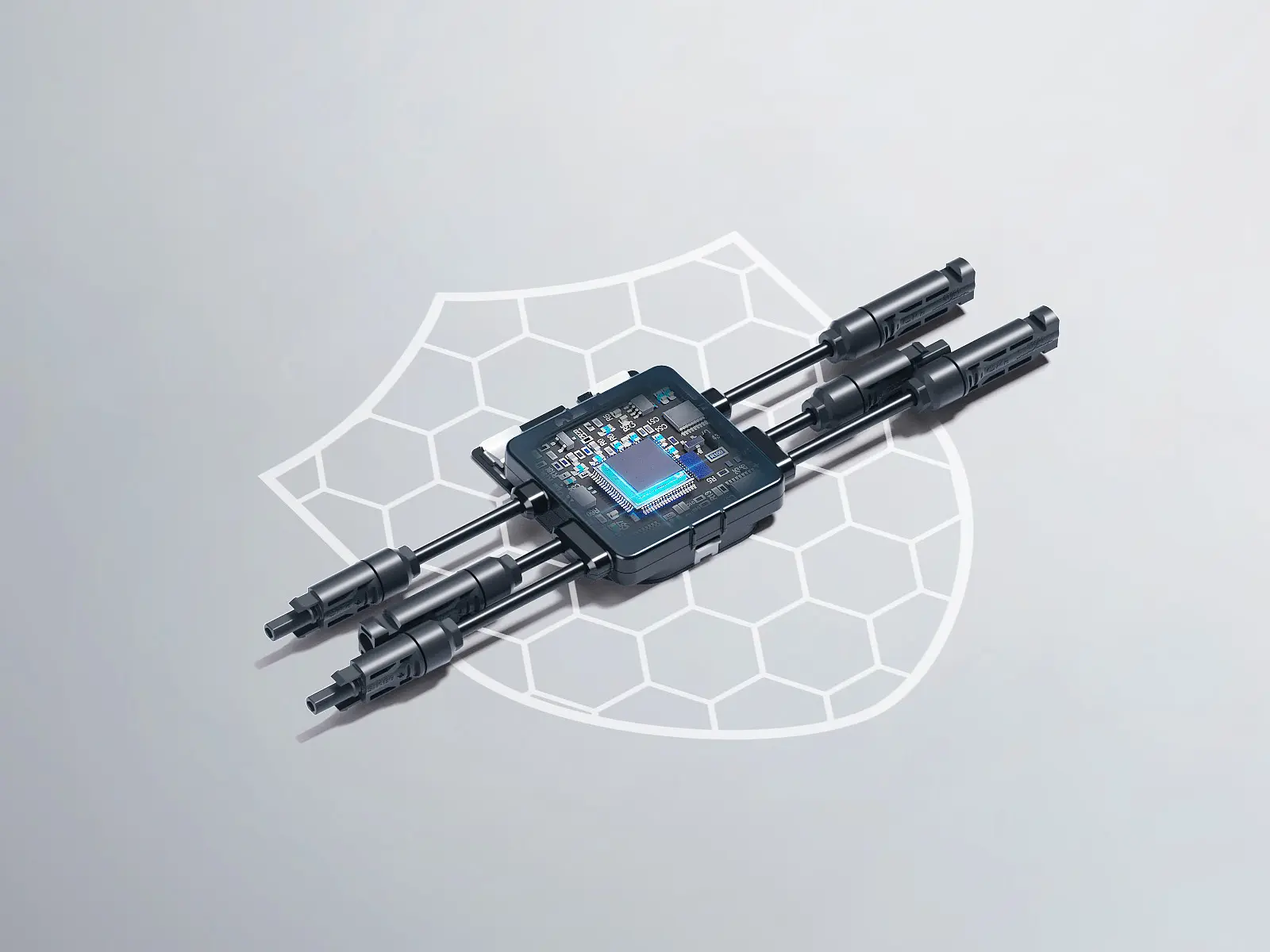
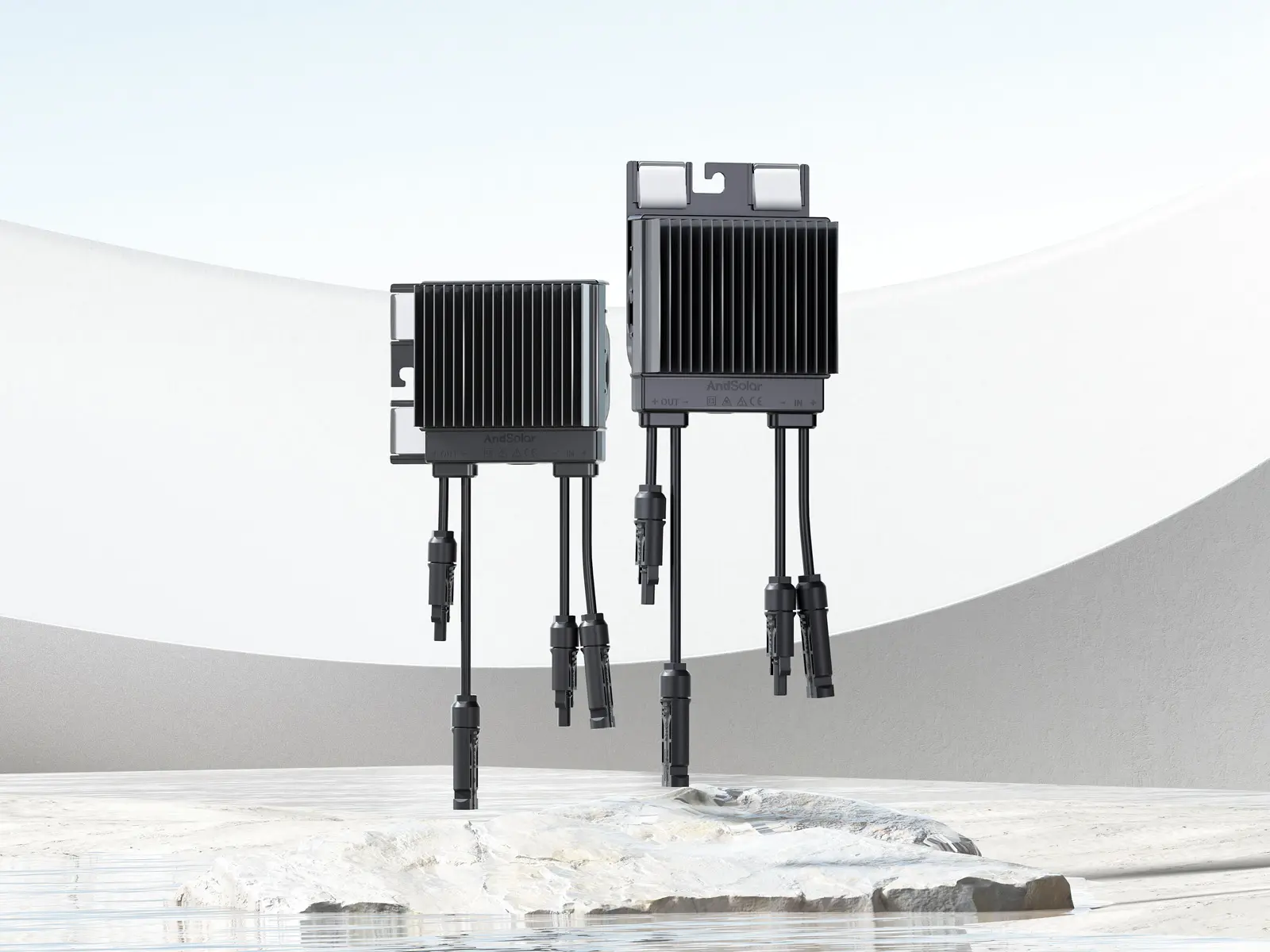
Photovoltaic modules offer unprecedented flexibility through diverse mounting configurations that accommodate virtually any building type, roof design, or available space constraint while maximizing energy generation potential. Rooftop installations utilize innovative racking systems that securely attach modules to various roof materials including asphalt shingles, metal panels, tile surfaces, and flat membrane systems without compromising structural integrity or weather sealing. Ground-mount configurations provide optimal positioning for maximum sun exposure while offering easy access for maintenance and cleaning activities, particularly beneficial for properties with limited roof space or unfavorable roof orientations. Tracking systems automatically adjust module positioning throughout the day, following the sun's path to increase energy production by up to thirty percent compared to fixed installations, making them ideal for commercial and utility-scale applications. Building-integrated photovoltaic solutions seamlessly incorporate modules into architectural elements such as facades, canopies, and skylights, creating aesthetically pleasing installations that serve dual functions as both building materials and energy generators. Carport and pergola designs transform parking areas and outdoor living spaces into productive energy generation zones while providing valuable shade and weather protection. Modular design principles enable system expansion as energy needs grow or budgets allow, starting with smaller installations and adding capacity incrementally without requiring complete system redesigns or extensive infrastructure modifications. Microinverter and power optimizer technologies maximize individual module performance while providing detailed monitoring capabilities that track energy production at the panel level, identifying maintenance needs and optimizing system efficiency. Off-grid applications combine photovoltaic modules with battery storage systems to create completely independent power solutions for remote cabins, RVs, boats, and emergency backup systems. Grid-tie configurations allow seamless integration with existing electrical infrastructure while enabling net metering arrangements that provide credit for excess energy production. Professional installation teams possess specialized training and certification to ensure proper mounting, electrical connections, and system commissioning that maximizes safety, performance, and warranty compliance while meeting all applicable codes and regulations.

Get a Free Quote

Our representative will contact you soon.
Name
Email
Phone/ WhatsApp
Company Name
Product Selection
Message
0/1000

photovoltaic modules

Latest News

How to choose the rapid shutdown device for your solar installation

21

Jul

How to choose the rapid shutdown device for your solar installation

Making the Right Safety Choice for Solar Installations As solar energy adoption continues to rise in both residential and commercial sectors, safety considerations are becoming a top priority during system design and installation. One of the most cr...
View More
Benefits of MLPE VS. traditional PV system

21

Jul

Benefits of MLPE VS. traditional PV system

Comparing Modern and Traditional Approaches to Solar Power Management As solar energy adoption continues to grow globally, both homeowners and commercial operators face critical choices in system architecture. Among the most significant is the decis...
View More
How Does the Rapid Shutdown Policy Improve Solar Safety Standards?

13

Aug

How Does the Rapid Shutdown Policy Improve Solar Safety Standards?

Strengthening Solar Power Systems Through Advanced Safety Measures In the rapidly expanding solar industry, safety has emerged as one of the most critical aspects of system design and operation. As more residential, commercial, and utility-scale inst...
View More
Understanding ABNT NBR 17193:2025 & Rapid Shutdown: Everything You Need to Know

23

Sep

Understanding ABNT NBR 17193:2025 & Rapid Shutdown: Everything You Need to Know

The Evolution of Solar Safety Standards in Brazil The solar energy landscape in Brazil is undergoing a significant transformation with the introduction of ABNT NBR 17193:2025, particularly focusing on rapid shutdown requirements. This revolutionary s...
View More

Get a Free Quote

Our representative will contact you soon.
Name
Email
Phone/ WhatsApp
Company Name
Product Selection
Message
0/1000