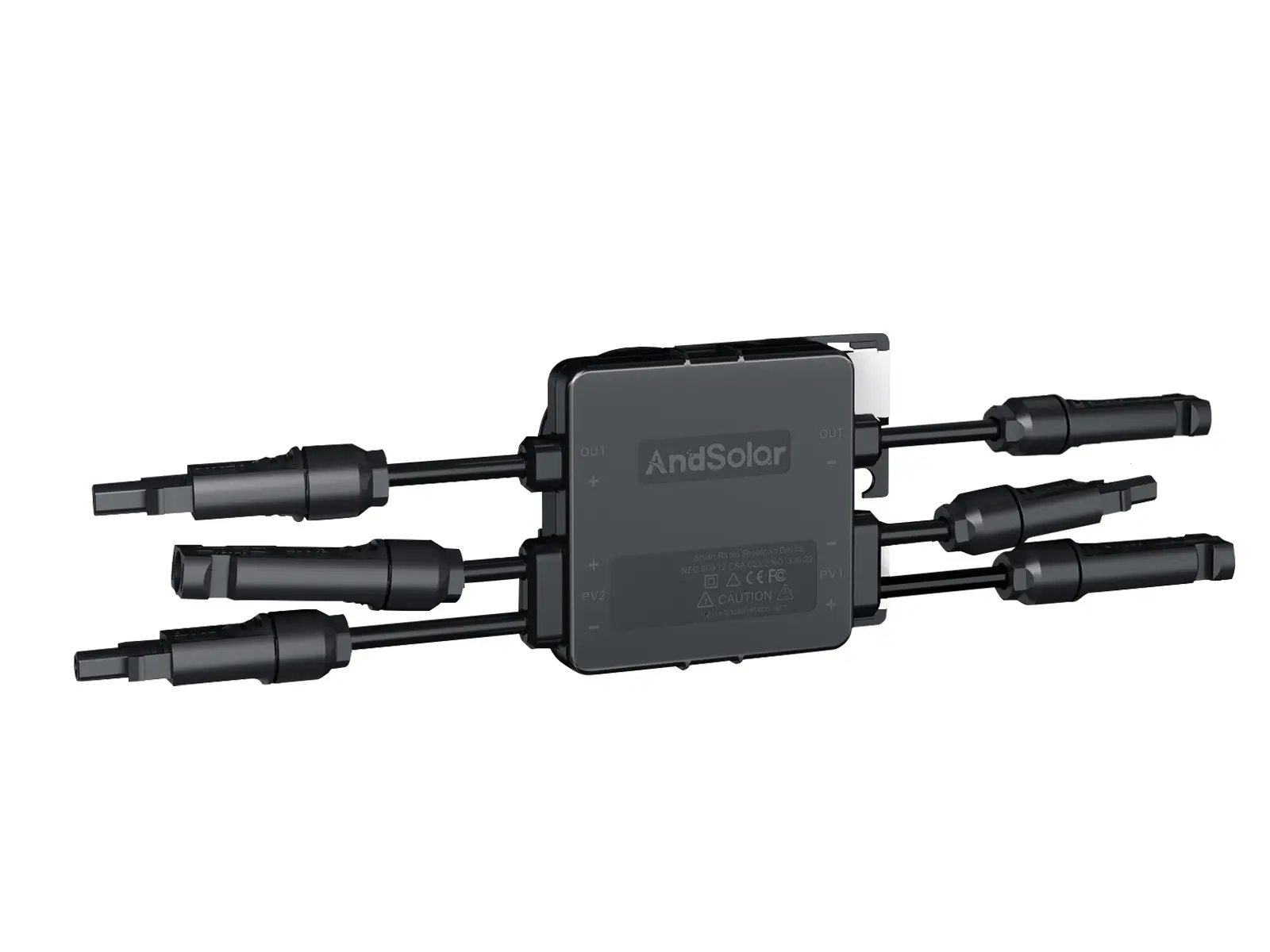
Smart Solar Plant Management: Advanced Monitoring & Optimization Solutions

  • 8F, Block B, Building 1, 286 Qinglonggang Road, Suzhou City, Jiangsu Province, P. R. China
  • [email protected]
AndSolar Cloud

smart solar plant management

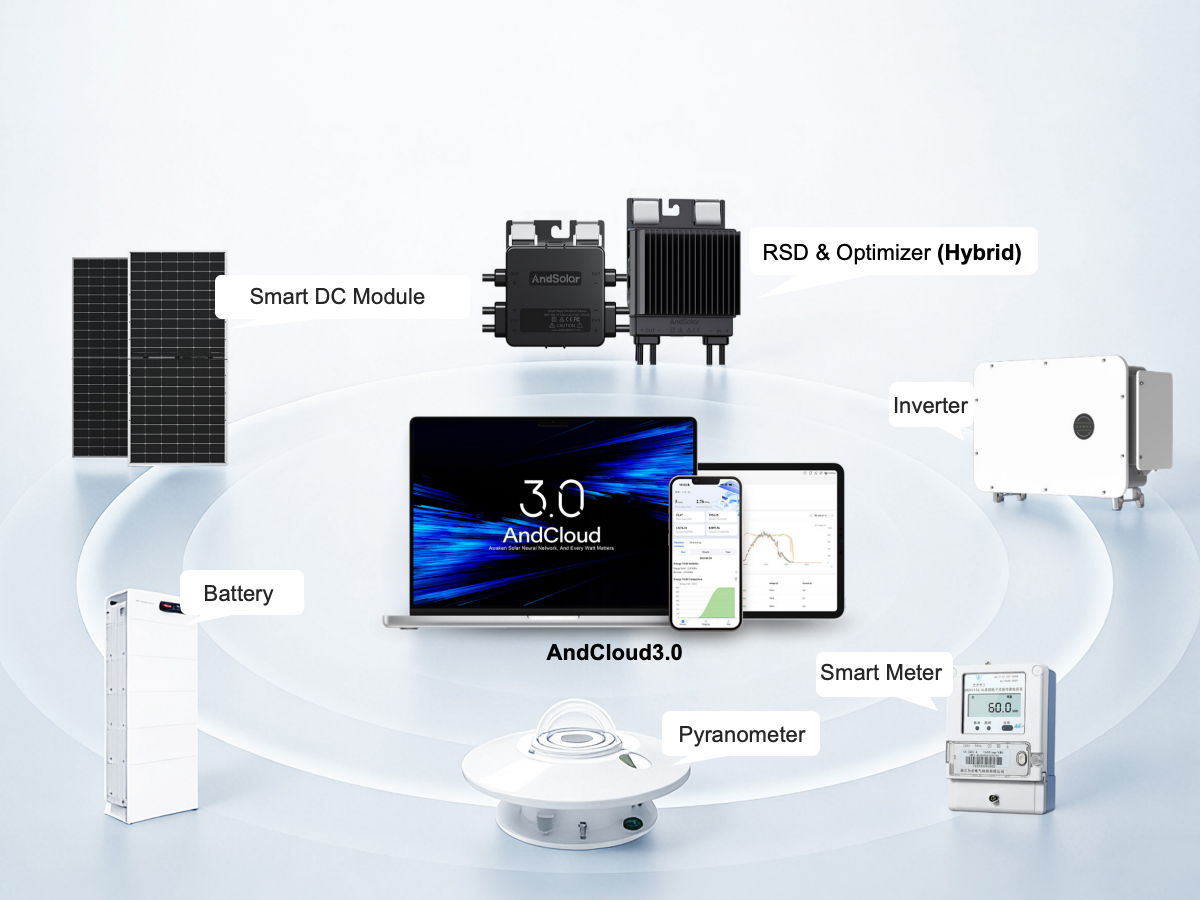
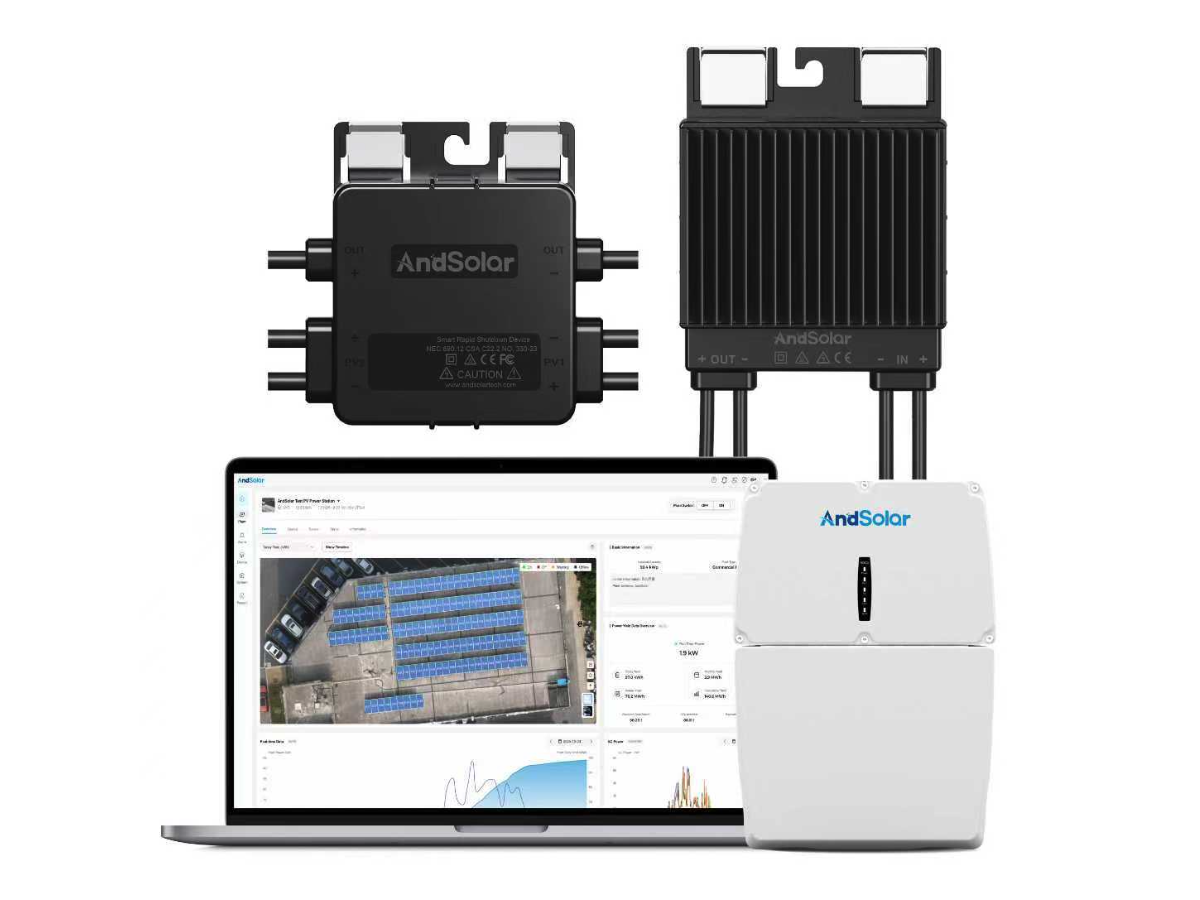
Smart solar plant management represents a revolutionary approach to optimizing renewable energy operations through advanced digital technologies and automation systems. This comprehensive solution integrates artificial intelligence, machine learning, and Internet of Things (IoT) sensors to create a seamlessly connected ecosystem that monitors, controls, and optimizes solar power generation facilities in real-time. The smart solar plant management system serves as the central nervous system for modern photovoltaic installations, enabling operators to maximize energy output while minimizing operational costs and maintenance requirements. At its core, smart solar plant management encompasses sophisticated monitoring capabilities that track every aspect of solar panel performance, from individual cell efficiency to overall system productivity. These systems utilize weather forecasting integration, predictive maintenance algorithms, and automated cleaning schedules to ensure optimal performance under varying environmental conditions. The technological foundation includes cloud-based data analytics platforms, remote monitoring dashboards, and mobile applications that provide operators with instant access to critical performance metrics and alerts. Key functions include real-time performance monitoring, fault detection and diagnosis, energy yield optimization, maintenance scheduling, and comprehensive reporting capabilities. The system continuously analyzes performance data to identify inefficiencies, predict potential failures, and recommend corrective actions before issues impact energy production. Smart solar plant management applications span across utility-scale installations, commercial rooftop systems, and residential solar arrays, adapting to various scales and requirements. These solutions integrate with existing energy management systems, grid connectivity protocols, and financial modeling tools to provide holistic operational oversight. The technology enables remote troubleshooting, automated system adjustments, and detailed performance analytics that help stakeholders make informed decisions about their solar investments. Modern smart solar plant management platforms also incorporate energy storage optimization, grid integration capabilities, and demand response features that enhance overall system value and reliability.
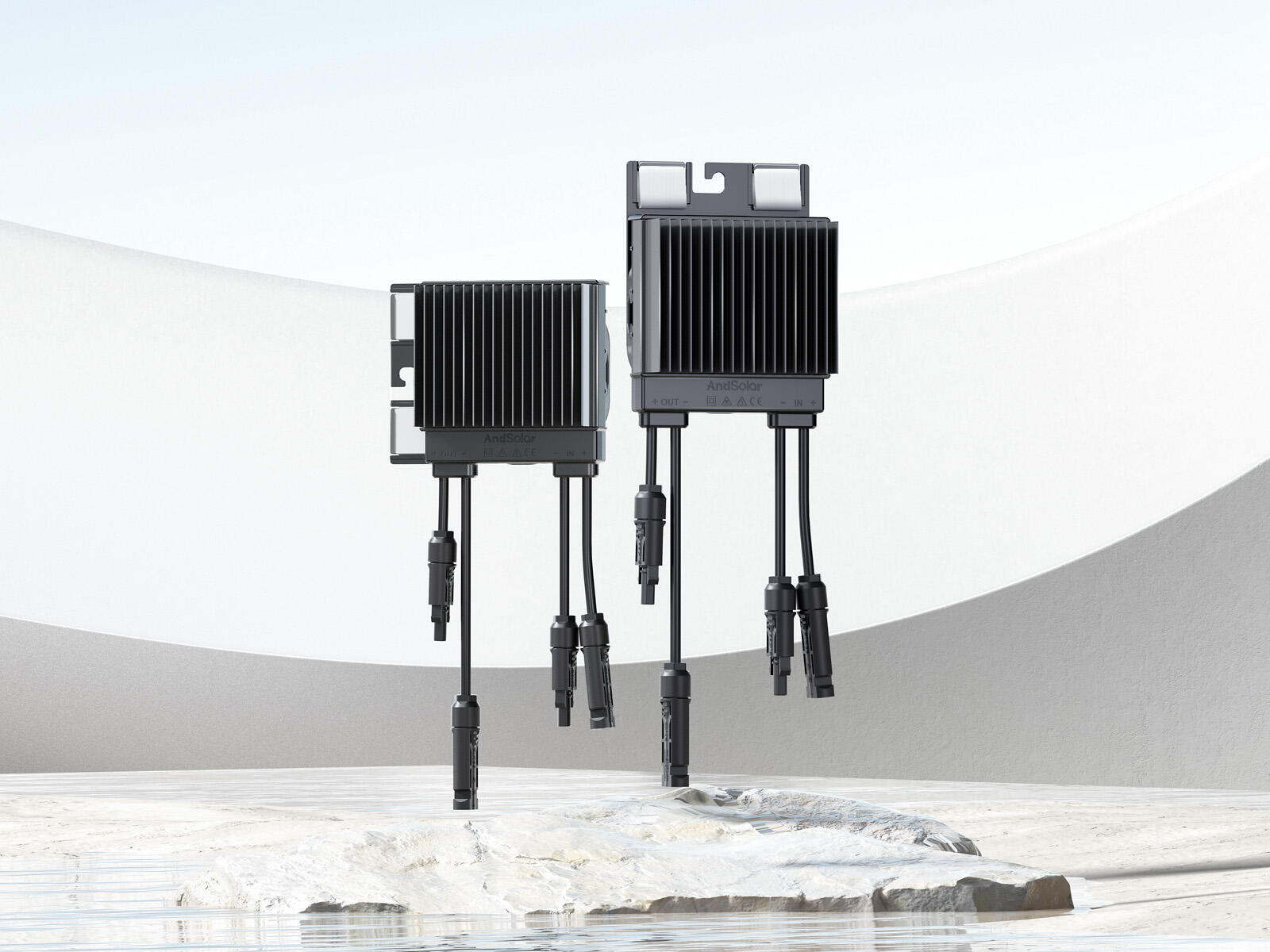
Smart solar plant management delivers significant operational benefits that directly impact your bottom line and system reliability. The most immediate advantage is increased energy production through continuous optimization algorithms that adjust panel angles, track weather patterns, and identify underperforming components before they affect overall output. This proactive approach typically increases energy yield by 15-25 percent compared to traditional monitoring methods, translating directly into higher revenue streams for commercial operators and greater savings for residential users. Cost reduction represents another major benefit, as smart solar plant management eliminates the need for frequent manual inspections and reduces emergency repair situations through predictive maintenance capabilities. The system automatically schedules maintenance activities based on actual component wear and performance degradation rather than arbitrary time intervals, reducing labor costs and preventing costly equipment failures. Remote monitoring capabilities allow operators to manage multiple installations from a single location, dramatically reducing travel expenses and enabling faster response times to system issues. The enhanced reliability provided by smart solar plant management systems ensures consistent energy production and minimizes unexpected downtime. Advanced fault detection algorithms can identify potential problems days or weeks before they cause system failures, allowing for planned maintenance during optimal weather windows. This reliability is particularly valuable for commercial installations where energy production directly impacts business operations and financial commitments to utility companies. Simplified operations management is another key advantage, as these systems consolidate all monitoring, control, and reporting functions into user-friendly dashboards accessible from any internet-connected device. Operators can quickly assess system performance, identify trends, and generate detailed reports for stakeholders without requiring specialized technical expertise. Smart solar plant management also provides valuable data insights that help optimize future installations and improve overall portfolio performance. The system tracks long-term performance trends, identifies optimal maintenance strategies, and provides benchmark data that supports informed investment decisions. Integration capabilities with existing energy management systems create seamless workflows and eliminate data silos that often complicate multi-technology installations. These advantages combine to create a comprehensive solution that maximizes return on investment while minimizing operational complexity and risk.

Popular Products

Advanced Predictive Maintenance Technology

Advanced Predictive Maintenance Technology

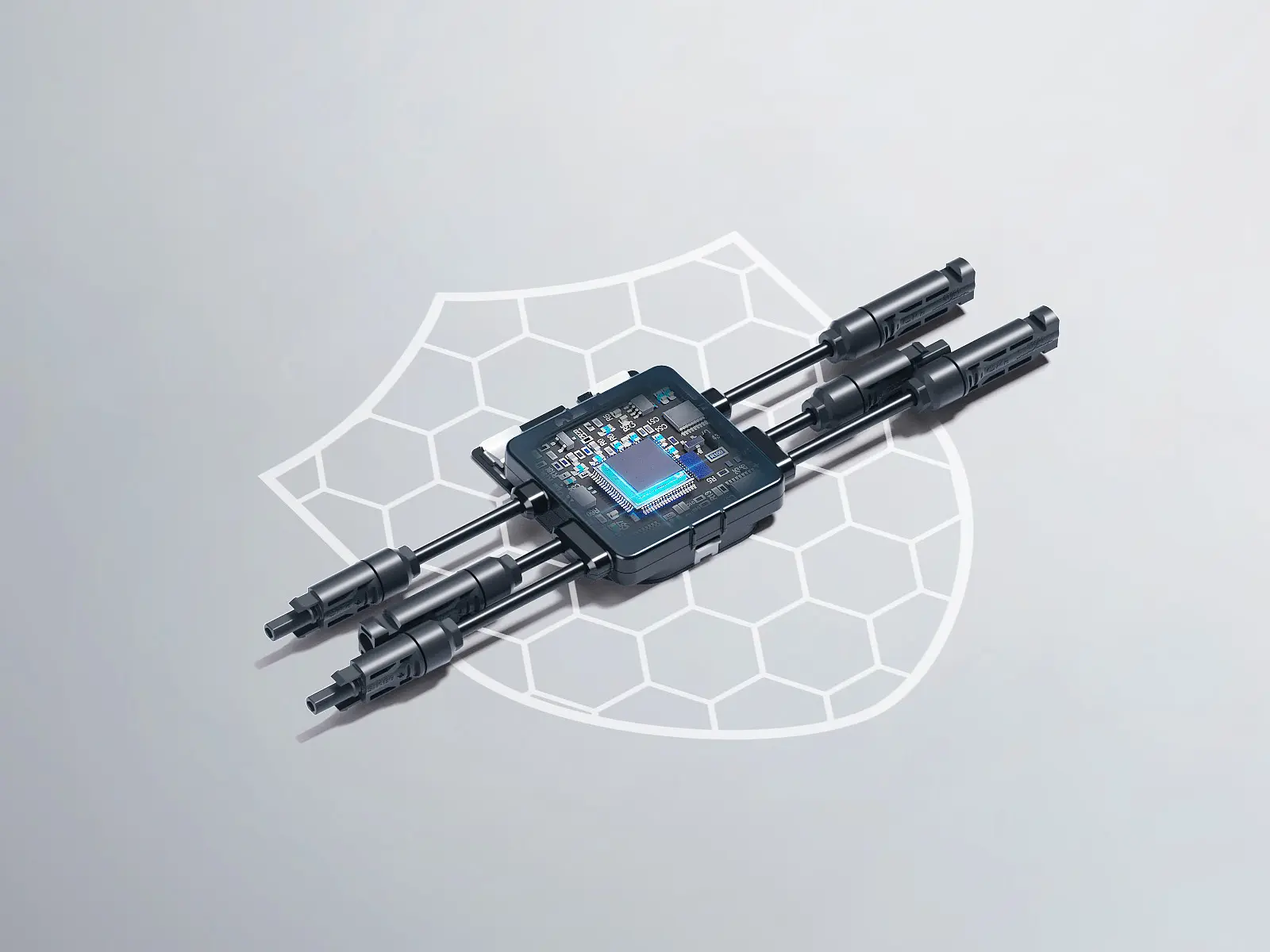
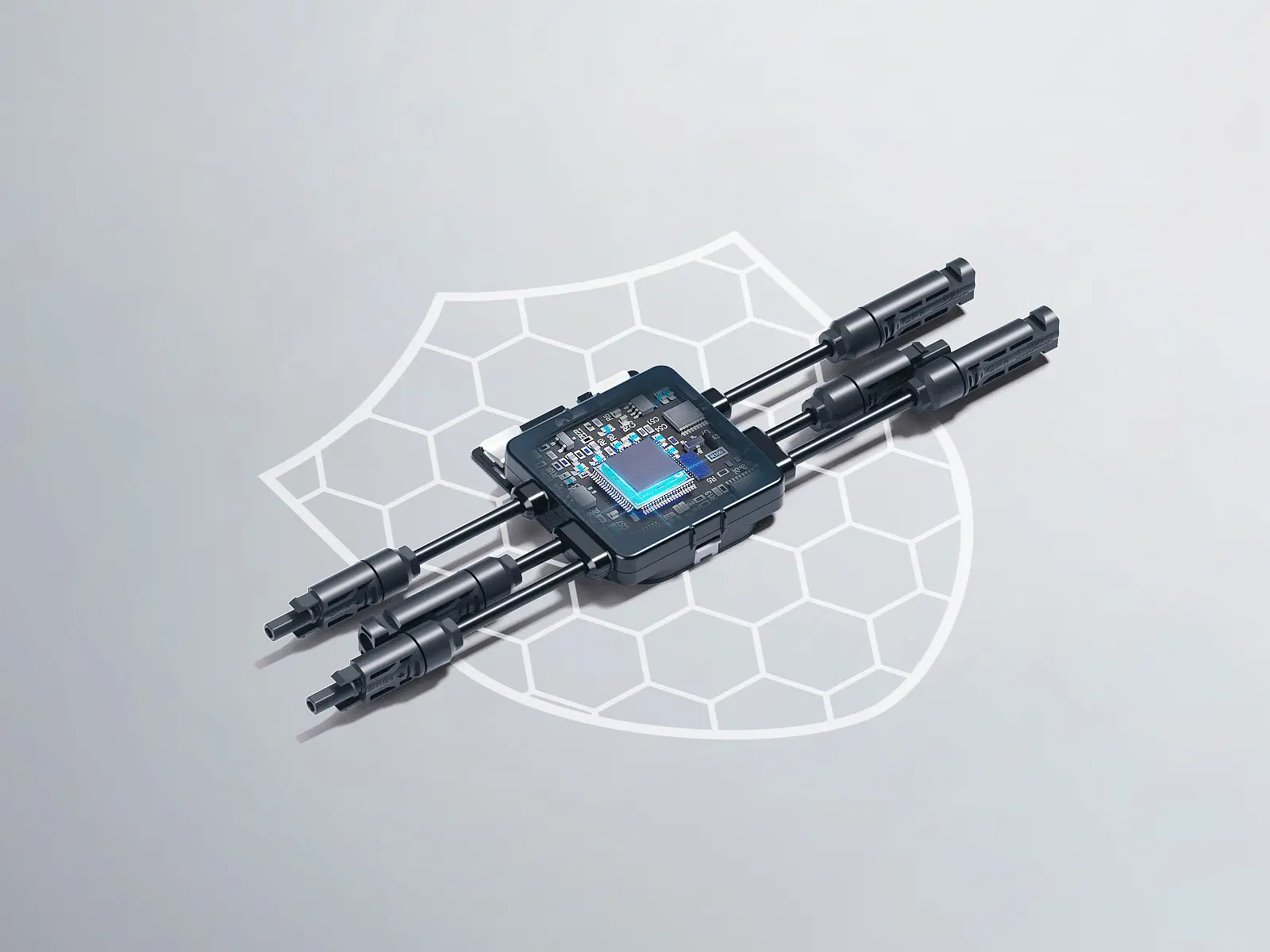
Smart solar plant management revolutionizes maintenance operations through sophisticated predictive analytics that transform how solar installations are serviced and maintained. This cutting-edge feature utilizes machine learning algorithms and historical performance data to predict component failures weeks or months before they occur, enabling operators to schedule maintenance activities during optimal conditions rather than responding to emergency breakdowns. The system continuously monitors thousands of data points from individual solar panels, inverters, tracking systems, and electrical components, analyzing patterns that indicate declining performance or impending failures. By identifying subtle changes in voltage output, current fluctuations, temperature variations, and efficiency metrics, the predictive maintenance technology can pinpoint specific components that require attention before they impact overall system performance. This proactive approach eliminates the traditional reactive maintenance model that often results in unexpected downtime, emergency service calls, and costly expedited parts replacement. The financial impact of predictive maintenance extends far beyond simple cost avoidance, as it enables operators to optimize maintenance schedules around weather patterns, labor availability, and bulk purchasing opportunities for replacement parts. Smart solar plant management systems can coordinate maintenance activities across multiple installations, allowing service teams to maximize efficiency and reduce travel costs while ensuring critical repairs are completed promptly. The technology also extends equipment lifespan by preventing minor issues from developing into major failures that can damage multiple system components. Detailed maintenance histories and performance correlations help operators identify optimal replacement schedules for consumable components, reducing both maintenance costs and system downtime. Integration with inventory management systems ensures that necessary parts are available when needed, while automated work order generation streamlines the entire maintenance workflow. This comprehensive approach to predictive maintenance not only improves system reliability and reduces operational costs but also provides valuable insights that inform future installation designs and component selection decisions, creating a continuous improvement cycle that enhances overall solar plant performance.
Real-Time Performance Optimization Engine

Real-Time Performance Optimization Engine

The real-time performance optimization engine represents the heart of smart solar plant management, delivering continuous adjustments and improvements that maximize energy production under any operational conditions. This sophisticated system processes millions of data points every second, analyzing weather conditions, solar irradiance levels, panel temperatures, and electrical output to make instant adjustments that optimize energy generation. The optimization engine integrates advanced weather forecasting data with real-time sensor inputs to predict optimal system configurations hours or days in advance, enabling proactive adjustments that maximize energy capture during peak production periods. Smart solar plant management systems utilize this capability to automatically adjust panel tracking angles, optimize inverter settings, and coordinate energy storage charging cycles to match anticipated demand patterns and grid requirements. The system continuously compares actual performance against theoretical maximum output, identifying inefficiencies and implementing corrective measures that maintain peak performance throughout varying environmental conditions. This dynamic optimization capability is particularly valuable during periods of partial shading, cloud cover, or extreme temperature variations that can significantly impact solar panel efficiency. The optimization engine also manages load balancing across multiple solar arrays, ensuring that energy production is distributed efficiently while preventing overloading of individual system components. Advanced algorithms analyze historical performance data to identify optimal operational parameters for specific weather patterns, seasonal variations, and equipment configurations, creating customized optimization profiles that improve over time through machine learning processes. Integration with energy storage systems enables the optimization engine to coordinate solar production with battery charging and discharging cycles, maximizing the value of stored energy and improving overall system economics. The real-time nature of this optimization means that adjustments are implemented instantly as conditions change, ensuring that solar installations consistently operate at maximum efficiency regardless of external factors. Detailed performance analytics provide operators with comprehensive insights into optimization activities, enabling them to understand how various adjustments impact overall system performance and make informed decisions about future system modifications or expansions.
Comprehensive Remote Monitoring and Control Platform

Comprehensive Remote Monitoring and Control Platform

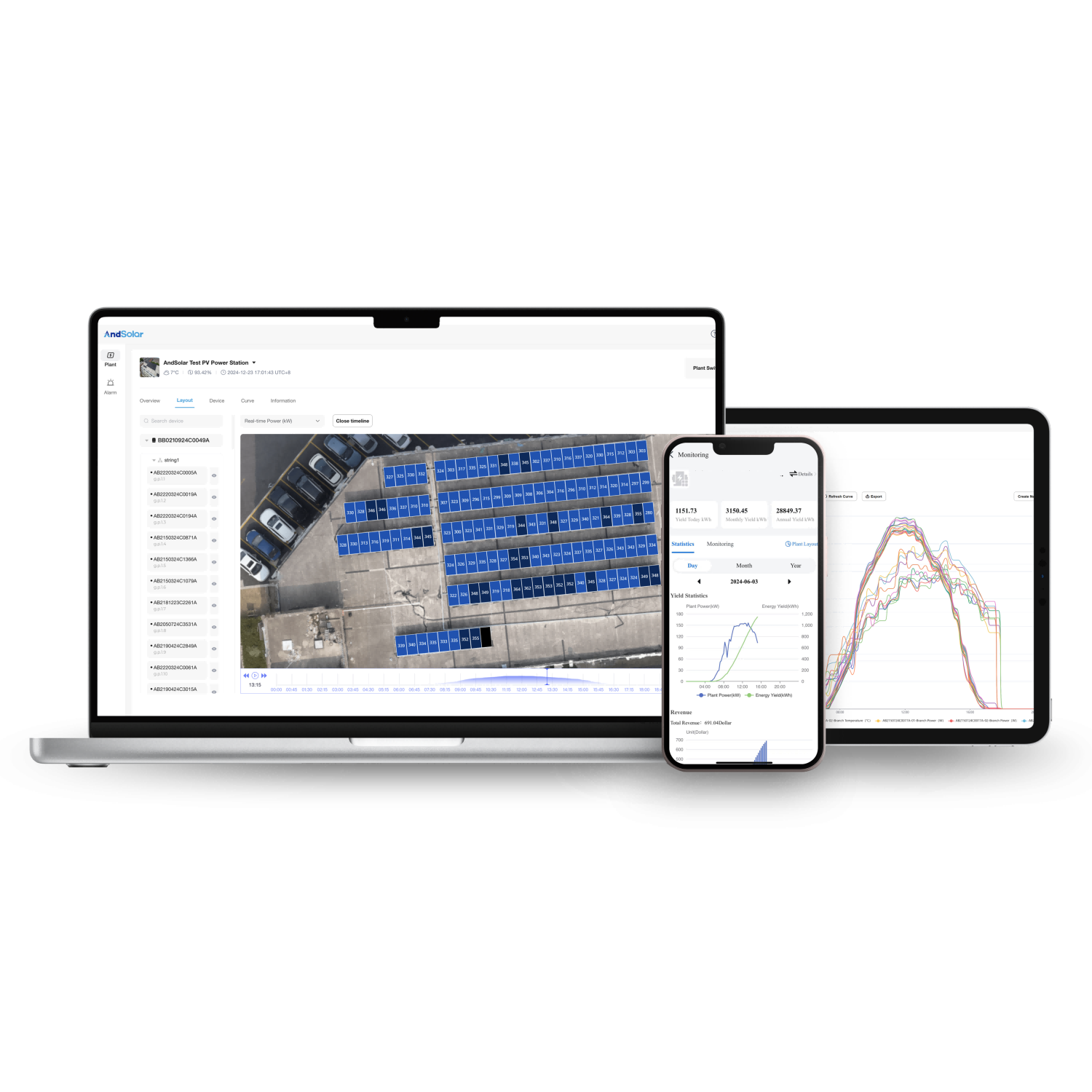
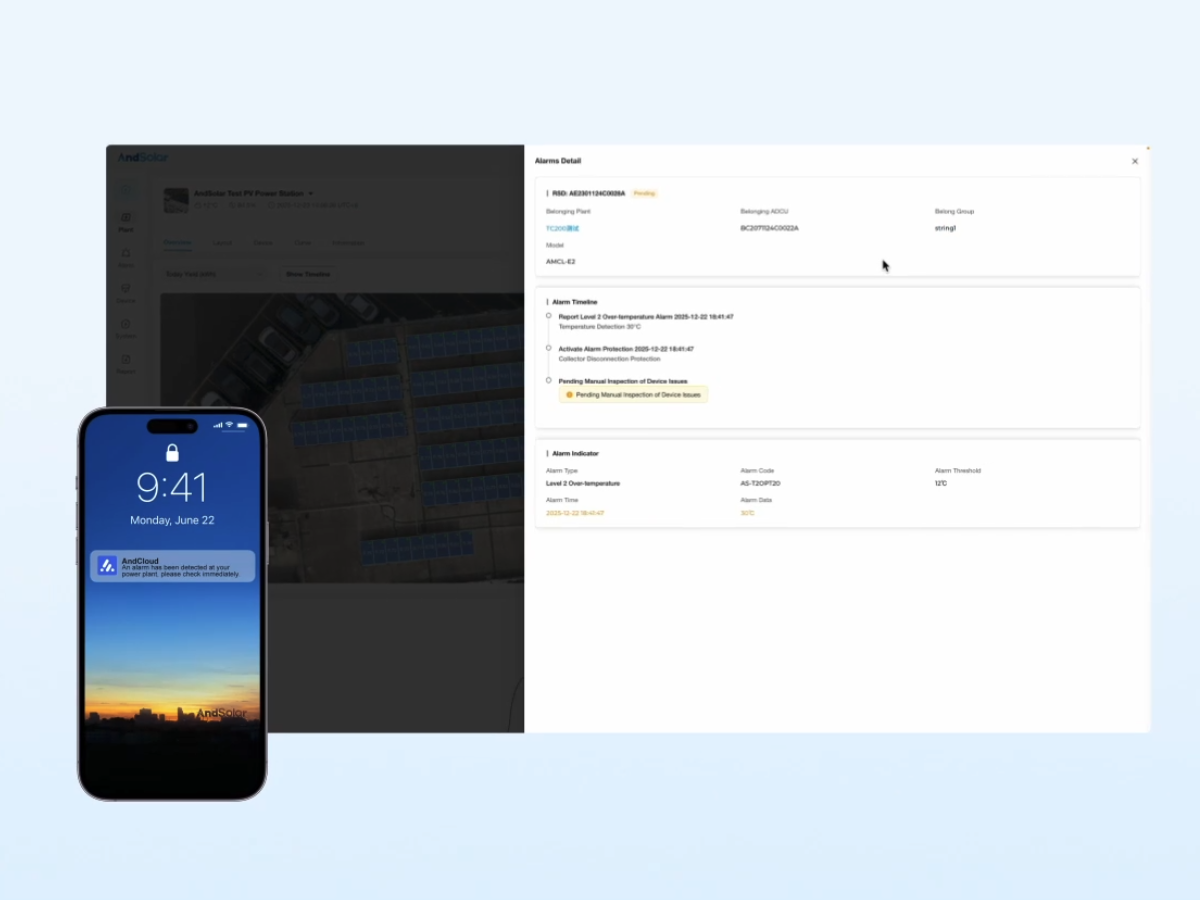
Smart solar plant management delivers unparalleled operational control through comprehensive remote monitoring and control platforms that enable complete system oversight from any location with internet connectivity. This powerful capability transforms solar plant operations by eliminating the need for constant on-site presence while providing operators with detailed insights into every aspect of system performance and health. The remote monitoring platform consolidates data from hundreds or thousands of individual sensors, creating centralized dashboards that present complex information in easily understandable formats that enable quick decision-making and rapid response to system issues. Operators can monitor multiple installations simultaneously, comparing performance across different locations, weather conditions, and equipment configurations to identify best practices and optimization opportunities. The platform provides real-time alerts and notifications for any system anomalies, component failures, or performance degradation, ensuring that issues are addressed promptly before they impact energy production or cause equipment damage. Advanced visualization tools enable operators to drill down from high-level system overviews to individual component performance metrics, providing the detailed information necessary for informed troubleshooting and maintenance decisions. Smart solar plant management platforms include sophisticated reporting capabilities that generate automated performance summaries, financial analyses, and compliance documentation required by utility companies, investors, and regulatory agencies. The remote control functionality enables operators to make system adjustments, reset components, and modify operational parameters without requiring site visits, reducing operational costs and improving response times to changing conditions. Integration with mobile devices ensures that critical system information is always accessible, allowing operators to monitor installations and respond to alerts regardless of their location. The platform also supports multi-user access with customizable permission levels, enabling different stakeholders to access relevant information while maintaining system security and operational control. Historical data storage and analysis capabilities provide valuable insights into long-term performance trends, seasonal variations, and equipment reliability patterns that inform strategic planning and investment decisions. This comprehensive remote monitoring and control capability not only improves operational efficiency and reduces costs but also enhances system reliability and maximizes return on investment through proactive management and optimization of solar energy assets.

Get a Free Quote

Our representative will contact you soon.
Name
Email
Phone/ WhatsApp
Company Name
Product Selection
Message
0/1000

smart solar plant management

Latest News

How to choose the rapid shutdown device for your solar installation

21

Jul

How to choose the rapid shutdown device for your solar installation

Making the Right Safety Choice for Solar Installations As solar energy adoption continues to rise in both residential and commercial sectors, safety considerations are becoming a top priority during system design and installation. One of the most cr...
View More
The Comparison Between Module-Level Rapid Shutdown Devices and String-Level Rapid Shutdown Devices

13

Aug

The Comparison Between Module-Level Rapid Shutdown Devices and String-Level Rapid Shutdown Devices

Advancing Solar Safety Through Modern Shutdown Solutions In the evolving solar energy industry, system safety and compliance with regulations are crucial for long-term performance. Rapid shutdown devices have become a standard requirement in many reg...
View More
Will Rapid Shutdown Devices Affect Solar System Performance?

13

Aug

Will Rapid Shutdown Devices Affect Solar System Performance?

Optimizing Solar System Safety Without Compromising Efficiency In the modern solar energy landscape, safety and performance go hand in hand. The industry has evolved from focusing solely on maximizing energy yield to ensuring that systems operate wit...
View More
Understanding ABNT NBR 17193:2025 & Rapid Shutdown: Everything You Need to Know

23

Sep

Understanding ABNT NBR 17193:2025 & Rapid Shutdown: Everything You Need to Know

The Evolution of Solar Safety Standards in Brazil The solar energy landscape in Brazil is undergoing a significant transformation with the introduction of ABNT NBR 17193:2025, particularly focusing on rapid shutdown requirements. This revolutionary s...
View More

Get a Free Quote

Our representative will contact you soon.
Name
Email
Phone/ WhatsApp
Company Name
Product Selection
Message
0/1000