Complete Home Solar Power Systems: Advanced Energy Solutions for Modern Living

  • 8F, Block B, Building 1, 286 Qinglonggang Road, Suzhou City, Jiangsu Province, P. R. China
  • [email protected]
AndSolar Cloud

home solar power systems

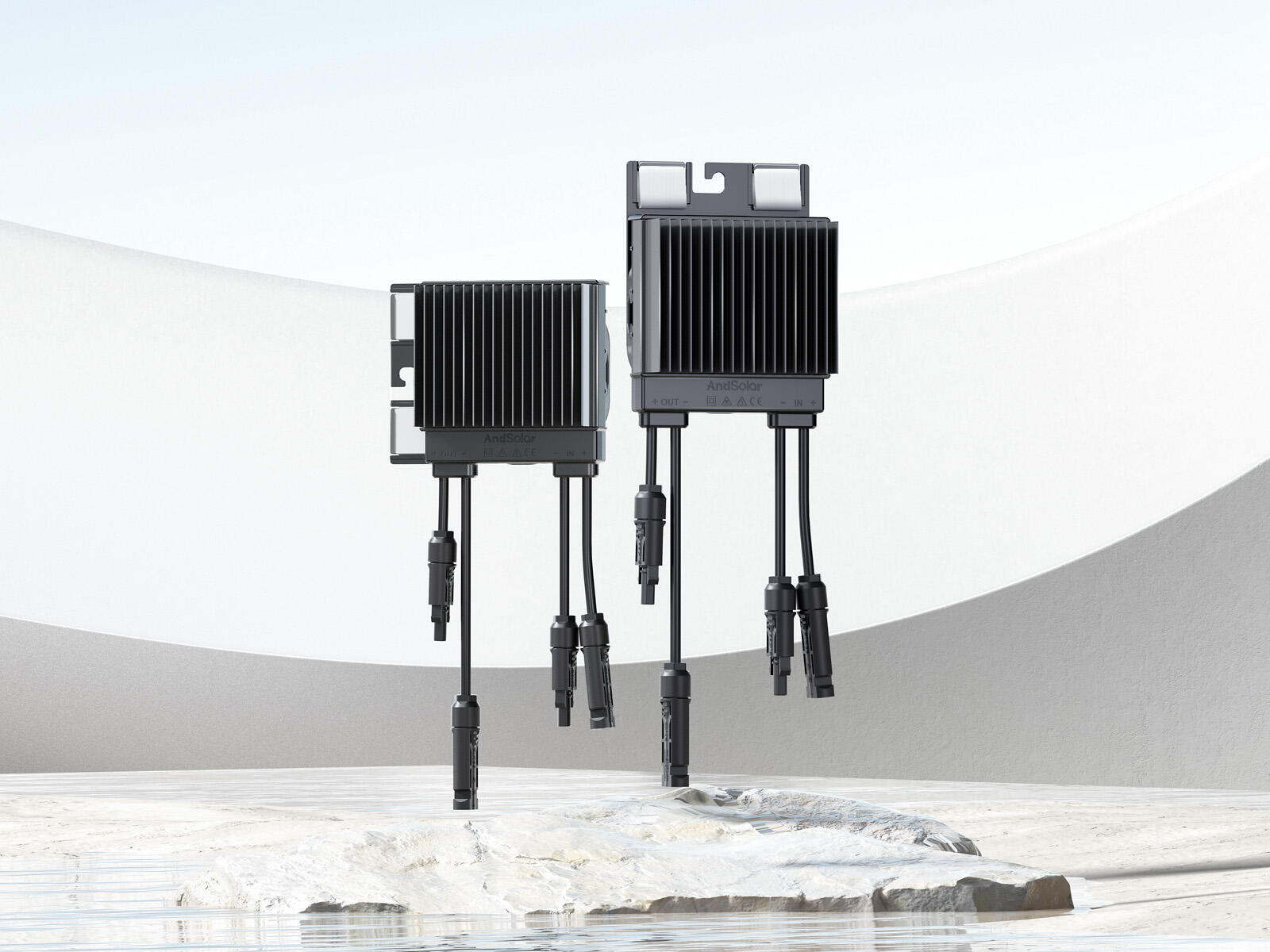
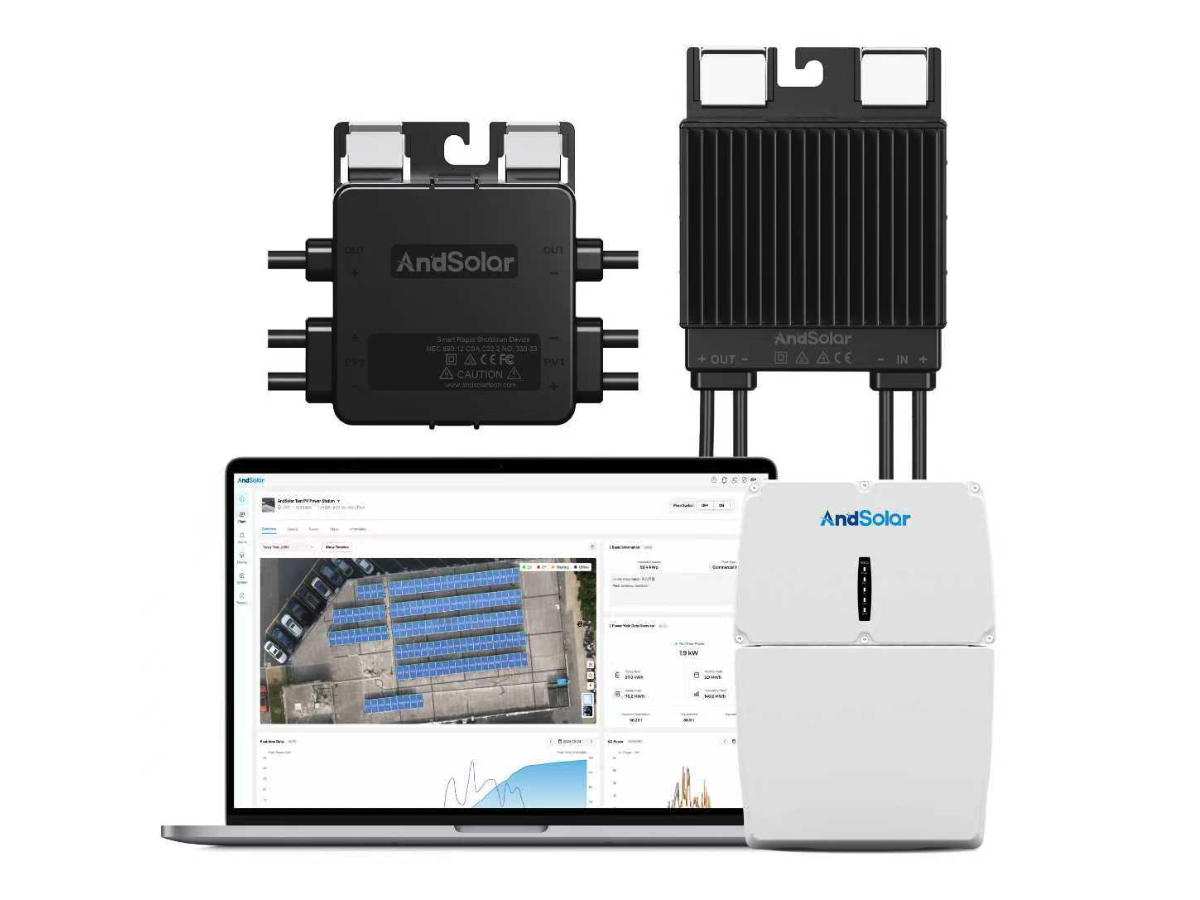
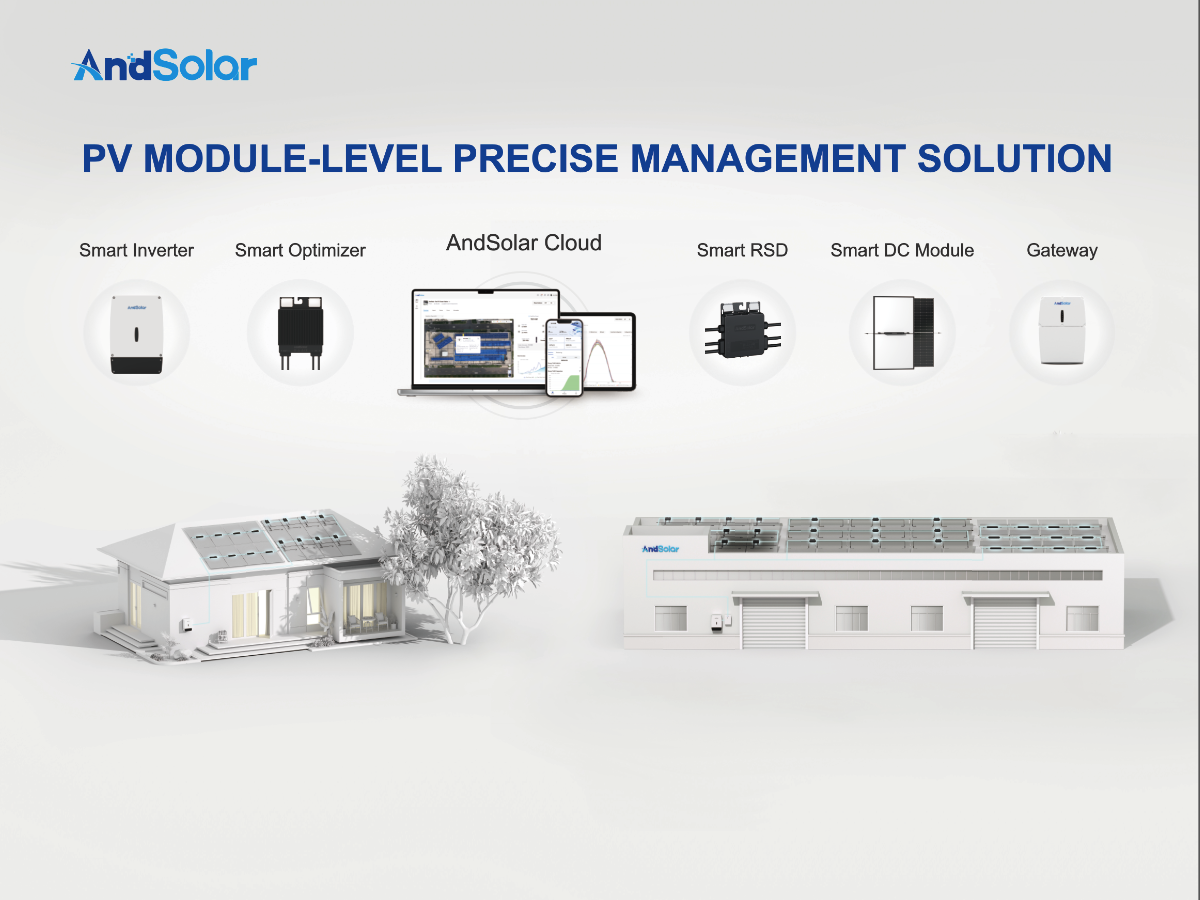
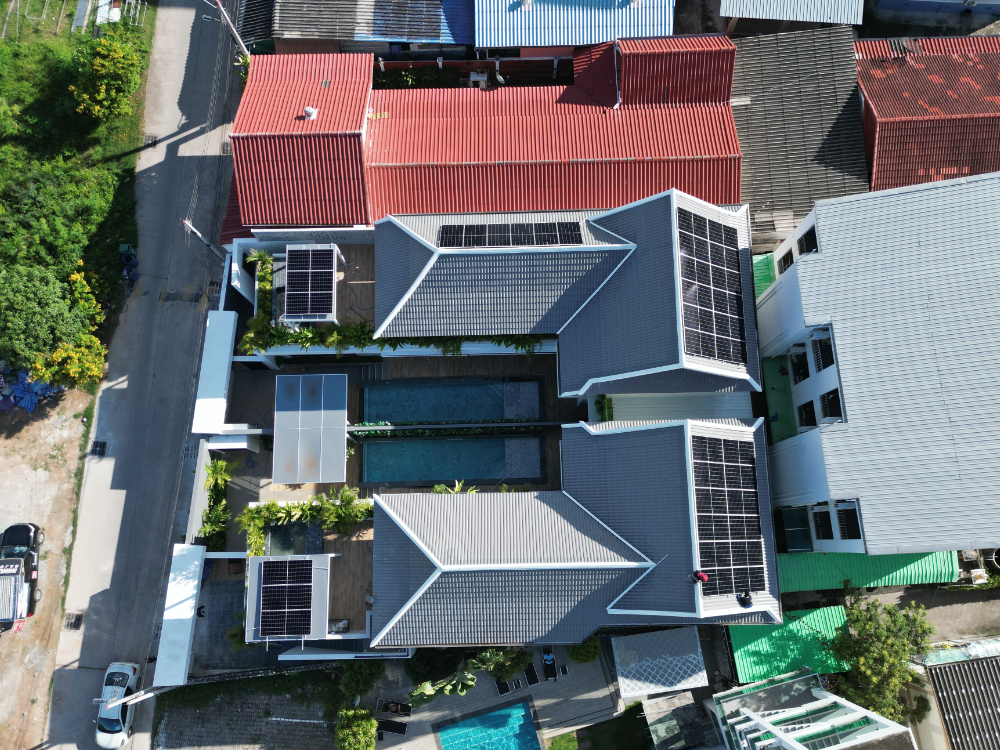
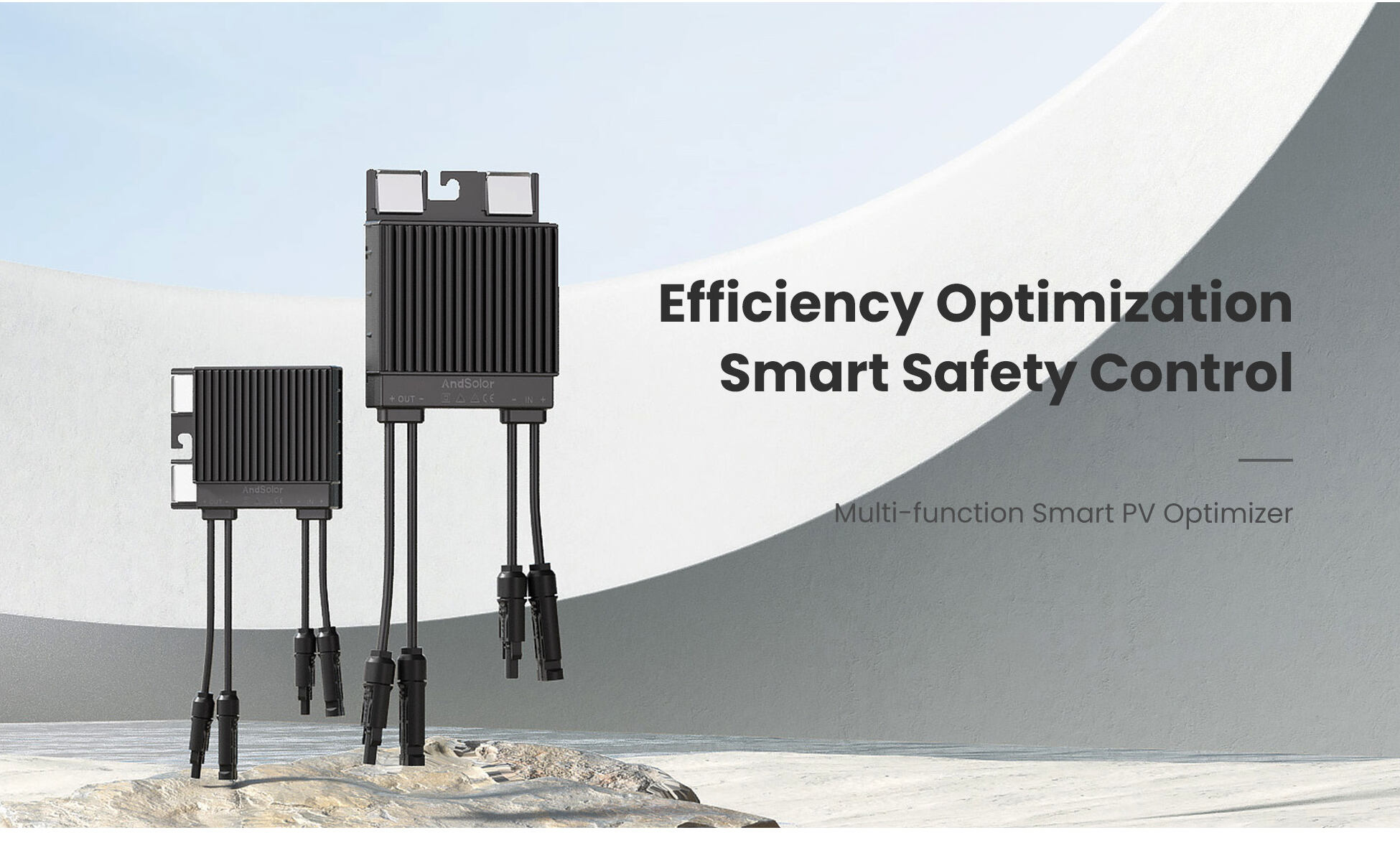
Home solar power systems represent a revolutionary approach to residential energy generation, transforming sunlight into clean electricity for everyday household use. These comprehensive energy solutions consist of several interconnected components working harmoniously to capture, convert, and distribute solar energy throughout your home. The primary components include photovoltaic panels, inverters, mounting systems, monitoring equipment, and optional battery storage units. Solar panels, typically installed on rooftops or ground-mounted areas, contain photovoltaic cells that convert sunlight directly into direct current electricity. The inverter serves as the system's brain, transforming DC power into alternating current electricity compatible with household appliances and the electrical grid. Modern home solar power systems incorporate advanced technological features that maximize energy production and system reliability. Smart monitoring capabilities allow homeowners to track real-time energy generation, consumption patterns, and system performance through mobile applications or web portals. These systems often include automated optimization features that adjust panel positioning and energy distribution based on weather conditions and household demand. Microinverters and power optimizers enhance individual panel performance, ensuring maximum energy harvest even when some panels experience shading or debris. The applications of home solar power systems extend far beyond simple electricity generation. These versatile installations can power entire households, charge electric vehicles, heat water systems, and provide backup power during outages when paired with battery storage. Grid-tied systems allow excess energy to be fed back into the utility network, creating potential revenue streams through net metering programs. Off-grid configurations enable energy independence in remote locations where traditional utility connections are unavailable or impractical. Home solar power systems also integrate seamlessly with smart home technologies, enabling automated energy management and load balancing throughout the residence.

Home solar power systems deliver exceptional financial benefits that create long-term value for homeowners seeking energy independence and cost reduction. These systems eliminate or dramatically reduce monthly electricity bills, with many homeowners achieving complete energy self-sufficiency within the first year of installation. The initial investment pays for itself through accumulated savings, typically recovering costs within six to eight years while providing decades of free electricity thereafter. Federal tax credits and local incentives further accelerate the return on investment, making home solar power systems increasingly affordable for families across various income levels. Environmental advantages position home solar power systems as responsible choices for eco-conscious homeowners committed to reducing their carbon footprint. Each kilowatt-hour generated by solar panels prevents approximately 1.5 pounds of carbon dioxide from entering the atmosphere, contributing significantly to climate change mitigation efforts. A typical residential solar installation eliminates the equivalent emissions of planting 150 trees annually, creating substantial environmental impact without requiring additional land use or resources. This clean energy generation helps preserve air quality and reduces dependence on fossil fuel power plants, supporting broader community health initiatives. Energy independence represents another compelling advantage of home solar power systems, providing homeowners with protection against rising utility rates and grid instabilities. Solar-powered homes maintain consistent energy costs regardless of fluctuating electricity prices, offering predictable budgeting and financial planning benefits. During power outages or grid failures, homes equipped with battery storage maintain essential electrical services, ensuring continued comfort and safety for families. This reliability becomes particularly valuable during extreme weather events or infrastructure emergencies that typically leave traditional grid-connected homes without power. Property value enhancement occurs automatically when homeowners install high-quality solar systems, with real estate studies indicating average home value increases of four percent or more. Potential buyers actively seek properties with existing solar installations, recognizing the immediate financial benefits and environmental advantages these systems provide. The increased marketability and reduced time-to-sell make home solar power systems valuable investments that benefit homeowners whether they remain in their current residence or decide to relocate. Modern financing options make solar adoption accessible without requiring large upfront investments, enabling more families to experience these transformative advantages immediately.

New Products

Advanced Energy Storage Integration

Advanced Energy Storage Integration

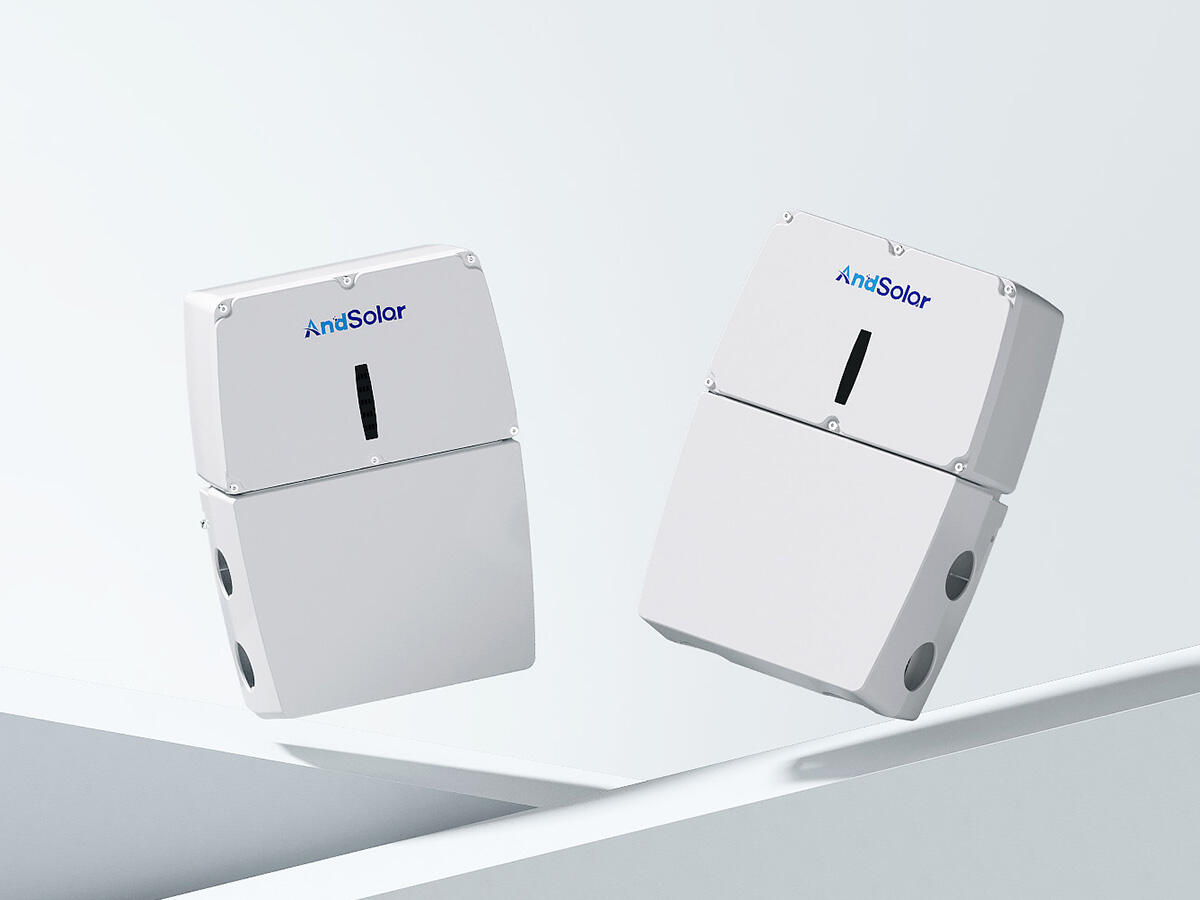
Home solar power systems excel through sophisticated battery storage integration that transforms houses into independent energy hubs capable of operating completely off-grid when necessary. Modern lithium-ion battery systems seamlessly connect with solar installations, storing excess daytime energy production for use during evening hours, cloudy weather, or power outages. These intelligent storage solutions automatically manage energy flow between solar panels, household consumption, battery charging, and grid interaction, optimizing every kilowatt-hour for maximum efficiency and cost savings. The advanced battery management systems monitor individual cell performance, temperature regulation, and charge cycles to ensure optimal longevity and safety throughout the system's operational lifetime. Smart algorithms predict household energy usage patterns and weather forecasts, preemptively adjusting charging and discharging schedules to maintain continuous power availability while minimizing grid dependence. During peak demand periods when utility rates reach their highest levels, stored solar energy powers the home automatically, avoiding expensive time-of-use charges that can significantly increase monthly electricity bills. The scalable nature of modern battery storage allows homeowners to expand capacity as energy needs grow or as additional solar panels are added to the system. Emergency backup capabilities provide peace of mind during natural disasters, grid failures, or infrastructure maintenance, ensuring critical appliances like refrigerators, medical equipment, and communication devices remain operational when neighbors lose power. Advanced monitoring capabilities allow homeowners to track battery performance, energy storage levels, and projected backup duration through intuitive mobile applications that provide real-time data and historical usage patterns. Installation flexibility accommodates various home configurations, with indoor and outdoor mounting options that integrate seamlessly with existing electrical systems while maintaining aesthetic appeal and safety standards.
Smart Grid Technology and Net Metering Benefits

Smart Grid Technology and Net Metering Benefits

Home solar power systems leverage cutting-edge smart grid technology to create bidirectional energy flow that transforms homeowners into energy producers capable of generating revenue from excess solar production. Net metering programs allow solar-equipped homes to feed surplus electricity back into the utility grid during peak production periods, receiving credits that offset future energy consumption when solar generation is insufficient. This sophisticated grid integration utilizes advanced inverter technology that automatically synchronizes solar power output with grid frequency and voltage requirements, ensuring seamless energy transfer while maintaining electrical safety standards. Smart meters track both energy consumption and production with precise accuracy, enabling utility companies to provide detailed usage reports and fair compensation for solar contributions to the grid infrastructure. The two-way communication between home solar power systems and utility networks creates opportunities for demand response programs, where homeowners can earn additional compensation by allowing utility companies to temporarily modify energy usage patterns during peak demand periods. Virtual power plant capabilities enable multiple solar-equipped homes to function collectively as distributed energy resources, providing grid stabilization services that traditionally required large-scale power plants. Time-of-use optimization automatically adjusts energy consumption and storage patterns based on dynamic electricity pricing, maximizing savings by using stored solar energy during expensive peak hours while exporting excess production during high-value periods. Grid independence capabilities allow homeowners to disconnect from utility networks during maintenance periods or rate disputes while maintaining full electrical service through solar generation and battery storage. Advanced forecasting algorithms predict optimal energy trading opportunities based on weather patterns, seasonal variations, and utility rate structures, automatically executing energy transactions that maximize financial returns for homeowners. The integration of electric vehicle charging capabilities creates additional value streams, allowing solar-powered homes to fuel transportation needs while participating in vehicle-to-grid programs that use car batteries as additional grid storage resources.
Comprehensive Monitoring and Performance Optimization

Comprehensive Monitoring and Performance Optimization

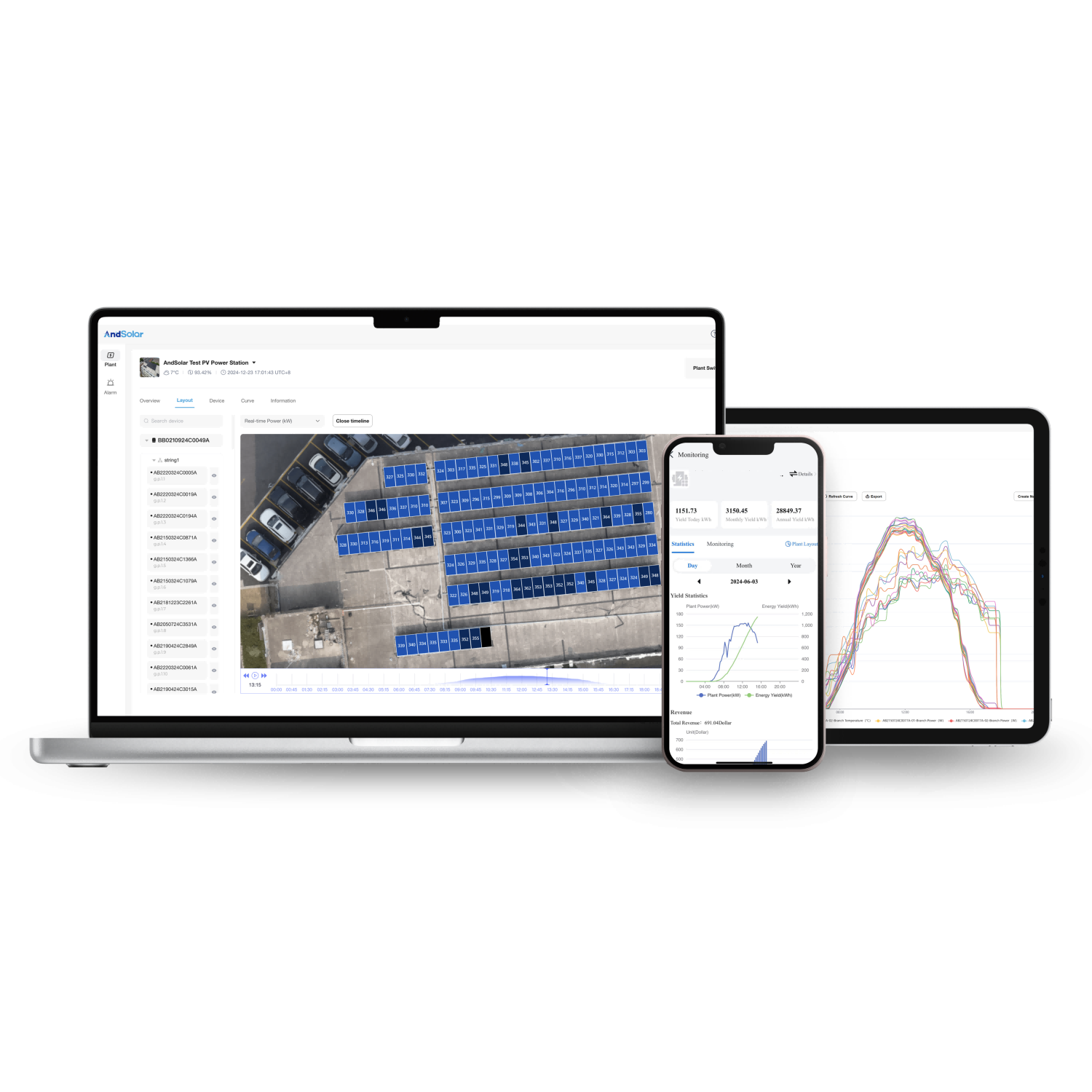
Home solar power systems incorporate sophisticated monitoring and optimization technologies that ensure peak performance while providing homeowners with detailed insights into their energy production, consumption, and savings metrics. Real-time monitoring capabilities track individual panel performance, identifying shading issues, debris accumulation, or equipment malfunctions that could reduce overall system efficiency. Advanced diagnostic systems automatically detect and report maintenance needs, preventing minor issues from developing into costly repairs while maximizing energy harvest throughout the system's 25-year warranty period. Machine learning algorithms analyze historical performance data, weather patterns, and household usage habits to predict optimal energy management strategies that maximize both savings and grid independence. Smartphone applications provide intuitive dashboards displaying current energy production, storage levels, consumption patterns, and environmental impact metrics, enabling homeowners to make informed decisions about energy usage and conservation. Automated cleaning reminders and maintenance schedules ensure optimal panel performance, while predictive analytics forecast potential equipment issues before they impact energy production or system reliability. Performance guarantees backed by comprehensive monitoring data provide homeowners with confidence in their investment, while detailed production reports support warranty claims and insurance documentation. Energy consumption optimization features identify opportunities to shift high-energy activities to peak solar production periods, maximizing the use of free solar electricity while minimizing grid dependence and utility costs. Remote troubleshooting capabilities allow certified technicians to diagnose and often resolve system issues without requiring on-site visits, reducing maintenance costs and system downtime. Weather-responsive optimization automatically adjusts system parameters based on changing environmental conditions, ensuring maximum energy capture during variable weather patterns while protecting equipment from extreme conditions. Integration with smart home systems enables automated load management that coordinates appliance operation with solar production schedules, further optimizing energy efficiency and cost savings throughout the residence.

Get a Free Quote

Our representative will contact you soon.
Name
Email
Phone/ WhatsApp
Company Name
Product Selection
Message
0/1000

home solar power systems

Latest News

When Should You Use Power Optimizers?

17

Jun

When Should You Use Power Optimizers?

Understanding Power Optimizers in Solar Systems What Are Power Optimizers? Power optimizers are applied in solar system for energy harvest purpose. These smart devices are connected to every solar panel to optimise and manage the panel. Pow...
View More
Why rapid shutdown device necessary for PV system

21

Jul

Why rapid shutdown device necessary for PV system

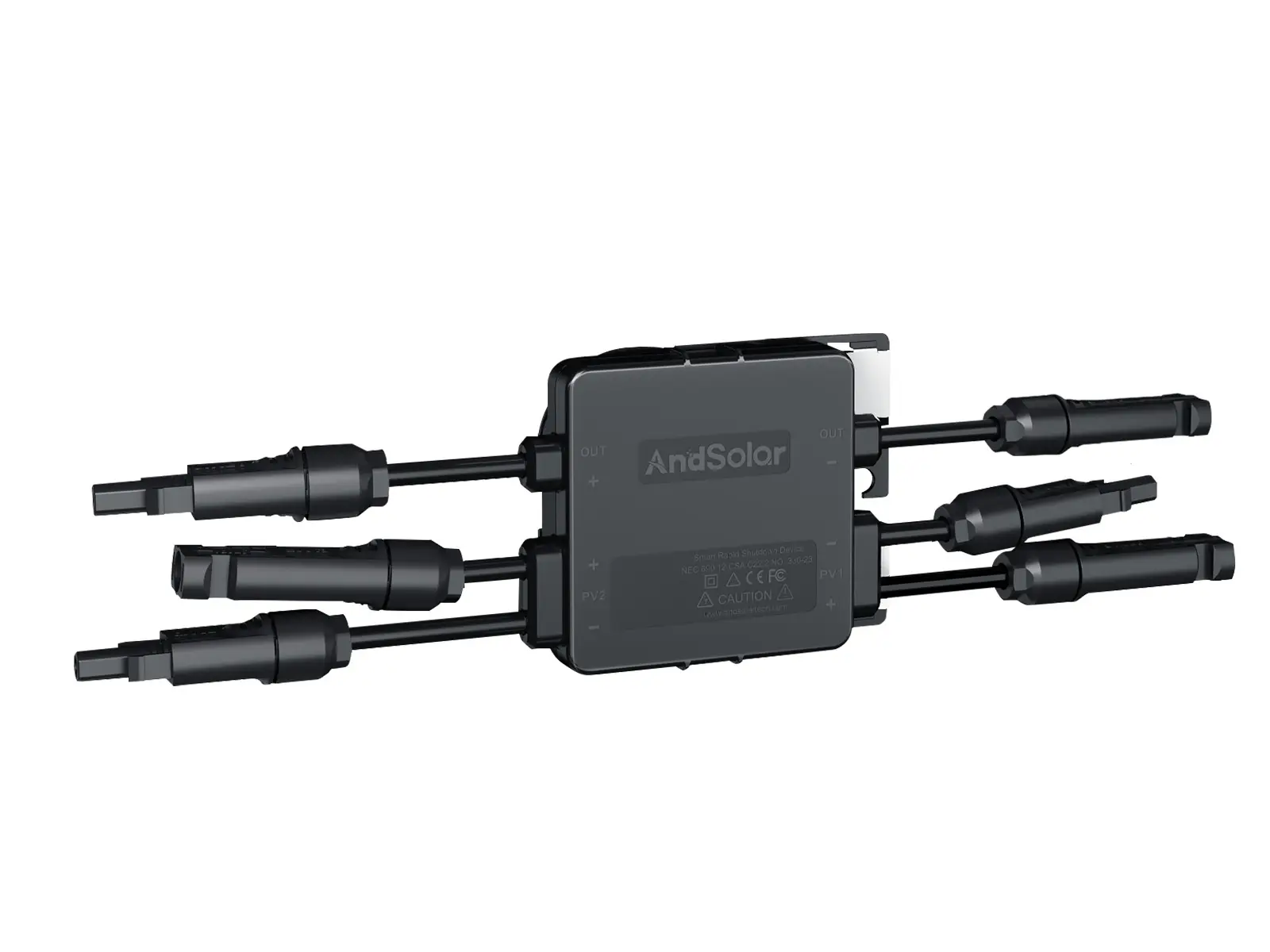
Enhancing Solar Safety through Smart Shutdown Solutions The solar industry has evolved tremendously over the past decade, with increasing attention not only to efficiency and performance but also to safety and regulatory compliance. One of the most ...
View More
How Can the Optimizers Maximize the Energy Output?

11

Aug

How Can the Optimizers Maximize the Energy Output?

Driving Solar Efficiency to New Heights In the fast-evolving world of renewable energy, technology plays a crucial role in making solar systems more effective and profitable. Beyond choosing high-quality panels, the way each panel operates can greatl...
View More
Understanding ABNT NBR 17193:2025 & Rapid Shutdown: Everything You Need to Know

23

Sep

Understanding ABNT NBR 17193:2025 & Rapid Shutdown: Everything You Need to Know

The Evolution of Solar Safety Standards in Brazil The solar energy landscape in Brazil is undergoing a significant transformation with the introduction of ABNT NBR 17193:2025, particularly focusing on rapid shutdown requirements. This revolutionary s...
View More

Get a Free Quote

Our representative will contact you soon.
Name
Email
Phone/ WhatsApp
Company Name
Product Selection
Message
0/1000