solar service
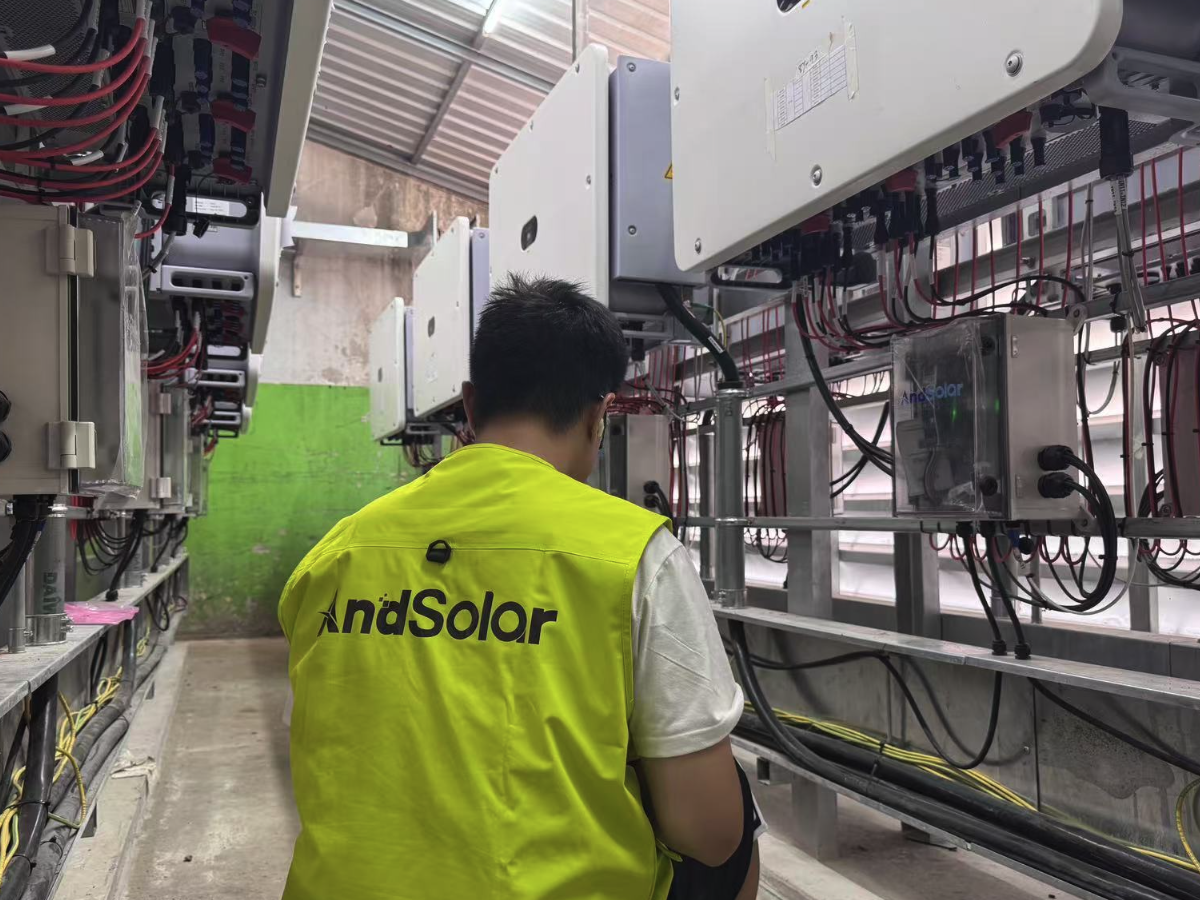
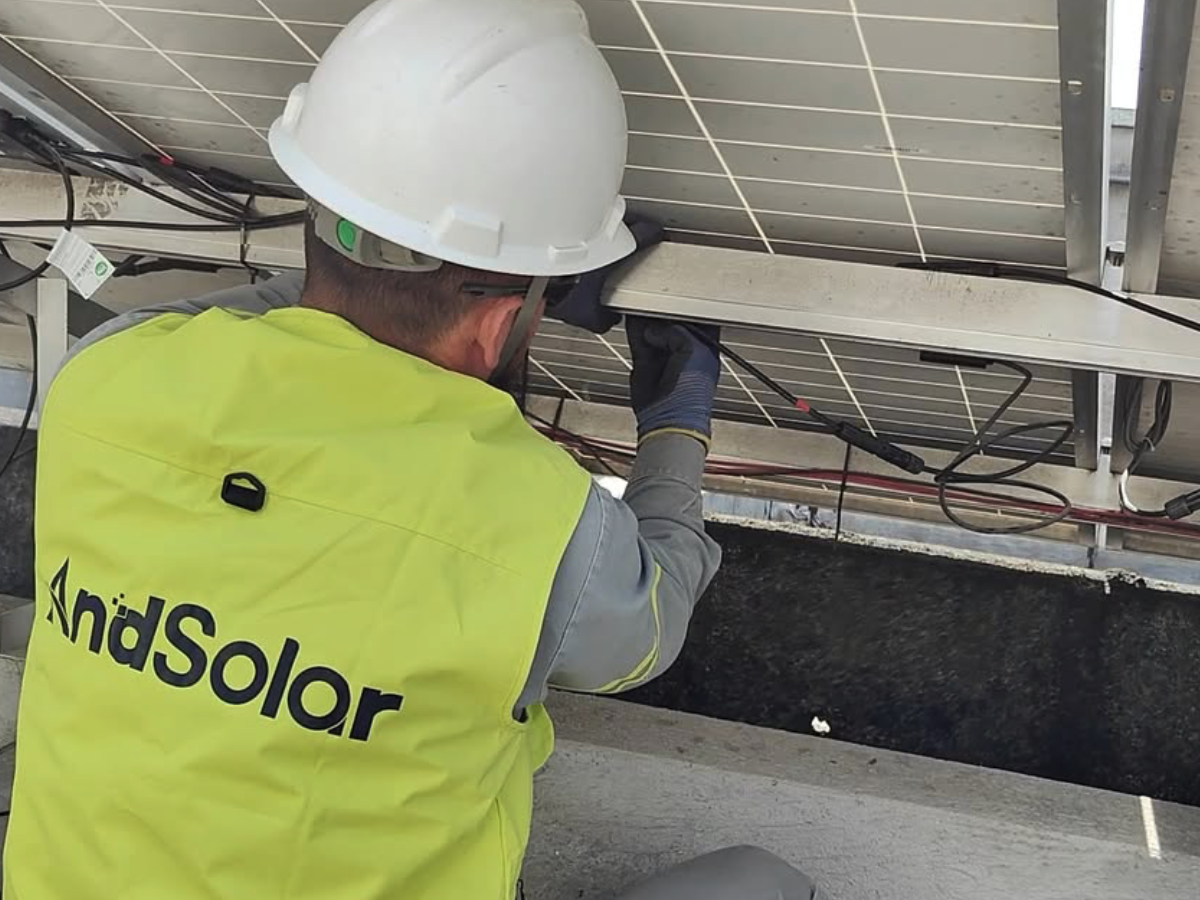
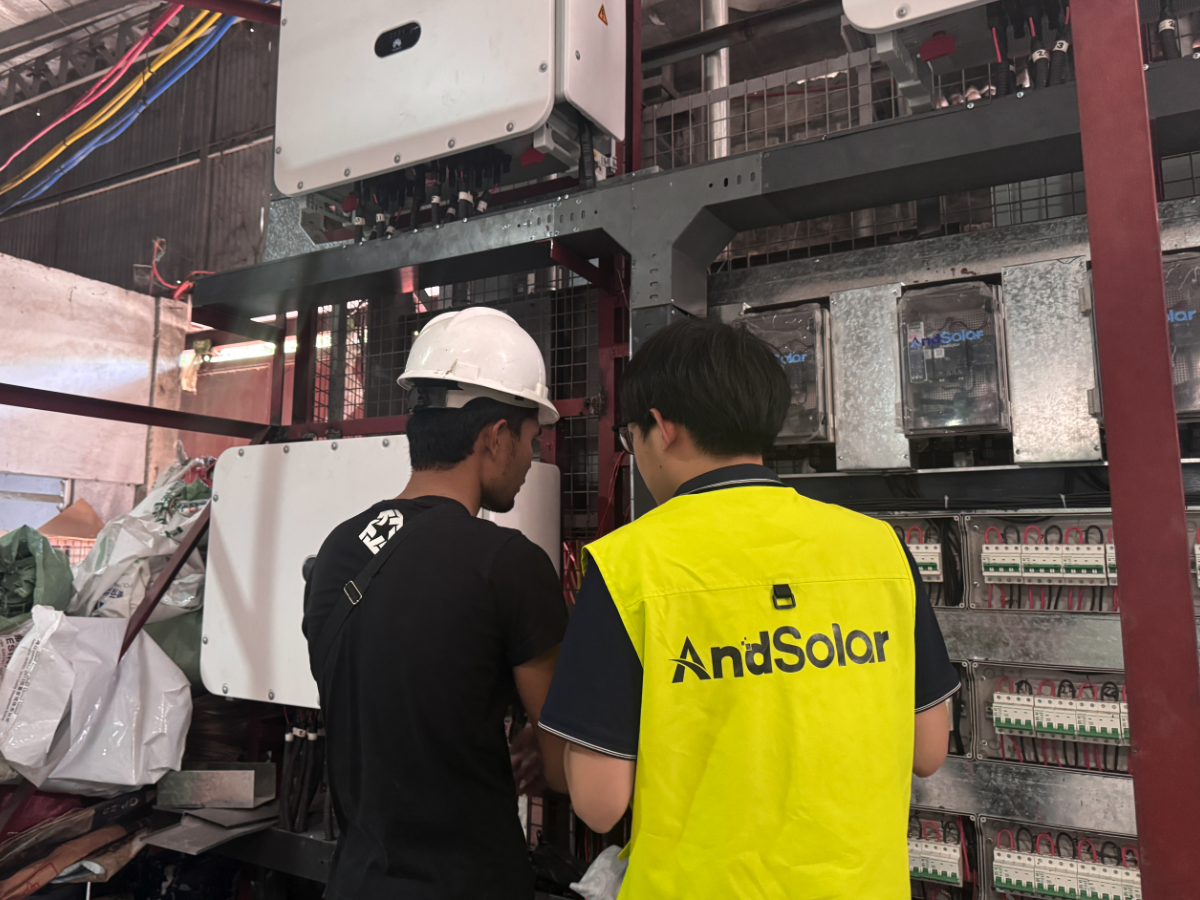
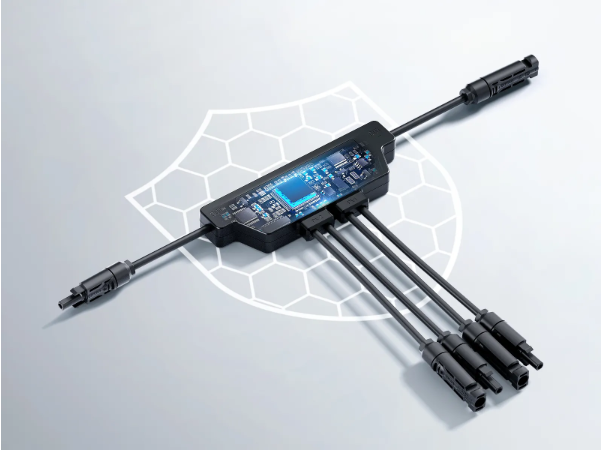
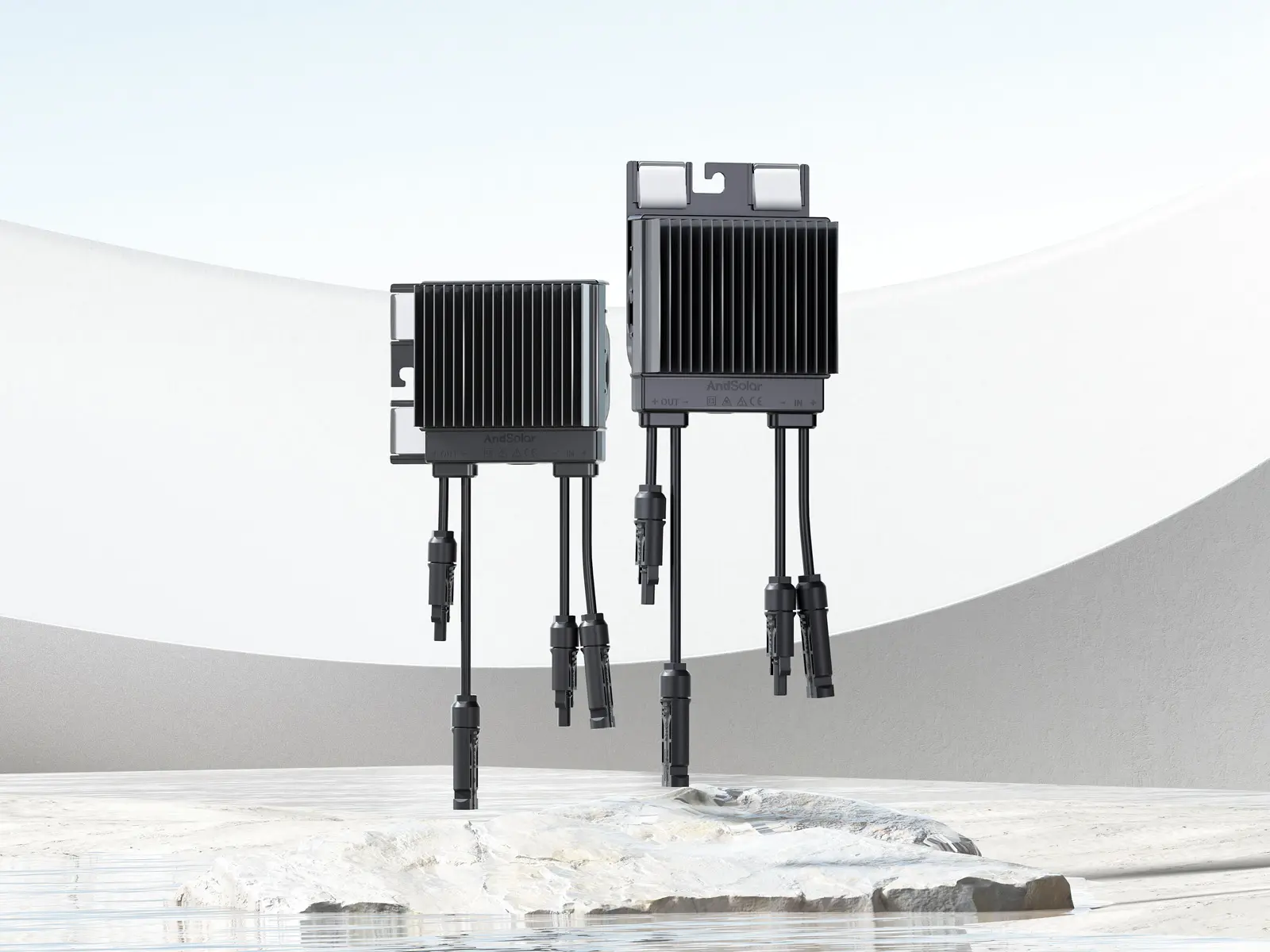
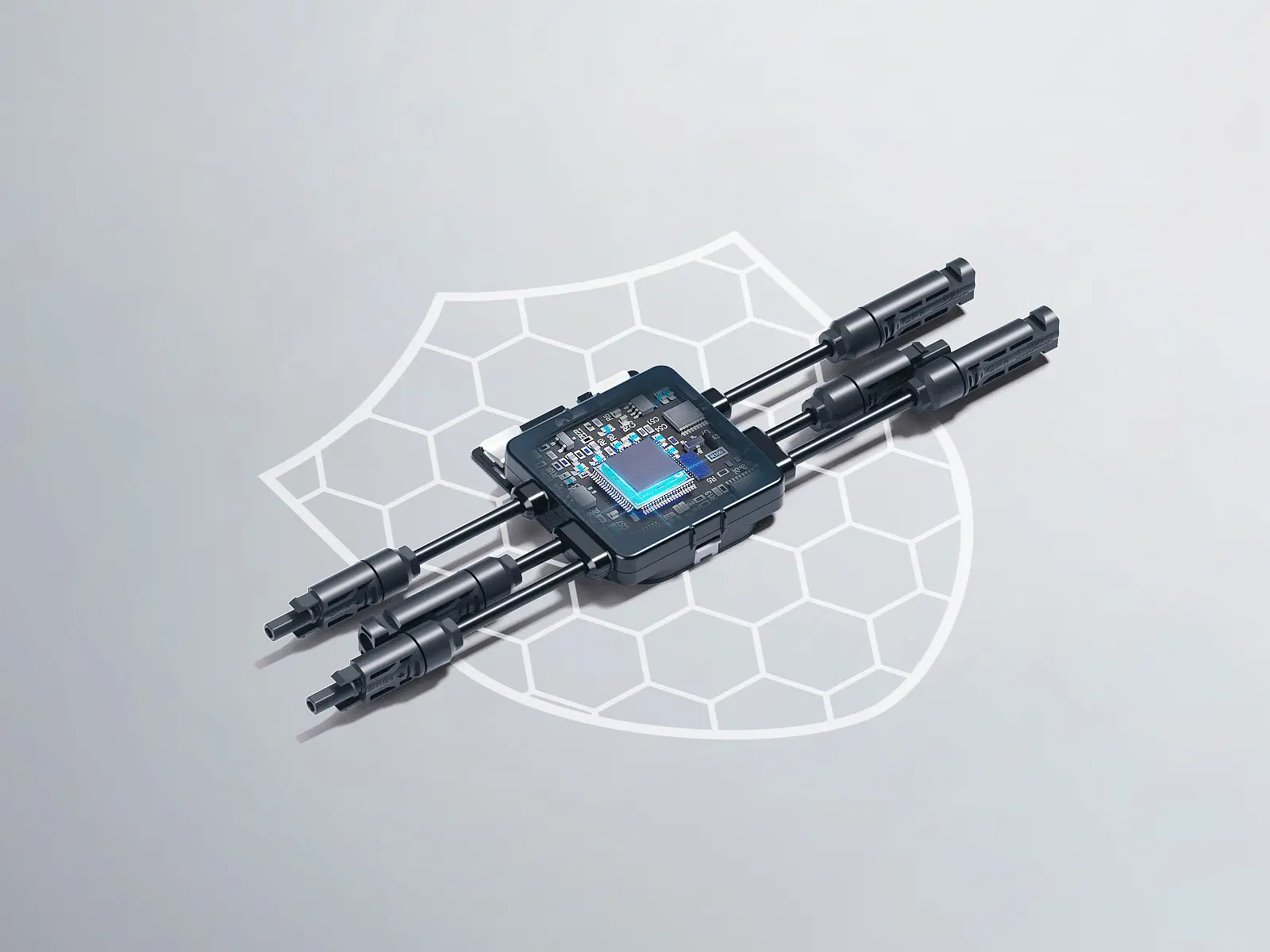
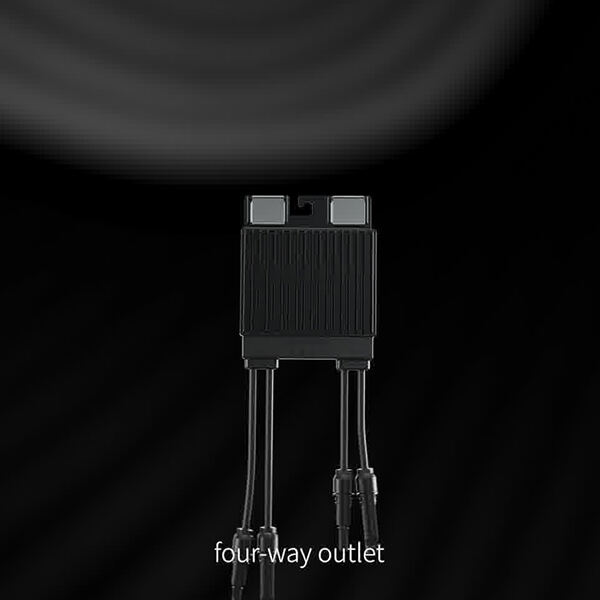
Solar service represents a comprehensive energy solution that transforms sunlight into clean, renewable electricity for residential, commercial, and industrial applications. This innovative technology harnesses photovoltaic cells within solar panels to convert solar radiation directly into usable electrical power, providing an environmentally sustainable alternative to traditional fossil fuel-based energy sources. Modern solar service systems integrate advanced monitoring capabilities, smart inverters, and energy storage options to maximize efficiency and reliability. The core functionality revolves around capturing solar energy during daylight hours, converting it through sophisticated electronic components, and either utilizing it immediately or storing excess power for later consumption. Contemporary solar service installations feature cutting-edge materials including monocrystalline and polycrystalline silicon panels that demonstrate exceptional durability and performance across various weather conditions. Smart grid integration allows seamless connection to existing electrical infrastructure, enabling net metering capabilities where excess energy can be fed back into the utility grid for credits. Advanced monitoring systems provide real-time performance data, allowing users to track energy production, consumption patterns, and system health through intuitive mobile applications and web dashboards. Battery storage integration extends functionality beyond daylight hours, ensuring continuous power availability during evening periods or emergency situations. Technological innovations include micro-inverters that optimize individual panel performance, preventing system-wide efficiency losses from partial shading or individual panel issues. Professional installation teams ensure optimal positioning, secure mounting, and proper electrical connections that comply with local building codes and safety standards. Maintenance protocols involve regular inspection schedules, cleaning procedures, and performance assessments to maintain peak operational efficiency throughout the system's extended lifespan, typically spanning 25-30 years with minimal degradation in power output performance.