Safe PV System For Rooftops
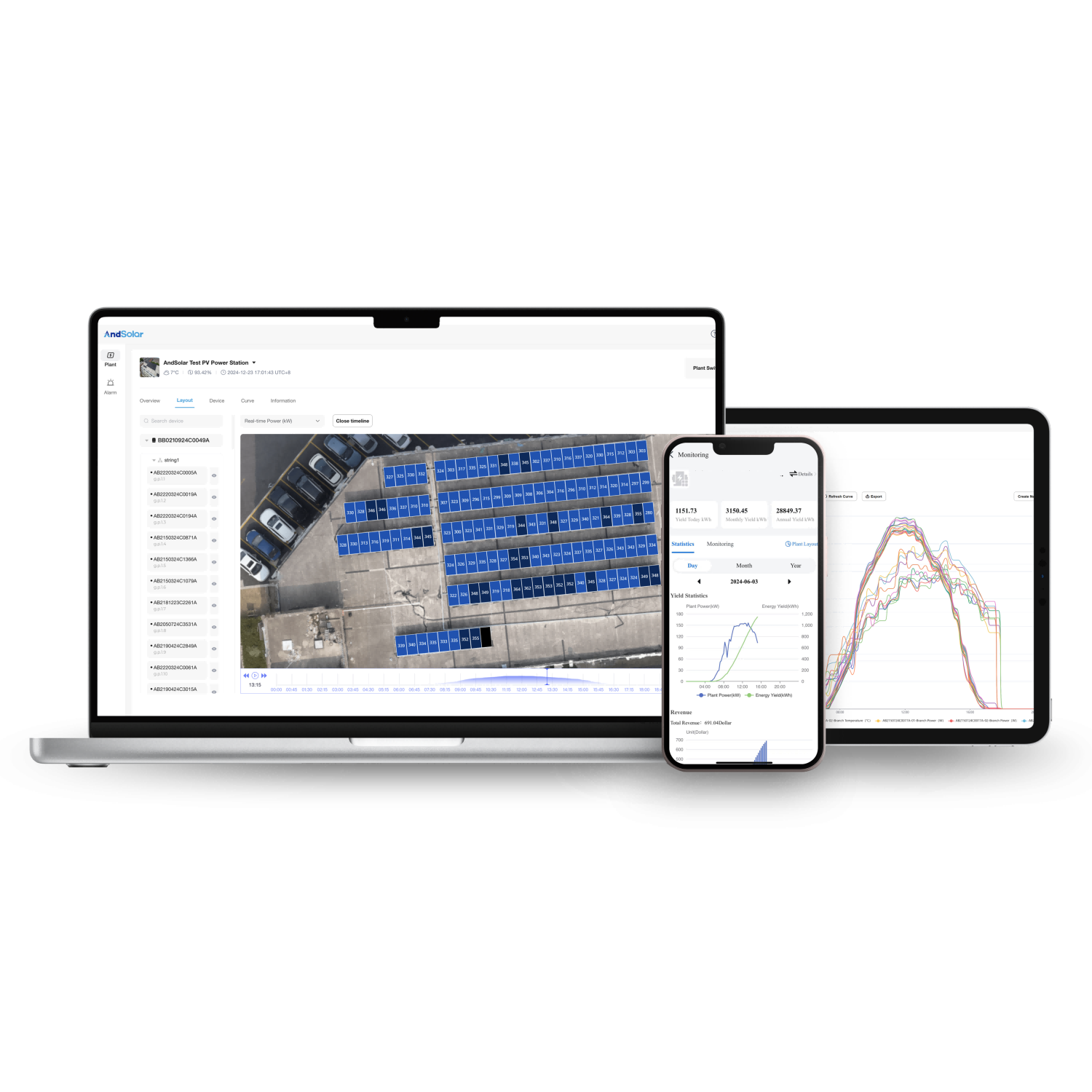
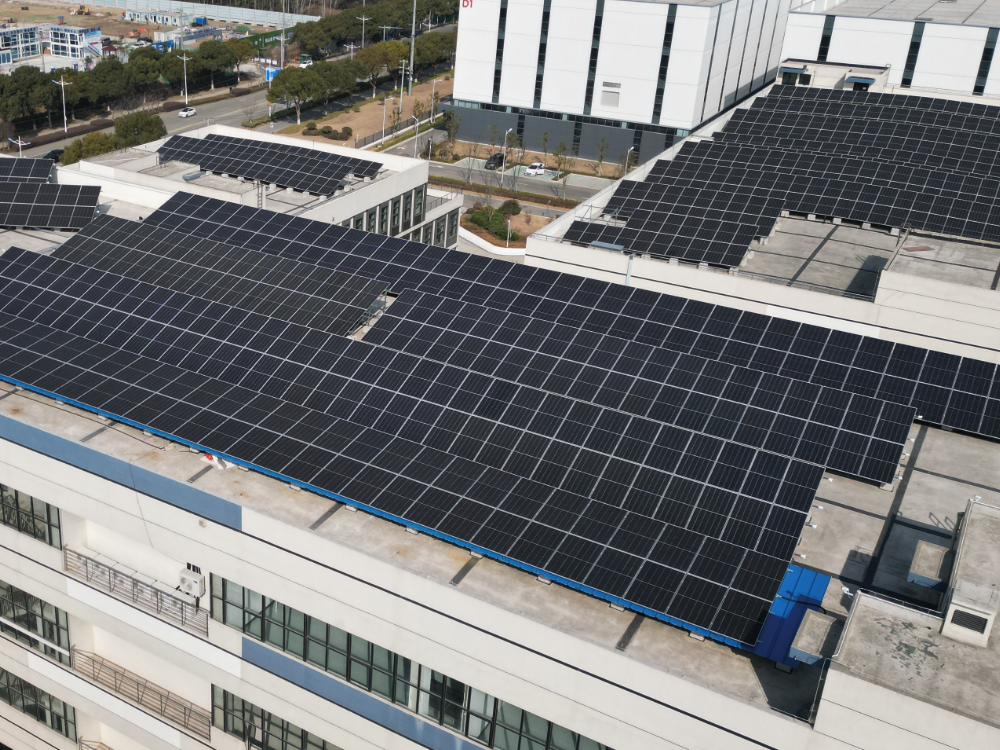
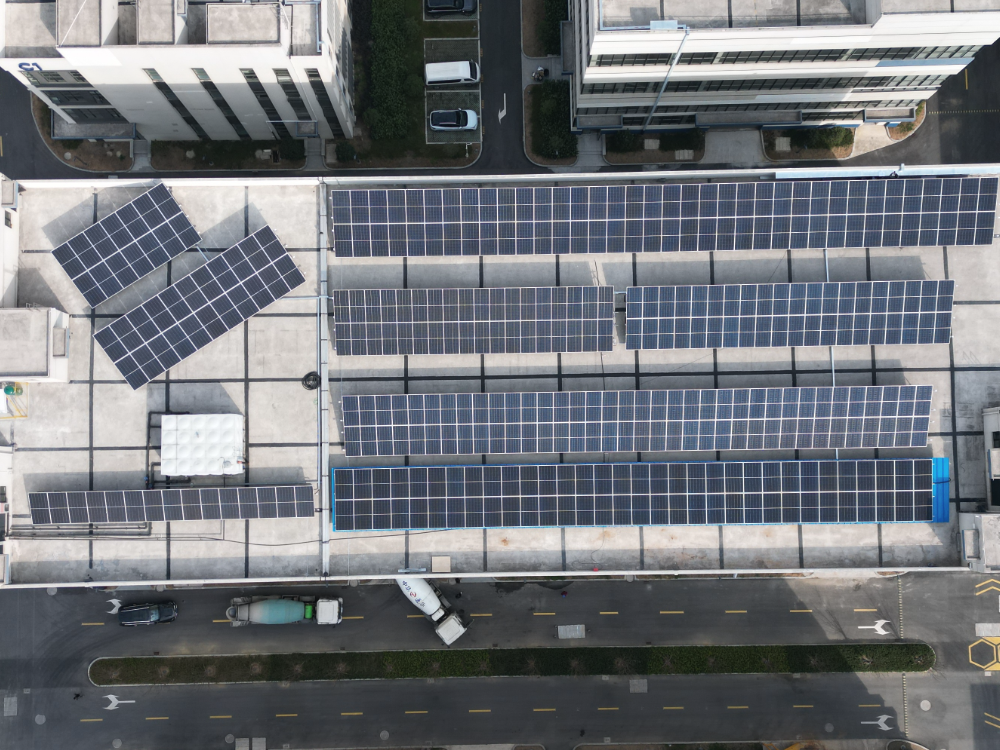
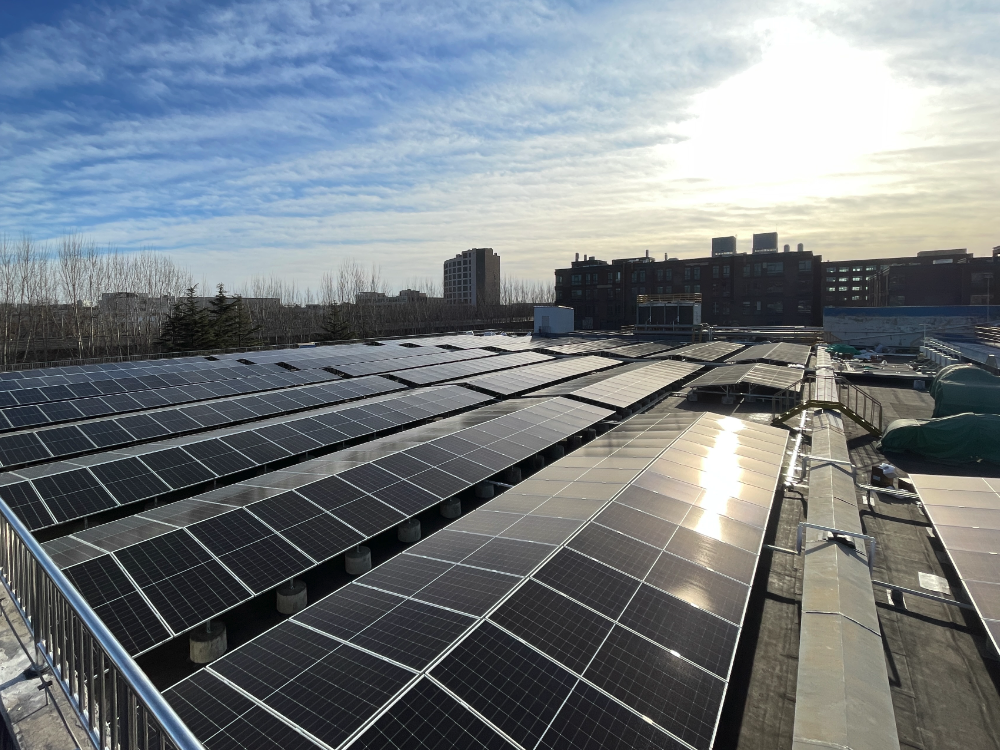
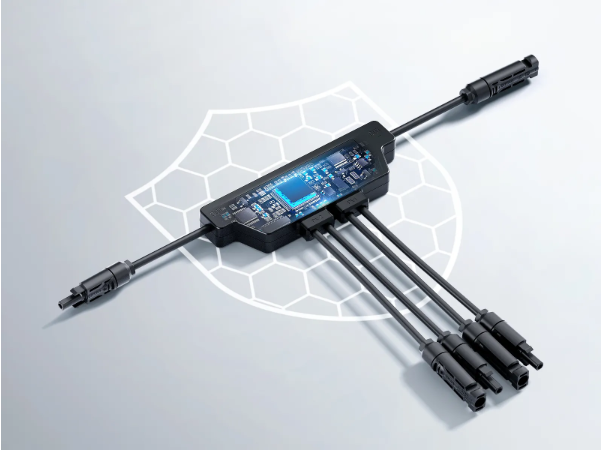
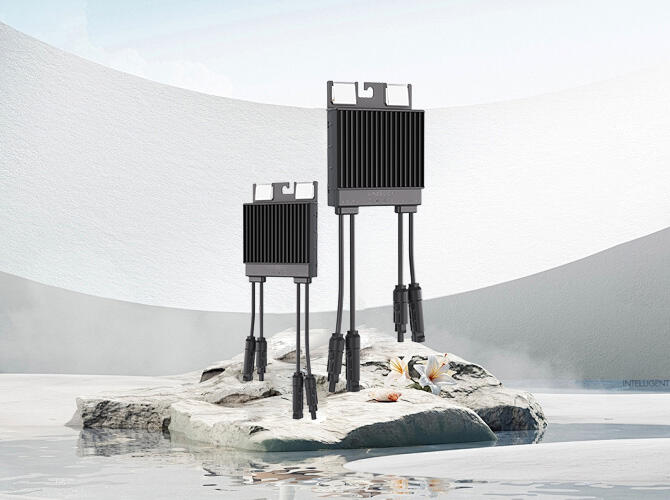
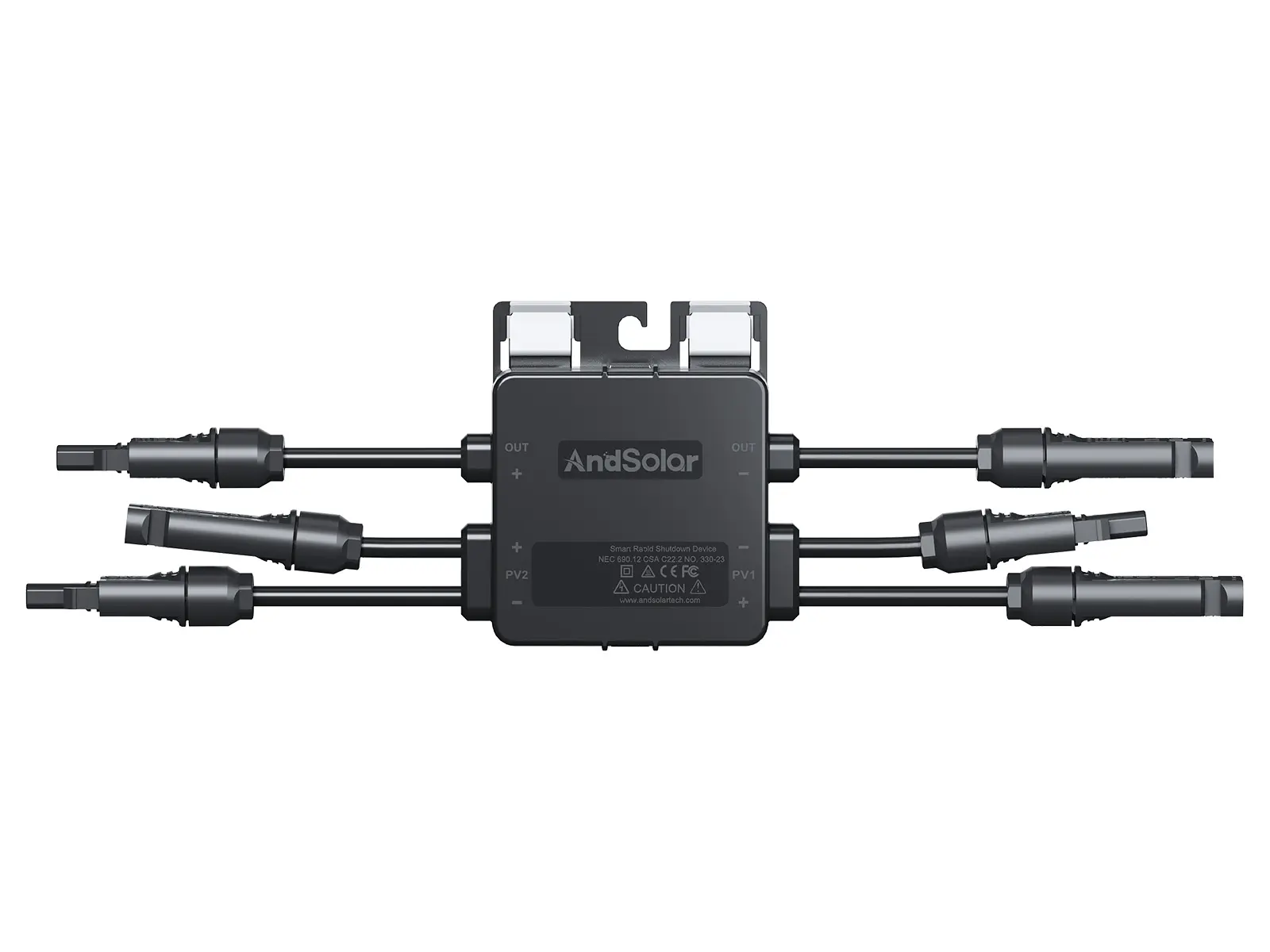
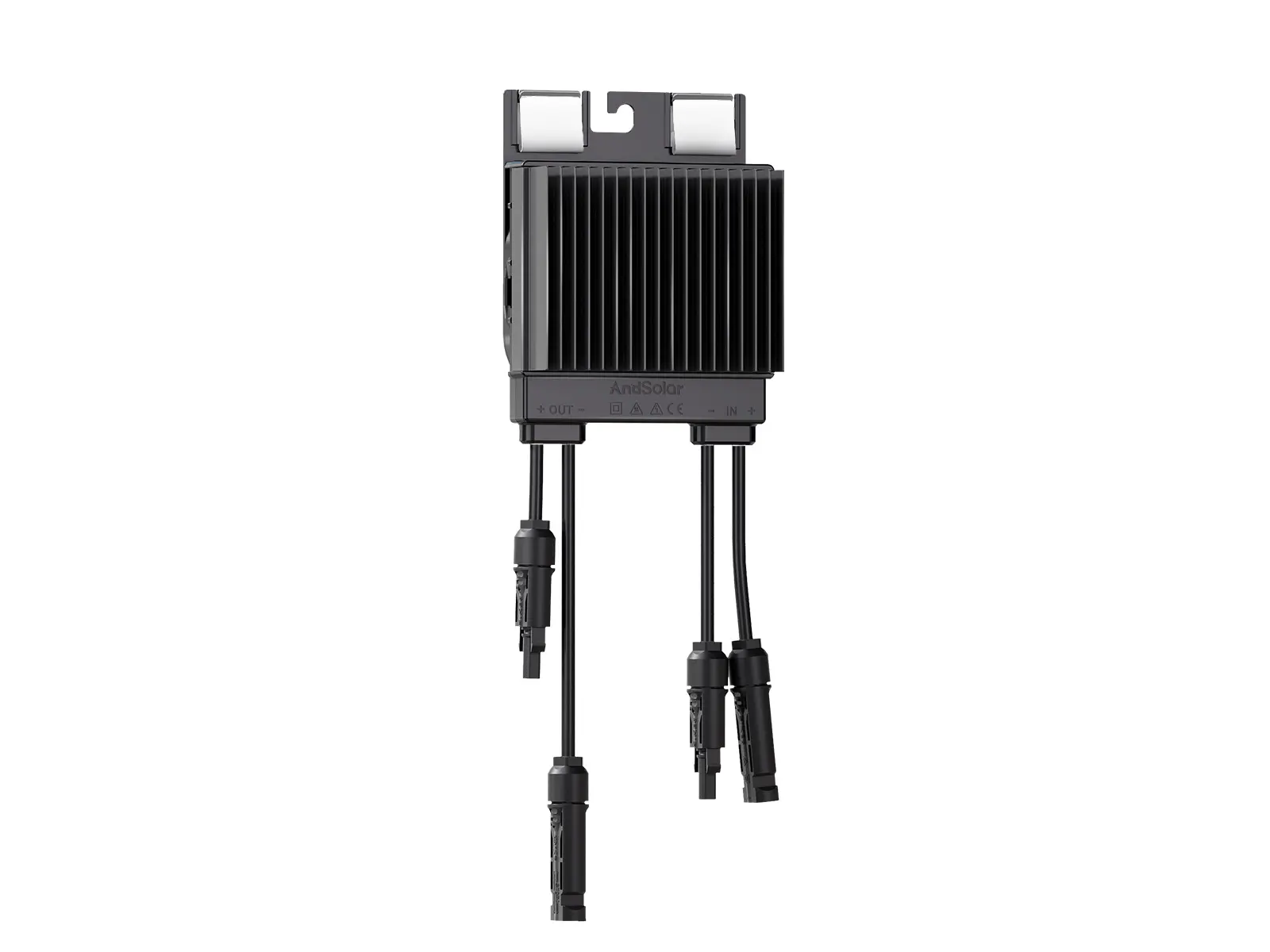
A safe pv system for rooftops represents a revolutionary advancement in solar energy technology, specifically engineered to address the unique challenges and safety concerns associated with installing photovoltaic panels on residential and commercial building structures. This innovative system integrates multiple layers of protection and monitoring capabilities to ensure optimal performance while maintaining the highest safety standards for property owners and installation technicians. The main functions of a safe pv system for rooftops encompass comprehensive energy generation, real-time monitoring, automated fault detection, and emergency shutdown capabilities. At its core, the system converts sunlight into electricity through high-efficiency photovoltaic cells while continuously monitoring performance metrics and environmental conditions. The technological features include advanced inverter technology with built-in arc fault circuit interrupters, rapid shutdown devices that comply with electrical codes, weather-resistant mounting systems designed to withstand extreme conditions, and intelligent monitoring software that provides detailed analytics. The safe pv system for rooftops incorporates fire-resistant materials and specialized grounding systems to minimize electrical hazards. Smart sensors throughout the installation detect temperature variations, moisture levels, and potential equipment malfunctions before they become serious issues. Applications for this technology span across residential homes, commercial buildings, industrial facilities, and institutional structures such as schools and hospitals. The system proves particularly valuable in urban environments where building density requires enhanced safety protocols. Modern safe pv systems for rooftops feature modular designs that allow for customized installations based on roof specifications, structural capacity, and energy requirements. The integration of microinverters or power optimizers ensures that individual panel failures do not compromise the entire system's performance, while built-in communication protocols enable remote monitoring and maintenance scheduling.