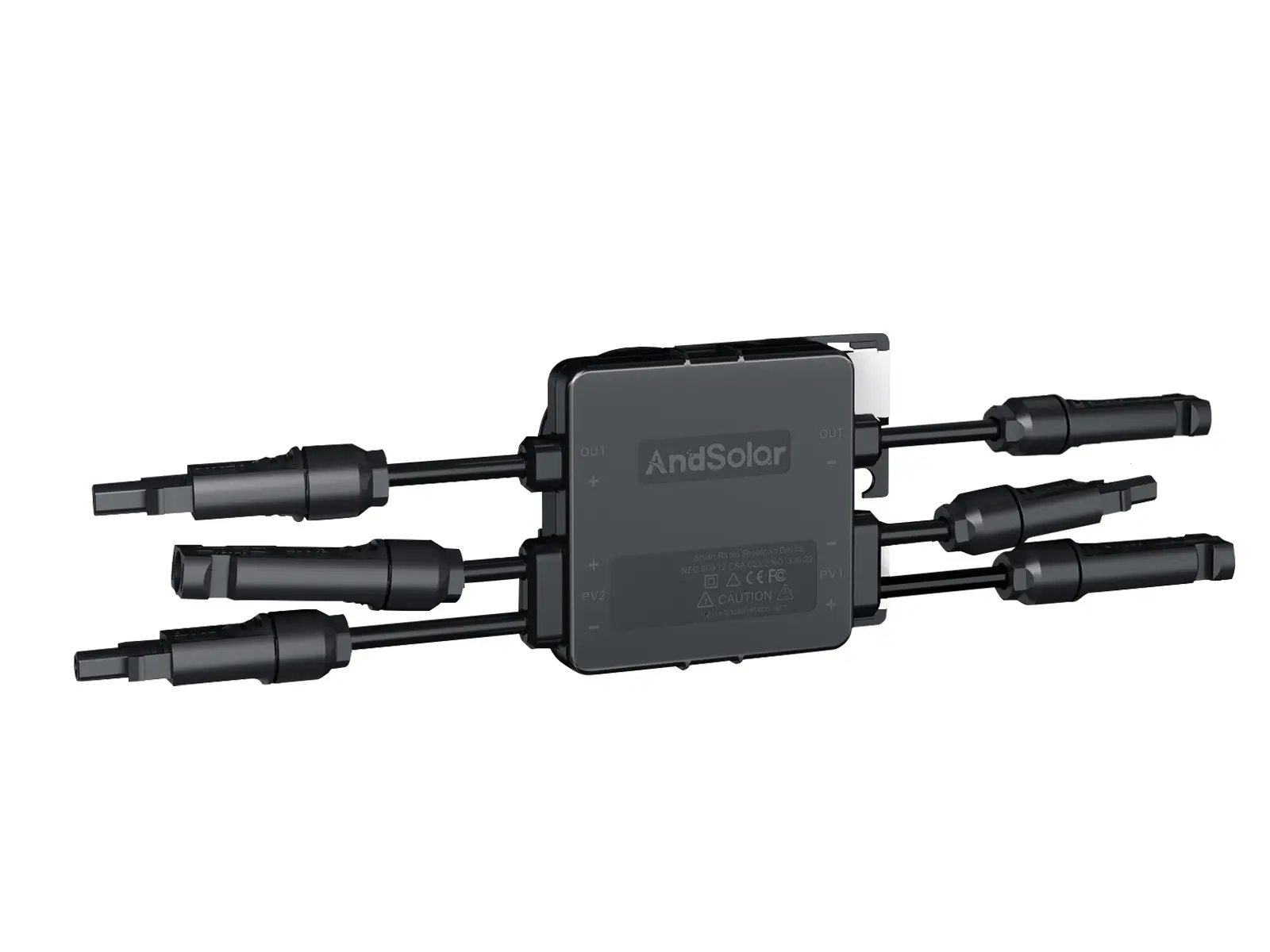
Complete Guide to Distributed Solar Energy Solutions - Benefits, Technology & Applications

  • 8F, Block B, Building 1, 286 Qinglonggang Road, Suzhou City, Jiangsu Province, P. R. China
  • [email protected]
AndSolar Cloud

distributed solar energy solutions

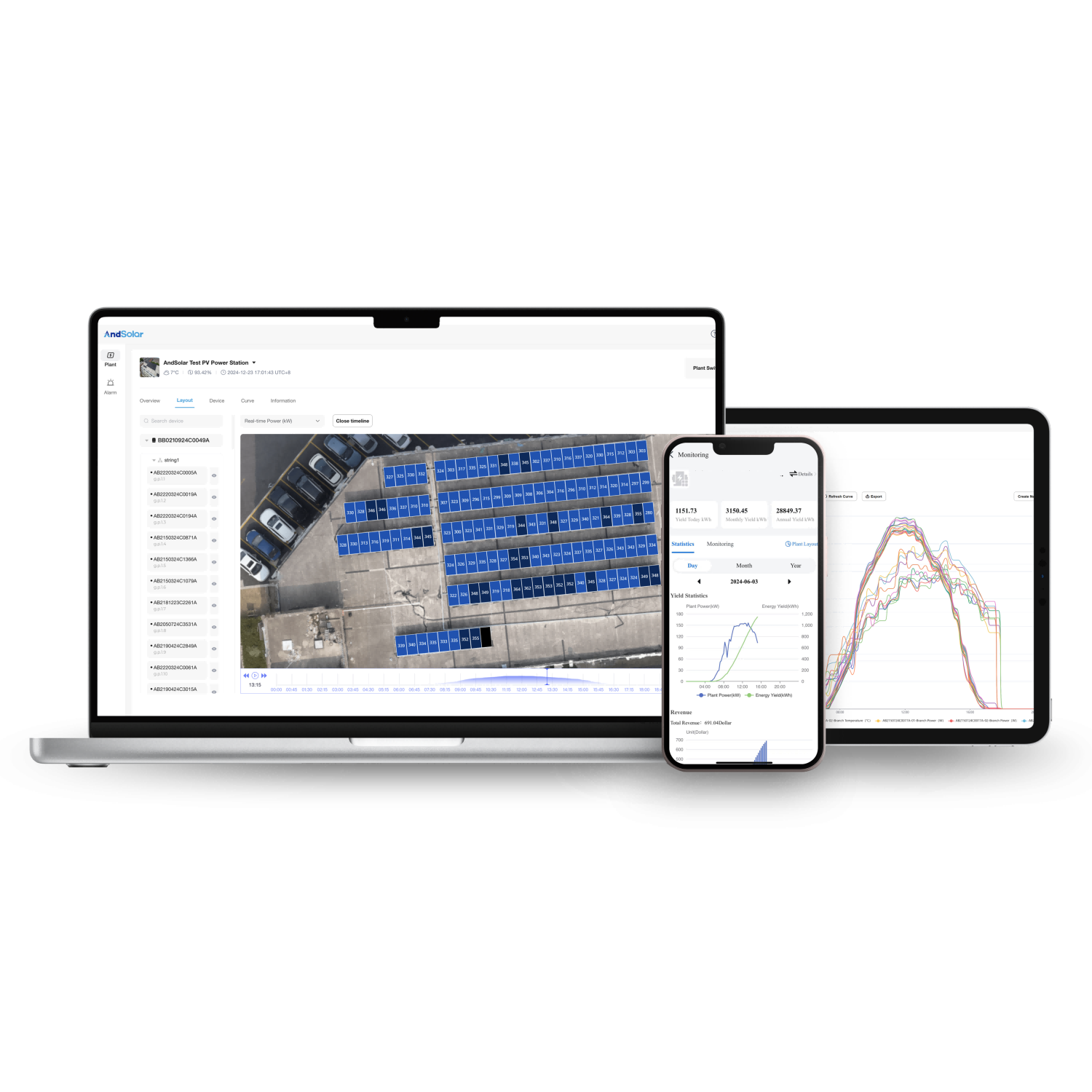
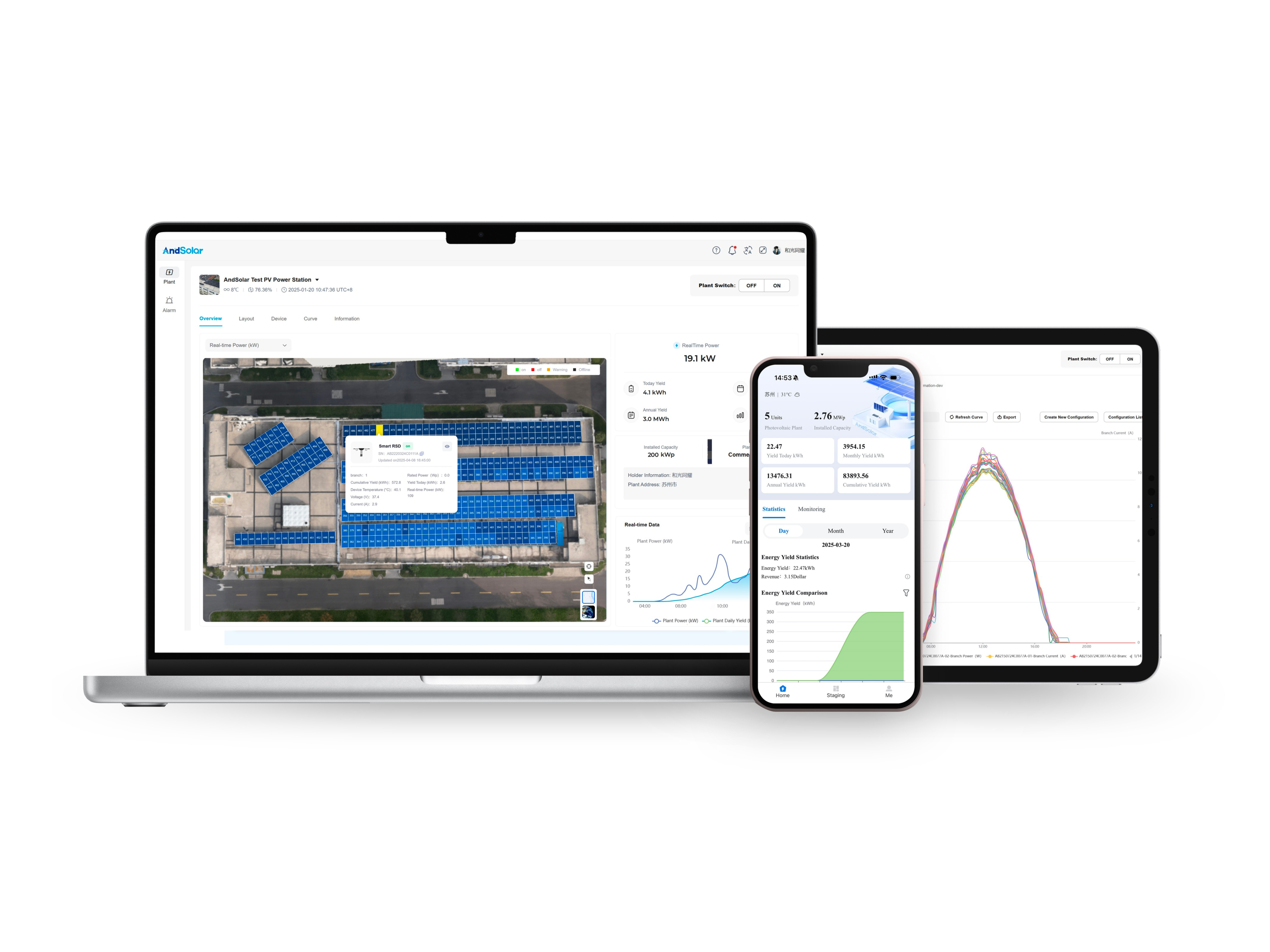
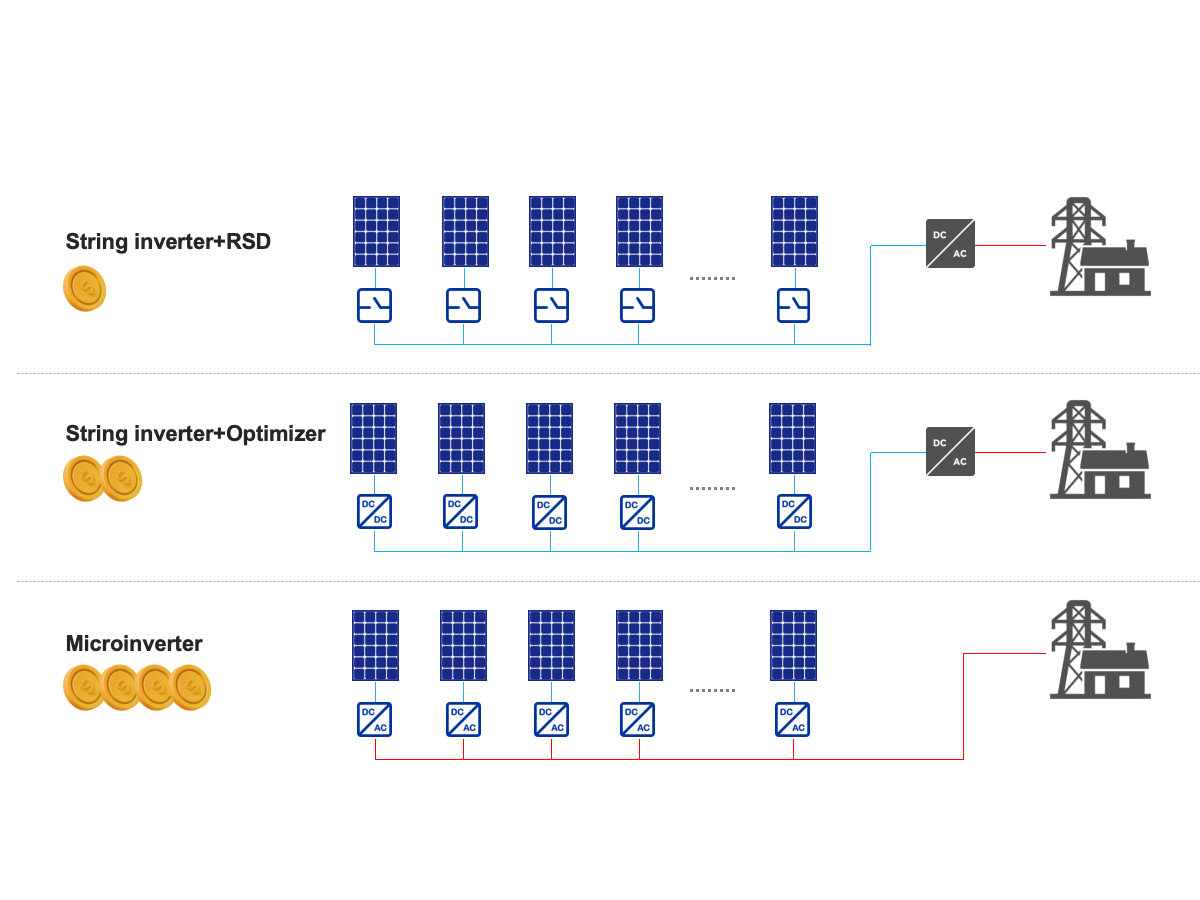
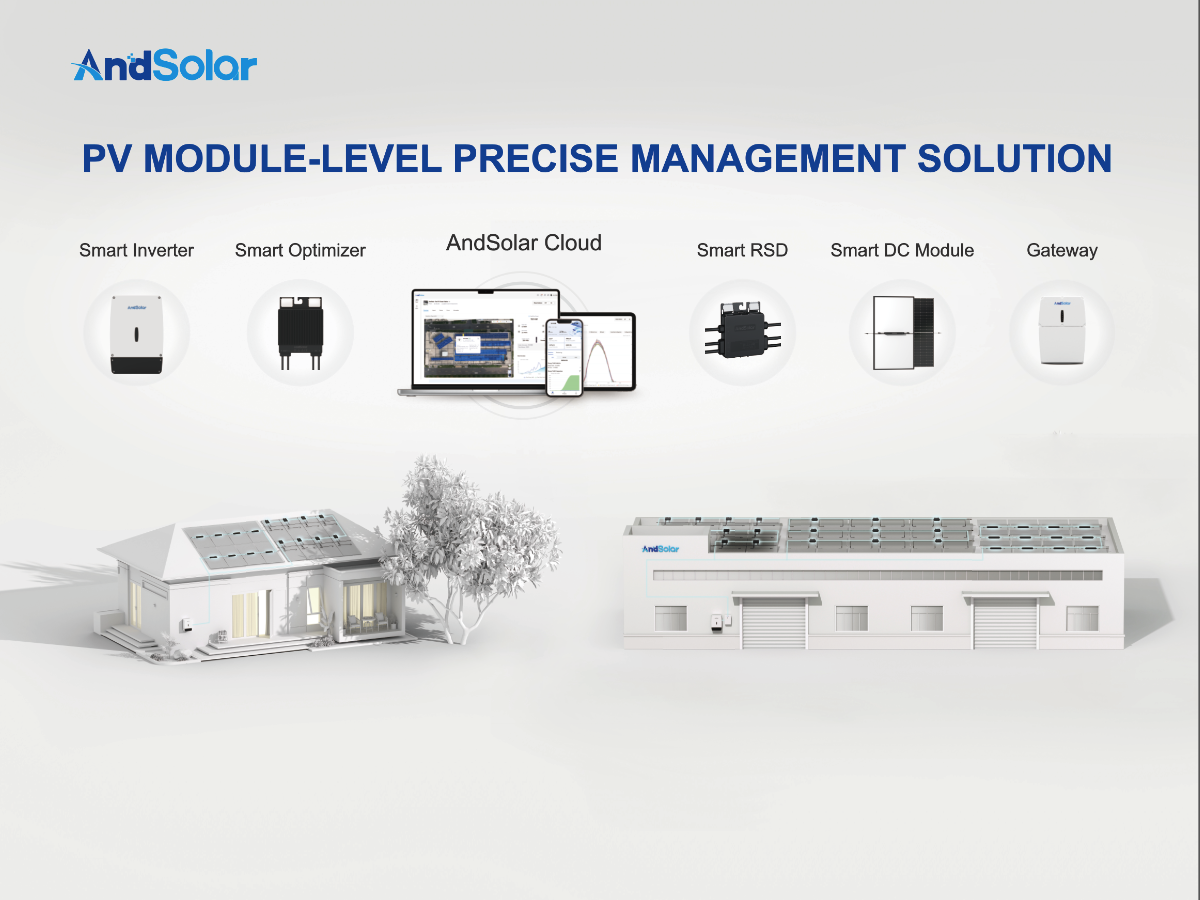
Distributed solar energy solutions represent a revolutionary approach to renewable energy generation that brings power production closer to consumption points. Unlike traditional centralized solar farms, distributed solar energy solutions encompass a network of smaller-scale photovoltaic systems strategically placed across residential, commercial, and industrial locations. These systems typically include rooftop solar panels, ground-mounted arrays, solar canopies, and community solar gardens that collectively contribute to the electrical grid while serving local energy needs. The core functionality of distributed solar energy solutions revolves around converting sunlight into electricity through photovoltaic cells, which are interconnected through advanced inverters and smart monitoring systems. The technological framework incorporates sophisticated grid-tie capabilities, allowing seamless integration with existing electrical infrastructure while maintaining grid stability and reliability. Modern distributed solar energy solutions feature advanced maximum power point tracking technology, ensuring optimal energy harvesting under varying weather conditions and seasonal changes. The systems utilize high-efficiency monocrystalline or polycrystalline solar panels paired with microinverters or power optimizers to maximize energy output from each individual panel. Smart monitoring platforms provide real-time performance data, enabling proactive maintenance and system optimization. Applications for distributed solar energy solutions span across multiple sectors, including residential homes seeking energy independence, commercial buildings aiming to reduce operational costs, agricultural facilities powering irrigation systems, and educational institutions demonstrating environmental stewardship. Industrial applications include manufacturing facilities, data centers, and warehouses that benefit from reduced peak demand charges and improved energy security. The scalable nature of distributed solar energy solutions allows for flexible deployment ranging from small residential installations to large commercial arrays, making clean energy accessible to diverse customer segments while contributing to grid resilience and environmental sustainability.
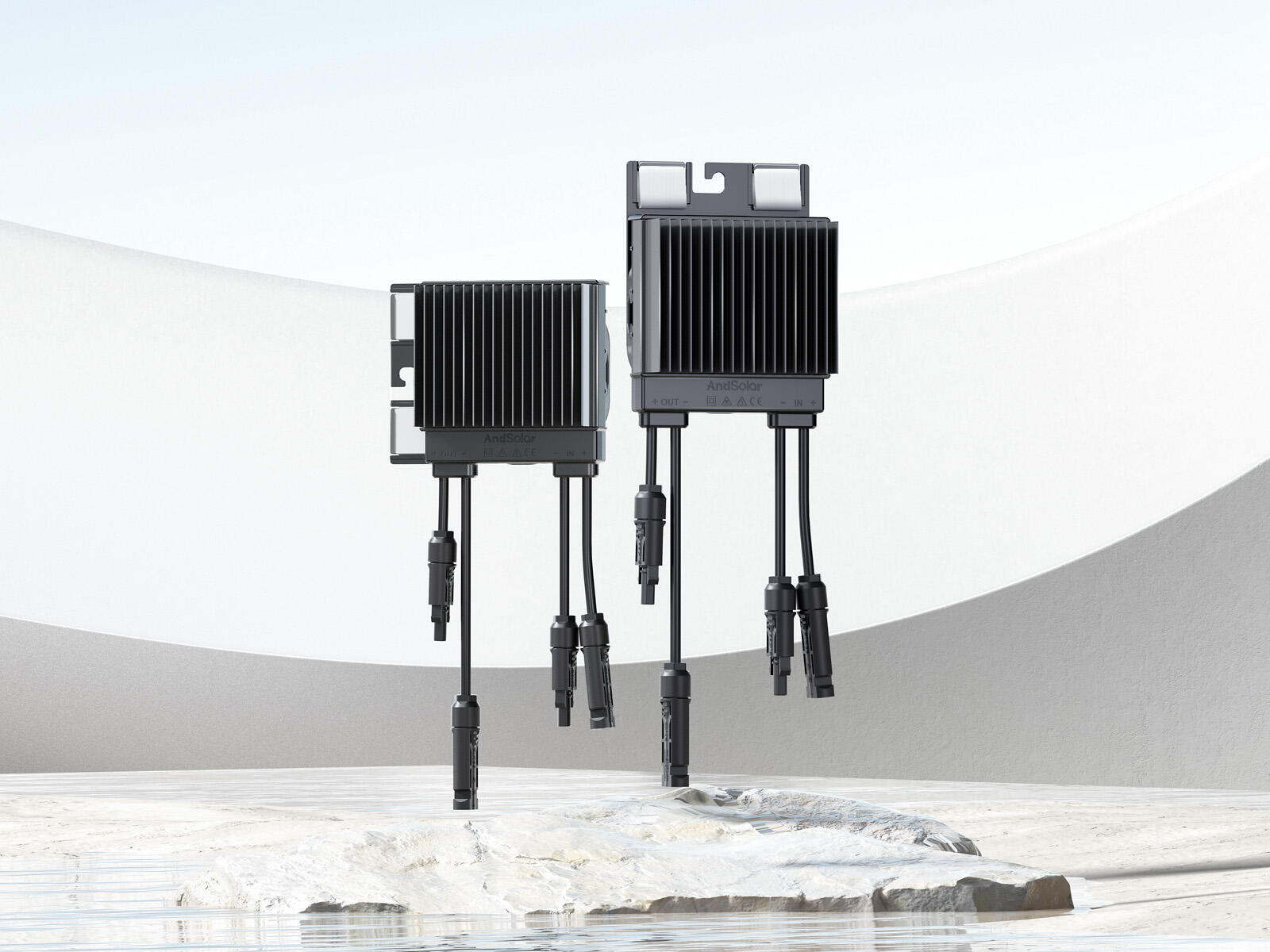
Distributed solar energy solutions deliver substantial cost savings by dramatically reducing monthly electricity bills and providing protection against rising utility rates. Property owners who install these systems typically see immediate reductions in their energy expenses, with many achieving complete energy independence during peak production hours. The financial benefits extend beyond monthly savings, as distributed solar energy solutions increase property values significantly, making them excellent long-term investments. Federal and state tax incentives, along with rebate programs, further enhance the economic attractiveness of these systems, often covering substantial portions of initial installation costs. Energy independence stands as a major advantage, allowing users to generate their own clean electricity and reduce reliance on traditional utility companies. This independence becomes particularly valuable during power outages when properly configured distributed solar energy solutions with battery storage can maintain essential electrical services. The reliability of solar technology ensures consistent energy production for decades, with most systems carrying 20-25 year warranties and expected lifespans exceeding 30 years. Environmental benefits make distributed solar energy solutions increasingly attractive to environmentally conscious consumers and businesses seeking to reduce their carbon footprints. Each kilowatt-hour generated by solar panels prevents the emission of approximately 1.5 pounds of carbon dioxide, contributing significantly to climate change mitigation efforts. The technology produces clean, renewable energy without noise pollution, water consumption, or harmful emissions, making it suitable for installation in densely populated areas. Maintenance requirements remain minimal, with most systems requiring only occasional cleaning and annual inspections to maintain peak performance. The modular design of distributed solar energy solutions allows for easy system expansion as energy needs grow, providing scalability that traditional energy sources cannot match. Grid stability benefits emerge as more distributed solar energy solutions come online, reducing strain on transmission infrastructure and improving overall electrical system resilience. Peak shaving capabilities help reduce demand charges for commercial users while contributing to grid stability during high-consumption periods. The decentralized nature of these systems enhances energy security by diversifying generation sources and reducing vulnerability to single points of failure that can affect large centralized power plants.

New Product Recommendations

Advanced Smart Grid Integration Technology

Advanced Smart Grid Integration Technology

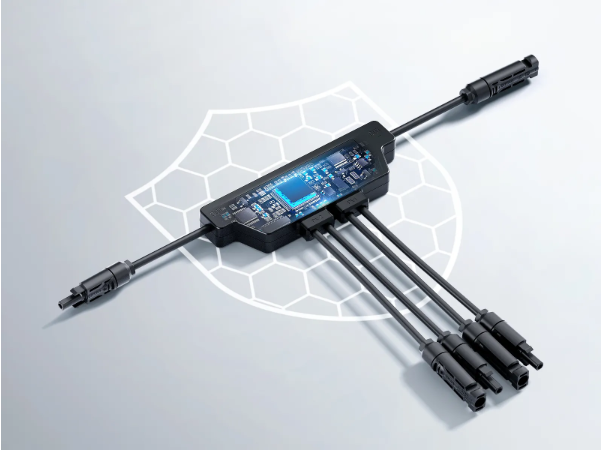
The sophisticated smart grid integration capabilities of distributed solar energy solutions represent a technological breakthrough that transforms how renewable energy interacts with existing electrical infrastructure. This advanced integration technology enables seamless bidirectional energy flow, allowing solar installations to both consume and contribute electricity to the grid based on real-time demand and production conditions. The intelligent inverters incorporated in modern distributed solar energy solutions feature advanced grid support functions, including voltage regulation, frequency response, and reactive power control, which actively enhance grid stability and reliability. These systems employ sophisticated communication protocols that enable real-time data exchange between solar installations and utility operators, facilitating optimal grid management and preventing potential disruptions. The smart grid integration technology includes advanced forecasting algorithms that predict solar energy production based on weather patterns, historical data, and seasonal variations, enabling better grid planning and energy dispatch decisions. Net metering capabilities allow excess energy generated by distributed solar energy solutions to be fed back into the grid, providing credits to system owners while supporting overall grid resilience. The technology incorporates automatic islanding detection and rapid shutdown features for safety during maintenance or emergency situations, ensuring the protection of utility workers and equipment. Advanced monitoring and control systems provide granular visibility into system performance, enabling proactive maintenance and optimization strategies that maximize energy production and system longevity. The integration technology supports virtual power plant concepts, where multiple distributed solar energy solutions can be aggregated and managed as a single resource, providing grid services typically reserved for large centralized power plants. This capability enables participation in energy markets and ancillary service programs, creating additional revenue streams for system owners while supporting grid operations. The smart grid integration also facilitates demand response programs, where distributed solar energy solutions can automatically adjust their output or storage charging patterns based on grid conditions and price signals, optimizing both economic and operational benefits for all stakeholders involved in the energy ecosystem.
Scalable Modular Design Architecture

Scalable Modular Design Architecture

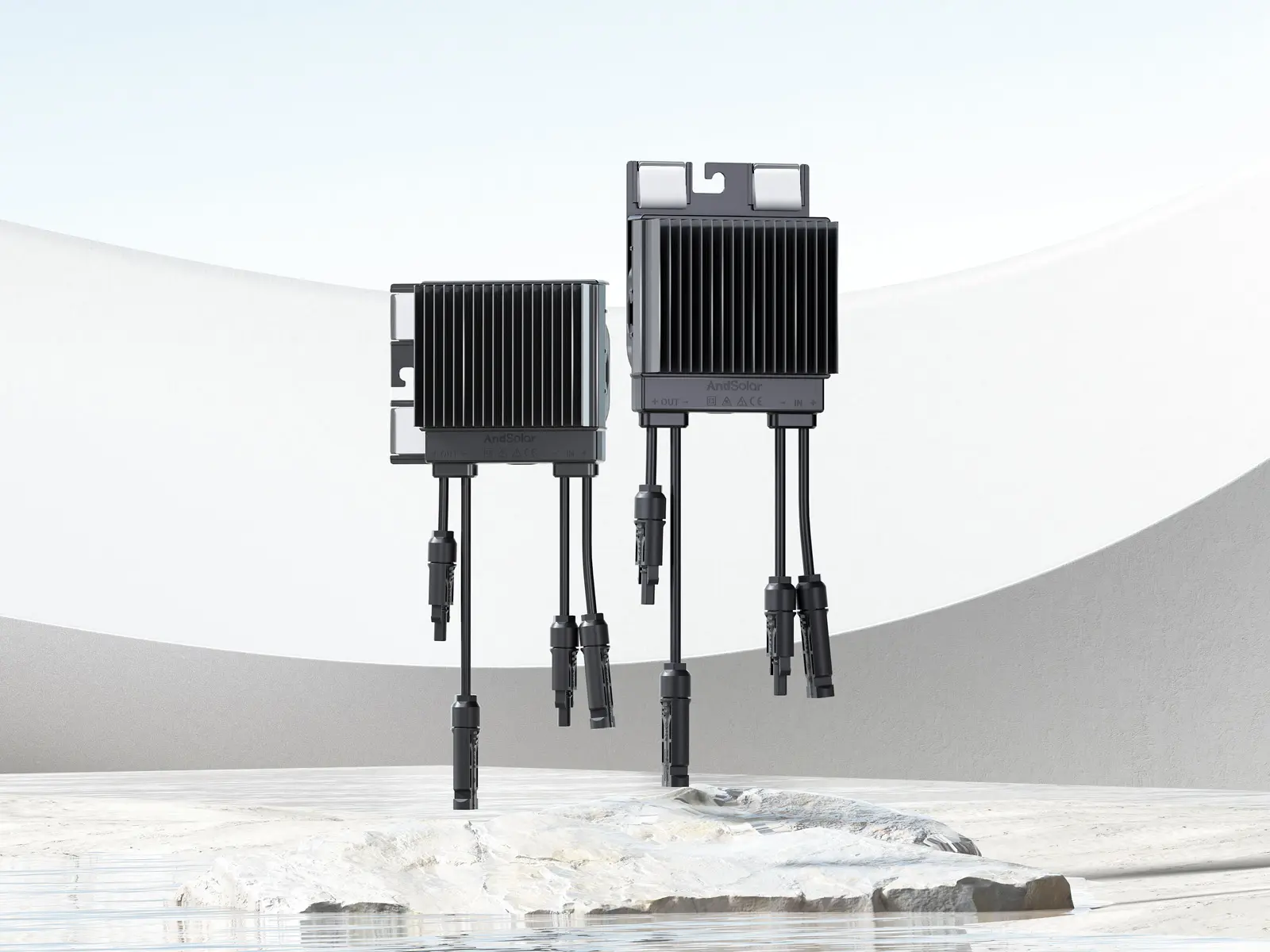
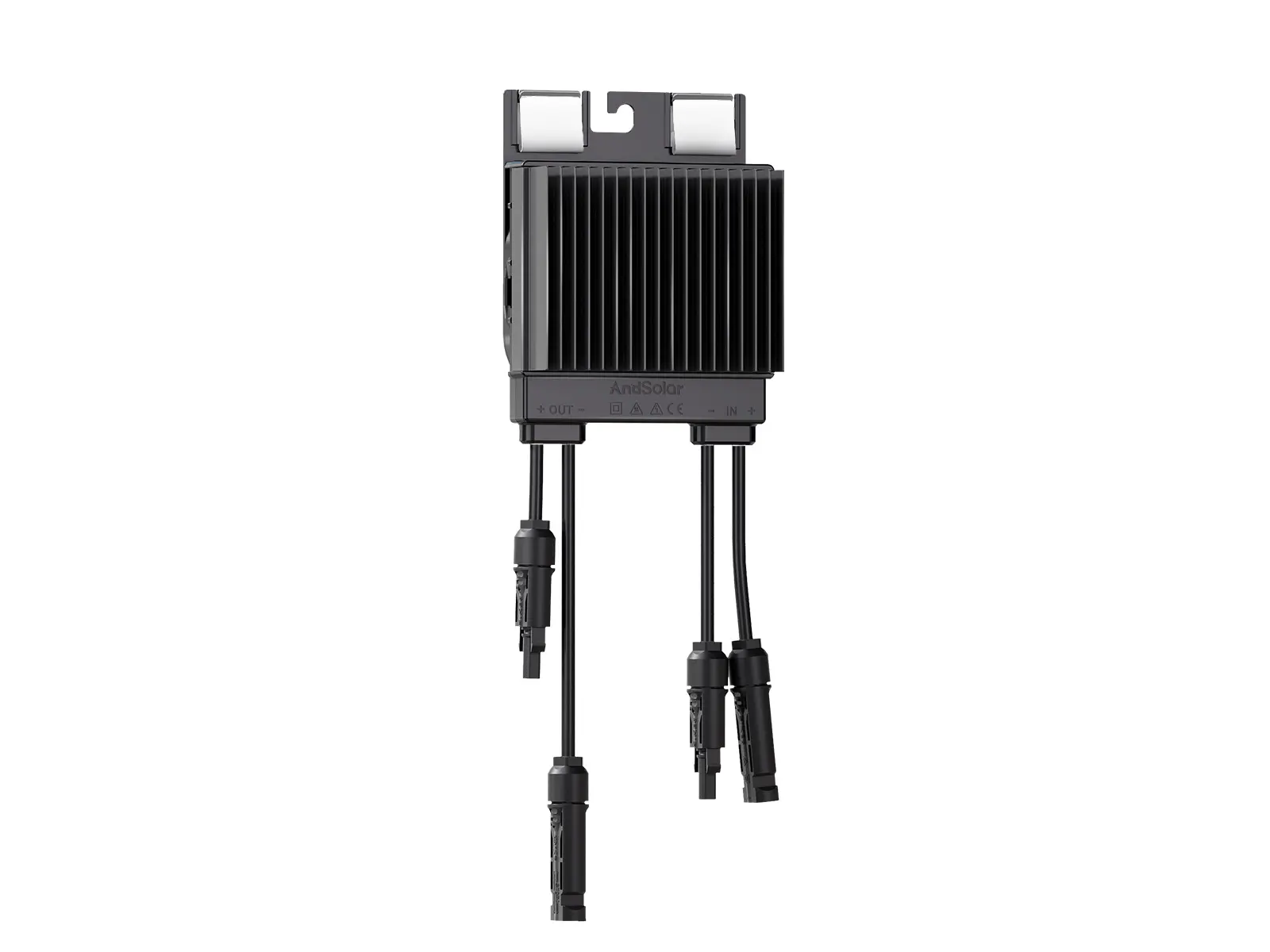
The scalable modular design architecture of distributed solar energy solutions provides unparalleled flexibility and adaptability, making these systems suitable for virtually any application or energy requirement. This innovative design approach allows installations to start small and expand incrementally as energy needs grow or financial resources become available, eliminating the need for large upfront investments while ensuring future expandability. The modular architecture consists of standardized components that can be easily combined, reconfigured, or upgraded without disrupting existing system operations, providing long-term investment protection and technological evolution capabilities. Each module within distributed solar energy solutions operates independently while contributing to the overall system performance, ensuring that partial shading, equipment failure, or maintenance activities on individual components do not compromise the entire installation's energy production. The standardized design elements reduce installation complexity and costs while improving system reliability through proven, tested components that have demonstrated performance across diverse applications and environmental conditions. The scalable nature enables precise system sizing to match specific energy consumption patterns, avoiding both under-sizing that fails to meet energy needs and over-sizing that results in unnecessary capital expenditure. This flexibility extends to different installation configurations, including rooftop mounting, ground-mounted arrays, carport structures, and building-integrated photovoltaic applications, ensuring optimal space utilization and aesthetic integration. The modular design facilitates easier maintenance and component replacement, reducing long-term operational costs and minimizing system downtime during service activities. Advanced power electronics within each module enable maximum power point tracking at the individual panel level, optimizing energy harvest from each component regardless of varying environmental conditions affecting other parts of the system. The architecture supports mixed technology integration, allowing the combination of different panel types, storage systems, and grid-tie equipment to create customized solutions that address specific performance requirements and budget constraints. Future technology upgrades become seamless with the modular approach, enabling the integration of newer, more efficient components without requiring complete system replacement, thereby protecting the initial investment while ensuring access to technological advancement benefits.
Comprehensive Energy Management and Storage Integration

Comprehensive Energy Management and Storage Integration

The comprehensive energy management and storage integration capabilities of distributed solar energy solutions create a sophisticated energy ecosystem that maximizes efficiency, reliability, and economic benefits for users across all applications. This advanced integration combines intelligent energy management software with cutting-edge battery storage technology to create a holistic approach to energy generation, consumption, and storage optimization. The energy management system continuously monitors energy production from solar panels, consumption patterns within the facility, grid conditions, and time-of-use utility rates to make intelligent decisions about energy usage, storage, and grid interaction. Advanced algorithms predict energy needs based on historical consumption data, weather forecasts, and occupancy patterns, enabling proactive energy management that anticipates and responds to changing conditions before they impact system performance or costs. The storage integration allows distributed solar energy solutions to capture excess energy during peak production periods and deploy it during high-demand times or when solar production is limited, providing energy security and further reducing utility costs through peak shaving and load shifting strategies. The comprehensive system includes backup power capabilities that automatically activate during grid outages, maintaining critical loads and essential services without interruption, which is particularly valuable for healthcare facilities, data centers, and residential applications requiring uninterrupted power supply. Smart load management features prioritize energy distribution to critical systems during emergency situations while extending battery runtime through intelligent load shedding of non-essential equipment. The integration supports multiple storage technologies, including lithium-ion batteries, flow batteries, and emerging storage solutions, allowing users to select the most appropriate technology for their specific application requirements and budget considerations. Real-time monitoring and control capabilities provide detailed insights into energy flows, storage status, and system performance, enabling users to make informed decisions about energy usage patterns and identify opportunities for further optimization. The energy management system supports participation in grid services programs, where stored energy can be dispatched to support grid stability during peak demand periods, creating additional revenue streams while contributing to overall electrical system reliability. Advanced forecasting capabilities enable predictive maintenance scheduling, optimizing system availability while minimizing maintenance costs through condition-based service strategies that prevent failures before they occur.

Get a Free Quote

Our representative will contact you soon.
Name
Email
Phone/ WhatsApp
Company Name
Product Selection
Message
0/1000

distributed solar energy solutions

Latest News

Rapid shutdown for solar: What you need to know

16

Jun

Rapid shutdown for solar: What you need to know

What Is Solar Rapid Shutdown? Definition and Core Purpose Solar rapid shutdown is an essential safety measure referring to the quick disconnection of photovoltaic (PV) panels from the power system. This process ensures the system stops producing ele...
View More
Benefits of MLPE VS. traditional PV system

21

Jul

Benefits of MLPE VS. traditional PV system

Comparing Modern and Traditional Approaches to Solar Power Management As solar energy adoption continues to grow globally, both homeowners and commercial operators face critical choices in system architecture. Among the most significant is the decis...
View More
How Smart Solar Optimizer Reduces Energy Loss

17

Sep

How Smart Solar Optimizer Reduces Energy Loss

Revolutionizing Solar Energy Efficiency Through Advanced Optimization The solar energy industry has witnessed remarkable transformations, with smart solar optimizers emerging as game-changing technology. These innovative devices are revolutionizing h...
View More
Understanding ABNT NBR 17193:2025 & Rapid Shutdown: Everything You Need to Know

23

Sep

Understanding ABNT NBR 17193:2025 & Rapid Shutdown: Everything You Need to Know

The Evolution of Solar Safety Standards in Brazil The solar energy landscape in Brazil is undergoing a significant transformation with the introduction of ABNT NBR 17193:2025, particularly focusing on rapid shutdown requirements. This revolutionary s...
View More

Get a Free Quote

Our representative will contact you soon.
Name
Email
Phone/ WhatsApp
Company Name
Product Selection
Message
0/1000