solar energy for industrial rooftops
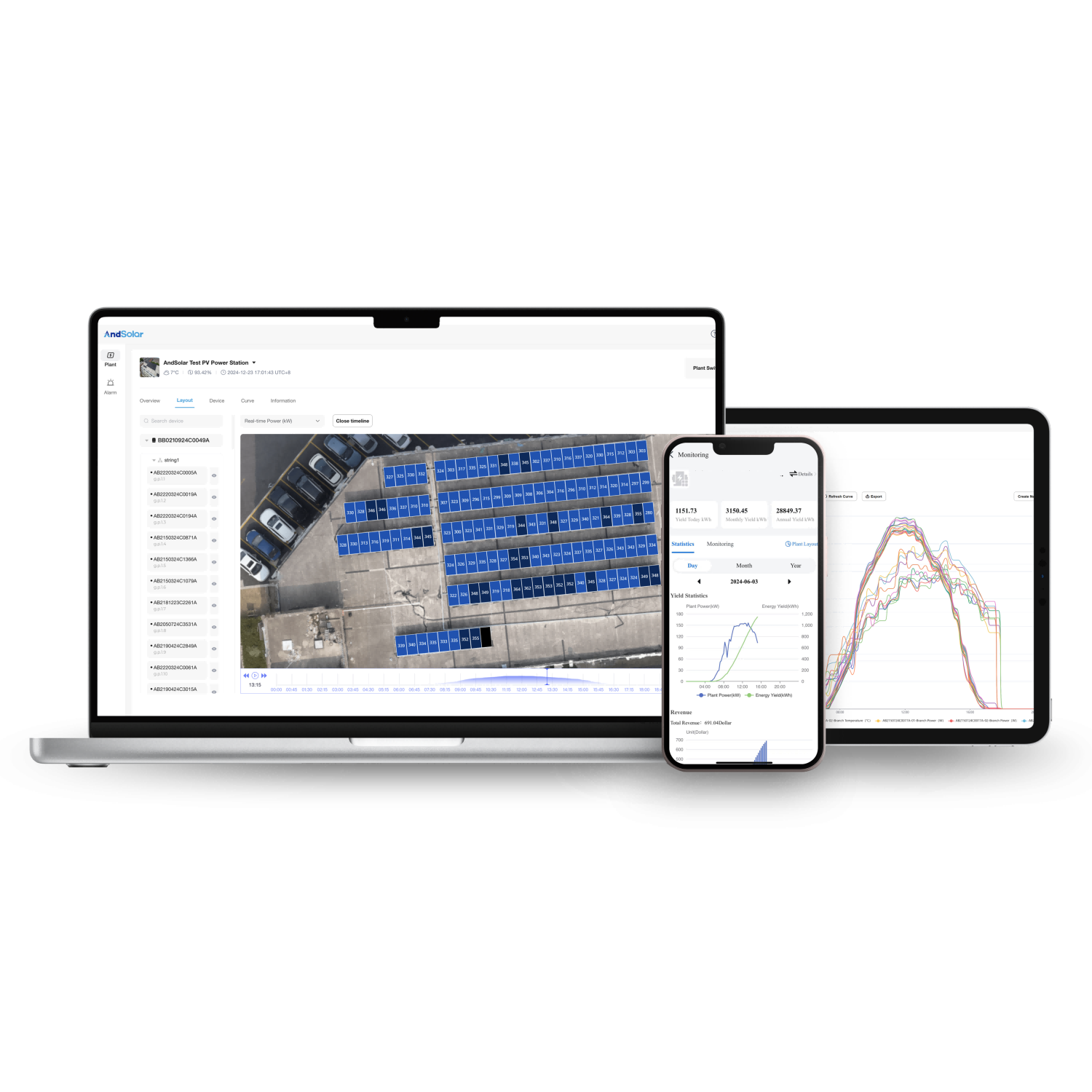
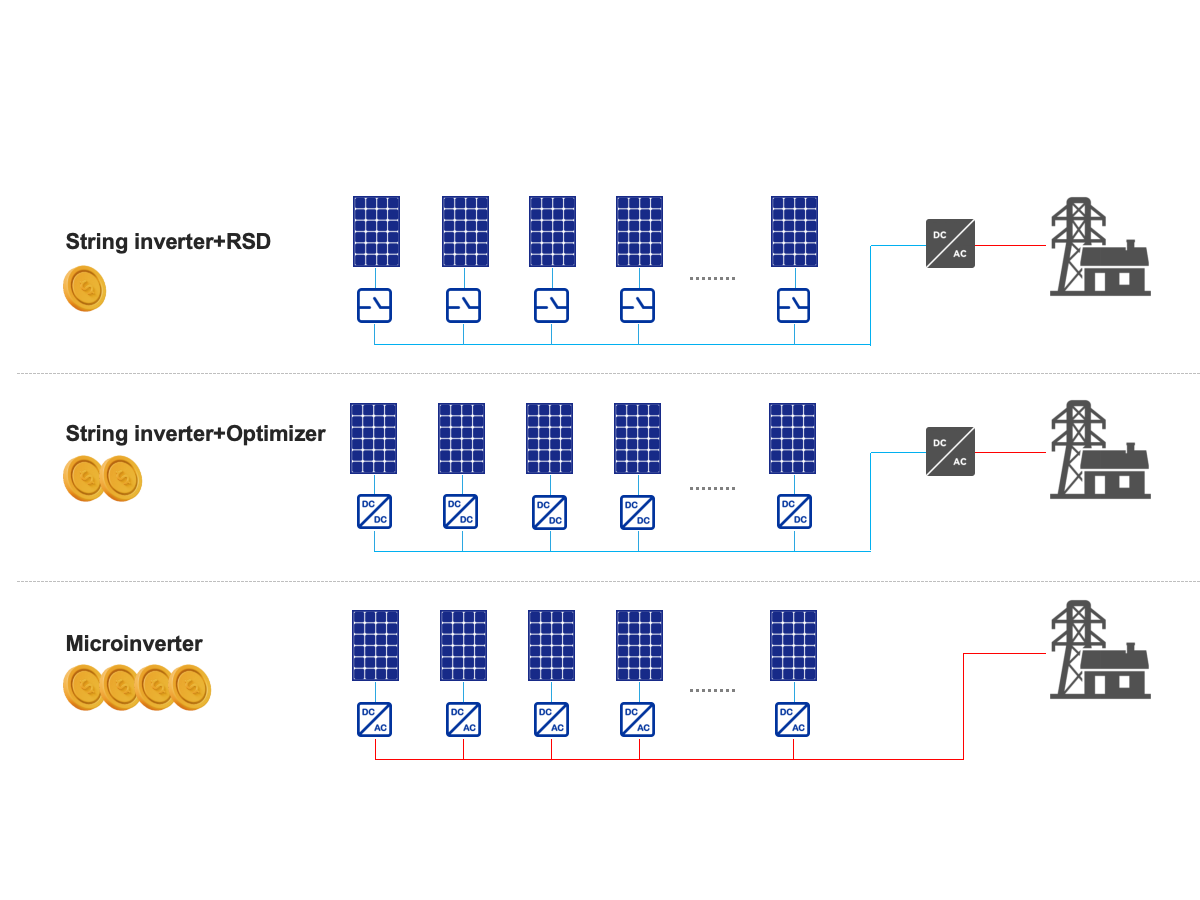
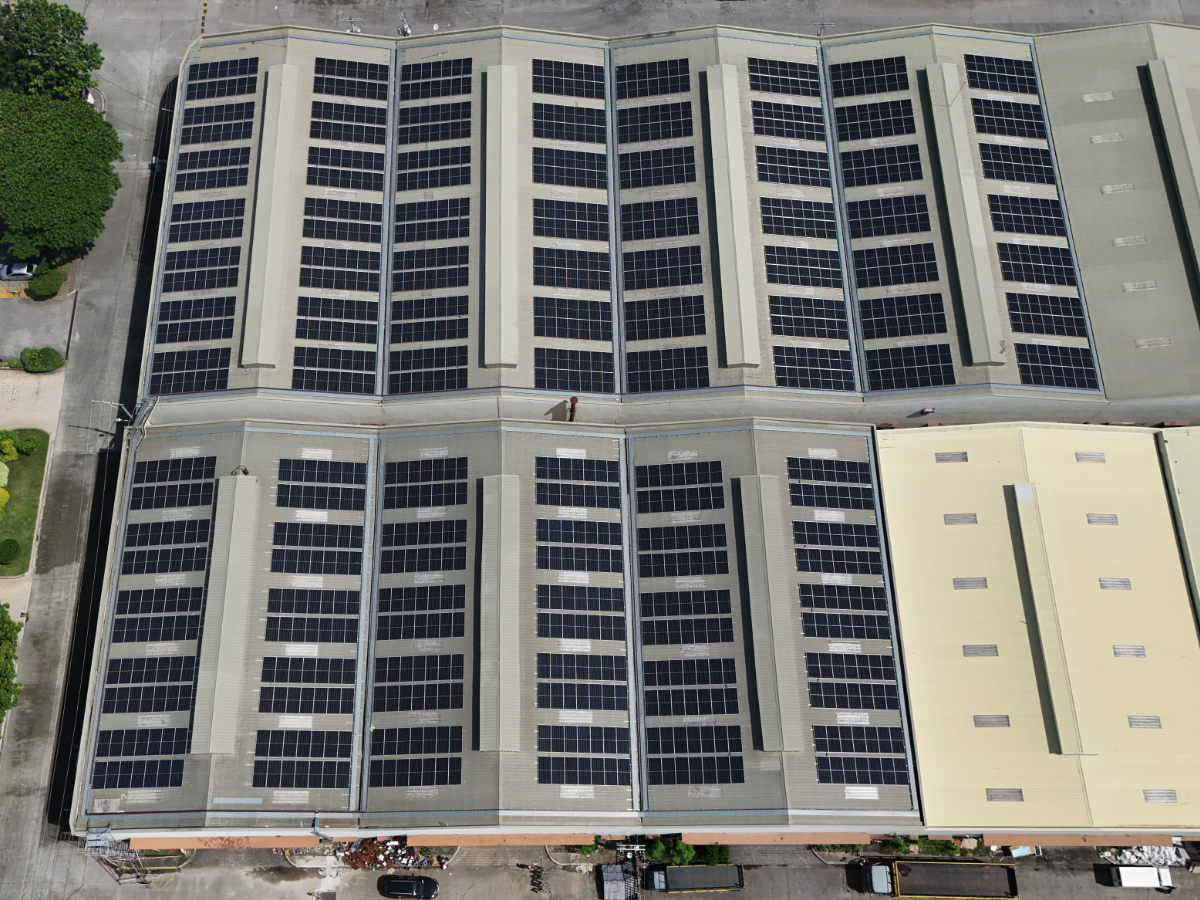
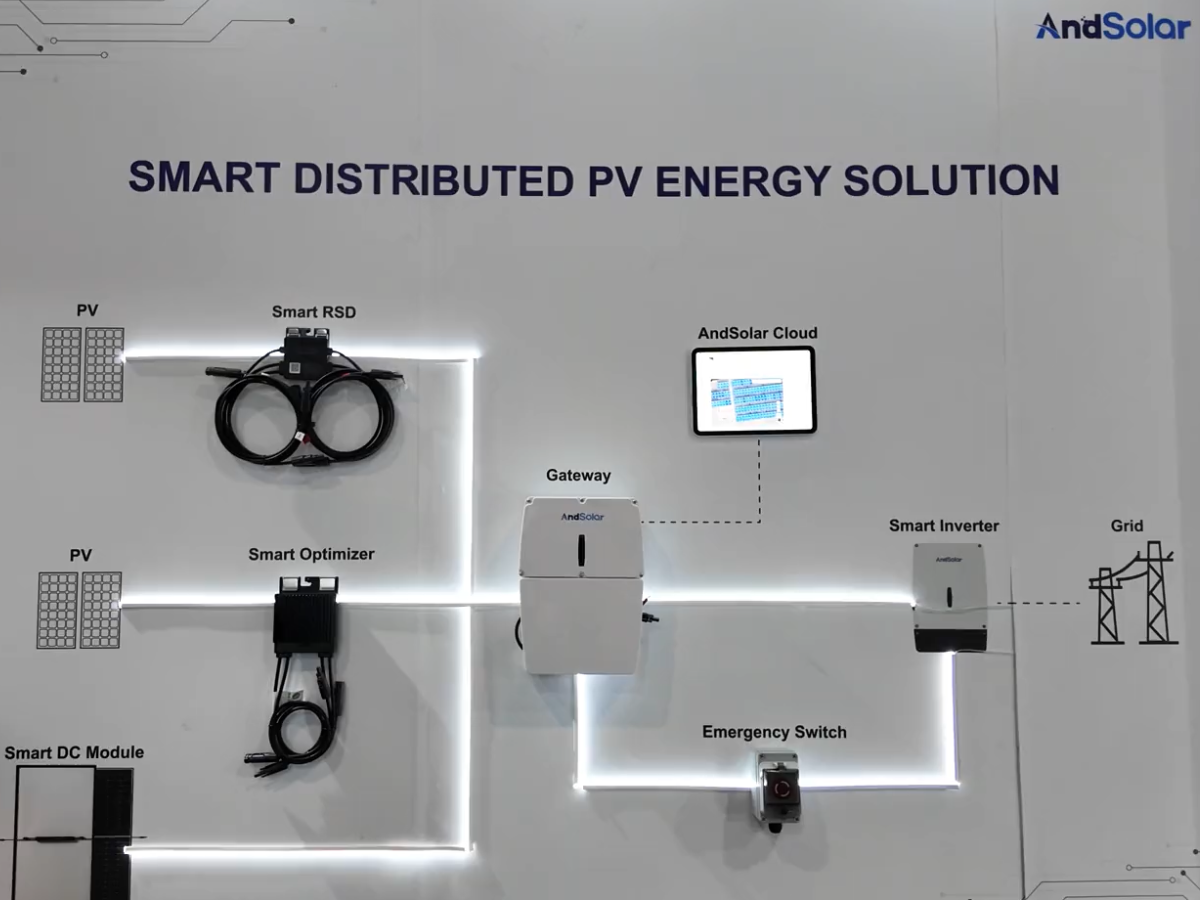
Solar energy for industrial rooftops represents a transformative approach to commercial energy generation, offering businesses substantial opportunities to reduce operational costs while contributing to environmental sustainability. This advanced renewable energy solution harnesses photovoltaic technology to convert abundant sunlight into reliable electricity, specifically designed to meet the demanding power requirements of manufacturing facilities, warehouses, distribution centers, and large commercial buildings. The main functions of solar energy for industrial rooftops encompass grid-tied electricity generation, peak demand reduction, and energy independence enhancement. These systems integrate seamlessly with existing electrical infrastructure, providing supplemental power during daylight hours while feeding excess energy back into the utility grid through net metering arrangements. Technological features include high-efficiency monocrystalline or polycrystalline solar panels engineered to withstand industrial environments, robust mounting systems capable of handling significant wind and snow loads, advanced inverter technology for optimal power conversion, and comprehensive monitoring systems that track performance metrics in real-time. Applications span across diverse industrial sectors including automotive manufacturing, food processing plants, textile facilities, chemical production sites, logistics centers, and data centers. The scalable nature of solar energy for industrial rooftops allows customization based on available roof space, energy consumption patterns, and budget considerations. Modern installations incorporate smart grid technology, enabling automated energy management and demand response capabilities. Weather-resistant components ensure reliable operation across various climatic conditions, while modular designs facilitate future system expansions. Integration with energy storage solutions further enhances operational flexibility, allowing businesses to store excess solar generation for use during peak pricing periods or power outages. The technology continues advancing with improved panel efficiency ratings, longer warranty periods, and enhanced durability specifications specifically tailored for industrial applications.