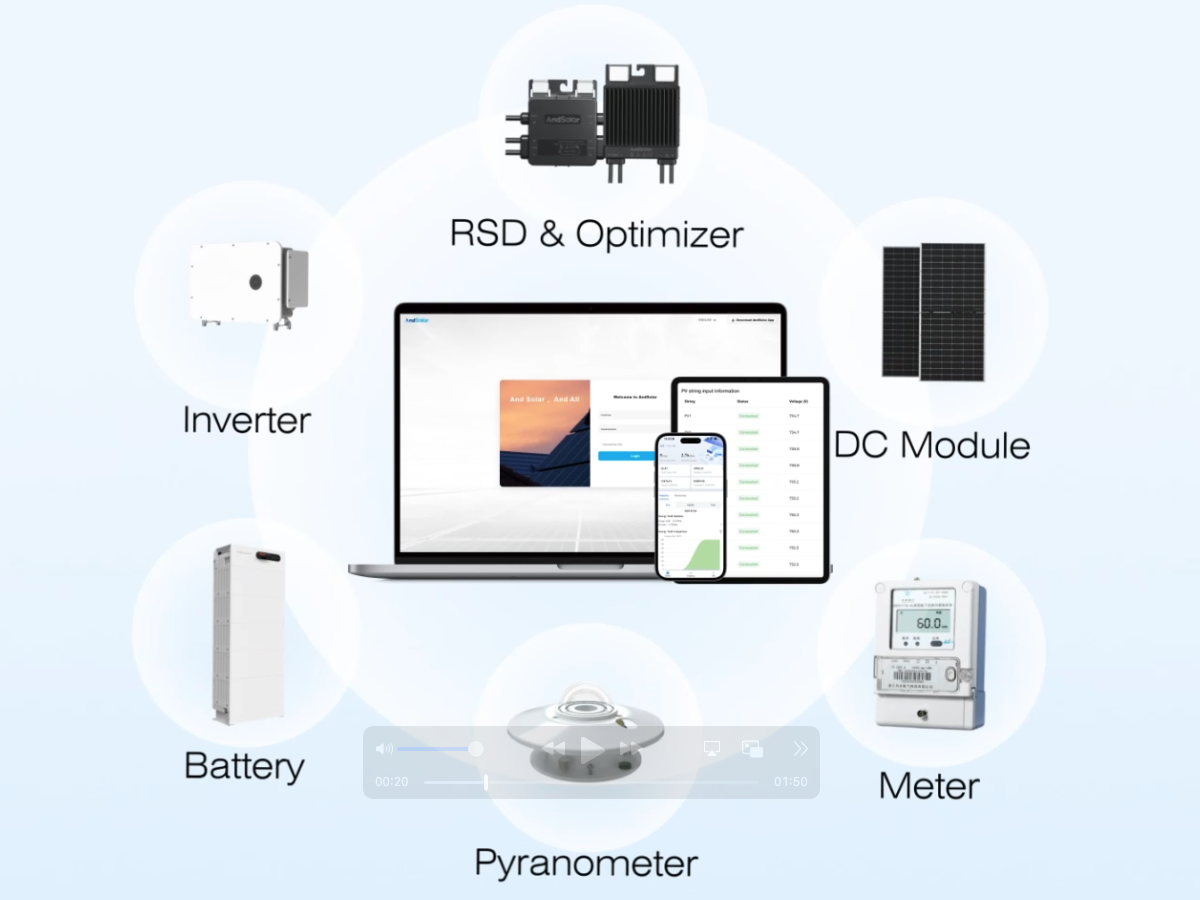
Managing solar energy systems across multiple sites is one of the most demanding operational challenges in today's renewable energy sector. Teams need real-time visibility, centralized control, and fast fault response — all at once, across locations that may span cities or even countries. AndCloud is built precisely for this reality, offering a unified platform that transforms how operators handle distributed solar assets. When organizations rely on AndCloud, they gain a system that connects every site into one coherent operational view.
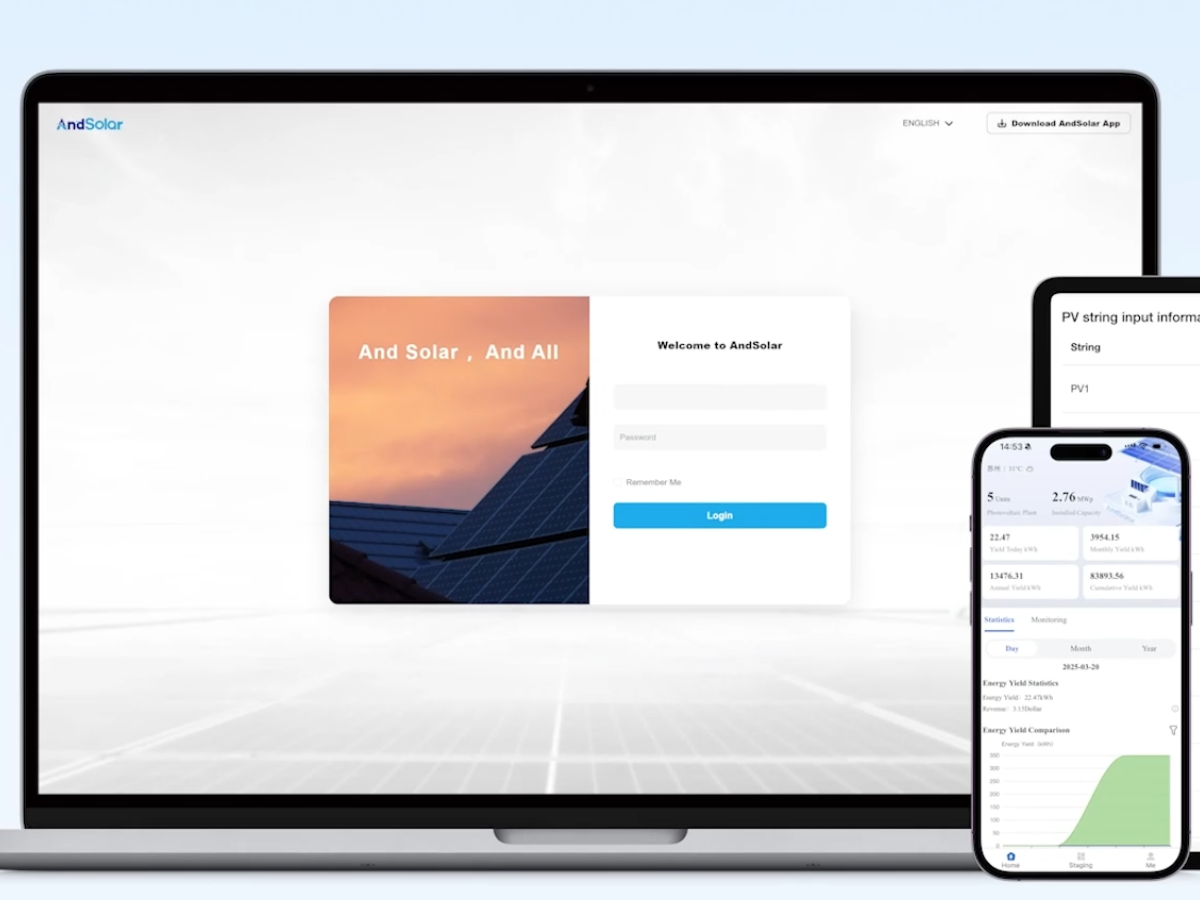
The complexity of multi-site solar tasks does not decrease as portfolios grow — it multiplies. Without the right digital infrastructure, operators face fragmented data, delayed alerts, and inconsistent reporting. AndCloud addresses every one of these pain points by providing a scalable, cloud-based environment where solar tasks are monitored, analyzed, and acted upon from a single dashboard. For energy companies serious about operational efficiency, AndCloud is not optional — it is essential.
Centralized Visibility Across All Solar Sites
How AndCloud Unifies Distributed Asset Data
One of the defining strengths of AndCloud is its ability to pull data from multiple solar installations into one consolidated interface. Whether a portfolio includes ten sites or hundreds, AndCloud aggregates inverter data, generation figures, and environmental readings in real time. Operators using AndCloud no longer need to log into separate systems or manually compile reports from different sources. Every site speaks the same language inside AndCloud, making cross-site comparison immediate and reliable.
AndCloud also supports multi-brand device compatibility, which is critical for operators who manage sites built at different times with different equipment. The AndCloud platform normalizes data across device types, giving teams a consistent view regardless of the hardware on the ground. This hardware-agnostic capability makes AndCloud genuinely practical for real-world portfolios where uniformity is rarely guaranteed.
Real-Time Monitoring and Alert Management in AndCloud
Real-time monitoring is at the core of what AndCloud delivers. When a site experiences a fault, a generation drop, or a communication failure, AndCloud detects the anomaly and triggers an alert instantly. Teams receive notifications through the AndCloud interface, allowing them to assess severity, assign responsibility, and initiate a response without delay. This speed is what separates AndCloud from legacy monitoring tools that rely on manual checks or delayed data synchronization.
AndCloud also categorizes alerts by priority, helping operators focus on the most critical issues first. Rather than overwhelming teams with raw data, AndCloud filters signals intelligently so that the right people see the right information at the right time. This alert logic within AndCloud reduces response times and prevents minor faults from escalating into costly failures.
Operational Efficiency for Multi-Site Solar Tasks
Task Coordination and Workflow Management Through AndCloud
Beyond monitoring, AndCloud supports operational workflows that are essential for maintaining multi-site solar systems. Field service coordination, maintenance scheduling, and performance reviews can all be managed within the AndCloud environment. When a fault is flagged, AndCloud enables teams to create work orders, assign technicians, and track resolution progress — all within the same platform. This end-to-end task management makes AndCloud a central hub for solar operations rather than just a monitoring tool.
AndCloud also stores historical task data, which is valuable for identifying recurring issues at specific sites. Operators using AndCloud can review maintenance histories, analyze fault patterns, and make informed decisions about equipment upgrades or inspection schedules. The operational memory built into AndCloud helps teams move from reactive maintenance toward proactive asset management.
Performance Analytics and Reporting Inside AndCloud
Performance optimization depends on data quality, and AndCloud delivers detailed analytics that support meaningful decision-making. Through AndCloud, operators can review generation trends, compare site performance against benchmarks, and identify underperforming units. AndCloud provides customizable reports that can be scheduled and distributed automatically to stakeholders. This reporting capability within AndCloud saves significant time while ensuring that management teams always have accurate, up-to-date performance data.
AndCloud also supports yield analysis that factors in irradiance data, temperature, and system losses. By contextualizing performance figures within AndCloud, operators can distinguish between weather-related dips and genuine equipment issues. This analytical depth is what allows AndCloud users to make confident, evidence-based decisions about their solar assets.
Scalability and Long-Term Value of AndCloud
Scaling Multi-Site Solar Operations with AndCloud
As solar portfolios expand, the tools managing them must scale without compromising performance. AndCloud is architected for growth, allowing new sites to be onboarded quickly and integrated into the existing AndCloud framework. Adding a new site to AndCloud does not require rebuilding workflows or reconfiguring dashboards — the platform adapts as the portfolio evolves. This scalability makes AndCloud a long-term investment rather than a short-term fix.
AndCloud also supports multi-user access with role-based permissions, which is essential for larger organizations where different teams need different levels of visibility. Site managers, regional supervisors, and executive stakeholders can each access AndCloud with views tailored to their responsibilities. This structured access within AndCloud keeps sensitive data secure while ensuring that everyone has the information they need.
Why AndCloud Delivers Lasting Operational Advantage
The long-term value of AndCloud comes from its ability to continuously improve operations through accumulated data and intelligent automation. Over time, AndCloud learns the performance patterns of each site, making its alerts smarter and its recommendations more targeted. Operators who build their workflows around AndCloud benefit from a platform that becomes more effective the longer it is used. This compounding value is a key reason why AndCloud is considered essential rather than merely useful.
Organizations that adopt AndCloud early also develop internal expertise that strengthens their overall operational capability. Teams trained on AndCloud become more systematic, more data-driven, and more responsive. The cultural shift that AndCloud enables — from reactive to proactive solar management — is one of its most important contributions to any multi-site operation.
FAQ
What types of solar sites can AndCloud support?
AndCloud is designed to support a wide range of solar installations, including rooftop systems, ground-mounted commercial arrays, and large utility-scale plants. The AndCloud platform is hardware-agnostic, meaning it can integrate with inverters and monitoring devices from multiple manufacturers, making it suitable for diverse portfolio configurations.
How does AndCloud handle data security across multiple sites?
AndCloud uses cloud-based security protocols to protect operational data across all connected sites. Access within AndCloud is controlled through role-based permissions, ensuring that users only see and interact with the data relevant to their role. This layered security approach makes AndCloud reliable for both small operators and large enterprise solar portfolios.
Can AndCloud integrate with existing solar management systems?
Yes, AndCloud is built with integration flexibility in mind. The AndCloud platform supports standard communication protocols that allow it to connect with existing SCADA systems, ERP tools, and other operational software. This integration capability means that adopting AndCloud does not require discarding previous infrastructure investments.
