For commercial property owners and business operators, rising electricity costs are no longer a background concern — they are a direct threat to profitability. Solar energy has emerged as one of the most practical and financially sound strategies for addressing this challenge, offering a dual benefit that few other technologies can match: a measurable reduction in monthly energy expenditure and a meaningful decrease in carbon emissions. As grid electricity prices continue to climb and sustainability regulations tighten across industries, the question for most businesses is no longer whether to adopt solar energy, but how quickly and effectively they can deploy it.
The mechanics of how solar energy cuts costs and carbon output are well understood by engineers, but business decision-makers often need a clearer picture of the commercial logic behind an investment of this scale. This article breaks down the financial pathways, carbon reduction mechanisms, and operational factors that determine how much a commercial solar installation can realistically save — and why those savings compound over time into a decisive competitive advantage.
The Direct Link Between Solar Energy and Lower Electricity Bills
Reducing Grid Dependency Through On-Site Generation
The most immediate way solar energy reduces commercial electricity bills is by generating power on-site, which directly offsets what a business would otherwise purchase from the utility grid. Every kilowatt-hour produced by a rooftop or ground-mounted solar array is a kilowatt-hour that does not appear on the next electricity invoice. For commercial facilities with large, flat roof surfaces — warehouses, retail centers, manufacturing plants, office complexes — the generation potential is substantial and can cover a significant portion of daytime operational demand.
The financial impact is most pronounced during peak demand periods. Grid electricity pricing structures typically charge higher rates during peak hours, which often align precisely with standard business operating hours. Solar energy generation peaks during these same daylight hours, meaning businesses avoid purchasing the most expensive electricity on the market. This timing alignment is not coincidental — it is one of the core reasons solar energy delivers superior financial returns in commercial settings compared to residential applications.
Over a 20 to 25-year system lifespan, the cumulative offset can reach hundreds of thousands or even millions of dollars for medium to large commercial installations. The upfront capital cost, once recovered through savings — typically within 5 to 8 years depending on location, system size, and energy usage — represents a period after which the system essentially generates free electricity for the remainder of its operational life.
Net Metering and Revenue from Surplus Generation
In many jurisdictions, businesses with solar energy systems can participate in net metering programs, which allow them to feed surplus electricity back into the grid in exchange for credits on their utility bills. When solar generation exceeds immediate building demand — particularly during weekends, holidays, or off-peak production periods — that excess power becomes a financial asset rather than a wasted resource.
The value of net metering credits varies by utility and regulatory framework, but in favorable markets, a well-sized commercial solar energy system can effectively zero out electricity bills during high-production months. When paired with battery storage, businesses gain even greater control — storing surplus energy for use during evening hours or cloudy periods rather than relying on grid imports at standard rates.
Understanding the net metering policies in your specific region is therefore a critical step in calculating the true financial return of a solar energy investment. A qualified installer or energy consultant can model projected generation, consumption, and credit accumulation to provide a realistic bill reduction forecast tailored to your business profile.
How Solar Energy Reduces Your Commercial Carbon Footprint
Displacing Fossil Fuel Generation at the Source
Every kilowatt-hour of solar energy consumed on-site is a kilowatt-hour that does not need to be generated by a coal, gas, or oil-fired power plant somewhere on the regional grid. The carbon intensity of grid electricity varies significantly by country and region, but in most markets, the average kilowatt-hour carries a meaningful carbon burden — typically between 300 and 600 grams of CO₂ equivalent. Multiply that by the thousands or millions of kilowatt-hours a commercial facility consumes annually, and the total carbon displacement potential of solar energy becomes substantial.
For a mid-sized commercial building consuming 500,000 kilowatt-hours per year, a solar energy system that offsets even 40% of that consumption could reduce annual carbon emissions by 60 to 120 tonnes of CO₂ equivalent, depending on the regional grid mix. Over a decade, that accumulates into a carbon reduction contribution that is both environmentally significant and increasingly valuable in reporting frameworks such as GHG Protocol, CDP, and ISO 14064.
Supporting ESG Commitments and Regulatory Compliance
The role of solar energy in commercial carbon reduction has grown far beyond voluntary sustainability branding. Regulatory frameworks in the European Union, North America, Australia, and many Asian markets are increasingly mandating emissions disclosures, setting carbon reduction targets for commercial operators, and in some cases, imposing carbon pricing mechanisms that directly penalize high-emission businesses. Solar energy adoption is one of the most direct and documentable ways to reduce Scope 2 emissions — those generated by purchased electricity — which form a major component of most commercial carbon footprints.
Investors, institutional buyers, and corporate procurement teams now routinely assess the sustainability credentials of their suppliers and partners. A business that can demonstrate verified carbon reductions through solar energy generation is better positioned in procurement evaluations, better aligned with ESG fund criteria, and better protected against future carbon pricing exposure. The competitive advantage of carbon reduction, once considered soft and reputational, is rapidly becoming a hard financial differentiator.
Many businesses also find that solar energy projects generate Renewable Energy Certificates or equivalent instruments that can be used in sustainability reporting, sold in voluntary carbon markets, or applied toward internal carbon accounting goals. These additional instruments add a layer of value that further strengthens the financial case for commercial solar adoption.
The Financial Mechanisms That Make Solar Energy a Sound Commercial Investment
Return on Investment, Payback Periods, and Lifecycle Economics
The financial case for solar energy in commercial settings rests on a straightforward but powerful equation: the total cost of the system versus the total value of electricity saved and carbon benefits generated over its operational life. Modern commercial solar installations are engineered to last 25 to 30 years, with panel degradation rates typically running below 0.5% per year. This means the system's productive capacity remains high throughout the vast majority of its lifespan, delivering consistent financial returns long after the initial investment has been recovered.
Payback periods for commercial solar energy systems have shortened considerably as panel costs have declined — dropping by more than 80% over the past decade — and as electricity prices have risen. In markets with strong solar irradiance, favorable net metering policies, and available incentive programs, payback periods of 4 to 7 years are common for well-designed systems. After payback, every additional year of operation represents pure financial gain, making the total internal rate of return on a commercial solar energy investment highly competitive compared to most capital expenditure alternatives.
Available Incentives, Tax Benefits, and Financing Structures
Governments in most major economies offer financial incentives designed to accelerate commercial solar energy adoption. These include investment tax credits, accelerated depreciation schedules, capital grants, low-interest green financing programs, and feed-in tariff arrangements. The specific incentives available depend on jurisdiction, system size, and installation timing, but in many markets, incentives can offset 20 to 40% of total system costs, dramatically improving project economics and shortening payback timelines.
Power Purchase Agreements represent another financing pathway that allows businesses to access solar energy with no upfront capital outlay. Under a PPA, a third-party developer installs and owns the solar system on the commercial property, and the business purchases the generated electricity at a fixed, typically below-market rate for a contracted period. This structure converts what would be a capital expenditure into an operational expenditure, improving cash flow while still delivering cost savings and carbon reductions from day one.
Solar leasing and on-bill financing are additional structures that lower the barrier to entry for businesses that prefer to preserve capital for core operations. Working with an experienced solar energy provider who understands both the technical and financial dimensions of commercial projects is essential for identifying the most advantageous combination of incentives and financing for your specific situation.
Sizing and Designing a Commercial Solar System for Maximum Savings
Matching System Size to Energy Demand and Site Conditions
Achieving maximum electricity bill reduction from solar energy requires more than simply installing the largest system that fits on the roof. System sizing must be closely matched to actual energy consumption patterns, available roof or ground area, local solar irradiance levels, shading conditions, and grid connection capacity. An oversized system may generate more electricity than can be used or credited, while an undersized system leaves significant savings potential unrealized.
A thorough energy audit is the logical starting point for commercial solar planning. This audit should capture 12 months of utility billing data, identify peak demand periods, map load profiles by time of day and season, and assess the facility's potential for energy efficiency improvements that might reduce total demand before the solar system is sized. This process ensures the solar energy investment is optimized for actual conditions rather than theoretical maximums.
Technology Selection and System Integration
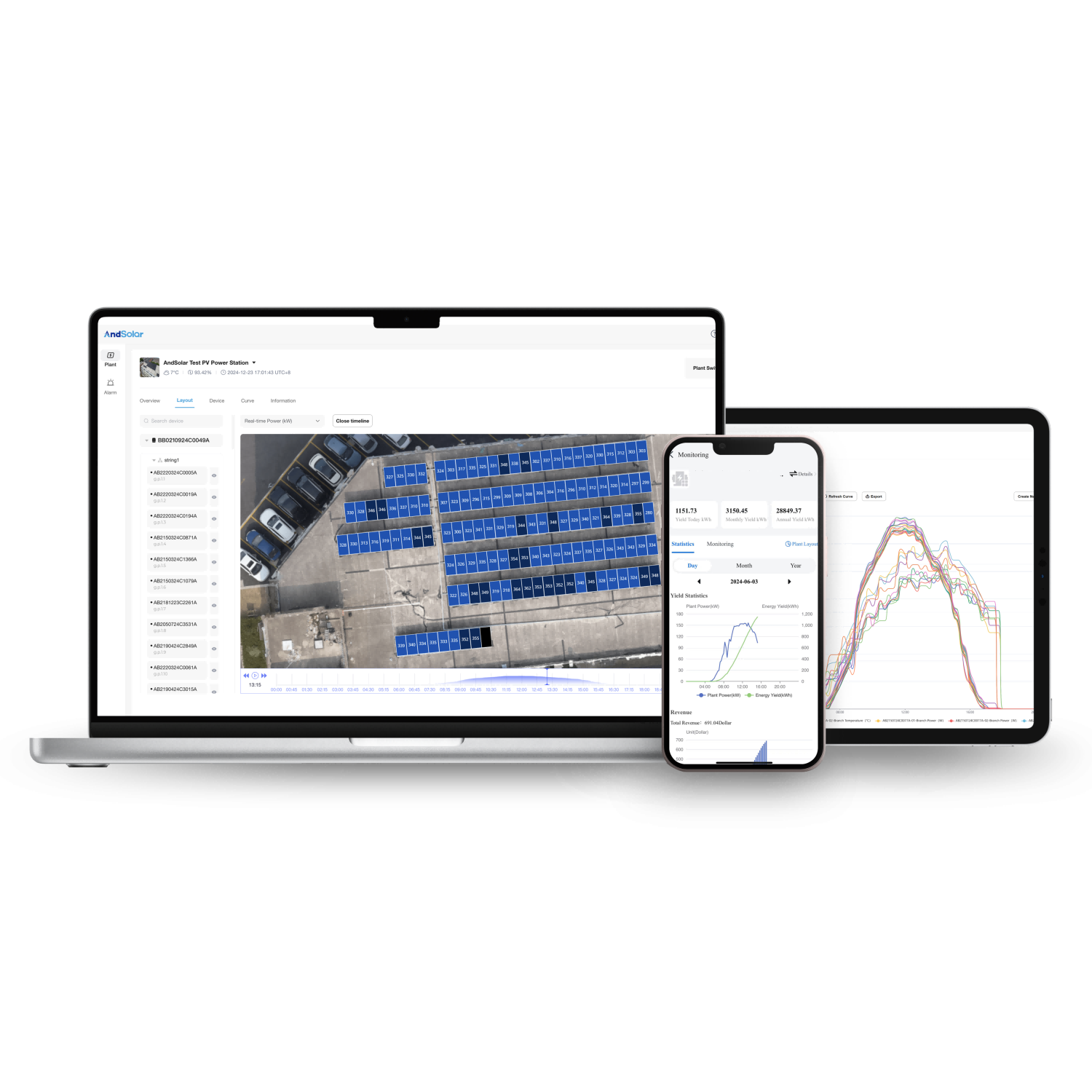
Commercial solar energy systems involve more than panels. Inverter selection, mounting systems, monitoring platforms, and optional battery storage all influence system performance, reliability, and long-term return. High-efficiency monocrystalline panels are now the standard choice for commercial rooftop applications where space may be constrained, while bifacial panels offer additional yield in certain ground-mount or flat-roof configurations where reflected light can be captured from below.
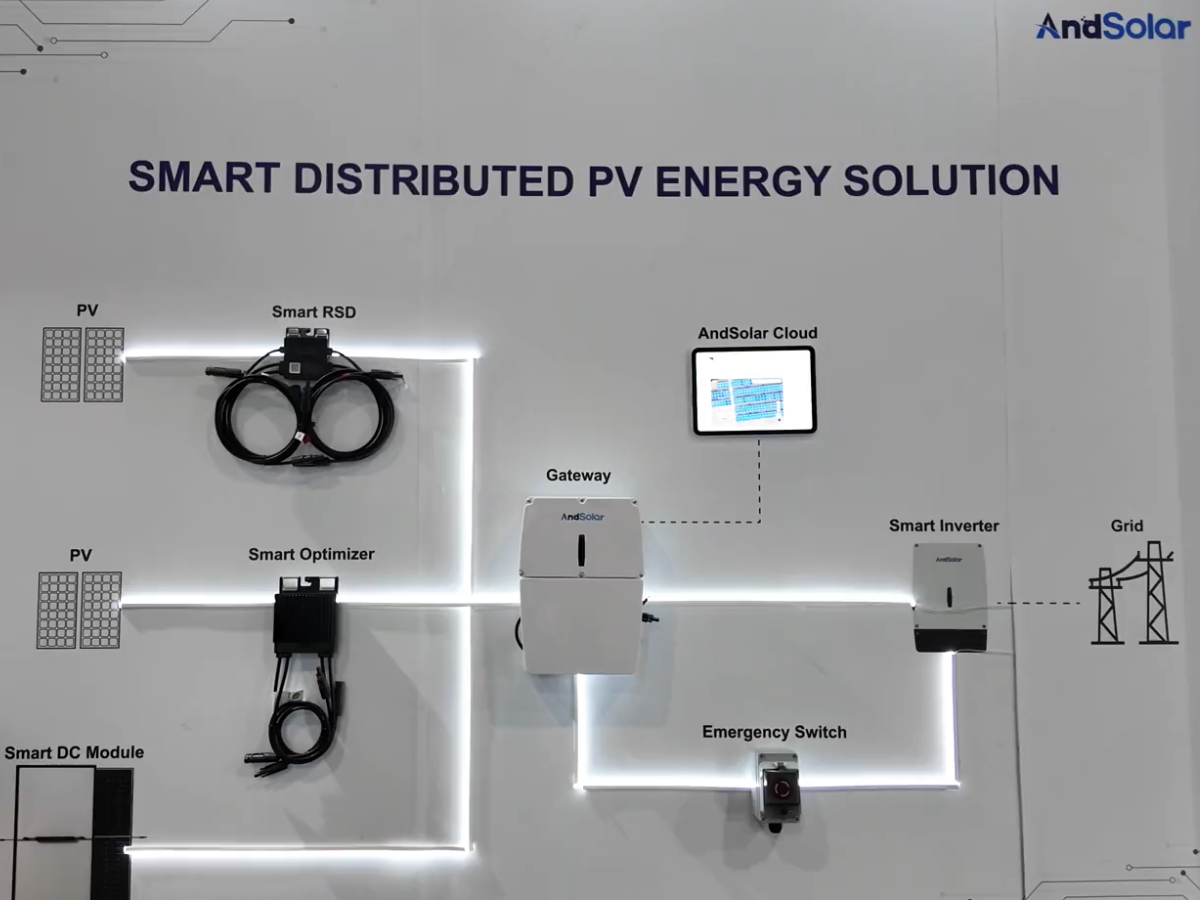
String inverters, microinverters, and power optimizers each carry different performance profiles in shading conditions, maintenance requirements, and monitoring granularity. For commercial facilities with complex roof geometries or partial shading from HVAC equipment and skylights, module-level power electronics can significantly improve overall system energy yield. Integration with building energy management systems allows solar generation data to inform load shifting decisions, further enhancing bill reduction outcomes.
Battery energy storage systems, while adding to upfront costs, are increasingly viable for commercial applications where demand charges represent a large portion of the electricity bill. By storing solar energy during generation peaks and discharging during periods of high grid demand — particularly late afternoon and early evening — battery systems can reduce peak demand charges, which in commercial tariff structures often account for 30 to 50% of the total electricity bill.
FAQ
How much can a commercial business realistically save with solar energy?
The savings depend on system size, local electricity rates, solar irradiance, and available incentives, but many commercial businesses achieve 30 to 70% reductions in their electricity bills after installing solar energy systems. Facilities with high daytime energy consumption and large roof areas tend to see the strongest financial returns, particularly in regions with above-average grid electricity prices.
How does solar energy specifically reduce a business's carbon footprint?
Solar energy reduces a commercial carbon footprint primarily by displacing grid electricity that would otherwise be generated from fossil fuels. Each kilowatt-hour generated on-site avoids the CO₂ emissions associated with that unit of grid power. The precise reduction depends on the carbon intensity of the regional grid, but even in grids with a moderate renewable mix, solar energy delivers meaningful and verifiable Scope 2 emission reductions that support ESG reporting and compliance requirements.
What is the typical payback period for a commercial solar energy system?
Payback periods for commercial solar energy installations typically range from 4 to 8 years, depending on system cost, available incentives, local electricity prices, and the facility's energy consumption profile. After the payback period, the system continues to generate electricity at effectively zero fuel cost for an additional 15 to 20 years, delivering strong long-term financial returns and sustained carbon reductions.
Do commercial solar energy systems require significant maintenance?
Commercial solar energy systems are mechanically simple and require relatively low maintenance compared to other energy infrastructure. Routine maintenance typically involves periodic panel cleaning, annual electrical inspections, inverter monitoring, and vegetation management for ground-mounted systems. Most modern systems include remote monitoring platforms that alert operators to performance deviations, enabling proactive maintenance that protects long-term energy yield and return on investment.
