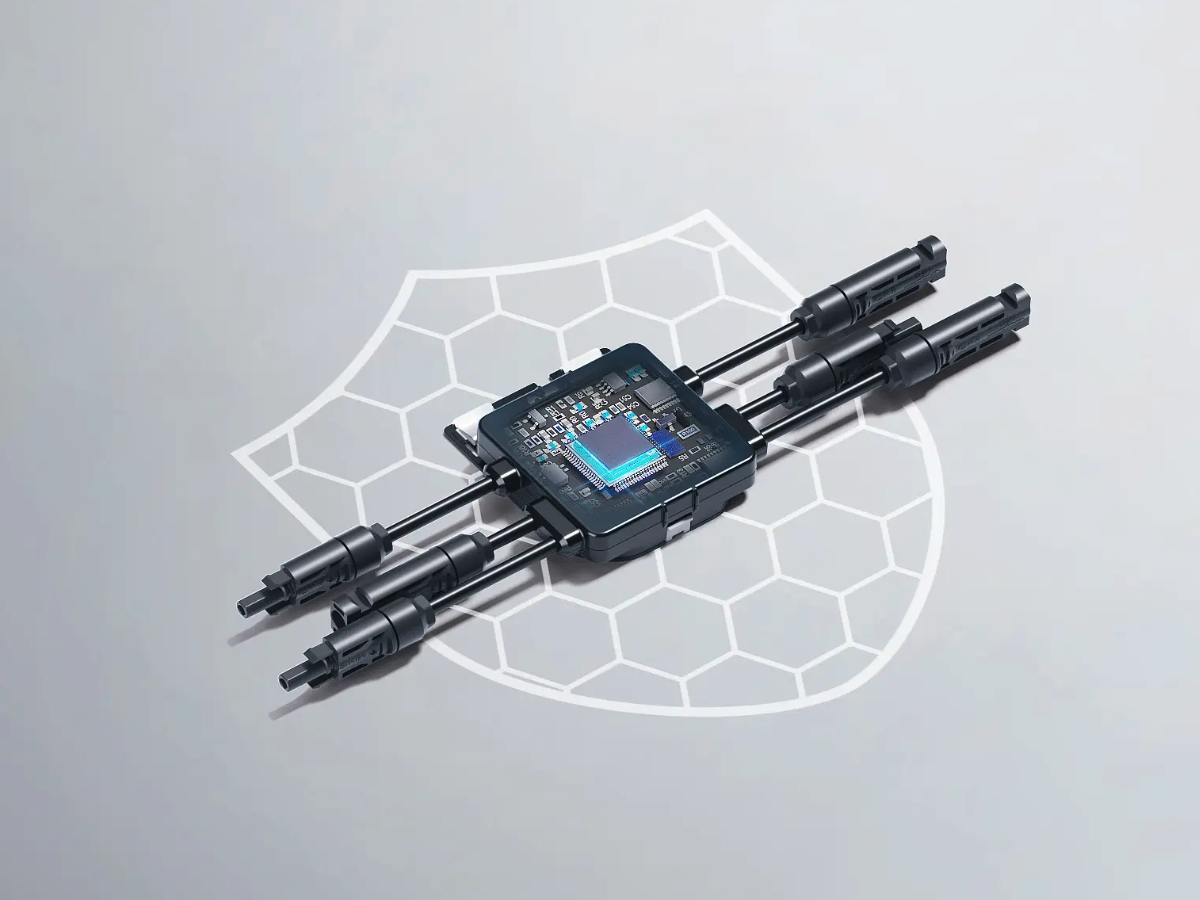
When engineers and project developers evaluate solar energy systems, the conversation often centers on efficiency ratings, installation costs, and hardware reliability. Yet one of the most transformative advantages of module-level power electronics rarely receives the attention it deserves: the profound, system-wide impact on monitoring capabilities. Beyond simple energy harvesting improvements, these devices quietly reshape how operators observe, diagnose, and optimize every corner of a photovoltaic installation. Understanding these hidden benefits requires looking past the surface-level metrics and examining what granular data visibility truly means for long-term system health.
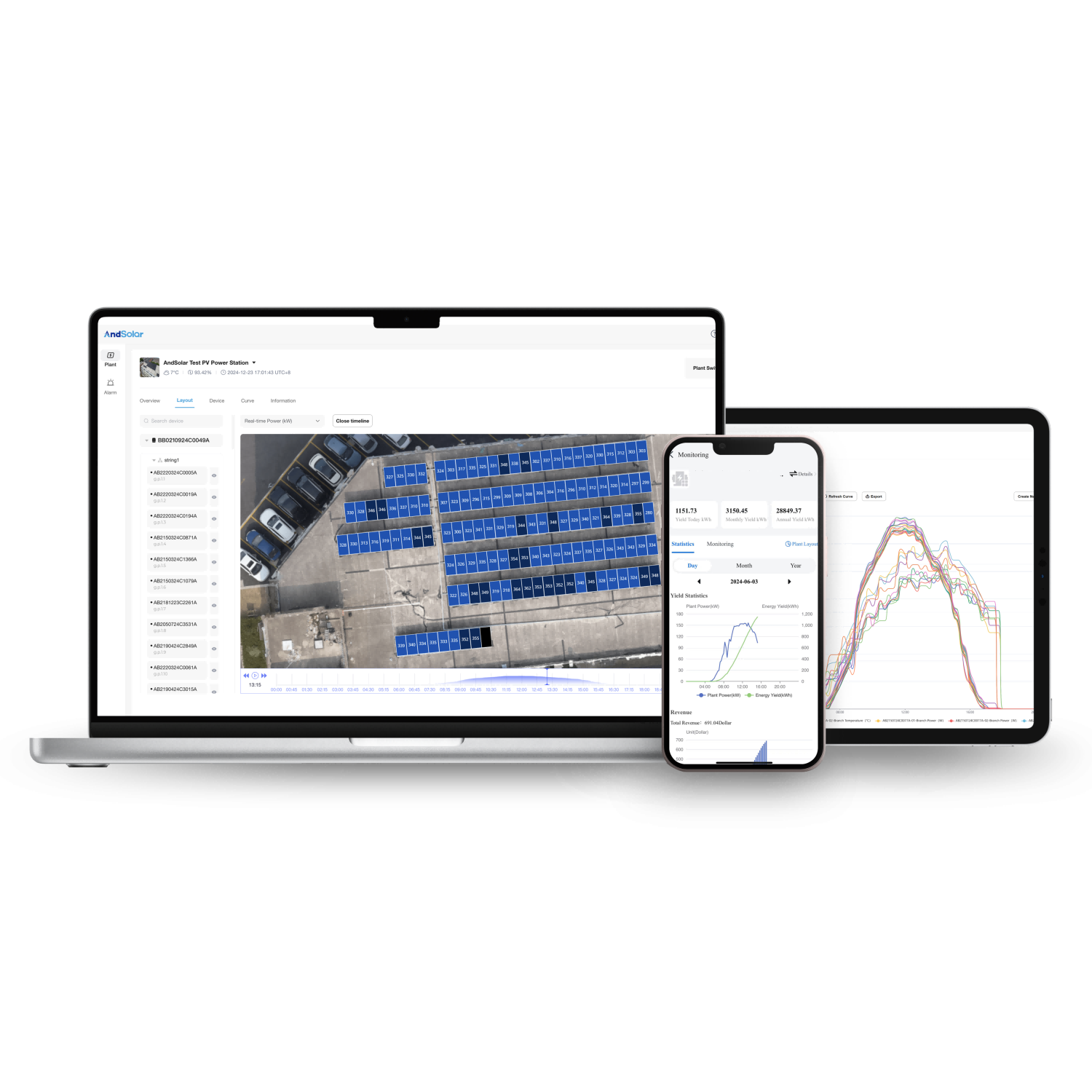
Module-level power electronics represent a fundamental shift in how solar arrays are architected and managed. Instead of monitoring an entire string of panels as a single unit, these devices attach directly to individual modules, enabling per-panel data collection in real time. This architectural difference unlocks a category of monitoring insights that simply do not exist in traditional string inverter setups. For operations teams, asset managers, and system integrators, this is not a minor technical upgrade — it is a new operating paradigm with measurable downstream value.
Granular Visibility as a Monitoring Foundation
From String-Level Blindness to Panel-Level Clarity
Traditional string inverter systems report aggregate performance data, meaning that the underperformance of a single panel is masked by the output of all others in the string. Module-level power electronics eliminate this blind spot entirely. Each device reports its own voltage, current, power output, and temperature independently, giving monitoring platforms a complete picture of the entire array down to the smallest unit.
This granularity transforms fault detection from a reactive process into a proactive one. Instead of discovering that energy yield has been quietly declining over several months, operators receive immediate, panel-specific alerts the moment deviation occurs. The difference in operational responsiveness is significant — days or weeks of undetected loss can be reduced to hours or even minutes.
The monitoring resolution enabled by module-level power electronics is particularly valuable in large commercial or utility-scale installations where thousands of panels are deployed. At that scale, the ability to isolate exactly which module is underperforming without physically inspecting each one translates directly into reduced labor costs and faster resolution cycles.
Real-Time Data Streams and Their Operational Value
Module-level power electronics continuously feed data streams to cloud-based monitoring platforms, creating a live operational view of every component in the field. This real-time reporting means that environmental anomalies, shading events, soiling patterns, and equipment degradation are captured as they happen rather than being inferred after the fact from aggregated reports.
For asset managers overseeing distributed solar portfolios, this level of real-time visibility changes how performance benchmarking is conducted. Instead of comparing monthly energy statements against expected yield models, analysts can track hour-by-hour deviations at the panel level and correlate them with weather data, maintenance logs, and historical baselines. The result is a much sharper picture of true system health.
The continuous data generation from module-level power electronics also supports machine learning models and predictive analytics. Over time, the accumulated dataset allows monitoring systems to identify patterns that precede failures, enabling maintenance scheduling before a fault becomes a costly outage.
Fault Detection and Diagnostic Precision
Isolating Root Causes Without Physical Inspection
One of the most practically valuable hidden benefits of module-level power electronics is the ability to pinpoint fault locations without dispatching technicians. When a panel suddenly reports abnormal current-voltage behavior, the monitoring platform can flag that specific device, its location in the array, and the nature of the anomaly — all before anyone sets foot on the roof or in the field.
This remote diagnostic capability significantly reduces the cost and time associated with troubleshooting. In conventional string systems, a technician might spend hours testing individual panels with handheld instruments to find a single defective cell. With module-level power electronics providing continuous diagnostics, that same task is reduced to reviewing a dashboard alert and scheduling a targeted replacement.
The financial implication of this capability compounds over the lifetime of an installation. Faster fault identification means shorter periods of revenue loss from underperforming modules. For performance-guaranteed projects or systems operating under power purchase agreements, this directly protects the economic case for the investment.
Distinguishing Between Failure Types at the Device Level
Module-level power electronics do not just signal that something is wrong — they provide enough data to distinguish between different categories of failures. A soiling event produces a different electrical signature than a bypass diode failure or a micro-crack in the cell. Monitoring platforms that ingest this device-level data can begin to classify fault types with increasing accuracy, reducing false alarms and improving the quality of work orders sent to field teams.
This diagnostic depth is especially meaningful in aging systems where multiple degradation mechanisms may be occurring simultaneously. Rather than treating every yield shortfall as a single undifferentiated problem, operators can now manage each failure mode according to its own urgency, cost, and resolution pathway. Module-level power electronics make that type of nuanced asset management possible.
Furthermore, detailed failure classification helps asset owners build more accurate performance models over time. Understanding the statistical distribution of failure types across different panel brands, installation ages, and environmental conditions leads to smarter procurement decisions and more realistic long-term yield forecasts.
Shade and Mismatch Analysis Through Device Data
Understanding Energy Loss Patterns with Precision
Shading is one of the most persistent challenges in solar system design and operation. Even partial shading on a single panel can disproportionately reduce string output in traditional architectures. Module-level power electronics decouple individual panels from string-level constraints, but they also generate the monitoring data necessary to fully understand where, when, and how much shading actually affects the system.
By analyzing the timestamp-correlated output data from each device, operators can map seasonal shading patterns, assess the energy impact of nearby obstructions, and evaluate whether layout changes or module reorientation would improve annual yield. This analysis capability would simply not be available at the same resolution using string inverter data alone.
Module-level power electronics essentially turn every panel into a measurement instrument, building a spatial and temporal dataset that can inform both current operations and future system designs. This self-documenting quality is a monitoring benefit that appreciates in value as the dataset grows.
Mismatch Losses and Performance Optimization Insights
Beyond shading, mismatch losses occur when panels in a string have unequal characteristics due to manufacturing tolerances, soiling variations, or differential aging. String inverter monitoring cannot isolate these effects because it only observes the output of the entire string. Module-level power electronics expose mismatch at the individual device level, allowing operators to quantify exactly how much energy is being lost to this mechanism.
This data supports informed decisions about panel cleaning schedules, selective replacements, and string reconfigurations. Over time, systematic mismatch analysis guided by module-level power electronics data can materially improve actual energy yield relative to a system managed only with string-level information.
For systems located in dusty or high-pollution environments, the ability to track soiling-related mismatch on a per-panel basis also supports more efficient cleaning programs. Rather than cleaning the entire array on a fixed schedule, operators can prioritize the most affected modules and optimize cleaning costs accordingly.
Long-Term Asset Management and Performance Verification
Building a Verifiable Performance History
Module-level power electronics create a continuous, auditable record of individual panel performance over the entire life of the system. This historical dataset is invaluable for warranty claims, insurance assessments, and energy yield guarantees. When a dispute arises about whether a panel has degraded beyond its warranted performance level, the timestamped device data provides objective, unambiguous evidence.
Performance verification based on module-level power electronics data is far more credible than estimates derived from string averages or irradiance modeling alone. This evidentiary quality supports better outcomes in arbitration, regulatory filings, and financing discussions where investors require documented proof of system performance over time.
Asset owners who maintain clean, granular records of device-level performance are also better positioned for secondary market transactions. When selling or refinancing a solar asset, demonstrating a complete and well-documented performance history built on module-level power electronics monitoring adds measurable value to the due diligence process.
Degradation Tracking and Lifecycle Planning
All solar panels degrade over time, but the rate and pattern of degradation vary by module, location, and operating conditions. Module-level power electronics provide the resolution needed to track individual panel degradation curves with statistical precision. This insight allows asset managers to distinguish between panels that are degrading normally and those showing accelerated decline that warrants early replacement.
Proactive lifecycle planning informed by module-level data helps operators smooth capital expenditures by replacing panels before they cause string-level performance problems rather than waiting until a failure forces an emergency replacement at higher cost and urgency.
The degradation data accumulated through module-level power electronics monitoring also feeds back into future procurement decisions. Understanding which panel types or configurations have demonstrated the most stable long-term output in specific climatic conditions helps procurement teams make more evidence-based choices when expanding or repowering existing sites.
Safety Monitoring and Rapid Shutdown Compliance
Panel-Level Safety Signals for Emergency Response
Module-level power electronics often integrate rapid shutdown functionality, which in itself is a safety requirement in many building codes and electrical standards. But beyond compliance, these devices provide monitoring data that supports ongoing safety management. Overheating panels, abnormal voltage conditions, and insulation resistance anomalies can all be detected at the device level before they escalate into fire hazards or electrical injuries.
This safety monitoring layer is particularly important for rooftop installations on occupied commercial buildings where any undetected electrical fault poses significant risk. Module-level power electronics give facility managers and safety officers a continuous view of electrical health that no string-level system can match.
First responders and maintenance personnel also benefit from the panel-level status information available through module-level power electronics. Knowing exactly which modules are energized, which have been safely isolated, and which are showing abnormal behavior reduces the risk of dangerous contact during emergency scenarios.
Monitoring Compliance and Regulatory Reporting
As regulatory environments around distributed energy resources become more demanding, the documentation requirements placed on solar system operators are increasing. Module-level power electronics facilitate compliance by automatically logging device-level operational data that can be exported for regulatory submissions, grid interconnection audits, and performance certification reports.
This automated compliance documentation reduces administrative burden while improving accuracy. Systems without module-level power electronics must often reconstruct performance histories from incomplete records or rely on modeled estimates, which regulators and utilities are increasingly skeptical of. Device-level data provides a higher standard of evidence that simplifies compliance workflows.
FAQ
How do module-level power electronics improve monitoring compared to traditional string inverters?
Module-level power electronics attach directly to individual panels and report real-time performance data for each device independently. This contrasts with string inverters, which only report aggregate data for an entire series of panels. The result is dramatically higher monitoring resolution, enabling faster fault detection, more precise diagnostics, and better energy loss analysis at the panel level.
Can module-level power electronics data support predictive maintenance programs?
Yes. The continuous data streams generated by module-level power electronics provide a rich historical dataset that can be analyzed for patterns preceding equipment failures. Over time, this enables monitoring platforms to identify early warning signals and schedule maintenance before faults cause significant energy loss or equipment damage, shifting maintenance programs from reactive to predictive.
Are the monitoring benefits of module-level power electronics relevant for small residential systems as well as large commercial projects?
Absolutely. While the scale of benefit grows with system size, even residential installations gain meaningful value from panel-level monitoring. Homeowners can identify underperforming panels quickly, validate warranty claims with documented data, and optimize cleaning or maintenance routines based on actual device-level performance rather than estimates derived from total system output.
How does the data from module-level power electronics support long-term asset valuation?
A complete, auditable performance record built from module-level power electronics data strengthens the financial case for a solar asset in due diligence processes, refinancing discussions, and secondary market transactions. It provides objective evidence of degradation rates, fault history, and yield performance that supports more accurate asset valuations and reduces investor risk perception.
Table of Contents
- Granular Visibility as a Monitoring Foundation
- Fault Detection and Diagnostic Precision
- Shade and Mismatch Analysis Through Device Data
- Long-Term Asset Management and Performance Verification
- Safety Monitoring and Rapid Shutdown Compliance
-
FAQ
- How do module-level power electronics improve monitoring compared to traditional string inverters?
- Can module-level power electronics data support predictive maintenance programs?
- Are the monitoring benefits of module-level power electronics relevant for small residential systems as well as large commercial projects?
- How does the data from module-level power electronics support long-term asset valuation?
