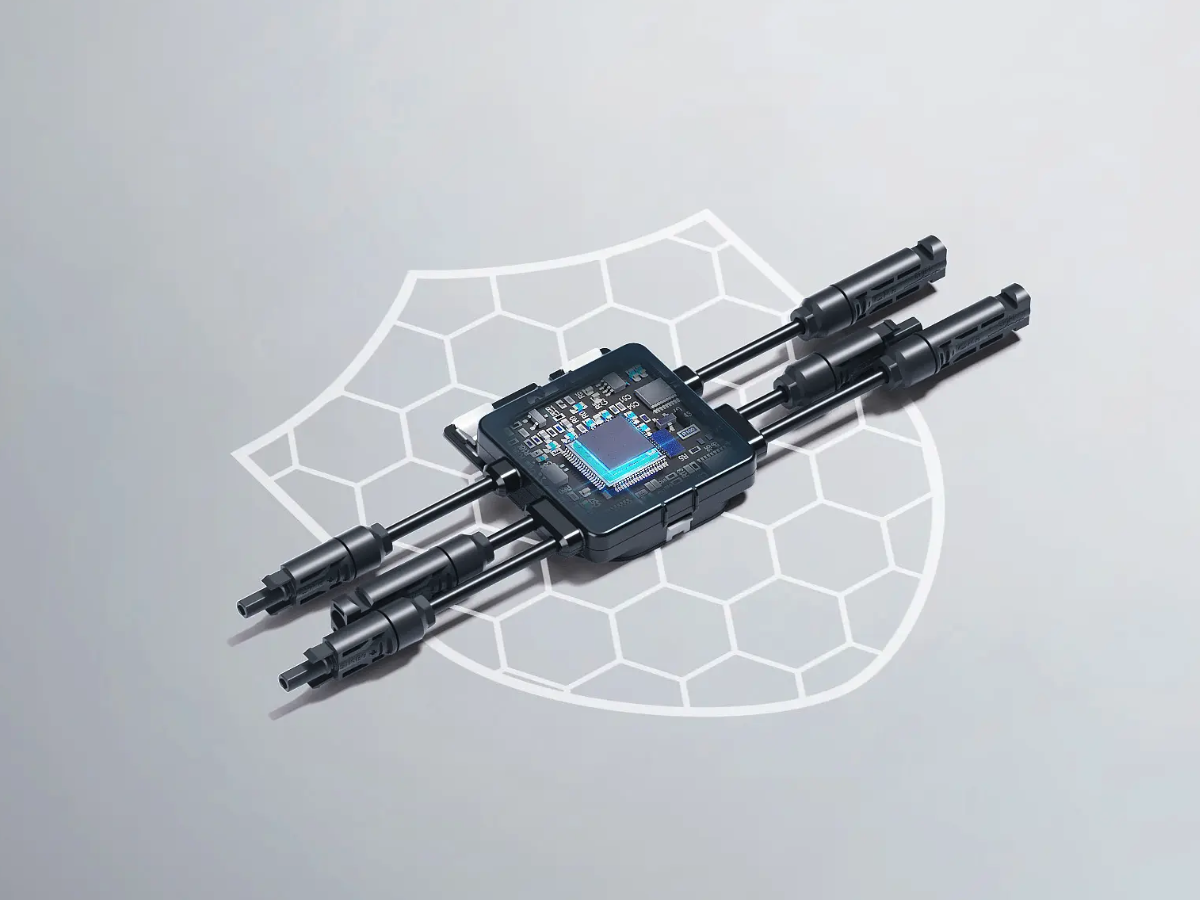
The global shift toward solar energy has brought a parallel rise in safety requirements that every installer, developer, and grid operator must understand. Among the most critical of these requirements is rapid shutdown, a technology mandate that has moved from regional guideline to universal grid regulation standard. As solar installations scale up on residential rooftops, commercial buildings, and industrial facilities, the need to safely de-energize photovoltaic systems during emergencies has become a non-negotiable priority for regulators worldwide.
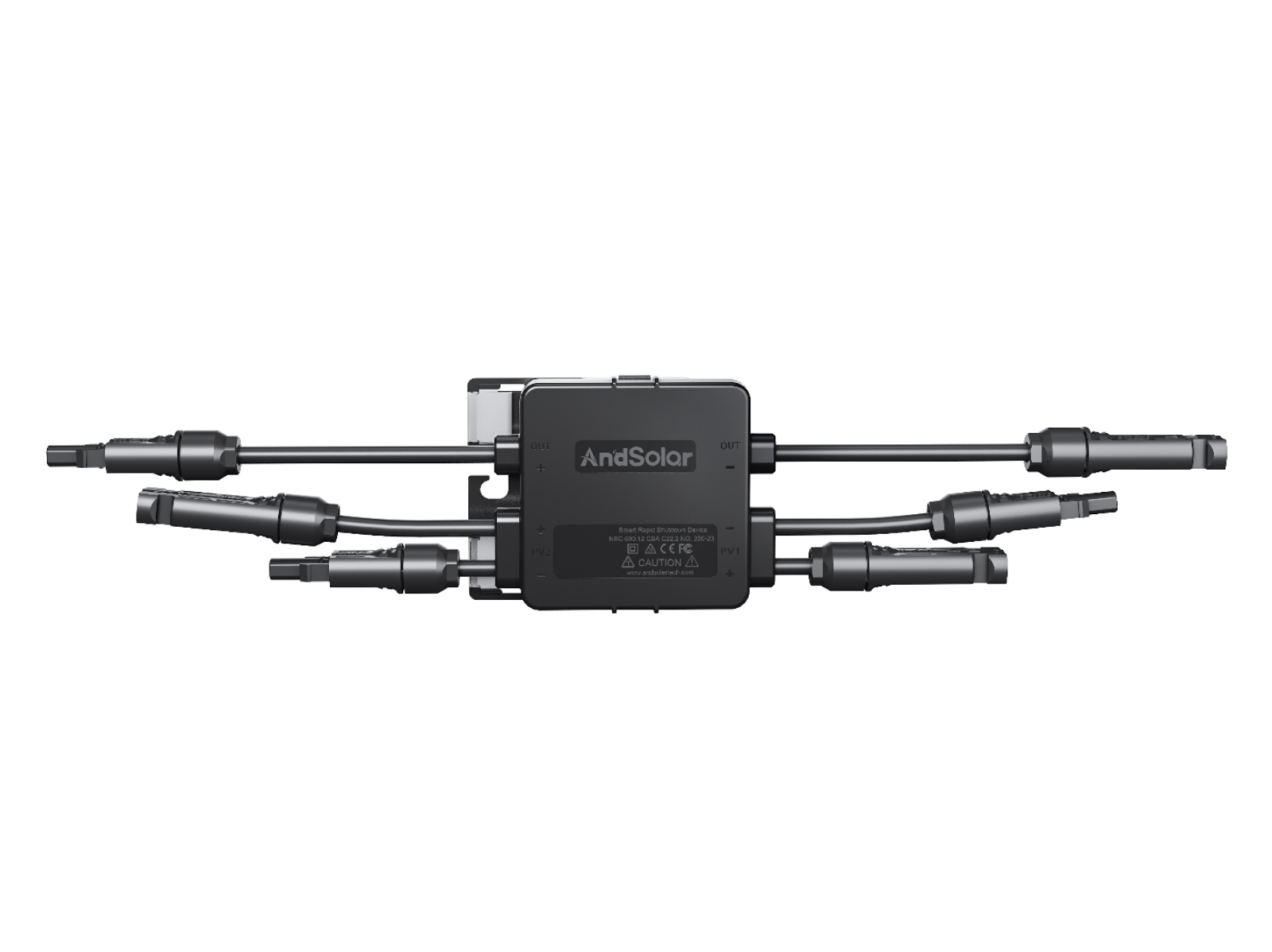
Understanding why rapid shutdown has become a regulatory fixture requires examining what happens when a solar array remains energized during a fire or grid fault. Without rapid shutdown capability, conductors on rooftops and within building structures can carry lethal voltages even after the main utility supply is disconnected. First responders face unacceptable risk, and grid stability can be compromised. Rapid shutdown technology directly solves this problem by ensuring that PV system conductors are de-energized quickly and reliably on command, meeting the expectations of electrical codes and grid interconnection standards worldwide.
The Regulatory Landscape Driving Rapid Shutdown Adoption
How Major Electrical Codes Mandate Rapid Shutdown
The National Electrical Code in the United States was among the first major frameworks to introduce rapid shutdown requirements, with successive editions tightening the specifications significantly. Under current requirements, rapid shutdown must reduce conductor voltage to defined safe levels within a short time window after system initiation. Similar language has been adopted or adapted by regulatory bodies in Europe, Australia, and parts of Asia, each recognizing that rapid shutdown addresses a genuine and measurable safety gap in solar deployment.
Rapid shutdown requirements typically distinguish between the array boundary and the building boundary. Within the array, rapid shutdown must bring voltage down to below a specified threshold within seconds. Beyond the array boundary and into the building wiring, rapid shutdown must similarly limit energy to safe levels. This dual-zone logic reflects a sophisticated understanding of where the greatest risks exist and how rapid shutdown technology must be engineered to address each zone systematically.
International Grid Interconnection Standards and Rapid Shutdown
Grid operators globally have increasingly recognized that rapid shutdown is not only a personnel safety requirement but also a grid management tool. When a fault occurs on the distribution network, grid operators need assurance that distributed solar resources can be isolated swiftly. Rapid shutdown capability gives grid operators greater confidence in allowing high penetrations of rooftop and commercial PV, knowing that rapid shutdown can help prevent backfeed scenarios that could endanger line workers during maintenance or fault response operations.
Countries updating their grid interconnection rules are embedding rapid shutdown expectations directly into approval processes for new solar installations. This means that projects without certified rapid shutdown solutions may face permitting delays or outright rejection. The regulatory pressure is therefore not merely theoretical — it has immediate and practical consequences for project timelines and financial viability across global solar markets.
Technical Mechanisms Behind Rapid Shutdown Systems
Module-Level Power Electronics and Rapid Shutdown
Modern rapid shutdown solutions are most commonly implemented through module-level power electronics, including microinverters and DC optimizers. These devices sit at each individual solar module and respond to a rapid shutdown initiation signal by reducing their output voltage to a safe level. The use of module-level rapid shutdown ensures that even the conductors running between modules on the roof surface are de-energized, which is precisely what current strict rapid shutdown codes require for within-array compliance.
Rapid shutdown initiation is triggered through various communication methods depending on the system design. Some rapid shutdown systems use power-line communication, where a specific signal absence on the circuit tells each device to enter the rapid shutdown state. Others use wireless or dedicated signal conductors. Regardless of the communication method, the fundamental performance requirement for rapid shutdown remains consistent — de-energize the system reliably and completely within the mandated timeframe.
String Inverter Architectures and Rapid Shutdown Compliance
Traditional string inverter systems require additional rapid shutdown hardware to achieve compliance, since the inverter itself does not provide module-level de-energization. Rapid shutdown transmitters and receivers are installed at the array and at the inverter location, forming a system that cuts power flow when the rapid shutdown signal is activated. These add-on rapid shutdown solutions have become a standard part of the solar balance-of-system market, reflecting how broadly the rapid shutdown requirement has been embraced as essential infrastructure.
Installers working with string inverters must carefully select rapid shutdown components that are certified for compatibility and tested to meet the specific code edition applicable to their jurisdiction. Rapid shutdown certifications vary by market, and using uncertified rapid shutdown devices can create liability exposure and inspection failures. Staying current with rapid shutdown certification requirements is therefore a core competency for any professional solar installation business operating in regulated markets.
Business and Safety Implications of Rapid Shutdown Compliance
Protecting First Responders Through Rapid Shutdown
The original and most compelling argument for rapid shutdown centers on first responder safety. Firefighters approaching a building with an active solar array face electrocution risk if rapid shutdown is not implemented. Rapid shutdown reduces rooftop conductor voltage to levels that eliminate this hazard, enabling emergency personnel to operate more safely and effectively. Fire departments and emergency management agencies have been vocal advocates for rapid shutdown mandates, providing direct input into regulatory processes that have shaped rapid shutdown requirements globally.
Beyond the immediate life-safety benefit, rapid shutdown compliance demonstrates a commitment to responsible solar deployment. Installers and developers who prioritize rapid shutdown build stronger relationships with inspectors, utilities, and local authorities. This credibility has long-term commercial value and helps position solar businesses as trustworthy partners in the clean energy transition rather than entities cutting corners on safety.
Financial and Legal Consequences of Ignoring Rapid Shutdown
Failing to implement compliant rapid shutdown can result in inspection failures, project rework costs, and potential liability in the event of an incident. Insurance underwriters are increasingly aware of rapid shutdown as a compliance marker, and policies covering solar installations may include rapid shutdown compliance as a condition of coverage. The financial risk of ignoring rapid shutdown therefore extends well beyond permit fees into the realm of uninsured liability, project delays, and reputational damage that can be difficult to recover from in competitive markets.
FAQ
What is rapid shutdown and why is it required for solar systems?
Rapid shutdown is a safety function that de-energizes solar PV conductors to safe voltage levels when the system is switched off or during an emergency. It is required because energized rooftop conductors pose electrocution risks to first responders and building occupants. Grid regulations in many countries now mandate rapid shutdown to ensure solar installations can be safely isolated during faults or fires.
Does every solar installation need a rapid shutdown system?
In most regulated markets, rapid shutdown is required for any grid-tied solar PV system installed on or within a building. Freestanding ground-mount arrays may have different requirements depending on local codes. However, the trend in global regulation is toward broader rapid shutdown applicability, and consulting the specific electrical code edition for your jurisdiction is essential before designing any solar system.
How does rapid shutdown technology integrate with existing solar hardware?
Rapid shutdown can be integrated through module-level power electronics such as microinverters or DC optimizers, which inherently support rapid shutdown at each module. For string inverter systems, dedicated rapid shutdown transmitters and receivers are added to achieve compliance. Most modern inverter platforms include rapid shutdown initiation as a standard feature, making integration straightforward when compatible rapid shutdown components are selected.
