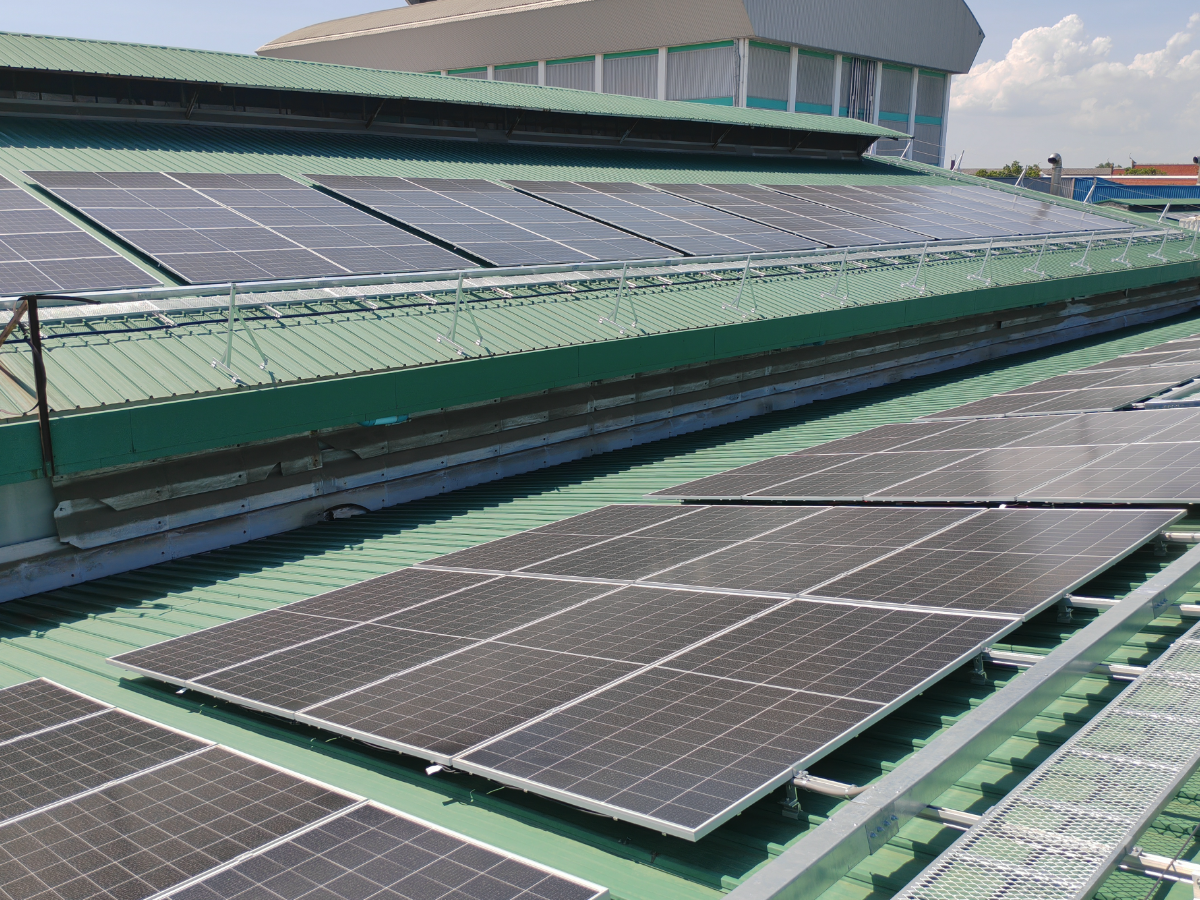
Solar photovoltaic systems have transformed energy generation worldwide, delivering clean power to residential, commercial, and industrial properties. Yet beneath the promise of sustainable energy lies a critical safety concern that too many installers and system owners overlook: the inherent electrical hazards presented by energized solar arrays. Even during emergencies like fires, electrical faults, or maintenance operations, conventional solar installations continue generating potentially lethal DC voltage as long as sunlight reaches the panels. This continuous energization creates dangerous conditions for firefighters, electricians, and maintenance personnel who must work near or on rooftop arrays. The solution to this persistent risk is a rapid shutdown device, a specialized safety mechanism designed to de-energize solar conductors beyond the array boundary within seconds of activation, effectively neutralizing electrical threats when human safety depends on it most.
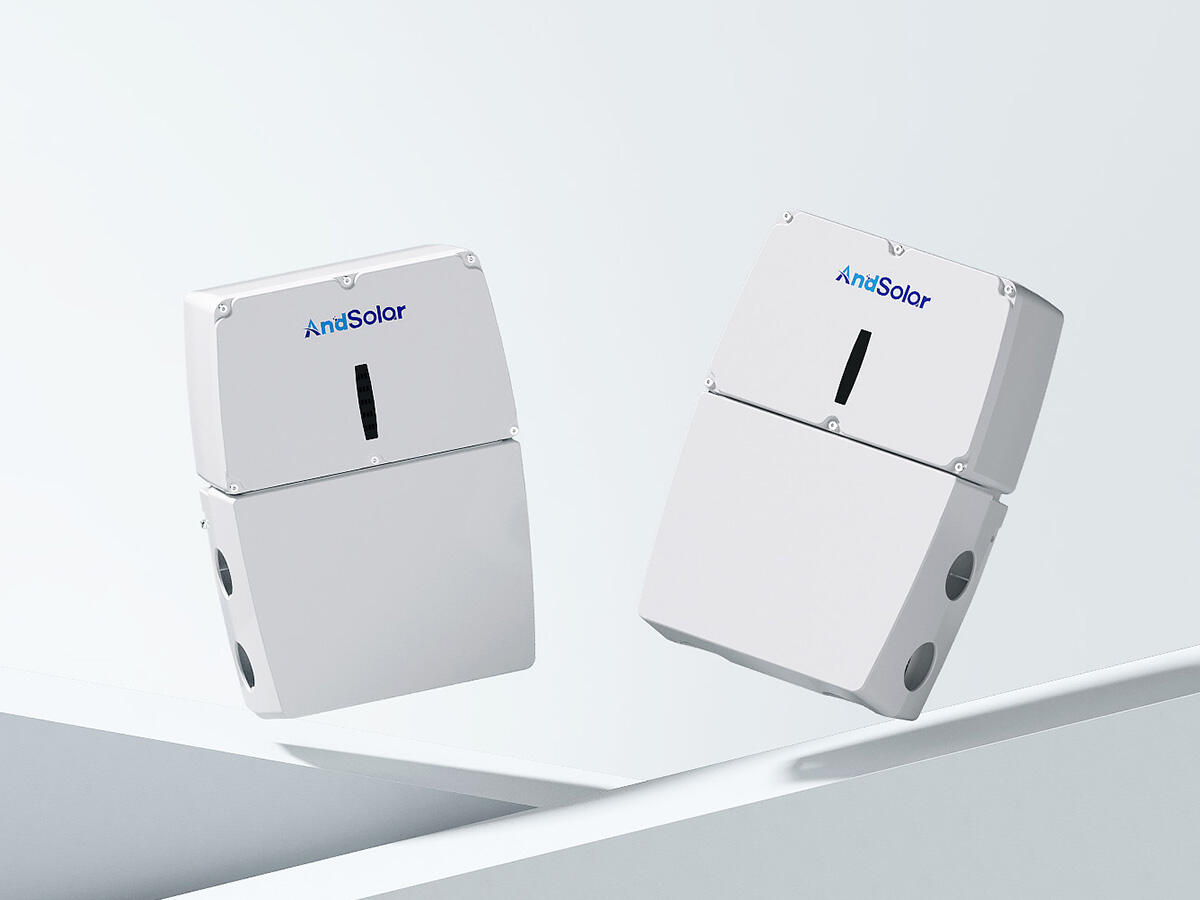
The characterization of a rapid shutdown device as non-negotiable stems from a convergence of regulatory mandates, documented emergency response incidents, electrical safety engineering principles, and evolving industry standards that collectively recognize the unacceptable risk profile of solar installations lacking proper shutdown capabilities. When firefighters arrive at a structure fire involving a building with solar panels, they face an immediate tactical dilemma: conventional fire suppression techniques require cutting through roofs for ventilation and applying water in proximity to electrical systems, yet standard solar arrays remain energized at dangerous voltage levels regardless of grid disconnection. This operational hazard has driven fire service organizations, electrical safety authorities, and insurance underwriters to demand rapid shutdown device integration as a fundamental protective measure rather than an optional enhancement, establishing it as an essential component that directly enables emergency response operations while protecting the lives of first responders and electrical workers.
The Life-Safety Imperative Behind Rapid Shutdown Requirements
Understanding the Unique Electrical Hazards of Solar Photovoltaic Systems
Solar photovoltaic installations present electrical hazards fundamentally different from conventional building electrical systems due to their continuous power generation characteristics and distributed energy source architecture. Unlike grid-supplied electricity that can be isolated through service disconnection, solar arrays generate DC voltage whenever exposed to light, creating what electrical safety professionals term a constant energy source that cannot be switched off through traditional means. A typical residential solar installation operating at 400-600 VDC contains sufficient electrical potential to cause fatal electrocution, with current pathways through the human body as low as 75 milliamps proving lethal under certain conditions. The DC nature of solar-generated electricity presents additional hazards compared to AC systems, including sustained arc formation that is more difficult to extinguish and a higher likelihood of sustained muscular contraction that prevents victims from releasing energized conductors.
The architectural layout of rooftop solar installations compounds these electrical risks by positioning high-voltage conductors throughout occupied structures, running through conduit systems within walls, attics, and ceiling spaces where firefighters must operate during emergency response. Building fires involving solar-equipped structures have resulted in documented cases where firefighters received electrical shocks when cutting through roofs or walls containing energized solar conductors, with several incidents resulting in serious injuries. The rapid shutdown device addresses this specific hazard pattern by ensuring that conductors beyond the immediate array boundary are de-energized to safe voltage levels, typically reducing potential from 400-600 VDC to below 80 volts within 30 seconds of system shutdown activation, thereby creating electrically safe working zones for emergency personnel.
Regulatory Evolution and Code Mandates Driving Rapid Shutdown Adoption
The non-negotiable status of rapid shutdown device integration stems directly from increasingly stringent electrical code requirements that have evolved in response to documented safety incidents and fire service advocacy. The National Electrical Code introduced rapid shutdown requirements in the 2014 edition through Article 690.12, establishing the foundational mandate that solar photovoltaic systems include methods to reduce conductor voltage to safe levels during emergency conditions. Subsequent code cycles have progressively strengthened these requirements, with the 2017 NEC expanding controlled conductor zones and the 2020 NEC further tightening shutdown boundaries to ensure that essentially all conductors beyond the immediate array footprint achieve de-energization within prescribed timeframes.
These code mandates represent minimum legal requirements rather than best practice recommendations, meaning that solar installations failing to incorporate compliant rapid shutdown device technology violate fundamental electrical safety standards and expose installers to significant liability exposure. Jurisdictions adopting recent NEC editions enforce these requirements through permitting and inspection processes, with non-compliant installations subject to rejection, correction orders, and in some cases removal and reinstallation requirements. The regulatory trajectory clearly indicates that rapid shutdown device integration has transitioned from emerging technology to established safety standard, with compliance representing a legal obligation rather than a discretionary design choice. Insurance underwriters have paralleled this regulatory evolution by incorporating rapid shutdown compliance into policy requirements, with some carriers excluding coverage for systems lacking appropriate safety shutdown capabilities.
Operational Safety Requirements for Emergency Response Personnel
Fire service organizations have been instrumental in establishing rapid shutdown requirements, driven by operational experience demonstrating that energized solar installations fundamentally alter fireground tactics and increase risks to firefighter safety. Standard fire suppression operations include vertical ventilation through roof cutting, aggressive interior attack with water application near electrical systems, and overhaul operations that expose firefighters to concealed building spaces containing electrical conductors. When solar photovoltaic systems remain energized during these operations, firefighters face continuous electrocution risk that limits tactical options and may force defensive exterior operations even when interior attack would otherwise be appropriate for the fire conditions encountered.
The implementation of effective rapid shutdown device technology transforms these tactical constraints by creating electrically safe zones that enable firefighters to conduct standard suppression operations without continuous concern for energized solar conductors beyond the array boundary. Fire service testing and operational experience confirm that rapid shutdown device systems meeting current code requirements successfully de-energize building conductors to levels that eliminate electrocution hazards during emergency operations. This capability directly translates to improved firefighter safety outcomes and more effective fire suppression, as incident commanders can authorize aggressive interior attack when appropriate rather than defaulting to defensive operations due to electrical safety concerns. The fire service community has accordingly established rapid shutdown compliance as a non-negotiable safety requirement, with major fire service organizations including the International Association of Fire Chiefs formally supporting stringent rapid shutdown mandates through code development processes.
Technical Architecture and Functional Requirements of Rapid Shutdown Systems
Component-Level Integration and System Design Approaches
Effective rapid shutdown device implementation requires integrated system architecture that coordinates multiple components to achieve complete conductor de-energization within code-mandated timeframes. Modern rapid shutdown systems typically employ module-level power electronics that incorporate shutdown functionality directly at each solar panel, combined with array-level control devices that initiate the shutdown sequence when activated manually or automatically through detection of grid loss or emergency conditions. This distributed architecture ensures that voltage reduction occurs throughout the system simultaneously rather than relying on single-point disconnection that would leave substantial conductor lengths energized between the disconnection point and individual modules.
The rapid shutdown device technology utilized in contemporary installations generally falls into two architectural categories: module-level shutdown devices that integrate power optimization with shutdown capability, and dedicated rapid shutdown components that provide shutdown functionality as their primary purpose. Module-level power electronics such as microinverters and DC optimizers inherently provide rapid shutdown capability by controlling power flow at each individual module, with communication networks enabling coordinated shutdown across the entire array when the control signal is lost or shutdown is actively commanded. Dedicated rapid shutdown device systems utilize transmitter units that broadcast control signals to receiver devices installed at each module or string, with loss of the control signal triggering immediate shutdown of the associated power electronics to de-energize connected conductors.
Performance Specifications and De-Energization Timing Requirements
Current electrical codes establish specific performance criteria that rapid shutdown device systems must meet to satisfy safety requirements, with particular emphasis on de-energization timing and voltage reduction thresholds. The National Electrical Code 2020 edition requires that conductors beyond one foot from the array perimeter be reduced to 80 volts or less within 30 seconds of rapid shutdown initiation, while conductors beyond the array boundary and more than five feet from where they enter the building must achieve this voltage level within 30 seconds. These specific timing and voltage parameters reflect electrical safety research demonstrating that voltages below 80 VDC present substantially reduced electrocution hazard compared to typical solar array operating voltages in the 400-600 VDC range.
Manufacturers of rapid shutdown device products certify performance compliance through testing protocols that verify both shutdown timing and voltage reduction under various operational conditions, including different array sizes, conductor lengths, and environmental parameters. Quality rapid shutdown implementations achieve voltage reduction substantially faster than code minimum requirements, with many systems de-energizing conductors to safe levels within 10 seconds or less of shutdown activation. This performance margin provides additional safety assurance and accommodates potential variations in field installation conditions that might affect shutdown timing. Testing and certification processes also verify that rapid shutdown device systems operate reliably under environmental extremes including temperature variations, humidity exposure, and the electromagnetic interference environments typical of solar installations, ensuring that safety functionality remains available throughout the system's operational lifetime.
Activation Methods and Integration with Building Safety Systems
Comprehensive safety protection requires that rapid shutdown device systems respond to multiple activation scenarios, including manual initiation by building occupants or emergency responders, automatic activation upon loss of grid connection, and integration with building fire alarm systems where appropriate. Manual shutdown initiation typically employs clearly marked switches positioned at readily accessible locations near the main service entrance, allowing firefighters to de-energize solar conductors without requiring specialized knowledge of the system architecture or location of distributed components. These manual controls must meet specific marking and accessibility requirements established by electrical codes to ensure that first responders can quickly locate and operate shutdown controls during high-stress emergency conditions.
Automatic shutdown activation represents an important supplementary protection layer, with most modern rapid shutdown device implementations designed to initiate de-energization automatically when AC grid supply is lost, either through utility outage, service disconnection, or emergency disconnect operation. This automatic response ensures that solar conductors are de-energized during electrical emergencies even if manual shutdown controls are not explicitly activated, providing inherent safety protection during grid fault conditions. Advanced implementations integrate rapid shutdown device controls with building fire alarm systems through relay interfaces that trigger shutdown when smoke detectors or manual pull stations are activated, ensuring immediate de-energization upon detection of fire conditions without requiring separate manual shutdown operation. This integration represents best practice for comprehensive safety protection, particularly in commercial and industrial installations where building size or complexity might delay manual shutdown initiation during emergency events.
Risk Mitigation Value Proposition Across Solar Installation Lifecycle
Installation Phase Safety and Electrical Contractor Protection
The safety value of rapid shutdown device technology extends beyond emergency response scenarios to encompass protection during the entire solar installation process, beginning with the initial array construction and commissioning phases. Electrical contractors installing solar photovoltaic systems face significant electrocution risk during the construction process as arrays begin generating voltage as soon as modules are exposed to sunlight, potentially creating energized conductors before protective devices are fully installed and interconnection is complete. Traditional installation practices attempted to mitigate this risk through installation sequencing that delayed module interconnection until all system components were positioned, but practical field conditions often resulted in partially energized arrays during construction activities.
Rapid shutdown device integration fundamentally transforms installation safety by enabling contractors to maintain arrays in a de-energized state throughout the construction process, with shutdown functionality available before the system achieves full operational status. Module-level power electronics incorporating shutdown capability can be maintained in shutdown mode during installation, commissioning, and testing activities, with activation to full operational status deferred until all safety systems are verified and interconnection is authorized. This capability substantially reduces electrocution risk to installation personnel and enables safer working conditions throughout the project execution phase. Insurance carriers and contractor safety programs increasingly recognize this risk mitigation value, with some organizations providing favorable rating treatment or premium reductions for contractors implementing comprehensive rapid shutdown device protocols during installation activities.
Ongoing Maintenance Operations and Service Personnel Safety
Solar photovoltaic systems require periodic maintenance, performance troubleshooting, and occasional repair activities throughout their operational lifetime, creating recurring scenarios where service personnel must work on or near potentially energized equipment. Maintenance activities including module replacement, inverter servicing, conductor inspection, and mounting system maintenance all potentially expose technicians to electrical contact hazards if conducted on energized systems. Traditional lock-out tag-out procedures applicable to conventional electrical systems prove inadequate for solar applications due to the continuous generation characteristics that prevent true de-energization through disconnection alone.
The integration of effective rapid shutdown device technology enables proper electrical isolation during maintenance activities by reducing conductor voltage to levels that eliminate electrocution risk when systems are placed in shutdown mode. Service technicians can verify shutdown status through voltage measurement at accessible test points, confirming that conductors are de-energized before beginning work activities. This capability enables safe maintenance operations that would otherwise require nighttime scheduling to avoid solar generation or complex partial system isolation procedures that leave portions of the array energized. The operational efficiency gains from enabling daytime maintenance activities provide tangible economic value that supplements the core safety benefits, reducing maintenance costs and minimizing system downtime. Organizations operating substantial solar portfolios increasingly specify comprehensive rapid shutdown device implementation as a standard requirement specifically to enable safe and efficient maintenance operations across their installed base.
Long-Term Liability Management and Asset Protection
System owners and operators face potential liability exposure extending decades into the future for solar installations that fail to incorporate appropriate safety protective measures, with rapid shutdown device implementation representing a critical component of comprehensive liability risk management. Electrical incidents involving solar installations without adequate shutdown protection may result in injury claims, property damage liability, and regulatory enforcement actions that create substantial financial exposure for system owners. The documented awareness of solar electrical hazards and the established availability of rapid shutdown device technology means that system owners electing not to implement appropriate safety measures face potential findings of negligence in liability proceedings following incidents.
Beyond direct incident liability, the absence of code-compliant rapid shutdown device protection creates ongoing compliance risk as jurisdictions adopt updated electrical codes with more stringent safety requirements. Solar installations that complied with applicable codes at the time of installation may fall into non-compliance as codes evolve, potentially requiring expensive retrofit activities to achieve current safety standards. System owners facing property sale or refinancing transactions increasingly encounter due diligence requirements that verify electrical code compliance including rapid shutdown device implementation, with non-compliant installations potentially affecting property valuations or requiring correction as a transaction condition. The liability risk management and asset protection value of comprehensive rapid shutdown device implementation accordingly extends throughout the system's operational lifetime and represents a fundamental component of responsible solar asset ownership rather than a discretionary enhancement subject to cost optimization.
Implementation Considerations and System Selection Criteria
Technology Selection Based on Installation Architecture
Appropriate rapid shutdown device selection depends on the broader solar system architecture, with different technologies offering distinct advantages depending on whether installations employ string inverters, module-level power electronics, or hybrid configurations. Solar installations utilizing string inverter topology require dedicated rapid shutdown device components to achieve code compliance, as standard string inverters lack the module-level control necessary to de-energize individual modules or string conductors. These dedicated rapid shutdown implementations typically employ transmitter units installed near the inverter that broadcast control signals to receiver devices positioned at each module or string, with shutdown activated through loss of the control signal or explicit shutdown command.
Systems designed around module-level power electronics including microinverters or DC power optimizers inherently incorporate rapid shutdown capability as an integral function of the power conversion devices, potentially eliminating the need for separate dedicated rapid shutdown device components. These architectures achieve shutdown through controlled disconnection or impedance insertion at each module, with communication networks coordinating shutdown across the array. The selection between string inverter systems with dedicated rapid shutdown device components and module-level power electronics with integrated shutdown depends on multiple factors including system size, shading conditions, monitoring requirements, and total system economics. Both architectural approaches can achieve full code compliance and equivalent safety performance when properly implemented, with the optimal selection varying based on specific project requirements and site conditions.
Installation Quality and Verification Requirements
The effectiveness of rapid shutdown device protection depends critically on proper installation practices and thorough commissioning verification that confirms all system components function correctly under both normal and shutdown conditions. Installation quality issues including improper device mounting, inadequate conductor connections, communication network faults, or incorrect configuration settings can compromise rapid shutdown device functionality, potentially leaving portions of the array energized during shutdown conditions despite the presence of shutdown equipment. Comprehensive installation protocols accordingly specify detailed verification procedures that must be completed during commissioning to confirm proper shutdown operation.
Verification testing typically includes functional testing of manual shutdown controls to confirm that switch operation successfully initiates shutdown across all array sections, voltage measurement at test points to verify that conductor voltage reduces to code-compliant levels within required timeframes, and documentation of shutdown system topology including device locations and communication network architecture. Advanced commissioning protocols incorporate simulated emergency scenarios that test automatic shutdown activation under various conditions including grid loss and fire alarm integration where implemented. These verification activities should be thoroughly documented through commissioning reports that provide permanent records of proper installation and initial functionality, establishing baseline performance that can be referenced during future maintenance activities or incident investigations. Quality-focused installers and system integrators maintain detailed commissioning protocols specific to different rapid shutdown device technologies and update procedures as equipment evolves and field experience accumulates.
Ongoing Testing and Maintenance Requirements
Sustained rapid shutdown device reliability throughout the system operational lifetime requires periodic functional testing and preventive maintenance activities that verify continued proper operation and identify potential degradation before complete failure occurs. Electrical codes and equipment manufacturers typically recommend annual functional testing of shutdown systems including manual switch operation, verification that automatic shutdown responds properly to grid loss conditions, and voltage measurement confirming proper de-energization. These annual verification activities provide assurance that safety protection remains available and functioning correctly despite potential degradation from environmental exposure, electrical transients, or component aging.
Maintenance protocols should also include periodic inspection of shutdown system components for physical damage, secure mounting, proper conductor connections, and environmental degradation that might compromise functionality. Control switches require particular attention to ensure they remain accessible, properly marked, and mechanically functional, as deteriorated or obscured shutdown controls may not be successfully operated during actual emergency conditions. Organizations operating multiple solar installations benefit from centralized tracking systems that schedule periodic testing activities, document verification results, and flag systems requiring corrective action. This systematic approach to ongoing verification ensures that rapid shutdown device protection maintains design functionality throughout the installation lifetime rather than degrading undetected until needed during an actual emergency event when proper operation becomes critical to personnel safety.
FAQ
What voltage level must be achieved during rapid shutdown to satisfy electrical code requirements?
Current electrical codes require that rapid shutdown device systems reduce conductor voltage to 80 volts or less within 30 seconds of shutdown activation for conductors beyond specified boundaries relative to the array perimeter. This 80-volt threshold represents the level at which electrical safety research demonstrates substantially reduced electrocution hazard compared to typical solar operating voltages of 400-600 VDC. Specific conductor location requirements vary slightly between code editions, but recent NEC versions require this voltage reduction for essentially all conductors beyond the immediate array boundary and more than five feet from building entry points, ensuring that conductors accessible to emergency responders and service personnel are de-energized to safe levels during shutdown conditions.
Can existing solar installations be retrofitted with rapid shutdown capability if they were installed before current code requirements?
Existing solar installations originally installed prior to rapid shutdown code requirements can generally be retrofitted with rapid shutdown device technology to achieve compliance with current safety standards, though retrofit complexity and cost vary significantly depending on the original system architecture. String inverter systems typically require installation of dedicated rapid shutdown components including transmitter units and module-level or string-level receivers, along with necessary control switches and interconnection to automatic shutdown triggers. Systems originally designed with module-level power electronics may achieve rapid shutdown compliance through firmware updates or control system modifications with minimal hardware additions. Property owners should consult qualified solar contractors and local electrical inspectors to determine specific retrofit requirements and verify that proposed solutions achieve full code compliance for their jurisdiction and system configuration.
Do rapid shutdown requirements apply to ground-mounted solar installations or only rooftop systems?
Electrical code rapid shutdown requirements apply broadly to photovoltaic systems regardless of mounting location, including both rooftop and ground-mounted installations, though specific conductor control boundaries may vary based on system configuration and accessibility. Ground-mounted systems still require rapid shutdown device functionality to de-energize conductors that run to building locations or that might be accessible during emergency conditions or maintenance activities. The fundamental safety principle underlying rapid shutdown mandates—elimination of energized conductor exposure to personnel working during emergency or maintenance conditions—applies equally to ground-mounted installations despite their different mounting architecture. System designers should carefully evaluate conductor routing, accessibility, and potential emergency response scenarios when determining appropriate rapid shutdown device implementation for ground-mounted installations, ensuring that all accessible conductors achieve proper de-energization during shutdown conditions.
How frequently should rapid shutdown systems be tested to ensure continued proper operation?
Industry best practices and manufacturer recommendations typically specify annual functional testing of rapid shutdown device systems to verify continued proper operation throughout the system lifetime. Annual testing should include operation of manual shutdown controls to confirm successful shutdown initiation, verification that automatic shutdown activates properly in response to grid loss or other trigger conditions, and voltage measurement at accessible test points to confirm conductor de-energization to code-compliant levels within required timeframes. More frequent testing may be appropriate for critical installations or following significant weather events, electrical disturbances, or maintenance activities that might affect shutdown system integrity. Organizations should maintain documentation of all testing activities including dates, test results, and any corrective actions required, creating a permanent record of system maintenance that demonstrates ongoing attention to safety functionality and can be referenced during incident investigations or liability proceedings if necessary.
Table of Contents
- The Life-Safety Imperative Behind Rapid Shutdown Requirements
- Technical Architecture and Functional Requirements of Rapid Shutdown Systems
- Risk Mitigation Value Proposition Across Solar Installation Lifecycle
- Implementation Considerations and System Selection Criteria
-
FAQ
- What voltage level must be achieved during rapid shutdown to satisfy electrical code requirements?
- Can existing solar installations be retrofitted with rapid shutdown capability if they were installed before current code requirements?
- Do rapid shutdown requirements apply to ground-mounted solar installations or only rooftop systems?
- How frequently should rapid shutdown systems be tested to ensure continued proper operation?
