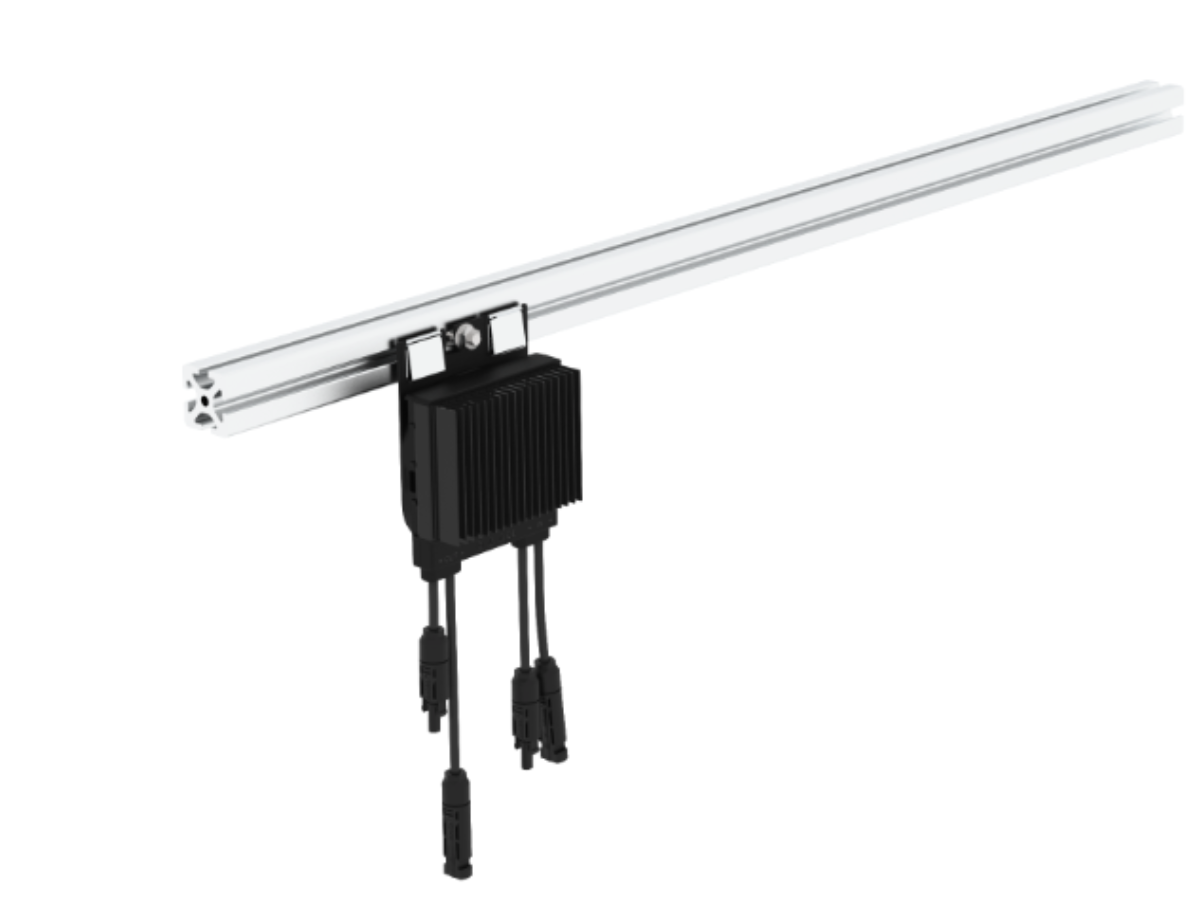
A power optimizer is no longer an optional upgrade for modern photovoltaic systems — it is quickly becoming a fundamental component for anyone who wants to extract the most value from their solar investment. As PV installations grow more complex and diverse in rooftop conditions, shade patterns, and panel orientations, relying on a traditional string inverter alone often leaves significant energy on the table. Understanding why your PV system needs a power optimizer is the first step toward making a smarter, more profitable solar decision.
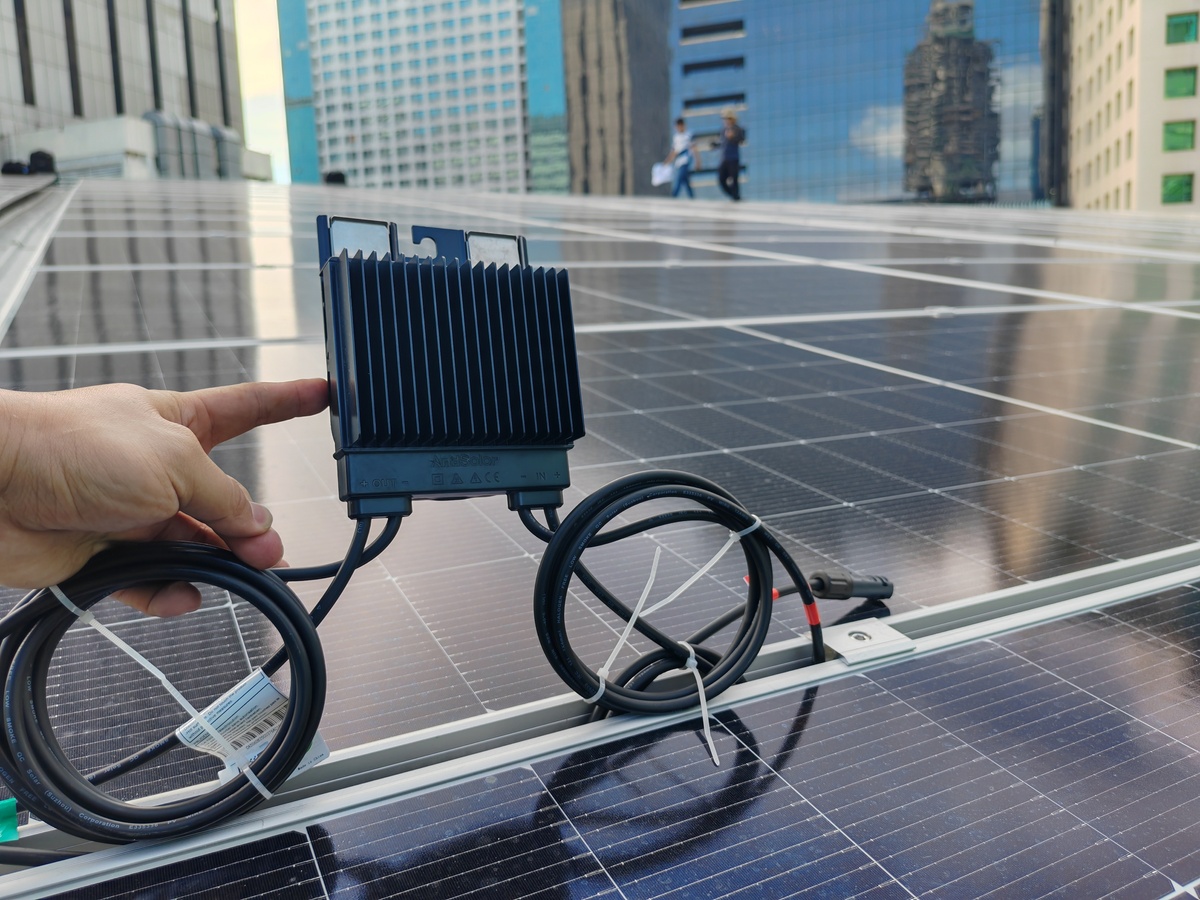
The role of a power optimizer extends far beyond simple energy conversion. Each power optimizer is installed at the individual panel level, enabling the system to monitor, adjust, and maximize output on a module-by-module basis. This granular control transforms how a PV array responds to real-world conditions, making the power optimizer an indispensable tool for commercial rooftops, residential installations with complex shading, and large-scale solar projects that demand consistent performance metrics and detailed reporting.
How a Power Optimizer Addresses the Mismatch Problem
The Hidden Cost of Panel Mismatch
In a conventional string inverter setup, all solar panels in a string operate at the same current level, constrained by the weakest-performing panel. This is the mismatch problem, and it silently reduces the overall output of your PV system every single day. A power optimizer solves this by performing maximum power point tracking (MPPT) independently at each module. When one panel underperforms due to shade, soiling, or aging, the power optimizer ensures that the remaining panels continue operating at their individual peak output.
The energy losses caused by mismatch are often underestimated during the design phase. Studies in the solar industry consistently show that partial shading on even a small percentage of a string can reduce total string output by a disproportionately large margin. A power optimizer placed on each panel decouples individual module performance from string-level constraints, preventing this cascade effect and delivering measurable energy gains throughout the system's lifetime.
Dynamic Optimization Under Changing Conditions
Weather, seasonal sun angles, and environmental debris do not affect every panel equally. A power optimizer continuously tracks changing irradiance and temperature conditions at the module level, adjusting output parameters in real time. This dynamic capability means your PV system maintains high-efficiency operation even during partially cloudy days or early morning and late afternoon periods when light angles change rapidly. Without a power optimizer, these transitional periods represent lost generation opportunities that accumulate into significant energy shortfalls over a year.
The Monitoring and Safety Advantages of a Power Optimizer
Module-Level Visibility for Smarter Maintenance
One of the most compelling reasons to install a power optimizer is the detailed monitoring data it provides. A power optimizer transmits real-time performance data for every individual panel, allowing system owners and maintenance teams to identify underperforming modules instantly. Without a power optimizer, a string inverter can only report aggregate system data, making it impossible to pinpoint which specific panel is degrading, dirty, or failing. This visibility directly reduces maintenance costs and response times.
For commercial and industrial PV operators, module-level data from a power optimizer is particularly valuable for performance audits, warranty claims, and long-term asset management. A power optimizer creates an accountable data trail for every panel in the system, making it far easier to demonstrate system health to investors, insurers, and energy purchasers. The transparency that a power optimizer provides is increasingly becoming a requirement rather than a bonus in professionally managed solar portfolios.
Enhanced Safety Through Voltage Reduction
Safety is another critical reason why a power optimizer deserves a place in every modern PV installation. In a traditional string system, high DC voltage is present across the entire string at all times, creating arc flash and fire hazards during maintenance, emergencies, or grid-down scenarios. A power optimizer equipped with rapid shutdown capability reduces panel-level voltage to a safe level automatically when the system is deactivated. This makes the PV system significantly safer for firefighters, maintenance personnel, and building occupants. Regulators in many markets are now mandating rapid shutdown compliance, and a power optimizer is one of the most efficient ways to meet this requirement.
ROI and Long-Term Value of Installing a Power Optimizer
Faster Payback Through Increased Energy Yield
The financial case for a power optimizer is built on consistent, measurable energy yield improvements. By eliminating mismatch losses, a power optimizer increases the total kilowatt-hours generated by a PV system over its lifetime. For a commercial installation, even a modest gain in annual energy output translates into substantial additional revenue or savings, especially when multiplied over a 20- to 25-year system lifespan. The upfront cost of adding a power optimizer to each panel is typically recovered well within the system's operational life through these energy gains alone.
Beyond direct energy gains, a power optimizer also extends the usable life of panels by reducing the electrical stress caused by mismatch conditions. A power optimizer allows each module to operate within its optimal electrical range, reducing thermal stress and degradation rates. This means a PV system with a power optimizer not only generates more energy in the short term but also maintains higher output levels over the long term, compounding the financial return on the original installation investment.
Flexibility for Complex and Expanding Installations
A power optimizer gives system designers significantly more flexibility when planning or expanding a PV installation. With a power optimizer at each panel, modules with different orientations, tilt angles, or even different wattage ratings can be combined within the same system without performance penalties. This is a major advantage for rooftops with multiple faces or obstructions. As a PV system grows through additional panel installations, each new panel simply requires its own power optimizer, and the system scales without redesign of the string architecture.
FAQ
What is the difference between a power optimizer and a microinverter?
A power optimizer conditions DC power at the module level and sends it to a central inverter for DC-to-AC conversion. A microinverter converts DC to AC directly at each panel. Both provide module-level MPPT, but a power optimizer generally costs less per panel and works with a compatible central inverter, while a microinverter is an independent unit at each panel. The right choice depends on system size, budget, and installation complexity.
Can a power optimizer be added to an existing PV system?
In many cases, yes. A power optimizer can be retrofitted to existing PV systems, particularly those using compatible central inverters. Adding a power optimizer to an older installation can improve energy yield, enable module-level monitoring, and bring the system up to current rapid shutdown safety standards. A qualified solar installer should assess compatibility between the existing inverter and the chosen power optimizer model before proceeding.
How does a power optimizer improve system performance in shaded conditions?
A power optimizer performs independent MPPT for each panel, so shading on one module does not drag down the performance of adjacent panels in the same string. Each power optimizer allows its module to produce as much power as conditions allow, regardless of what neighboring panels are doing. This independence from string-level constraints is the core reason why a power optimizer delivers consistently higher energy output in real-world shading environments compared to traditional string inverter configurations.
