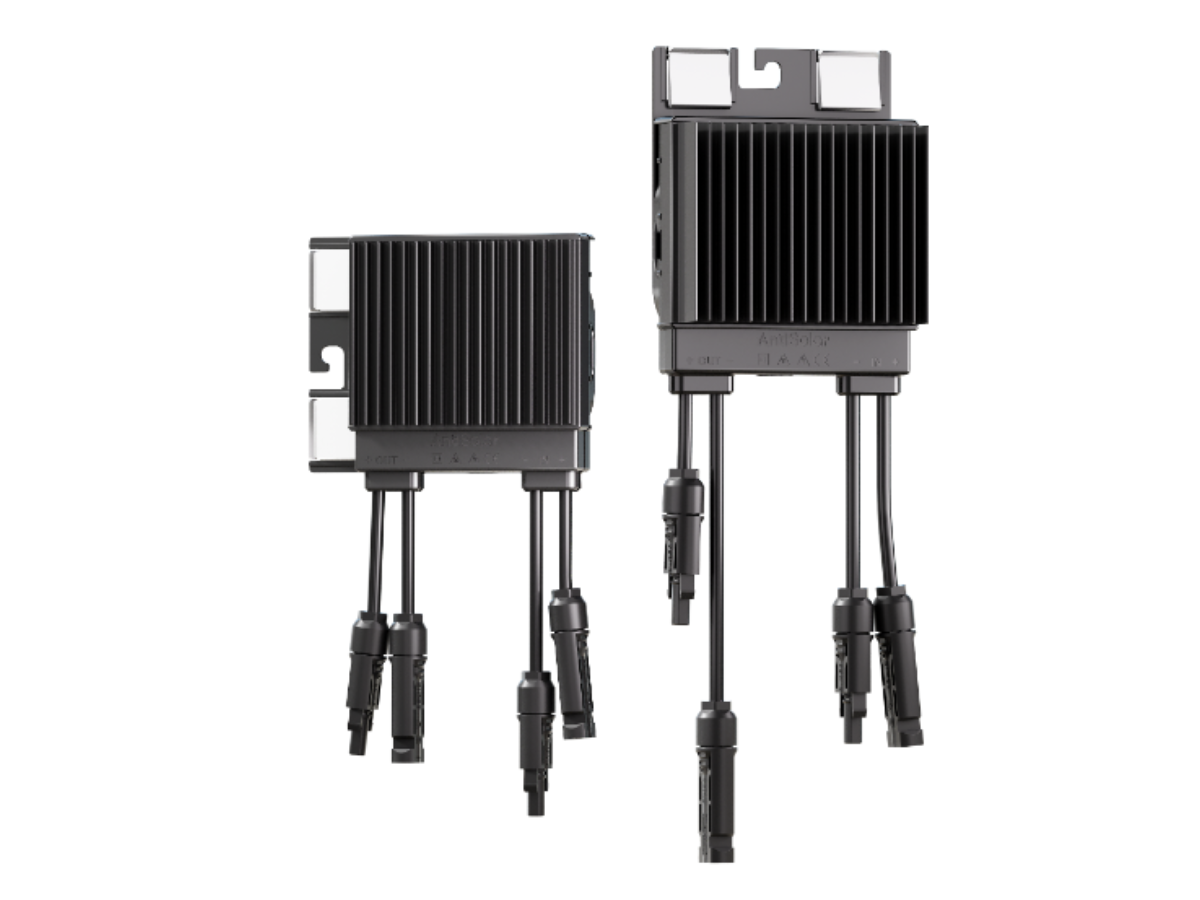
A power optimizer is more than a performance tool — it is a critical safety component in modern solar energy systems. As rooftop and commercial solar installations grow more widespread, the risks associated with high-voltage DC electricity have become a serious concern for installers, property owners, and first responders alike. Understanding what safety benefits a power optimizer provides helps stakeholders make informed decisions about system design and protection.
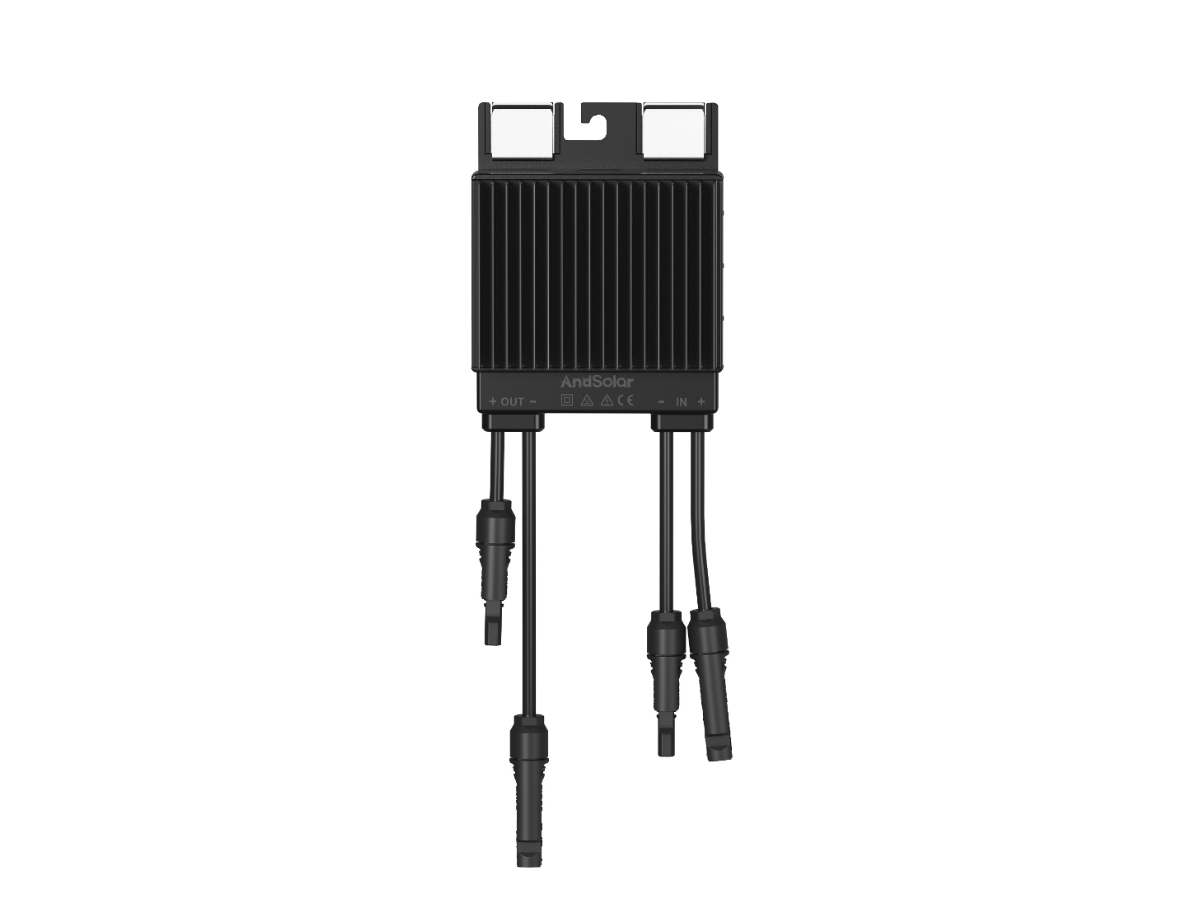
Every power optimizer is designed to operate at the module level, meaning each solar panel has its own dedicated unit. This architecture allows the power optimizer to monitor, regulate, and respond to conditions on a panel-by-panel basis. The result is a solar system that is not only more efficient but significantly safer under fault conditions, extreme weather, and emergency scenarios. This article explores the core safety advantages that a power optimizer delivers across several critical dimensions.
Voltage Reduction and Electrical Hazard Control
How a Power Optimizer Limits Dangerous DC Voltage
One of the most important safety benefits of a power optimizer is its ability to dramatically reduce DC voltage when the system is not actively operating. In a traditional string inverter system, panels remain at full, dangerous voltage levels even when the inverter is shut down. A power optimizer changes this by automatically dropping the output voltage of each panel to a safe level — typically around 1 volt — whenever the system is powered off or disconnected.
This voltage reduction is essential for firefighter safety. When emergency responders arrive at a building fire involving a solar installation, they face the hazard of live, high-voltage DC wiring that cannot simply be switched off. A power optimizer eliminates this danger by collapsing panel voltage at the source, making the system safe to handle. Many fire codes and safety standards now require or strongly recommend this capability, and a power optimizer is the most reliable way to achieve it at the module level.
Protection Against Electric Shock During Maintenance
Installation and maintenance technicians also benefit directly from a power optimizer. During routine servicing or system upgrades, workers must handle wiring and connectors that could otherwise carry lethal voltage. A power optimizer that automatically de-energizes panels when disconnected from the inverter reduces the window of exposure to dangerous current. This makes rooftop work considerably safer and reduces the liability risk for installation companies.
Rapid Shutdown Compliance and Fire Safety
The Role of a Power Optimizer in Rapid Shutdown Systems
Rapid shutdown is a code requirement in many jurisdictions that mandates solar systems be capable of quickly reducing voltage within the array boundary in the event of an emergency. A power optimizer is specifically engineered to fulfill this requirement. When a rapid shutdown signal is triggered — either manually or automatically — each power optimizer on the array responds immediately by cutting its output voltage to a safe threshold.
This compliance function is not a passive feature. A power optimizer actively listens for shutdown commands and executes them across every panel simultaneously. This synchronized response ensures that no single panel remains energized while others have shut down, eliminating unpredictable voltage pockets across the array. For building owners and installers, deploying a power optimizer simplifies the process of meeting rapid shutdown requirements without additional external hardware.
Arc Fault Prevention Through Continuous Monitoring
Arc faults are one of the leading electrical causes of solar-related fires. They occur when current jumps across a gap in damaged or degraded wiring, generating intense heat. A power optimizer continuously monitors the electrical behavior of its attached panel and can detect abnormal current signatures that indicate an arc fault condition. Upon detection, the power optimizer can interrupt the circuit before a fire ignites.
This built-in arc detection capability means the power optimizer acts as both a performance device and a fire prevention device. In large commercial installations where inspecting every inch of wiring is impractical, having a power optimizer at each panel creates a distributed safety network across the entire array. Each power optimizer becomes a watchpoint, continuously evaluating the health of its local circuit.
System-Level Safety Through Module-Level Intelligence
Fault Isolation Benefits of a Power Optimizer
A power optimizer enables granular fault isolation that traditional string systems cannot match. When a panel develops a fault — such as a ground fault, a hot spot, or a diode failure — the power optimizer can identify and isolate that panel without disrupting the entire string. This containment prevents a localized problem from cascading into a system-wide fault or creating sustained hazardous conditions across multiple panels.
Fault isolation by the power optimizer also supports faster and more accurate diagnostics. Because each power optimizer reports data independently, maintenance teams can pinpoint the exact panel causing an issue rather than troubleshooting an entire string. This precision reduces the time technicians spend working on live systems, further improving on-site safety.
Thermal Safety and Overheating Prevention
Overheating is a significant risk in dense solar arrays, particularly in commercial rooftop environments. A power optimizer regulates the operating conditions of each panel, preventing any single module from drawing excessive current or operating outside its optimal range. By smoothing out electrical mismatches between panels — caused by shading, dirt, or aging — the power optimizer prevents the energy imbalances that can lead to localized overheating.
When a power optimizer actively compensates for shading or underperformance, it prevents the unshaded panels from being forced to carry excess load. This load balancing effect reduces thermal stress across the array and extends the safe operating life of every component connected to the power optimizer network.
FAQ
Does a power optimizer work with any type of inverter?
A power optimizer is typically paired with a compatible string inverter from the same ecosystem. Most power optimizer platforms communicate with dedicated inverters using proprietary protocols. Before selecting a power optimizer, verify compatibility with your chosen inverter to ensure all safety and communication features function correctly.
Is a power optimizer required by electrical codes?
In many regions, rapid shutdown requirements effectively mandate the use of a power optimizer or similar module-level electronics. Requirements vary by country, state, and local jurisdiction. Consulting with a licensed solar installer will clarify whether a power optimizer is required for your specific installation site and system size.
Can a power optimizer improve safety in older solar systems?
Yes, retrofitting a power optimizer into an existing solar system is possible in many cases and can substantially improve safety. An older installation without module-level protection can gain rapid shutdown capability, arc fault detection, and voltage control by integrating a power optimizer at each panel. A qualified technician should assess system compatibility before proceeding with any retrofit.
