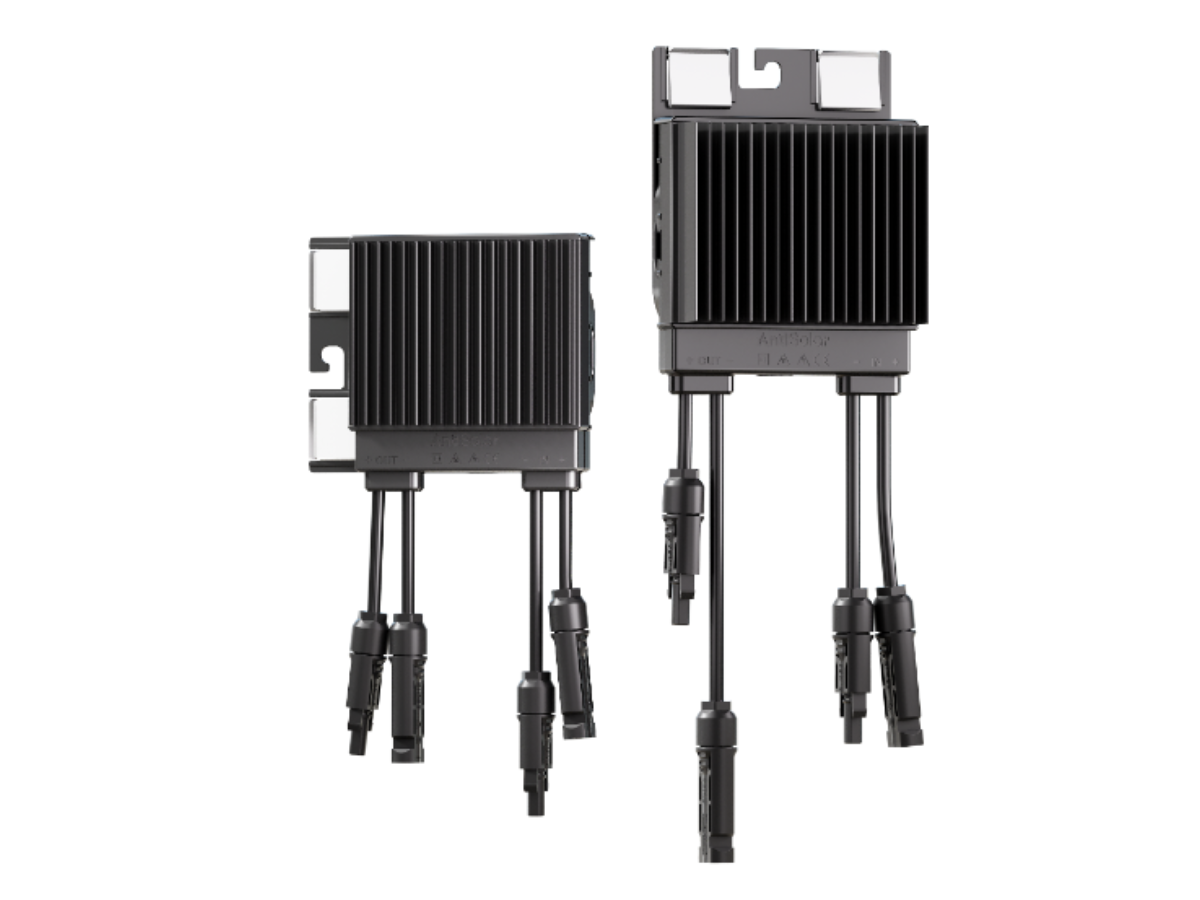
Commercial and industrial photovoltaic plants face increasing complexity in balancing energy efficiency, safety compliance, and operational flexibility. Modern hybrid deployment solutions represent a critical strategic approach to addressing these multifaceted challenges across utility-scale and distributed solar installations. These integrated systems combine smart modules, rapid shutdown devices, and power optimizers to create cohesive ecosystems that maximize performance while meeting stringent regulatory requirements. Understanding how hybrid deployment solutions work together provides facility managers, system integrators, and plant operators with the foundation needed to optimize their solar investments and respond to evolving grid demands.
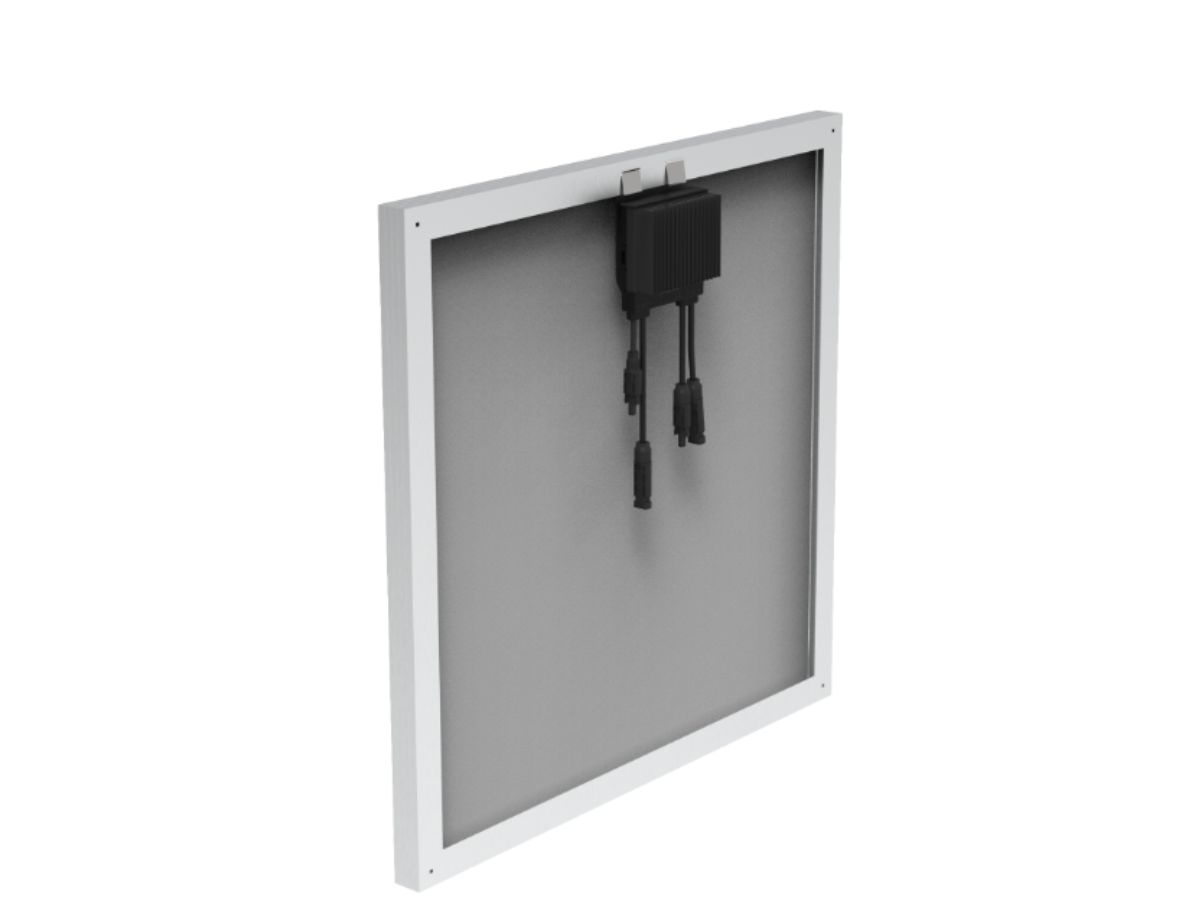
The architecture of hybrid deployment solutions has evolved significantly as the solar industry matured from simple fixed-array configurations toward dynamic, responsive systems. Today's hybrid deployment solutions integrate three primary functional pillars: intelligent module-level control through smart modules, safety mechanisms via rapid shutdown devices, and efficiency optimization through power optimizers. This integrated approach allows C&I solar plants to operate as intelligent networks rather than static installations, responding in real-time to changing irradiance patterns, grid conditions, and operational constraints while maintaining full compliance with fire codes and electrical safety standards.
Core Components of Hybrid Deployment Solutions
Smart Modules and Distributed Intelligence
Smart modules represent the intelligent foundation layer within hybrid deployment solutions, embedding processing capabilities directly at the panel level. These modules continuously monitor local irradiance, temperature, and performance metrics, enabling individual panel-level diagnostics and optimization. Within hybrid deployment solutions, smart modules communicate bidirectionally with central controllers, creating feedback loops that allow the entire system to adapt dynamically. This distributed intelligence architecture prevents single points of failure and enables hybrid deployment solutions to maintain performance even when individual components experience issues or shading.
The real value of smart modules within hybrid deployment solutions emerges through their capacity to identify performance anomalies before they cascade into system-wide problems. Each smart module continuously compares its output against environmental conditions and historical baseline performance, flagging issues like internal micro-cracks, cell degradation, or bypass diode failures. This predictive capability allows hybrid deployment solutions to trigger maintenance interventions proactively rather than reactively, extending equipment lifespan and reducing unplanned downtime across C&I installations.
Rapid Shutdown Devices for Safety Compliance
Rapid shutdown devices form the safety infrastructure within hybrid deployment solutions, enabling immediate de-energization of DC circuits during emergency conditions or maintenance activities. Modern electrical codes, particularly NEC 690.12 in North America and equivalent regulations globally, mandate that hybrid deployment solutions incorporate technology capable of reducing hazardous voltage to safe levels within seconds. Rapid shutdown devices integrated into hybrid deployment solutions achieve this requirement through distributed relay controls that segment the array into manageable electrical zones, each capable of independent shutdown.
Beyond regulatory compliance, rapid shutdown devices enhance the operational safety profile of hybrid deployment solutions by protecting field personnel, first responders, and equipment during fault conditions. When integrated properly within hybrid deployment solutions, rapid shutdown devices work in concert with monitoring systems to detect ground faults, arc faults, or overcurrent conditions, automatically isolating affected circuits before damage escalates. This proactive safety posture reduces insurance claims, regulatory penalties, and reputational risks associated with safety incidents at C&I solar facilities.
Power Optimization and Efficiency Enhancement
Power Optimizer Architecture and Function
Power optimizers represent the efficiency layer within hybrid deployment solutions, operating at the module level to condition DC output before transmission to central inverters. Each power optimizer in a hybrid deployment solutions system incorporates its own maximum power point tracking (MPPT) algorithm, ensuring that individual modules operate at their optimal voltage and current regardless of module-to-module variations or shading patterns. This module-level optimization within hybrid deployment solutions typically recovers 5 to 15 percent of otherwise lost energy compared to string-based architectures, particularly in installations with complex rooflines, intermittent shading, or heterogeneous module populations.
The architecture of hybrid deployment solutions leveraging power optimizers eliminates the traditional performance penalty where shaded or underperforming modules restrict the output of entire strings. Within hybrid deployment solutions, power optimizers decouple module-level electrical constraints, allowing each module to contribute its maximum available power independent of neighboring panels. For C&I facilities with partial shading from adjacent structures, vegetation, or complex roof geometries, hybrid deployment solutions incorporating power optimizers deliver substantially higher annual energy yield compared to conventional string-based designs.
System-Level Monitoring and Control Integration
Hybrid deployment solutions integrate monitoring and control capabilities across all three functional layers, creating unified dashboards that provide real-time visibility into plant performance at module, string, inverter, and facility levels. Advanced hybrid deployment solutions employ machine learning algorithms to analyze performance patterns, predict maintenance needs, and optimize power dispatch in response to grid signals or energy pricing incentives. This intelligence layer transforms hybrid deployment solutions from passive generators into active participants in modern grid management, enabling demand response, frequency regulation, and other value-added services.
The communications infrastructure supporting hybrid deployment solutions typically leverages power line communication (PLC) or wireless mesh networks to maintain connectivity between distributed smart modules and central management systems. Robust hybrid deployment solutions implement redundant communication pathways to ensure that safety functions like rapid shutdown remain operational even if primary communication channels fail. For operators managing multiple C&I facilities, unified management platforms for hybrid deployment solutions enable centralized monitoring, comparative performance analysis, and strategic resource allocation across distributed assets.
Implementation Strategies and Design Considerations
Site Assessment and System Sizing
Effective deployment of hybrid deployment solutions begins with comprehensive site assessment examining roof geometry, shading patterns, structural capacity, and electrical infrastructure. Design teams implementing hybrid deployment solutions must evaluate whether the cost of power optimizers and smart modules justifies the expected energy recovery for specific site conditions. Hybrid deployment solutions deliver maximum value in installations where shading is moderate to severe, module orientations vary, or heterogeneous module types are mixed within the same plant. Conversely, large open fields with minimal shading may not economically justify the additional investment in hybrid deployment solutions compared to simplified string-based architectures.
The electrical design of hybrid deployment solutions must accommodate rapid shutdown device requirements, power optimizer communication protocols, and future monitoring system expansion. Modern hybrid deployment solutions employ standardized communication interfaces to ensure compatibility between components from different manufacturers and to facilitate integration with third-party monitoring platforms. System designers must verify that hybrid deployment solutions meet all local electrical codes, fire safety regulations, and utility interconnection requirements before installation proceeds.
Performance Monitoring and Optimization
Once deployed, hybrid deployment solutions require ongoing performance monitoring to realize their designed benefits and identify optimization opportunities. Effective monitoring of hybrid deployment solutions tracks not only total system output but also module-level performance trends, rapid shutdown device test cycles, and power optimizer efficiency metrics. Operators should establish baseline performance benchmarks for hybrid deployment solutions early in their operational lifecycle, enabling them to identify performance degradation quickly and determine whether intervention is economically justified.
Hybrid deployment solutions support predictive maintenance programs that analyze historical performance patterns to forecast component failures before they occur. By monitoring module temperature, voltage stability, and power output consistency, facilities can schedule maintenance during planned outages rather than responding to emergency failures. This proactive approach to managing hybrid deployment solutions extends equipment lifespan, reduces operational disruptions, and improves overall return on investment for C&I solar facilities.
FAQ
What specific safety benefits do rapid shutdown devices provide within hybrid deployment solutions?
Rapid shutdown devices integrated into hybrid deployment solutions reduce hazardous DC voltage to safe levels within seconds, protecting field personnel and first responders during emergencies. These devices segment the array into independent electrical zones, enabling emergency crews to work safely without waiting for the sun to set or manually disconnecting equipment. Hybrid deployment solutions with rapid shutdown capabilities also reduce arc flash hazards and ground fault propagation, significantly improving the overall safety profile of C&I solar installations.
How much energy recovery should facility managers expect from power optimizers in hybrid deployment solutions?
Energy recovery from power optimizers within hybrid deployment solutions typically ranges from 5 to 15 percent compared to string-based systems, with actual results depending heavily on site-specific conditions. Installations with substantial shading, variable roof orientations, or mixed module types experience the highest recovery rates when hybrid deployment solutions incorporate power optimizers. Flat, unobstructed roofs with uniform module populations may see minimal benefit from hybrid deployment solutions that prioritize power optimization over other functions.
Can existing C&I solar plants be retrofitted with hybrid deployment solutions?
Retrofitting existing plants with full hybrid deployment solutions is technically possible but often economically impractical unless major system upgrades are already planned. However, incremental enhancements like adding power optimizers to underperforming sections or implementing rapid shutdown upgrades can modernize existing installations. When significant electrical infrastructure work is already required, integrating comprehensive hybrid deployment solutions becomes more economically attractive and allows facility operators to access the full range of benefits these systems provide.
Globally Certified & 100% Factory Tested
Designed for long-term reliability, AndSolar products comply with international certifications including UL1741, UL3741, CSA C22.2 No.330, IEC/EN 62109-1, FCC Part 15 and IEC/EN 61000 series, while meeting NEC 2017/2020/2023 safety requirements. Every product undergoes 100% high-temperature aging tests, rated-stress tests, FCT, AOI, conductivity and sealing inspections before shipment. Reliability is further validated through TC600 thermal cycling (600 cycles), DH2000 damp heat (2,000 hours) and HF10 humidity-freeze testing, exceeding IEC test requirements
Products are manufactured on automated lines with high-precision welding and glue filling, passing 100% high-temperature aging and stress reliability tests before delivery with a production yield of 99.9%. The standardized modular design supports lossless expansion and stable operation at altitudes up to 4000 meters.
The housing adopts top-grade UL94 5VA flame-retardant material with IP68 Type 6P ingress protection, multi-circuit hardware protection and ultra-low 1V disconnection voltage. Wide-temperature components run stably from -40℃ to +85℃ under harsh outdoor conditions, with all products certified by global authorities including TÜV Rheinland,TÜV NORD,CSA and SGS.
