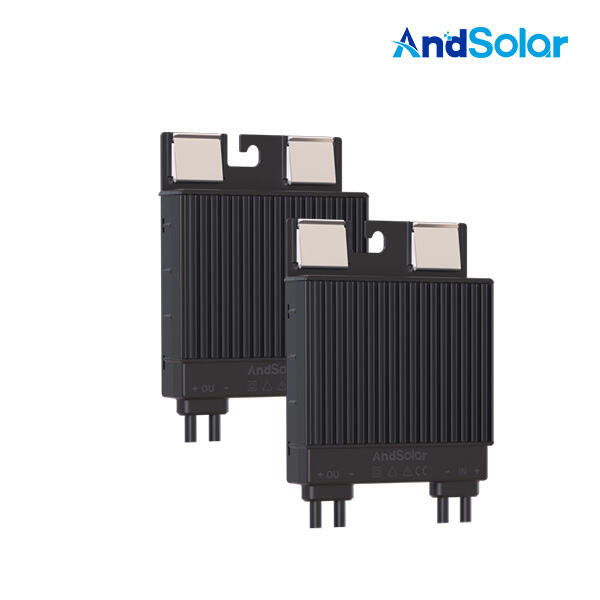
Energy independence has emerged as a critical priority for businesses, institutions, and property owners seeking to break free from volatile utility costs and unpredictable grid reliability. Among the renewable energy technologies available today, photovoltaic systems stand out as the most practical, scalable, and economically viable solution for achieving long-term energy autonomy. These solar energy conversion platforms transform sunlight directly into electricity through semiconductor materials, offering a proven pathway toward sustainable power generation that aligns with both environmental responsibility and financial prudence. The decision to adopt photovoltaic systems represents more than just an equipment purchase—it signifies a strategic commitment to operational resilience, cost predictability, and environmental stewardship that delivers compounding benefits over decades of service.
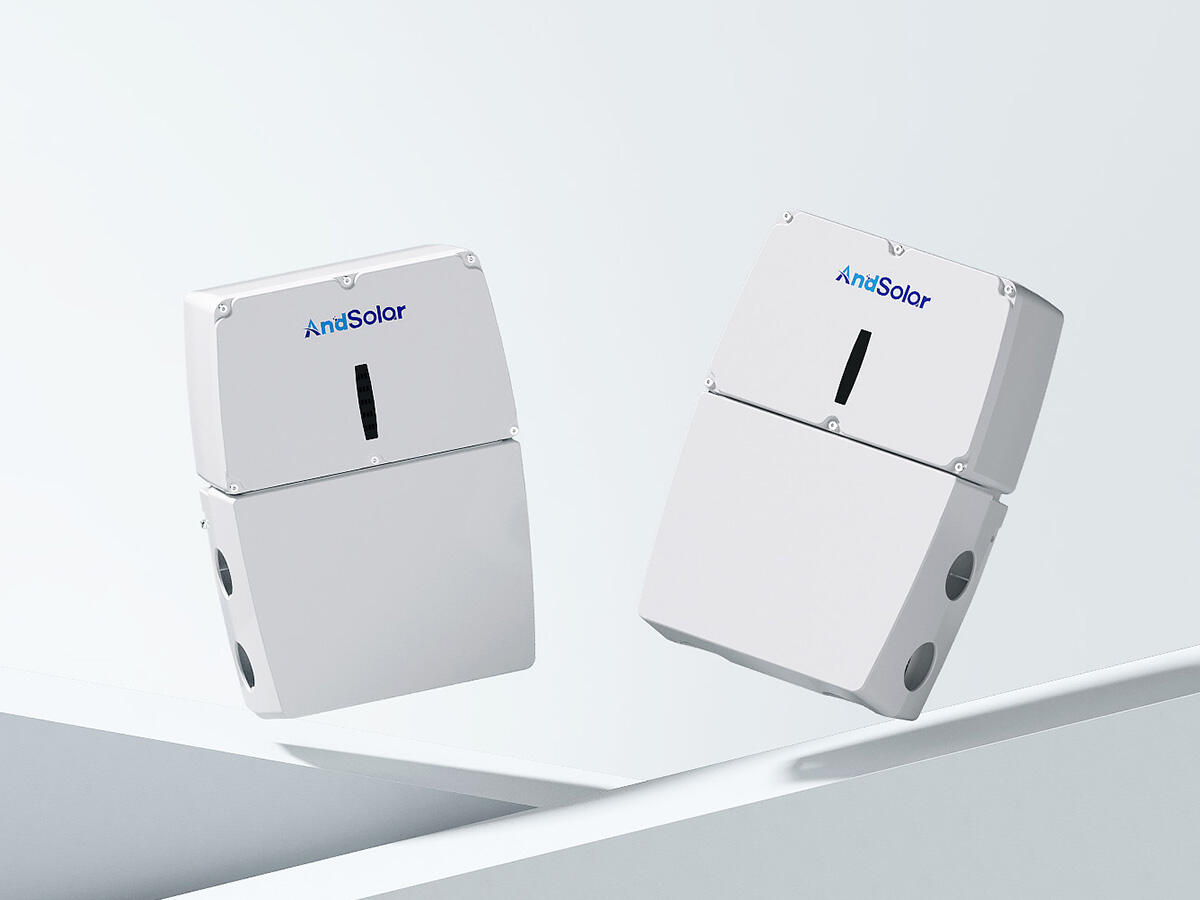
The fundamental appeal of photovoltaic systems lies in their unique ability to produce electricity without consuming fuel, generating emissions, or requiring complex mechanical operations. Unlike traditional power generation methods that depend on finite resources and volatile commodity markets, solar photovoltaic technology harnesses an abundant, freely available energy source that arrives at your facility regardless of geopolitical tensions or supply chain disruptions. This inherent fuel independence creates a foundation for genuine energy sovereignty that no fossil-fuel-dependent system can match. When properly designed and installed, photovoltaic systems deliver predictable electricity production year after year with minimal intervention, establishing a reliable power foundation that insulates organizations from the cascading risks associated with centralized grid dependence and conventional energy procurement strategies.
Economic Drivers Behind Photovoltaic System Adoption
Dramatic Reduction in Lifecycle Energy Costs
The most compelling economic reason organizations choose photovoltaic systems centers on the dramatic reduction in total lifecycle energy expenditures. Once the initial capital investment is recovered—typically within six to ten years depending on regional electricity rates and available incentives—the solar installation produces electricity at near-zero marginal cost for the remainder of its operational lifespan. Modern photovoltaic systems routinely operate effectively for twenty-five to thirty years, with many installations continuing to generate significant power output well beyond their warranty periods. This extended operational horizon transforms solar energy from a simple utility alternative into a long-term financial asset that generates positive cash flow for decades.
The financial mathematics become particularly attractive when considering the time value of money and the compounding effect of avoided utility purchases. Traditional electricity procurement commits organizations to perpetual monthly payments that typically escalate three to five percent annually, creating an ever-increasing operational burden that erodes profit margins and constrains capital allocation for core business activities. By contrast, organizations that deploy photovoltaic systems effectively lock in their electricity costs at the moment of installation, creating a fixed-cost energy profile that becomes increasingly advantageous as utility rates continue their historical upward trajectory. This cost certainty enables more accurate long-term financial planning and protects organizational budgets from the volatility inherent in conventional energy markets.
Protection Against Electricity Price Volatility
Energy price volatility represents one of the most significant operational risks facing organizations across all sectors, yet it receives insufficient attention in traditional risk management frameworks. Conventional electricity pricing reflects complex interactions between fuel commodity markets, transmission infrastructure constraints, regulatory policy changes, and seasonal demand fluctuations—variables entirely outside organizational control. This exposure to external price determinants creates unpredictable cost structures that complicate budgeting, erode competitive positioning, and transfer value from productive enterprises to utility providers and energy commodity traders.
Photovoltaic systems fundamentally restructure this risk equation by converting variable operating expenses into predictable capital investments. The electricity generated by photovoltaic systems carries no fuel cost, no transmission charges, and no exposure to regulatory rate adjustments that periodically shock organizations with double-digit percentage increases. This transformation from price-taker to price-maker status represents a strategic advantage that extends well beyond simple cost reduction. Organizations with substantial on-site generation capacity gain negotiating leverage with utility providers, can optimize their grid interconnection arrangements, and possess the flexibility to structure power purchase agreements that align with their specific operational patterns rather than accepting standardized tariff structures designed for utility convenience.
Access to Financial Incentives and Accelerated Depreciation
The economic case for photovoltaic systems receives substantial reinforcement from favorable tax treatment and direct incentive programs available in most developed markets. Many jurisdictions offer investment tax credits that immediately reduce the effective capital cost by twenty-six to thirty percent, dramatically improving project economics and shortening payback periods. These incentives reflect policy recognition that distributed solar generation creates system-wide benefits including transmission congestion relief, peak demand reduction, and environmental externality mitigation that justify public support during the technology adoption phase.
Beyond direct tax credits, photovoltaic systems qualify for accelerated depreciation schedules that enable organizations to recover their investment through tax deductions far more rapidly than the actual physical degradation of the equipment. In the United States, for example, the Modified Accelerated Cost Recovery System allows solar installations to be depreciated over just five years despite operational lifespans exceeding twenty-five years. This accelerated cost recovery significantly improves after-tax returns and enhances project internal rates of return to levels that compete favorably with core business investments. When combined with direct incentives, favorable financing terms, and the underlying electricity cost savings, the comprehensive financial package makes photovoltaic systems among the most attractive capital expenditures available to energy-intensive organizations.
Operational Advantages Driving Energy Independence
Reduced Dependence on Centralized Grid Infrastructure
Grid dependence creates a single point of failure that exposes organizations to risks entirely unrelated to their core operations. Transmission infrastructure failures, distribution system bottlenecks, regional capacity constraints, and weather-related outages can interrupt power delivery without warning, forcing operational shutdowns that cascade into customer dissatisfaction, revenue loss, and reputational damage. These vulnerabilities become particularly acute for facilities operating in regions with aging grid infrastructure or those located at the terminus of long distribution lines where power quality issues and supply interruptions occur with greater frequency.
Photovoltaic systems mitigate these infrastructure dependencies by generating electricity at the point of consumption, eliminating the transmission losses and reliability vulnerabilities inherent in centralized power delivery models. On-site generation reduces the electrical load that must traverse utility infrastructure, decreasing exposure to transmission congestion charges and improving overall system resilience. When coupled with energy storage systems, photovoltaic installations can provide continuous power even during extended grid outages, transforming solar arrays from simple cost-reduction measures into comprehensive business continuity solutions. This operational autonomy proves particularly valuable for facilities with critical operations that cannot tolerate power interruptions, including data centers, healthcare facilities, manufacturing operations with sensitive processes, and cold storage logistics operations.
Minimal Operational Intervention and Maintenance Requirements
Unlike conventional power generation equipment that requires constant attention, fuel management, and routine maintenance interventions, photovoltaic systems operate as passive electricity generation platforms with remarkably modest service requirements. The absence of moving parts, combustion processes, or fluid management systems eliminates the primary failure modes that plague traditional generation equipment. Module degradation occurs gradually and predictably at rates below one percent annually, while inverter technology has matured to deliver reliable power conversion with service intervals measured in years rather than months.
This operational simplicity translates directly into lower lifecycle costs and reduced management burden for facility operators. Routine maintenance typically consists of periodic visual inspections, occasional cleaning to remove accumulated dust or debris, and verification that electrical connections remain secure and free from corrosion. Many commercial photovoltaic systems operate for years with essentially zero unscheduled maintenance interventions, generating electricity day after day with no fuel deliveries, no consumable replacement, and no operator oversight. This hands-off operational profile allows organizations to redirect maintenance resources toward core business activities while still benefiting from reliable on-site power generation that operates quietly in the background without demanding constant attention or specialized technical expertise.
Scalability and Modular Expansion Capabilities
The modular architecture inherent to photovoltaic systems provides unmatched flexibility for organizations whose energy requirements evolve over time. Unlike large centralized generation assets that must be sized for anticipated peak demand and face significant efficiency penalties when operating below capacity, solar installations can be deployed incrementally to match actual consumption patterns and expanded seamlessly as organizational needs grow. This scalability eliminates the need for oversized initial investments and allows capital deployment to align precisely with business expansion timelines.
Organizations can begin with modest photovoltaic installations that address baseline daytime consumption, then add capacity systematically as operational requirements increase or as financing becomes available. The standardized nature of photovoltaic modules and balance-of-system components ensures that expansions integrate smoothly with existing infrastructure without requiring wholesale system redesigns. This incremental deployment capability proves particularly valuable for growing businesses, multi-phase development projects, and organizations testing solar performance before committing to comprehensive energy independence strategies. The modular approach also facilitates phased financing arrangements that spread capital requirements across multiple budget cycles while still progressing steadily toward complete energy autonomy.
Environmental and Sustainability Benefits
Elimination of Direct Greenhouse Gas Emissions
Climate change mitigation has transitioned from peripheral corporate responsibility concern to central strategic imperative as stakeholders increasingly demand tangible environmental performance improvements. Photovoltaic systems address this imperative directly by generating electricity without combustion, eliminating the carbon dioxide, methane, and other greenhouse gas emissions associated with fossil fuel power generation. Each kilowatt-hour produced by solar panels represents a kilowatt-hour that need not be generated through coal combustion, natural gas consumption, or other carbon-intensive processes, creating immediate and measurable emissions reductions that contribute to organizational sustainability targets.
The emissions elimination benefits extend throughout the operational lifetime of photovoltaic systems, creating cumulative carbon avoidance that compounds year after year. A typical commercial solar installation prevents hundreds of metric tons of carbon dioxide emissions over its operational lifespan—equivalent to removing dozens of passenger vehicles from roads or preserving substantial forest acreage. These quantifiable environmental benefits strengthen corporate sustainability reporting, support science-based target achievement, and demonstrate concrete climate action that resonates with environmentally conscious customers, investors, and employees. Organizations increasingly recognize that photovoltaic systems represent one of the most cost-effective carbon reduction strategies available, delivering emissions elimination at negative cost once electricity savings are considered.
Contribution to Circular Economy and Resource Conservation
Beyond emissions reduction, photovoltaic systems support broader sustainability objectives through resource conservation and reduced environmental extraction. Traditional electricity generation consumes vast quantities of water for cooling purposes, diverts land for fuel extraction and processing, and generates toxic byproducts requiring specialized disposal. Solar electricity generation requires no water during operation, can be deployed on otherwise unproductive roof surfaces or degraded land, and produces no hazardous waste streams during normal operation. This minimal resource footprint aligns with circular economy principles that emphasize doing more with less and closing material loops.
The photovoltaic industry has also made substantial progress in module recyclability and end-of-life material recovery. Modern solar panels consist primarily of glass, aluminum, and silicon—materials with established recycling pathways and significant residual value. As the first generation of large-scale installations approaches retirement, specialized recycling facilities are emerging to recover these materials and reintroduce them into manufacturing supply chains. This cradle-to-cradle approach ensures that photovoltaic systems contribute to sustainable materials management rather than creating future waste burdens, further strengthening their environmental credentials relative to conventional energy technologies that leave permanent contamination legacies.
Enhanced Corporate Reputation and Stakeholder Value
Visible commitment to renewable energy through photovoltaic system deployment generates intangible but commercially significant benefits in corporate reputation and stakeholder perception. Customers increasingly favor businesses that demonstrate environmental responsibility, with sustainability credentials influencing purchasing decisions across consumer and commercial markets. Solar installations provide tangible evidence of environmental commitment that differentiates organizations from competitors still dependent on conventional energy sources, creating marketing value that extends well beyond simple electricity cost reduction.
Investment communities similarly reward companies with strong environmental performance, recognizing that sustainable business practices correlate with superior long-term financial results and reduced regulatory risk exposure. Organizations with substantial photovoltaic capacity demonstrate forward-thinking leadership, operational sophistication, and resilience against energy transition risks that might strand assets dependent on fossil fuel infrastructure. This reputation enhancement attracts capital on more favorable terms, strengthens customer loyalty, improves employee recruitment and retention, and creates strategic positioning advantages that compound over time as societal expectations around corporate environmental responsibility continue to intensify.
Technical Maturity and Performance Reliability
Decades of Proven Operational Performance
Photovoltaic technology has progressed far beyond experimental status, with millions of installations worldwide accumulating decades of operational data that validates long-term performance expectations. The oldest terrestrial solar installations continue generating electricity after more than forty years of continuous operation, demonstrating that well-manufactured photovoltaic systems possess extraordinary longevity when properly designed and installed. This extensive performance history eliminates the uncertainty surrounding newer technologies and provides confidence that today's installations will deliver predictable electricity production throughout their warranted lifespans and beyond.
Modern photovoltaic systems benefit from continuous manufacturing improvements that have systematically enhanced reliability while reducing costs. Module efficiency has increased substantially over the past decade, allowing smaller installations to generate equivalent power output and improving project economics through reduced balance-of-system costs. Manufacturing quality control has tightened considerably as the industry has matured, with tier-one manufacturers implementing rigorous testing protocols that screen for potential failure modes before modules leave the factory. These quality improvements translate directly into lower defect rates, more predictable degradation profiles, and enhanced confidence in long-term performance projections that underpin financial analysis.
Comprehensive Warranty Protection and Performance Guarantees
The maturation of photovoltaic technology has enabled manufacturers to offer extraordinary warranty terms that provide comprehensive protection against performance shortfalls and equipment failures. Standard module warranties now include twenty-five-year linear performance guarantees ensuring that panels will maintain at least eighty to eighty-five percent of their original output after a quarter-century of operation. These guarantees represent legally binding commitments backed by substantial corporate entities, providing financial recourse if actual performance falls short of specified thresholds.
Equipment warranties have similarly expanded, with inverters now routinely covered for ten to twelve years and extended warranty options available that can match the module performance guarantee period. This comprehensive warranty coverage shifts performance risk from system owners to equipment manufacturers, ensuring that photovoltaic installations will deliver expected electricity production throughout their economic life. The willingness of manufacturers to stand behind their products with such extensive guarantees reflects genuine confidence in equipment reliability born from millions of system-years of operational experience. Organizations investing in photovoltaic systems can proceed with assurance that their energy independence strategy rests on proven technology backed by substantial financial commitments from established industry participants.
Advanced Monitoring and Performance Optimization
Modern photovoltaic systems incorporate sophisticated monitoring capabilities that provide real-time visibility into system performance, enabling rapid identification of issues and ensuring that installations consistently deliver expected electricity production. Cloud-based monitoring platforms track individual module output, inverter performance, and overall system generation, comparing actual production against expected values based on weather conditions and historical performance baselines. This granular visibility allows operators to detect underperformance immediately and dispatch corrective action before minor issues compound into significant production losses.
Advanced monitoring systems also enable performance optimization through data-driven insights that identify operational adjustments yielding incremental production improvements. Analysis of production patterns can reveal shading issues amenable to vegetation management, soiling accumulation suggesting modified cleaning schedules, or electrical anomalies indicating connection problems requiring attention. Some systems incorporate machine learning algorithms that predict maintenance needs before failures occur, transitioning from reactive service models to proactive optimization strategies that maximize lifetime electricity production. This continuous performance verification ensures that photovoltaic systems deliver on their energy independence promise year after year, providing organizations with confidence that their renewable energy investment will perform as projected throughout its operational lifetime.
Strategic Positioning for Future Energy Landscape
Alignment with Decarbonization Mandates and Regulatory Trends
Regulatory frameworks worldwide are implementing increasingly stringent carbon emissions limitations and renewable energy mandates that will fundamentally reshape the economic landscape for energy consumption. Organizations that deploy photovoltaic systems today position themselves ahead of these regulatory curves, avoiding the compliance costs and operational disruptions that will affect entities forced to transition under regulatory duress. Early adoption transforms what will become mandatory requirements into competitive advantages, establishing renewable energy capabilities while competitors still debate whether action is necessary.
The trajectory of energy regulation clearly favors distributed renewable generation, with policy mechanisms increasingly penalizing carbon-intensive consumption while rewarding clean energy adoption. Carbon pricing schemes, renewable portfolio standards, building energy performance requirements, and corporate sustainability disclosure mandates all create mounting pressure for organizations to demonstrate tangible progress toward decarbonization. Photovoltaic systems provide immediately quantifiable compliance mechanisms that satisfy these diverse regulatory frameworks while delivering economic returns that offset implementation costs. Organizations that establish renewable energy infrastructure now will navigate future regulatory tightening from positions of strength rather than scrambling to achieve compliance under compressed timelines and potentially less favorable economic conditions.
Integration with Emerging Energy Storage Technologies
The value proposition for photovoltaic systems continues strengthening as battery storage costs decline and energy storage becomes economically viable for an expanding range of applications. While standalone solar installations already deliver substantial benefits through daytime electricity generation, the addition of battery storage extends those benefits across the full twenty-four-hour cycle, enabling complete grid independence for appropriately sized systems. This storage integration transforms photovoltaic systems from partial offset solutions into comprehensive energy platforms capable of meeting all facility electricity requirements regardless of weather conditions or time of day.
Battery storage also unlocks advanced operating capabilities that enhance the economic value of photovoltaic installations beyond simple electricity generation. Stored solar energy can be dispatched during peak demand periods when electricity prices reach their highest levels, maximizing the financial return from each kilowatt-hour produced. Storage systems provide backup power during outages, eliminating the need for diesel generators and their associated fuel logistics, maintenance burdens, and emissions. Advanced energy management systems can optimize charging and discharging cycles to minimize demand charges, participate in grid services programs that compensate flexible loads, and support microgrid configurations that enhance facility resilience. As storage costs continue declining and technical capabilities expand, photovoltaic systems paired with batteries will become the default energy architecture for organizations serious about achieving genuine energy independence.
Foundation for Comprehensive Facility Energy Management
Photovoltaic system deployment often serves as the catalyst for broader facility energy optimization initiatives that deliver compounding benefits beyond solar electricity generation alone. The monitoring infrastructure required for solar performance tracking typically extends to whole-facility energy visibility, revealing consumption patterns and inefficiency opportunities previously obscured by aggregate utility billing. This enhanced transparency enables targeted efficiency improvements that reduce total energy requirements, allowing photovoltaic systems to serve a larger proportion of facility needs and accelerating progress toward complete energy independence.
Organizations that commit to photovoltaic installations frequently discover that renewable energy integration aligns naturally with other sustainability initiatives including LED lighting upgrades, HVAC optimization, building envelope improvements, and industrial process efficiency enhancements. These complementary measures create synergistic value that exceeds the sum of individual interventions, establishing virtuous cycles where each improvement enhances the performance and economic return of others. The comprehensive facility energy management approach enabled by photovoltaic system adoption positions organizations at the forefront of industrial sustainability practices, creating operational capabilities and institutional knowledge that will remain valuable throughout the ongoing energy transition.
FAQ
How long does it take for photovoltaic systems to pay for themselves through energy savings?
The payback period for photovoltaic systems typically ranges from six to ten years depending on regional electricity rates, available incentives, system size, and installation costs. Organizations in areas with high utility rates and favorable solar incentive programs often achieve payback in the shorter end of this range, while those in regions with lower electricity costs may experience longer payback periods. After recovering the initial investment, photovoltaic systems continue generating essentially free electricity for the remainder of their operational lifespan, which typically extends twenty-five to thirty years or longer. This means organizations enjoy fifteen to twenty-five years of positive cash flow after payback is achieved, creating substantial lifetime financial returns that far exceed the original capital investment.
Do photovoltaic systems require significant ongoing maintenance to remain effective?
Photovoltaic systems are remarkably low-maintenance compared to virtually all other electricity generation technologies. The absence of moving parts, combustion processes, or complex mechanical systems eliminates most common failure modes that plague conventional generation equipment. Routine maintenance typically consists of periodic visual inspections to identify any obvious damage or debris accumulation, occasional cleaning to remove dust or bird droppings that might reduce light transmission, and verification that electrical connections remain secure. Many installations operate for years without any maintenance interventions while continuing to generate electricity reliably. Inverters represent the primary system component with a defined service life, typically requiring replacement once during the twenty-five to thirty-year operational period of the solar array, but modern inverter technology has improved reliability substantially and extended service intervals considerably.
Can photovoltaic systems provide power during utility grid outages?
Standard grid-tied photovoltaic systems automatically shut down during utility outages to protect line workers from back-fed electricity, meaning they do not provide backup power unless specifically designed to do so. However, photovoltaic systems can be configured with battery storage and specialized inverters that enable continued operation during grid interruptions, providing genuine energy independence and backup power capability. These systems detect grid outages and seamlessly transition to island mode, using stored solar energy to power critical loads until utility service is restored. The backup power duration depends on battery capacity and facility electricity consumption, with properly sized systems capable of maintaining operations through extended outages. Organizations prioritizing energy security and business continuity increasingly specify battery-integrated photovoltaic systems that provide both economic benefits during normal operation and reliable backup power when the grid fails.
What happens to photovoltaic system performance in cloudy or winter conditions?
Photovoltaic systems continue generating electricity during cloudy conditions and winter months, though at reduced output levels compared to clear summer days. Modern solar panels are remarkably efficient at converting diffuse light into electricity, producing twenty to thirty percent of peak output even under overcast skies. While winter days are shorter and sun angles are lower, cold temperatures actually improve photovoltaic conversion efficiency, partially offsetting the reduced daylight hours. Geographic location significantly influences seasonal production variation, with higher latitude installations experiencing more pronounced winter reductions than those closer to the equator. Professional system designers account for these seasonal variations when sizing installations and projecting electricity production, ensuring that annual generation estimates reflect realistic weather patterns rather than idealized conditions. Organizations in regions with significant seasonal variation may size systems to meet summer cooling loads while accepting some continued grid dependence during winter months, or specify larger installations with battery storage to maintain energy independence year-round.
Table of Contents
- Economic Drivers Behind Photovoltaic System Adoption
- Operational Advantages Driving Energy Independence
- Environmental and Sustainability Benefits
- Technical Maturity and Performance Reliability
- Strategic Positioning for Future Energy Landscape
-
FAQ
- How long does it take for photovoltaic systems to pay for themselves through energy savings?
- Do photovoltaic systems require significant ongoing maintenance to remain effective?
- Can photovoltaic systems provide power during utility grid outages?
- What happens to photovoltaic system performance in cloudy or winter conditions?
