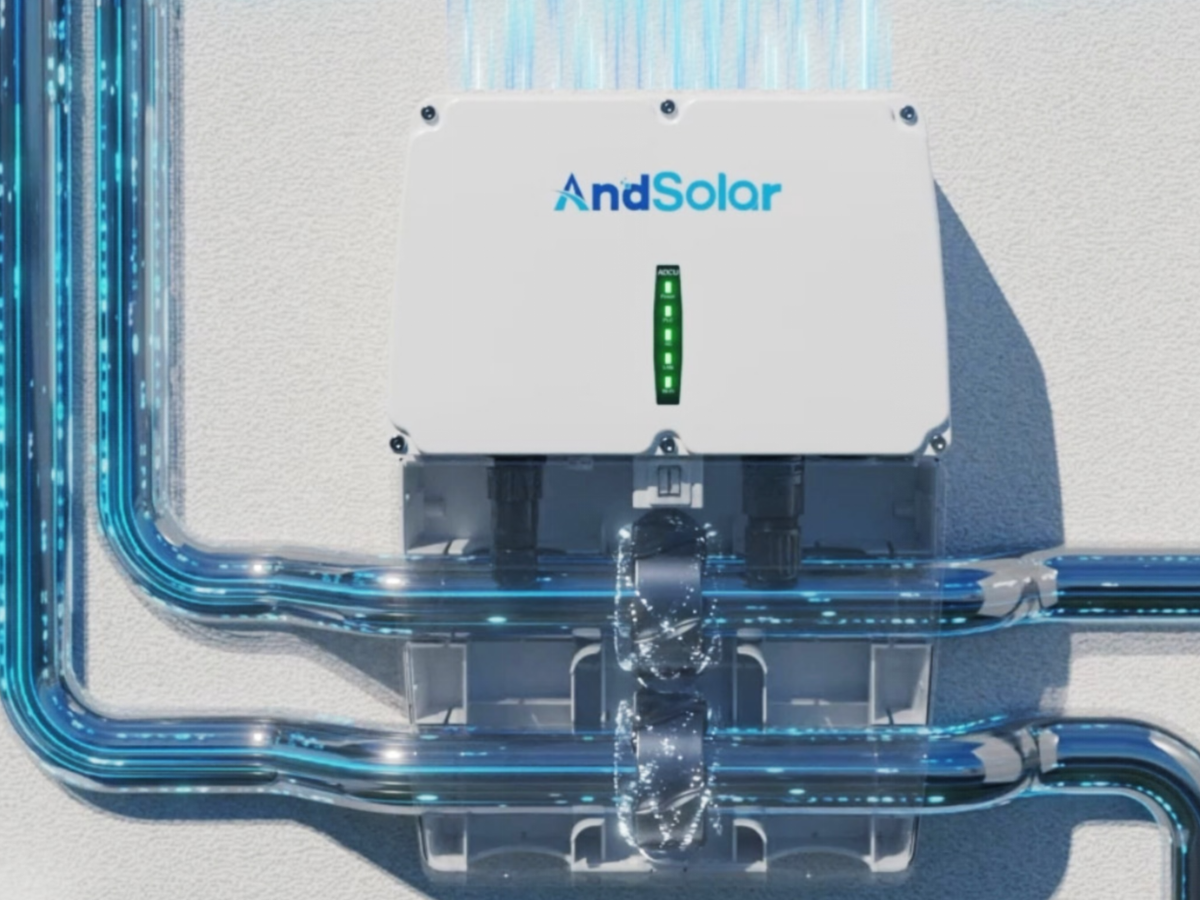
Integrating photovoltaic arrays into existing building infrastructure represents a complex engineering challenge that requires careful planning, technical expertise, and a comprehensive understanding of both electrical systems and structural considerations. As commercial and industrial facilities increasingly seek to adopt renewable energy solutions, the question of how to seamlessly incorporate solar generation capacity without disrupting ongoing operations or compromising building integrity becomes paramount. This integration process involves navigating structural load assessments, electrical compatibility evaluations, regulatory compliance requirements, and operational continuity concerns while ensuring that the installation delivers optimal energy production and long-term reliability.
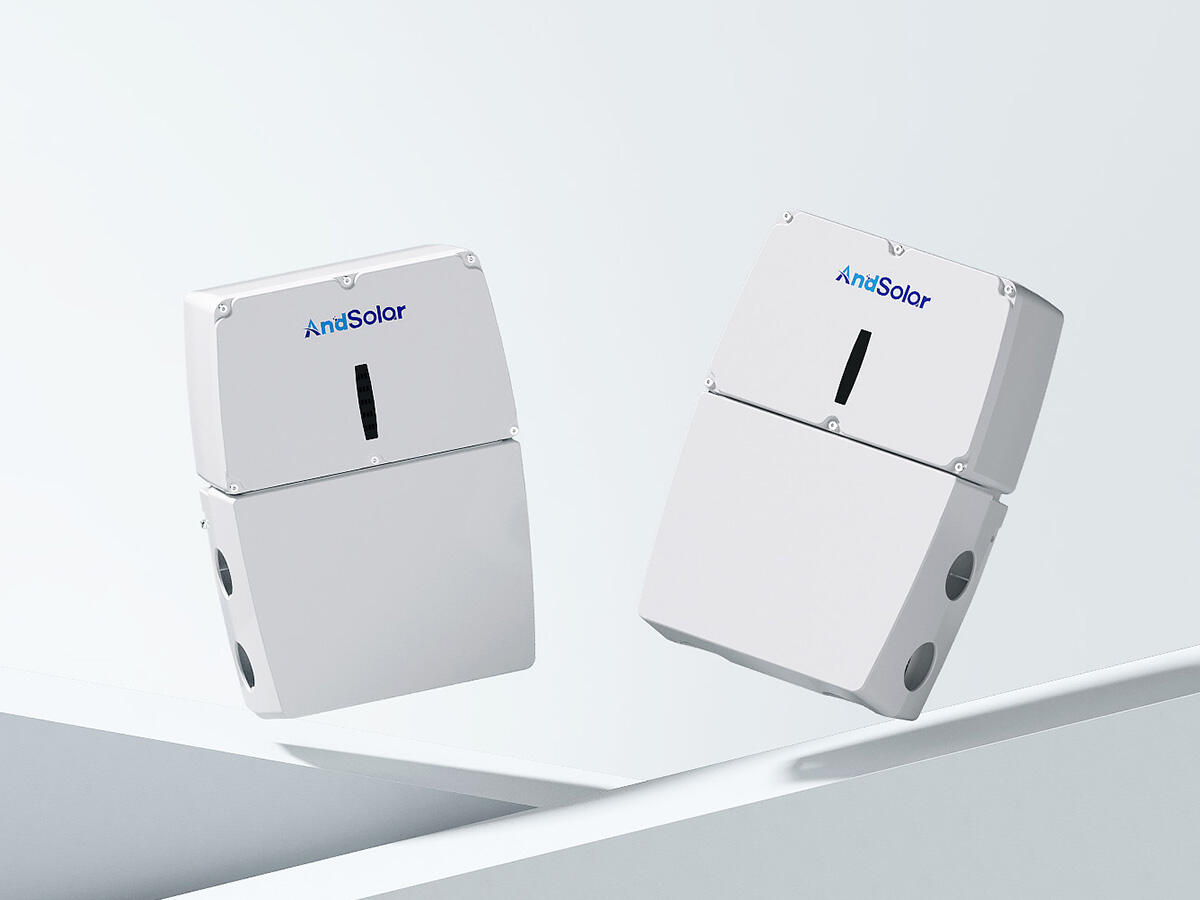
The seamless integration of photovoltaic arrays with existing structures demands a methodical approach that begins with comprehensive site assessment and extends through design optimization, system selection, installation execution, and post-commissioning verification. Unlike ground-mounted installations where site preparation offers greater flexibility, building-integrated systems must work within the constraints of existing architectural elements, electrical infrastructure, and operational requirements. This article explores the systematic methodology for achieving successful integration, addressing the technical considerations, workflow sequences, equipment selection criteria, and best practices that enable facility managers and project developers to implement solar generation capacity without compromising building functionality or incurring unnecessary retrofitting costs.
Pre-Integration Assessment and Structural Evaluation
Comprehensive Building Load Analysis
Before any physical installation of photovoltaic arrays can commence, a thorough structural load analysis must be conducted to determine whether the existing building can support the additional weight of solar panels, mounting systems, and associated equipment. This evaluation involves engaging qualified structural engineers who assess roof construction, load-bearing capacity, material condition, and structural integrity. The analysis must account for static loads from the panel weight itself, dynamic loads from wind and snow accumulation, and point loads concentrated at mounting attachment points. Buildings constructed decades ago may not have been designed with solar installations in mind, requiring potential reinforcement strategies or alternative mounting approaches that distribute weight more effectively across the structure.
The structural assessment must also evaluate the remaining service life of the roof or mounting surface, as photovoltaic arrays typically carry warranties of twenty-five years or more. Installing solar systems on roofs nearing the end of their functional lifespan creates logistical complications and additional costs when roof replacement becomes necessary. A coordinated approach that addresses roof refurbishment or replacement prior to solar installation ensures that both systems can operate throughout their intended lifecycles without requiring premature removal and reinstallation. This forward-looking perspective prevents the false economy of installing photovoltaic arrays on deteriorating structures that will necessitate costly remediation within a few years.
Electrical Infrastructure Compatibility Review
Integrating photovoltaic arrays with existing electrical systems requires detailed analysis of the building's current electrical infrastructure, including service capacity, distribution panel configuration, grounding systems, and available conduit pathways. The existing electrical service must have sufficient capacity to accommodate the solar generation, or upgrades may be necessary to enable bidirectional power flow and proper integration with the utility grid. This assessment examines whether the main service panel has adequate bus capacity for the solar interconnection, whether existing circuit breakers and overcurrent protection devices meet code requirements for solar integration, and whether the grounding electrode system provides appropriate fault protection for the expanded electrical system.
The compatibility review must also address voltage compatibility, phase balance considerations, and harmonic distortion concerns that can arise when introducing inverter-based generation into existing electrical systems. Many commercial buildings operate three-phase electrical services, requiring careful phase balancing when connecting photovoltaic arrays to ensure that power generation distributes evenly across all phases. Voltage regulation becomes particularly important in facilities with sensitive electronic equipment or precision manufacturing processes, as poor integration can introduce power quality issues that affect operational equipment. Advanced monitoring and control systems for photovoltaic arrays can provide real-time voltage regulation and power quality management that protects both the solar system and existing building loads.
Spatial Planning and Shading Analysis
Effective integration of photovoltaic arrays requires comprehensive spatial planning that accounts for available mounting surfaces, orientation optimization, shading obstacles, and access requirements for maintenance activities. Detailed site surveys using drone photography, 3D modeling software, and shading analysis tools identify the most productive locations for panel placement while avoiding areas with excessive shading from adjacent structures, rooftop equipment, or vegetation. The spatial analysis must balance energy production optimization with practical considerations such as maintaining required clearances around roof penetrations, preserving access pathways for maintenance personnel, and ensuring compliance with fire code requirements for emergency access and ventilation.
Shading analysis extends beyond static obstacles to consider seasonal sun path variations, potential future construction on adjacent properties, and the self-shading effects of photovoltaic arrays themselves when installed in multiple rows. Advanced modeling software can simulate hourly energy production throughout the year, accounting for shading impacts and enabling designers to optimize array layout for maximum annual energy yield. This analysis often reveals that conventional row spacing and tilt angles may not be optimal for building-integrated applications, where spatial constraints and shading patterns differ significantly from ground-mounted installations. The spatial planning process must also consider cable routing pathways, inverter placement locations, and equipment access requirements that enable efficient installation and future maintenance activities.
System Design and Equipment Selection Methodology
Mounting System Configuration for Building Integration
Selecting appropriate mounting systems for photovoltaic arrays on existing buildings requires careful consideration of attachment methods, load distribution strategies, and weather sealing approaches that prevent water intrusion while providing secure panel support. Ballasted mounting systems offer the advantage of minimal roof penetrations, distributing weight across a broad area through concrete blocks or metal frames, making them particularly suitable for flat commercial roofs with adequate load capacity. However, ballasted systems may not be appropriate for buildings with limited structural capacity or in regions with high wind loads that require more secure attachment methods. Penetrating mounting systems that anchor directly into the building structure provide superior wind resistance and may be necessary for sloped roofs or areas with severe weather exposure.
The mounting system design must address thermal expansion considerations, as photovoltaic arrays experience significant temperature variations that cause expansion and contraction of mounting rails and panel frames. Properly designed mounting systems incorporate expansion joints and floating attachment points that accommodate thermal movement without transferring stress to the building structure or creating panel misalignment. Additionally, the mounting configuration must ensure proper drainage pathways that prevent water ponding around mounting attachments and maintain the building's weatherproofing integrity. Flashing details, sealant selection, and waterproofing membranes become critical components of the mounting system design, requiring coordination between solar installers and roofing professionals to ensure long-term weather resistance.
Inverter Technology and Power Conditioning Equipment
Inverter selection significantly impacts the performance, reliability, and integration complexity of photovoltaic arrays in existing building applications. String inverters offer cost-effectiveness and centralized power conditioning but may suffer efficiency losses when panels within a string experience different shading conditions or degradation rates. Microinverter systems provide panel-level power optimization and monitoring but introduce higher equipment costs and more numerous points of potential failure. Power optimizer architectures offer a middle-ground approach, providing some of the benefits of distributed power electronics while maintaining centralized DC-to-AC conversion. The optimal inverter topology depends on the specific site conditions, shading patterns, budget constraints, and monitoring requirements of the installation.
Integration with existing building electrical systems requires inverters with appropriate grid-interactive capabilities, including anti-islanding protection, voltage and frequency ride-through characteristics, and communication protocols compatible with building management systems. Many modern inverters offer advanced grid support functions such as reactive power control, voltage regulation, and frequency response that can actually improve power quality for the building's electrical system. When integrating photovoltaic arrays with facilities that have backup generation or energy storage systems, inverter selection must consider compatibility with these existing systems and the ability to operate in grid-connected, grid-support, or islanded modes depending on operational requirements. Proper inverter sizing accounts not only for the photovoltaic array capacity but also for temperature derating, altitude effects, and the specific voltage and current characteristics of the panel configuration.
Monitoring and Control System Integration
Seamless integration of photovoltaic arrays with existing building infrastructure increasingly requires sophisticated monitoring and control systems that provide visibility into system performance, enable predictive maintenance, and coordinate solar generation with building energy management strategies. Modern monitoring platforms collect granular performance data from individual panels or strings, tracking energy production, system efficiency, and equipment health indicators that enable rapid identification of performance issues or equipment failures. Integration with building management systems allows coordinated control strategies that optimize energy consumption patterns based on solar production availability, shifting discretionary loads to periods of peak solar generation or pre-cooling building spaces during afternoon solar production peaks.
The monitoring system architecture must address data communication pathways, cybersecurity considerations, and network integration requirements that enable reliable data transmission without compromising building IT security. Many photovoltaic monitoring systems utilize cellular communication or dedicated network connections rather than connecting directly to corporate IT networks, reducing cybersecurity exposure while maintaining monitoring functionality. Advanced analytics capabilities enable performance benchmarking against predicted output, identification of degradation trends, and optimization recommendations that maximize long-term energy production. For facilities with multiple buildings or distributed photovoltaic arrays, centralized monitoring platforms provide portfolio-level visibility that enables comparative performance analysis and identification of systemic issues affecting multiple installations.
Installation Execution and Construction Coordination
Phased Implementation Approach
Implementing photovoltaic arrays on occupied buildings requires careful construction planning that minimizes disruption to ongoing operations while maintaining safety protocols and quality standards. A phased installation approach divides the project into manageable segments that can be completed sequentially, allowing portions of the building to remain fully operational while construction proceeds in isolated zones. This methodology proves particularly important for facilities with continuous operations such as manufacturing plants, healthcare facilities, or data centers where any interruption to electrical service or building access can have severe operational consequences. The phased approach enables testing and commissioning of completed sections before proceeding to subsequent phases, identifying and resolving issues in early phases that might otherwise propagate throughout the entire installation.
Construction sequencing must coordinate solar installation activities with existing maintenance schedules, production calendars, and seasonal weather patterns that affect both installation efficiency and building operations. Scheduling major electrical tie-in work during planned maintenance shutdowns or low-activity periods minimizes operational impact while providing installers with the access and electrical isolation necessary for safe and efficient work. Weather considerations influence not only installation productivity but also the curing requirements for sealants, adhesives, and weatherproofing materials that protect roof penetrations and mounting attachments. Cold weather installations may require temporary heating or extended curing periods, while hot weather can accelerate certain curing processes but may make working conditions more challenging and increase safety risks.
Quality Control and Installation Verification
Maintaining rigorous quality control throughout the installation process ensures that photovoltaic arrays integrate properly with existing building systems and deliver expected performance throughout their operational lifespan. Quality control protocols should include documented inspection checkpoints at critical installation stages, verification testing of electrical connections and grounding systems, and photographic documentation of all roof penetrations and weatherproofing details. Thermal imaging surveys conducted during and after installation can identify hot spots indicating poor electrical connections, damaged cells, or installation defects that might not be apparent through visual inspection alone. These proactive quality measures prevent minor installation issues from developing into major performance problems or safety hazards.
Installation verification extends beyond the photovoltaic arrays themselves to include comprehensive testing of integration points with existing building systems. Electrical testing should verify proper grounding, confirm correct voltage and current characteristics, validate protective device coordination, and ensure that the solar system interacts appropriately with utility interconnection equipment. Building envelope integrity testing after roof-mounted installations confirms that weatherproofing measures effectively prevent water intrusion, using techniques such as water testing, infrared thermography, or moisture meter surveys to identify potential leak pathways. Documenting the as-built installation with detailed drawings, equipment specifications, and test results provides essential information for future maintenance activities and enables systematic troubleshooting if performance issues arise.
Commissioning and Performance Verification
Proper commissioning of photovoltaic arrays ensures that all system components function correctly and deliver expected performance before the installation is considered complete. The commissioning process includes systematic testing of individual components and subsystems, verification of monitoring system functionality, validation of safety systems and protective devices, and confirmation that energy production meets design expectations under actual operating conditions. Functional testing should verify that inverters respond appropriately to grid disturbances, that monitoring systems accurately report system status and performance data, and that all manual and automatic controls operate as intended. This comprehensive verification identifies configuration errors, equipment defects, or installation issues that might compromise system performance or safety.
Performance verification compares actual energy production against predictions based on measured solar irradiance, accounting for system losses, temperature effects, and other factors that influence photovoltaic array output. Establishing baseline performance characteristics during commissioning provides reference data for ongoing performance monitoring and enables detection of degradation or failures that develop during operation. The commissioning process should also include training for facility personnel responsible for basic system monitoring and maintenance, ensuring that building staff understand system operation, can identify common issues, and know when to engage specialized service providers for more complex problems. Comprehensive commissioning documentation provides a complete record of system configuration, test results, and performance characteristics that supports warranty claims, troubleshooting activities, and future system modifications.
Ongoing Operation and Integration Optimization
Performance Monitoring and Predictive Maintenance
Maintaining optimal performance of photovoltaic arrays integrated with building infrastructure requires continuous monitoring and proactive maintenance strategies that identify and address issues before they significantly impact energy production. Advanced monitoring systems track key performance indicators including energy production, system efficiency, equipment status, and environmental conditions, comparing actual performance against expected output based on solar irradiance and temperature. Deviations from expected performance trigger investigations that may reveal issues such as shading from new obstructions, soiling accumulation on panel surfaces, inverter malfunctions, or degradation of electrical connections. Early detection of performance degradation enables corrective action that restores full system capacity and prevents minor issues from developing into major failures.
Predictive maintenance strategies utilize historical performance data, equipment health indicators, and degradation models to schedule maintenance activities before failures occur. Thermal imaging surveys conducted periodically can identify developing hot spots or electrical connection issues that indicate imminent failures. String-level or panel-level monitoring enables isolation of underperforming components within large photovoltaic arrays, focusing maintenance efforts on specific problem areas rather than requiring inspection of the entire installation. Coordinating solar system maintenance with building maintenance schedules improves efficiency by combining roof access requirements, electrical system work, and other building maintenance activities into consolidated service events that minimize disruption and reduce overall maintenance costs.
Energy Management and Load Coordination
Maximizing the value of photovoltaic arrays integrated with building infrastructure extends beyond simply generating electricity to include strategic coordination of solar production with building energy consumption patterns. Advanced energy management systems can shift discretionary building loads such as water heating, thermal storage charging, or battery charging to coincide with peak solar production periods, increasing on-site consumption of solar energy and reducing dependence on grid electricity. This load shifting becomes particularly valuable in locations with time-of-use electricity rates or demand charges where consuming solar energy during peak rate periods provides greater economic value than net metering credits for excess generation exported to the grid.
Integration of energy storage systems with building-mounted photovoltaic arrays enables even greater flexibility in energy management, allowing solar energy captured during midday production peaks to be stored and utilized during evening peak demand periods or during grid outages. The control algorithms coordinating solar production, battery storage, and building loads must balance multiple objectives including minimizing electricity costs, maintaining backup power reserves, optimizing battery lifespan, and participating in grid services programs that provide additional revenue streams. As buildings increasingly become active participants in grid management through demand response programs and distributed energy resources aggregation, the integration of photovoltaic arrays with building energy management systems becomes a critical capability that maximizes both economic and operational benefits.
System Upgrades and Capacity Expansion
As building energy consumption patterns evolve and solar technology continues advancing, facility managers may consider upgrading existing photovoltaic arrays or expanding generation capacity to meet growing demand. Well-planned initial installations anticipate future expansion by providing adequate electrical infrastructure capacity, accessible cable routing pathways, and mounting systems that can accommodate additional panels. Modular inverter systems enable capacity expansion through addition of inverter units rather than complete replacement, while monitoring systems with scalable architectures can accommodate growing numbers of data points as additional photovoltaic arrays are integrated into the building energy system.
Technology upgrades may involve replacing older panels with higher-efficiency modules that generate more power from the same mounting area, upgrading inverters to models with improved efficiency or enhanced grid-interactive capabilities, or adding optimization technologies that improve performance of existing photovoltaic arrays. These upgrade decisions require careful economic analysis weighing the costs of new equipment and installation against the incremental energy production or functionality gains achieved. In some cases, degradation of original equipment or changes in utility interconnection requirements may necessitate upgrades to maintain system performance or regulatory compliance. Planning for these eventual upgrades during initial system design, by providing adequate space for equipment additions and accessible mounting configurations, reduces the complexity and cost of future enhancement projects.
FAQ
What structural requirements must existing buildings meet before photovoltaic arrays can be installed?
Buildings must demonstrate adequate structural load capacity to support the combined weight of solar panels, mounting systems, and anticipated environmental loads such as wind and snow. A licensed structural engineer should evaluate roof construction, load-bearing capacity, and material condition to determine whether the existing structure can safely support the additional loads or whether reinforcement is necessary. The assessment must also consider the remaining service life of the roof surface, as installing photovoltaic arrays on roofs nearing replacement creates logistical complications and additional costs when roof work becomes necessary during the solar system's operational life.
How do photovoltaic arrays integrate with existing electrical service without causing power quality issues?
Proper integration requires careful analysis of existing electrical infrastructure capacity, voltage compatibility, and phase balance considerations to ensure that solar generation does not introduce harmonics, voltage fluctuations, or other power quality issues. Modern grid-interactive inverters include advanced power conditioning capabilities that maintain voltage regulation, provide harmonic filtering, and can actually improve building power quality through reactive power support. The electrical integration design must ensure adequate overcurrent protection, proper grounding, and appropriate interconnection equipment that enables safe bidirectional power flow while protecting both the building electrical system and utility grid from faults or abnormal conditions.
What maintenance activities are required to keep building-integrated photovoltaic arrays operating at optimal performance?
Regular maintenance includes periodic cleaning of panel surfaces to remove soiling that reduces light transmission, inspection of mounting system integrity and weatherproofing seals, verification of electrical connections and grounding systems, and monitoring system performance against expected output levels. Thermal imaging surveys conducted annually or bi-annually can identify developing electrical issues or damaged components before they cause system failures. Many installations benefit from performance monitoring services that provide continuous oversight and alert facility managers to anomalies requiring investigation, enabling proactive maintenance rather than reactive repairs after failures occur.
Can photovoltaic arrays be integrated with buildings that have backup generators or existing energy storage systems?
Yes, photovoltaic arrays can be integrated with buildings that have backup generators or energy storage systems, though this requires careful system design to ensure proper coordination and safe operation in all operating modes. The integration must address controls coordination, ensuring that solar generation, backup generation, and energy storage operate harmoniously without conflicts or safety issues. Advanced energy management systems can optimize the utilization of multiple energy sources based on operational priorities such as minimizing grid consumption, maintaining backup power reserves, or reducing demand charges. However, the integration complexity increases significantly when coordinating multiple generation and storage resources, requiring specialized expertise in power system design and control strategies to achieve reliable and efficient operation.
Table of Contents
- Pre-Integration Assessment and Structural Evaluation
- System Design and Equipment Selection Methodology
- Installation Execution and Construction Coordination
- Ongoing Operation and Integration Optimization
-
FAQ
- What structural requirements must existing buildings meet before photovoltaic arrays can be installed?
- How do photovoltaic arrays integrate with existing electrical service without causing power quality issues?
- What maintenance activities are required to keep building-integrated photovoltaic arrays operating at optimal performance?
- Can photovoltaic arrays be integrated with buildings that have backup generators or existing energy storage systems?
