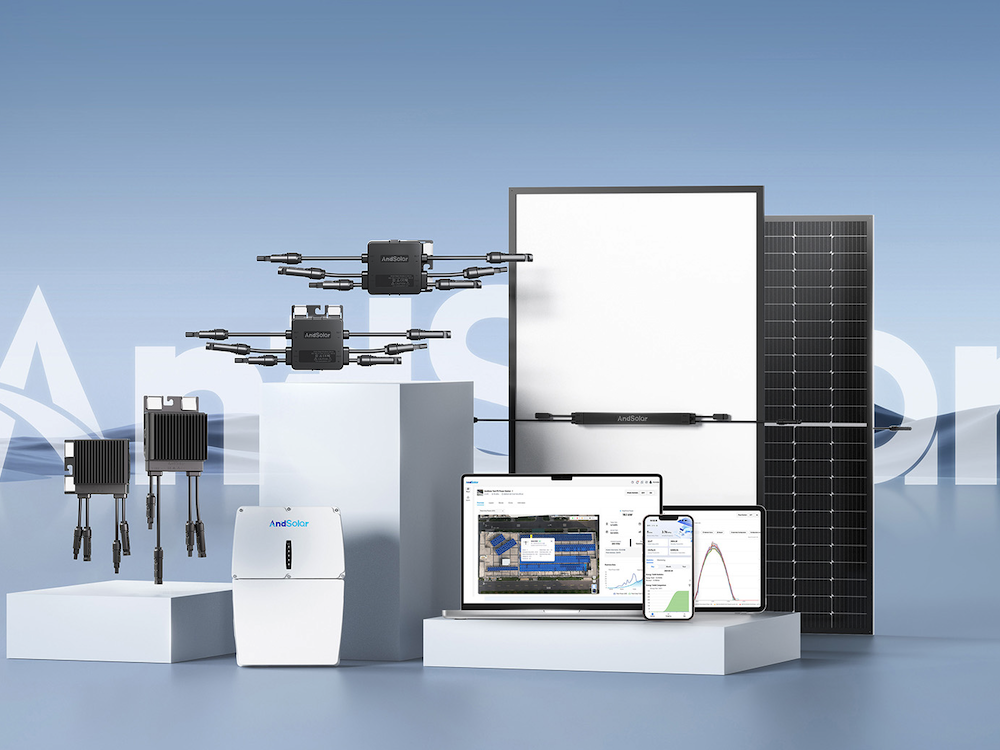
Solar installations on complex roofscapes present unique challenges that conventional string inverter systems often struggle to address effectively. When rooftops feature multiple angles, varying orientations, partial shading from chimneys or trees, and mixed tilt configurations, energy harvesting inefficiencies can significantly reduce overall system performance. These architectural complexities demand a solution that maximizes energy capture from each individual solar panel rather than forcing all modules to operate at the lowest common performance level. A power optimizer system delivers precisely this capability by enabling module-level power management that adapts to the distinct electrical characteristics and environmental conditions affecting each panel throughout the day.
The fundamental reason to select a power optimizer system for challenging roof geometries lies in its ability to decouple individual panel performance from the rest of the string. Unlike traditional configurations where shaded or poorly oriented panels drag down the output of the entire series circuit, optimizers allow each module to operate at its maximum power point independently. This architectural advantage becomes critically important when dealing with residential or commercial buildings that feature dormers, skylights, multiple roof planes at different azimuths, or surrounding obstructions that create dynamic shading patterns. For system designers and building owners facing these real-world installation constraints, the performance gains and design flexibility offered by power optimizer technology directly translate to improved return on investment and enhanced long-term energy production reliability.
Understanding Performance Limitations on Multi-Angle Rooftops
The String Inverter Constraint Problem
Traditional string inverter systems connect solar panels in series, creating a chain where electrical current must flow through every module sequentially. This configuration creates an inherent vulnerability when panels within the same string experience different operating conditions. The fundamental limitation stems from the series circuit principle where current remains constant throughout the string, forcing all panels to operate at the current level of the weakest performer. When a complex roofscape places some panels facing southeast while others face southwest, or when morning shadows affect only a portion of the array, the entire string's output becomes constrained by the lowest-performing module rather than averaging performance across all panels.
This mismatch effect becomes particularly severe on rooftops with multiple pitch angles or orientations. A single shaded panel can reduce string output by percentages far exceeding the actual shaded area, sometimes cutting production by thirty to fifty percent even when only one module experiences reduced irradiance. For building owners investing substantial capital in solar infrastructure, these losses represent significant unrealized energy potential that compounds over the system's twenty-five-year operational lifespan. The economic impact extends beyond simple energy loss, as reduced performance directly affects payback periods and diminishes the financial justification for the solar investment itself.
Dynamic Shading Complications
Complex roofscapes rarely experience static shading patterns throughout the day. Chimneys, vent pipes, satellite dishes, adjacent buildings, and surrounding vegetation create shadows that move and change shape as the sun tracks across the sky. These dynamic obstructions interact with multi-angle roof planes in unpredictable ways, where a chimney might shade east-facing panels during morning hours while leaving west-facing modules unaffected, then reverse this pattern during afternoon operation. Traditional string configurations cannot adapt to these shifting conditions, continuously forcing the entire array to accommodate whichever panel currently experiences the greatest impediment to power production.
The challenge intensifies during partial cloud cover conditions, where intermittent shading affects different roof sections at different times. A power optimizer system addresses these dynamic scenarios by monitoring and adjusting each panel's operating point independently hundreds of times per second. This real-time responsiveness ensures that unshaded panels maintain optimal performance regardless of temporary reductions affecting other modules. For installations on buildings with complex architectural features, this adaptive capability represents the difference between a system that occasionally approaches nameplate capacity and one that consistently underperforms due to transient shading events that conventional inverters cannot mitigate effectively.
Orientation Mismatch Impact
Buildings with hip roofs, cross-gabled designs, or additions constructed at different periods often present installation surfaces facing multiple cardinal directions. When system designers attempt to maximize available roof area by installing panels across these various orientations, string inverter configurations face serious performance compromises. Panels facing different directions receive peak solar irradiance at different times of day and experience significantly different incident angles as the sun moves across the horizon. Combining these mixed-orientation modules into a single string forces an impossible compromise where no configuration time exists when all panels simultaneously operate at their individual maximum power points.
The power optimizer system resolves this orientation challenge by allowing each panel to independently track its own maximum power point regardless of the operating conditions affecting other modules in the array. This independence enables system designers to utilize available roof area across multiple faces without the severe performance penalties inherent in string inverter approaches. Commercial buildings with sawtooth roofs, industrial facilities with monitor roof designs, and residential properties with complex architectural features can all achieve substantially higher energy yields when employing power optimizer system technology rather than accepting the compromises required by conventional string configurations.
Technical Advantages of Module-Level Power Management
Maximum Power Point Tracking at Panel Level
The core technical innovation enabling superior performance on complex roofscapes involves implementing maximum power point tracking at the individual module level rather than the string level. Each power optimizer system component continuously monitors its connected panel's voltage and current characteristics, executing sophisticated algorithms to identify and maintain the precise operating point where power output reaches its maximum for current environmental conditions. This localized intelligence means that a shaded panel operates at its own optimal point for reduced irradiance while simultaneously allowing sunny panels to harvest maximum available energy without constraint from the underperforming module.
This distributed architecture contrasts fundamentally with string inverter maximum power point tracking, which must identify a single compromise operating point for the entire string of series-connected panels. When modules experience different conditions, the string-level algorithm cannot simultaneously optimize for all panels and instead settles on a suboptimal balance that leaves significant energy unharvested. For complex roofscapes where panels rarely operate under identical conditions, the cumulative advantage of individual maximum power point tracking throughout thousands of operating hours per year translates to measurably higher annual energy production that directly impacts system economics and environmental benefit.
Bypass Diode Limitation Elimination
Standard solar panels incorporate bypass diodes designed to route current around shaded or damaged cells within the module, preventing hot spots and reducing some mismatch losses. However, these protective devices activate only when cell-level voltage reversal occurs, providing relatively coarse protection that still allows substantial performance degradation before engaging. Furthermore, bypass diodes operate at the substring level within the panel, typically protecting groups of eighteen to twenty-four cells rather than individual cells, meaning partial shading of even a small area can disable an entire substring and reduce panel output by one-third or more.
A power optimizer system architecture transcends these bypass diode limitations by actively managing power conversion at the module level before mismatch conditions become severe enough to trigger diode bypass. The optimizer continuously adjusts the panel's operating voltage to extract maximum available power even under partial shading that would cause bypass diodes to activate in conventional configurations. This proactive power management maintains higher energy harvest from affected panels while simultaneously protecting unshaded modules from the current-limiting effects that shaded panels impose in string configurations. The result delivers measurably better performance than passive bypass protection can achieve, particularly important for roofscapes where shading represents a persistent rather than occasional condition.
Voltage Transformation and String Flexibility
Power optimizer system designs incorporate DC-to-DC conversion capability that transforms the variable voltage output from individual panels into a consistent voltage level suitable for the central inverter. This voltage transformation function provides substantial design flexibility for complex roofscapes by allowing longer string lengths, mixed module types within the same string, and simplified wire routing across irregular roof geometries. The optimizer output voltage remains constant regardless of whether the connected panel operates at high output under full sun or reduced output under shade, presenting a stable electrical profile to the inverter that simplifies system design and improves overall reliability.
This voltage management capability becomes particularly valuable when designing installations that must navigate architectural obstacles, route wiring through constrained spaces, or accommodate future expansion across additional roof sections. System designers gain freedom to configure string layouts based on physical convenience rather than being constrained by the electrical matching requirements that dominate string inverter design. For buildings with complex roofscapes, this flexibility often means the difference between a system that fully utilizes available roof area and one that leaves significant capacity uninstalled due to design constraints imposed by conventional inverter limitations.
Economic and Performance Benefits for Complex Installations
Increased Energy Harvest in Real Operating Conditions
The ultimate justification for selecting a power optimizer system on challenging rooftops comes from measurable improvements in actual energy production under real-world operating conditions. Field studies and performance monitoring data consistently demonstrate that optimized systems deliver fifteen to twenty-five percent higher annual energy yield compared to string inverter installations on rooftops with significant shading or orientation mismatch. These gains stem from the cumulative effect of maintaining optimal performance across thousands of hours when conventional systems would operate in degraded modes due to mismatch conditions, partial shading events, or soiling that affects different roof sections differently.
For commercial and residential building owners, this performance advantage directly translates to improved financial returns through higher energy offset, greater utility savings, and accelerated payback periods. When evaluating system economics over twenty-five-year operational lifetimes, the compounding effect of consistent energy production advantages can justify the incremental cost of power optimizer system technology through superior cumulative energy delivery. This economic benefit becomes particularly pronounced for installations where shading or orientation challenges would otherwise necessitate oversizing the array to compensate for expected losses, as optimizers often allow achievement of energy targets with fewer total panels than string configurations would require.
Reduced System Oversizing Requirements
System designers working with complex roofscapes using conventional technology often compensate for expected mismatch losses by oversizing arrays, installing additional capacity to offset predicted underperformance from shading and orientation challenges. This oversizing approach increases upfront capital costs while potentially exhausting available roof area that might otherwise accommodate future expansion. The superior mismatch management provided by a power optimizer system reduces or eliminates oversizing requirements, allowing designers to specify systems that more closely match actual energy needs without excessive capacity buffers to account for performance degradation.
This sizing precision delivers multiple advantages beyond simple cost reduction. Smaller optimized arrays can achieve the same energy production as larger string systems while consuming less roof space, reducing structural loading, and minimizing aesthetic impact. For buildings with limited suitable roof area or weight-bearing constraints, this efficiency advantage may determine whether solar installation remains feasible at all. Additionally, more accurate system sizing improves financial modeling accuracy, reducing the risk of underperformance relative to energy production projections that financing arrangements and power purchase agreements depend upon for economic viability.
Enhanced System Monitoring and Diagnostics
Power optimizer system architectures inherently provide module-level monitoring capabilities that deliver unprecedented visibility into array performance. Each optimizer reports individual panel production data, enabling system owners and maintenance providers to identify underperforming modules, detect developing failures, and diagnose installation issues that would remain invisible with string-level monitoring. This granular performance data proves particularly valuable for complex roofscapes where localized issues like debris accumulation, specific shading patterns, or individual panel defects might otherwise go undetected while gradually eroding overall system performance.
The diagnostic capability extends beyond simple performance monitoring to include proactive maintenance scheduling and targeted intervention. Rather than troubleshooting an underperforming string by testing each panel sequentially, technicians can immediately identify which specific module requires attention. This precision reduces maintenance time and costs while minimizing system downtime. For commercial installations where energy production directly affects operating economics, the ability to rapidly identify and address performance issues represents a tangible operational advantage that contributes to superior long-term system reliability and sustained energy production throughout the installation's operational lifetime.
Design and Installation Considerations
String Configuration Optimization
Implementing a power optimizer system on complex roofscapes still requires thoughtful string configuration to maximize system efficiency and reliability. While optimizers eliminate many electrical matching constraints, practical considerations like wire routing efficiency, inverter input specifications, and voltage drop management continue to influence optimal string design. System designers should group panels by general roof section when practical, balancing electrical convenience with the physical realities of roof geometry and conduit routing paths. The voltage transformation capability of optimizers provides substantial flexibility, but strategic string layout still contributes to installation efficiency and long-term system maintainability.
For buildings with extremely complex geometries, the power optimizer system architecture enables creative design solutions that would prove impossible with string inverters. Installers can create strings that snake across multiple roof planes, incorporate small numbers of panels from isolated roof sections, or accommodate irregular array shapes dictated by architectural features. This design freedom allows maximum utilization of available solar resource while maintaining electrical code compliance and installation best practices. The result often achieves higher total system capacity than conservative string inverter designs would permit, directly increasing energy production potential and improving project economics.
Safety and Code Compliance Advantages
Many power optimizer system implementations incorporate rapid shutdown functionality at the module level, automatically reducing DC voltage to safe levels when the inverter disconnects from grid power. This safety feature addresses fire safety concerns and electrical code requirements that have become increasingly stringent in many jurisdictions. For complex roofscapes where solar arrays may extend across multiple roof sections near building penetrations, egress paths, or fire department access zones, the ability to quickly de-energize specific array sections provides important safety advantages for emergency responders and maintenance personnel.
The distributed architecture of optimized systems also simplifies compliance with evolving electrical codes that mandate module-level shutdown capabilities. Rather than retrofitting additional safety equipment or redesigning systems to meet new requirements, power optimizer system installations often satisfy current and anticipated code provisions through their fundamental operating architecture. This forward compatibility protects the investment value of installed systems and reduces the risk of costly compliance upgrades as safety standards continue evolving. For building owners planning long-term solar investments, this regulatory alignment represents an often-overlooked advantage that contributes to sustained system viability throughout its operational lifetime.
Inverter Selection and System Sizing
Selecting appropriate inverter capacity for optimized systems on complex roofscapes requires different analysis than string inverter sizing. Because optimizers maintain more consistent power delivery despite shading and mismatch conditions, designers can often specify inverters with capacity ratios closer to actual expected peak production rather than building in large capacity margins to accommodate performance variability. This precision in inverter sizing can reduce equipment costs while ensuring the inverter operates efficiently across a broader range of operating conditions.
The consistent voltage profile presented by optimizer strings also simplifies inverter selection by eliminating concerns about wide voltage swings that complicate string inverter applications on mixed-orientation arrays. Inverters paired with power optimizer system installations see more stable input characteristics, potentially improving conversion efficiency and reducing thermal stress that affects long-term reliability. For complex installations where array configuration might otherwise push inverter specifications to their limits, the electrical conditioning provided by optimizers creates more forgiving operating conditions that contribute to sustained system performance and component longevity.
Long-Term Performance and Reliability Factors
Degradation Management and Mismatch Mitigation
Solar panels gradually degrade over their operational lifetime, with output typically declining by approximately half a percent annually due to material aging and environmental exposure. In string inverter configurations, even minor variations in degradation rates between panels create growing mismatch that progressively reduces string performance as the system ages. Panels installed on different roof planes experiencing different thermal conditions, soiling rates, or weather exposure patterns degrade at different rates, compounding mismatch losses over time. A power optimizer system inherently compensates for these developing performance variations, maintaining optimal energy harvest from each panel regardless of how its output characteristics diverge from other modules in the string.
This degradation management capability becomes increasingly valuable as systems age beyond their first decade of operation. While conventional strings experience accelerating mismatch losses as panel performance characteristics drift apart, optimized systems maintain consistent efficiency by continuously adapting to each module's current performance profile. The result delivers measurably superior energy production in years fifteen through twenty-five compared to string systems of equivalent initial capacity. For building owners evaluating lifecycle economics, this sustained performance advantage contributes significantly to total energy delivery over the system's operational lifetime and improves the accuracy of long-term financial projections.
Maintenance Access and Component Replacement
Complex roofscapes often create challenging maintenance access conditions where reaching specific panels for cleaning, inspection, or replacement requires significant effort. The module-level monitoring capability inherent in power optimizer system designs enables targeted maintenance that focuses resources on specific underperforming panels rather than requiring comprehensive array inspection to identify issues. This precision reduces maintenance labor costs and minimizes roof access frequency, decreasing both operational expenses and the risk of roof damage from repeated maintenance activities.
When component replacement becomes necessary due to panel failure or damage, optimized systems allow straightforward module swapping without concerns about electrical matching with remaining panels. String inverter systems require careful attention to replacing failed panels with modules of similar electrical characteristics to avoid creating new mismatch conditions, sometimes necessitating installation of discontinued models or acceptance of ongoing performance penalties. Power optimizer system architecture eliminates these matching concerns, allowing replacement with whatever current module specifications best suit the application while maintaining optimal system performance through the optimizer's independent power management capability.
Technology Evolution and System Upgradability
The solar industry continues advancing panel efficiency, with modern modules delivering substantially higher power output than panels manufactured even five years ago. Building owners may wish to expand existing arrays or replace damaged sections with current-generation panels featuring different voltage and current specifications than original installation components. A power optimizer system accommodates this technology evolution gracefully, allowing integration of mixed module generations within the same string through the optimizer's voltage transformation and independent maximum power point tracking capabilities. This upgrade flexibility extends system useful life and enables capacity expansion using current technology rather than requiring sourcing of obsolete panel specifications.
For commercial buildings planning phased solar deployment across multiple roof sections or anticipating future capacity expansion, the architectural flexibility of power optimizer system designs provides important strategic advantages. Initial installations can proceed using available roof area and current technology, with subsequent phases adding capacity using whatever panel specifications offer best value at future implementation dates. This phased approach spreads capital investment over time while avoiding the performance compromises and component matching challenges that complicate mixed-technology string inverter expansions. The result enables more flexible solar investment strategies that adapt to evolving business needs and technology advancement throughout the building's operational lifetime.
FAQ
How much additional cost does a power optimizer system add compared to string inverters?
Power optimizer system installations typically cost ten to twenty percent more than equivalent string inverter systems due to the additional optimizer hardware at each panel. However, this incremental cost often proves justified by superior energy production on complex roofscapes, with performance gains of fifteen to twenty-five percent on shaded or multi-orientation installations. The payback period for the additional investment typically ranges from three to six years depending on local electricity rates and site-specific performance advantages, after which the system delivers higher net returns throughout its remaining operational lifetime. For installations where shading or orientation challenges would severely compromise string inverter performance, optimizers often prove more economical even accounting for higher upfront costs.
Can power optimizers be added to existing solar installations?
Retrofitting power optimizer system components to existing installations is technically possible but rarely cost-effective due to labor requirements for accessing and modifying each panel connection. The value proposition for optimizers emerges primarily during initial installation when incremental installation labor remains minimal. Existing systems experiencing significant shading or mismatch issues typically benefit more from addressing root causes like tree trimming, array reconfiguration, or strategic panel replacement rather than comprehensive optimizer retrofits. However, for installations planning major upgrades or expansions, incorporating optimizers during renovation work may prove worthwhile if substantial shading or orientation challenges exist that would otherwise limit expansion effectiveness.
Do power optimizer systems require more maintenance than string inverters?
Power optimizer system architectures distribute electronics across multiple roof-mounted components rather than concentrating functionality in a single inverter, which theoretically increases potential failure points. However, quality optimizers demonstrate reliability comparable to string inverters in field deployments, with failure rates remaining low across both technologies. The module-level monitoring capability inherent in optimized systems actually simplifies maintenance by enabling rapid identification of specific underperforming components rather than requiring extensive troubleshooting of entire strings. Overall maintenance requirements remain similar between technologies, with optimizer systems potentially reducing diagnostic time while string systems minimize component count. Both approaches deliver reliable long-term performance when quality components are properly installed.
What happens to system performance if an individual optimizer fails?
Individual optimizer failures typically affect only the single connected panel rather than compromising entire string performance, limiting impact to a small fraction of total system capacity. Most quality power optimizer system designs incorporate bypass modes that allow continued operation of the affected panel at reduced efficiency rather than complete shutdown, maintaining some energy production until replacement occurs. The module-level monitoring capability immediately alerts system owners to optimizer failures, enabling prompt repair before significant energy loss accumulates. This graceful degradation behavior contrasts with string inverter failures that disable entire arrays until repaired, making optimized systems potentially more resilient to component failures despite distributed architecture. Quality manufacturers typically provide warranties of twenty-five years on optimizer hardware, matching expected system operational lifetime and reducing long-term replacement risk.
