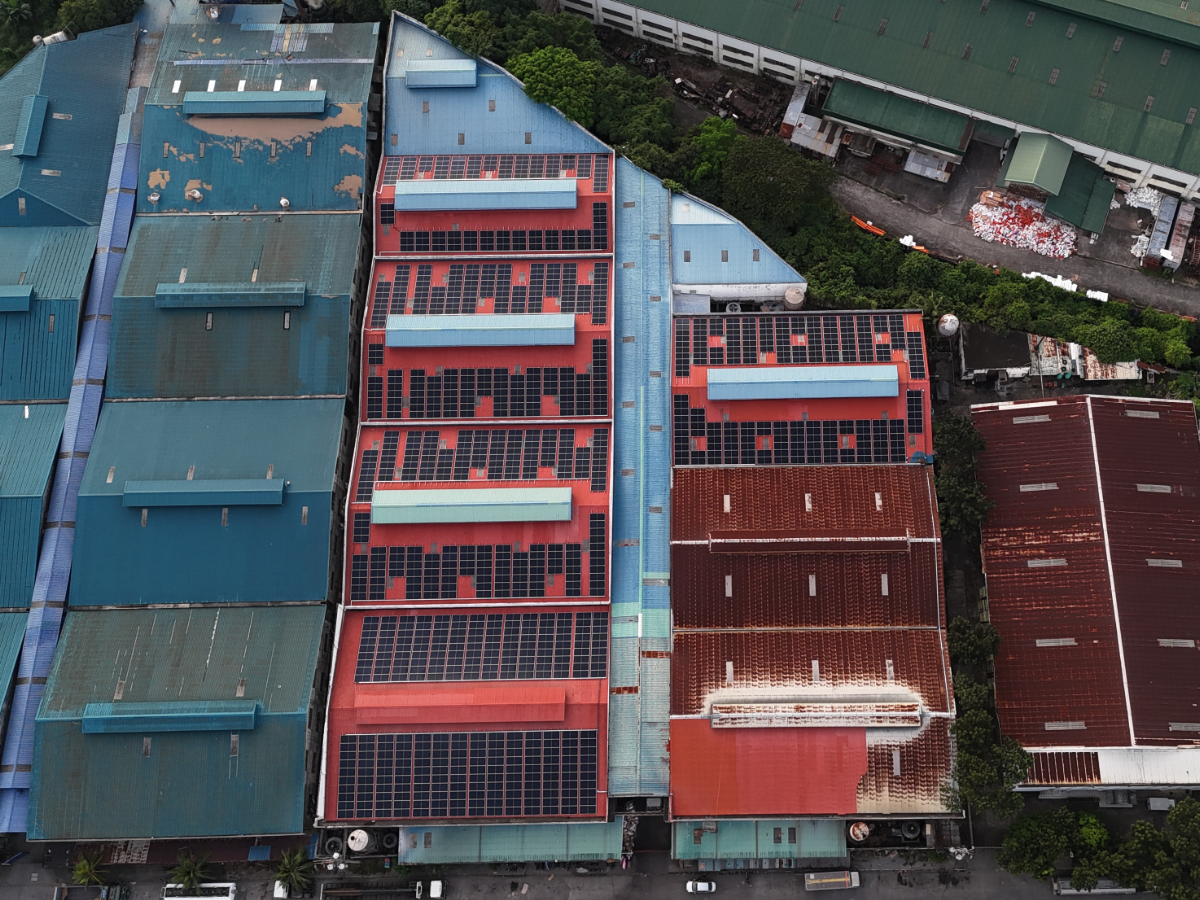
Planning a reliable residential solar power system requires careful consideration of multiple technical, financial, and environmental factors that directly impact system performance and long-term value. Homeowners exploring solar energy must evaluate site-specific conditions, energy consumption patterns, equipment quality, and regulatory requirements to ensure their investment delivers optimal returns. A well-planned residential solar power system not only reduces electricity bills but also enhances property value while contributing to environmental sustainability. Understanding the critical planning elements helps avoid common pitfalls such as undersized systems, incompatible components, or installation errors that compromise efficiency and reliability.
The success of any residential solar power system depends on aligning system design with household energy needs, roof characteristics, local climate conditions, and available incentives. Unlike commercial installations, residential systems must balance aesthetic considerations with technical performance while operating within budget constraints typical of individual homeowners. This comprehensive planning approach examines energy consumption analysis, site assessment procedures, equipment selection criteria, system sizing methodologies, and financial evaluation methods that collectively determine whether a residential solar power system will deliver reliable, cost-effective performance over its expected lifespan of twenty-five to thirty years.
Understanding Your Energy Consumption Profile
Analyzing Historical Electricity Usage Patterns
Accurate energy consumption analysis forms the foundation of effective residential solar power system planning. Homeowners should review at least twelve months of utility bills to identify seasonal variations, peak usage periods, and average daily consumption measured in kilowatt-hours. This historical data reveals whether energy demand remains relatively constant throughout the year or fluctuates significantly during heating and cooling seasons. Understanding these patterns enables proper system sizing that matches production capacity with actual consumption rather than relying on generic estimates that may result in overbuilt or undersized installations.
Beyond average consumption figures, detailed analysis should identify specific appliances and systems contributing most significantly to overall energy use. High-consumption devices such as electric water heaters, HVAC systems, pool pumps, and electric vehicle chargers may represent disproportionate shares of total demand. Recognizing these major loads helps determine whether a residential solar power system should be designed to offset baseline consumption only or also accommodate discretionary loads that might be shifted to peak solar production hours through behavioral changes or automated controls.
Projecting Future Energy Needs
Effective planning for a residential solar power system must account for anticipated changes in household energy consumption over the system's operational lifetime. Life events such as family expansion, home office additions, electric vehicle purchases, or installation of energy-intensive equipment can significantly increase electricity demand. Forward-looking analysis should consider these probable scenarios when determining optimal system capacity, ensuring the installation remains appropriately sized even as household needs evolve over subsequent decades.
Conversely, energy efficiency improvements implemented before or alongside solar installation can substantially reduce required system capacity and associated costs. Upgrading to LED lighting, installing programmable thermostats, improving insulation, or replacing aging appliances with energy-efficient models may decrease baseline consumption by fifteen to thirty percent. Incorporating these efficiency measures into the planning process allows homeowners to install smaller, less expensive residential solar power systems while achieving equivalent or superior energy independence compared to larger installations serving inefficient homes.
Evaluating Site Characteristics and Solar Resource Availability
Assessing Roof Condition and Structural Capacity
The physical condition and structural integrity of the roof represent critical factors in residential solar power system planning, as panels typically remain installed for twenty-five years or longer. Roofs nearing the end of their service life should be replaced before solar installation to avoid the substantial expense of removing and reinstalling panels during future reroofing projects. Professional structural assessment verifies that existing roof framing can support the additional weight of solar panels, mounting hardware, and accumulated snow loads without reinforcement, particularly important for older homes or those with lightweight construction.
Roof geometry including pitch, orientation, and available unshaded area directly influences residential solar power system performance and capacity. South-facing roof sections with slopes between fifteen and forty degrees provide optimal conditions in most locations, though east-west orientations may suit households with morning and evening consumption peaks. Complex roof layouts with multiple planes, dormers, or architectural features may limit contiguous panel placement, potentially requiring distributed arrays across multiple roof sections or consideration of ground-mounted alternatives where space and regulations permit.
Analyzing Shading Impacts and Solar Access
Comprehensive shading analysis represents perhaps the most crucial site evaluation component for residential solar power system planning, as even partial shade can dramatically reduce system output. Trees, neighboring structures, chimneys, and other obstructions that cast shadows on proposed panel locations during peak sunlight hours substantially diminish energy production. Professional site assessments utilize specialized tools such as solar pathfinders or digital shade analysis software to map shading patterns throughout the year, quantifying the impact on expected system performance.
Decisions regarding tree removal or trimming involve balancing solar production gains against aesthetic preferences, property values, and environmental considerations. Mature trees providing significant shading may reduce residential solar power system output by thirty to fifty percent, yet homeowners may hesitate to remove established landscaping. In such cases, alternative installation locations, panel placement strategies that minimize shading impact, or microinverter technology that limits the effect of partial shading on overall system performance become important planning considerations. Local solar resource data, typically expressed as peak sun hours, provides essential context for realistic production expectations based on regional climate patterns and seasonal variations.
Selecting Appropriate System Components and Technology
Comparing Solar Panel Types and Specifications
Solar panel selection significantly influences residential solar power system performance, aesthetics, and cost-effectiveness. Monocrystalline panels offer higher efficiency ratings typically ranging from eighteen to twenty-two percent, making them ideal for space-constrained installations where maximizing output per square foot proves essential. Polycrystalline panels provide slightly lower efficiency at reduced cost, representing a practical choice for installations with ample roof space. Panel efficiency directly affects the number of modules required to achieve target capacity, influencing both material costs and installation complexity.
Beyond efficiency ratings, panel specifications including temperature coefficient, degradation rate, and warranty terms warrant careful evaluation during residential solar power system planning. Temperature coefficients indicate how panel output decreases as operating temperatures rise above standard test conditions, particularly relevant in hot climates where panels may reach temperatures exceeding one hundred fifty degrees Fahrenheit. Premium panels feature lower degradation rates ensuring they retain higher percentages of original output after twenty-five years, while comprehensive warranties covering both product defects and performance guarantees provide long-term protection for the substantial investment homeowners make in solar technology.
Evaluating Inverter Options and System Architecture
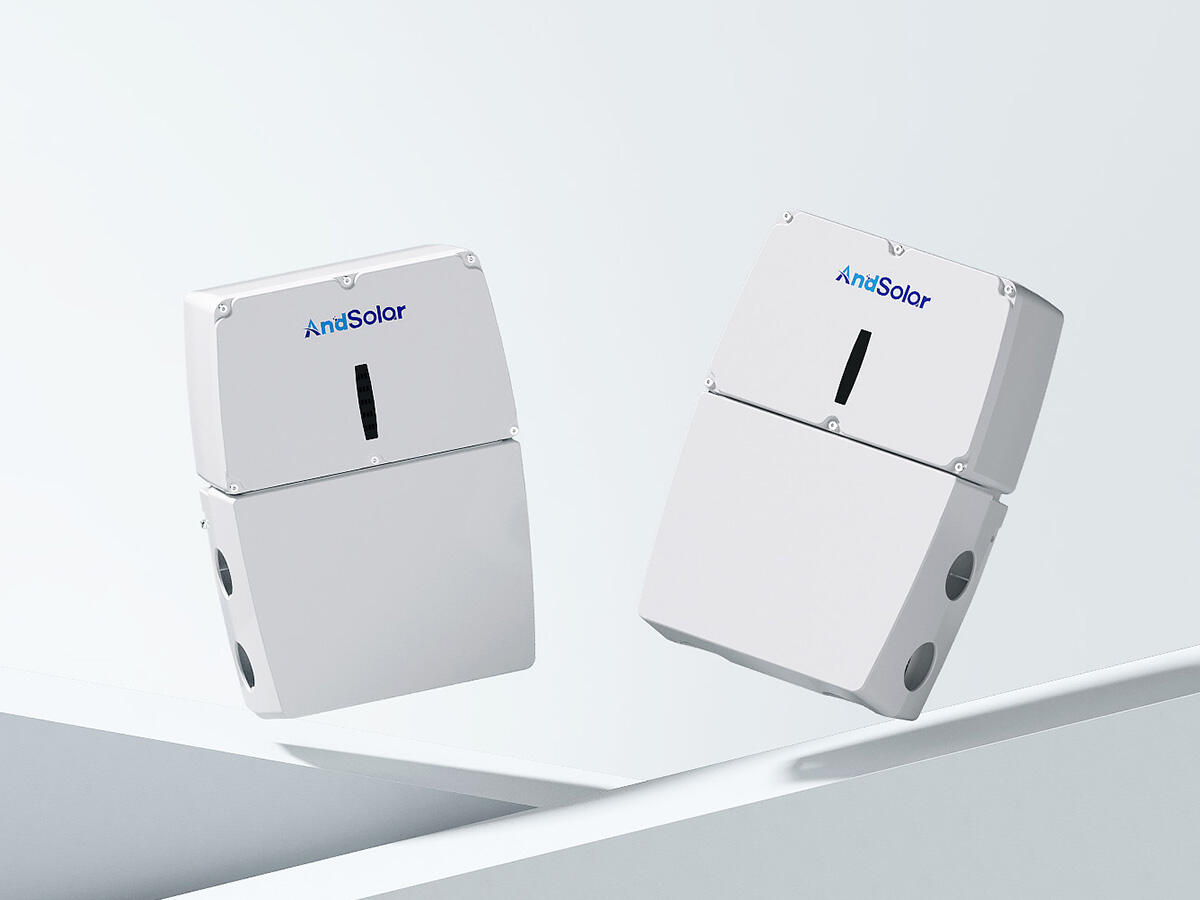
Inverter selection represents a critical decision point in residential solar power system design, as these devices convert direct current electricity produced by panels into alternating current compatible with household appliances and the utility grid. String inverters offer cost-effective solutions for straightforward installations with minimal shading and uniform panel orientation, consolidating conversion at a central location. Microinverters attached to individual panels provide superior performance in partially shaded conditions and complex roof layouts, though at higher upfront cost offset by enhanced monitoring capabilities and potential production gains.
Power optimizers represent a hybrid approach combining some benefits of microinverter systems with the cost structure closer to string inverters, conditioning direct current at the panel level before sending it to a centralized inverter. The choice among these architectures depends on specific site conditions, budget parameters, and performance priorities unique to each residential solar power system installation. Emerging technologies including battery storage integration and smart home energy management systems increasingly factor into inverter selection, as homeowners seek comprehensive solutions that optimize self-consumption, provide backup power during outages, and enable participation in utility demand response programs that can generate additional revenue streams.
Determining Optimal System Size and Configuration
Calculating Required Capacity Based on Energy Goals
Establishing appropriate system capacity represents a fundamental planning decision that balances energy offset goals against budget constraints and site limitations. Homeowners must decide whether their residential solar power system should target one hundred percent energy independence, a more modest fifty to seventy percent offset that captures the most economical portion of their consumption, or capacity designed primarily to eliminate peak-rate charges during afternoon hours. These goals directly influence required system size measured in kilowatts, which then determines the number of panels, inverter capacity, and installation complexity.
System sizing calculations incorporate multiple variables including average daily consumption, local solar resource availability, system losses from temperature effects and component inefficiencies, and desired backup capacity if battery storage is included. A typical residential solar power system targeting seventy-five percent annual energy offset for a household consuming thirty kilowatt-hours daily might require six to eight kilowatts of installed capacity depending on location, assuming four to five peak sun hours daily. Oversizing beyond consumption needs may seem attractive but often provides diminishing returns due to net metering compensation rates typically lower than retail electricity prices and utility interconnection policies that may limit system capacity relative to historical consumption.
Configuring Array Layout for Maximum Performance
Strategic array configuration optimizes residential solar power system performance within site constraints by carefully positioning panels to maximize sun exposure while accommodating roof features, setback requirements, and accessibility needs. Panel orientation and tilt angle significantly affect energy production, with deviations from optimal angles reducing output by five to twenty-five percent depending on the degree of misalignment. Planning must balance theoretical optimal angles against practical roof characteristics, as matching existing roof pitch typically proves more cost-effective than installing specialized racking to achieve ideal tilt.
String layout and electrical configuration affect both performance and safety compliance in residential solar power system installations. Panels connected in series create strings with cumulative voltage that must remain within inverter input specifications and National Electrical Code voltage limits for rooftop installations. Parallel string connections increase current capacity while maintaining manageable voltage levels, requiring careful conductor sizing and overcurrent protection design. Proper array configuration also considers future maintenance access, fire setback requirements mandated by building codes, and aesthetic preferences that may favor symmetric layouts or specific visual patterns visible from ground level or neighboring properties.
Navigating Financial Considerations and Incentive Programs
Analyzing Total System Costs and Financing Options
Comprehensive financial planning for a residential solar power system extends beyond simple equipment costs to encompass installation labor, permitting fees, utility interconnection charges, and ongoing maintenance expenses. Current market conditions place typical turnkey installation costs between two dollars fifty cents and three dollars fifty cents per watt, meaning a seven-kilowatt system represents an investment of seventeen thousand five hundred to twenty-four thousand five hundred dollars before incentives. Understanding this total investment requirement helps homeowners evaluate whether cash purchase, solar loans, home equity financing, or lease arrangements best align with their financial circumstances and ownership preferences.
Each financing approach carries distinct implications for residential solar power system economics and long-term value realization. Cash purchases provide immediate ownership, full incentive capture, and maximum lifetime savings but require substantial upfront capital. Solar loans enable ownership with monthly payments potentially offset by electricity savings, though interest costs reduce net financial benefits. Lease and power purchase agreements eliminate upfront costs but transfer ownership and associated incentives to third parties, typically delivering smaller lifetime savings while providing predictable energy costs. Careful analysis comparing total cost of ownership, tax implications, and alignment with personal financial goals guides selection among these financing alternatives.
Maximizing Available Tax Credits and Rebate Programs
Federal, state, and local incentive programs substantially improve residential solar power system economics by reducing net investment costs and accelerating payback periods. The federal Investment Tax Credit currently provides a thirty percent credit against income tax liability for qualified solar installations, representing potential savings of five thousand to seven thousand dollars on a typical residential system. This credit applies to both equipment and installation costs, with no maximum limit, making it the single most valuable incentive available to most homeowners considering solar adoption.
State and utility rebate programs, renewable energy certificates, and performance-based incentives vary widely by location but can provide additional thousands of dollars in value for residential solar power system installations. Some states offer additional tax credits, property tax exemptions preventing solar equipment from increasing assessed values, or sales tax exemptions on solar purchases. Utility companies may provide upfront rebates per installed watt, ongoing performance payments based on energy production, or premium compensation rates for solar electricity exported to the grid. Thorough research into available incentives specific to the installation location, combined with understanding timing requirements and application procedures, ensures homeowners capture maximum financial benefits from available programs that collectively may reduce net system costs by forty to fifty percent.
FAQ
How long does it typically take to plan and install a residential solar power system?
The complete timeline from initial planning through operational system typically spans two to four months for a residential solar power system. Initial consultation, site assessment, and custom system design require two to three weeks. Permitting and utility interconnection approval processes vary significantly by jurisdiction, ranging from two weeks in streamlined localities to eight weeks or longer in areas with more complex regulatory requirements. Physical installation typically completes within one to three days for standard residential systems, followed by final inspections and utility approval to energize the system. Homeowners can expedite timelines by promptly responding to information requests, ensuring roof access, and addressing any electrical service upgrades identified during planning stages.
Can a residential solar power system function during power outages?
Standard grid-tied residential solar power systems automatically shut down during utility outages for safety reasons, preventing solar electricity from back-feeding into grid lines that utility workers assume are de-energized. This anti-islanding protection is required by electrical codes and utility interconnection agreements. Homeowners seeking backup power capability during outages must incorporate battery storage systems with specialized inverters that can isolate the home from the grid and power critical loads using stored solar energy and real-time solar production. These hybrid systems add substantial cost but provide energy security and independence beyond the economic benefits of grid-tied solar alone, making them increasingly popular in regions experiencing frequent or extended outages.
What maintenance does a residential solar power system require?
Residential solar power systems require minimal ongoing maintenance compared to most home mechanical systems, contributing to their strong long-term value proposition. Primary maintenance needs include periodic cleaning to remove dust, pollen, leaves, and other debris that can reduce panel efficiency by five to twenty percent depending on local conditions and rainfall patterns. Many homeowners in areas with regular rainfall find natural cleaning sufficient, while those in arid regions may benefit from annual or semi-annual washing. Annual inspections checking electrical connections, mounting hardware integrity, and inverter performance help identify minor issues before they escalate into costly repairs. Monitoring system production through inverter displays or smartphone apps enables homeowners to quickly detect performance anomalies indicating potential problems requiring professional attention.
How do changing utility rate structures affect residential solar power system economics?
Utility rate structures significantly influence residential solar power system financial performance and optimal sizing decisions. Time-of-use rates that charge premium prices during afternoon and evening peaks favor solar production patterns, improving economics even with less favorable net metering policies. Conversely, flat-rate structures provide consistent value regardless of when solar production occurs. Net metering policies allowing homeowners to receive retail credit for excess solar electricity exported to the grid create most favorable conditions for residential solar power systems, while utilities transitioning to net billing or buy-back rates substantially below retail prices reduce the financial benefit of oversized systems. Demand charges based on peak monthly power draw rather than total consumption may require battery storage to capture full value. Homeowners should design systems considering both current rates and anticipated policy changes communicated in utility integrated resource plans or regulatory proceedings.
Table of Contents
- Understanding Your Energy Consumption Profile
- Evaluating Site Characteristics and Solar Resource Availability
- Selecting Appropriate System Components and Technology
- Determining Optimal System Size and Configuration
- Navigating Financial Considerations and Incentive Programs
-
FAQ
- How long does it typically take to plan and install a residential solar power system?
- Can a residential solar power system function during power outages?
- What maintenance does a residential solar power system require?
- How do changing utility rate structures affect residential solar power system economics?
