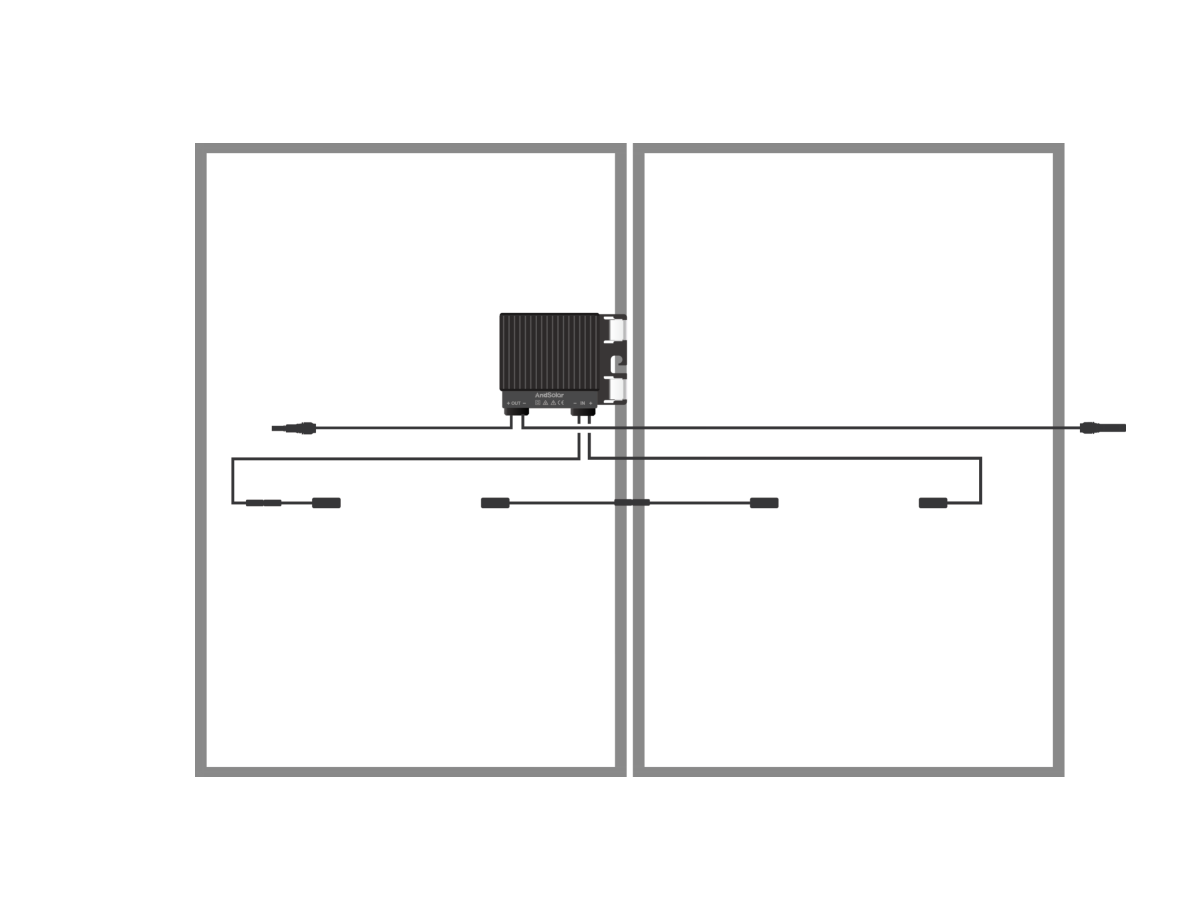
Making a solar investment represents one of the most significant financial decisions for homeowners and businesses seeking energy independence and long-term cost savings. The foundation of maximizing returns on this investment lies in selecting the optimal solar panel and inverter combo that aligns with your specific energy requirements, local climate conditions, and long-term performance expectations. Understanding how these two critical components work together determines not only your system's immediate efficiency but also its durability, maintenance costs, and overall return on investment over the typical 25-year lifespan of solar installations.
The relationship between solar panels and inverters operates as a synergistic partnership where panel efficiency, voltage output, and power generation characteristics must harmonize with inverter capacity, conversion efficiency, and voltage range capabilities. Many solar investors experience suboptimal returns because they focus exclusively on panel wattage ratings without considering how inverter compatibility, sizing ratios, and advanced features like Maximum Power Point Tracking affect actual energy harvest. This comprehensive guide explains the strategic approach to selecting and configuring your solar panel and inverter combo to extract maximum value from every dollar invested in your renewable energy system.
Understanding the Critical Relationship Between Solar Panels and Inverters
How Solar Panels and Inverters Function as an Integrated System
Solar panels generate direct current electricity through photovoltaic cells that convert sunlight into usable power, but this DC electricity cannot directly power standard household appliances or feed into the electrical grid. The inverter serves as the essential conversion bridge, transforming DC power from panels into alternating current that matches grid specifications and powers your electrical devices. When evaluating a solar panel and inverter combo, recognize that the inverter must handle the panel array's voltage range, current characteristics, and power output variations throughout different weather conditions and times of day.
The efficiency of this conversion process directly impacts your financial returns, as every percentage point of inverter efficiency translates to tangible differences in energy production over decades of operation. Modern high-quality inverters achieve conversion efficiencies between 96% and 99%, meaning minimal energy loss during the DC-to-AC transformation. However, inverter efficiency varies with load conditions, operating temperature, and input voltage levels, making the matching process between panels and inverters more complex than simply comparing specification sheets.
Your solar panel and inverter combo must also account for the voltage window where inverters operate most efficiently, typically called the Maximum Power Point Tracking range. Panels configured in series create cumulative voltage that must fall within this MPPT window across varying temperatures and irradiance levels. When panels operate outside this optimal range due to poor system design, you forfeit potential energy production even on sunny days, directly reducing your investment returns through reduced electricity generation.
The Financial Impact of Proper Component Matching
Mismatched solar panel and inverter combo configurations create multiple pathways for financial loss that compound over your system's operational lifetime. Undersized inverters create clipping losses during peak production hours when panels generate maximum power but the inverter cannot process the full output, essentially wasting available sunlight. Conversely, oversized inverters operate at lower efficiency points during typical production periods, reducing conversion efficiency and increasing the payback period for your solar investment.
The inverter-to-panel ratio, commonly called the DC-to-AC ratio, typically ranges from 1.1 to 1.3 in professionally designed systems, meaning panel capacity exceeds inverter capacity by 10% to 30%. This strategic oversizing acknowledges that panels rarely produce their rated maximum capacity simultaneously due to temperature effects, soiling, angle variations, and irradiance conditions. Properly calculated ratios ensure your inverter operates at optimal efficiency during typical production periods while accepting minor clipping during rare peak production moments, balancing maximum energy harvest against equipment costs.
Beyond immediate efficiency considerations, your solar panel and inverter combo selection affects maintenance costs, warranty alignment, and system expandability. Premium inverters with advanced monitoring capabilities enable proactive maintenance that prevents minor issues from becoming expensive failures, while warranty periods that match panel lifespans protect your long-term investment. Systems designed with future expansion capacity allow cost-effective upgrades as energy needs grow, avoiding the substantial expense of complete system replacements.
Strategic Selection Criteria for Optimal Solar Panel and Inverter Combinations
Matching Panel Technology to Inverter Capabilities
Different solar panel technologies exhibit distinct electrical characteristics that influence inverter selection and overall system performance. Monocrystalline panels typically deliver higher efficiency ratings and better temperature coefficients, maintaining stronger performance during hot weather when panel temperatures exceed standard test conditions. These characteristics affect the voltage and current profiles your inverter must accommodate, particularly in climates with significant temperature variations throughout the year.
The temperature coefficient of your panels directly impacts string voltage calculations essential for proper solar panel and inverter combo design. As panel temperatures rise above 25°C, voltage output decreases according to the temperature coefficient, typically around negative 0.3% to negative 0.5% per degree Celsius. In hot climates where panel temperatures reach 65°C or higher, this voltage depression significantly affects the array's operating point relative to the inverter's MPPT range, potentially pushing the system outside optimal efficiency zones during peak production hours.
Panel power tolerance specifications also influence system design and performance expectations. Panels rated at 400W with a positive tolerance of 0 to +5W guarantee minimum 400W output, while negative tolerance ratings mean some panels may produce less than their nameplate rating. When designing your solar panel and inverter combo, accounting for these tolerance variations ensures your inverter sizing calculations reflect realistic rather than theoretical maximum power levels, preventing unexpected performance shortfalls.
Evaluating Inverter Architecture for Your Application
String inverters, microinverters, and power optimizers represent distinct architectural approaches to the solar panel and inverter combo, each offering specific advantages depending on installation conditions, shading patterns, and system scale. String inverters connect multiple panels in series to create higher voltage DC strings that feed into a centralized conversion unit, offering excellent efficiency and cost-effectiveness for unshaded roofs with uniform orientation. This traditional approach works exceptionally well when all panels receive similar sunlight exposure throughout the day, allowing the entire array to operate at a common maximum power point.
Microinverter systems attach individual inverters to each solar panel, enabling panel-level power optimization and monitoring that benefits installations facing shading challenges, multiple roof orientations, or complex architectural features. While microinverters increase upfront equipment costs, they eliminate string-level production constraints where one shaded panel reduces the entire string's output. For maximizing solar investment returns on challenging sites, the additional expense often justifies itself through increased energy harvest and simplified troubleshooting when individual panels underperform.
Power optimizer systems represent a hybrid approach, installing DC-to-DC converters at each panel that condition power before sending it to a central string inverter. This architecture captures many benefits of panel-level optimization while maintaining the efficiency and cost advantages of string inverters. When evaluating your solar panel and inverter combo options, consider how shading patterns, roof complexity, and monitoring requirements align with each architecture's strengths to maximize long-term value rather than simply minimizing initial costs.
Advanced Features That Enhance Investment Returns
Modern inverters incorporate sophisticated features beyond basic DC-to-AC conversion that significantly impact your solar investment's financial performance. Advanced MPPT algorithms track changing optimal operating points with greater precision and speed, extracting additional energy during variable weather conditions when clouds create rapidly shifting irradiance levels. Premium inverters update MPPT calculations multiple times per second, ensuring panels operate at maximum efficiency even during partly cloudy conditions that reduce production in systems with slower tracking capabilities.
Comprehensive monitoring and diagnostic capabilities transform your solar panel and inverter combo from a passive generation system into an actively managed energy asset. Real-time production monitoring, string-level current sensing, and ground fault detection enable immediate identification of performance anomalies, equipment failures, or degradation patterns. Early detection of issues like failing panels, connection problems, or inverter component wear prevents minor problems from evolving into major production losses, protecting your investment returns through proactive rather than reactive maintenance.
Grid support functions and smart grid integration capabilities increasingly influence solar system value as utilities implement time-of-use rates, demand charges, and interconnection requirements. Inverters with configurable power factor control, reactive power injection, and voltage regulation capabilities help systems comply with evolving grid codes while potentially unlocking additional revenue streams through grid service participation. As electricity markets evolve toward dynamic pricing and distributed energy resources, these advanced inverter features may significantly enhance long-term investment returns beyond simple energy generation value.
Sizing and Configuration Strategies for Maximum Performance
Calculating Optimal DC-to-AC Ratios for Your Location
The strategic oversizing of panel capacity relative to inverter rating represents one of the most impactful decisions in solar system design, directly affecting both energy production and equipment costs. Your optimal DC-to-AC ratio depends on local climate characteristics, panel orientation, tilt angle, and seasonal irradiance patterns. Locations with frequent morning fog, afternoon clouds, or significant seasonal variation benefit from higher ratios that ensure inverters operate near rated capacity during typical conditions, even though rare peak production moments experience clipping.
Analyzing historical solar resource data for your specific location enables data-driven ratio selection rather than relying on generic industry rules. If local conditions rarely produce irradiance levels that would drive panels to rated capacity, a higher DC-to-AC ratio of 1.25 or 1.30 maximizes inverter utilization without significant clipping losses. Conversely, locations with consistently strong irradiance and minimal atmospheric interference may optimize returns with more conservative ratios around 1.10 to 1.15, balancing maximum energy capture against inverter capacity constraints.
Your solar panel and inverter combo sizing must also account for system degradation over its operational lifetime. Panels typically lose 0.5% to 0.8% of capacity annually, meaning a system producing at its inverter's rated capacity in year one will have excess inverter capacity in later years as panel output declines. Strategic oversizing ensures inverters continue operating near optimal efficiency throughout the system's 25-year lifespan, maintaining strong performance and financial returns even as panels gradually degrade.
String Configuration and Voltage Management
Proper string design ensures your panel array's voltage characteristics remain within the inverter's MPPT window across all operating temperatures and conditions. This requires calculating minimum and maximum string voltages considering the coldest expected morning temperatures when voltage peaks and the hottest afternoon conditions when voltage reaches its minimum. Strings designed without adequate temperature-based voltage analysis may operate outside the MPPT range during temperature extremes, sacrificing energy production during otherwise excellent generation conditions.
The number of panels per string affects not only voltage matching but also current characteristics and wire sizing requirements. Longer strings with more panels in series reduce current levels, enabling smaller wire gauges that decrease material costs and voltage drop losses. However, excessively long strings may push voltage beyond inverter input limits during cold conditions, requiring careful balance between electrical optimization and equipment protection. Your solar panel and inverter combo design must harmonize these competing factors to achieve maximum efficiency within safety constraints.
Multiple string configurations enable customization for complex roof layouts, mixed panel orientations, or phased installation approaches. Inverters with multiple MPPT inputs allow strings with different characteristics to operate independently, each tracked at its optimal power point regardless of variations between strings. This flexibility proves valuable when expansion occurs years after initial installation, mixing newer panel models with different electrical specifications alongside original panels while maintaining strong overall system performance.
Accounting for Future Expansion and Technology Evolution
Strategic solar investment planning considers not just immediate energy needs but potential future capacity additions as consumption patterns evolve or new electrical loads emerge. Selecting a solar panel and inverter combo with expansion capacity built into the initial design avoids expensive retrofits or premature equipment replacement. Inverters with unused MPPT inputs, higher maximum DC input ratings, or modular architectures enable cost-effective capacity additions when circumstances change.
Technology evolution in both panels and inverters affects long-term investment optimization strategies. Panel efficiency improvements mean future additions may generate equivalent power from fewer panels with different voltage and current characteristics than your original array. Designing initial installations with flexible string configurations and selecting inverters with wide input voltage ranges accommodates future panel technology without requiring inverter replacement, protecting your initial equipment investment while enabling performance upgrades.
Battery storage integration represents an increasingly common expansion pathway as storage costs decline and utility rate structures evolve. Some modern inverters include DC coupling capabilities, battery management functions, or hybrid designs that simplify future storage integration compared to AC-coupled approaches requiring additional equipment. Considering potential storage addition during initial solar panel and inverter combo selection positions your system for cost-effective capability expansion when battery integration makes financial sense for your specific situation.
Financial Analysis and Return Optimization Methods
Lifecycle Cost Analysis Beyond Initial Purchase Price
Maximizing solar investment returns requires comprehensive financial analysis extending beyond equipment purchase prices to encompass installation costs, operational expenses, maintenance requirements, and performance degradation over decades of operation. Premium solar panel and inverter combo selections with higher initial costs frequently deliver superior long-term value through better efficiency, longer warranties, lower maintenance requirements, and slower performance degradation. Comparing levelized cost of energy across different equipment options reveals the true economic picture rather than simply minimizing upfront expenditure.
Inverter replacement costs represent a significant lifecycle expense since inverters typically require replacement after 10 to 15 years while panels continue operating for 25 to 30 years. Factoring replacement costs into initial equipment selection influences optimal spending allocation between panels and inverters. Spending moderately more on extended warranty coverage or inverters with proven reliability records may deliver better overall value than choosing minimum-cost options requiring earlier replacement and incurring additional labor expenses for equipment changeout.
Maintenance and monitoring costs vary substantially between different solar panel and inverter combo architectures and equipment quality levels. Systems with comprehensive remote monitoring capabilities reduce site visit requirements by enabling remote troubleshooting and performance verification. This translates to lower operational costs over system lifetime, particularly for commercial installations or residential systems in remote locations where service calls involve substantial travel time and expenses. Including these operational considerations in financial analysis often justifies higher initial spending on monitoring-enabled equipment.
Incentive Optimization and Financing Considerations
Available incentive programs significantly impact optimal system sizing and equipment selection strategies. Investment tax credits based on total system cost reward higher-quality equipment selections, effectively reducing the net cost difference between premium and budget options. Performance-based incentives that pay according to actual energy production strongly favor efficient solar panel and inverter combo selections that maximize generation, potentially offsetting higher equipment costs through increased incentive payments over the qualification period.
Net metering policies and utility rate structures influence optimal system sizing relative to consumption patterns. Locations with full retail-rate net metering and no monthly capacity charges favor larger systems that maximize annual generation, even if production significantly exceeds consumption during certain periods. Conversely, utilities imposing demand charges, time-of-use rates, or reduced export compensation rates may optimize returns with smaller, precisely sized systems that minimize grid interaction while meeting on-site consumption needs.
Financing structures affect optimal equipment selection through their impact on cash flow and tax implications. Direct purchase options benefit from immediate investment tax credit realization and full depreciation benefits for commercial systems. Loan financing extends the payback period but may enable larger system installations that deliver greater long-term value. Lease and power purchase agreements shift optimization priorities toward operational performance rather than upfront cost minimization since the financing entity rather than the property owner realizes equipment depreciation and tax benefits.
Performance Guarantees and Risk Mitigation
Comprehensive warranty coverage protects your solar investment against equipment failure, performance degradation, and premature replacement costs. When evaluating solar panel and inverter combo options, examine not just warranty duration but coverage specifics, claim procedures, manufacturer financial stability, and historical claim fulfillment rates. Lengthy warranty periods provide limited value if manufacturers become insolvent or if claim processes involve extensive exclusions and customer-borne diagnostic costs.
Performance guarantees that specify minimum energy production levels shift risk from system owners to installers or equipment manufacturers. These guarantees prove particularly valuable for commercial installations where energy production directly impacts business operating costs and financial projections. However, guarantee terms require careful review to understand measurement methodologies, weather normalization approaches, and remedy mechanisms when actual production falls short of guaranteed levels.
Insurance considerations affect total cost of ownership and risk exposure. Standard property insurance may not adequately cover solar installations, requiring specific solar equipment endorsements or separate policies. Premium equipment with better reliability records and comprehensive warranties may qualify for lower insurance rates, offsetting higher initial costs through reduced annual premiums over the system's operational life. Including insurance costs in lifecycle financial analysis ensures accurate comparison between equipment options at different price and quality levels.
Installation Quality and Ongoing Optimization
Critical Installation Practices That Affect Long-Term Performance
Even the highest-quality solar panel and inverter combo delivers disappointing returns when installation quality falls short of professional standards. Proper electrical connections, appropriate wire sizing, effective grounding, and protection against environmental exposure all influence system reliability, safety, and longevity. Loose connections create resistance that generates heat, wastes energy, and accelerates component degradation. Inadequate grounding creates shock hazards and leaves equipment vulnerable to lightning damage. Insufficient protection against moisture infiltration leads to corrosion that causes premature failures.
Inverter placement decisions significantly impact performance and lifespan since operating temperature directly affects efficiency and component longevity. Inverters installed in direct sunlight, poorly ventilated spaces, or locations exposed to temperature extremes experience accelerated wear and reduced conversion efficiency. Strategic placement in shaded, well-ventilated locations with moderate temperature ranges extends equipment life and maintains optimal efficiency, protecting your investment through reduced replacement frequency and sustained performance.
Structural considerations ensure your solar installation withstands environmental forces throughout its operational lifetime without damaging roofing systems or compromising building integrity. Proper flashing around roof penetrations prevents water infiltration that causes rot, mold, and structural damage far exceeding solar equipment value. Adequate structural attachment withstands wind loads without panel loss or roof damage during severe weather. These installation quality factors determine whether your solar panel and inverter combo delivers expected returns or creates expensive problems requiring remediation.
Commissioning Procedures and Performance Verification
Thorough system commissioning verifies that installed equipment operates according to design specifications and manufacturer requirements. Comprehensive commissioning includes measuring string voltages and currents, verifying MPPT operation across the full power range, confirming proper grid synchronization, and validating monitoring system accuracy. This systematic verification identifies installation errors, configuration mistakes, or equipment defects before they impact long-term production and investment returns.
Baseline performance documentation established during commissioning provides the reference standard for ongoing performance monitoring and degradation tracking. Recording initial efficiency metrics, power quality measurements, and generation patterns enables meaningful comparison as systems age. Without accurate baseline data, distinguishing normal seasonal variation from actual performance degradation becomes difficult, potentially delaying detection of issues requiring correction to maintain optimal returns from your solar panel and inverter combo.
Installer certification and workmanship warranties provide additional protection for your investment beyond equipment manufacturer coverage. Certified installers demonstrate competency in system design, electrical work, and safety practices through industry-recognized credentialing programs. Workmanship warranties covering labor and installation quality for periods of five to ten years protect against defects in installation that might not manifest immediately but cause problems years after completion when original contractors may be difficult to locate or hold accountable.
Maintenance Programs and Performance Monitoring
Regular maintenance preserves optimal performance and extends equipment lifespan, protecting solar investment returns throughout the system's operational life. Panel cleaning in dusty or pollen-heavy environments restores production lost to soiling, potentially improving output by 5% to 25% depending on accumulation levels and local rainfall patterns. Periodic connection inspections identify loosening hardware or corrosion before problems cause failures or safety hazards. Inverter filter cleaning and ventilation verification maintain proper cooling that prevents thermal stress and premature component failure.
Continuous performance monitoring enables immediate detection of production anomalies that indicate equipment problems or degradation requiring attention. Modern monitoring systems track individual string performance, compare actual production against weather-adjusted expectations, and generate alerts when deviations exceed normal ranges. This proactive approach to system management identifies problems like inverter malfunctions, panel failures, or connection issues within hours or days rather than months, minimizing production losses and maximizing returns from your solar panel and inverter combo investment.
Periodic professional inspections by qualified technicians complement continuous automated monitoring through hands-on examination of physical conditions, electrical measurements, and thermal imaging to identify developing problems. Thermographic surveys reveal hot spots indicating electrical resistance or failing components before complete failure occurs. Electrical testing verifies proper grounding, appropriate voltage levels, and connection integrity. These preventive maintenance investments pay dividends through extended equipment life, sustained efficiency, and prevention of catastrophic failures requiring expensive emergency repairs.
FAQ
What is the most important factor when choosing a solar panel and inverter combo?
The most critical factor is ensuring electrical compatibility between panel output characteristics and inverter input specifications across all operating conditions. This means verifying that string voltage remains within the inverter's Maximum Power Point Tracking range from the coldest morning to the hottest afternoon, that total panel current does not exceed inverter input limits, and that the DC-to-AC ratio optimizes inverter utilization for your specific location's solar resource patterns. Compatibility matching directly determines how much of the available solar energy your system converts to usable electricity, fundamentally impacting investment returns throughout the system's operational lifetime.
Should I prioritize spending more on panels or the inverter?
Optimal budget allocation depends on your specific situation, but generally, balanced investment in quality components for both panels and inverters delivers the best long-term value. High-efficiency panels maximize production from limited roof space and maintain better performance in hot weather, while premium inverters with advanced MPPT algorithms, comprehensive monitoring, and robust construction extract more energy from panels and require less frequent replacement. Since panels typically last 25 to 30 years while inverters need replacement after 10 to 15 years, ensuring your initial inverter selection includes features supporting long-term value like excellent efficiency, reliable performance, and comprehensive monitoring capabilities protects your investment throughout multiple inverter lifecycles.
How much can proper system design improve returns compared to basic installations?
Optimized solar panel and inverter combo design typically improves energy production by 10% to 20% compared to poorly matched systems, directly translating to proportional increases in financial returns and shortened payback periods. Strategic DC-to-AC ratio selection, proper string voltage design, appropriate inverter architecture for site conditions, and professional installation practices combine to maximize energy harvest while minimizing maintenance costs and equipment failures. Over a 25-year system lifetime, these design optimizations often represent tens of thousands of dollars in additional value through increased production, reduced operational costs, and avoided premature equipment replacement expenses.
When does it make sense to use microinverters instead of string inverters?
Microinverter systems deliver optimal value for installations facing significant shading challenges, complex roof geometries requiring multiple panel orientations, or situations where panel-level monitoring provides important benefits. While microinverters cost more initially, they eliminate production losses from string-level shading effects where one shaded panel reduces the entire string's output. They also simplify future expansion since adding panels does not require reconfiguring existing strings or considering voltage compatibility with different panel models. For straightforward installations with minimal shading and uniform panel orientation, quality string inverters typically provide better value through lower costs and excellent efficiency, making microinverters most beneficial when site conditions or monitoring requirements specifically justify their premium pricing.
Table of Contents
- Understanding the Critical Relationship Between Solar Panels and Inverters
- Strategic Selection Criteria for Optimal Solar Panel and Inverter Combinations
- Sizing and Configuration Strategies for Maximum Performance
- Financial Analysis and Return Optimization Methods
- Installation Quality and Ongoing Optimization
-
FAQ
- What is the most important factor when choosing a solar panel and inverter combo?
- Should I prioritize spending more on panels or the inverter?
- How much can proper system design improve returns compared to basic installations?
- When does it make sense to use microinverters instead of string inverters?
