
Commercial and industrial facilities face mounting pressure to control operational expenses while meeting sustainability targets and navigating volatile energy markets. Energy costs typically represent one of the largest line items in operational budgets, consuming between 15% to 30% of total operating expenses for manufacturing plants, warehouses, and large commercial buildings. Traditional grid-supplied electricity exposes businesses to price fluctuations, demand charges, and regulatory uncertainties that make long-term financial planning increasingly difficult. This economic reality has driven forward-thinking organizations to explore alternative energy strategies that offer predictable costs, operational independence, and competitive advantages in their respective markets.
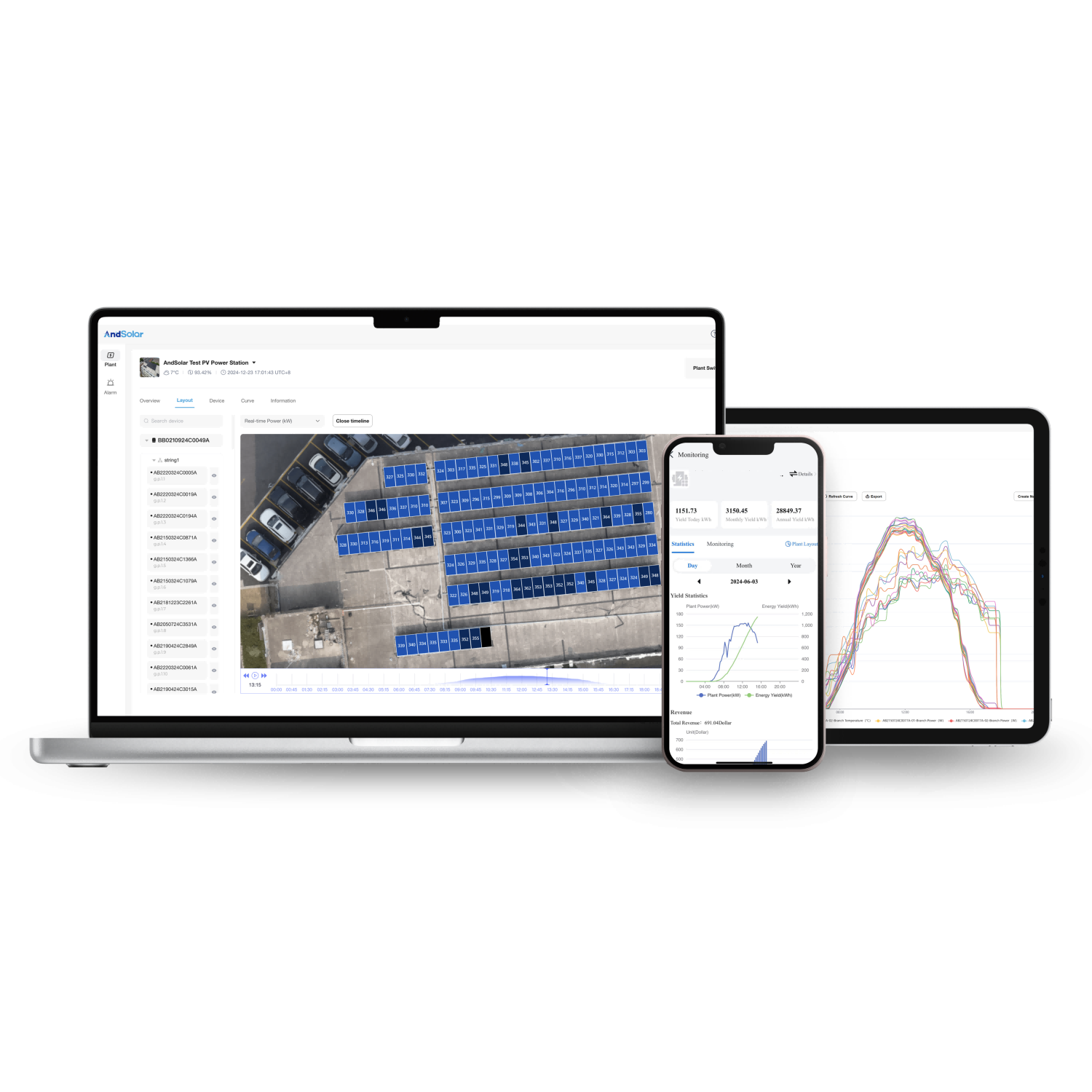
Solar energy systems designed specifically for commercial and industrial applications have emerged as a proven solution to these challenges, delivering substantial reductions in operational energy costs while providing additional business benefits. C&I Solar Solutions address the unique requirements of large-scale energy consumers through scalable infrastructure, sophisticated monitoring systems, and financial structures that align with corporate investment criteria. Understanding why these solutions have become essential for cost reduction requires examining the fundamental economics of commercial energy consumption, the specific mechanisms through which solar installations generate savings, and the broader operational advantages that extend beyond simple utility bill reductions.
The Economic Drivers Behind Rising Commercial Energy Costs
Grid Electricity Price Volatility and Long-Term Trends
Commercial electricity rates have demonstrated consistent upward trends across most markets over the past two decades, with average annual increases ranging from 2% to 5% depending on regional market conditions and regulatory environments. This sustained price escalation compounds operational expenses over time, creating significant financial pressure on businesses with high energy consumption profiles. Grid electricity pricing reflects complex factors including fuel costs for conventional generation, transmission infrastructure investments, regulatory compliance expenses, and market demand dynamics that remain largely beyond the control of individual commercial consumers.
Manufacturing facilities, data centers, cold storage warehouses, and large retail operations experience particularly acute impacts from electricity price volatility due to their substantial baseline consumption requirements. These operations cannot easily reduce energy usage without compromising production capacity or service quality, leaving them exposed to market fluctuations. The unpredictability of future electricity costs complicates financial forecasting, capital planning, and competitive pricing strategies for businesses operating on tight margins. C&I Solar Solutions provide a hedge against this volatility by generating electricity at predictable costs determined primarily by the initial capital investment rather than ongoing fuel or market-driven expenses.
Demand Charges and Peak Consumption Penalties
Beyond basic kilowatt-hour consumption charges, commercial and industrial electricity tariffs typically include demand charges based on peak power consumption during billing periods. These demand charges can account for 30% to 70% of total electricity bills for many facilities, penalizing businesses for their highest instantaneous power draw regardless of overall consumption patterns. A single spike in electricity demand lasting just 15 minutes can establish the demand charge baseline for an entire month, creating disproportionate financial impacts from operational events like equipment startups, process intensification, or seasonal cooling requirements.
Traditional energy management strategies offer limited effectiveness in controlling demand charges without disrupting operations or requiring significant behavioral changes across workforce activities. C&I Solar Solutions address this challenge by providing on-site generation capacity that reduces net grid consumption during peak demand periods, directly lowering the measured peak that determines demand charges. When properly sized and integrated with consumption profiles, solar installations can shave peak demand substantially, generating savings that compound with reduced energy consumption charges. Advanced systems incorporating battery storage further enhance demand charge reduction capabilities by providing dispatchable capacity precisely when grid consumption would otherwise spike.
Regulatory Compliance and Carbon Pricing Pressures
Increasing regulatory requirements around carbon emissions, sustainability reporting, and environmental performance create additional economic pressures on commercial energy consumption. Carbon pricing mechanisms, renewable energy mandates, and emissions disclosure requirements translate environmental impacts into direct financial costs or competitive disadvantages for businesses relying exclusively on conventional grid electricity. Many jurisdictions have implemented or announced plans for carbon taxes, cap-and-trade systems, or renewable portfolio standards that effectively increase the true cost of fossil-fuel-generated electricity.
Corporate sustainability commitments, investor expectations, and customer preferences further reinforce the business case for reducing carbon-intensive energy consumption. Companies with high grid electricity usage face growing pressure to demonstrate environmental responsibility through measurable emissions reductions and renewable energy adoption. C&I Solar Solutions directly address these regulatory and market pressures by displacing grid consumption with zero-emission generation, improving sustainability metrics while simultaneously reducing operational costs. The dual benefit of cost savings and environmental performance improvement makes solar adoption increasingly essential for maintaining competitive positioning in markets where sustainability has become a business-critical differentiator.
Mechanisms Through Which Solar Solutions Reduce Operational Costs
Displacement of High-Cost Grid Electricity Consumption
The most direct mechanism for cost reduction involves displacing purchased grid electricity with solar-generated power at a lower levelized cost of energy. Once installed, C&I Solar Solutions produce electricity with minimal ongoing operational expenses, primarily consisting of routine maintenance, monitoring, and occasional component replacement. The levelized cost of solar energy—the total lifetime cost divided by total energy production—typically ranges from one-third to one-half the cost of equivalent grid electricity in most commercial applications, creating immediate and sustained savings throughout the system lifetime.
This cost advantage becomes more pronounced over time as grid electricity prices continue rising while solar generation costs remain essentially fixed after installation. A commercial facility installing solar capacity today locks in energy costs for 25 to 30 years at rates determined by current capital costs, effectively immunizing a portion of operational expenses from future market volatility. The financial value of this cost certainty extends beyond simple dollar savings to include improved budget predictability, enhanced financial planning accuracy, and reduced exposure to energy market risks that can materially impact business performance during periods of price instability.
Time-of-Use Rate Optimization and Peak Shaving
Commercial electricity tariffs frequently incorporate time-of-use pricing structures that charge significantly higher rates during peak demand periods, typically corresponding to afternoon and early evening hours when overall grid load reaches maximum levels. Solar generation profiles align naturally with these peak pricing periods in most climates, producing maximum output during mid-day and afternoon hours when electricity prices are highest. This temporal alignment between solar production and premium pricing periods amplifies the financial value of each kilowatt-hour generated, creating savings that exceed the simple average utility rate difference.
Facilities with significant daytime operations benefit particularly from this peak-period generation, as solar production directly offsets the most expensive grid consumption. Manufacturing plants, office buildings, retail centers, and educational institutions typically experience peak energy demand during business hours when solar production is strongest, maximizing the economic value of on-site generation. C&I Solar Solutions equipped with intelligent energy management systems can further optimize this value by coordinating solar production with controllable loads, battery storage systems, and grid interaction to minimize peak-period consumption systematically. The resulting reduction in both energy charges and demand charges produces combined savings that substantially exceed what basic consumption displacement alone would achieve.
Reduced Transmission and Distribution Costs
Grid electricity pricing includes substantial charges for transmission and distribution infrastructure that delivers power from distant generation facilities to end-use locations. These charges reflect the capital costs, operational expenses, and efficiency losses associated with moving electricity across long distances through complex networks of substations, transformers, and distribution lines. On-site solar generation eliminates or reduces these transmission and distribution costs by producing power at the point of consumption, avoiding the infrastructure expenses and line losses inherent in centralized generation models.
The value of avoiding transmission and distribution charges varies by jurisdiction and rate structure but typically represents 20% to 40% of total electricity costs for commercial consumers. C&I Solar Solutions capture this value by displacing grid-delivered electricity with locally generated power, effectively removing transmission infrastructure from the energy supply chain for solar-generated kilowatt-hours. In markets with particularly high transmission costs or aging infrastructure requiring significant upgrade investments, the avoided transmission component of solar value can equal or exceed the avoided generation cost component, substantially enhancing the overall economic case for on-site solar deployment.
Financial Structures That Enhance Solar Cost Reduction Value
Power Purchase Agreements and Operational Expense Models
The evolution of solar financing structures has made C&I Solar Solutions accessible to businesses regardless of capital availability or tax position. Power purchase agreements allow organizations to host solar installations with zero upfront investment, purchasing the generated electricity at predetermined rates typically 10% to 30% lower than grid electricity. This financing approach converts solar adoption from a capital expense requiring significant initial investment into an operational expense that generates immediate cash flow benefits while preserving capital for core business activities.
Solar-as-a-service models further reduce barriers to adoption by bundling installation, maintenance, monitoring, and performance guarantees into comprehensive service agreements with simple per-kilowatt-hour pricing. These structures appeal particularly to organizations with limited technical expertise in energy systems or those preferring to focus internal resources on core competencies rather than energy infrastructure management. The operational expense treatment of these agreements aligns with corporate preferences for flexibility, predictability, and minimal balance sheet impact while still delivering substantial energy cost reductions throughout contract terms that typically span 15 to 25 years.
Investment Tax Credits and Accelerated Depreciation Benefits
Organizations choosing direct ownership of C&I Solar Solutions access significant tax benefits that dramatically improve project economics and accelerate payback periods. Federal investment tax credits currently provide immediate tax liability reduction equal to 30% of total system costs, effectively reducing the net capital requirement by nearly one-third. This substantial upfront benefit shortens payback periods, improves return on investment metrics, and makes solar projects competitive with alternative capital deployment opportunities across diverse business contexts.
Accelerated depreciation provisions allow businesses to recover the remaining system cost rapidly through tax deductions over five to six years rather than the 25-plus year operational lifetime of the equipment. This accelerated cost recovery generates significant cash flow benefits in the early years of system operation, further improving project financial performance and internal rate of return calculations. The combination of investment tax credits and accelerated depreciation typically reduces the effective net cost of C&I Solar Solutions by 50% or more for businesses with adequate tax liability, transforming solar from a long-term strategic investment into a near-term financial optimization with compelling returns even under conservative energy price assumptions.
Green Financing and Sustainability-Linked Credit Terms
The growing emphasis on environmental, social, and governance criteria in financial markets has created new funding mechanisms specifically designed to support sustainable infrastructure investments including solar energy systems. Green bonds, sustainability-linked loans, and specialized renewable energy credit facilities offer favorable interest rates, extended terms, and flexible structures that recognize the long-term value creation and risk reduction characteristics of C&I Solar Solutions. These financing options access capital pools specifically allocated for environmental benefits, often at costs below conventional commercial lending rates.
Organizations with strong sustainability commitments can leverage solar investments to improve overall credit terms across their capital structures through sustainability-linked financing arrangements that tie interest rates to environmental performance metrics. By incorporating renewable energy adoption targets into corporate financing agreements, businesses can reduce borrowing costs across all debt instruments while simultaneously funding solar deployments that reduce operational energy costs. This dual benefit creates a virtuous cycle where environmental performance improvements drive both operational cost savings and capital cost reductions, compounding the financial advantages of C&I Solar Solutions beyond the direct energy savings alone.
Operational Advantages Beyond Direct Energy Cost Savings
Energy Security and Supply Reliability Enhancement
On-site solar generation provides a degree of energy independence that enhances operational resilience against grid disruptions, supply constraints, and infrastructure failures. While grid-connected solar systems typically require grid connection to operate, configurations incorporating battery storage or islanding capabilities can maintain critical operations during outages, protecting against revenue loss, production disruptions, and customer service failures. This enhanced reliability delivers economic value that extends beyond energy cost savings to include avoided downtime costs, business continuity improvements, and competitive advantages in markets where service reliability constitutes a key differentiator.
Manufacturing operations particularly value the supply security benefits of C&I Solar Solutions, as production interruptions can cascade into supply chain disruptions, penalty payments for missed deliveries, and customer relationship damage that far exceeds the immediate cost of lost production time. Facilities in regions with aging grid infrastructure or those experiencing increasing outage frequency find substantial value in solar-plus-storage configurations that provide backup power capabilities while simultaneously reducing operational energy costs during normal operations. The dual-use nature of these systems—providing both cost savings and reliability enhancement—justifies investment levels that pure cost reduction alone might not support.
Property Value Enhancement and Tenant Attraction
Commercial properties equipped with C&I Solar Solutions command premium valuations in real estate markets, lease rates, and sale transactions due to the demonstrable operational cost advantages they provide to occupants. Tenants increasingly prioritize energy costs in location decisions, particularly for energy-intensive operations where electricity expenses significantly impact overall occupancy costs. Properties offering below-market energy costs through on-site solar generation attract higher-quality tenants, support premium lease rates, and experience reduced vacancy periods compared to comparable properties without solar infrastructure.
For owner-occupied facilities, solar installations improve property values through the capitalization of future energy savings into current asset valuations. Commercial real estate appraisals increasingly recognize the income statement benefits of reduced operating expenses when determining property values, translating solar-generated savings into immediate equity enhancement. This property value appreciation provides liquidity benefits, improves balance sheet strength, and creates financial flexibility that extends the business value of C&I Solar Solutions beyond operational cash flow improvements to encompass broader corporate financial performance enhancement.
Corporate Brand Positioning and Market Differentiation
Visible commitment to renewable energy through C&I Solar Solutions enhances corporate reputation, strengthens brand positioning, and supports market differentiation in increasingly environmentally conscious commercial environments. Customer preferences, procurement requirements, and brand associations increasingly favor businesses demonstrating genuine environmental responsibility through measurable actions rather than aspirational commitments alone. Solar installations provide tangible evidence of sustainability commitment that supports marketing messaging, corporate communications, and competitive positioning in markets where environmental performance influences purchasing decisions.
Business-to-business relationships particularly benefit from renewable energy adoption, as corporate procurement processes increasingly incorporate supplier environmental performance into vendor selection criteria and supply chain management decisions. Companies serving environmentally conscious customers or participating in supply chains with sustainability requirements find that C&I Solar Solutions deliver market access benefits and relationship advantages that complement direct cost savings. The combination of reduced operational costs and enhanced market positioning creates compound value that strengthens competitive position while improving financial performance, making solar adoption essential for businesses competing in markets where sustainability has become a baseline expectation rather than a differentiating feature.
Implementation Considerations for Maximum Cost Reduction
System Sizing and Consumption Profile Matching
Optimizing cost reduction from C&I Solar Solutions requires careful analysis of consumption patterns, load profiles, and rate structures to determine appropriate system sizing and configuration. Undersized systems fail to capture available savings potential, while oversized installations may generate excess production with limited financial value in markets with unfavorable net metering policies or low wholesale electricity prices. Detailed consumption data analysis spanning multiple years helps identify optimal system capacity that maximizes financial returns while avoiding excess investment in underutilized generation capacity.
Facilities with consistent daytime consumption profiles achieve maximum value from solar investments, as steady demand during solar production hours ensures that generated electricity directly displaces purchased power rather than being exported to the grid at reduced compensation rates. Operations with variable demand, seasonal consumption patterns, or significant nighttime loads require more sophisticated analysis to determine optimal sizing that balances installation costs against achievable savings across varying consumption scenarios. Advanced energy modeling tools and consumption simulation capabilities enable precise optimization of system design parameters to maximize lifetime cost reduction for specific operational contexts.
Technology Selection and Performance Optimization
The technology choices underlying C&I Solar Solutions significantly impact both capital costs and operational performance, requiring careful evaluation of panel efficiency, inverter technology, mounting systems, and monitoring capabilities. High-efficiency panels reduce required roof or ground space while potentially improving generation per installed watt, particularly valuable for space-constrained installations or properties with premium land values. Inverter selection influences system reliability, maintenance requirements, and optimization capabilities, with string inverters, microinverters, and power optimizers each offering distinct advantages depending on site characteristics, shading conditions, and performance priorities.
Performance monitoring and optimization systems ensure that C&I Solar Solutions maintain expected generation levels throughout their operational lifetime, quickly identifying and addressing performance degradation, component failures, or operational issues that reduce cost savings. Real-time monitoring capabilities enable proactive maintenance, rapid fault detection, and performance validation that protects the financial returns underlying project justification. Integration with facility energy management systems further enhances value by enabling coordinated control of solar generation, battery storage, controllable loads, and grid interaction to optimize overall energy costs rather than simply maximizing solar production in isolation.
Regulatory Compliance and Interconnection Requirements
Successful implementation of C&I Solar Solutions requires navigation of utility interconnection processes, building code compliance, electrical permitting, and regulatory approval procedures that vary substantially across jurisdictions. Understanding applicable requirements early in project planning prevents delays, additional costs, and design changes that can compromise project economics. Experienced development partners familiar with local regulatory environments accelerate approval processes and ensure compliance with technical standards, safety requirements, and utility specifications that govern solar installations.
Net metering policies, export limitations, and interconnection charges significantly influence the financial performance of C&I Solar Solutions in many markets, requiring careful analysis during project evaluation to accurately model expected savings and returns. Markets with favorable net metering policies that compensate excess generation at or near retail rates support larger system installations and shorter payback periods compared to jurisdictions with limited export compensation or restrictive interconnection rules. Understanding these regulatory factors enables accurate financial modeling and appropriate system sizing decisions that maximize cost reduction within the constraints of applicable policies and market structures.
FAQ
What percentage reduction in energy costs can businesses typically achieve with C&I Solar Solutions?
Most commercial and industrial facilities experience energy cost reductions ranging from 20% to 75% depending on system size relative to consumption, local electricity rates, available incentives, and financing structures. Facilities with high daytime energy consumption and favorable solar resources typically achieve the higher end of this range, while operations with significant nighttime loads or limited roof space may see more modest reductions. The specific percentage reduction depends on how much total consumption the solar system can serve and the differential between solar generation costs and displaced grid electricity rates.
How long does it typically take for C&I Solar Solutions to pay back the initial investment?
Payback periods for commercial solar installations generally range from 3 to 8 years depending on system costs, electricity rates, available incentives, and financing structures. Direct purchase scenarios with full utilization of tax credits often achieve payback in 4 to 6 years, while power purchase agreements generate immediate positive cash flow with no upfront investment required. Higher electricity rates, better solar resources, and larger system sizes typically result in shorter payback periods, while lower rates or suboptimal site conditions extend the timeframe. Most C&I Solar Solutions deliver positive returns well before the end of their 25 to 30 year operational lifetimes.
Do C&I Solar Solutions work effectively in regions with less than ideal sunshine conditions?
While solar generation is higher in sunny climates, C&I Solar Solutions remain economically viable and deliver substantial cost reductions in most regions including those with moderate or variable weather conditions. Modern solar technology performs efficiently under diverse lighting conditions including cloudy days, and higher electricity rates in some northern regions offset reduced generation through greater per-kilowatt-hour savings. The economic viability depends more on the relationship between system costs and electricity rates than on absolute sunshine levels, with many successful installations operating profitably in regions traditionally not considered solar-optimal.
Can solar installations completely eliminate grid electricity costs for commercial facilities?
Complete elimination of grid electricity costs is uncommon for most commercial and industrial facilities due to nighttime consumption, seasonal generation variability, and the economics of system sizing. However, C&I Solar Solutions combined with battery storage can serve a very high percentage of facility energy needs, with some operations achieving 80% to 95% solar fraction when properly designed. Most installations aim for optimal economic performance rather than complete grid independence, sizing systems to maximize financial returns rather than pursuing 100% renewable supply which typically requires oversizing that reduces overall project economics. Grid connection provides valuable backup capacity and export opportunities that enhance system value in most applications.
Table of Contents
- The Economic Drivers Behind Rising Commercial Energy Costs
- Mechanisms Through Which Solar Solutions Reduce Operational Costs
- Financial Structures That Enhance Solar Cost Reduction Value
- Operational Advantages Beyond Direct Energy Cost Savings
- Implementation Considerations for Maximum Cost Reduction
-
FAQ
- What percentage reduction in energy costs can businesses typically achieve with C&I Solar Solutions?
- How long does it typically take for C&I Solar Solutions to pay back the initial investment?
- Do C&I Solar Solutions work effectively in regions with less than ideal sunshine conditions?
- Can solar installations completely eliminate grid electricity costs for commercial facilities?
