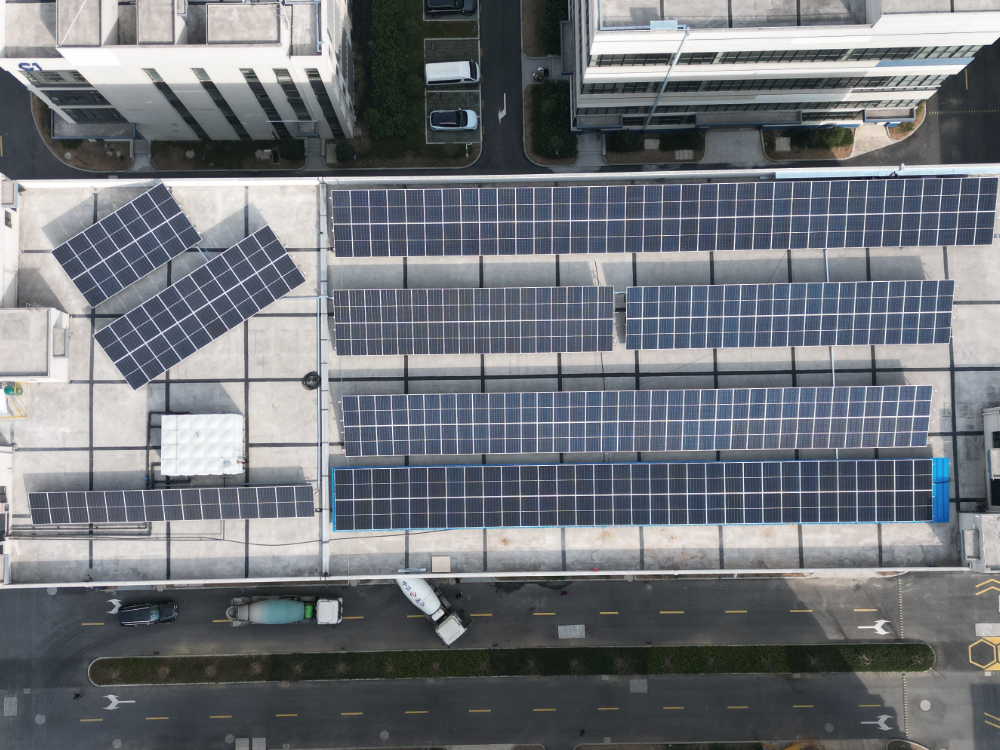
Designing a C&I solar solution that aligns with your factory's unique load profile is essential for maximizing energy savings, improving return on investment, and ensuring operational stability. Unlike residential solar installations, commercial and industrial facilities experience complex energy consumption patterns influenced by production schedules, equipment types, seasonal variations, and peak demand windows. A tailored C&I solar solution addresses these specific requirements by matching solar generation capacity with actual energy usage, optimizing system components, and integrating smart monitoring tools to track performance in real time.
Understanding your factory's load profile is the foundation of any effective C&I solar solution. This involves analyzing hourly, daily, and seasonal energy consumption data to identify when and how electricity is used throughout your operations. Factories with continuous production processes have different solar requirements than those with shift-based operations or variable production cycles. By precisely mapping energy demand against solar generation potential, you can design a system that minimizes grid dependency during daylight hours, reduces demand charges, and avoids over-sizing or under-sizing the installation. This article provides a comprehensive methodology for tailoring a C&I solar solution to your factory's specific load profile, covering load analysis, system design considerations, component selection, monitoring integration, and optimization strategies.
Understanding Your Factory's Load Profile Characteristics
Conducting Comprehensive Energy Consumption Analysis
The first step in tailoring a C&I solar solution is performing a detailed energy consumption analysis that captures the full complexity of your factory's load profile. This analysis should extend beyond monthly utility bills to include granular interval data, ideally at 15-minute or hourly resolution, spanning at least one full year to account for seasonal variations. Review historical electricity usage patterns to identify baseline consumption levels, peak demand periods, and any recurring fluctuations tied to production schedules, equipment cycling, or environmental control systems. Many industrial facilities experience significant load variations between day and night shifts, weekdays and weekends, or production seasons and maintenance periods.
A thorough load profile analysis reveals critical insights that directly influence C&I solar solution design. Identify your factory's peak demand windows, which often coincide with utility demand charges that can represent a substantial portion of electricity costs. Determine whether your facility operates with a flat load profile, where energy consumption remains relatively constant throughout the day, or a variable profile with pronounced peaks and valleys. Factories with high daytime consumption are ideal candidates for solar generation that directly offsets grid purchases during peak rate periods. Conversely, facilities with significant nighttime or early morning loads may require battery storage integration or grid-tied configurations that enable net metering or time-of-use optimization.
Identifying Load Components and Equipment Energy Signatures
Beyond aggregate consumption data, understanding the specific equipment and processes contributing to your load profile is essential for designing an effective C&I solar solution. Break down your total energy consumption into major load categories such as production machinery, HVAC systems, lighting, compressed air systems, material handling equipment, and ancillary facilities. Each equipment type has distinct energy signatures, including startup surges, continuous baseload requirements, and intermittent cycling patterns. Large motors, welding equipment, and thermal processing systems may create sudden demand spikes, while refrigeration and climate control systems contribute to steady background loads.
Document the operational schedules of major energy consumers to map their contribution to your overall load profile. This equipment-level analysis helps identify opportunities for load shifting, where non-critical processes can be scheduled during peak solar generation hours to maximize self-consumption. It also reveals whether your facility has controllable loads that can be managed dynamically in response to solar availability, enhancing the value of your C&I solar solution. Understanding equipment power factors, harmonic distortion characteristics, and voltage sensitivity is equally important, as these factors influence inverter selection, power quality requirements, and integration considerations for a properly tailored solar installation.
Designing Solar System Capacity and Configuration
Matching Solar Generation Capacity to Daytime Load Demand
Once your factory's load profile is thoroughly understood, the next step is determining the optimal capacity for your C&I solar solution. The goal is to size the system so that solar generation aligns with your daytime energy consumption patterns, maximizing self-consumption and minimizing excess generation that either feeds back to the grid at unfavorable rates or requires costly storage. For factories with high daytime loads, the solar array can be sized to cover a significant portion of peak consumption, potentially offsetting 40-70% of daytime electricity purchases depending on available roof or ground space, local solar irradiance, and budget constraints.
A properly tailored C&I solar solution avoids the pitfalls of oversizing, which leads to wasted generation and extended payback periods, or undersizing, which limits energy savings and fails to capture demand charge reductions. Use detailed solar production modeling software that incorporates site-specific factors including geographic location, shading analysis, panel orientation, tilt angles, and weather data to predict hourly generation profiles. Overlay these solar generation curves with your factory's actual load profile to identify the degree of overlap and quantify self-consumption rates. This analysis reveals optimal system sizing where solar production closely matches consumption during the most expensive electricity rate periods, delivering maximum financial returns.
Selecting System Configuration for Grid Interaction
Your factory's load profile characteristics and local utility policies determine whether a grid-tied, hybrid, or off-grid configuration is most appropriate for your C&I solar solution. Most industrial facilities benefit from grid-tied systems that allow seamless integration with existing electrical infrastructure while maintaining grid connection for reliability and supplemental power during low solar conditions or nighttime operations. Grid-tied C&I solar solutions enable net metering or feed-in tariff arrangements in jurisdictions where these programs are available, allowing excess solar generation to offset electricity consumption during non-solar hours or generate revenue.
For factories with critical operations that cannot tolerate grid outages, hybrid C&I solar solutions incorporating battery storage provide backup power capabilities while optimizing self-consumption and demand charge management. Hybrid systems can be programmed to charge batteries during peak solar generation and discharge during expensive peak demand periods or grid interruptions. Facilities located in areas with unreliable grid infrastructure or prohibitively expensive utility connections may consider fully off-grid configurations, though these require substantial battery capacity and careful load management. The configuration choice must balance capital costs, operational priorities, utility rate structures, and the specific temporal alignment between your factory's load profile and available solar resources.
Selecting Components for Load Profile Optimization
Choosing Inverter Technology Based on Load Characteristics
Inverter selection is critical in tailoring a C&I solar solution to your factory's load profile, as the inverter serves as the interface between solar generation and your facility's electrical system. For industrial applications with stable, predictable loads, string inverters offer cost-effective performance and straightforward installation. However, factories with complex load profiles, multiple production zones, or partial shading conditions may benefit from multi-string or central inverter architectures that allow independent maximum power point tracking for different array sections. This flexibility ensures optimal energy harvest even when portions of the solar installation experience varying solar exposure or temperature conditions.
When selecting inverters for your C&I solar solution, consider power quality requirements specific to your equipment. Industrial facilities with sensitive electronic controls, variable frequency drives, or precision manufacturing equipment require inverters with low total harmonic distortion and excellent grid support capabilities. Evaluate inverter efficiency curves across the full operating range, paying particular attention to performance at partial loads, since solar generation varies throughout the day and seasons. Advanced inverters with built-in monitoring, remote diagnostics, and communication protocols enable integration with energy management systems, allowing dynamic response to real-time load conditions and facilitating demand response participation or load shifting strategies.
Integrating Battery Storage for Load Profile Matching
Battery storage integration transforms a standard C&I solar solution into a sophisticated energy management platform capable of addressing mismatches between solar generation and your factory's load profile. For facilities with significant evening or nighttime loads, battery storage enables time-shifting of solar energy, capturing excess daytime generation and deploying it during non-solar hours when grid electricity is expensive or unavailable. This capability is particularly valuable in markets with time-of-use rates where peak electricity prices occur after sunset, allowing your C&I solar solution to deliver savings throughout the operating day rather than only during sunlight hours.
Demand charge management represents another compelling application for battery storage in tailored C&I solar solutions. Many utility rate structures impose substantial demand charges based on the highest 15-minute power consumption interval during the billing period. Battery systems can be programmed to detect and respond to demand spikes, rapidly discharging to cap peak power draws from the grid and significantly reducing monthly demand charges. When sizing battery capacity for your factory's load profile, analyze historical demand data to quantify potential savings, considering both energy arbitrage opportunities and demand charge reduction. The C&I solar solution should incorporate intelligent battery management systems that learn your facility's consumption patterns and optimize charging and discharging schedules to maximize economic returns while preserving battery health.
Implementing Smart Monitoring and Control Systems
Deploying Real-Time Energy Monitoring Platforms
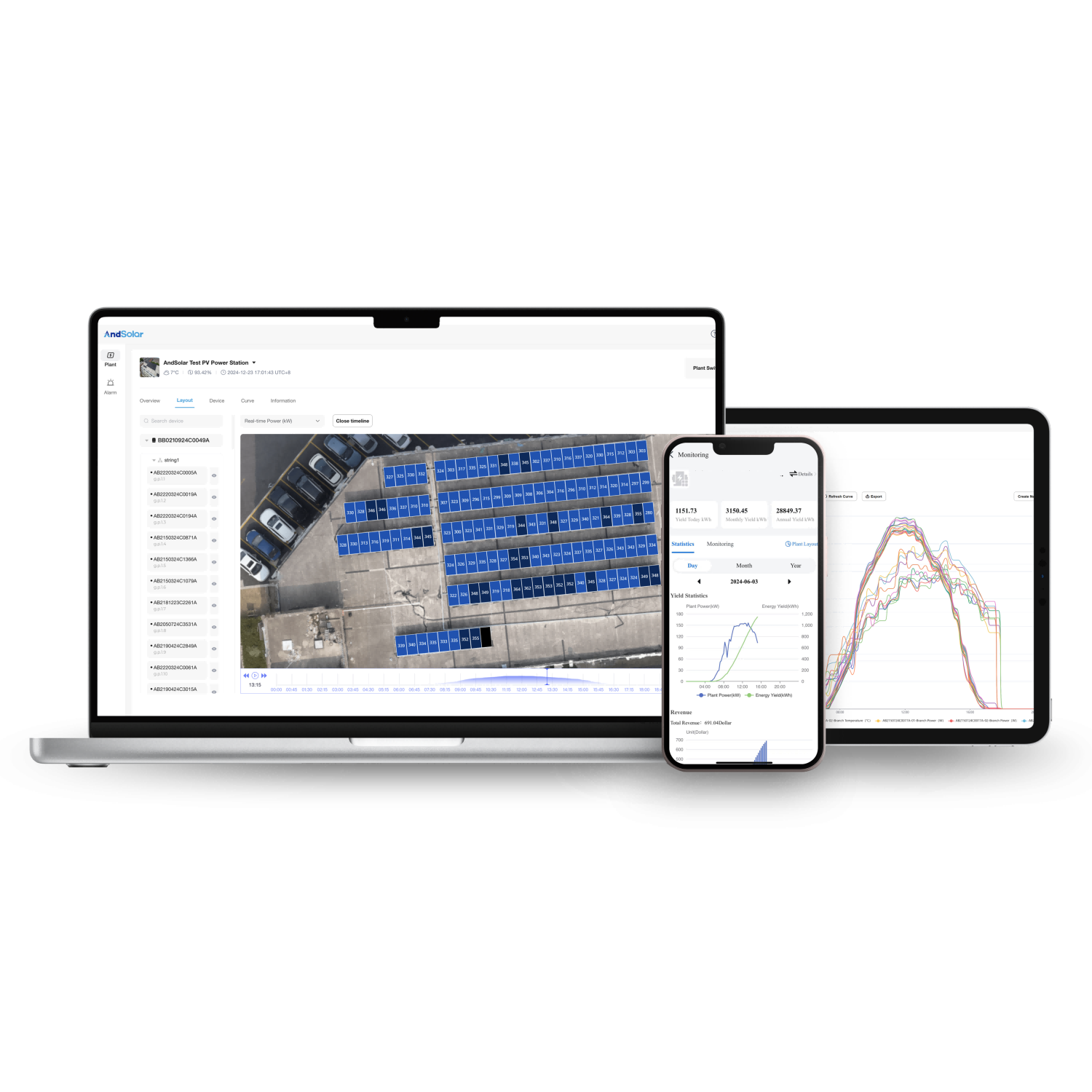
A truly tailored C&I solar solution requires comprehensive monitoring that tracks both solar generation and facility consumption in real time, enabling data-driven optimization and rapid response to performance issues. Modern energy management platforms collect granular data from solar inverters, building meters, and individual equipment sensors, presenting unified dashboards that visualize energy flows, self-consumption rates, grid interaction, and cost savings. These monitoring systems should capture metrics at sufficient resolution to identify hourly or sub-hourly patterns, allowing facility managers to correlate solar performance with production schedules and identify opportunities for load shifting or operational adjustments.
Advanced monitoring platforms enable predictive analytics that forecast solar generation based on weather predictions and compare actual performance against expected output, quickly identifying degradation, soiling, or equipment failures. For factories with variable production schedules, real-time monitoring helps optimize when to run discretionary loads to maximize solar self-consumption. Integration with building management systems allows automated control of non-critical equipment, such as scheduling charging of electric forklifts, operating water heating systems, or running HVAC pre-cooling cycles during peak solar generation periods. This intelligent coordination between your C&I solar solution and facility operations transforms solar from a passive generation asset into an active component of your energy strategy.
Utilizing Load Forecasting and Adaptive Control
Sophisticated C&I solar solutions incorporate load forecasting algorithms that predict your factory's energy consumption patterns based on production schedules, weather forecasts, and historical data. These predictive capabilities enable proactive energy management, allowing the system to pre-position battery storage, schedule controllable loads, and optimize grid interaction to minimize costs. Machine learning models can identify consumption patterns associated with specific products, shifts, or operational modes, continuously refining predictions as new data accumulates and improving the accuracy of energy management decisions.
Adaptive control systems use load forecasts and solar generation predictions to automatically adjust system operation in response to changing conditions. During periods when solar generation is forecast to exceed consumption, the system might pre-cool facilities, fill process water tanks, or charge batteries to maximize self-consumption. When consumption is expected to spike, stored solar energy or grid power can be strategically deployed to minimize demand charges. These intelligent controls ensure your C&I solar solution remains optimally aligned with your factory's evolving load profile, continuously adapting to seasonal variations, production changes, and market conditions without requiring constant manual intervention.
Optimizing Performance Through Continuous Refinement
Conducting Regular Load Profile Reviews
A tailored C&I solar solution is not a static installation but an evolving system that requires periodic review to maintain optimal alignment with your factory's load profile. Conduct quarterly or semi-annual analyses comparing actual solar generation and consumption patterns against initial projections, identifying any significant deviations that suggest changes in operations, equipment additions, or system performance issues. Production expansion, new equipment installations, process modifications, or shifts in operating schedules all alter your load profile, potentially creating opportunities to further optimize solar system operation or revealing needs for system expansion or reconfiguration.
Regular performance reviews should evaluate key metrics including self-consumption rate, grid export volumes, demand charge reductions, overall electricity cost savings, and return on investment trajectory. Compare these outcomes against initial projections and industry benchmarks to assess whether your C&I solar solution is delivering expected value. If self-consumption rates are lower than anticipated, investigate whether load shifting opportunities exist or whether battery storage addition would improve performance. If demand charges remain high despite solar installation, analyze whether consumption peaks have shifted to non-solar hours or whether additional demand management strategies should be implemented.
Scaling and Adapting to Changing Requirements
As your factory's operations evolve, your C&I solar solution should adapt to maintain optimal performance. Successful solar installations often justify expansion as facility managers recognize energy savings and operational benefits, making it important to design initial systems with scalability in mind. Plan electrical infrastructure, inverter capacity, and monitoring systems to accommodate future array additions without requiring complete redesign. Consider phased implementation strategies where initial solar capacity targets the most economically attractive load components, with subsequent phases addressing additional consumption as budgets allow or as operational changes create new opportunities.
Technology evolution also creates opportunities to enhance existing C&I solar solutions. Battery storage costs continue declining, making retrofit additions increasingly attractive for facilities initially deployed without storage. Advanced inverter features, improved monitoring platforms, and emerging demand response programs offer additional value that can be captured through system upgrades. Maintain relationships with your solar solution provider to stay informed about technological advances, policy changes, and optimization opportunities that could enhance your installation's performance. A well-designed C&I solar solution provides a foundation for ongoing energy cost management that grows more valuable as you continuously refine its alignment with your factory's specific load profile.
FAQ
What data do I need to collect before designing a C&I solar solution for my factory?
You need at least one year of interval electricity consumption data, preferably at 15-minute or hourly resolution, to capture seasonal variations and daily patterns. Gather information on major equipment power ratings, operating schedules, production cycles, and any planned facility expansions. Additionally, collect utility rate structures including energy charges, demand charges, and time-of-use periods. Site information such as available roof or ground space, structural capacity, shading analysis, and electrical infrastructure details are also essential for designing an accurately tailored C&I solar solution that matches your specific load profile.
How does battery storage improve the alignment between solar generation and factory consumption?
Battery storage allows you to time-shift solar energy, capturing excess generation during peak solar hours and deploying it during evening or nighttime periods when your factory continues operating but solar production has ceased. This capability dramatically improves self-consumption rates for facilities with significant non-daylight loads. Batteries also enable demand charge management by responding to consumption spikes with rapid discharge, capping peak power draws from the grid. For a C&I solar solution serving variable loads, storage provides flexibility to maximize economic value regardless of when energy is actually consumed.
Can a C&I solar solution help reduce demand charges even if my factory operates 24 hours?
Yes, a properly designed C&I solar solution can reduce demand charges for 24-hour operations through strategic system configuration. During daylight hours, solar generation directly offsets grid consumption, lowering instantaneous demand. For continuous operations, integrating battery storage enables peak shaving where batteries discharge during demand spikes regardless of time of day. Advanced energy management systems can predict consumption patterns and proactively deploy stored solar energy or control flexible loads to cap demand peaks. While around-the-clock operations present greater challenges than day-shift facilities, careful analysis of your specific load profile reveals opportunities for meaningful demand charge reduction.
How often should I review and adjust my solar system configuration after installation?
Conduct detailed performance reviews quarterly during the first year of operation to verify that your C&I solar solution is performing as designed and to identify any optimization opportunities. After the initial year, semi-annual reviews are typically sufficient unless significant operational changes occur. Immediate review is warranted when production processes change, new equipment is installed, facility operating hours shift, or utility rate structures are modified. Continuous monitoring through energy management platforms allows ongoing oversight between formal reviews, with alerts for performance anomalies that might indicate equipment issues or consumption pattern changes requiring attention.
Table of Contents
- Understanding Your Factory's Load Profile Characteristics
- Designing Solar System Capacity and Configuration
- Selecting Components for Load Profile Optimization
- Implementing Smart Monitoring and Control Systems
- Optimizing Performance Through Continuous Refinement
-
FAQ
- What data do I need to collect before designing a C&I solar solution for my factory?
- How does battery storage improve the alignment between solar generation and factory consumption?
- Can a C&I solar solution help reduce demand charges even if my factory operates 24 hours?
- How often should I review and adjust my solar system configuration after installation?
