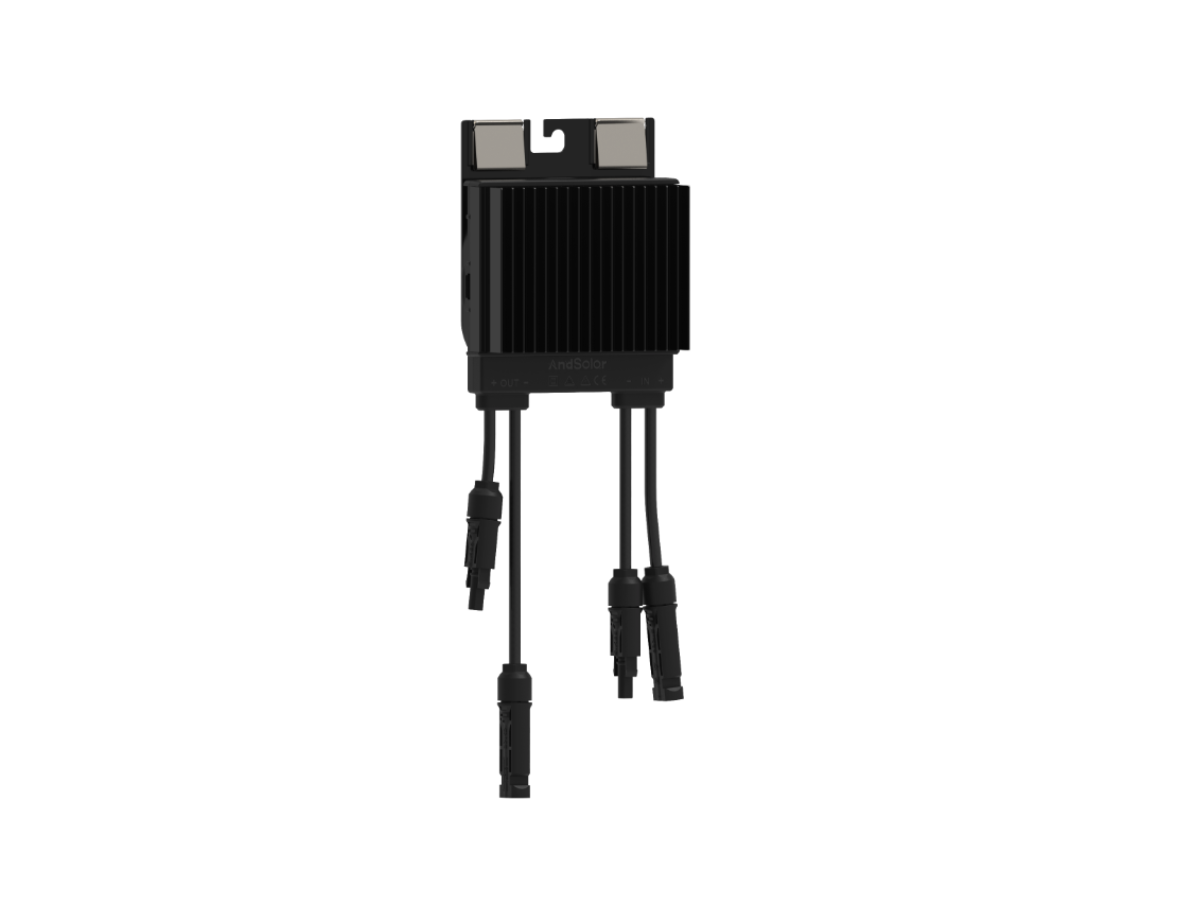
Understanding what defines a complete, end-to-end solar solution is essential for businesses and property owners seeking reliable, scalable renewable energy systems. An end-to-end solar solution encompasses every component, service, and operational element required to design, install, monitor, and maintain a solar energy system that meets your specific energy needs while maximizing return on investment. Unlike fragmented approaches that leave gaps in planning, implementation, or ongoing support, a truly comprehensive solar solution integrates hardware, software, professional services, and long-term operational support into a unified framework that addresses your energy requirements from initial assessment through decades of operation.
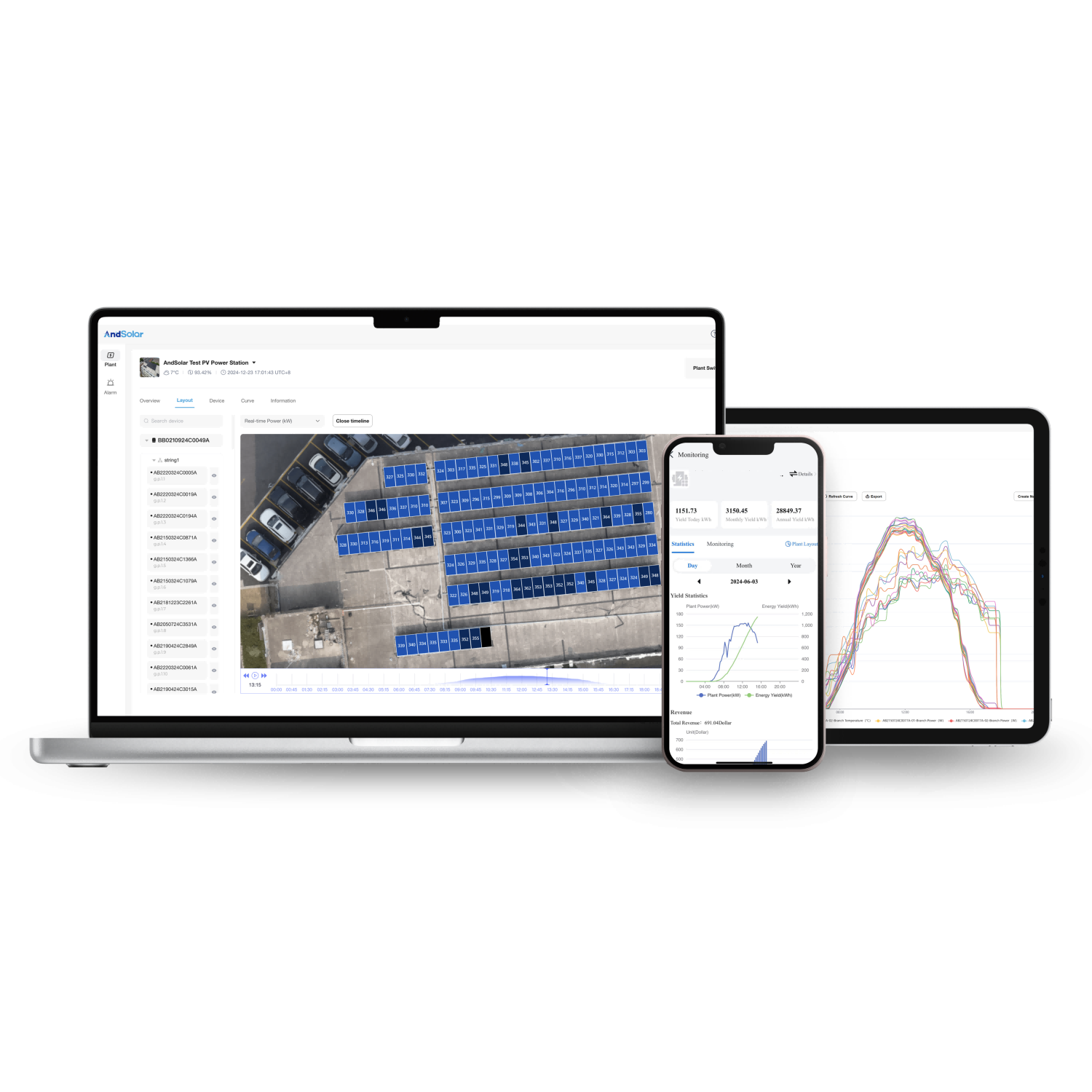
The distinction between a partial solar installation and a complete end-to-end solar solution lies in the depth of integration, continuity of support, and alignment with your operational objectives. A complete solution addresses not only the physical components like photovoltaic panels and inverters but also encompasses site analysis, system design optimization, regulatory compliance, financial structuring, installation quality assurance, real-time monitoring capabilities, predictive maintenance protocols, and performance guarantees. This holistic approach ensures that every element works cohesively to deliver consistent energy output, minimize downtime, and adapt to changing energy demands over the system's operational lifespan.
Core Components That Define a Complete Solar Energy System
Physical Infrastructure and Hardware Integration
A complete end-to-end solar solution begins with the selection and integration of high-quality physical components engineered to work together seamlessly. The photovoltaic modules must be matched appropriately to the inverter specifications, mounting systems must accommodate site-specific structural requirements and environmental conditions, and electrical balance-of-system components must meet local code requirements while supporting optimal energy conversion efficiency. Premium solar solutions incorporate component compatibility verification during the design phase to prevent performance bottlenecks and ensure that each hardware element contributes to overall system reliability.
The mounting and racking systems form a critical part of the physical infrastructure, as they determine the structural integrity, orientation precision, and long-term durability of the solar array. Commercial and industrial installations require engineering analysis to confirm that existing roof structures or ground conditions can support the additional load over multiple decades. Advanced mounting solutions account for thermal expansion, wind loading, seismic activity, and maintenance access requirements. A properly designed end-to-end solar solution includes detailed structural engineering documentation and permits that demonstrate compliance with building codes and insurance requirements.
Energy storage integration represents an increasingly important component of complete solar solutions, particularly for applications requiring energy resilience, demand charge management, or off-grid capabilities. Battery energy storage systems must be sized appropriately based on load profiles, backup duration requirements, and economic optimization models. The integration of storage with solar generation requires sophisticated power electronics and control algorithms that manage charging cycles, depth of discharge parameters, and seamless transitions between grid-connected and islanded operation modes. A comprehensive solution addresses battery management system programming, thermal management, and safety protocols specific to the chosen storage chemistry.
System Design and Engineering Excellence
The engineering foundation of an end-to-end solar solution determines whether the system will meet performance expectations throughout its operational life. Detailed site assessment encompasses solar resource analysis using historical irradiance data, shading studies that account for seasonal variations and potential future obstructions, electrical infrastructure evaluation including utility interconnection capacity, and thermal analysis for rooftop installations where ambient temperatures affect both panel efficiency and building cooling loads. Professional solar solutions utilize advanced modeling software that simulates system performance across thousands of operational scenarios to validate design assumptions before installation begins.
Electrical system design requires expertise in both DC power collection from solar arrays and AC power distribution to consumption points or grid interconnection. String sizing calculations must account for temperature coefficients, voltage drop considerations, and inverter input specifications while maximizing energy harvest under varying irradiance conditions. Ground fault protection, arc fault detection, rapid shutdown compliance, and overcurrent protection devices must be selected and coordinated according to electrical code requirements. A complete end-to-end solar solution includes comprehensive electrical drawings, equipment specifications, and protection coordination studies that demonstrate system safety and code compliance.
Performance modeling and financial analysis form essential elements of system design, as they establish baseline expectations for energy production, economic returns, and payback timelines. Sophisticated modeling accounts for degradation rates over time, inverter efficiency curves across loading conditions, temperature derating factors, and soiling losses specific to the installation location. Financial models incorporate applicable incentives, tax credits, depreciation schedules, and utility rate structures to calculate levelized cost of energy and return on investment metrics. Professional solutions provide sensitivity analysis that reveals how variations in key assumptions affect projected outcomes, enabling informed decision-making.
Professional Services and Implementation Excellence
Project Management and Quality Assurance
The transition from design to operational system requires rigorous project management disciplines that ensure timeline adherence, budget control, and quality standards throughout the implementation process. A complete end-to-end solar solution includes dedicated project coordination that manages procurement logistics, installation scheduling, inspection coordination, and stakeholder communication. Professional project management prevents costly delays caused by material shortages, permitting issues, or coordination failures between multiple trades involved in complex installations. Structured quality checkpoints at each construction phase verify that workmanship meets manufacturer specifications and industry best practices.
Installation quality directly impacts system performance, safety, and longevity, making workforce expertise a critical differentiator in solar solutions. Certified installers with extensive field experience understand the nuances of proper module mounting, electrical termination techniques, weatherproofing requirements, and commissioning procedures. Quality installations include photographic documentation of critical connection points, torque verification for mechanical and electrical fasteners, insulation resistance testing, and infrared thermography to detect potential hotspots before the system enters service. A professional end-to-end solar solution delivers installation quality that minimizes warranty claims and maximizes system uptime.
Regulatory compliance and interconnection processes represent complex aspects of solar implementation that require specialized expertise. Permit applications must include engineered drawings, equipment specifications, structural calculations, and electrical diagrams that satisfy building department requirements. Utility interconnection applications require coordination with transmission operators, agreement negotiations, metering arrangements, and grid impact studies for larger systems. Professional solar solutions navigate these regulatory processes efficiently, avoiding delays that can extend project timelines and increase financing costs. Successful interconnection and final inspection mark the transition from construction to operational phases.
Commissioning and System Validation
Comprehensive commissioning procedures verify that every system component operates according to design specifications before the system enters full production mode. Functional testing includes inverter parameter verification, monitoring system connectivity, safety system operation, and performance validation under actual operating conditions. String-level measurements confirm that DC power collection meets expectations, while AC output testing verifies that power quality parameters including voltage, frequency, and harmonic distortion fall within acceptable ranges. A properly commissioned end-to-end solar solution includes documentation of all test results and baseline performance metrics for future comparison.
Performance verification during the initial operating period establishes confidence that the system delivers expected energy production and identifies any installation issues requiring correction. Early operational data should be compared against energy production models to confirm that actual performance aligns with projections within acceptable tolerance ranges. Deviations from expected performance may indicate shading issues, equipment malfunctions, or monitoring system calibration errors that require investigation and resolution. Professional solutions include a defined acceptance period during which performance is closely monitored and any deficiencies are addressed before final system acceptance.
Training and knowledge transfer ensure that facility personnel understand system operation, monitoring capabilities, and basic troubleshooting procedures. Comprehensive training covers monitoring platform navigation, alarm interpretation, routine maintenance requirements, and safety protocols for personnel working near energized equipment. Operations documentation should include system overview diagrams, equipment manuals, maintenance schedules, emergency shutdown procedures, and contact information for technical support. An effective end-to-end solar solution empowers the system owner with the knowledge needed to maximize system value while knowing when to engage professional support services.
Advanced Monitoring and Performance Management
Real-Time Monitoring Infrastructure
Modern end-to-end solar solutions incorporate sophisticated monitoring systems that provide real-time visibility into system performance, energy production, and operational status across individual components and system-wide metrics. Advanced monitoring platforms collect data from inverters, combiner boxes, weather stations, and utility meters to create a comprehensive operational picture. Cloud-based analytics enable remote access to performance data from any internet-connected device, facilitating proactive management and rapid response to performance anomalies. String-level monitoring capabilities allow identification of underperforming modules or electrical issues before they significantly impact total energy production.
Automated alert systems notify designated personnel immediately when performance deviations, equipment faults, or safety conditions require attention. Intelligent alarm configuration prevents alert fatigue by filtering nuisance notifications while escalating critical issues that demand immediate response. Customizable dashboards present performance data in formats aligned with different stakeholder needs, from high-level energy production summaries for financial managers to detailed technical metrics for operations personnel. A complete monitoring solution includes mobile applications that extend monitoring capabilities beyond desktop environments to support field operations and emergency response scenarios.
Historical data analytics enable trend analysis that reveals performance patterns, seasonal variations, and long-term degradation rates. Comparative analysis between actual production and weather-adjusted models helps distinguish between unavoidable environmental impacts and correctable system issues. Performance ratio calculations normalized for irradiance and temperature provide objective metrics for system health assessment. Professional end-to-end solar solutions leverage historical data to optimize cleaning schedules, predict maintenance requirements, and validate warranty compliance through documented performance tracking.
Predictive Maintenance and System Optimization
Predictive maintenance strategies utilize performance data analytics to identify emerging issues before they cause significant energy losses or equipment failures. Machine learning algorithms analyze patterns in inverter efficiency, string current variations, and temperature differentials to detect anomalies indicating impending component failures. Early detection enables scheduled maintenance interventions during planned downtime rather than reactive emergency repairs that extend system unavailability. A complete end-to-end solar solution incorporates predictive maintenance protocols that minimize lifetime maintenance costs while maximizing energy production uptime.
Routine preventive maintenance programs ensure that mechanical and electrical systems remain in optimal condition throughout the system's operational life. Scheduled maintenance includes visual inspections for physical damage or vegetation encroachment, electrical connection torque checks, inverter filter replacement, and module cleaning when soiling losses exceed economic thresholds. Documentation of maintenance activities creates a service history that supports warranty claims, facilitates troubleshooting, and demonstrates proper system stewardship for financing compliance or asset sale transactions. Professional maintenance services bring specialized diagnostic equipment and technical expertise that facility maintenance teams typically lack.
Performance optimization extends beyond maintenance to include operational adjustments that enhance energy capture and economic returns. Inverter parameter tuning, maximum power point tracking algorithm updates, and control system refinements can incrementally improve energy yield without hardware modifications. Seasonal adjustments to cleaning frequencies based on regional precipitation patterns and soiling rates optimize the economic balance between cleaning costs and energy gains. Comprehensive solar solutions include ongoing engineering support that applies emerging best practices and technology improvements to existing installations, ensuring that systems continue to deliver competitive performance throughout their operational lifespan.
Financial Structures and Long-Term Value Protection
Economic Modeling and Investment Analysis
A complete end-to-end solar solution addresses the financial dimensions of solar investment with the same rigor applied to technical system design. Comprehensive economic modeling incorporates capital costs, operating expenses, financing terms, tax implications, utility rate escalation assumptions, and incentive program requirements to calculate net present value, internal rate of return, and payback period metrics. Sensitivity analysis reveals how changes in key variables affect financial outcomes, enabling risk assessment and informed decision-making. Professional financial modeling accounts for depreciation schedules, tax equity structures, and alternative financing mechanisms that optimize returns for specific ownership scenarios.
Incentive program navigation requires expertise in federal tax credits, state rebates, renewable energy certificate markets, and utility incentive programs that can significantly improve project economics. Program requirements often include application deadlines, performance verification protocols, and compliance documentation that must be satisfied to secure financial benefits. Changes in incentive availability over time create urgency for project timing decisions that balance immediate incentive capture against potential technology cost reductions from delaying implementation. A complete solution includes financial advisory services that maximize available incentives while ensuring regulatory compliance.
Financing options ranging from direct purchase to power purchase agreements create flexibility for organizations with different capital availability, tax positions, and operational preferences. Direct ownership provides maximum long-term economic benefits but requires upfront capital and assumes performance risk. Third-party ownership through power purchase agreements eliminates upfront costs and transfers performance risk to the system owner but results in lower overall savings through profit sharing. Lease structures and property-assessed clean energy financing offer intermediate options with varying risk-reward profiles. Professional end-to-end solar solutions present objective comparisons of financing alternatives aligned with client financial objectives and organizational constraints.
Performance Guarantees and Risk Mitigation
Performance guarantees provide financial protection against systems that fail to deliver projected energy production due to design deficiencies, equipment failures, or installation quality issues. Comprehensive guarantees specify minimum energy production levels adjusted for actual weather conditions, define measurement methodologies and reconciliation periods, and establish compensation mechanisms for production shortfalls. Guarantee terms should clearly delineate force majeure exclusions, customer responsibility for site conditions, and procedures for dispute resolution. A robust end-to-end solar solution includes performance guarantees backed by financially stable entities with demonstrated capability to honor long-term commitments.
Equipment warranties covering modules, inverters, mounting systems, and balance-of-system components form the foundation of long-term value protection. Module performance warranties typically guarantee minimum power output over 25-year periods with defined degradation curves, while product warranties cover manufacturing defects for shorter durations. Inverter warranties usually span 10 to 15 years with options for extended coverage. Understanding warranty terms, exclusions, claim procedures, and manufacturer financial stability is essential for realistic risk assessment. Professional solutions include warranty management services that handle claim filing, replacement logistics, and manufacturer coordination to minimize system owner burden.
Insurance coverage addressing property damage, business interruption, and liability risks specific to solar installations protects against events outside normal warranty coverage. Property insurance should reflect the added value of solar assets with appropriate coverage limits and minimal exclusions. Business interruption coverage compensates for lost energy production value during extended outages caused by covered events. Liability coverage protects against third-party claims arising from installation or operation activities. A complete end-to-end solar solution includes insurance advisory services that ensure adequate coverage aligned with system value and operational risk profile.
Operational Support and Lifecycle Management
Ongoing Technical Support Services
Access to responsive technical support throughout the system's operational life distinguishes complete end-to-end solar solutions from transactional installations lacking ongoing engagement. Professional support services provide troubleshooting assistance, remote diagnostics, firmware updates, and guidance on operational optimization. Tiered support structures offer escalation paths from basic user questions through complex technical issues requiring engineering analysis. Service level agreements define response times, resolution targets, and communication protocols that establish clear expectations for support availability. Reliable technical support minimizes system downtime and ensures that facility personnel have expert resources available when needed.
Remote monitoring and diagnostics capabilities enable support teams to identify and often resolve issues without site visits, reducing resolution times and service costs. Secure remote access to inverter control systems, monitoring platforms, and building management system integrations allows technical personnel to adjust parameters, reset fault conditions, and gather diagnostic data from off-site locations. Video conferencing capabilities enable remote guidance for on-site personnel performing troubleshooting procedures under expert direction. A comprehensive end-to-end solar solution leverages remote support technologies to deliver faster, more cost-effective problem resolution while reserving site visits for situations requiring physical intervention.
System documentation management ensures that equipment manuals, as-built drawings, commissioning reports, maintenance records, and warranty documents remain accessible throughout the system lifecycle. Digital document repositories with version control prevent loss of critical information through personnel changes or organizational transitions. Documentation updates reflecting system modifications, equipment replacements, or operational procedure changes maintain alignment between documentation and actual system configuration. Professional solutions include document management services that organize, update, and safeguard technical records essential for maintenance planning, troubleshooting, warranty claims, and eventual system decommissioning or repowering.
Asset Management and System Evolution
Long-term asset management encompasses financial tracking, performance benchmarking, regulatory compliance maintenance, and strategic planning for system modifications or expansions. Financial tracking includes energy production accounting, incentive payment reconciliation, tax reporting support, and budgeting for ongoing operational expenses. Performance benchmarking against similar installations or industry standards identifies opportunities for optimization and validates that systems continue to deliver competitive returns. Regulatory compliance monitoring ensures continued adherence to building codes, electrical standards, and utility interconnection requirements as regulations evolve. A complete end-to-end solar solution includes asset management services that protect and enhance system value throughout its operational life.
System expansion planning addresses changing energy needs, facility modifications, or opportunities to leverage technology improvements through system additions or upgrades. Expansion analysis evaluates existing system capacity, electrical infrastructure limitations, structural constraints, and economic justification for incremental investments. Integration of expansions with legacy systems requires compatibility verification, control system coordination, and monitoring platform integration. Professional solutions provide engineering and financial analysis supporting informed expansion decisions that build on existing investments while maintaining system cohesion and operational simplicity.
End-of-life planning for systems approaching the end of their productive operational period includes evaluation of repowering options, decommissioning procedures, and environmental disposal compliance. Repowering strategies may involve module replacement with higher-efficiency technology, inverter upgrades, or reconfiguration to extend system life and improve performance. Decommissioning requires removal of equipment, structural restoration, and proper recycling or disposal of materials according to environmental regulations. A true end-to-end solar solution addresses the complete lifecycle from initial implementation through eventual retirement, ensuring responsible stewardship and maximizing total lifetime value extraction from the solar investment.
FAQ
What is the difference between buying solar panels and purchasing an end-to-end solar solution?
Purchasing individual solar panels represents only one component of a functional solar energy system, whereas an end-to-end solar solution encompasses comprehensive services including site assessment, system design engineering, equipment procurement, professional installation, utility interconnection, monitoring system implementation, maintenance services, performance guarantees, and ongoing technical support. The solution approach ensures that all components work together optimally and that professional expertise guides every phase from initial planning through decades of operation, eliminating gaps that occur when system owners attempt to coordinate multiple vendors or manage technical aspects beyond their expertise.
How long does it typically take to implement a complete end-to-end solar solution from initial consultation to system operation?
Implementation timelines for end-to-end solar solutions vary considerably based on system size, site complexity, permitting jurisdiction requirements, utility interconnection processes, and equipment availability, typically ranging from three to nine months for commercial installations. Small commercial rooftop systems with straightforward permitting may achieve operational status within three to four months, while large ground-mount installations requiring extensive engineering, environmental review, or utility infrastructure upgrades may require nine to twelve months. Projects requiring specialized financing arrangements or involving multiple stakeholder approvals may extend beyond typical timeframes regardless of technical complexity.
What ongoing costs should be expected with an end-to-end solar solution after installation is complete?
Ongoing operational costs for end-to-end solar solutions typically include monitoring service fees, preventive maintenance expenses, cleaning services in high-soiling environments, insurance premiums covering solar assets, inverter replacements after warranty expiration, and periodic component repairs as equipment ages. Annual operational expenses generally range from 0.5% to 1.5% of initial system cost depending on service levels, equipment warranties, site conditions, and whether the solution includes comprehensive service agreements. Many complete solutions offer predictable annual service contracts that bundle monitoring, maintenance, and repair coverage to simplify budgeting and protect against unexpected major expenses.
Can an existing solar installation be upgraded to include the comprehensive features of an end-to-end solar solution?
Existing solar installations can often be enhanced with advanced monitoring systems, service agreements, and performance optimization measures that bring them closer to complete end-to-end solar solution standards, though the extent of possible improvements depends on original equipment capabilities and installation quality. Modern monitoring platforms can typically integrate with existing inverters to provide real-time performance visibility, while service providers can implement preventive maintenance programs and performance guarantees for legacy systems. However, fundamental limitations in original system design, equipment selection, or installation workmanship cannot be fully remediated through service additions, making the initial decision to implement a comprehensive solution versus a basic installation particularly consequential for long-term system value and performance.
Table of Contents
- Core Components That Define a Complete Solar Energy System
- Professional Services and Implementation Excellence
- Advanced Monitoring and Performance Management
- Financial Structures and Long-Term Value Protection
- Operational Support and Lifecycle Management
-
FAQ
- What is the difference between buying solar panels and purchasing an end-to-end solar solution?
- How long does it typically take to implement a complete end-to-end solar solution from initial consultation to system operation?
- What ongoing costs should be expected with an end-to-end solar solution after installation is complete?
- Can an existing solar installation be upgraded to include the comprehensive features of an end-to-end solar solution?
