The solar energy landscape has evolved dramatically over the past decade, moving far beyond simple photovoltaic panels mounted on rooftops. As businesses and industrial facilities seek greater efficiency, control, and return on investment from their renewable energy systems, the distinction between traditional photovoltaic installations and modern smart solar solution platforms has become increasingly significant. Understanding these differences is essential for decision-makers evaluating solar infrastructure investments, as the choice between conventional and intelligent systems can fundamentally impact operational efficiency, energy cost management, and long-term system performance. This comprehensive analysis explores the key differentiators that set smart solar solution architectures apart from their traditional counterparts, examining technological capabilities, operational advantages, and strategic value propositions that matter most to commercial and industrial energy consumers.
Traditional photovoltaic installations have served as the foundation of solar adoption for decades, offering reliable electricity generation through straightforward configurations of solar panels, inverters, and basic mounting systems. However, these conventional setups typically lack the integrated intelligence, real-time monitoring capabilities, and adaptive control mechanisms that characterize modern smart solar solution platforms. The fundamental difference lies not merely in component quality or generation capacity, but in the systemic architecture that governs how solar energy is captured, converted, monitored, optimized, and integrated with broader energy management strategies. While traditional systems function as passive generation assets, smart solar solutions operate as active, data-driven energy ecosystems that continuously adapt to changing conditions, provide granular operational visibility, and enable sophisticated energy management strategies that traditional installations simply cannot support.
Architectural Intelligence and System Design Philosophy
Component-Level Intelligence Integration
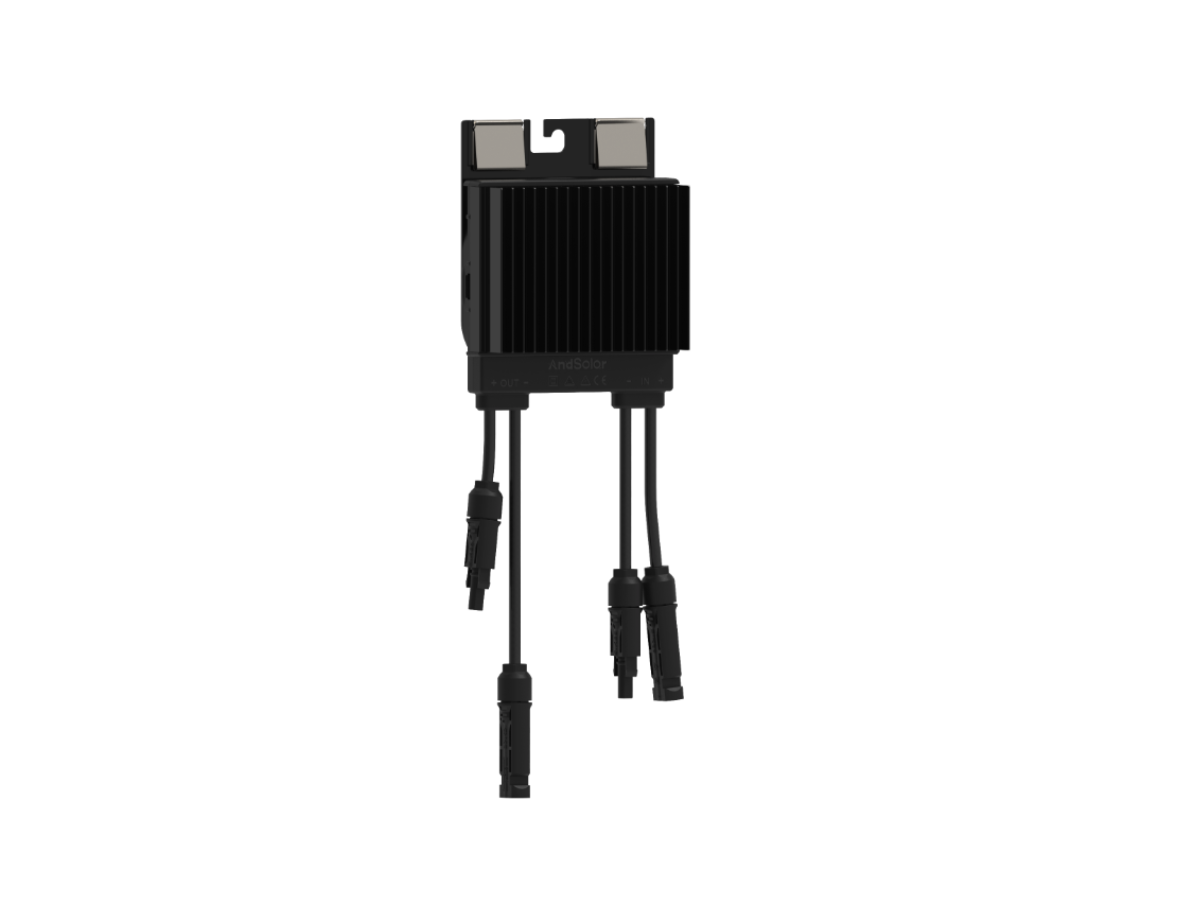
The architectural foundation of a smart solar solution differs fundamentally from traditional photovoltaic installations through the integration of intelligence at every system level. Traditional PV systems typically consist of panels wired in series strings connected to central inverters, with minimal communication between components and virtually no real-time performance optimization. In contrast, a smart solar solution incorporates microprocessor-controlled components, distributed intelligence across the system architecture, and continuous bidirectional communication protocols that enable each element to report status, receive commands, and coordinate operations with other system components. This distributed intelligence architecture allows for module-level monitoring, string-level optimization, and system-wide coordination that traditional installations cannot achieve.
Smart solar solution platforms employ advanced power electronics with embedded intelligence that enables sophisticated maximum power point tracking at granular levels, rather than the centralized MPPT functions found in traditional inverters. This architectural approach means that shading, soiling, or performance degradation affecting individual panels does not compromise the output of entire strings, as occurs in conventional systems. The intelligent architecture also facilitates predictive maintenance capabilities, as component-level data streams enable early detection of performance anomalies before they escalate into system failures. Traditional installations lack this granular visibility, typically requiring physical inspection or complete system failure before problems are identified.
Data Infrastructure and Connectivity Framework
A defining characteristic that separates smart solar solution platforms from traditional installations is the comprehensive data infrastructure embedded throughout the system. Traditional PV installations may include basic production meters or simple inverter displays, but they lack the integrated connectivity framework that enables continuous data collection, transmission, analysis, and actionable insight generation. Smart solar solutions incorporate IoT connectivity at the component level, establishing continuous data streams that feed into centralized or cloud-based analytics platforms. This connectivity infrastructure transforms the solar installation from a simple generation asset into an intelligent energy system capable of self-diagnosis, performance optimization, and integration with broader building management or industrial control systems.
The data architecture of a smart solar solution supports multiple communication protocols, ensuring compatibility with existing facility systems and enabling integration with energy management platforms, demand response programs, and utility communication networks. Traditional installations operate in isolation, generating electricity without providing the operational intelligence needed for strategic energy management. The connectivity framework in smart solar solution platforms enables remote monitoring, automated alerting, performance benchmarking against design specifications, and historical trend analysis that informs maintenance scheduling and system optimization strategies. This data-driven approach fundamentally changes how solar installations are operated and maintained compared to the reactive, inspection-based approach required for traditional systems.
Operational Performance and Energy Optimization Capabilities
Real-Time Performance Monitoring and Visibility
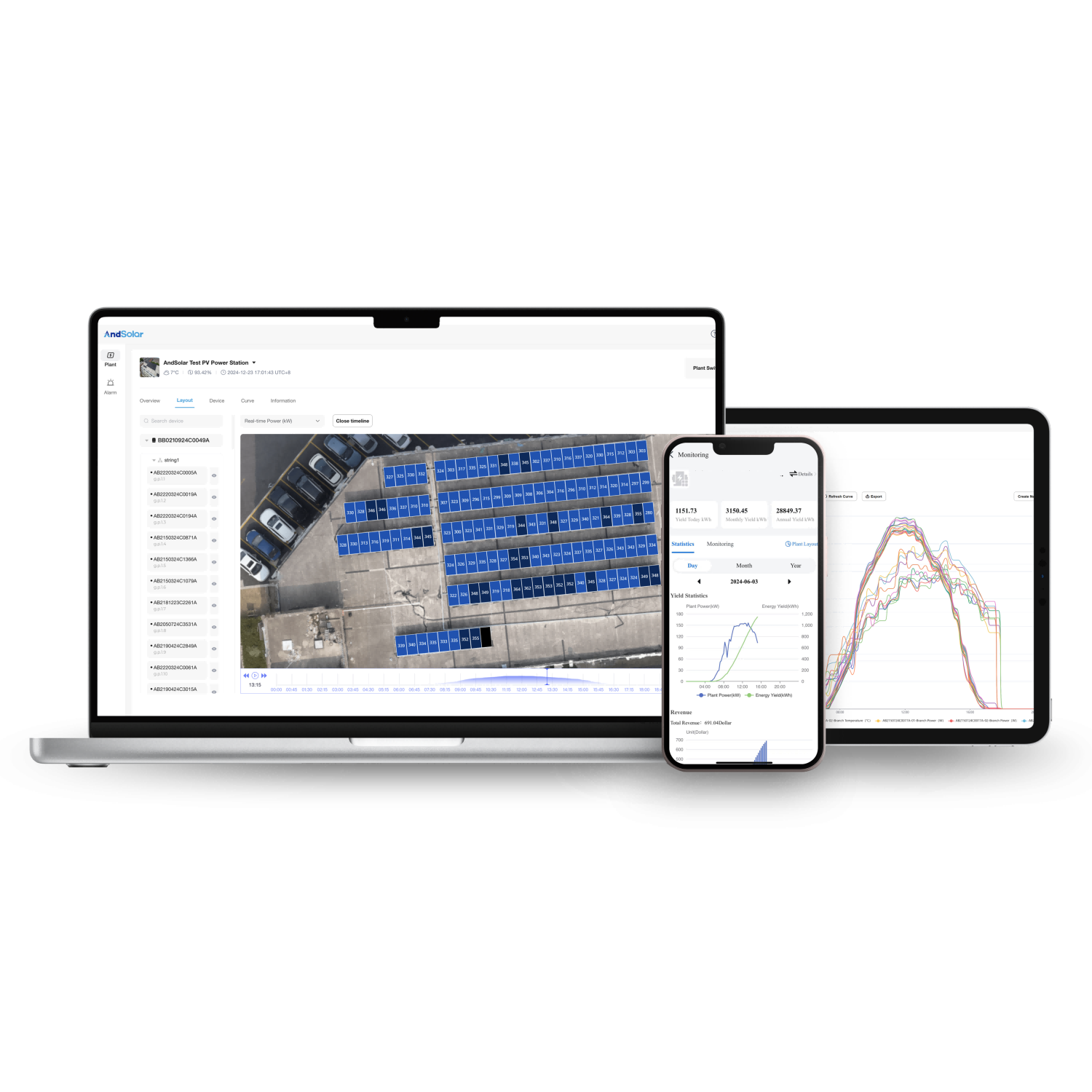
Operational visibility represents one of the most significant differences between smart solar solution platforms and traditional photovoltaic installations. Traditional systems typically provide only aggregate production data, often displayed on inverter screens or basic web portals showing total daily or monthly generation. This limited visibility makes it virtually impossible to identify underperforming sections, detect emerging issues, or optimize system configuration based on actual performance patterns. A smart solar solution delivers comprehensive real-time monitoring at multiple system levels, from individual panel performance to string-level production, inverter efficiency, and overall system health metrics. This granular visibility enables operators to immediately identify performance deviations, understand root causes, and implement corrective actions before minor issues impact overall energy production.
The monitoring capabilities of smart solar solution platforms extend beyond simple production metrics to include environmental data correlation, efficiency calculations, performance ratio tracking against design expectations, and comparative analysis across different system sections. Traditional installations lack these analytical capabilities, making it difficult to assess whether the system is performing optimally or gradually degrading. Smart platforms can correlate production data with weather conditions, ambient temperature, and historical patterns to provide context for current performance levels and generate alerts when actual output deviates from expected production based on environmental conditions. This intelligent monitoring transforms solar installations from passive assets into actively managed energy systems with measurable performance accountability.
Adaptive Control and Optimization Mechanisms
Beyond monitoring capabilities, smart solar solution platforms incorporate adaptive control mechanisms that continuously optimize system performance based on real-time conditions. Traditional photovoltaic installations operate with fixed configurations, unable to adjust operational parameters in response to changing environmental conditions, load patterns, or grid requirements. Smart solar solutions employ sophisticated algorithms that dynamically adjust maximum power point tracking, manage reactive power output, coordinate with energy storage systems, and optimize inverter operations to maximize energy harvest under varying conditions. These adaptive control capabilities mean that smart solar solution platforms consistently outperform traditional installations of equivalent nameplate capacity, particularly in environments with variable shading, temperature fluctuations, or complex roof geometries.
The optimization capabilities extend to predictive energy management, where smart solar solution platforms can forecast production based on weather data, coordinate with facility load profiles to maximize self-consumption, and participate in demand response programs by modulating output in coordination with utility signals. Traditional systems lack these coordination capabilities, simply generating maximum available power regardless of facility needs or grid conditions. Smart platforms can implement sophisticated curtailment strategies when necessary, manage ramp rates to support grid stability, and coordinate with battery storage systems to implement time-of-use optimization strategies that maximize economic value. These adaptive capabilities transform solar installations from simple generation assets into strategic energy resources that actively contribute to facility energy management objectives.
Integration Architecture and System Interoperability
Building Management and Control System Integration
The integration architecture represents a fundamental differentiator between smart solar solution platforms and traditional photovoltaic installations. Traditional systems typically operate as standalone generation assets with minimal or no integration with facility energy management systems, building automation platforms, or industrial control networks. This isolation limits the strategic value of solar investments, as the generation profile cannot be coordinated with facility operations to maximize self-consumption or support demand management strategies. Smart solar solution platforms are designed from inception for seamless integration with building management systems, industrial control platforms, and energy management software through standard communication protocols including Modbus, BACnet, MQTT, and RESTful APIs.
This integration capability enables smart solar solution deployments to function as active participants in facility energy ecosystems rather than passive generation sources. The platform can provide real-time production forecasts to building management systems, enabling predictive HVAC optimization, process scheduling to align with peak solar production periods, and load shifting strategies that maximize the economic value of self-generated renewable energy. Traditional installations cannot support these coordination strategies, as they lack both the communication infrastructure and the intelligent control capabilities required for system-level energy optimization. The integration architecture of smart solar solution platforms also facilitates compliance reporting, sustainability dashboard integration, and corporate energy management initiatives that depend on granular, reliable generation data.
Energy Storage and Microgrid Coordination
As energy storage becomes increasingly common in commercial and industrial solar deployments, the coordination capabilities between generation and storage systems become critical performance differentiators. Traditional photovoltaic installations typically require separate control systems to manage battery charging, discharge cycles, and power flow coordination, resulting in suboptimal performance and increased system complexity. Smart solar solution platforms incorporate native coordination capabilities that enable seamless integration with battery energy storage systems, implementing sophisticated charge management algorithms, cycle optimization strategies, and coordinated dispatch logic that maximizes the combined value of generation and storage assets.
The coordination capabilities extend to microgrid applications, where smart solar solution platforms can function as grid-forming or grid-following resources depending on operational requirements. Traditional installations lack the advanced inverter functions and coordination protocols necessary to support islanded operation or participate in sophisticated microgrid control schemes. Smart platforms can implement black start capabilities, frequency and voltage regulation, seamless transition between grid-connected and islanded modes, and coordinated operation with backup generators to provide comprehensive resilience solutions. These advanced capabilities position smart solar solution deployments as foundational elements in resilient energy infrastructure rather than simple cost-reduction measures, fundamentally expanding the strategic value proposition compared to traditional installations.
Maintenance Efficiency and Lifecycle Management
Predictive Maintenance and Automated Diagnostics
The maintenance approach required for traditional photovoltaic installations differs substantially from the intelligent lifecycle management enabled by smart solar solution platforms. Traditional systems typically rely on reactive maintenance, where problems are addressed only after system failures occur or during scheduled physical inspections that may be conducted annually or semi-annually. This reactive approach results in extended periods of reduced production when components fail, unnecessary site visits that increase operational costs, and gradual performance degradation that goes undetected until comprehensive system testing is performed. Smart solar solution platforms fundamentally transform maintenance through predictive analytics, automated diagnostics, and continuous health monitoring that identifies emerging issues before they impact system performance.
The diagnostic capabilities embedded in smart solar solution platforms analyze performance patterns, detect anomalies indicating component degradation, and generate specific maintenance recommendations based on actual system behavior rather than generic maintenance schedules. When a module begins underperforming due to cell damage, connection issues, or progressive degradation, the system automatically detects the deviation, identifies the specific affected component, and alerts maintenance personnel with precise location information and recommended corrective actions. Traditional installations lack this diagnostic intelligence, often requiring extensive troubleshooting to isolate problems when production declines. The predictive maintenance capabilities of smart solar solution platforms significantly reduce truck rolls, minimize diagnostic time, and enable condition-based maintenance strategies that optimize both system availability and maintenance resource allocation.
Performance Analytics and Optimization Insights
Beyond immediate diagnostic capabilities, smart solar solution platforms provide comprehensive performance analytics that enable continuous system optimization throughout the installation lifecycle. Traditional systems offer minimal performance insight beyond total energy production, making it virtually impossible to identify optimization opportunities or quantify performance degradation over time. Smart platforms generate detailed performance reports comparing actual production against modeled expectations, calculating performance ratios, tracking efficiency trends, and identifying specific factors limiting energy harvest. These analytics enable operators to make data-driven decisions about cleaning schedules, vegetation management, angle adjustments, and equipment upgrades based on quantified performance impacts rather than intuition or generic best practices.
The analytical capabilities of smart solar solution platforms also support warranty enforcement and performance guarantee verification through comprehensive documentation of system behavior, environmental conditions, and energy production over the installation lifecycle. Traditional systems lack the granular data required to substantiate warranty claims or verify that equipment is performing according to specifications. Smart platforms automatically generate compliance reports, warranty documentation, and performance verification data that protect asset owners' interests and ensure accountability from equipment suppliers and installation contractors. This documentation capability adds significant value throughout the system lifecycle, particularly for large commercial and industrial installations where performance guarantees represent substantial financial commitments.
Economic Value and Return on Investment Considerations
Energy Production Efficiency and Revenue Maximization
The economic differences between smart solar solution platforms and traditional photovoltaic installations extend beyond initial capital costs to encompass lifetime energy production, operational efficiency, and revenue optimization capabilities. Traditional installations typically achieve energy production levels determined primarily by equipment quality and installation workmanship, with limited opportunity for optimization after commissioning. Smart solar solution platforms consistently deliver higher energy yields from equivalent nameplate capacity through continuous optimization, reduced losses from partial shading or soiling, faster fault detection and resolution, and adaptive control that maximizes harvest under variable conditions. These production advantages typically range from five to fifteen percent higher lifetime energy generation compared to traditional installations, directly translating to improved return on investment and shorter payback periods.
The revenue maximization capabilities of smart solar solution platforms extend beyond simple energy production to include participation in grid services programs, demand charge management, and time-of-use optimization strategies that traditional installations cannot support. Smart platforms can provide frequency regulation services, participate in demand response programs that generate additional revenue streams, and coordinate generation with facility loads to minimize peak demand charges that often represent the largest component of commercial electricity costs. Traditional installations generate energy without regard to facility demand patterns or utility rate structures, missing opportunities to maximize economic value through strategic dispatch and load coordination. The sophisticated economic optimization capabilities of smart solar solution platforms significantly enhance return on investment compared to traditional installations, particularly in rate environments with high demand charges or time-of-use pricing structures.
Operational Cost Reduction and Risk Mitigation
The operational cost profile differs substantially between smart solar solution platforms and traditional photovoltaic installations throughout the system lifecycle. Traditional systems require regular physical inspections to assess system health, manual performance analysis to identify problems, and reactive maintenance that often involves multiple site visits to diagnose and resolve issues. These operational requirements generate ongoing costs that accumulate over the system lifetime, reducing net economic benefits. Smart solar solution platforms dramatically reduce operational costs through remote monitoring that eliminates most routine site visits, automated diagnostics that minimize troubleshooting time, and predictive maintenance that enables efficient service scheduling and parts logistics. The operational efficiency advantages typically reduce maintenance costs by thirty to fifty percent compared to traditional installations, while simultaneously improving system availability and energy production.
Risk mitigation represents another significant economic differentiator between smart solar solution platforms and traditional installations. Traditional systems expose asset owners to risks including undetected performance degradation, extended downtime following component failures, warranty claim challenges due to insufficient documentation, and difficulty verifying contractor performance. Smart platforms mitigate these risks through continuous monitoring that immediately detects performance issues, comprehensive data documentation that supports warranty claims and contractor accountability, and rapid fault isolation that minimizes production losses. The risk mitigation capabilities of smart solar solution platforms provide economic value that extends beyond measurable cost reductions to include protection against performance shortfalls, warranty disputes, and operational uncertainties that can significantly impact project economics over the multi-decade lifecycle of solar installations.
FAQ
What is the primary technical difference between a smart solar solution and a traditional PV installation?
The primary technical difference lies in the integration of distributed intelligence and comprehensive data infrastructure throughout the system architecture. While traditional PV installations consist of passive components that simply convert sunlight to electricity with minimal monitoring or control capabilities, smart solar solution platforms incorporate microprocessor-controlled components, continuous bidirectional communication protocols, and sophisticated analytics that enable real-time monitoring, adaptive optimization, and predictive maintenance. This intelligent architecture transforms solar installations from simple generation assets into actively managed energy systems with component-level visibility, automated diagnostics, and coordination capabilities that traditional installations cannot provide.
Can a traditional photovoltaic installation be upgraded to a smart solar solution after installation?
Retrofitting traditional installations with smart capabilities is technically possible but often economically impractical due to fundamental architectural differences. Converting a traditional system to a smart solar solution typically requires replacing inverters with intelligent models, adding monitoring hardware at the panel or string level, installing communication infrastructure, and implementing software platforms for data collection and analysis. The extent of required modifications and associated costs often approach those of new installations, making retrofits viable primarily when equipment replacement is already necessary due to failures or planned upgrades. For existing traditional installations, adding basic monitoring capabilities represents a more practical compromise that provides improved visibility without comprehensive system replacement.
Do smart solar solution platforms require significantly higher initial investment compared to traditional installations?
Smart solar solution platforms typically involve ten to twenty percent higher initial capital costs compared to equivalent traditional installations, reflecting the additional intelligent components, communication infrastructure, and software platforms integrated throughout the system. However, this initial cost premium is generally offset by higher energy production, reduced operational expenses, improved system reliability, and extended equipment lifecycle enabled by predictive maintenance capabilities. Comprehensive economic analysis including lifecycle costs, energy production efficiency, maintenance savings, and advanced capabilities such as demand charge management typically demonstrates superior return on investment for smart solar solution platforms despite higher upfront costs, particularly for commercial and industrial installations where operational efficiency and performance optimization generate significant economic value.
Are smart solar solution platforms more complex to operate and maintain than traditional systems?
Despite incorporating more sophisticated technology, smart solar solution platforms are generally simpler to operate and maintain than traditional installations due to automated monitoring, diagnostic capabilities, and remote management features. Traditional systems require manual inspection routines, physical site visits for performance assessment, and extensive troubleshooting when problems occur, demanding significant time and technical expertise from maintenance personnel. Smart platforms automate most monitoring and diagnostic functions, provide specific maintenance guidance when issues are detected, and enable remote management that eliminates many routine site visits. While initial familiarization with monitoring software and diagnostic tools requires modest training, the operational simplicity and maintenance efficiency of smart solar solution platforms typically surpass traditional installations once personnel become comfortable with the interface and capabilities.
Table of Contents
- Architectural Intelligence and System Design Philosophy
- Operational Performance and Energy Optimization Capabilities
- Integration Architecture and System Interoperability
- Maintenance Efficiency and Lifecycle Management
- Economic Value and Return on Investment Considerations
-
FAQ
- What is the primary technical difference between a smart solar solution and a traditional PV installation?
- Can a traditional photovoltaic installation be upgraded to a smart solar solution after installation?
- Do smart solar solution platforms require significantly higher initial investment compared to traditional installations?
- Are smart solar solution platforms more complex to operate and maintain than traditional systems?
