When commercial and industrial facilities invest in solar panel systems, maximizing return on investment becomes the primary concern driving every decision. Power optimizers represent a critical technology upgrade that can significantly impact both energy production and long-term financial returns, yet many facility managers remain uncertain about the quantifiable benefits these devices deliver to their bottom line.
The real ROI of adding power optimizers to your solar panel system extends beyond simple energy production increases, encompassing reduced maintenance costs, enhanced system longevity, improved performance monitoring capabilities, and measurable risk mitigation. Understanding these financial impacts requires examining both immediate performance gains and long-term operational advantages that power optimizers bring to commercial solar installations.
Direct Energy Production ROI from Power Optimizers
Quantifying Energy Yield Improvements
Power optimizers deliver measurable energy production increases by addressing module-level performance variations that traditionally reduce overall system output. In commercial installations, these devices typically improve energy harvest by 8-15% compared to string inverter systems without optimization technology. This improvement translates directly into increased revenue through higher kilowatt-hour production from the same solar panel investment.
The financial impact becomes clear when calculating annual energy production differences. A 100kW commercial system producing 150,000 kWh annually without power optimizers could generate 165,000-172,500 kWh with optimization technology. At commercial electricity rates averaging $0.12-0.18 per kWh, this represents $1,800-4,050 in additional annual revenue from energy production alone.
These energy gains compound over the 25-year operational life of solar systems, creating substantial cumulative financial benefits. The present value of increased energy production often exceeds the initial investment in power optimizers within 4-6 years, depending on local electricity rates and system characteristics.
Shading and Mismatch Loss Mitigation
Commercial solar installations frequently face partial shading from nearby buildings, HVAC equipment, or other rooftop infrastructure that creates significant energy losses in traditional string configurations. Power optimizers eliminate the series connection limitation that causes entire strings to underperform when individual panels experience shading or performance variations.
The ROI from shading mitigation varies based on site-specific conditions, but installations with even minor shading issues typically see 12-25% energy production improvements when power optimizers are deployed. For facilities with complex rooftop layouts or neighboring structures that create intermittent shading, the financial benefits of power optimizers often justify their cost within 3-4 years of operation.
Module mismatch losses, which occur naturally as panels age at different rates or experience varying environmental conditions, also create ongoing energy production penalties that power optimizers effectively eliminate. These losses typically increase over time, making the long-term ROI of optimization technology even more compelling as systems age.
Operational Cost Savings and Risk Reduction ROI
Enhanced System Monitoring and Diagnostics
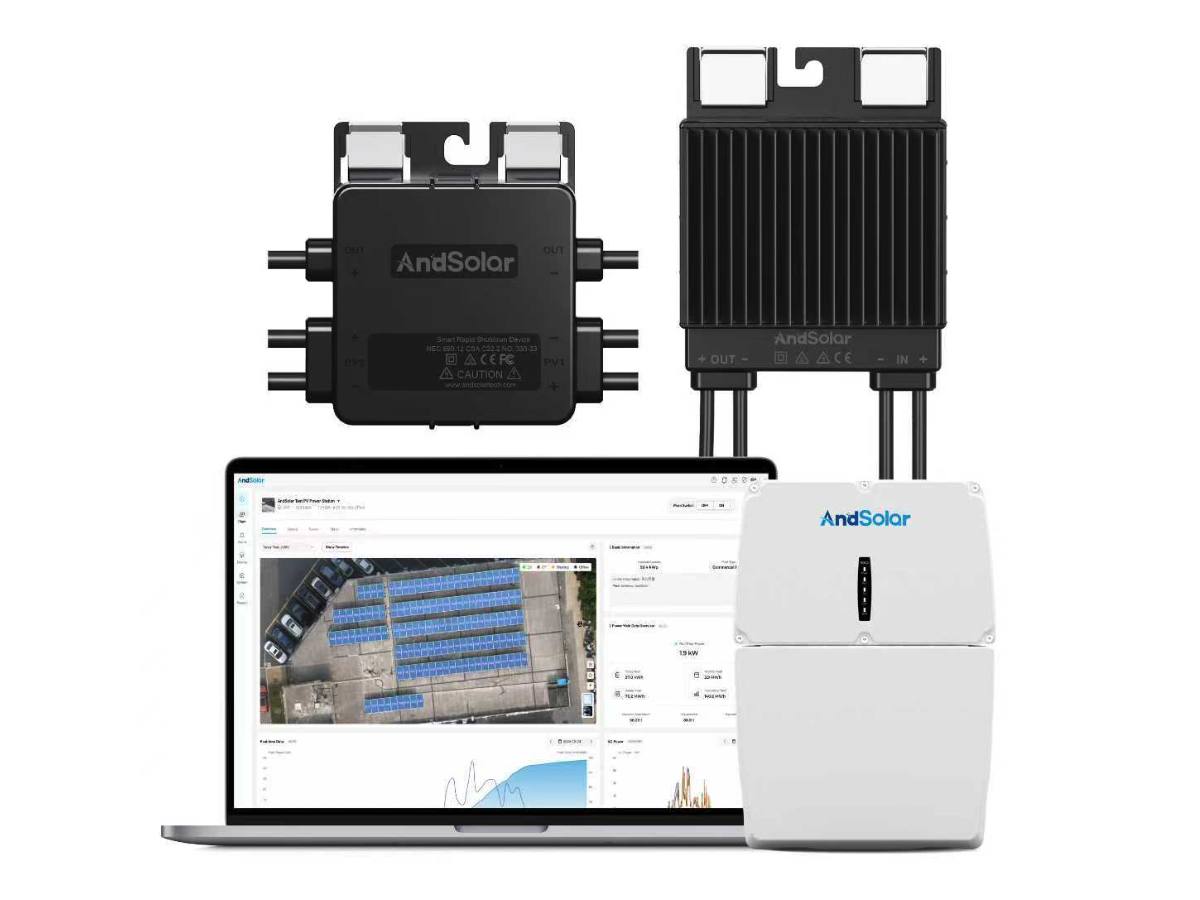
Power optimizers provide module-level monitoring capabilities that deliver significant operational cost savings through improved maintenance efficiency and faster fault detection. Traditional string inverter systems offer limited visibility into individual panel performance, requiring extensive troubleshooting when production issues arise. This diagnostic limitation increases maintenance labor costs and extends system downtime periods.
With power optimizers, facility managers can identify underperforming panels immediately through detailed monitoring data, reducing diagnostic time from hours to minutes. The average commercial solar maintenance call costs $200-500 in labor and equipment expenses, making rapid fault identification a substantial cost-saving benefit that improves overall system ROI.
Proactive maintenance enabled by power optimizer monitoring prevents minor issues from developing into major system failures. Early detection of panel degradation, connection problems, or environmental damage allows for targeted repairs that cost significantly less than reactive maintenance approaches. These operational savings typically amount to $0.005-0.015 per watt annually, contributing meaningfully to long-term ROI calculations.
Reduced Fire and Safety Risk Mitigation
Power optimizers incorporate automatic module-level shutdown capabilities that significantly reduce electrical fire risks and improve system safety during maintenance or emergency situations. This safety enhancement delivers ROI through reduced insurance premiums, lower liability exposure, and compliance with evolving safety regulations that increasingly require rapid shutdown functionality.
Commercial property insurance providers often offer premium reductions of 2-8% for solar installations equipped with module-level shutdown technology. For large commercial facilities, these insurance savings can amount to thousands of dollars annually, contributing directly to the financial justification for power optimizer investments.
The regulatory compliance aspect becomes increasingly valuable as electrical codes evolve to require enhanced safety features in commercial solar installations. Power optimizers help future-proof systems against changing regulations, avoiding costly retrofits that could otherwise be necessary to maintain code compliance.
Long-Term Financial Performance and Asset Value
System Longevity and Performance Degradation Management
Power optimizers contribute to improved long-term system performance by preventing the accelerated degradation that can occur in string inverter systems experiencing uneven loading or thermal stress. By optimizing each panel individually, these devices reduce the electrical stress on weaker modules while maximizing output from higher-performing units.
The financial impact of improved system longevity becomes significant over 20-25 year operational periods. Solar panel systems with power optimizers typically maintain 90-95% of original performance after 20 years, compared to 85-90% for traditional string systems. This 5% performance advantage in year 20 represents substantial additional revenue when calculated across large commercial installations.
Extended system life also reduces the frequency of major component replacements and system upgrades, contributing to lower total cost of ownership. The present value of avoided replacement costs and extended revenue generation often adds 8-15% to the overall system ROI when power optimizers are included in the initial installation.
Asset Value and Financing Advantages
Commercial solar installations with power optimizers typically command higher asset valuations due to their enhanced monitoring capabilities, improved safety features, and demonstrated performance advantages. These factors make optimized systems more attractive to potential buyers or refinancing partners, improving the overall investment liquidity.
Financial institutions increasingly recognize the risk mitigation benefits of power optimizers when evaluating solar investments for loans or lease arrangements. The detailed performance monitoring and reduced technical risks associated with optimized systems often result in more favorable financing terms, reducing the cost of capital and improving project economics.
Power optimizers also enhance the attractiveness of solar installations for power purchase agreement structures by providing performance guarantees and monitoring capabilities that reduce counterparty risk for energy buyers. This improved marketability can increase the net present value of solar investments by facilitating more favorable long-term energy sales contracts.
ROI Calculation Methodology and Payback Analysis
Comprehensive Cost-Benefit Framework
Calculating the real ROI of power optimizers requires a comprehensive analysis that encompasses initial equipment costs, installation expenses, energy production improvements, operational savings, and long-term financial benefits. The typical upfront cost premium for power optimizers ranges from $0.15-0.35 per watt, depending on system size and specific technology requirements.
The annual benefits from power optimizers include increased energy production revenue, reduced maintenance costs, insurance savings, and improved system reliability. For most commercial installations, these combined benefits generate annual returns of $0.04-0.08 per watt, resulting in simple payback periods of 4-8 years depending on site-specific conditions and local economic factors.
Net present value calculations over 25-year periods typically show IRRs of 12-20% for power optimizer investments, comparing favorably to alternative energy efficiency improvements or facility upgrade options. The risk-adjusted returns are particularly attractive given the proven reliability and performance track record of modern power optimizer technology.
Site-Specific ROI Variables
The financial returns from power optimizers vary significantly based on installation-specific factors that must be evaluated during the planning phase. Sites with complex roof layouts, partial shading conditions, or mixed panel orientations typically experience higher ROI from optimization technology compared to simple, unshaded installations.
Local electricity rates, net metering policies, and available incentives also influence the financial attractiveness of power optimizers. Regions with time-of-use rate structures or demand charges often see enhanced benefits from the improved energy production profiles that power optimizers provide through better peak hour generation.
System size represents another critical variable, with larger commercial installations typically achieving better economies of scale for power optimizer deployments. The fixed costs associated with monitoring infrastructure and system commissioning are spread across more capacity, improving per-watt economics for substantial commercial projects.
FAQ
What is the typical payback period for power optimizers in commercial solar systems?
The typical payback period for power optimizers in commercial solar installations ranges from 4-8 years, depending on site-specific conditions, local electricity rates, and system characteristics. Sites with shading issues or complex layouts often achieve shorter payback periods of 3-5 years due to higher energy production improvements.
Do power optimizers require additional maintenance costs that reduce ROI?
Power optimizers actually reduce overall maintenance costs through enhanced monitoring capabilities and improved fault detection. While they represent additional electronic components, modern power optimizers have 25-year warranties and proven reliability records. The operational savings from faster troubleshooting and proactive maintenance typically exceed any incremental maintenance requirements.
How do power optimizers affect solar system financing and insurance costs?
Power optimizers often improve financing terms by reducing technical risks and providing detailed performance monitoring that lenders value. Insurance premiums may decrease by 2-8% due to enhanced safety features like rapid shutdown functionality. These financing and insurance benefits contribute positively to overall ROI calculations.
Can existing solar systems be retrofitted with power optimizers for ROI benefits?
Retrofitting existing systems with power optimizers is technically possible but typically less cost-effective than including them in new installations. Retrofit projects face higher labor costs and may require inverter replacements or system reconfiguration. The ROI for retrofits depends on the age of the existing system, current performance issues, and available upgrade budgets.
Table of Contents
- Direct Energy Production ROI from Power Optimizers
- Operational Cost Savings and Risk Reduction ROI
- Long-Term Financial Performance and Asset Value
- ROI Calculation Methodology and Payback Analysis
-
FAQ
- What is the typical payback period for power optimizers in commercial solar systems?
- Do power optimizers require additional maintenance costs that reduce ROI?
- How do power optimizers affect solar system financing and insurance costs?
- Can existing solar systems be retrofitted with power optimizers for ROI benefits?
