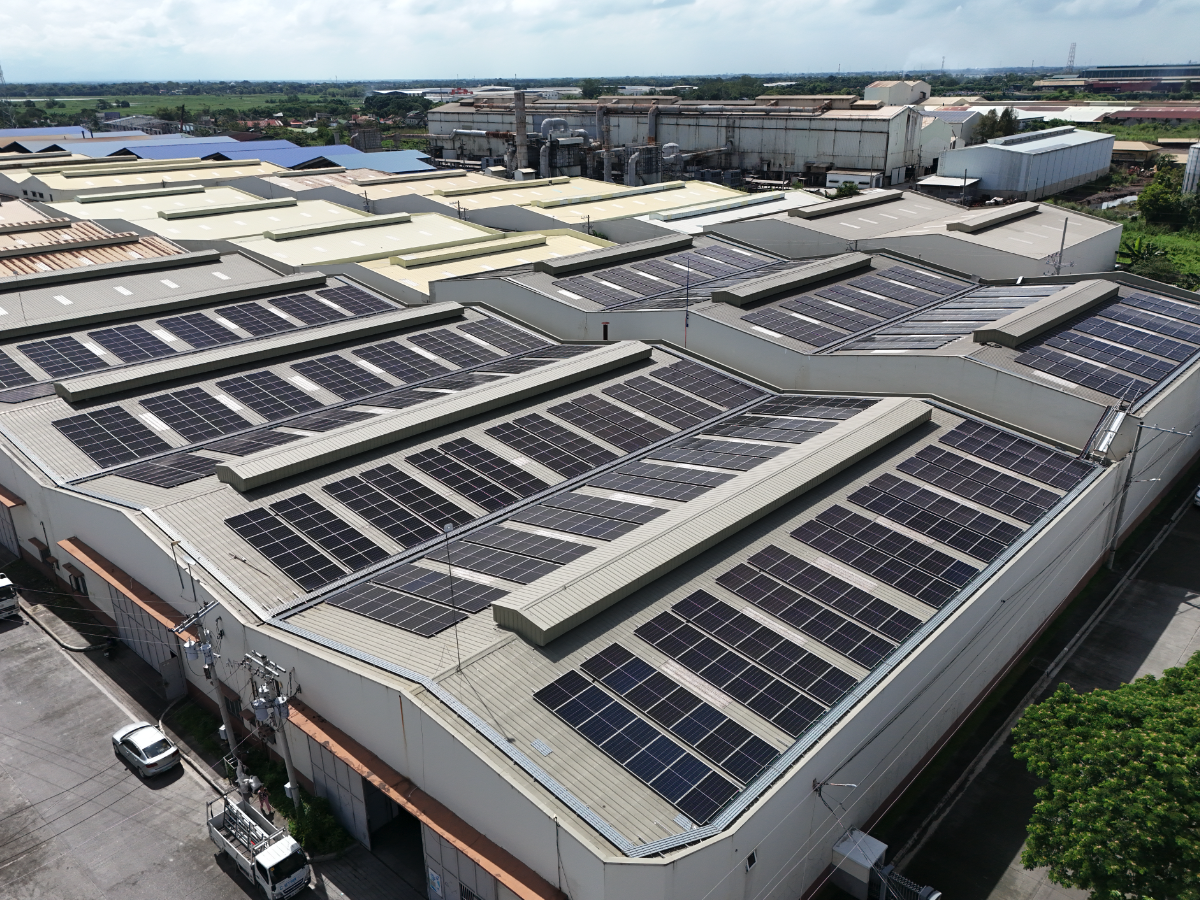
The solar industry has witnessed remarkable technological evolution, with smart DC modules emerging as a revolutionary advancement that challenges conventional photovoltaic systems. While traditional solar panels have served as the foundation of renewable energy generation for decades, smart DC modules represent a paradigm shift that addresses critical limitations inherent in standard panel configurations. These intelligent systems integrate advanced monitoring, optimization, and safety features directly at the module level, fundamentally transforming how solar energy is harvested, managed, and delivered.
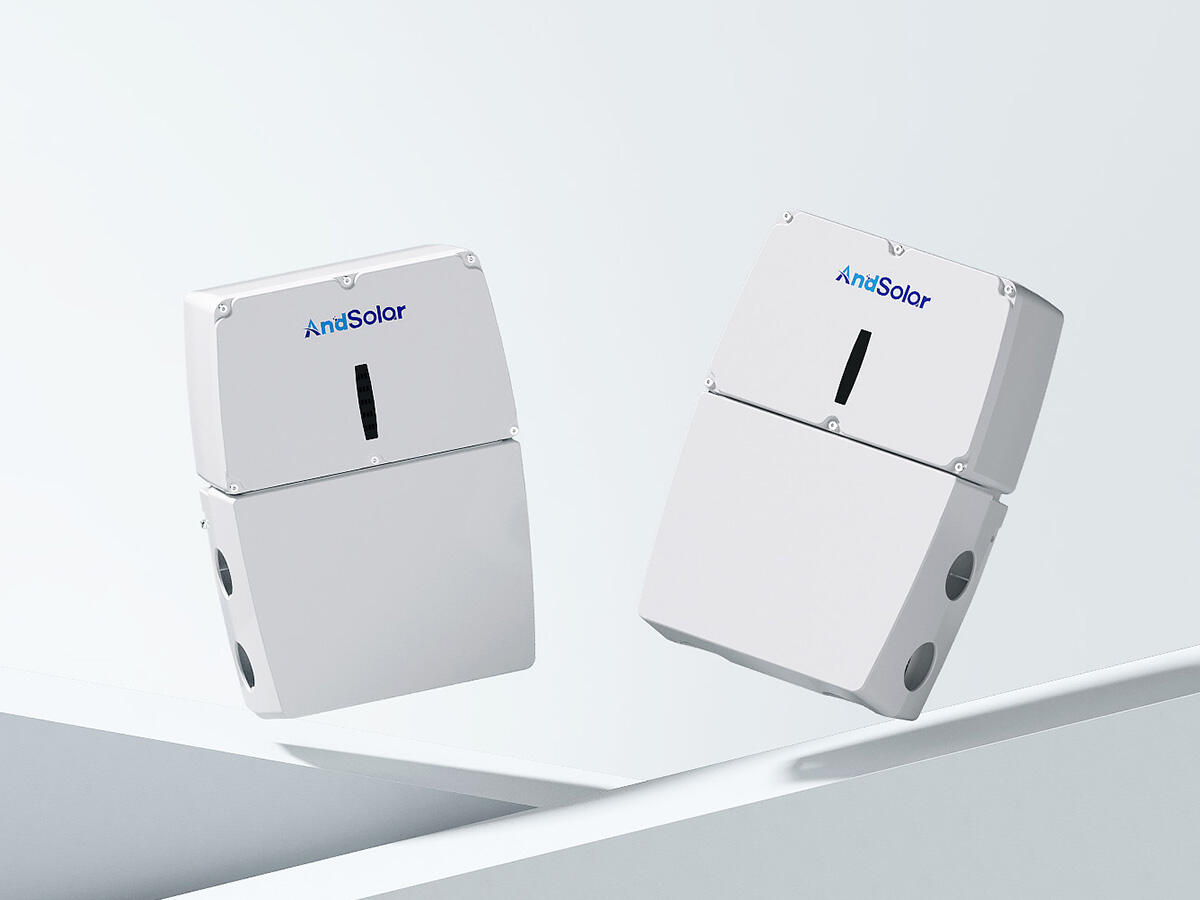
Understanding the advantages of smart DC modules over traditional solar panels becomes crucial for businesses, installers, and property owners seeking to maximize their solar investment returns. Traditional solar panels operate as passive energy converters with limited visibility into individual module performance, often suffering from system-wide inefficiencies caused by shading, soiling, or component degradation. In contrast, smart DC modules incorporate sophisticated electronics that enable real-time performance monitoring, module-level optimization, and enhanced safety protocols that collectively deliver superior energy yields and operational reliability.
Enhanced Energy Harvesting and System Efficiency
Module-Level Power Optimization Technology
Smart DC modules fundamentally outperform traditional solar panels through integrated power optimization technology that maximizes energy extraction from each individual module. Unlike conventional string configurations where the weakest performing panel limits the entire string's output, smart DC modules operate independently to achieve their maximum power point regardless of neighboring module conditions. This module-level optimization typically increases energy harvest by 15-25% compared to traditional systems, particularly in installations with partial shading, varying orientations, or mixed tilt angles.
The optimization electronics within smart DC modules continuously track and adjust operating parameters to maintain peak efficiency throughout varying environmental conditions. This dynamic response capability ensures that each module delivers optimal performance during changing weather patterns, seasonal variations, and daily sun angle transitions. Traditional solar panels, constrained by series string limitations, cannot achieve this level of individualized performance optimization, resulting in significant energy losses that accumulate over the system's operational lifetime.
Furthermore, smart DC modules eliminate the mismatch losses that plague traditional solar panel installations. Manufacturing tolerances, aging differences, and varying exposure conditions create performance disparities between modules in conventional systems. Smart DC modules address these mismatches by allowing each module to operate at its individual optimal point, recovering energy that would otherwise be lost in traditional string configurations.
Advanced Maximum Power Point Tracking
The sophisticated maximum power point tracking algorithms embedded in smart DC modules represent a significant advancement over the centralized MPPT approach used with traditional solar panels. Each smart DC module incorporates dedicated MPPT circuitry that continuously analyzes and adjusts to the module's specific electrical characteristics, environmental conditions, and load requirements. This distributed approach ensures that every module operates at its theoretical maximum power output, regardless of system-wide conditions that would compromise traditional panel performance.
Traditional solar panels rely on string inverters or centralized MPPT controllers that attempt to find a compromise operating point for multiple modules connected in series. This approach inevitably results in suboptimal performance for individual modules within the string, particularly when modules experience different irradiance levels, temperatures, or degradation rates. Smart DC modules eliminate this compromise by providing dedicated MPPT for each module, ensuring that no energy potential is sacrificed due to string-level limitations.
The rapid response capabilities of module-level MPPT systems also provide superior performance during dynamic conditions such as intermittent cloud cover or moving shadows. While traditional solar panels may take several seconds to minutes to re-establish optimal operating points after environmental changes, smart DC modules typically respond within milliseconds, capturing energy that would otherwise be lost during transition periods.
Superior Monitoring and Diagnostic Capabilities
Real-Time Performance Visibility
Smart DC modules deliver unprecedented visibility into system performance through comprehensive real-time monitoring capabilities that extend far beyond what traditional solar panels can provide. Each module continuously transmits detailed performance data including power output, voltage, current, temperature, and operational status to centralized monitoring systems. This granular visibility enables system owners and operators to identify performance issues, optimization opportunities, and maintenance requirements at the individual module level rather than inferring problems from aggregate system data.
The monitoring capabilities of smart DC modules include advanced analytics that can detect and diagnose performance degradation, component failures, and environmental impacts before they significantly affect energy production. Traditional solar panels typically require expensive thermal imaging inspections or manual testing to identify underperforming modules, often after substantial energy losses have already occurred. Smart DC modules provide continuous health monitoring that enables proactive maintenance and rapid issue resolution.
Historical performance data collection and analysis capabilities built into smart DC modules support long-term system optimization and financial modeling. System owners can track individual module degradation rates, identify patterns related to environmental conditions, and make data-driven decisions about maintenance schedules, warranty claims, and system expansion planning. This level of operational intelligence is simply not available with traditional solar panels without significant additional monitoring equipment investments.
Predictive Maintenance and Fault Detection
The integrated intelligence within smart DC modules enables sophisticated predictive maintenance capabilities that can identify potential failures before they impact system performance or safety. Advanced algorithms analyze performance trends, electrical characteristics, and environmental data to predict component wear, connection degradation, and other maintenance needs. This predictive approach allows system operators to schedule maintenance during optimal weather windows and minimize system downtime compared to reactive maintenance approaches required for traditional solar panels.
Fault detection capabilities in smart DC modules extend beyond simple performance monitoring to include electrical safety diagnostics such as ground fault detection, arc fault protection, and insulation resistance monitoring. These safety features operate continuously and can automatically isolate problematic modules to prevent safety hazards or system damage. Traditional solar panels require separate safety devices and monitoring systems to achieve comparable protection levels, increasing installation complexity and costs.
The diagnostic capabilities of smart DC modules also support warranty validation and performance guarantee enforcement. Detailed performance records and fault logs provide comprehensive documentation of module behavior throughout the warranty period, enabling more accurate warranty claim processing and dispute resolution. Traditional solar panels often require extensive testing and analysis to validate warranty claims, creating delays and uncertainties for system owners.
Enhanced Safety and Risk Mitigation
Automatic Shutdown and Isolation Features
Smart DC modules incorporate advanced safety features that provide superior protection compared to traditional solar panels, particularly in emergency situations or maintenance scenarios. Each module includes automatic shutdown capabilities that can be triggered remotely or through integrated safety systems, reducing DC voltage levels to safe ranges within seconds of activation. This rapid response capability significantly reduces electrical hazards for first responders, maintenance personnel, and emergency situations where traditional solar panels would continue generating dangerous voltage levels.
The module-level isolation capabilities of smart DC modules enable selective shutdown of individual modules or groups while maintaining operation of unaffected portions of the system. Traditional solar panels connected in series strings require shutdown of entire strings even when only one module requires maintenance or experiences a fault. This selective isolation capability minimizes energy production losses during maintenance activities and reduces the risk of cascading failures that could affect larger portions of the installation.
Built-in arc fault detection and interruption features in smart DC modules provide superior fire safety protection compared to traditional solar panels. These systems continuously monitor electrical characteristics to detect conditions that could lead to dangerous arcing events and automatically isolate affected modules before hazardous conditions develop. Traditional solar panels require separate arc fault circuit interrupters that may not provide the same level of sensitivity or response speed as integrated module-level protection.
Improved Personnel Safety During Installation and Maintenance
The safety advantages of smart DC modules extend throughout the installation and maintenance lifecycle, providing better protection for personnel working on solar systems. Module-level voltage control capabilities allow installers to work on individual modules with reduced electrical hazards, while traditional solar panels maintain string-level voltages that pose greater risks during installation and service activities. This improved safety profile can reduce insurance costs, training requirements, and liability concerns for installation and service companies.
Smart DC modules often incorporate visual and audible indicators that communicate module status and safety conditions to personnel working on the system. These indicators can show power generation status, fault conditions, and shutdown status without requiring electrical testing equipment. Traditional solar panels provide no direct indication of their operational status, requiring installers and maintenance personnel to rely on external measurement tools to assess safety conditions.
The reduced complexity of safety procedures required for smart DC modules compared to traditional solar panels can improve overall system safety and reduce training requirements for installation and maintenance personnel. Standardized shutdown procedures, clear status indicators, and module-level isolation capabilities create more predictable and manageable safety protocols than the complex string-level safety procedures required for traditional solar panel installations.
Long-Term Performance and Reliability Advantages
Extended System Lifespan and Degradation Management
Smart DC modules demonstrate superior long-term performance characteristics compared to traditional solar panels through advanced degradation management and component protection features. The integrated electronics continuously monitor and optimize operating conditions to minimize stress on photovoltaic cells, reducing degradation rates and extending productive system life. This active management approach can extend system lifespan by 20-30% compared to traditional solar panels operating under uncontrolled conditions.
The module-level optimization capabilities of smart DC modules ensure that individual modules continue operating at peak efficiency even as neighboring modules experience degradation or failure. Traditional solar panels suffer from collective degradation effects where the performance of entire strings decreases as individual modules age or fail. Smart DC modules maintain system-wide performance stability by isolating aging effects to individual modules while optimizing the performance of remaining healthy modules.
Comprehensive performance tracking and historical data analysis capabilities built into smart DC modules support proactive system lifecycle management that extends beyond what is possible with traditional solar panels. System operators can identify modules approaching end-of-life conditions, plan replacement schedules to minimize performance impacts, and optimize maintenance investments based on actual performance data rather than theoretical degradation curves.
Reduced Maintenance Requirements and Costs
The intelligent monitoring and diagnostic capabilities of smart DC modules significantly reduce maintenance requirements compared to traditional solar panels by enabling condition-based maintenance approaches rather than scheduled preventive maintenance programs. Predictive algorithms can identify modules requiring attention while avoiding unnecessary maintenance activities on healthy modules, reducing overall maintenance costs and system downtime.
Module-level fault isolation and diagnosis capabilities built into smart DC modules enable more efficient troubleshooting and repair activities compared to traditional solar panels. Maintenance personnel can quickly identify and isolate problematic modules without extensive testing or system shutdown requirements, reducing service call duration and minimizing energy production losses during maintenance activities.
The comprehensive performance documentation provided by smart DC modules supports more effective warranty management and component replacement decisions compared to traditional solar panels. Detailed performance histories enable system operators to identify warranty-eligible issues, document performance degradation for insurance claims, and make data-driven decisions about component replacement timing to optimize long-term system economics.
FAQ
How much more expensive are smart DC modules compared to traditional solar panels?
Smart DC modules typically cost 20-40% more than equivalent traditional solar panels initially, but this premium is often offset by higher energy yields, reduced installation complexity, and lower maintenance costs over the system lifetime. The total cost of ownership frequently favors smart DC modules due to increased energy production and reduced operational expenses, with payback periods typically ranging from 2-4 years depending on application and local energy rates.
Can smart DC modules be retrofitted to existing traditional solar panel installations?
Retrofitting existing traditional solar panel installations with smart DC modules is technically possible but typically requires significant electrical system modifications including inverter replacement, monitoring system installation, and electrical safety upgrades. The cost and complexity of retrofitting often make complete system replacement more economical than attempting to integrate smart DC modules with existing traditional panel installations.
Do smart DC modules require special inverters or electrical components?
Smart DC modules are typically designed to work with standard string inverters and electrical components, though they may require compatible monitoring systems and communication interfaces to access their full functionality. Many smart DC modules can operate as traditional panels when connected to standard inverters, but their advanced features require specialized monitoring and control systems to realize their full performance advantages.
What happens to smart DC modules during power grid outages?
During grid outages, smart DC modules typically shut down automatically for safety reasons, similar to traditional solar panels, unless they are part of a system with battery storage and appropriate transfer switches. However, smart DC modules often provide more flexible shutdown and restart capabilities, enabling faster system recovery when grid power is restored and supporting more sophisticated backup power configurations than traditional solar panel systems.
Table of Contents
- Enhanced Energy Harvesting and System Efficiency
- Superior Monitoring and Diagnostic Capabilities
- Enhanced Safety and Risk Mitigation
- Long-Term Performance and Reliability Advantages
-
FAQ
- How much more expensive are smart DC modules compared to traditional solar panels?
- Can smart DC modules be retrofitted to existing traditional solar panel installations?
- Do smart DC modules require special inverters or electrical components?
- What happens to smart DC modules during power grid outages?
