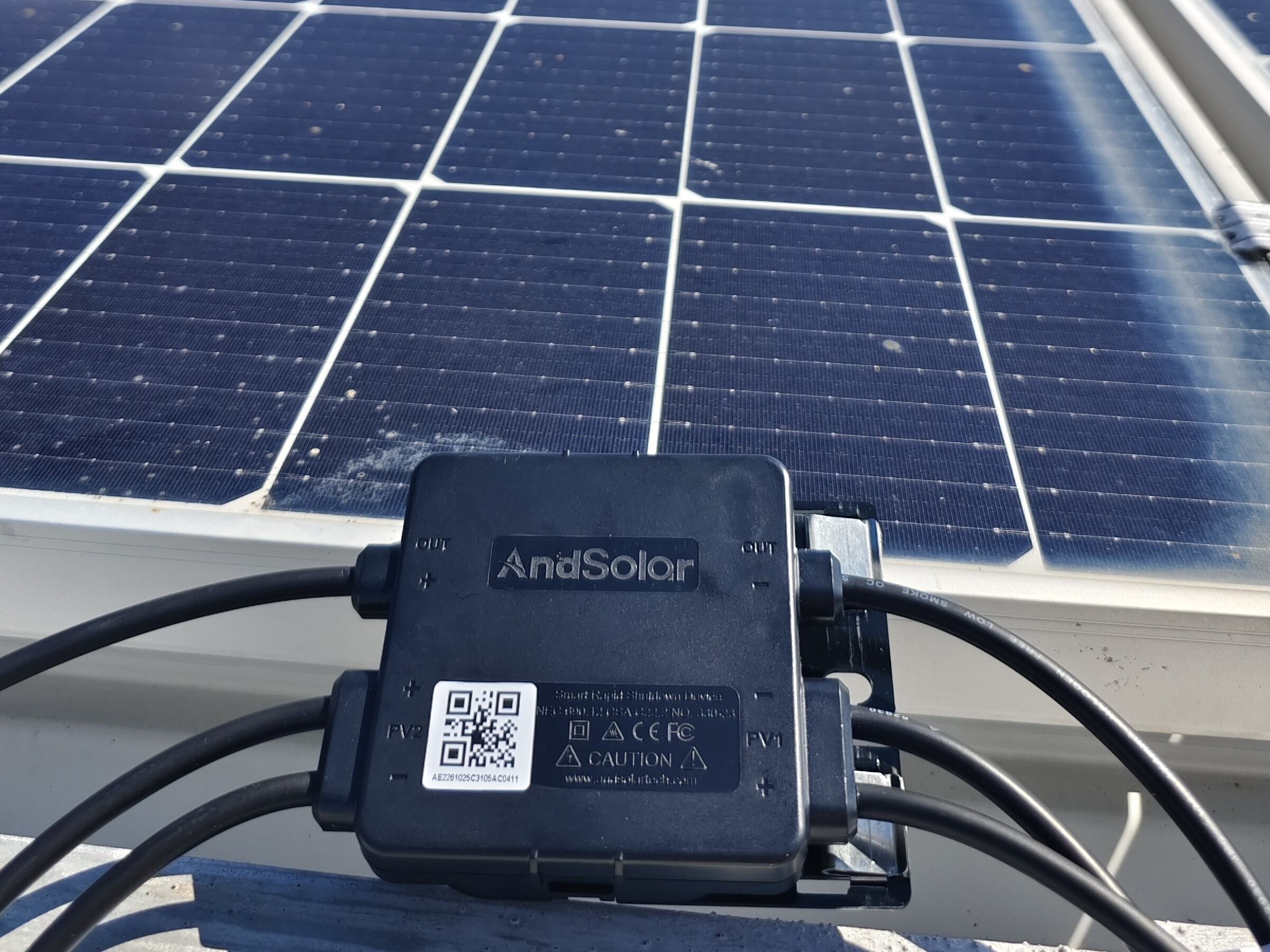
Selecting the right solar inverter for your photovoltaic system can significantly impact your energy production, system reliability, and long-term return on investment. Understanding the fundamental differences between string inverters, micro inverters, and smart inverters is crucial for making an informed decision that aligns with your specific solar installation requirements and performance expectations.
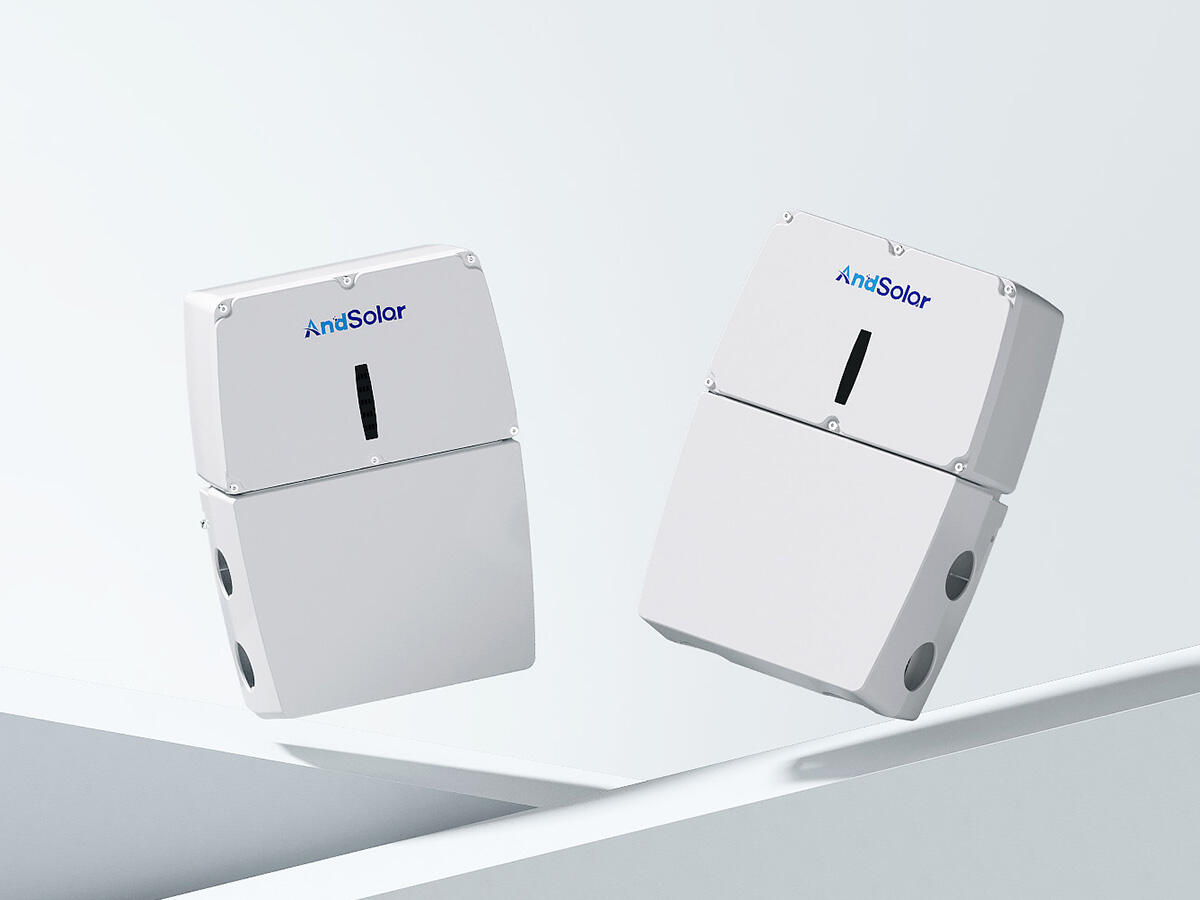
Each type of solar inverter operates on different architectural principles and offers distinct advantages depending on your installation conditions, shading patterns, monitoring needs, and budget considerations. The choice between string, micro, and smart inverters will determine how efficiently your solar panels convert sunlight into usable electricity and how effectively you can monitor and optimize your system's performance over time.
String Inverters: Traditional Centralized Power Conversion
How String Inverters Function in Solar Systems
String inverters represent the most traditional approach to solar power conversion, where multiple solar panels are connected in series to form strings that feed into a single centralized inverter unit. This configuration creates a direct current pathway from the solar array to one primary conversion point where DC electricity is transformed into AC power for home use or grid connection.
The series connection means that electricity flows through each panel sequentially, with the inverter managing the power output from the entire string as a unified system. String inverters typically handle between 8 to 24 solar panels per string, depending on the inverter's capacity and the individual panel specifications, making them suitable for larger residential and commercial installations.
Modern string inverters incorporate maximum power point tracking technology to optimize energy harvest from the connected panel string, adjusting the electrical load to extract maximum available power under varying sunlight conditions. However, the performance of the entire string is limited by the lowest-performing panel in the series connection.
Advantages and Limitations of String Inverter Systems
String inverters offer the most cost-effective solution for solar installations on properties with consistent sun exposure and minimal shading issues. The centralized design reduces the total number of components in the system, simplifying installation procedures and reducing initial equipment costs compared to distributed inverter architectures.
Maintenance and troubleshooting are straightforward with string inverters since there's typically only one primary inverter unit to service, and replacement parts are widely available from multiple manufacturers. The centralized monitoring approach provides system-level performance data, though it lacks the granular panel-level insights available with other inverter types.
The primary limitation of string inverters becomes apparent when individual panels experience shading, soiling, or performance degradation, as these issues affect the output of the entire string. This characteristic makes string solar inverters less suitable for installations with complex roof configurations or intermittent shading patterns throughout the day.
Micro Inverters: Panel-Level Power Optimization
Individual Panel Conversion Technology
Micro inverters revolutionize solar system architecture by placing individual inverter units directly behind each solar panel, creating a distributed conversion system where every panel operates independently. This approach eliminates the series connection limitations inherent in string inverter systems and allows each panel to perform at its maximum potential regardless of the performance of neighboring panels.
Each micro inverter handles the DC to AC conversion for a single solar panel, typically managing power outputs between 250 to 400 watts depending on the panel specifications. This distributed architecture means that shading on one panel or performance degradation in individual modules doesn't impact the electricity production of the remaining panels in the array.
Micro inverters integrate advanced power electronics and communication capabilities that enable real-time monitoring of individual panel performance, providing detailed insights into system operation that aren't possible with centralized inverter configurations. This granular visibility helps identify maintenance needs and performance issues at the panel level.
Performance Benefits and Installation Considerations
The primary advantage of micro inverters lies in their ability to maximize energy harvest from solar installations with shading challenges, varied panel orientations, or different tilt angles across the roof surface. Each panel can operate at its individual maximum power point, resulting in higher overall system efficiency compared to string inverters in non-ideal conditions.
Installation flexibility increases significantly with micro inverters, as panels can be added incrementally to expand system capacity over time without reconfiguring the existing inverter infrastructure. The AC output at the panel level also enhances electrical safety during installation and maintenance procedures, as there are no high-voltage DC connections running across the roof.
However, micro inverters require a higher initial investment due to the increased number of components, and the distributed nature means more potential failure points across the system. The enhanced monitoring capabilities and performance optimization often justify the additional cost for installations where shading or complex roof configurations would significantly impact string inverter performance.
Smart Inverters: Advanced Grid Integration and Control
Intelligent Grid Communication Features
Smart inverters represent the latest evolution in solar power conversion technology, incorporating advanced communication protocols and grid-interactive features that enable sophisticated integration with utility networks and home energy management systems. These solar inverters can receive and respond to signals from utility companies, automatically adjusting their operation to support grid stability and optimize energy distribution.
The intelligence embedded in smart inverters includes voltage regulation capabilities, frequency response functions, and power factor correction features that help maintain grid stability as solar penetration increases in residential neighborhoods. This functionality becomes increasingly important as utilities manage the challenges of distributed energy resources and bidirectional power flows.
Smart inverters can communicate with home energy storage systems, electric vehicle chargers, and smart appliances to coordinate energy usage and maximize the value of solar electricity production. This integration capability positions smart solar inverters as central components in comprehensive home energy management strategies.
Future-Proofing and Regulatory Compliance
Regulatory requirements for solar installations increasingly mandate smart inverter functionality to ensure grid stability and enable utility control during emergency conditions. Many jurisdictions now require smart inverter features such as voltage ride-through capability, frequency response, and remote disconnect functionality for new solar installations.
The advanced monitoring and diagnostic capabilities built into smart inverters provide unprecedented visibility into system performance, energy production patterns, and potential maintenance needs. This data enables predictive maintenance strategies and helps optimize system operation over the 25-year lifespan of typical solar installations.
Smart inverters support multiple communication protocols including Wi-Fi, cellular, and power line communication, ensuring reliable data transmission and remote monitoring capabilities regardless of the installation location. This connectivity enables software updates and feature enhancements that can extend inverter functionality over time without hardware modifications.
Comparative Analysis for Solar System Selection
Cost-Benefit Considerations Across Inverter Types
The initial investment for string inverters typically represents the lowest upfront cost option, making them attractive for budget-conscious installations on properties with ideal solar conditions. However, the total cost of ownership analysis must consider potential energy losses due to shading or panel mismatch issues that could impact long-term financial returns.
Micro inverters command a premium price due to their distributed architecture and individual panel optimization capabilities, but this investment often pays dividends through increased energy production in challenging installation conditions. The enhanced monitoring capabilities also provide value through improved system maintenance and performance optimization over the system's lifetime.
Smart inverters may incorporate string or micro inverter architectures while adding advanced grid integration features, positioning them at various price points depending on the specific functionality and communication capabilities included. The regulatory compliance benefits and future-proofing aspects often justify any additional investment for forward-thinking solar adopters.
Installation Suitability and Performance Optimization
String inverters excel in installations with consistent solar exposure, uniform panel orientations, and minimal shading throughout the day. Large, unobstructed roof surfaces or ground-mounted arrays represent ideal applications where the cost advantages of string solar inverters can be fully realized without significant performance compromises.
Micro inverters become the preferred choice for complex roof configurations with multiple orientations, varying tilt angles, or intermittent shading from trees, buildings, or other obstructions. The panel-level optimization ensures maximum energy harvest regardless of individual panel conditions, making them ideal for challenging installation environments.
Smart inverters provide the most comprehensive solution for homeowners seeking advanced grid integration, energy storage compatibility, and future expansion capabilities. The intelligent features support sophisticated energy management strategies and ensure compliance with evolving utility requirements and building codes.
FAQ
Can I mix different types of inverters in the same solar installation?
While technically possible in some configurations, mixing inverter types within a single solar installation is generally not recommended due to monitoring complexity, warranty considerations, and potential electrical compatibility issues. It's more effective to choose one inverter architecture that best matches your specific installation requirements and performance goals.
How long do different types of solar inverters typically last?
String inverters typically offer 10-15 year warranties with expected lifespans of 15-20 years, while micro inverters often provide 20-25 year warranties matching solar panel lifespans. Smart inverters vary by manufacturer and design, but generally offer similar warranty periods to their underlying inverter architecture with potential for extended functionality through software updates.
Which inverter type provides the best monitoring capabilities for system optimization?
Micro inverters provide the most detailed monitoring with individual panel performance data, enabling precise identification of issues and optimization opportunities. Smart inverters offer comprehensive system-level monitoring with additional grid integration data, while string inverters provide basic system performance information without panel-level granularity.
Are there specific roof conditions where one inverter type significantly outperforms others?
Yes, micro inverters significantly outperform string inverters on roofs with shading issues, multiple orientations, or varying tilt angles, often providing 10-25% more energy production in these challenging conditions. String inverters perform best on large, unshaded roof surfaces with uniform panel positioning, while smart solar inverters adapt well to various conditions while providing enhanced grid integration benefits.
Table of Contents
- String Inverters: Traditional Centralized Power Conversion
- Micro Inverters: Panel-Level Power Optimization
- Smart Inverters: Advanced Grid Integration and Control
- Comparative Analysis for Solar System Selection
-
FAQ
- Can I mix different types of inverters in the same solar installation?
- How long do different types of solar inverters typically last?
- Which inverter type provides the best monitoring capabilities for system optimization?
- Are there specific roof conditions where one inverter type significantly outperforms others?
