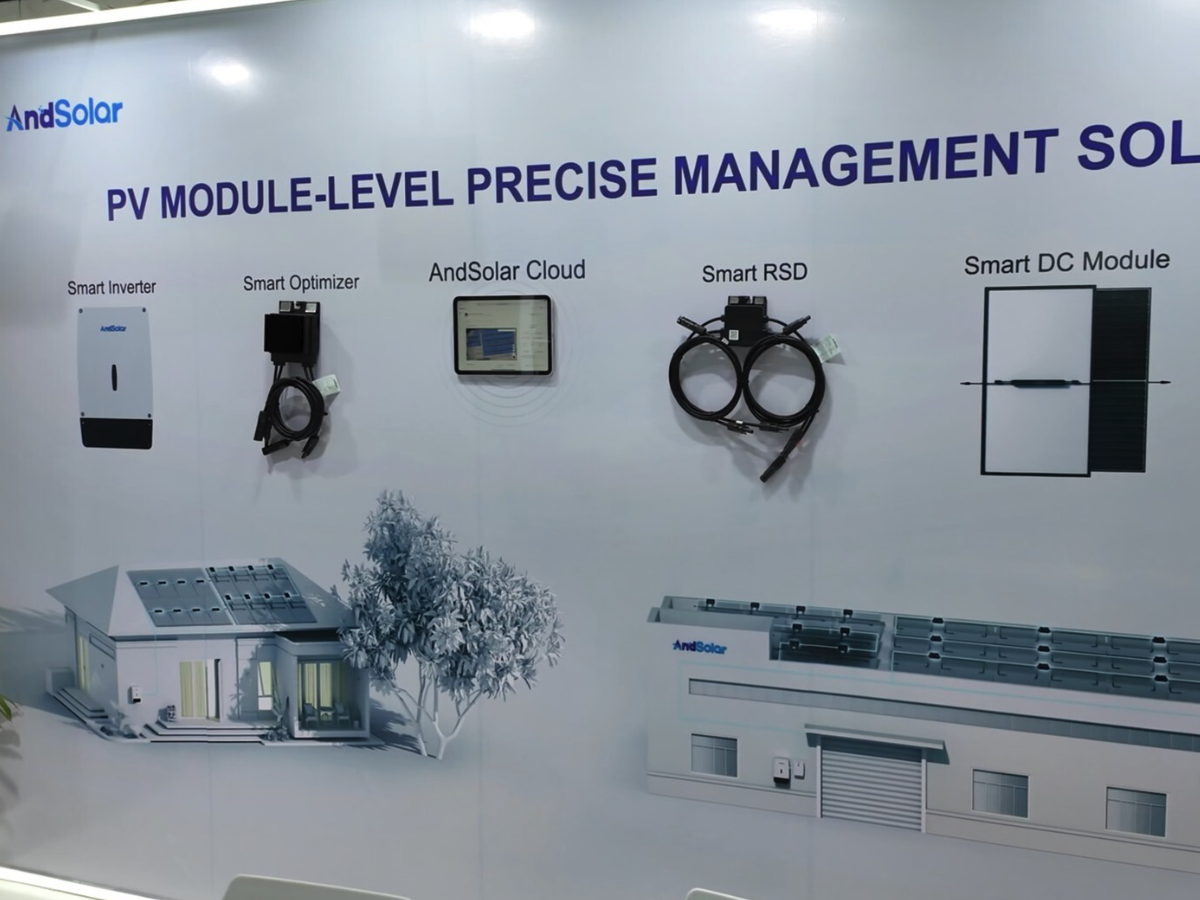
Smart power optimizers represent a revolutionary advancement in solar energy systems, fundamentally transforming how photovoltaic installations monitor and manage individual panel performance. These intelligent devices attach directly to each solar panel, creating a sophisticated network that enables real-time visibility into every component of your solar array. By establishing panel-level monitoring capabilities, smart power optimizers eliminate the traditional blind spots that have long plagued conventional string inverter systems, where the performance of individual panels remained hidden within aggregate system data.
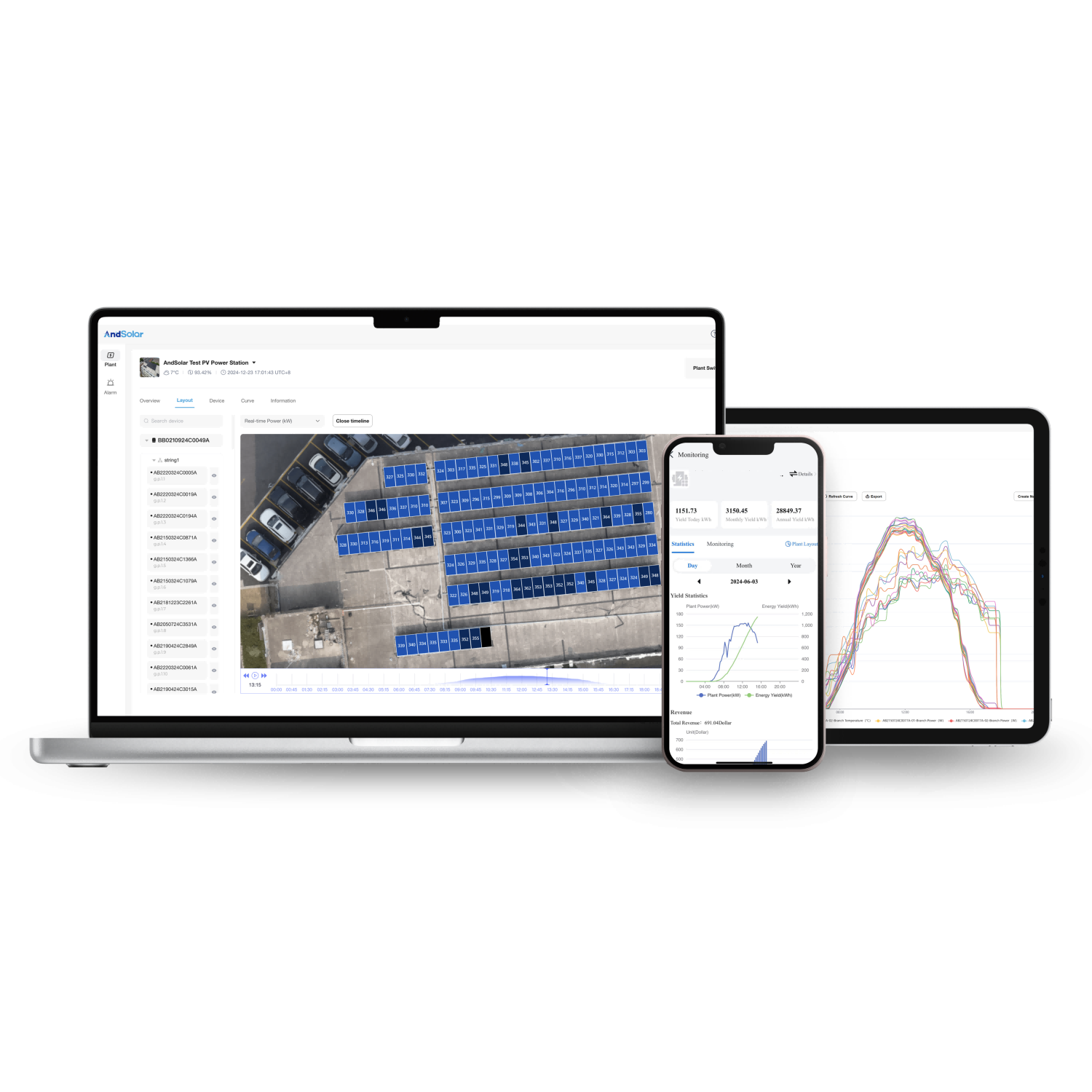
The mechanism through which smart power optimizers enable panel-level performance monitoring involves a sophisticated combination of embedded sensors, power electronics, and wireless communication technologies. Each optimizer continuously measures critical performance parameters including voltage, current, power output, and operating temperature at the individual panel level. This granular data collection creates an unprecedented level of system transparency, allowing system owners and operators to identify performance issues, shading problems, or equipment failures with pinpoint accuracy. The monitoring capabilities extend beyond simple performance metrics to include safety parameters, ensuring that any anomalies or potential hazards are immediately detected and communicated to the central monitoring system.
The Technical Architecture Behind Panel-Level Monitoring
Embedded Sensor Integration and Data Collection
Smart power optimizers incorporate multiple high-precision sensors that continuously monitor electrical and environmental parameters at each solar panel. These sensors measure DC voltage and current with exceptional accuracy, enabling the calculation of real-time power output for individual panels. Additionally, temperature sensors monitor both ambient conditions and panel operating temperatures, providing crucial data for performance analysis and thermal management. The embedded sensors operate continuously, capturing data points at regular intervals to create comprehensive performance profiles for each panel in the array.
The data collection process involves sophisticated analog-to-digital conversion systems that ensure measurement accuracy across varying environmental conditions. Smart power optimizers utilize advanced microprocessors to process sensor data locally, performing initial calculations and filtering to optimize data quality before transmission. This local processing capability reduces communication bandwidth requirements while ensuring that critical performance information reaches the monitoring system without delay. The sensor integration design also includes fail-safe mechanisms that continue monitoring operations even when individual sensors experience temporary malfunctions.
Wireless Communication Networks and Data Transmission
The communication architecture of smart power optimizers typically employs power line communication (PLC) technology, utilizing the existing DC wiring infrastructure to transmit monitoring data. This approach eliminates the need for additional communication cables while ensuring reliable data transmission from each optimizer to the central monitoring gateway. The PLC protocol incorporates error correction and data integrity verification to maintain communication reliability even in challenging electrical environments with potential interference from other equipment.
Advanced smart power optimizers may also incorporate wireless communication capabilities, including Wi-Fi or cellular connectivity options for enhanced system flexibility. These wireless communication features enable direct cloud connectivity, allowing real-time data access from remote locations without requiring on-site monitoring equipment. The communication protocols include encryption and security features to protect sensitive performance data and prevent unauthorized access to the monitoring network. The redundant communication pathways ensure continuous monitoring capabilities even if primary communication channels experience temporary disruptions.
Real-Time Performance Monitoring Capabilities
Individual Panel Performance Tracking
Smart power optimizers enable comprehensive tracking of individual panel performance metrics, providing unprecedented visibility into solar array operations. Each optimizer continuously monitors and reports power output, efficiency ratios, and energy production levels for its associated panel. This granular monitoring capability allows system operators to identify underperforming panels immediately, whether due to shading, soiling, manufacturing defects, or aging effects. The individual panel tracking extends to monitoring maximum power point tracking (MPPT) efficiency, ensuring that each panel operates at its optimal performance point regardless of varying conditions across the array.
The performance tracking capabilities include historical data logging, enabling trend analysis and long-term performance evaluation for each panel. This historical perspective allows system owners to identify gradual performance degradation patterns and schedule proactive maintenance before significant efficiency losses occur. Smart power optimizers can also detect and report sudden performance changes that may indicate equipment failures or environmental impacts, enabling rapid response to maintain system productivity. The individual panel performance data contributes to overall system optimization strategies, identifying opportunities for layout improvements or maintenance interventions.
Fault Detection and Diagnostic Capabilities
The diagnostic capabilities of smart power optimizers extend far beyond basic performance monitoring to include sophisticated fault detection and analysis features. These systems can identify various types of panel-level faults, including ground faults, arc faults, and insulation failures, providing early warning of potential safety hazards. The fault detection algorithms analyze electrical characteristics and performance patterns to distinguish between temporary conditions and persistent problems requiring immediate attention.
Advanced diagnostic features include the ability to detect partial shading conditions, soiling accumulation, and physical damage to individual panels. The diagnostic system can differentiate between reversible performance impacts, such as temporary shading or dust accumulation, and permanent issues requiring panel replacement or repair. This diagnostic granularity enables targeted maintenance strategies that address specific problems without disrupting the entire solar array operation. The fault detection capabilities also include predictive analytics that can forecast potential failures based on performance trends and environmental conditions.
System Integration and Monitoring Platforms
Central Monitoring System Architecture
Smart power optimizers integrate seamlessly with centralized monitoring platforms that aggregate and analyze performance data from across the entire solar installation. These monitoring systems typically include cloud-based platforms that provide remote access to real-time and historical performance data through web-based interfaces and mobile applications. The central monitoring architecture incorporates data storage, analysis, and visualization tools that transform raw performance metrics into actionable insights for system operators and maintenance teams.
The monitoring platform architecture includes automated alert systems that notify operators of performance anomalies, maintenance requirements, or safety concerns detected by individual smart power optimizers. These alerts can be configured with customizable thresholds and escalation procedures to ensure appropriate response times for different types of issues. The central monitoring system also provides comparative analysis capabilities, allowing operators to benchmark individual panel performance against array averages and identify consistently underperforming areas that may require attention.
Data Analytics and Performance Optimization
The data analytics capabilities enabled by smart power optimizers provide sophisticated tools for ongoing system optimization and performance improvement. Machine learning algorithms can analyze performance patterns across multiple panels and environmental conditions to identify optimization opportunities and predict maintenance needs. These analytics tools can correlate performance data with weather conditions, time of day, and seasonal patterns to establish baseline performance expectations and detect deviations that may indicate developing problems.
Advanced analytics platforms can generate detailed performance reports that include energy production forecasts, financial performance projections, and maintenance scheduling recommendations. The analytics capabilities extend to comparative analysis between different areas of the solar installation, identifying factors that contribute to performance variations and suggesting layout or operational improvements. Smart power optimizers enable the creation of digital twins of solar installations, allowing operators to model performance scenarios and evaluate the impact of potential modifications or expansions.
Operational Benefits and Performance Impact
Enhanced System Efficiency and Energy Yield
The panel-level monitoring capabilities of smart power optimizers directly contribute to improved system efficiency and increased energy production. By identifying and addressing underperforming panels quickly, operators can minimize energy losses and maintain optimal system performance throughout the installation's operational lifetime. The individual panel optimization features ensure that shading or soiling on one panel does not impact the performance of adjacent panels, maximizing energy harvest under partially compromised conditions.
Studies have demonstrated that solar installations equipped with smart power optimizers typically achieve 15-25% higher energy yields compared to traditional string inverter systems, particularly in installations with partial shading or complex roof configurations. The enhanced efficiency results from both the optimization functions of individual devices and the monitoring capabilities that enable proactive maintenance and performance management. The monitoring data also enables fine-tuning of system operations based on actual performance characteristics rather than theoretical calculations.
Maintenance Optimization and Cost Reduction
Smart power optimizers significantly improve maintenance efficiency by providing precise location information for performance issues and equipment failures. Instead of conducting time-consuming inspections across entire solar arrays, maintenance teams can focus their efforts on specific panels identified through the monitoring system. This targeted maintenance approach reduces labor costs while improving response times for critical issues that could impact system safety or performance.
The predictive maintenance capabilities enabled by continuous monitoring help prevent minor issues from developing into major failures that could require expensive repairs or panel replacements. By tracking performance trends and identifying gradual degradation patterns, operators can schedule maintenance activities during optimal weather windows and coordinate multiple maintenance tasks to minimize system downtime. The comprehensive monitoring data also supports warranty claims and insurance processes by providing detailed documentation of system performance and maintenance activities.
FAQ
How accurate is the performance data provided by smart power optimizers?
Smart power optimizers typically provide performance measurements with accuracy levels of 1-2% for power and energy calculations, utilizing high-precision sensors and calibrated measurement circuits. The accuracy is maintained across varying environmental conditions through temperature compensation and regular calibration procedures built into the monitoring algorithms.
Can smart power optimizers detect all types of panel-level problems?
Smart power optimizers can detect most electrical and performance-related issues including shading, soiling, ground faults, arc faults, and gradual degradation. However, certain physical problems such as micro-cracks or manufacturing defects may require additional diagnostic tools or visual inspections to identify completely.
What happens to monitoring capabilities if individual optimizers fail?
When individual smart power optimizers fail, monitoring capability is lost for those specific panels, but the failure is typically detected by the central monitoring system through communication loss alerts. The remaining optimizers continue normal operation and monitoring functions, ensuring overall system visibility is maintained while identifying panels requiring attention.
How long is performance data typically stored and accessible?
Most smart power optimizer monitoring systems store detailed performance data for minimum periods ranging from 5-20 years, depending on the manufacturer and service plan. Cloud-based platforms often provide longer data retention periods with the ability to export historical data for long-term analysis and reporting requirements.
