
Smart rapid shutdown devices represent a significant advancement beyond traditional safety mechanisms in solar installations, incorporating intelligent monitoring capabilities and enhanced operational features that surpass minimum code compliance standards. While basic rapid shutdown systems simply meet the fundamental requirement of reducing DC voltage to safe levels within specified timeframes, smart rapid shutdown devices integrate advanced communication protocols, real-time monitoring capabilities, and automated diagnostic features that provide comprehensive safety oversight throughout the entire solar array lifecycle.
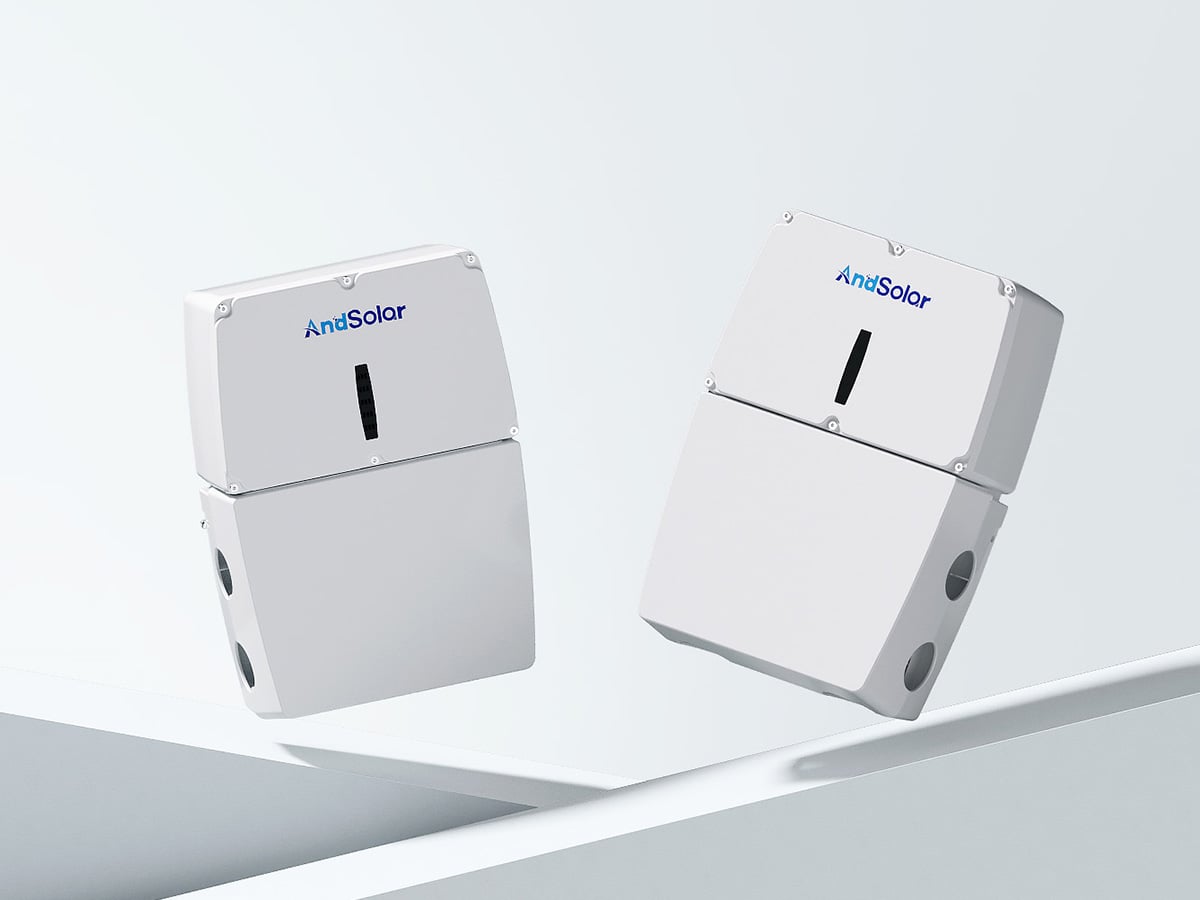
The evolution from basic rapid shutdown compliance to smart rapid shutdown devices reflects the solar industry's commitment to exceeding minimum safety requirements through proactive risk management and enhanced operational intelligence. These advanced systems not only fulfill the National Electrical Code requirements for rapid shutdown functionality but also introduce layers of safety monitoring, fault detection, and preventive maintenance capabilities that create a more comprehensive approach to solar system safety management.
Enhanced Communication and Monitoring Capabilities
Real-Time System Visibility
Smart rapid shutdown devices exceed basic safety requirements by providing continuous real-time monitoring of electrical parameters across individual modules and string configurations. Unlike conventional rapid shutdown systems that operate as simple on-off mechanisms, smart rapid shutdown devices continuously track voltage levels, current flow patterns, and temperature variations throughout normal operations. This constant monitoring capability enables immediate detection of electrical anomalies that could indicate developing safety hazards before they reach critical thresholds.
The enhanced visibility provided by smart rapid shutdown devices allows system operators to identify potential safety issues during routine operations, rather than waiting for emergency shutdown scenarios to reveal system vulnerabilities. This proactive monitoring approach creates multiple layers of safety protection that extend far beyond the basic code requirement of simply reducing voltage during emergency situations.
Advanced communication protocols integrated into smart rapid shutdown devices enable seamless data transmission between individual module optimizers, string inverters, and central monitoring systems. This comprehensive communication network ensures that safety-related information flows continuously throughout the entire system, creating an interconnected safety ecosystem that responds dynamically to changing operational conditions.
Automated Fault Detection and Response
Smart rapid shutdown devices incorporate sophisticated fault detection algorithms that automatically identify and respond to electrical irregularities that may not trigger basic rapid shutdown mechanisms. These intelligent systems can detect ground faults, arc faults, and insulation degradation patterns that represent potential safety hazards, even when overall system performance appears normal according to conventional monitoring parameters.
The automated response capabilities of smart rapid shutdown devices enable immediate isolation of problematic circuits or modules without requiring manual intervention or complete system shutdown. This selective isolation functionality allows the majority of the solar array to continue operating safely while problematic sections are automatically disconnected, maintaining both safety and system productivity.
Advanced diagnostic capabilities built into smart rapid shutdown devices provide detailed analysis of electrical characteristics that help identify the root causes of safety concerns. This diagnostic information enables targeted maintenance interventions that address specific safety issues before they develop into more serious hazards requiring emergency shutdown procedures.
Advanced Safety Protocol Integration
Multi-Layer Safety Architecture
Smart rapid shutdown devices implement multi-layered safety architectures that create redundant protection mechanisms extending well beyond basic code requirements. These systems incorporate primary, secondary, and tertiary safety protocols that activate sequentially based on the severity and nature of detected safety concerns. The primary layer maintains continuous monitoring and minor adjustments during normal operations, while secondary layers provide intermediate protective responses for developing issues.
The tertiary safety layer in smart rapid shutdown devices serves as the ultimate protection mechanism, implementing complete system isolation when critical safety thresholds are exceeded. This graduated response approach ensures that safety interventions are proportional to actual risk levels, avoiding unnecessary complete shutdowns while maintaining comprehensive protection against serious hazards.
Integration with building management systems and fire safety protocols allows smart rapid shutdown devices to coordinate with broader safety infrastructure beyond the solar installation itself. This coordination capability enables automatic response to building-wide emergency situations, weather-related safety concerns, and maintenance scheduling requirements that affect overall facility safety management.
Predictive Safety Analytics
Smart rapid shutdown devices utilize predictive analytics algorithms to identify patterns in electrical behavior that may indicate developing safety issues before they become apparent through conventional monitoring methods. These predictive capabilities analyze historical performance data, environmental conditions, and operational patterns to forecast potential safety concerns days or weeks before they would trigger traditional rapid shutdown mechanisms.
The predictive safety features enable proactive maintenance scheduling and component replacement programs that prevent safety incidents rather than simply responding to them after they occur. This forward-looking approach to safety management creates opportunities for planned interventions that maintain system safety without disrupting operations or requiring emergency response procedures.
Machine learning algorithms integrated into smart rapid shutdown devices continuously refine their predictive accuracy by analyzing the outcomes of previous safety interventions and correlating them with the electrical signatures that preceded safety events. This self-improving capability ensures that the safety protection provided by smart systems becomes more sophisticated and accurate over time.
Operational Intelligence and Safety Optimization
Dynamic Safety Parameter Adjustment
Smart rapid shutdown devices exceed basic safety requirements by dynamically adjusting safety parameters based on real-time operational conditions, environmental factors, and system performance characteristics. Unlike static rapid shutdown systems that operate according to fixed thresholds, smart devices modify their sensitivity levels, response times, and activation criteria based on current system conditions and historical performance patterns.
Environmental condition monitoring integrated into smart rapid shutdown devices enables automatic adjustment of safety protocols based on temperature variations, humidity levels, and weather conditions that affect electrical safety characteristics. During periods of extreme weather or environmental stress, smart systems automatically implement more conservative safety thresholds to account for increased risk factors.
The dynamic adjustment capabilities allow smart rapid shutdown devices to optimize the balance between safety protection and operational continuity. During periods of stable conditions and optimal system performance, safety parameters can be adjusted to minimize unnecessary interruptions while maintaining full protection against genuine safety hazards.
Integration with Maintenance and Service Protocols
Smart rapid shutdown devices provide detailed diagnostic information and maintenance recommendations that enable targeted service interventions focused on safety-critical components and connections. This intelligent maintenance guidance helps service teams prioritize safety-related maintenance tasks and ensures that potential hazards are addressed before they compromise system safety.
Remote diagnostic capabilities built into smart rapid shutdown devices enable safety assessments and system evaluations without requiring physical access to potentially hazardous areas. This remote assessment capability is particularly valuable for rooftop installations and other locations where direct inspection may present safety risks to maintenance personnel.
Documentation and reporting features integrated into smart rapid shutdown devices create comprehensive safety records that demonstrate compliance with safety requirements and provide evidence of proactive safety management practices. These detailed records support regulatory compliance efforts and provide valuable information for safety audits and insurance evaluations.
Performance Monitoring and Safety Correlation
Comprehensive System Health Assessment
Smart rapid shutdown devices continuously monitor system performance parameters that correlate with safety conditions, providing early warning indicators of potential safety concerns based on subtle changes in electrical characteristics and operational behavior. This comprehensive health assessment capability identifies degradation patterns in insulation resistance, connection integrity, and component performance that may not immediately trigger safety alarms but could develop into serious hazards over time.
The correlation analysis performed by smart rapid shutdown devices helps distinguish between performance issues that affect energy production and those that represent genuine safety concerns requiring immediate attention. This discrimination capability prevents unnecessary safety interventions while ensuring that all actual safety hazards receive appropriate response priority.
Integration of performance monitoring with safety protocols enables smart rapid shutdown devices to automatically implement protective measures when performance degradation patterns indicate developing safety risks. This proactive approach prevents minor issues from escalating into major safety incidents that would require emergency shutdown procedures.
Data Analytics and Safety Trend Analysis
Smart rapid shutdown devices collect and analyze vast amounts of operational data to identify long-term trends in system behavior that may indicate gradual deterioration of safety-critical components or connections. This trend analysis capability enables identification of safety concerns that develop slowly over months or years, providing opportunities for planned maintenance interventions before safety thresholds are exceeded.
The data analytics capabilities of smart rapid shutdown devices support comparative analysis across multiple installations, enabling identification of common safety issues and development of improved safety protocols based on real-world performance data. This collective intelligence approach helps the entire solar industry improve safety practices and exceed minimum code requirements.
Historical data analysis performed by smart rapid shutdown devices provides valuable insights into the effectiveness of different safety interventions and helps optimize safety protocols for specific installation types and environmental conditions. This continuous improvement process ensures that safety protection becomes more effective and efficient over time.
FAQ
What specific safety features do smart rapid shutdown devices offer beyond basic code compliance?
Smart rapid shutdown devices offer continuous monitoring of electrical parameters, predictive fault detection, automated diagnostic capabilities, and multi-layered safety protocols that activate based on risk severity. These features include real-time arc fault detection, ground fault monitoring, insulation resistance tracking, and environmental condition assessment that provide comprehensive safety oversight beyond the basic voltage reduction requirements specified in electrical codes.
How do smart rapid shutdown devices prevent safety incidents before they occur?
Smart rapid shutdown devices use predictive analytics algorithms to analyze historical performance data and identify patterns that indicate developing safety issues before they become critical. These systems monitor subtle changes in electrical characteristics, track component degradation over time, and automatically implement protective measures when early warning indicators suggest potential safety concerns, enabling proactive maintenance and preventing incidents rather than simply responding to them.
Can smart rapid shutdown devices integrate with existing building safety systems?
Yes, smart rapid shutdown devices are designed to integrate seamlessly with building management systems, fire safety protocols, and emergency response infrastructure. This integration enables coordinated safety responses during building-wide emergencies, automatic activation based on fire alarm systems, and communication with security and maintenance personnel to ensure comprehensive safety coverage that extends beyond the solar installation itself.
What maintenance advantages do smart rapid shutdown devices provide for safety management?
Smart rapid shutdown devices provide detailed diagnostic information, remote monitoring capabilities, and predictive maintenance recommendations that enable targeted service interventions focused on safety-critical components. These systems generate comprehensive safety records, identify specific maintenance priorities, and allow remote safety assessments without requiring physical access to potentially hazardous areas, significantly improving maintenance efficiency while enhancing overall safety management.
Table of Contents
- Enhanced Communication and Monitoring Capabilities
- Advanced Safety Protocol Integration
- Operational Intelligence and Safety Optimization
- Performance Monitoring and Safety Correlation
-
FAQ
- What specific safety features do smart rapid shutdown devices offer beyond basic code compliance?
- How do smart rapid shutdown devices prevent safety incidents before they occur?
- Can smart rapid shutdown devices integrate with existing building safety systems?
- What maintenance advantages do smart rapid shutdown devices provide for safety management?
